

Last August, IKEA Philippines engaged with Better World Smokey Mountain, a newly opened community center operated by the San Miguel Foundation, which shares a similar goal of improving the lives of many Filipino people. Through this partnership, IKEA Philippines provided and assembled home furnishings for the classrooms and library of Better World Smokey Mountain community… Continue reading Help Create a Better World with IKEA Soft Toys

NutriAsia, the country’s top producer of condiments and sauces, continues its support of Refill Revolution; a project by the Department of Environment and Natural Resources EMB 3 that aims to help reduce Filipinos’ single-use plastics consumption. At Refill Revolution, residents get to recycle their single-use plastic bottles by reusing and filling it with their choice… Continue reading NutriAsia and DENR renews partnership for Refill Revolution

The best time to start tummy time and how to do it right
Tummy time is one of the simplest ways to support a baby’s early movement and physical development. It means placing an awake, alert infant on their stomach for short, supervised periods. This position gives babies a chance to lift their heads, move their arms, and gradually strengthen the muscles needed for rolling, sitting, crawling, and other milestones.
Many parents wonder whether they should wait until their baby is stronger or can hold their head up. In most cases, tummy time can begin from the first days at home, as long as the baby is awake and an adult is watching closely. The activity should feel gentle and manageable rather than like a formal workout.
Every baby responds differently. Some enjoy being on their belly right away, while others protest because the position feels unfamiliar. With patience, comforting words, and small adjustments, tummy time can become a pleasant part of daily care and play.
Why tummy time matters for early development
Spending time on the stomach helps build strength in the neck, shoulders, upper back, arms, and core. These muscles support head control and prepare the body for future movements. A baby who regularly practices pushing up, turning their head, and reaching from the floor is developing important coordination through natural play.
Tummy time also gives babies a different view of their surroundings. Looking at a parent’s face, a colorful toy, or a safe mirror encourages them to lift and turn their head. These small movements help improve visual tracking, balance, and body awareness.
The activity also offers a helpful change from spending long periods on the back in car seats, bouncers, and other equipment. Back sleeping remains essential for every nap and nighttime sleep, but babies also need supervised movement when they are awake. Alternating safe positions during the day supports healthy development.
Parents can make these moments more engaging by talking, singing, and smiling nearby. Simple newborn bonding activities can turn tummy time into an opportunity for connection as well as physical practice.
When to begin tummy time safely
Healthy full-term babies can usually start tummy time from birth, including during the first week at home. Begin with one or two minutes at a time, several times a day, when your baby is calm and awake. There is no need to wait for a particular age or for the umbilical cord stump to fall off, provided the position is comfortable and the area stays clean.
A parent’s chest is often the easiest starting place. Recline slightly, place your baby tummy-down on your chest, and keep one hand nearby for support. Your face and voice may encourage the baby to lift their head. This skin-to-skin version can feel less demanding than lying flat on the floor.
As your baby becomes more comfortable, gradually work toward a total of about 15 to 30 minutes spread throughout the day by around seven weeks. By three to four months, many babies benefit from roughly an hour of supervised tummy time across several short sessions. These are general goals, not strict requirements; quality and consistency matter more than a stopwatch.
Always provide tummy time on a firm, flat surface while your baby is fully awake. Stay within arm’s reach and watch continuously. If your baby falls asleep, move them to a separate, firm sleep surface and place them on their back.
Creating a comfortable setup
Choose a clean floor area away from stairs, pets, loose cords, pillows, and small objects. A firm play mat or thin blanket can make the surface more comfortable, but avoid thick cushions that allow a baby’s face to sink in. Remove bibs, toys, or clothing that could cover the nose and mouth.
Place a favorite toy, soft book, or high-contrast card just in front of your baby. Keep it close enough to attract attention without requiring excessive effort. Your face is often the most motivating object, so lying down at eye level may work better than using a collection of toys.
If your baby struggles with flat tummy time, roll a small receiving blanket and place it under the chest, with the arms positioned forward. This slight lift can make it easier to look around and bear weight through the forearms. Make sure the roll does not press against the throat or allow the baby to slide forward.
Different positions count as tummy time practice. You can carry your baby tummy-down along your forearm, hold them across your lap, or place them across your knees while supporting the head and neck. These alternatives are useful after feeding, when a floor session may feel uncomfortable.
Following your baby’s cues
Some fussing is normal, especially during the first attempts. Try starting when your baby is rested, dry, and not very hungry. A few minutes after a feed may work well, but wait long enough to reduce the chance of spit-up. If your baby is crying hard, pause, comfort them, and try again later.
Watch for signs that your baby needs a break. Turning the head sharply away, rubbing the face, becoming increasingly upset, or showing tired movements may mean the session has lasted long enough. Ending on a calm note helps your baby associate the activity with safety rather than pressure.
Progress may appear in small steps. At first, your baby may only turn their head to one side. Later, they may lift the chin, raise the chest on their forearms, reach for a toy, or shift weight from one arm to the other. Celebrate these gradual changes instead of comparing your baby with other children.
If your baby consistently uses one side, seems unusually stiff or floppy, cannot lift the head at all by around three months, or strongly resists every attempt, mention it to a pediatrician. Babies born prematurely or with medical concerns may need individualized advice from a healthcare professional or pediatric physical therapist.
Common mistakes and practical fixes
Parents sometimes assume that a long session is more beneficial than several short ones. In reality, frequent, comfortable practice is usually easier for a young baby. Tummy time should never happen on a sofa, adult bed, or soft pile of blankets where the baby could become trapped or have difficulty breathing.
It is also easy to mistake sleepiness for successful relaxation. A baby must remain awake throughout the activity. Avoid placing an infant on the stomach for unsupervised rest, even if they seem to settle quickly in that position. Safe sleep and supervised play have different rules.
| Situation | What may be happening | A helpful adjustment |
|---|---|---|
| Baby cries immediately | The position feels unfamiliar or demanding | Start on a parent’s chest and use very brief sessions |
| Baby keeps face down | Neck and upper-body muscles are still developing | Place your face or a toy at eye level and gently reposition the arms |
| Baby spits up | The session began too soon after feeding | Wait longer after feeds and ask a healthcare professional if reflux is frequent |
| Baby dislikes the floor | The surface or room feels uncomfortable | Try a clean firm mat, warmer clothing, or a lap-based position |
| Baby favors one direction | They may be following light, sound, or a familiar view | Alternate the side where you stand and discuss persistent preference with a pediatrician |
Avoid using positioning devices that claim to hold a baby in place without close supervision. Wedges, loungers, and inclined products are not substitutes for an alert adult. The safest support is your presence, careful observation, and a simple firm surface.
Building a daily routine that works
The best tummy time schedule is one that fits naturally into family life. Short sessions after a diaper change, during floor play, or before a bath can be easier to remember than setting aside one long block. Repeating the activity at predictable times helps both parent and baby become familiar with it.
As your baby grows stronger, add small challenges without forcing movement. Put toys slightly to the side to encourage head turning, place a mirror nearby, or lie beside your baby and copy their sounds. Keep the environment calm and allow plenty of time for free movement.
- Begin with one to two minutes and repeat several times each day.
- Use your chest, lap, forearm, and a firm floor mat as safe options.
- Keep toys and your face close enough to encourage lifting and reaching.
- Stop when your baby shows clear signs of fatigue or distress.
- Track gradual changes in head control, arm use, and comfort rather than exact minutes.
Tummy time is a daily practice, not a test of parenting or a race toward milestones. Some babies need many gentle attempts before they enjoy it. Warm encouragement, close supervision, and realistic expectations can make the experience positive for the whole family.
Start with a brief, supported session today, then repeat it when your baby is rested and ready. With steady practice and attentive care, these small moments can help your baby grow stronger while deepening the playful connection you share.

Mercato Centrale, in collaboration with Indian Women in Enterprise Philippines (I-We), is set to host "The Great Indian Fiesta" to mark 75 years of friendship between India and the Philippines. The dynamic two-day event is scheduled to take place on September 30 to October 1, 2023, at Paseo De Roxas Street, Makati City. Aiming to… Continue reading Mercato Centrale Partners with I-We to Host ‘The Great Indian Fiesta’, Commemorating 75 Years of India-Philippines Friendship

My stomach would usually start growling at 10 am even after taking a big breakfast. This is probably because I am a morning person and I move a lot throughout the day hence snacking is something that I can't avoid. This potatoes and chicken wrap recipe is easy to prepare and would keep me full… Continue reading Potato and Chicken Wrap
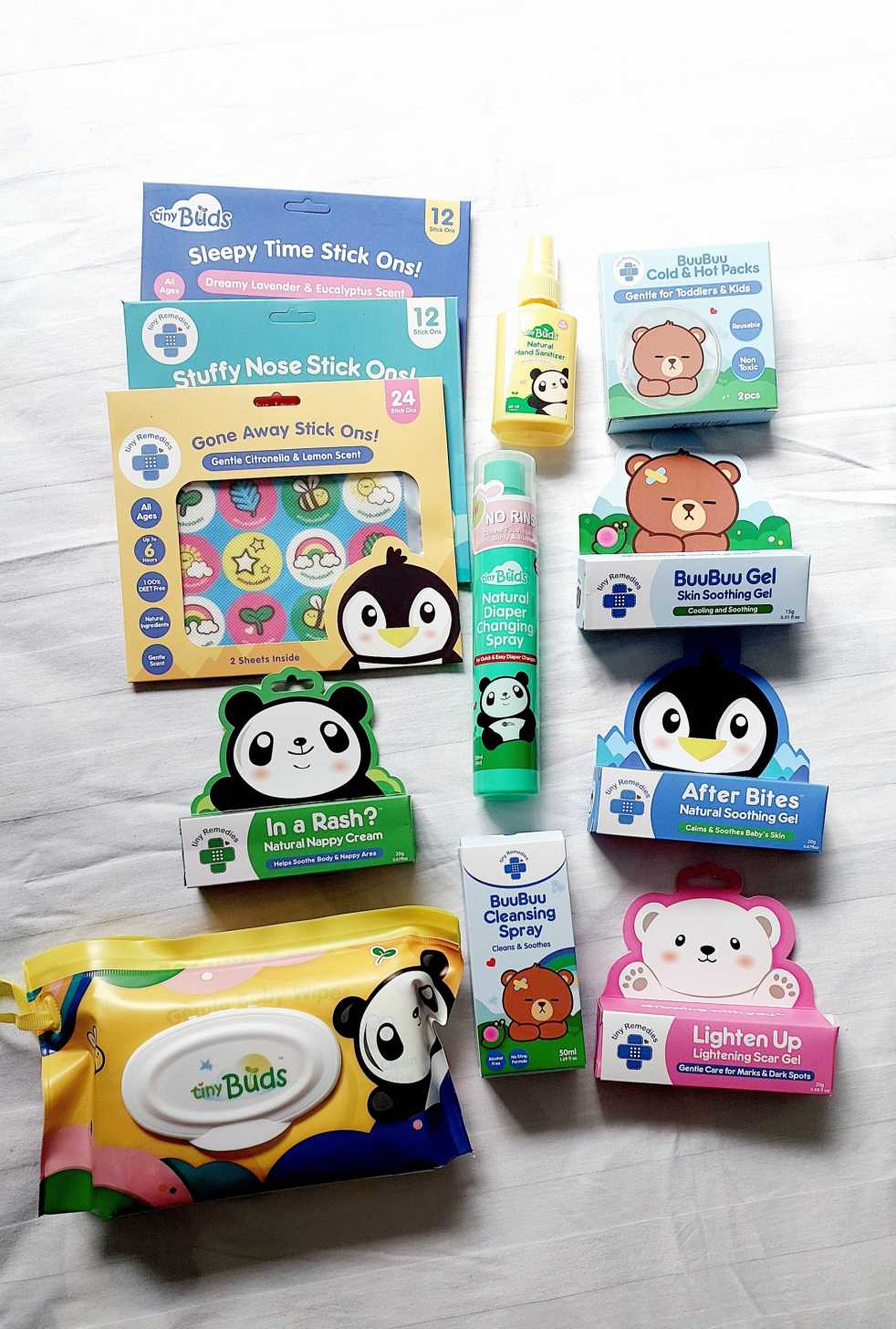
Your baby’s skin is more delicate than most, this is why you have to choose products that are designed for sensitive skin. Tiny Buds is a pioneer in integrating natural ingredients into baby care and today has over 50 innovative natural baby care essentials and is one of the Top Baby Personal Care brands. Here… Continue reading Product Review: Tiny Buds Baby Naturals Baby Essentials
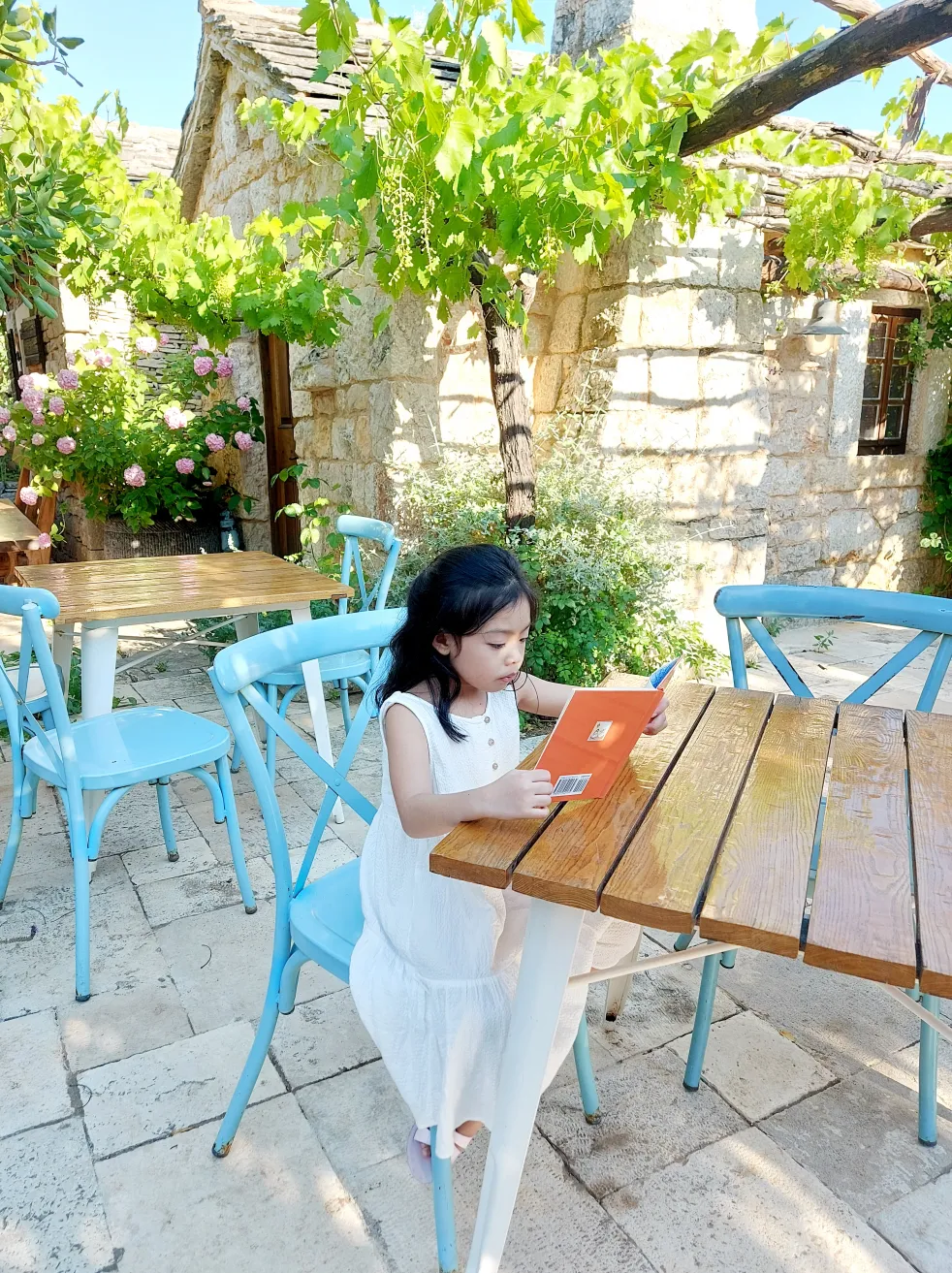
Where your child goes to school is a big decision and shouldn’t be taken lightly. Given how their education can impact their future, you might be tempted to take control and decide for them. However, you might be doing more damage than helping them in the long run. Your job as parents is to support… Continue reading HOW TO CHOOSE THE BEST SCHOOL FOR YOUR CHILD

As poet and philosopher Rumi once eloquently said, “raise your words, not your voice. It is rain that grows flowers, not thunder.” Parenting is a challenging journey, and the truth is that nobody has everything figured out. One parenting style might suit others best, and some might favor other methods. However, children respond better to… Continue reading A SIMPLE GUIDE TO GENTLE PARENTING

Whether you’re a new mom to be, mom of a toddler, mom who have school-aged kids, you’re bound to have so many questions. Let's start with your baby's skin. Infant skin has unique needs; gentle care is essential to prevent damage to the skin barrier, which can lead to irritation. When caring for infant skin,… Continue reading Keeping Baby’s Diapered Skin Healthy
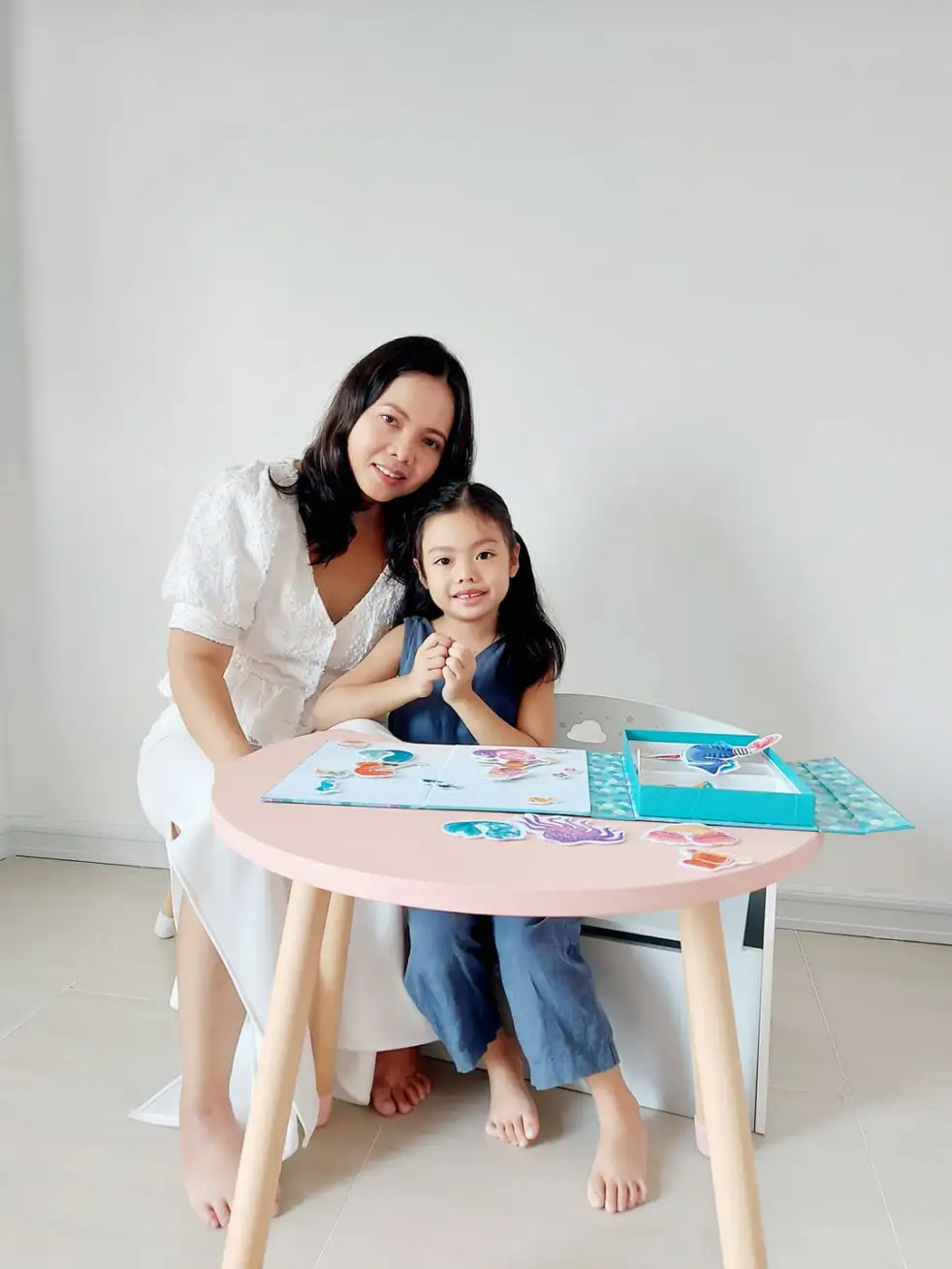
As parents, we want to give our child the best possible start in life and that begins with nurturing their intelligence. Throughout history, the notion of success has been linked to academic intelligence. However, there has been an increased awareness on the importance of emotional intelligence. This question gets at the heart of the never-ending… Continue reading IQ or EQ, which one is a better predictor of your child’s success?
 wondermomma.net