

Last August, IKEA Philippines engaged with Better World Smokey Mountain, a newly opened community center operated by the San Miguel Foundation, which shares a similar goal of improving the lives of many Filipino people. Through this partnership, IKEA Philippines provided and assembled home furnishings for the classrooms and library of Better World Smokey Mountain community… Continue reading Help Create a Better World with IKEA Soft Toys

NutriAsia, the country’s top producer of condiments and sauces, continues its support of Refill Revolution; a project by the Department of Environment and Natural Resources EMB 3 that aims to help reduce Filipinos’ single-use plastics consumption. At Refill Revolution, residents get to recycle their single-use plastic bottles by reusing and filling it with their choice… Continue reading NutriAsia and DENR renews partnership for Refill Revolution

The Best Sunscreens for Babies and Toddlers in Tropical Weather
Sun protection is part of everyday baby care in the Philippines, especially during beach trips, outdoor play, school activities, and ordinary walks under strong tropical sunlight. Heat, humidity, and frequent sweating can make sunscreen feel sticky, while swimming and towel-drying can reduce its staying power.
The right product should offer broad-spectrum protection against UVA and UVB rays without irritating delicate skin. For babies and toddlers, texture, ingredients, water resistance, and ease of application matter just as much as the SPF number on the bottle.
Sunscreen works best with shade, lightweight clothing, a wide-brimmed hat, and sensible timing. A reliable family routine can reduce sun exposure while still allowing children to enjoy outdoor activities safely.
When Babies Can Wear Sunscreen
For babies younger than six months, the primary protection should be shade and protective clothing. Keep infants away from direct sunlight when possible, use a stroller canopy or sunshade that allows good airflow, and dress them in lightweight long sleeves, pants, and a brimmed hat. Avoid covering the stroller with a thick blanket, as this can trap heat.
The American Academy of Pediatrics advises asking a healthcare professional before applying sunscreen to very young infants. If shade and clothing cannot cover a small exposed area, a pediatrician may recommend a minimal amount of sunscreen on that spot.
Babies six months and older can generally use sunscreen formulated for sensitive skin. Mineral or physical sunscreens containing zinc oxide or titanium dioxide are often a practical choice because they sit on the skin’s surface and tend to cause less stinging than some chemical filters. Always follow the product label and your child’s doctor’s advice, especially if the child has eczema or a history of skin reactions.
What To Look For In A Baby Sunscreen
Choose a broad-spectrum sunscreen with SPF 30 or higher. “Broad spectrum” means the product is designed to protect against both UVA rays, associated with long-term skin damage, and UVB rays, which cause sunburn. An SPF 50 product can be useful in bright tropical conditions, but it still requires proper application and reapplication.
For young children, look for fragrance-free, hypoallergenic, and non-comedogenic formulas when available. Mineral filters such as zinc oxide and titanium dioxide are common in baby sunscreens. Creams and lotions often provide more even coverage than sprays, which can be difficult to apply accurately and should never be sprayed directly onto a child’s face.
Water-resistant sunscreen is helpful for pool days, beach outings, and sweaty outdoor play. However, “water-resistant” does not mean waterproof. The protection usually lasts for 40 or 80 minutes during swimming or sweating, depending on the label. Reapply after water exposure, towel-drying, or heavy perspiration.
Formulas Worth Considering For Tropical Days
Product availability and ingredients can vary by country, retailer, and reformulation. Check the current packaging in Philippine stores or official brand channels, and confirm the recommended age before buying. The options below represent commonly considered categories rather than a substitute for medical advice.
| Product or Type | Best For | Notable Features | Points To Check |
|---|---|---|---|
| Thinkbaby SPF 50+ | Active toddlers and beach days | Mineral zinc oxide formula, high SPF, water resistance | Can feel rich or leave a white cast on deeper skin tones |
| Blue Lizard Baby | Sensitive skin and outdoor trips | Mineral filters, sensitive-skin positioning, color-changing bottle technology on some versions | Verify local stock and current ingredient list |
| Aveeno Baby Continuous Protection Sensitive Skin SPF 50 | Everyday family use | Mineral protection, gentle-skin formulation, lotion texture | May need thorough rubbing to reduce residue |
| Mustela Very High Protection Sun Lotion SPF 50+ | Dry or delicate skin | Child-focused skincare line, moisturizing feel, high protection | Check whether the specific version is mineral or hybrid |
| Fragrance-free mineral sunscreen | Families avoiding scent | Simple zinc oxide or zinc-and-titanium formulas | Texture, cast, and reapplication may be less convenient |
| Children’s water-resistant lotion SPF 30–50 | Swimming and sports | Designed for repeated outdoor use | Confirm water-resistance duration and age guidance |
A zinc oxide lotion may be the most comfortable choice for a child with reactive skin, while a lighter lotion can suit daily daycare use. No product will be ideal for every family. A formula that parents can apply generously and reapply consistently is often more useful than a premium sunscreen that a child refuses to wear.
Before full application, test a small amount on the inside of the arm or behind the ear. Watch for redness, swelling, itching, or discomfort over the next day. Stop using the product and seek medical guidance if a significant reaction develops.
How To Apply Sunscreen Correctly
Apply sunscreen about 15 minutes before going outdoors, unless the label gives different instructions. Use enough to cover all exposed areas, including the face, ears, neck, shoulders, arms, backs of hands, legs, and tops of feet. Hairlines and the area around the ankles are easy to miss.
For a child’s face, place the lotion on your hands first and gently spread it over the skin. Keep sunscreen away from the eyes, lips, and broken skin. If it gets into the eyes, rinse with clean water. A stick formula can be convenient for cheeks and the bridge of the nose, but it still needs to be applied generously and blended carefully.
Reapply at least every two hours while outdoors. Reapply sooner after swimming, sweating, towel-drying, or wiping the face and hands. Toddlers often remove sunscreen through play, food, and rubbing, so inspect exposed skin regularly during long outings.
Building A Sun-Safe Tropical Routine
Plan outdoor activities before 10 a.m. or later in the afternoon when possible, since sunlight is often strongest around midday. Shade is especially valuable near reflective surfaces such as sand, concrete, and water. A beach umbrella or tree can reduce direct exposure, although reflected ultraviolet rays can still reach the skin.
Choose tightly woven, lightweight clothing and a hat with a brim that shades the face, ears, and neck. Some children’s swimwear includes an ultraviolet protection factor, or UPF, rating. Sunglasses with UV protection can help shield young eyes, provided the child will wear them comfortably.
Heat protection matters alongside sunscreen. Offer frequent water breaks, use breathable clothing, and check for flushed skin, unusual tiredness, dizziness, headache, or reduced urination. Move the child to a cool, shaded place if they seem overheated. Babies and toddlers can become uncomfortable quickly in humid weather, even when they are protected from direct sunlight.
Keep sunscreen in a cool, dry place and avoid leaving it inside a hot car. Check the expiration date and discard products that have changed smell, color, or texture. Do not rely on last year’s bottle if it has been exposed to high temperatures or stored improperly.
Making Sunscreen Easier For Toddlers
Toddlers often resist anything that feels cold, greasy, or unfamiliar. Apply sunscreen as part of the dressing routine, before shoes and outdoor play begin. Let your child hold the closed bottle, choose between two acceptable products, or help rub lotion onto their arms after an adult has applied the correct amount.
For quick family packing, keep a small sun-care kit with sunscreen, hats, spare shirts, water, and a clean towel. Apply the first layer at home instead of waiting until a child is already excited to reach the playground or beach. A second bottle in the diaper bag can prevent missed reapplications during longer trips.
These practical habits can make daily protection more manageable:
- Choose broad-spectrum SPF 30 or higher, preferably a gentle mineral formula for sensitive skin.
- Apply sunscreen generously to exposed skin before leaving home.
- Reapply every two hours and after swimming, sweating, or towel-drying.
- Combine sunscreen with shade, protective clothing, hats, and UV-blocking sunglasses.
- Check the label, expiration date, age guidance, and ingredient list before use.
Sunscreen should support a child’s outdoor life rather than replace it. With a comfortable formula, adequate coverage, and regular breaks from direct sun, families can enjoy parks, beaches, gardens, and neighborhood walks more confidently. Review your child’s skin needs with a pediatrician or dermatologist if they have eczema, frequent rashes, unusual sensitivity, or a history of sun reactions, then choose a product that fits your family’s routine and use it consistently.

Mercato Centrale, in collaboration with Indian Women in Enterprise Philippines (I-We), is set to host "The Great Indian Fiesta" to mark 75 years of friendship between India and the Philippines. The dynamic two-day event is scheduled to take place on September 30 to October 1, 2023, at Paseo De Roxas Street, Makati City. Aiming to… Continue reading Mercato Centrale Partners with I-We to Host ‘The Great Indian Fiesta’, Commemorating 75 Years of India-Philippines Friendship

My stomach would usually start growling at 10 am even after taking a big breakfast. This is probably because I am a morning person and I move a lot throughout the day hence snacking is something that I can't avoid. This potatoes and chicken wrap recipe is easy to prepare and would keep me full… Continue reading Potato and Chicken Wrap
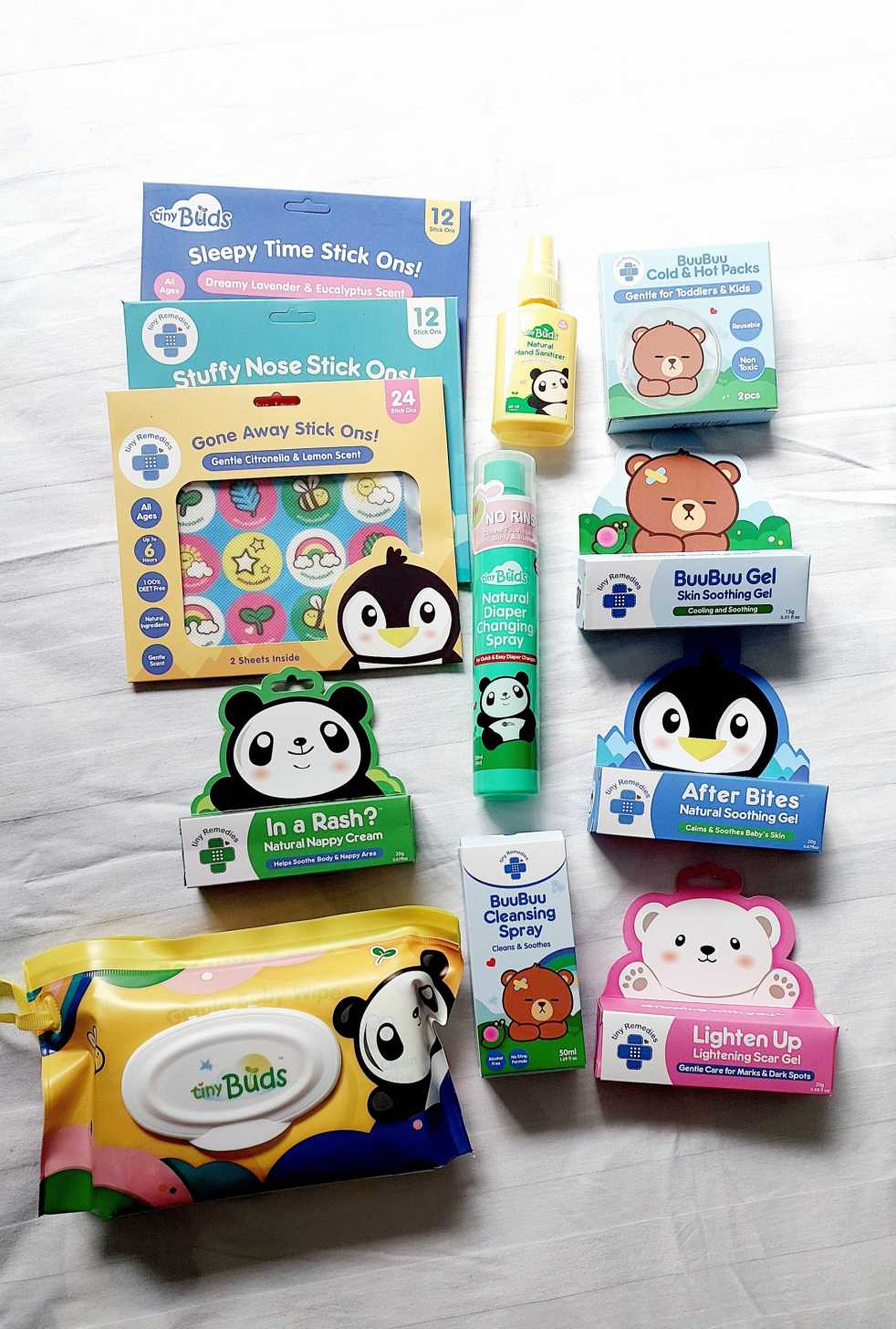
Your baby’s skin is more delicate than most, this is why you have to choose products that are designed for sensitive skin. Tiny Buds is a pioneer in integrating natural ingredients into baby care and today has over 50 innovative natural baby care essentials and is one of the Top Baby Personal Care brands. Here… Continue reading Product Review: Tiny Buds Baby Naturals Baby Essentials
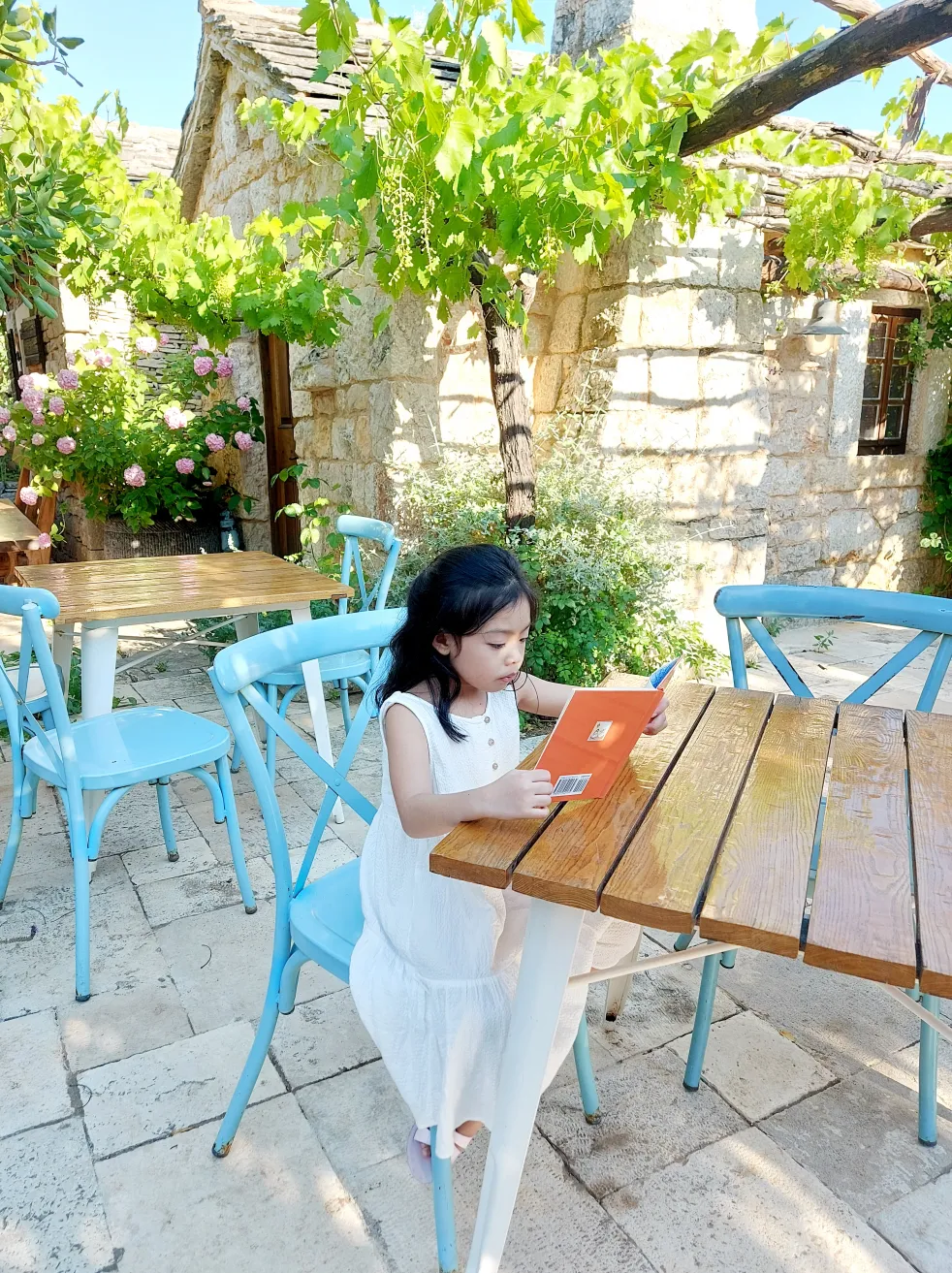
Where your child goes to school is a big decision and shouldn’t be taken lightly. Given how their education can impact their future, you might be tempted to take control and decide for them. However, you might be doing more damage than helping them in the long run. Your job as parents is to support… Continue reading HOW TO CHOOSE THE BEST SCHOOL FOR YOUR CHILD

As poet and philosopher Rumi once eloquently said, “raise your words, not your voice. It is rain that grows flowers, not thunder.” Parenting is a challenging journey, and the truth is that nobody has everything figured out. One parenting style might suit others best, and some might favor other methods. However, children respond better to… Continue reading A SIMPLE GUIDE TO GENTLE PARENTING
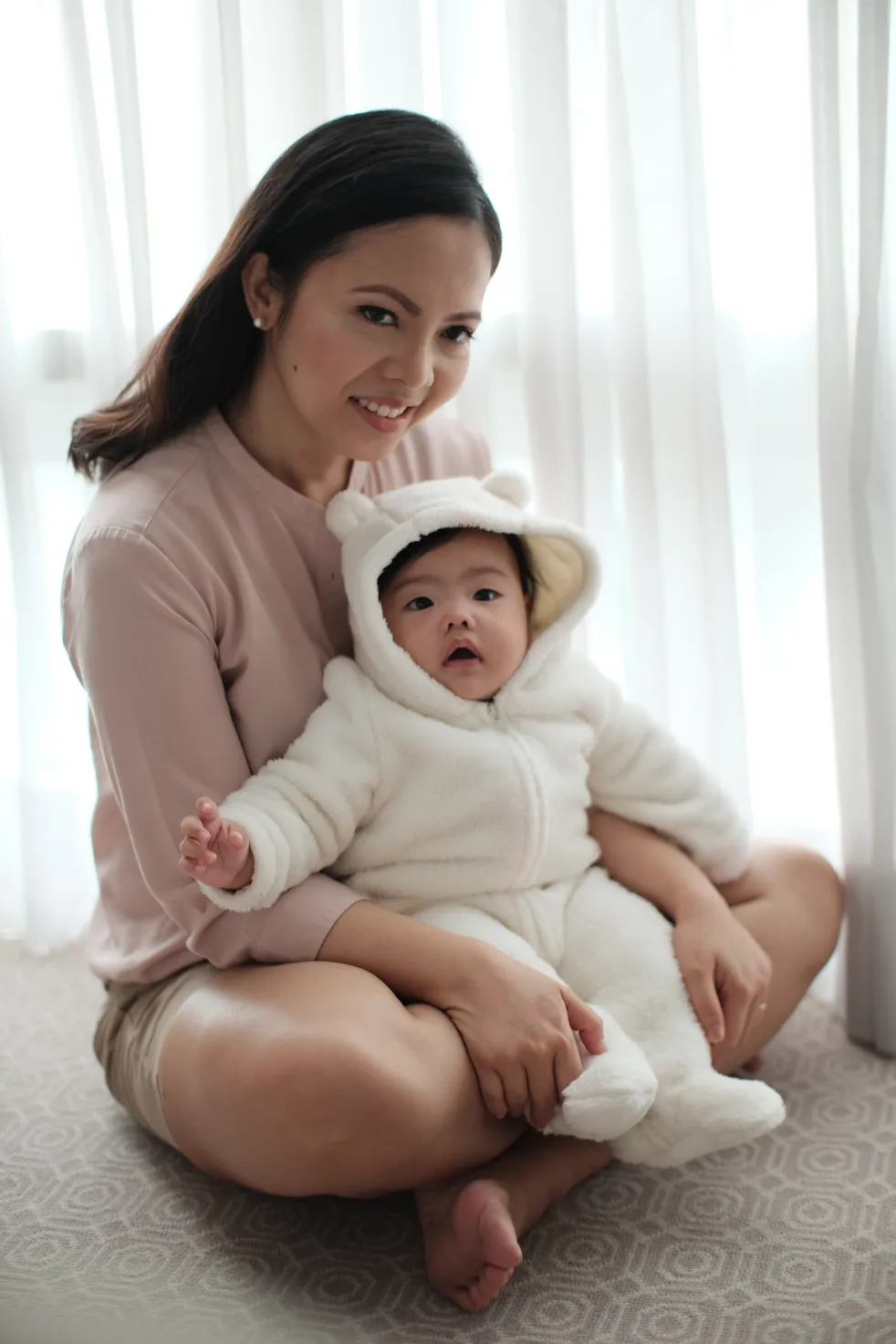
Whether you’re a new mom to be, mom of a toddler, mom who have school-aged kids, you’re bound to have so many questions. Let's start with your baby's skin. Infant skin has unique needs; gentle care is essential to prevent damage to the skin barrier, which can lead to irritation. When caring for infant skin,… Continue reading Keeping Baby’s Diapered Skin Healthy
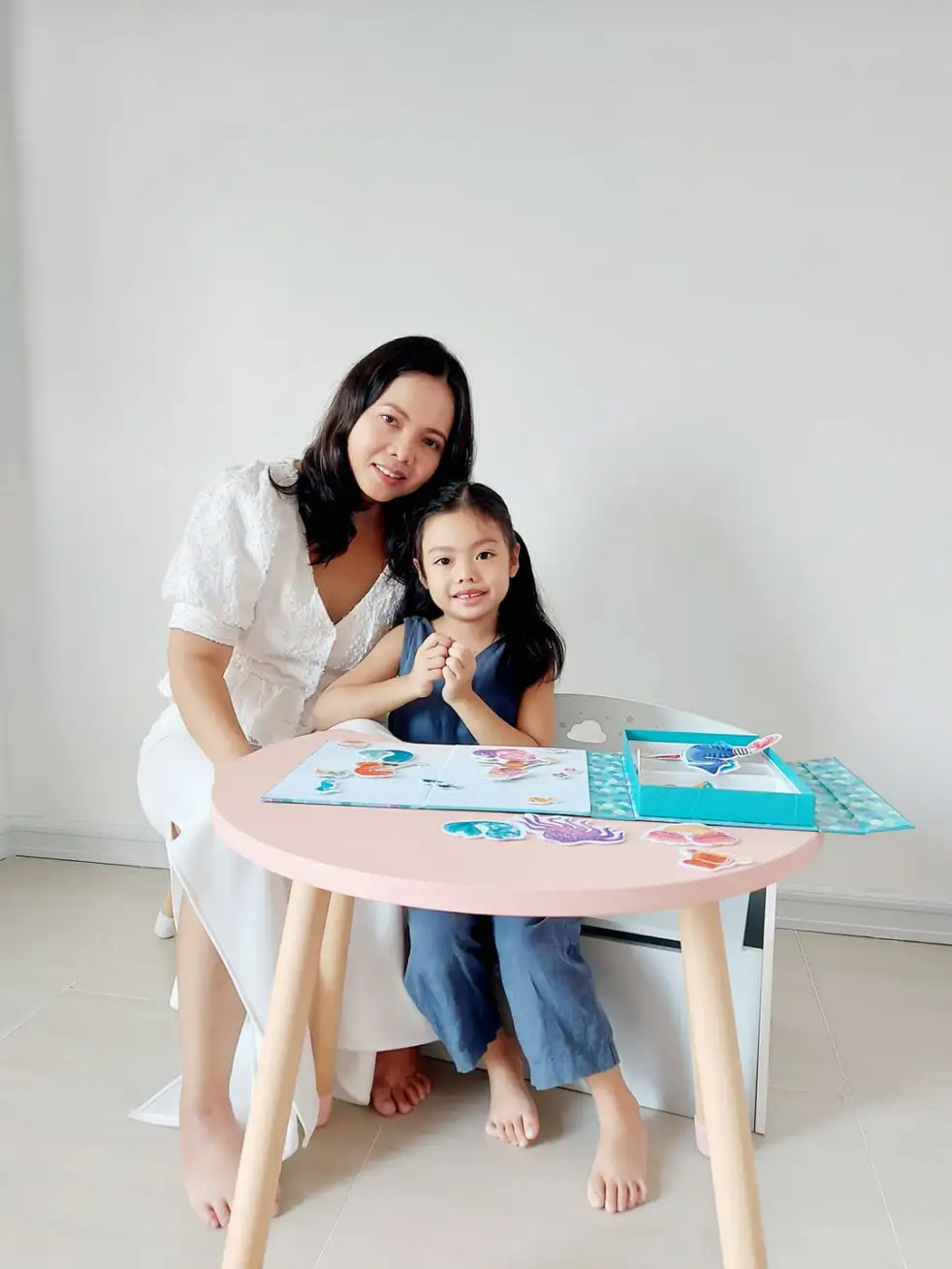
As parents, we want to give our child the best possible start in life and that begins with nurturing their intelligence. Throughout history, the notion of success has been linked to academic intelligence. However, there has been an increased awareness on the importance of emotional intelligence. This question gets at the heart of the never-ending… Continue reading IQ or EQ, which one is a better predictor of your child’s success?
 wondermomma.net