
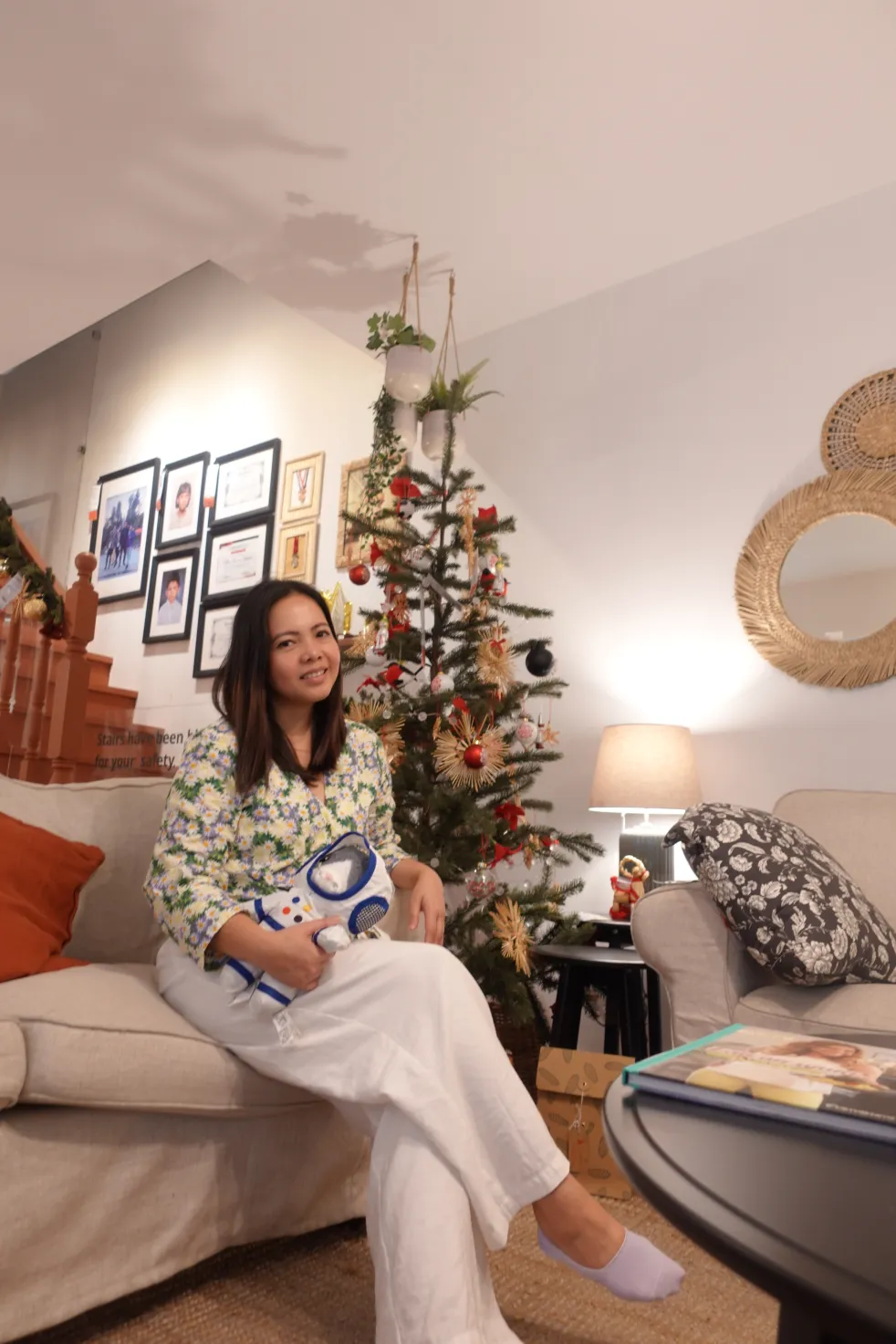
Last August, IKEA Philippines engaged with Better World Smokey Mountain, a newly opened community center operated by the San Miguel Foundation, which shares a similar goal of improving the lives of many Filipino people. Through this partnership, IKEA Philippines provided and assembled home furnishings for the classrooms and library of Better World Smokey Mountain community… Continue reading Help Create a Better World with IKEA Soft Toys
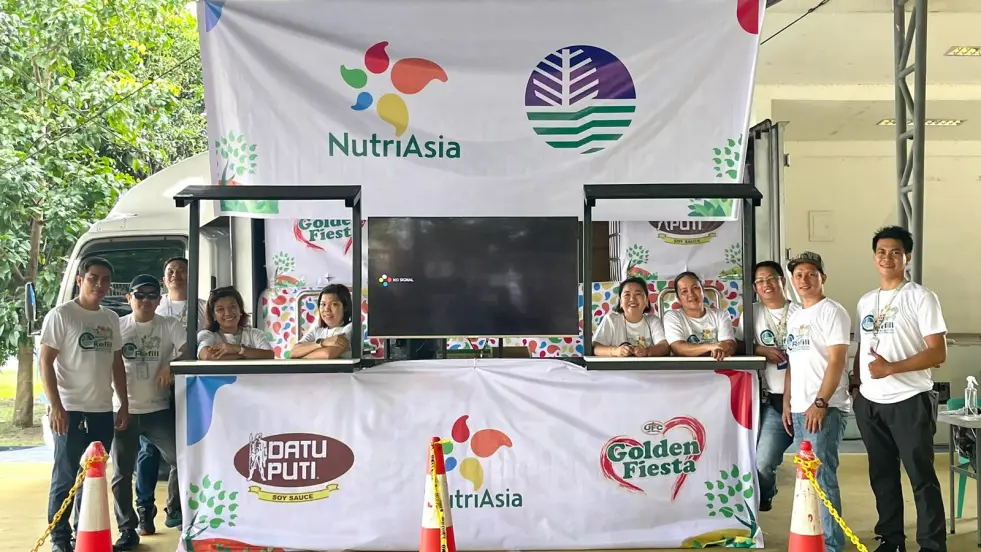
NutriAsia, the country’s top producer of condiments and sauces, continues its support of Refill Revolution; a project by the Department of Environment and Natural Resources EMB 3 that aims to help reduce Filipinos’ single-use plastics consumption. At Refill Revolution, residents get to recycle their single-use plastic bottles by reusing and filling it with their choice… Continue reading NutriAsia and DENR renews partnership for Refill Revolution

Rainy-Day Activities Kids Can Enjoy Indoors
Rainy weather can turn a planned park visit into a long afternoon at home, especially during the wet season in the Philippines or a stormy school-holiday week in Australia. With a little preparation, ordinary household items can become materials for imaginative play, movement, learning and family connection.
These indoor activities suit toddlers, preschoolers and primary-aged children, with simple ways to adjust each idea for different ages. Parents can also use this time to slow down, reduce pressure and create playful routines that work in an Australian home, whether the family lives in a Brisbane apartment, a Melbourne townhouse or a regional community.
Turn Everyday Items Into Creative Play
A rainy afternoon is an excellent time for open-ended craft. Set out cardboard boxes, paper rolls, old magazines, washable markers, child-safe scissors, glue and scraps of fabric. Children can make a pretend sari-sari store, a jeepney, a cubby house or a small town for toy animals. Australian children may enjoy adding a local touch by creating a pretend tram stop, beach kiosk or bush campsite.
For younger children, keep the activity simple with stickers, chunky crayons and large sheets of paper. Older children can design menus, tickets, signs and maps for their imaginary world. This encourages storytelling, fine motor skills and early writing without making the activity feel like schoolwork.
A recycled-box puppet theatre can provide entertainment for the rest of the day. Help children cut a window in a box, then let them create characters from paper bags or wooden spoons. Families looking for more gentle, practical ideas can browse family activity ideas for inspiration that fits everyday parenting.
Another easy project is a family mural. Tape butcher’s paper or joined sheets of recycled paper to the floor and invite everyone to draw a shared scene. Children can illustrate their favourite Filipino foods, Australian animals, rainy streets or an imaginary holiday destination. Displaying the finished artwork gives the activity a satisfying ending.
Bring Active Play Into the Living Room
Children still need physical activity when outdoor plans are cancelled. Clear a safe area away from sharp furniture, slippery rugs and breakable objects, then create a mini indoor obstacle course. Cushions can become stepping stones, a line of masking tape can become a balance path, and a blanket tunnel can provide a crawling challenge.
Movement games work well for mixed ages. Try “freeze dance”, animal walks, balloon volleyball or a colour hunt where children race to touch something blue, yellow or green. Toddlers can practise jumping between cushions with an adult nearby, while older children can invent a sequence of movements for everyone to copy.
A rainy-day dance session is especially useful when the weather keeps the family indoors for several hours. Play Filipino children’s songs, Australian classics or instrumental music and let children choose the actions. Keep the volume comfortable for neighbours, particularly in an apartment, and use a clear stop signal so the game does not become too chaotic.
For families in Australia, a wet Saturday can also be a chance to visit an indoor swimming centre, local library activity room or PCYC program when available. Check opening times before leaving, as school-holiday sessions and casual entry prices can vary. If the weather is unsafe for driving, an indoor movement circuit at home is the better choice.
Make Learning Feel Like an Adventure
Rainy days offer natural opportunities for hands-on learning. Set up a simple science station with cups, water, ice cubes and a towel underneath. Children can predict which objects will float, observe how ice melts or test whether different containers hold the same amount of water. Adult supervision is essential around water, even when the activity seems small.
A kitchen activity can combine maths, language and culture. Children might count rice grains with a measuring cup, sort fruit by colour or help prepare banana pancakes, turon-inspired rolls or a simple vegetable omelette. In Australia, measuring ingredients in cups and spoons also supports practical skills used in school and everyday cooking.
Storytelling can become a lively family game. Choose a picture book, read it aloud, then ask children to change one part of the plot. What if the character had to cross a flooded street, find a lost umbrella or invite a neighbour inside? Younger children can draw the new ending, while older children can write a short script and perform it.
A weather journal is another useful project. Children can record rainfall, cloud shapes, temperature and how the family travelled that day. They can compare a tropical downpour in Manila with a cold front in Melbourne or a summer storm in Sydney. Using the Bureau of Meteorology app with an adult can introduce weather vocabulary while keeping the discussion connected to real life.
Create Calm Routines For Long Wet Days
Indoor fun does not need to fill every minute. Children often cope better with a predictable rhythm that includes active play, quiet time, food and rest. A simple routine can prevent constant requests for screens and help parents manage the day with less stress.
Use a visual schedule with drawings or handwritten labels. It might include breakfast, creative play, movement, lunch, reading, a household task and a family film. Children can move a peg or sticker along the schedule as each activity finishes. This works especially well for preschoolers who find unexpected changes difficult.
A simple indoor rhythm
- Morning: craft, building or sensory play
- Midday: cooking, lunch and a short movement game
- Afternoon: reading, puzzles or quiet drawing
- Evening: bath, tidy-up and a family story
Parents can involve children in small household jobs, turning practical tasks into games. Sorting socks, wiping a low table, matching food containers or watering indoor plants builds independence. Keep expectations realistic: the goal is participation, not a perfectly tidy home.
Low-preparation ideas
- Make a blanket reading nook
- Play “I spy” around the house
- Sort buttons, blocks or toy animals by colour
- Call a grandparent or relative for a story session
Families in Australia may use the word “arvo” for the slower part of the day, making it a useful cue for a calm activity after lunch. A reading corner, audio story or puzzle can help children reset before dinner, especially after a busy morning of indoor games.
Choose Activities By Age, Space And Energy
The best rainy-weather activity depends on a child’s age, available space, energy level and need for adult support. A two-year-old may enjoy transferring pom-poms with a spoon, while a nine-year-old may prefer designing a board game. The same materials can often be adapted rather than replaced.
Safety matters when children play indoors. Avoid small loose parts for toddlers, supervise water and cooking activities, secure furniture that could tip and check that floors are dry. If using balloons, keep broken pieces away from young children. Choose washable art supplies and protect carpets with an old sheet.
Screen time can have a place in a balanced wet-weather plan. A short nature documentary, Filipino story, dance video or virtual museum visit can be followed by an offline activity. For instance, children might watch a clip about sea animals, then create an ocean collage from recycled paper. This makes media part of a broader experience rather than the whole afternoon.
| Activity | Best for | Materials | Parent involvement | Main benefit |
|---|---|---|---|---|
| Cardboard pretend town | Preschoolers to primary children | Boxes, paper, markers | Medium | Imagination and language |
| Balloon volleyball | Ages 3 and up | Balloon, clear floor space | High | Coordination and movement |
| Floating and sinking test | Ages 4 and up | Cups, water, safe objects | High | Early science skills |
| Family mural | All ages | Paper, crayons, tape | Low to medium | Creativity and cooperation |
| Cooking project | Ages 3 and up | Simple ingredients, utensils | High | Maths and independence |
| Reading nook | Toddlers to primary children | Books, cushions, blanket | Low | Calm focus and bonding |
The market for children’s activities in Australia includes library story times, council-run programs, indoor play centres and school-holiday workshops, though fees and availability differ between suburbs. Families may find affordable supplies at Kmart, Big W or a local discount shop, while Filipino groceries can provide ingredients for a culturally familiar cooking activity.
Rainy days can also connect children with relatives and community. A video call with family in the Philippines, a shared recipe sent by an auntie or a story about childhood games can make distance feel smaller. The aim is not to create a flawless schedule. It is to offer children a safe, warm setting where curiosity, movement and connection can continue while the rain falls outside.

Mercato Centrale, in collaboration with Indian Women in Enterprise Philippines (I-We), is set to host "The Great Indian Fiesta" to mark 75 years of friendship between India and the Philippines. The dynamic two-day event is scheduled to take place on September 30 to October 1, 2023, at Paseo De Roxas Street, Makati City. Aiming to… Continue reading Mercato Centrale Partners with I-We to Host ‘The Great Indian Fiesta’, Commemorating 75 Years of India-Philippines Friendship

My stomach would usually start growling at 10 am even after taking a big breakfast. This is probably because I am a morning person and I move a lot throughout the day hence snacking is something that I can't avoid. This potatoes and chicken wrap recipe is easy to prepare and would keep me full… Continue reading Potato and Chicken Wrap
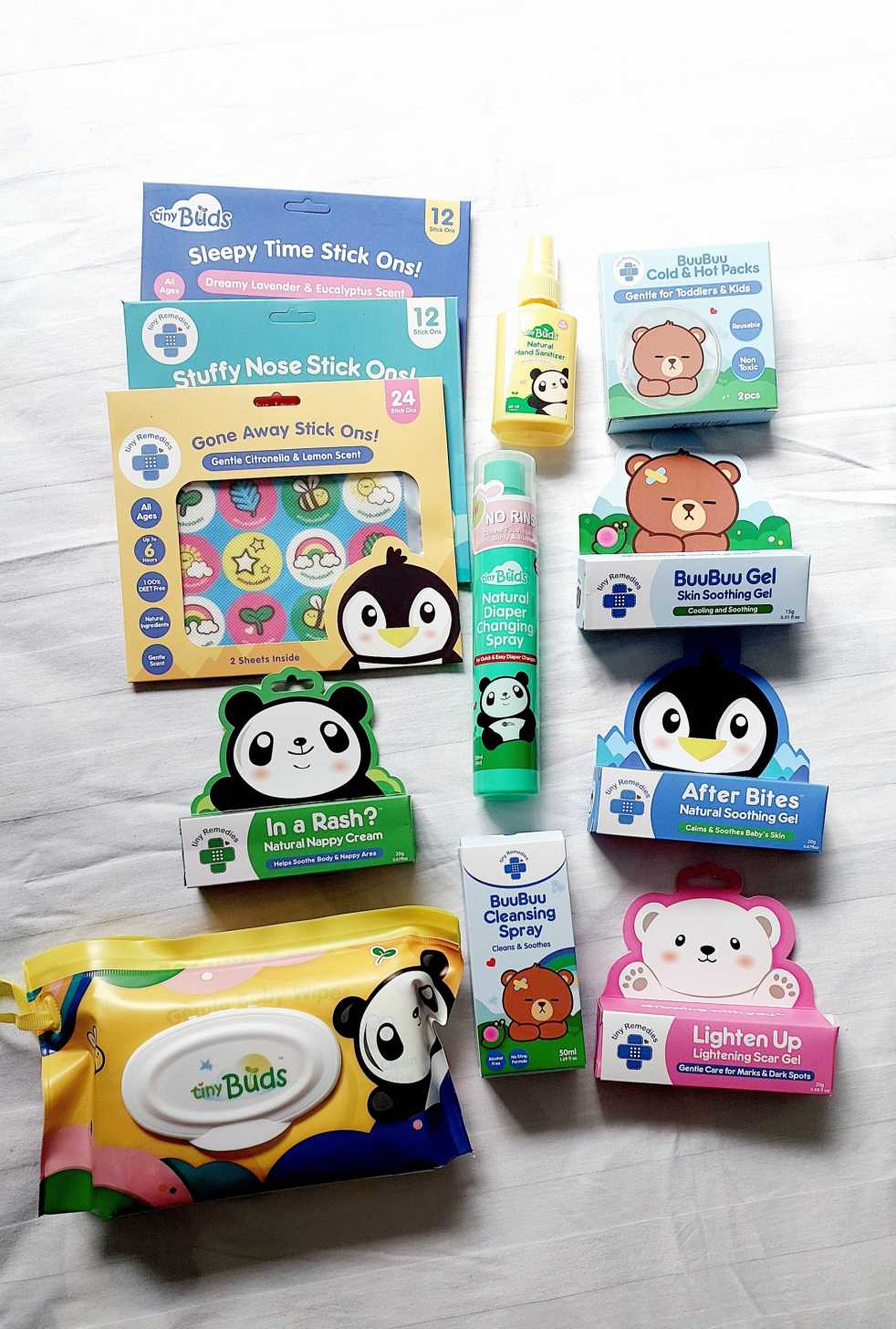
Your baby’s skin is more delicate than most, this is why you have to choose products that are designed for sensitive skin. Tiny Buds is a pioneer in integrating natural ingredients into baby care and today has over 50 innovative natural baby care essentials and is one of the Top Baby Personal Care brands. Here… Continue reading Product Review: Tiny Buds Baby Naturals Baby Essentials
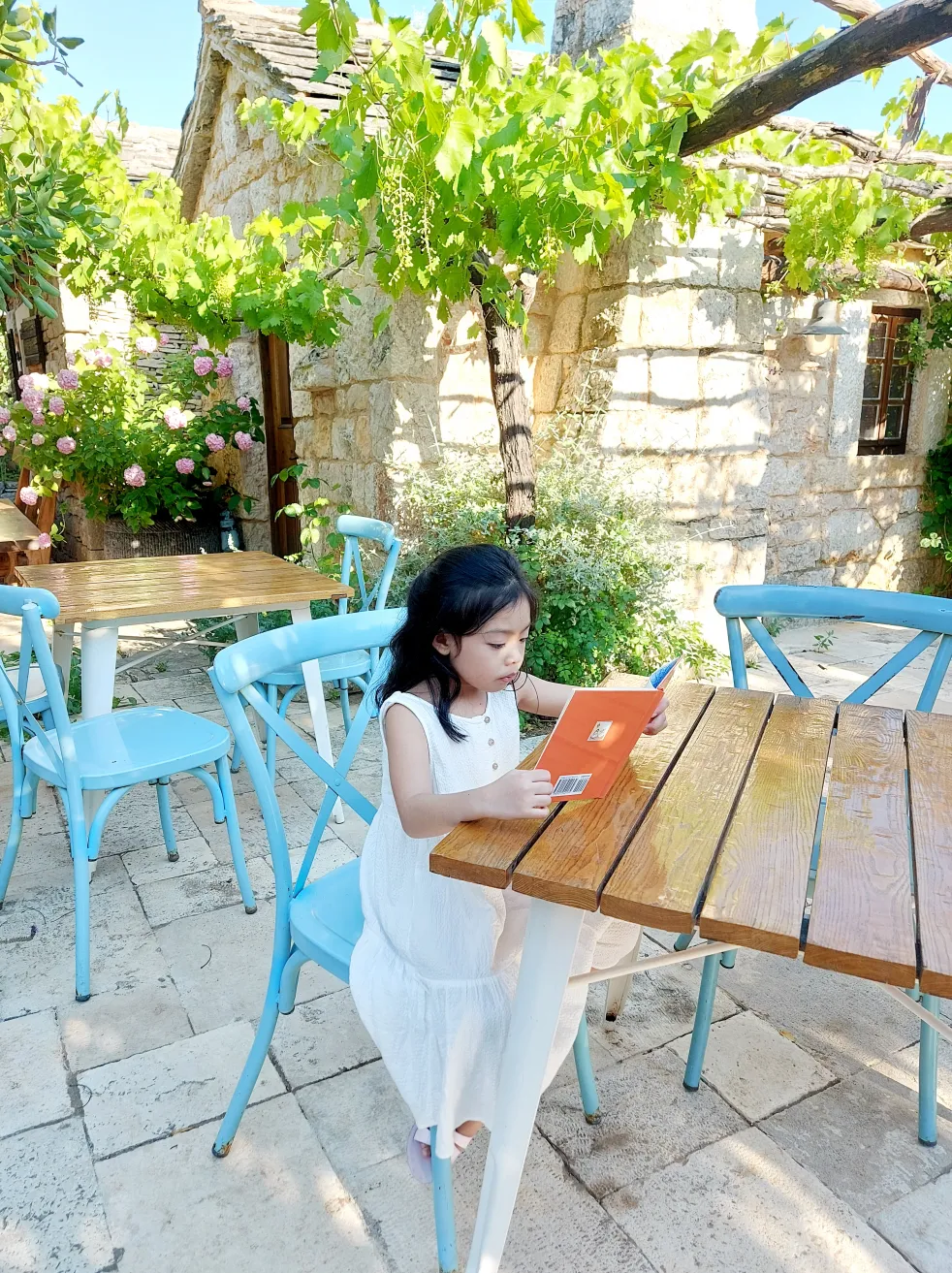
Where your child goes to school is a big decision and shouldn’t be taken lightly. Given how their education can impact their future, you might be tempted to take control and decide for them. However, you might be doing more damage than helping them in the long run. Your job as parents is to support… Continue reading HOW TO CHOOSE THE BEST SCHOOL FOR YOUR CHILD
As poet and philosopher Rumi once eloquently said, “raise your words, not your voice. It is rain that grows flowers, not thunder.” Parenting is a challenging journey, and the truth is that nobody has everything figured out. One parenting style might suit others best, and some might favor other methods. However, children respond better to… Continue reading A SIMPLE GUIDE TO GENTLE PARENTING

Whether you’re a new mom to be, mom of a toddler, mom who have school-aged kids, you’re bound to have so many questions. Let's start with your baby's skin. Infant skin has unique needs; gentle care is essential to prevent damage to the skin barrier, which can lead to irritation. When caring for infant skin,… Continue reading Keeping Baby’s Diapered Skin Healthy
As parents, we want to give our child the best possible start in life and that begins with nurturing their intelligence. Throughout history, the notion of success has been linked to academic intelligence. However, there has been an increased awareness on the importance of emotional intelligence. This question gets at the heart of the never-ending… Continue reading IQ or EQ, which one is a better predictor of your child’s success?
 wondermomma.net