

Last August, IKEA Philippines engaged with Better World Smokey Mountain, a newly opened community center operated by the San Miguel Foundation, which shares a similar goal of improving the lives of many Filipino people. Through this partnership, IKEA Philippines provided and assembled home furnishings for the classrooms and library of Better World Smokey Mountain community… Continue reading Help Create a Better World with IKEA Soft Toys
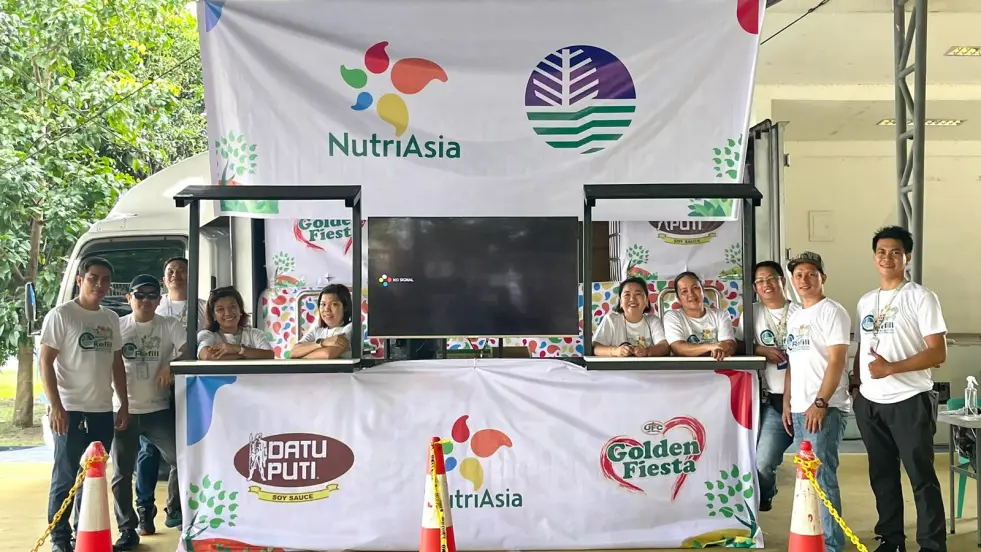
NutriAsia, the country’s top producer of condiments and sauces, continues its support of Refill Revolution; a project by the Department of Environment and Natural Resources EMB 3 that aims to help reduce Filipinos’ single-use plastics consumption. At Refill Revolution, residents get to recycle their single-use plastic bottles by reusing and filling it with their choice… Continue reading NutriAsia and DENR renews partnership for Refill Revolution

Gentle Bug Protection for Babies in Tropical Climates
Warm, humid weather makes outdoor family time enjoyable, but it also creates ideal conditions for mosquitoes, ants, flies, and other biting insects. In the Philippines and other tropical regions, babies may encounter bugs at home, in gardens, near beaches, and while travelling between provinces.
Parents often look for plant-based or chemical-free choices, especially for young skin. Natural bug repellents can have a place in a family’s routine, but “natural” does not automatically mean safe for newborns, gentle enough for sensitive skin, or effective against disease-carrying mosquitoes.
The safest approach combines physical barriers, a cool and clean environment, and carefully selected products. A repellent should support these measures rather than replace them.
Why Tropical Homes Need Layered Protection
Mosquitoes can be active during the day and evening. Aedes mosquitoes, which can spread dengue, chikungunya, and Zika in some regions, commonly bite during daylight hours. Other mosquito species are more active at dusk and overnight. This makes a single bedtime solution insufficient for many families.
Standing water around plant pots, roof gutters, buckets, pet bowls, and outdoor toys can support mosquito breeding. Emptying or covering these containers every few days reduces the number of insects around the home. Window screens, fans, closed doors, and a well-fitted mosquito net provide another useful layer.
For babies, clothing is often more dependable than a scented spray. Lightweight long sleeves, loose trousers, socks, and a sun hat can cover much of the skin without making a child overheated. Choose breathable cotton or other airy fabrics, and check the baby’s neck and back regularly for sweating.
How Plant-Based Repellents Perform
Citronella is one of the best-known botanical mosquito repellents. It may offer short-term protection, especially in candles or outdoor diffusers, but its effect on exposed skin is usually brief. Citronella candles should never be placed within a baby’s reach, and smoke or strong fragrance can irritate some children.
Lemongrass, lavender, peppermint, rosemary, and geranium are also found in natural insect-repellent blends. Their scents may discourage some insects, yet essential oils evaporate quickly and do not provide consistent protection. A pleasant smell should not be treated as proof that a product prevents mosquito bites.
Neem-based products are sometimes used in tropical households, though their formulas vary widely. Concentrated oils can irritate skin, and homemade mixtures may have uncertain strength or contamination risks. Oil of lemon eucalyptus, which contains PMD, has better evidence for repelling mosquitoes than many essential oils, but it is different from lemon eucalyptus essential oil and should not be used for children younger than three years.
| Option | Potential benefit | Important limitation | Baby-friendly note |
|---|---|---|---|
| Citronella | May reduce mosquito activity briefly | Protection fades quickly; candles produce heat and smoke | Avoid direct use on infants unless a qualified clinician approves the specific product |
| Lavender or lemongrass oil | Strong scent may discourage some insects | Limited duration and inconsistent effectiveness | Do not apply undiluted essential oil to baby skin |
| Neem preparations | Traditional plant-based option | Formulas and evidence vary; may cause irritation | Use only a clearly labelled, age-appropriate product after professional advice |
| Oil of lemon eucalyptus or PMD | More reliable mosquito protection than many botanical oils | Not suitable for children under three years | Follow the label precisely and keep away from the face and hands |
| Mosquito netting and clothing | Physical protection without skin exposure | Requires good fit and consistent use | Suitable for babies, including newborns |
| Picaridin or DEET products | Strong evidence when used correctly | Not plant-based; requires label-based application | Often considered for babies over two months, with medical or label guidance |
Essential Oil Safety Around Infants
Babies have thinner, more sensitive skin and a greater skin-to-body ratio than adults. Their hands also frequently go into their mouths, making products applied to fingers, wrists, or feet especially unsuitable. Essential oils should never be used undiluted on a baby’s skin, added to bathwater, or placed inside a humidifier.
A diffuser is not a substitute for personal protection. Strong vapours may irritate a baby’s eyes and airways, particularly in a small bedroom with limited ventilation. Some oils can also trigger skin reactions or breathing symptoms in children who are sensitive to fragrance.
Avoid applying botanical oils near the eyes, nose, mouth, broken skin, eczema patches, or diaper area. Never put repellent on a baby’s palms. If a healthcare professional approves a topical product, apply the smallest labelled amount to adult hands first, then spread it over exposed skin while avoiding the face.
Safer Protection By Age
Newborns and babies under two months generally should not have insect repellent applied to their skin. Use a fitted mosquito net over a cot, stroller, or carrier, ensuring that the net is secured and does not rest directly against the baby’s face. Keep the sleeping area free from loose fabric and inspect the net for holes.
For older babies, read the product label carefully before use. Age limits differ between ingredients and countries. Some products marketed as natural are not tested specifically for infants, while some registered repellents containing DEET or picaridin have clearer safety and effectiveness information when used according to instructions.
Apply repellent to an adult’s hands before placing it on a child’s arms or legs. Do not spray near the face, inside a room, or onto clothing unless the label specifically permits it. Wash treated skin with soap and water after returning indoors, and wash clothing before wearing it again if the product instructions recommend this.
Everyday Ways To Keep Bugs Away
A simple family routine can reduce exposure without relying heavily on any single ingredient. Use the following habits at home and during outings:
- Place a properly fitted mosquito net over a stroller, cot, or carrier, and check that insects cannot enter from the sides.
- Dress babies in loose, lightweight clothing that covers the arms and legs while keeping them cool.
- Empty standing water from containers, saucers, toys, and outdoor equipment at least weekly, or more often after rain.
- Use window screens, doors, fans, and air conditioning where available, especially during peak mosquito activity.
- Keep food covered and clean spills promptly to reduce ants, flies, and other household pests.
A fan can make it harder for mosquitoes to land and may also keep a baby comfortable in humid weather. However, do not aim a powerful fan directly at a sleeping infant, and maintain safe sleep practices with a firm, clear sleeping surface.
Outdoor candles and plant-based vapour products should remain away from children, curtains, bedding, and flammable materials. They should never be used inside a closed nursery. Follow local health guidance during dengue outbreaks, when reducing mosquito exposure becomes especially important.
Choosing A Product For Sensitive Skin
Look for a complete ingredient list, manufacturer details, directions, warnings, batch information, and a clear age recommendation. Avoid products that promise protection for an unusually long time without explaining how that claim was tested. A “chemical-free” statement is not a reliable safety standard because all substances, including plant extracts, are chemicals.
Perform a small patch test on an older child by following medical advice and the product instructions. Stop using the product if redness, swelling, itching, blistering, coughing, or breathing difficulty develops. Wash the area gently and seek medical help for significant symptoms.
Parents may choose a natural product for a short garden visit and rely on netting and clothing for a longer outing. For areas with dengue or other mosquito-borne illness, discuss the most effective age-appropriate option with a paediatrician. Preventing bites is more important than preserving a particular ingredient preference.
When A Bite Needs Medical Attention
Most insect bites cause a small, itchy bump that improves within a few days. Keep fingernails short, wash the area gently, and use a cool compress. Avoid scratching, strong home remedies, and concentrated oils, which can damage irritated skin or introduce infection.
Contact a healthcare professional if a bite becomes increasingly red, hot, painful, swollen, or filled with pus. Urgent care is needed for facial swelling, widespread hives, vomiting, breathing problems, unusual sleepiness, or signs of a severe allergic reaction.
In tropical areas, fever after mosquito exposure deserves attention. Dengue can cause high fever, headache, body aches, rash, nausea, or unusual tiredness. Seek medical advice promptly, and avoid giving medicines to a baby without guidance from a qualified healthcare professional.
Protecting a baby from insects does not require covering the nursery in fragrances or experimenting with concentrated oils. Start with shade, breathable clothing, screens, clean surroundings, and a secure net. For topical products, choose evidence, clear labelling, and age-appropriate guidance over attractive natural claims. Save this routine for family outings and share it with every caregiver who looks after your little one.

Mercato Centrale, in collaboration with Indian Women in Enterprise Philippines (I-We), is set to host "The Great Indian Fiesta" to mark 75 years of friendship between India and the Philippines. The dynamic two-day event is scheduled to take place on September 30 to October 1, 2023, at Paseo De Roxas Street, Makati City. Aiming to… Continue reading Mercato Centrale Partners with I-We to Host ‘The Great Indian Fiesta’, Commemorating 75 Years of India-Philippines Friendship

My stomach would usually start growling at 10 am even after taking a big breakfast. This is probably because I am a morning person and I move a lot throughout the day hence snacking is something that I can't avoid. This potatoes and chicken wrap recipe is easy to prepare and would keep me full… Continue reading Potato and Chicken Wrap
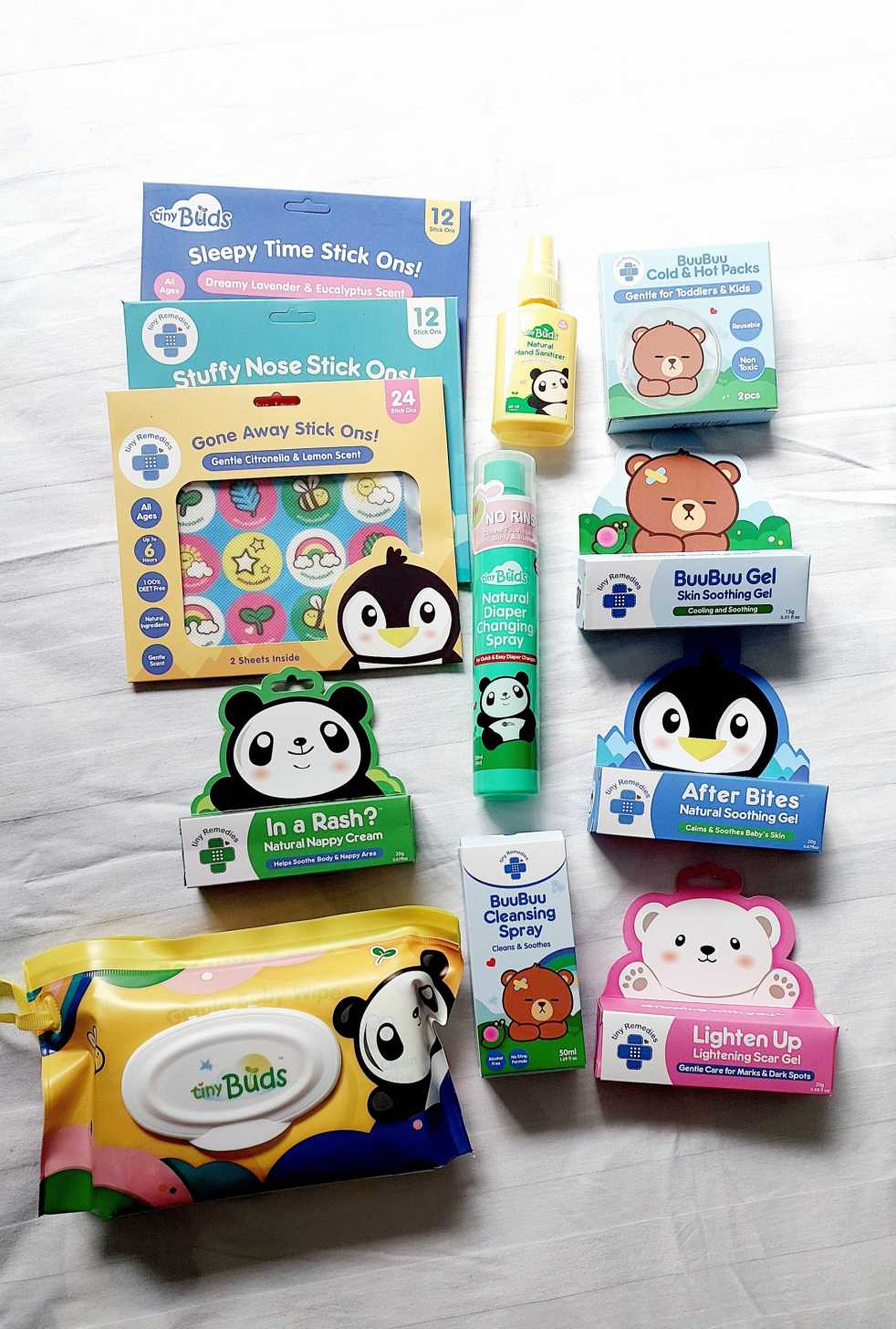
Your baby’s skin is more delicate than most, this is why you have to choose products that are designed for sensitive skin. Tiny Buds is a pioneer in integrating natural ingredients into baby care and today has over 50 innovative natural baby care essentials and is one of the Top Baby Personal Care brands. Here… Continue reading Product Review: Tiny Buds Baby Naturals Baby Essentials
Where your child goes to school is a big decision and shouldn’t be taken lightly. Given how their education can impact their future, you might be tempted to take control and decide for them. However, you might be doing more damage than helping them in the long run. Your job as parents is to support… Continue reading HOW TO CHOOSE THE BEST SCHOOL FOR YOUR CHILD
As poet and philosopher Rumi once eloquently said, “raise your words, not your voice. It is rain that grows flowers, not thunder.” Parenting is a challenging journey, and the truth is that nobody has everything figured out. One parenting style might suit others best, and some might favor other methods. However, children respond better to… Continue reading A SIMPLE GUIDE TO GENTLE PARENTING
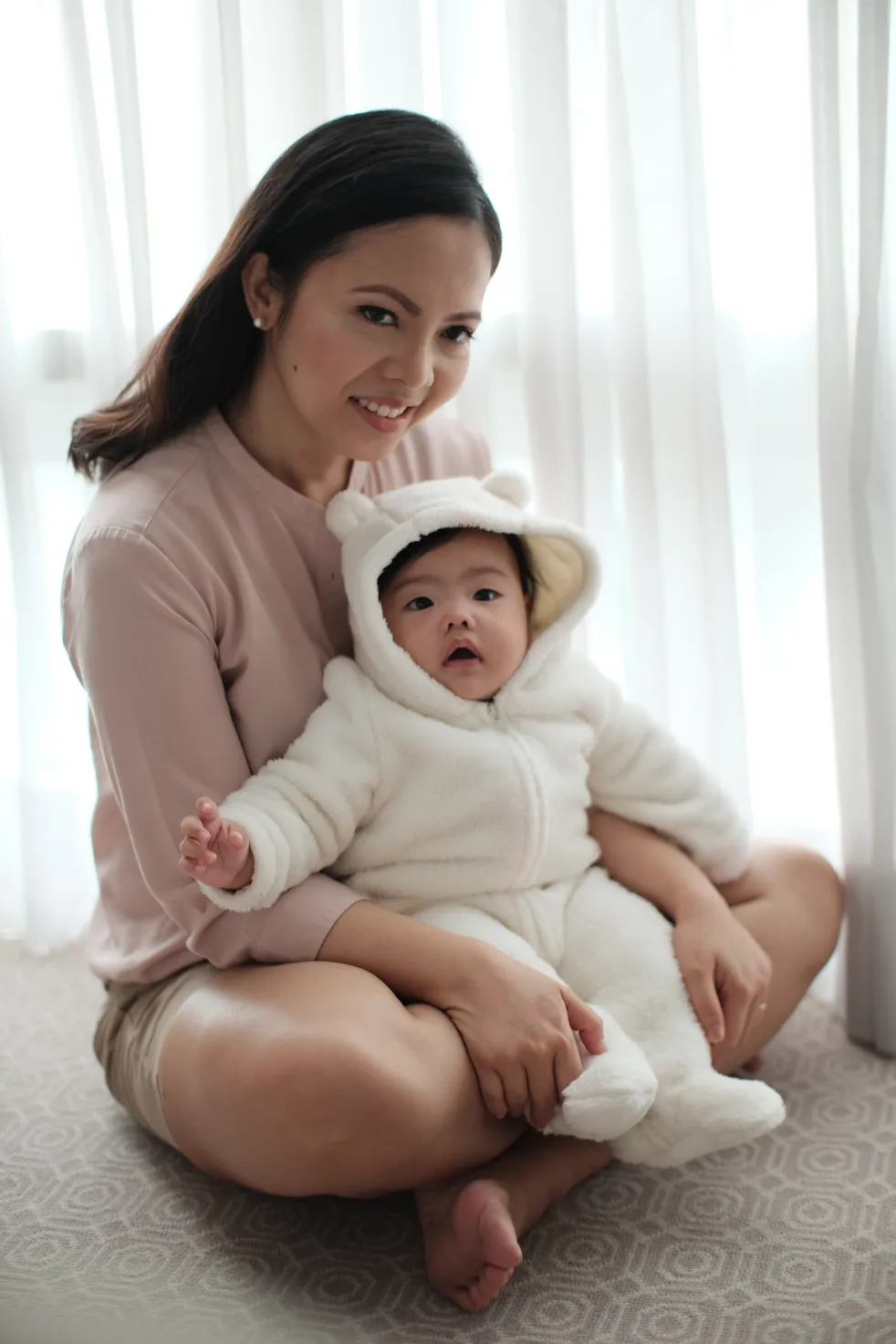
Whether you’re a new mom to be, mom of a toddler, mom who have school-aged kids, you’re bound to have so many questions. Let's start with your baby's skin. Infant skin has unique needs; gentle care is essential to prevent damage to the skin barrier, which can lead to irritation. When caring for infant skin,… Continue reading Keeping Baby’s Diapered Skin Healthy
As parents, we want to give our child the best possible start in life and that begins with nurturing their intelligence. Throughout history, the notion of success has been linked to academic intelligence. However, there has been an increased awareness on the importance of emotional intelligence. This question gets at the heart of the never-ending… Continue reading IQ or EQ, which one is a better predictor of your child’s success?
 wondermomma.net