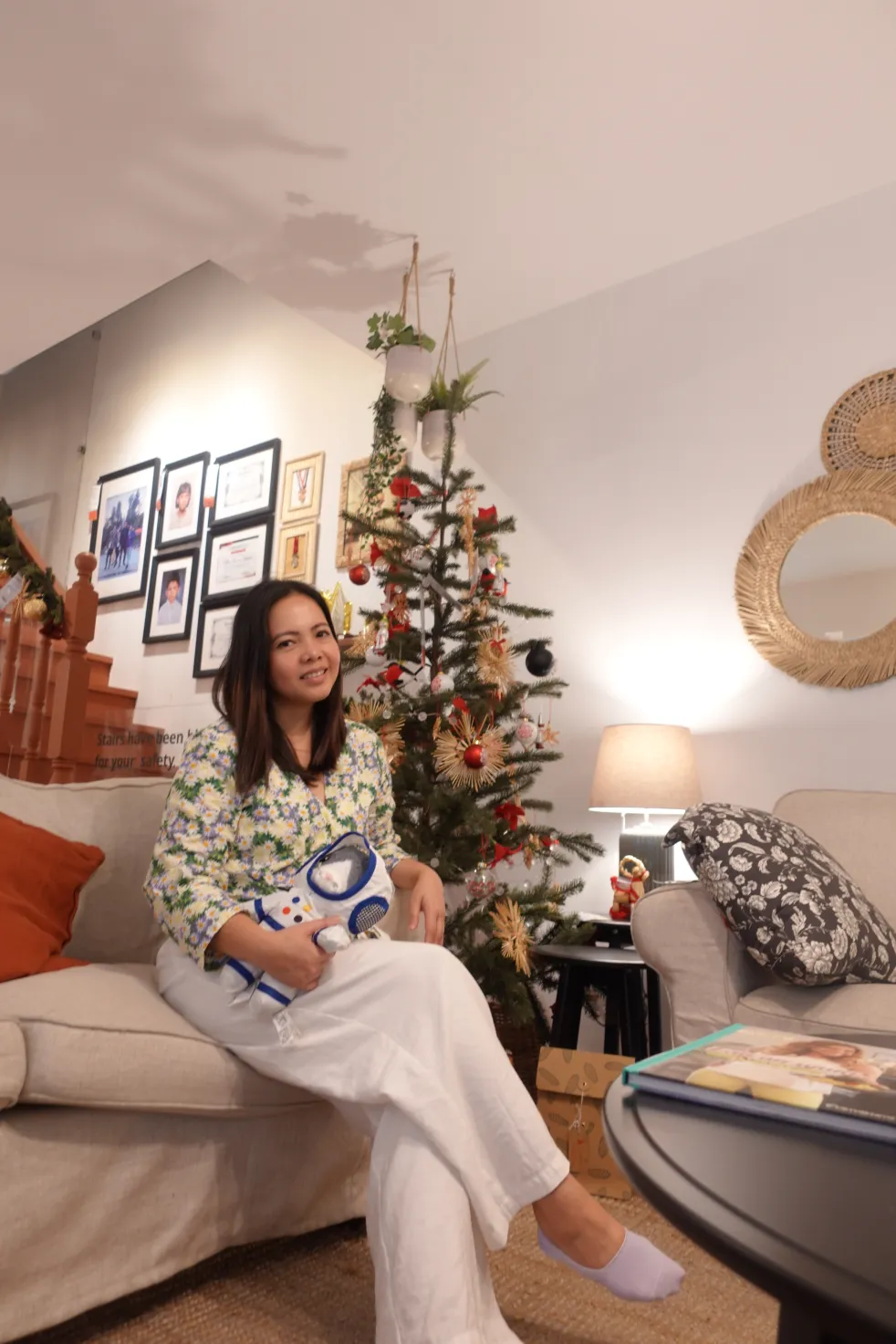
Last August, IKEA Philippines engaged with Better World Smokey Mountain, a newly opened community center operated by the San Miguel Foundation, which shares a similar goal of improving the lives of many Filipino people. Through this partnership, IKEA Philippines provided and assembled home furnishings for the classrooms and library of Better World Smokey Mountain community… Continue reading Help Create a Better World with IKEA Soft Toys
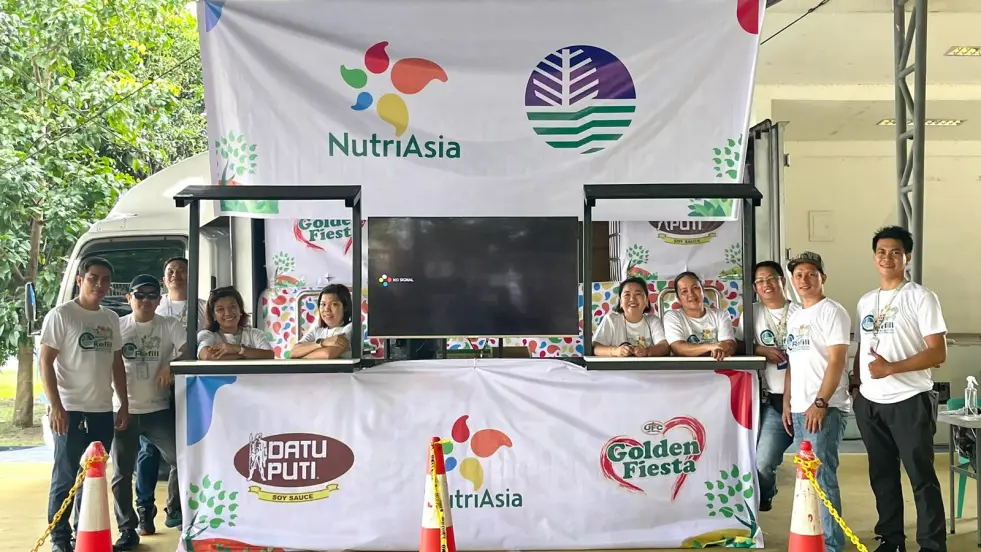
NutriAsia, the country’s top producer of condiments and sauces, continues its support of Refill Revolution; a project by the Department of Environment and Natural Resources EMB 3 that aims to help reduce Filipinos’ single-use plastics consumption. At Refill Revolution, residents get to recycle their single-use plastic bottles by reusing and filling it with their choice… Continue reading NutriAsia and DENR renews partnership for Refill Revolution
The Best Local Filipino Storybooks for Babies and Toddlers
Filipino storybooks give babies and toddlers more than colourful pictures and simple words. They bring in familiar food, family relationships, landscapes, songs and everyday experiences that may not appear in mainstream Australian picture books. For Filipino-Australian families, these stories can help children feel connected to their heritage from the earliest years.
The best books for this age group are usually sturdy board books, rhythmic read-alouds and short picture stories with one clear idea per page. A toddler may not follow a full plot yet, but they can recognise a bahay kubo, point to a mango, join a repeated line or hear a grandparent’s language reflected in the story.
Many Filipino children’s books are published in the Philippines by independent or specialist presses, so availability in Australia can vary. Some are found through Filipino bookshops, online sellers and community networks, while others may be available through library requests or second-hand marketplaces.
The selection below balances Filipino settings and folklore with books that suit short attention spans. It also includes practical ways to build a small home library in Australia, whether your family speaks Filipino, Tagalog, English or a mix of languages.
| Book or type of story | Best for | What children experience | Format to look for |
|---|---|---|---|
| Araw sa Palengke by May Tobias-Papa, illustrated by Isabel Roxas | Toddlers and preschoolers | A lively market visit, food, sounds and family routines | Picture book |
| Bahay Kubo adaptations | Babies and young toddlers | Filipino vegetables, nature words and a familiar song | Board book or chunky picture book |
| Si Pilandok at ang Buwaya | Toddlers ready for a simple folktale | Humour, repetition and clever problem-solving | Short picture book |
| Si Pagong at si Matsing adaptations | Toddlers and preschoolers | A classic animal tale with a clear sequence | Picture book |
| Filipino nursery-rhyme and first-word books | Babies and pre-talkers | Rhymes, household vocabulary and Filipino sounds | Board book |
Start With Familiar Sounds And Pictures
A baby-friendly Filipino book does not need a complicated storyline. Books based on Bahay Kubo, animals, body parts, family members or common foods work well because children can connect the words with things they see at home. Repetition is valuable: a parent can pause, point and say “mango”, “saging” or “aso” several times without making the reading session feel like a lesson.
Look for thick pages, large illustrations and uncluttered layouts. Babies often grab, chew and turn pages quickly, so a durable board book is more useful than a delicate hardback. Rounded corners and wipe-clean pages are practical choices for a nappy bag, pram or the kitchen table.
Song-based books are especially useful for babies because melody carries meaning before speech develops. A familiar Filipino rhyme can become part of the bedtime routine even when the child does not understand every word. Singing Bahay Kubo or another traditional song in a relaxed voice supports listening, turn-taking and early memory.
Stories That Bring Filipino Life Home
Araw sa Palengke is a strong choice for families wanting a story grounded in an everyday Filipino setting. The market visit offers plenty to notice: produce, people, colours, movement and the sounds of buying food. It can lead to simple conversations about the local farmers’ market, a Filipino grocery shop or the ingredients used in family meals.
For an Australian toddler, the comparison can be easy and enjoyable. A parent might talk about visiting a weekend market in Footscray, Blacktown or Cabramatta, then compare it with the market in the book. Words such as “palengke”, “gulay” and “isda” can sit naturally beside English words, giving children a wider vocabulary without requiring a formal translation exercise.
Food-themed stories also provide a gentle way to talk about Filipino identity. Children can point to rice, bananas, coconut, fish or leafy vegetables, then help wash ingredients for dinner. The book becomes part of family life rather than a separate cultural activity brought out only on special occasions.
Filipino Folktales With Gentle Lessons
Si Pilandok at ang Buwaya and Si Pagong at si Matsing come from well-known Filipino animal-story traditions. Their plots are short enough for toddlers who are beginning to follow cause and effect. Clever Pilandok and the resourceful turtle create opportunities to talk about thinking, patience and the consequences of greedy behaviour.
Parents may wish to preview different editions before buying. Folktales can contain threatening animals, teasing or scenes of trickery that feel intense for a sensitive child. A warm reading voice and a little explanation can make the story manageable, while some families may prefer a simplified adaptation for the youngest listeners.
These stories are also useful for dramatic reading. Give the crocodile a slow voice, let the turtle move across the page and repeat a key phrase together. Toddlers often enjoy knowing what happens next, and that predictability supports language development. The lesson does not need to be stated heavily; the child can simply enjoy the characters and gradually notice the pattern.
Build A Bilingual Reading Routine
A Filipino storybook can be read in English, Filipino, Tagalog, another Philippine language or a combination. There is no requirement to translate every sentence. A parent might read the main text in English while naming objects in Tagalog, or read one page in Filipino and explain a key idea in English.
For families in Australia, consistency matters more than perfect fluency. A few minutes before sleep, after kindy or during a quiet weekend morning can establish a dependable habit. Grandparents and relatives can record themselves reading a favourite story when they live in another city or overseas, giving children another voice and pronunciation to hear.
Useful approaches include:
- Repeat one or two Filipino words throughout the book.
- Invite the child to finish a familiar rhyme.
- Use gestures for verbs such as “takbo”, “ kain” or “tulog”.
- Accept mixed-language answers during story time.
Australian children may move between English at childcare, school and playgroup and a heritage language at home. This flexible language use is normal. A child who says “more rice” after hearing “gusto mo pa?” is still communicating successfully and building connections between languages.
Find Books Through Australian Family Networks
Filipino storybooks are not always stocked in large Australian bookshops. Selection and postage can change, particularly when a title is imported in small quantities. Searching by the author, publisher and ISBN is often more successful than searching only for a broad phrase such as “Filipino toddler books”.
Local libraries are a useful starting point. Many council libraries run baby rhyme time or preschool Storytime, and librarians may be able to arrange an interlibrary loan or suggest multicultural collections. Families in Sydney, Melbourne, Brisbane and Perth may also find titles through Filipino community groups, cultural festivals and specialist shops.
For online buying, compare the total price rather than the cover price alone. International postage can cost more than a board book, while Australian marketplaces may have used copies at a lower price. Booktopia, Dymocks and independent children’s bookshops sometimes carry multicultural titles, although stock levels vary. Filipino community pages can also be helpful for group orders and book swaps.
Choose Books For Your Child’s Stage
A first library does not need to be large. Two or three well-loved books in different formats can offer more value than a shelf of books that are too long or difficult. For a baby, prioritise rhythm, faces, familiar objects and strong contrast. For a young toddler, choose simple sequences, repeated phrases and stories that invite pointing.
A book can remain useful as a child grows. At first, Araw sa Palengke may be a book about naming fruit and vegetables. Later, it can prompt pretend shopping, counting, discussion about family work or memories of visiting a Filipino grocery. The same story can support new skills at different ages.
A practical starter shelf might include:
- One Filipino nursery-rhyme or song book.
- One board book about food, animals or family.
- One picture book set in a Filipino community.
- One gentle folktale for shared reading.
During reading, follow the child’s interest rather than finishing every page. If they want to study the jeepney, repeat the word and talk about vehicles. If they skip ahead to the crocodile, let them. Shared attention, affection and conversation are the heart of early reading, and Filipino storybooks give Australian families a meaningful way to nurture all three.
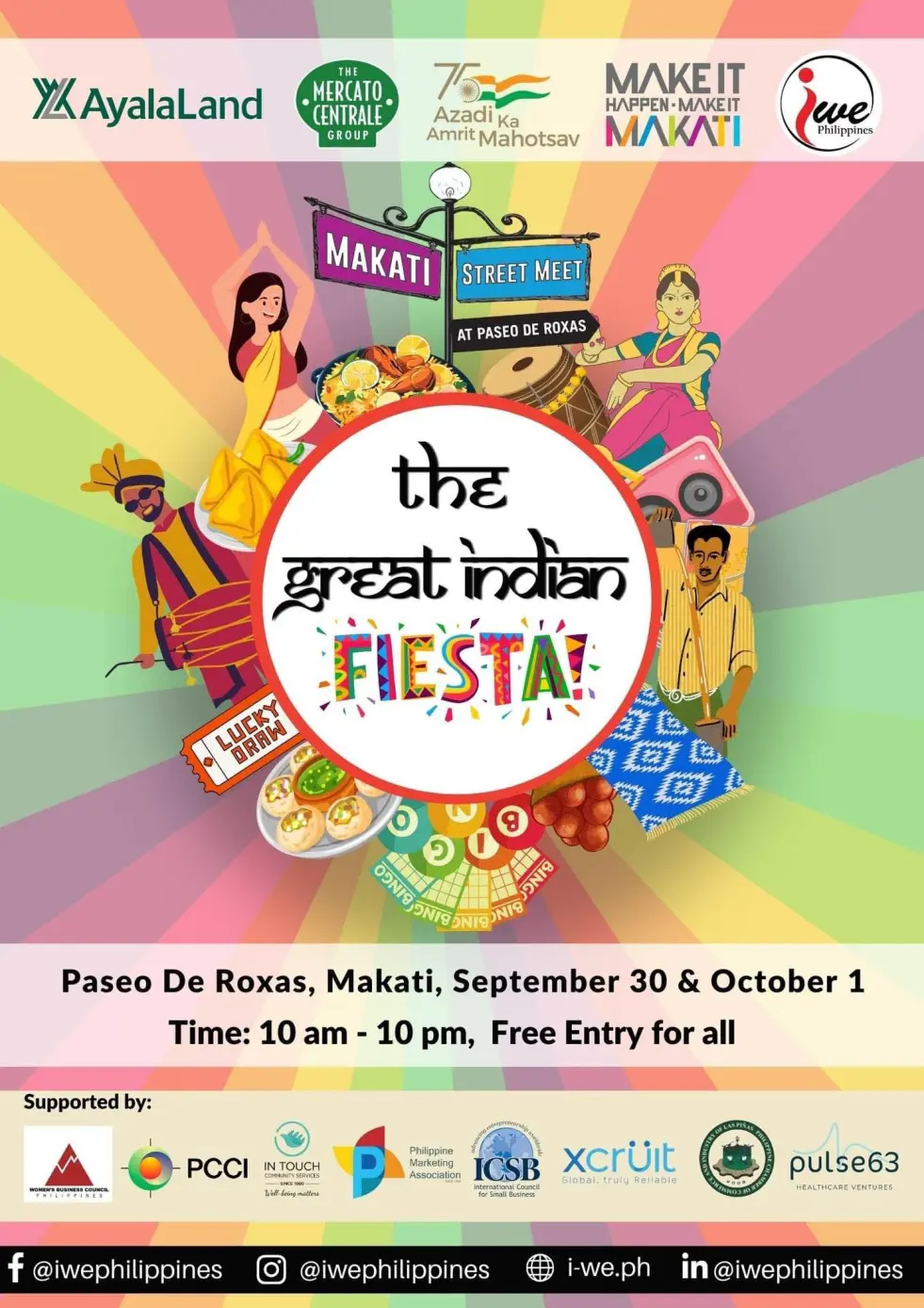
Mercato Centrale, in collaboration with Indian Women in Enterprise Philippines (I-We), is set to host "The Great Indian Fiesta" to mark 75 years of friendship between India and the Philippines. The dynamic two-day event is scheduled to take place on September 30 to October 1, 2023, at Paseo De Roxas Street, Makati City. Aiming to… Continue reading Mercato Centrale Partners with I-We to Host ‘The Great Indian Fiesta’, Commemorating 75 Years of India-Philippines Friendship

My stomach would usually start growling at 10 am even after taking a big breakfast. This is probably because I am a morning person and I move a lot throughout the day hence snacking is something that I can't avoid. This potatoes and chicken wrap recipe is easy to prepare and would keep me full… Continue reading Potato and Chicken Wrap
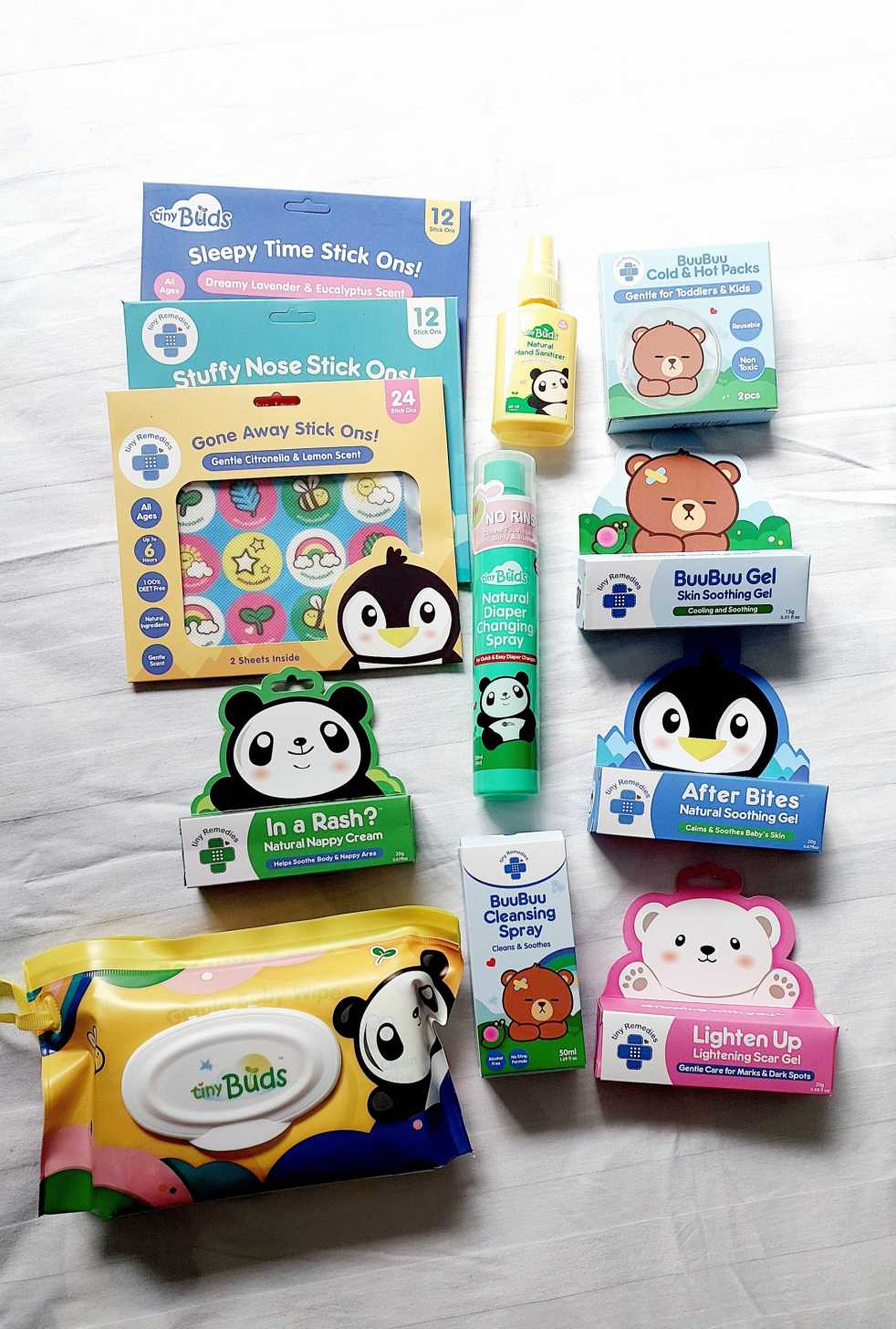
Your baby’s skin is more delicate than most, this is why you have to choose products that are designed for sensitive skin. Tiny Buds is a pioneer in integrating natural ingredients into baby care and today has over 50 innovative natural baby care essentials and is one of the Top Baby Personal Care brands. Here… Continue reading Product Review: Tiny Buds Baby Naturals Baby Essentials
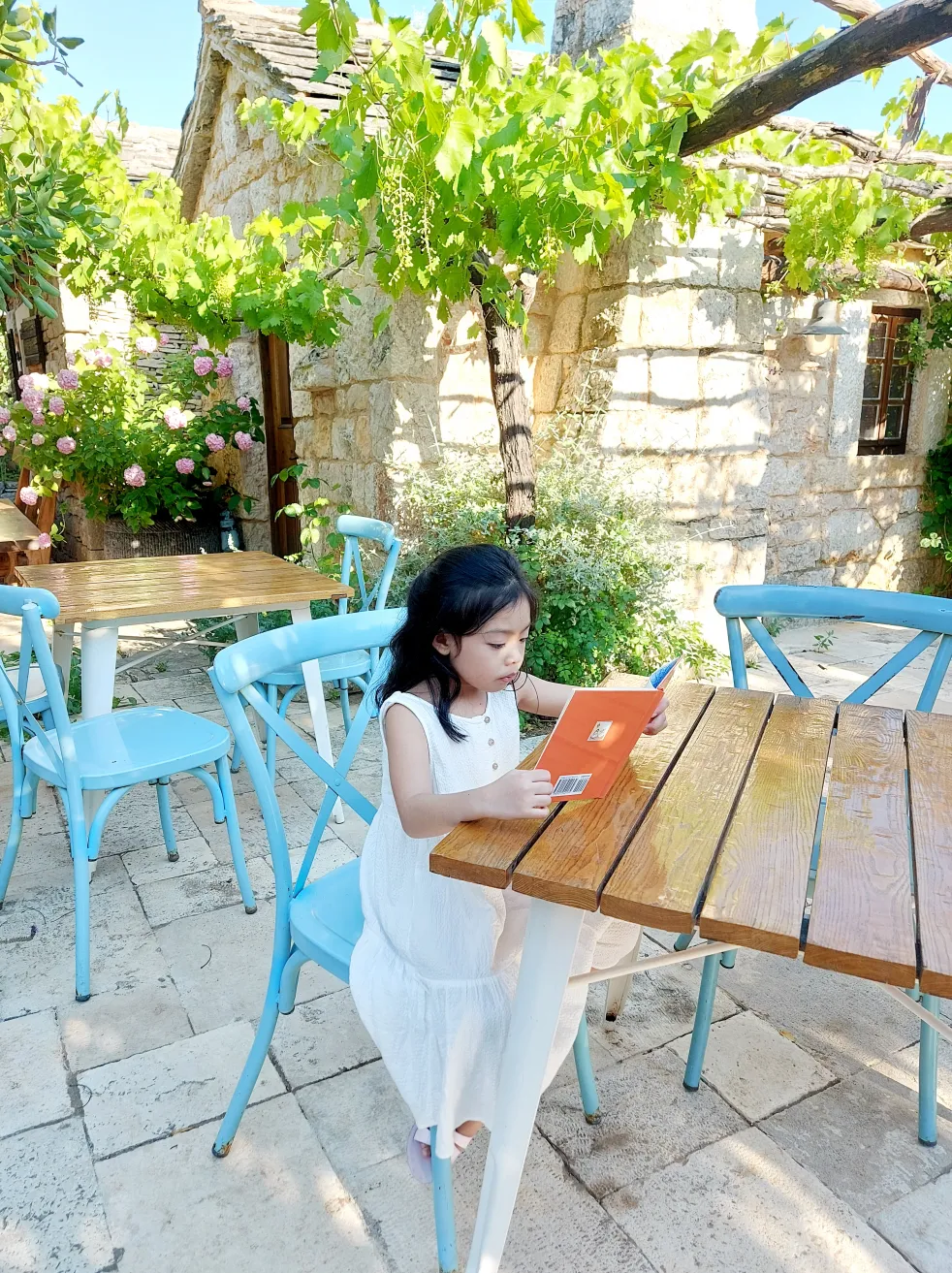
Where your child goes to school is a big decision and shouldn’t be taken lightly. Given how their education can impact their future, you might be tempted to take control and decide for them. However, you might be doing more damage than helping them in the long run. Your job as parents is to support… Continue reading HOW TO CHOOSE THE BEST SCHOOL FOR YOUR CHILD
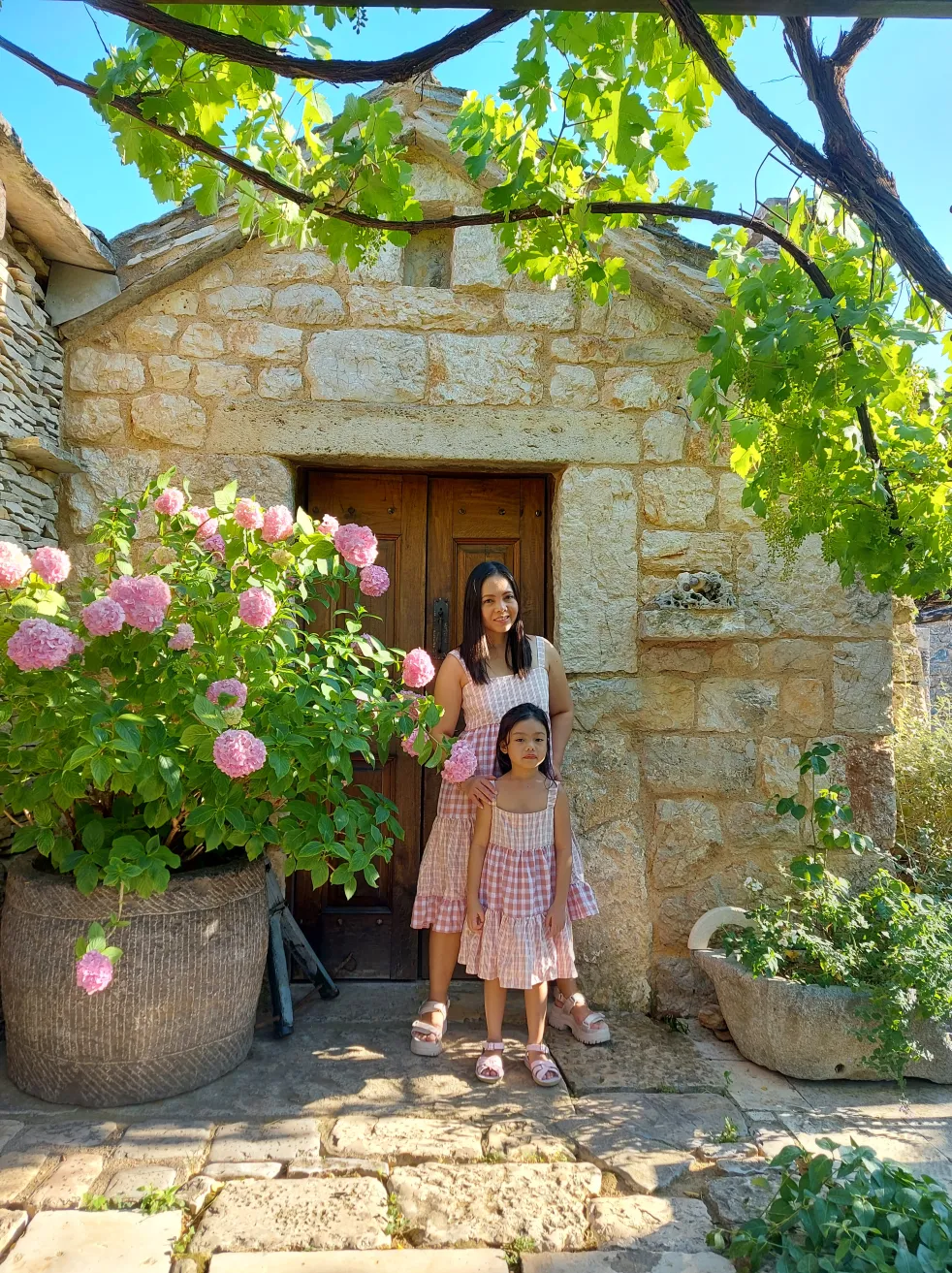
As poet and philosopher Rumi once eloquently said, “raise your words, not your voice. It is rain that grows flowers, not thunder.” Parenting is a challenging journey, and the truth is that nobody has everything figured out. One parenting style might suit others best, and some might favor other methods. However, children respond better to… Continue reading A SIMPLE GUIDE TO GENTLE PARENTING
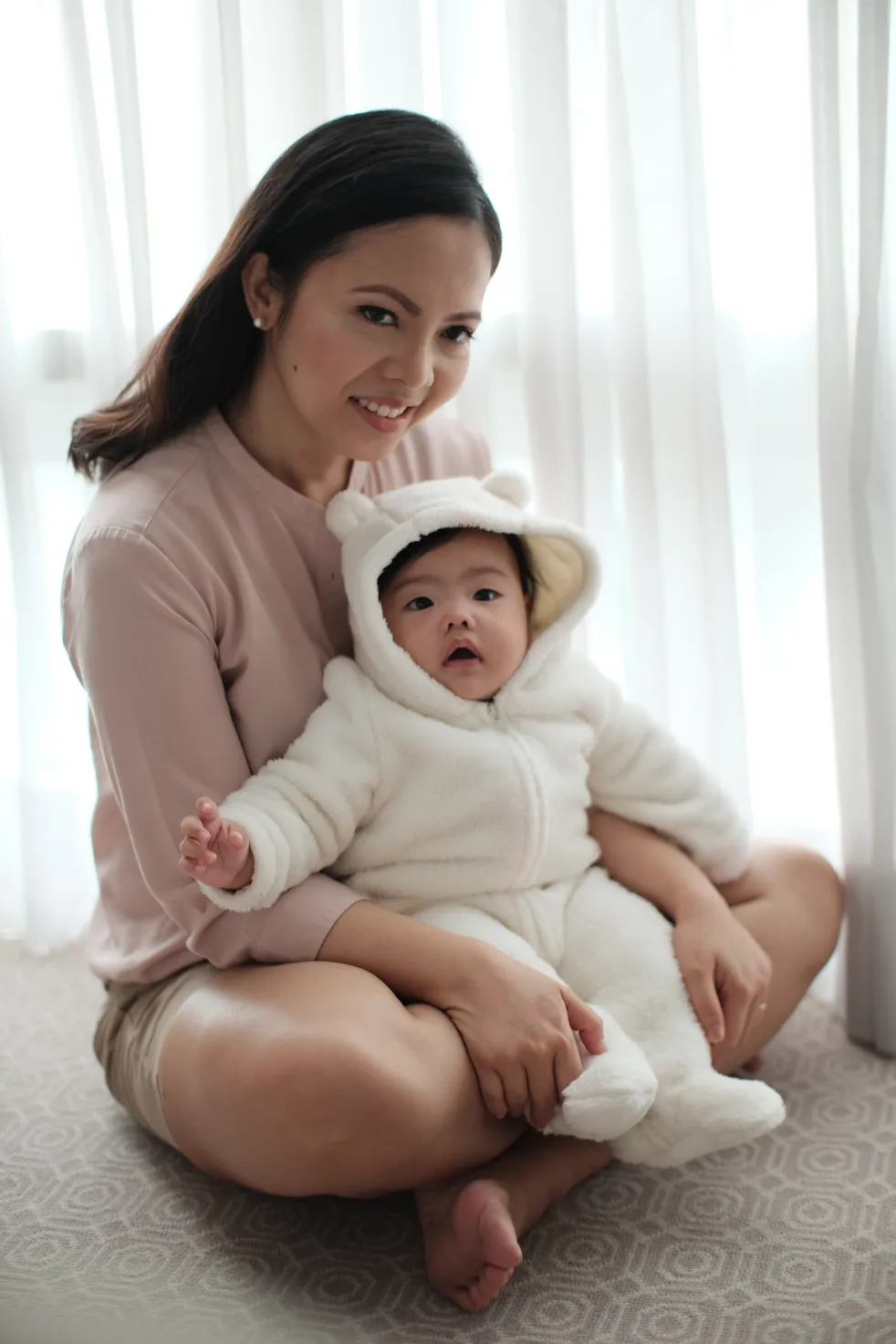
Whether you’re a new mom to be, mom of a toddler, mom who have school-aged kids, you’re bound to have so many questions. Let's start with your baby's skin. Infant skin has unique needs; gentle care is essential to prevent damage to the skin barrier, which can lead to irritation. When caring for infant skin,… Continue reading Keeping Baby’s Diapered Skin Healthy
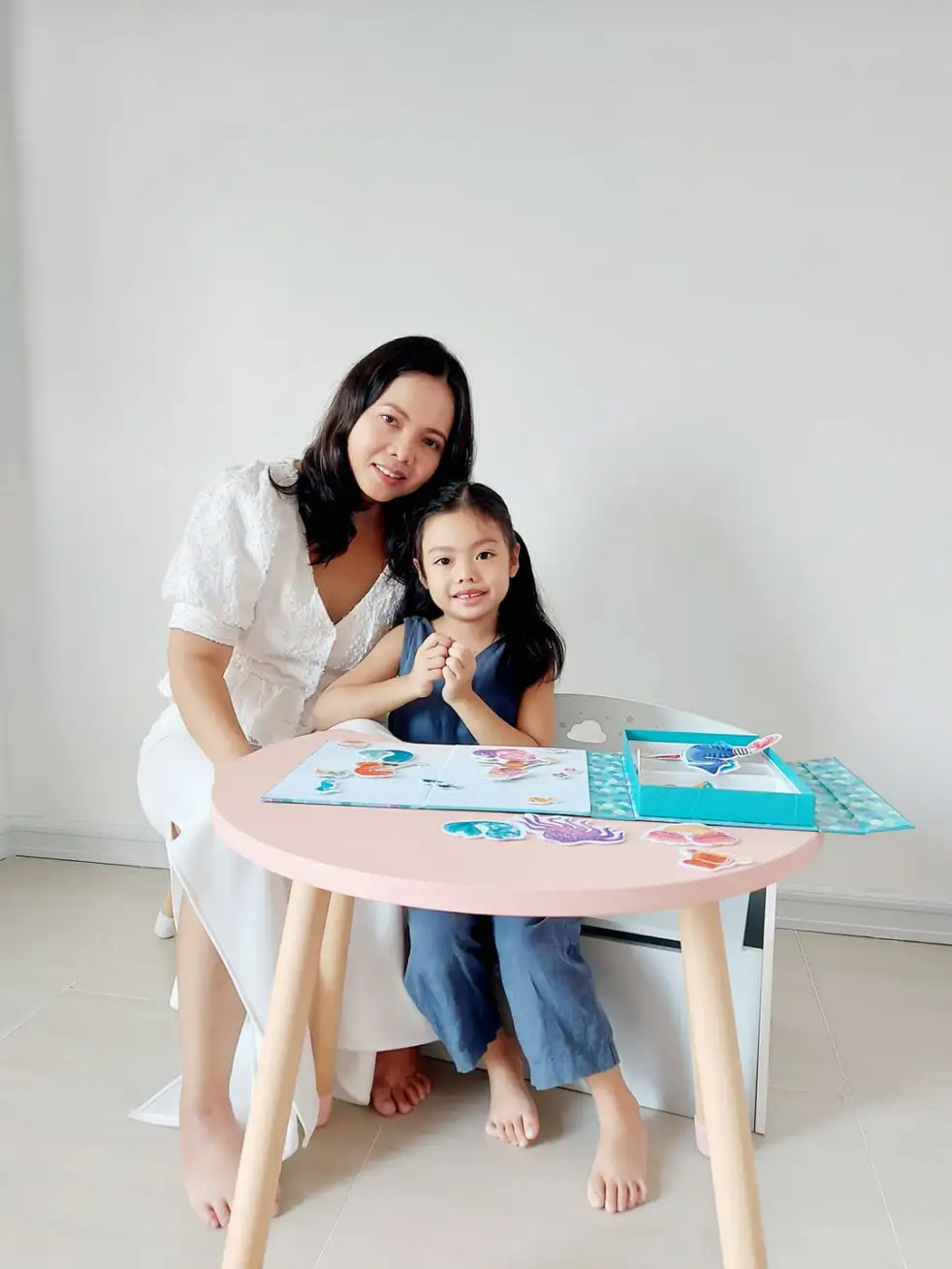
As parents, we want to give our child the best possible start in life and that begins with nurturing their intelligence. Throughout history, the notion of success has been linked to academic intelligence. However, there has been an increased awareness on the importance of emotional intelligence. This question gets at the heart of the never-ending… Continue reading IQ or EQ, which one is a better predictor of your child’s success?
 wondermomma.net