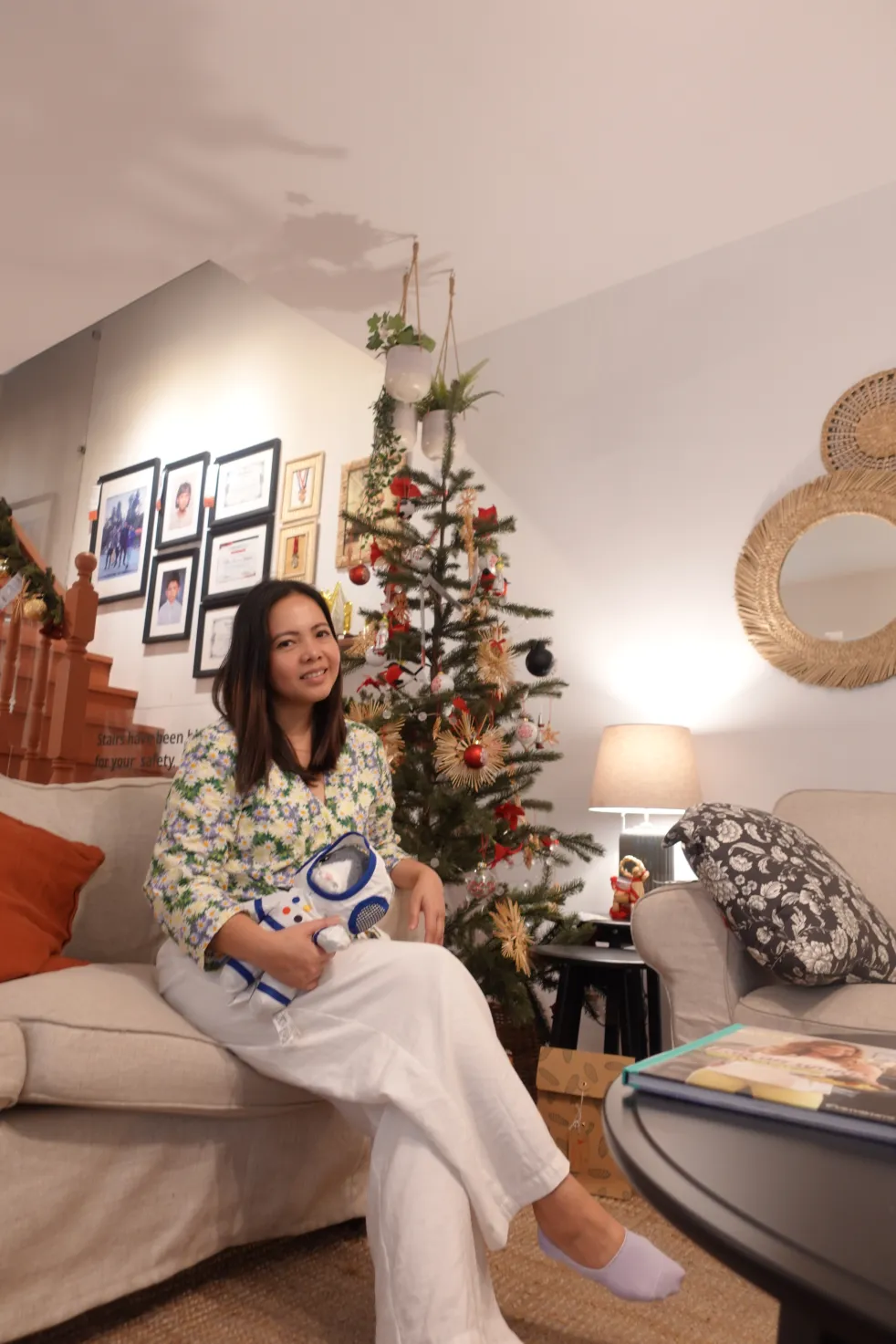
Last August, IKEA Philippines engaged with Better World Smokey Mountain, a newly opened community center operated by the San Miguel Foundation, which shares a similar goal of improving the lives of many Filipino people. Through this partnership, IKEA Philippines provided and assembled home furnishings for the classrooms and library of Better World Smokey Mountain community… Continue reading Help Create a Better World with IKEA Soft Toys
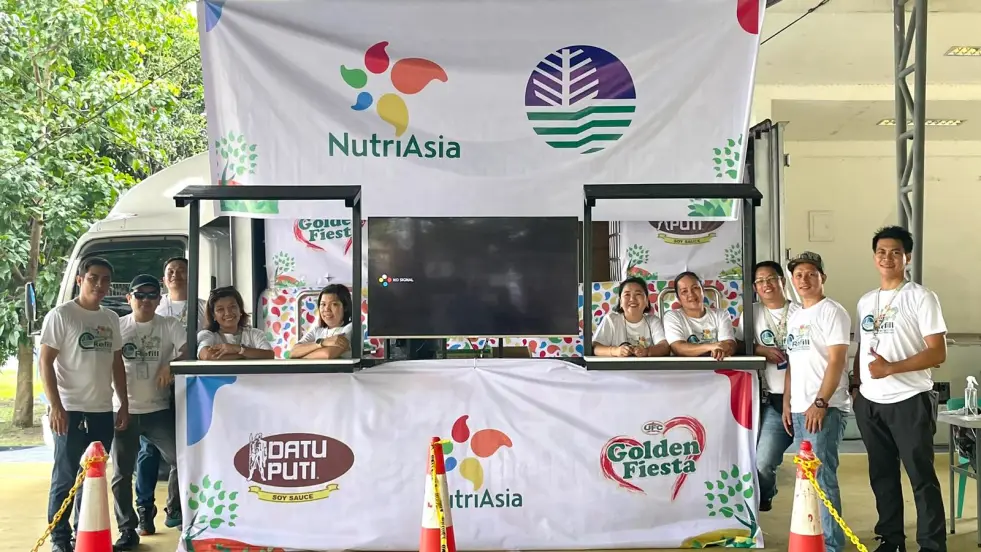
NutriAsia, the country’s top producer of condiments and sauces, continues its support of Refill Revolution; a project by the Department of Environment and Natural Resources EMB 3 that aims to help reduce Filipinos’ single-use plastics consumption. At Refill Revolution, residents get to recycle their single-use plastic bottles by reusing and filling it with their choice… Continue reading NutriAsia and DENR renews partnership for Refill Revolution
Kid-safe sun hats and swimwear for the Philippine sun
The Philippines sits close to the equator, making sunlight intense and UV exposure high across much of the year. In Manila, Cebu and beach resorts such as Boracay, the combination of high UV, heat and humidity rewards clothing that covers well without trapping sweat. It is a different kind of sun protection problem from Australia’s variable seasons.
Kid-safe does not simply mean cute or lightweight. It means a secure fit, skin-friendly contact points, reliable coverage and no loose cords, hard buckles or choking hazards. The best sun hat for a toddler is rarely the same one that works for a confident swimmer, so age, activity and local weather should guide every purchase.
Fabrics with a high Ultraviolet Protection Factor are especially useful, but garment design matters just as much. A pair of shorts may carry a UPF label while leaving the shoulders and neck exposed. Conversely, a plain wide-brim hat can offer excellent shade without adding any chemical or SPF claim to its materials.
For Australian families visiting Boracay, Bohol or Palawan—or living in the Philippines—the practical challenge is making protection portable. It must survive airport transfers, salt water, chlorinated pools, boat rides and energetic play. Australian habits of sun-smart school clothing, outdoor swimming and frequent beach outings make familiar expectations, while Philippine conditions determine the coverage needed.
Why the Philippine sun needs extra planning
The Philippine sun demands attention beyond the calendar. The UV index can reach extreme levels across the archipelago, and clouds do not remove all UV risk. Water and pale sand reflect radiation toward the body, while boats, open buses and market walks expose children differently from a shaded resort pool. Protection therefore needs to travel with the family rather than depend on one location.
Australian families are used to checking daily UV forecasts from the Bureau of Meteorology, but the Philippine forecast must be read alongside local advice. Aim for shade, a broad-brimmed or neck-covering hat, protective swim clothing and broad-spectrum SPF 30 or higher on exposed skin. Reapply sunscreen every two hours and after swimming or towelling. For babies under six months, shade and clothing are the first line of defence.
Choosing a hat that stays on
A wide-brim or neck-flap hat offers the most useful balance of face, ear and neck coverage for long outdoor periods. A soft crown keeps the forehead shaded, while an adjustable internal band helps the hat stay put without pinching. Bucket hats work well for everyday wear, but rigid brims can flick up or fail to shade the cheeks. Caps and visors suit short outings, not full-day protection.
Fit is more important than brand. The hat should sit low enough to shade the forehead and stay in place when the child runs, with room for about two fingers above the eyebrows. Avoid neck cords, loose chin ties and projecting metal adjusters. A darker crown can block more light but may feel hotter; look for a breathable weave, a sweat-absorbing band and a shape that can be packed flat. Test it after travel because sizing shifts with humidity.
Selecting swimwear for real beach days
For babies and toddlers, start with a one-piece suit or properly fitted swim nappy, also called a swim diaper, then add a long-sleeved rash guard or rash vest for older babies. A UV swim shirt or two-piece is more practical once a child is toilet trained and comfortable changing. The neckline should not ride down, the seat should not gape, and straps should not slide during swimming, bending or play. Avoid drawstrings and decorative pieces that could snag at a pool.
Swimwear is not a flotation device. Check local beach flags, keep a responsible adult within arm’s reach for young children, and use a locally approved life jacket where conditions or rules require one. Before a morning at the beach, laying out outfits in a familiar way can prevent last-minute arguments; this toddler tidy-up routine is useful for involving little ones in preparation. Rinse chlorine or salt from the suit and air-dry it away from direct heat.
Comparing the main coverage options
Coverage should be matched to how long the child stays outside and which body parts are exposed. Swim tops solve the shoulders and torso, hats solve the head and neck, and combining them prevents too many rays from reaching skin. The main options have different strengths and limits.
| Option | Main coverage | Strongest use | What to check |
|---|---|---|---|
| Wide-brim or flap hat | Head, face, ears and neck | Resort days and walking tours | Secure fit, ventilation and brim depth |
| Bucket hat | Crown, face and some neck | Everyday sightseeing | It may lift in wind or shade cheeks unevenly |
| Cap or visor | Crown, brow and eyes | Short walks and play | Ears and neck remain exposed |
| Long-sleeve rash vest | Shoulders, arms and torso | Beach and pool | It can overheat without ventilation |
| UV swim shirt | Torso and upper thighs | Easier movement and changing | Neck, legs or head may need more coverage |
| One-piece suit | Torso and lower body | Babies and pool days | It can restrict movement as a child grows |
| Two-piece swimwear | Torso and legs | Toilet-trained swimmers | Separate pieces can ride up |
| Swim nappy | Lower body | Babies and some older toddlers | It adds no upper-body protection |
For a toddler, a soft internal-band wide-brim hat and a long-sleeve UPF swim top usually provide the broadest practical coverage. As the child grows, swap the suit while keeping the hat adjusted correctly. Children who spend most of the day indoors may need a lighter hat, whereas a hat on a boat, beach or market should prioritise shade and stability over minimal weight.
Keeping skin, hair and comfort protected
UPF is valuable because it measures how much ultraviolet radiation passes through fabric, but colour and thickness alone do not prove protection. Look for UPF 50+ clothing where available and inspect whether the garment becomes see-through when wet. Stretch, tight weaving and repeated chlorine can affect fibres and fit, so follow the care label rather than stretching a suit to make it last.
Check every contact point against sensitive skin. Soft seams, flat locks, covered elastic and smooth lining are preferable to scratchy neoprene or coarse stitching near the abdomen, neck and arms. Avoid metallic badges, rough Velcro and strongly coloured trims that may irritate sensitive skin. For sunscreen, patch-test a new product when possible, choose a fragrance-free option and reapply it carefully; neither a hat nor protective clothing makes sunscreen unnecessary.
Buying with Australian routines in mind
Australian weather is not one pattern: Brisbane families may already be managing strong year-round sun, Melbourne families may be leaving cool mornings for a tropical trip, and Sydney families know how quickly beach conditions change. Pack the hat and swimwear the child will actually wear rather than buying only for photos. Many Australian schools apply no-hat-no-play rules, and outdoor pools and formal swimming lessons make a comfortable, secure suit especially familiar to local children.
The Australian market also offers familiar choices from swim and surf labels such as Speedo, Roxy, Billabong, Bonds and No Comments through department stores, specialist retailers and online marketplaces. Treat the logo as only a starting point: compare the UPF rating, age range, strap design, return policy and care instructions. A specialist swim shop is useful for unusual sizing, while a general retailer is convenient for buying shade clothing and sunscreen together.
A practical beach and pool checklist
Before buying, have the child try on the hat and suit, then bend, run, swim or raise both arms as age allows. Check skin marks, pressure points and movement rather than relying on the size printed on the label. Keep a labelled waterproof pouch for the hat, swim nappy, rash vest, cover-up, water bottle and sunscreen so beach-day gear is not scattered through a bag.
- Choose a soft UPF 50+ wide-brim or neck-flap hat for extended beach days, with an internal size adjuster instead of loose cords.
- Select long-sleeve rash vests or UV swim shirts with secure necklines for swimming, and confirm that the garment remains protective when wet.
- Fit swim nappies and suits without pinching, allow full arm movement and never assume either can keep a child afloat.
- Use shade, broad-spectrum water-resistant SPF 30 or higher sunscreen and an adult-supervised routine as parts of one sun-protection plan.
Comfort helps protection work in practice. When a child will willingly wear the hat, feels cool in the suit and can move freely, the family is more likely to maintain the routine from airport transfer to sand, sea and poolside play.

Mercato Centrale, in collaboration with Indian Women in Enterprise Philippines (I-We), is set to host "The Great Indian Fiesta" to mark 75 years of friendship between India and the Philippines. The dynamic two-day event is scheduled to take place on September 30 to October 1, 2023, at Paseo De Roxas Street, Makati City. Aiming to… Continue reading Mercato Centrale Partners with I-We to Host ‘The Great Indian Fiesta’, Commemorating 75 Years of India-Philippines Friendship

My stomach would usually start growling at 10 am even after taking a big breakfast. This is probably because I am a morning person and I move a lot throughout the day hence snacking is something that I can't avoid. This potatoes and chicken wrap recipe is easy to prepare and would keep me full… Continue reading Potato and Chicken Wrap
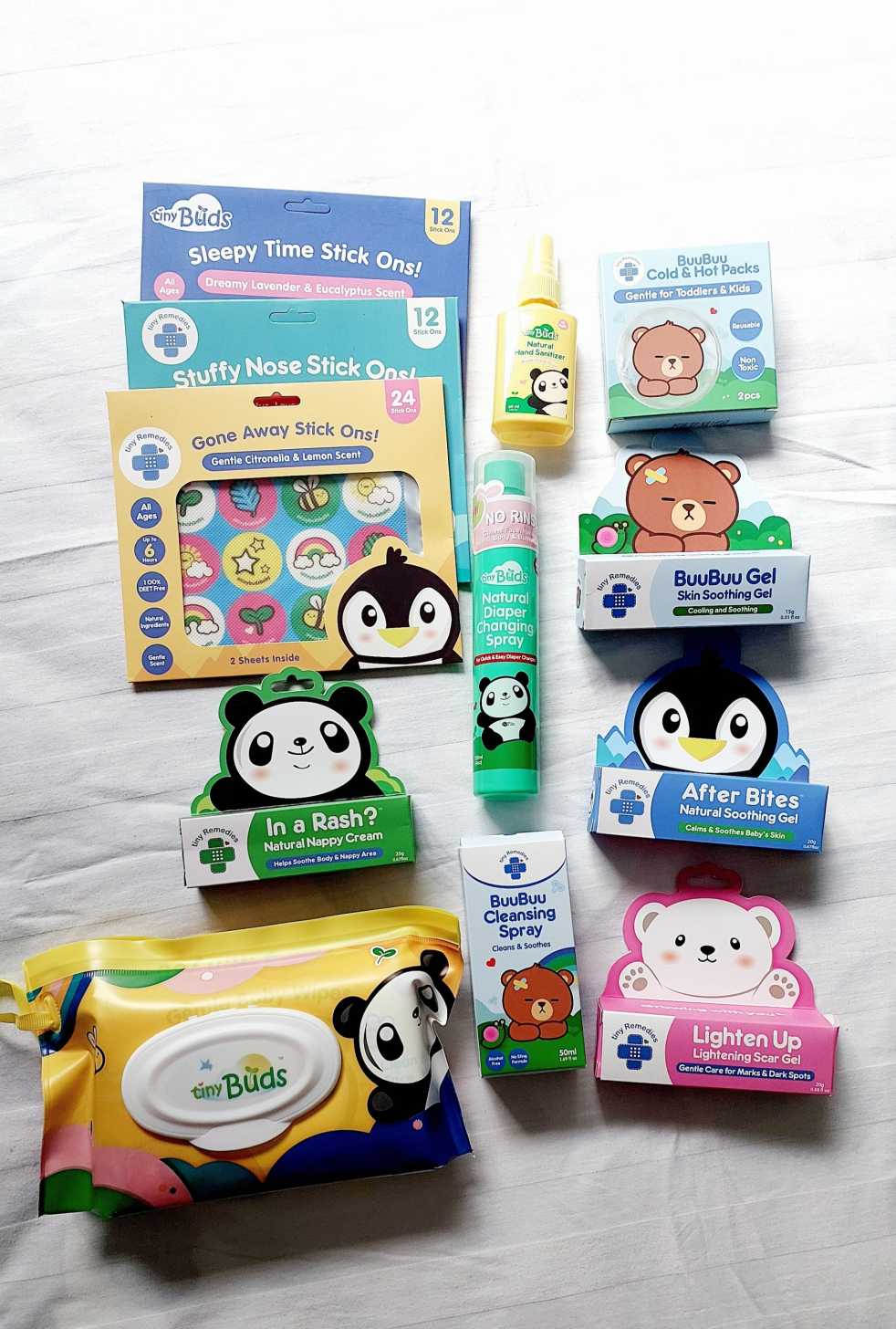
Your baby’s skin is more delicate than most, this is why you have to choose products that are designed for sensitive skin. Tiny Buds is a pioneer in integrating natural ingredients into baby care and today has over 50 innovative natural baby care essentials and is one of the Top Baby Personal Care brands. Here… Continue reading Product Review: Tiny Buds Baby Naturals Baby Essentials
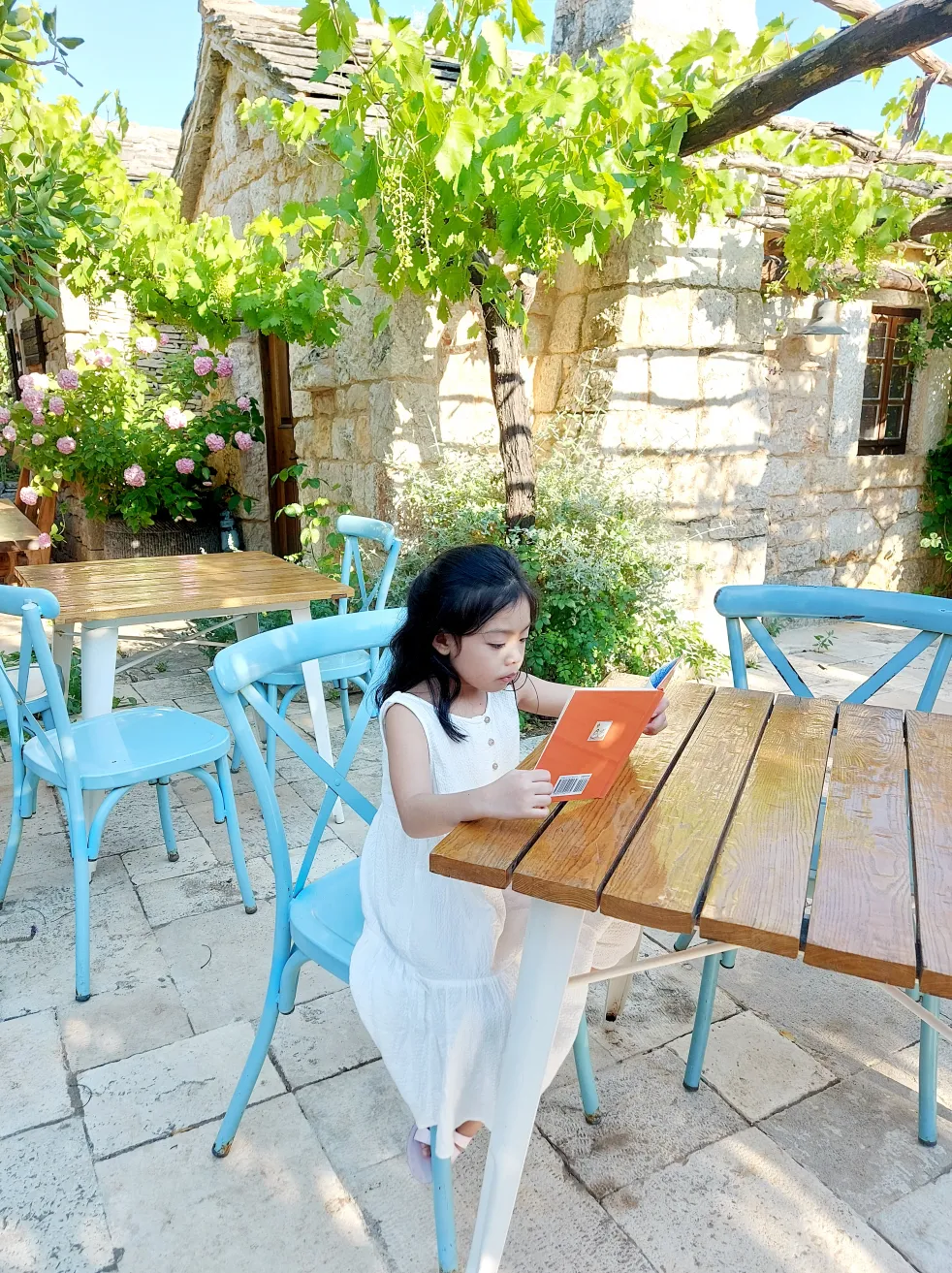
Where your child goes to school is a big decision and shouldn’t be taken lightly. Given how their education can impact their future, you might be tempted to take control and decide for them. However, you might be doing more damage than helping them in the long run. Your job as parents is to support… Continue reading HOW TO CHOOSE THE BEST SCHOOL FOR YOUR CHILD
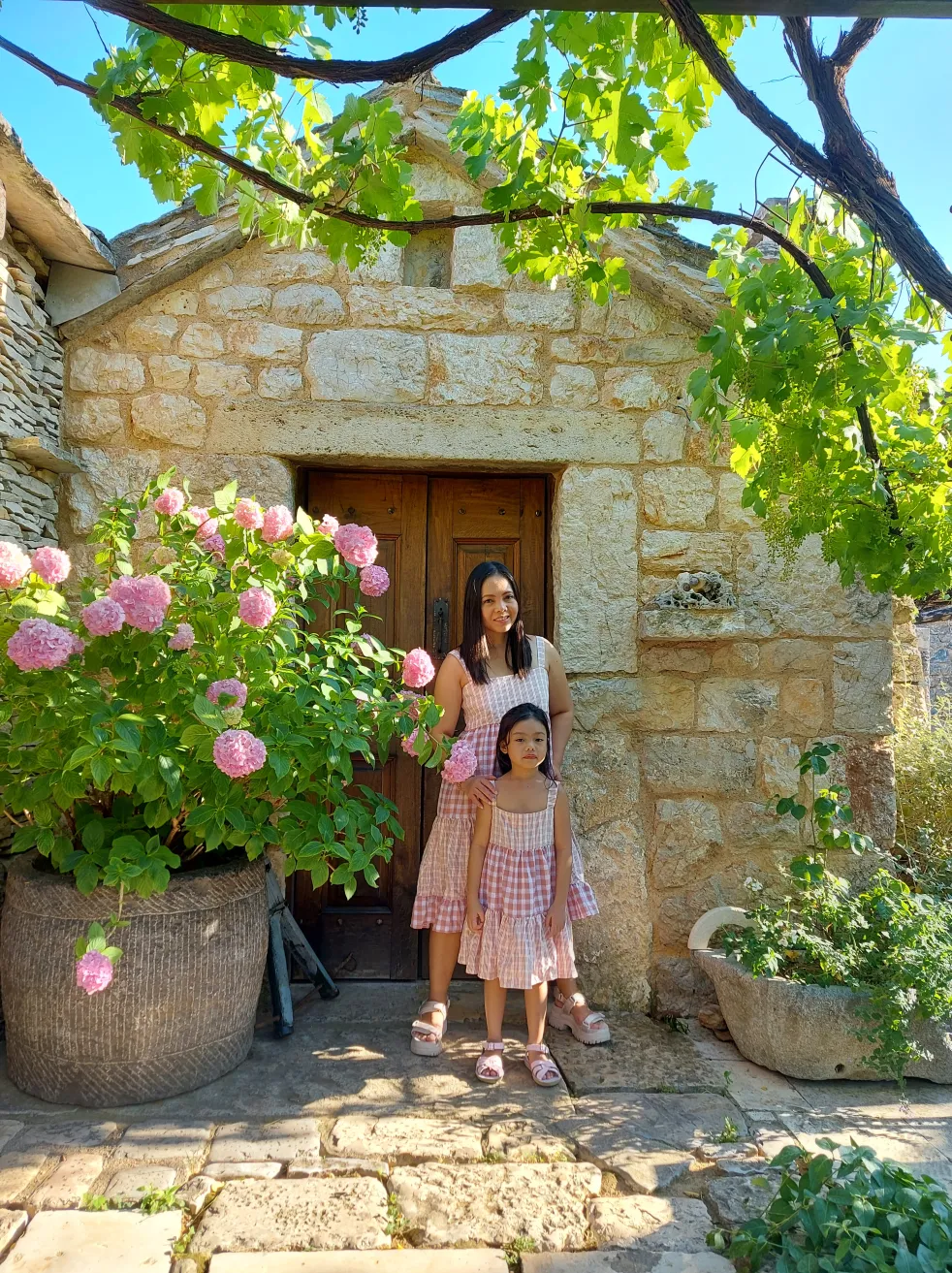
As poet and philosopher Rumi once eloquently said, “raise your words, not your voice. It is rain that grows flowers, not thunder.” Parenting is a challenging journey, and the truth is that nobody has everything figured out. One parenting style might suit others best, and some might favor other methods. However, children respond better to… Continue reading A SIMPLE GUIDE TO GENTLE PARENTING
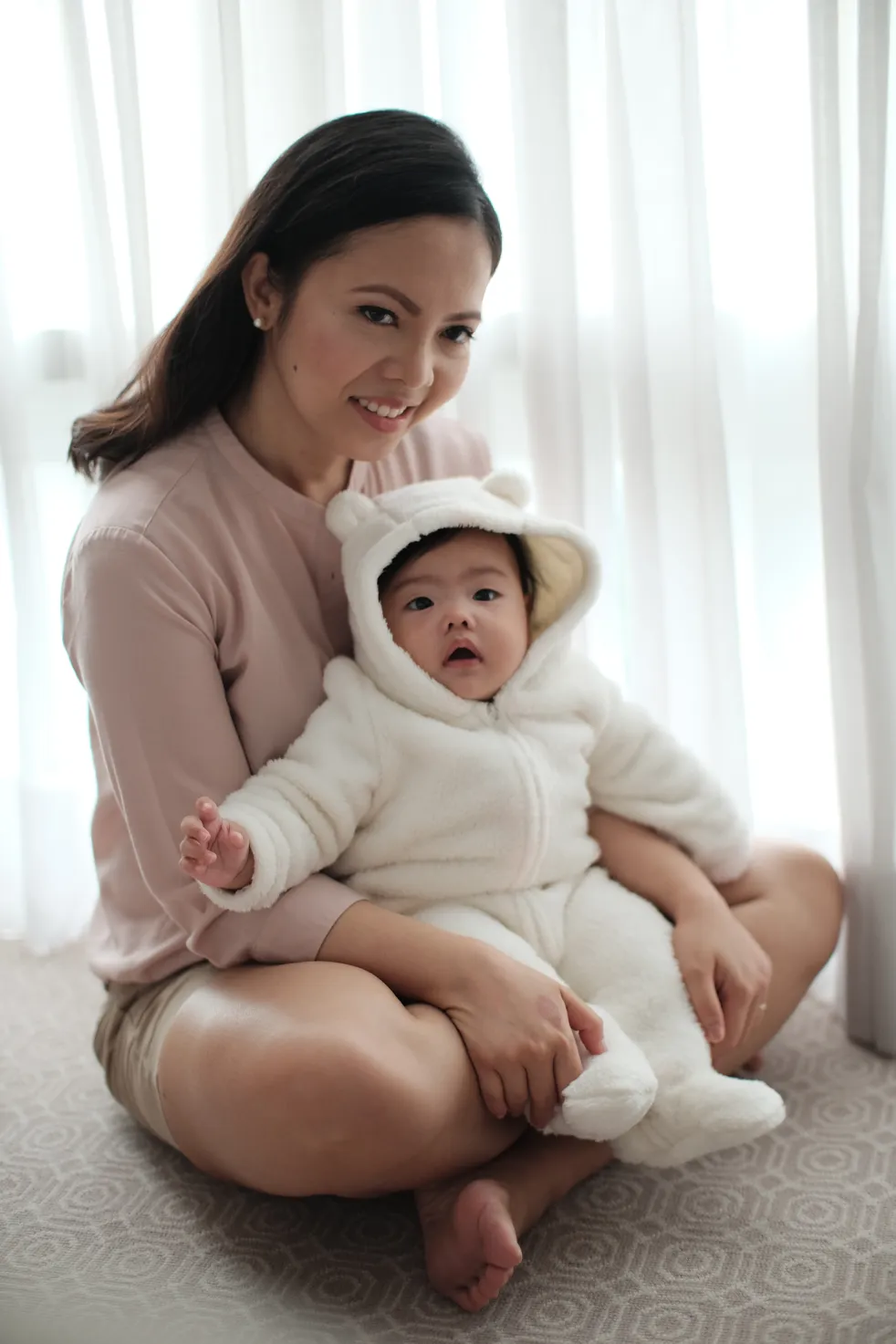
Whether you’re a new mom to be, mom of a toddler, mom who have school-aged kids, you’re bound to have so many questions. Let's start with your baby's skin. Infant skin has unique needs; gentle care is essential to prevent damage to the skin barrier, which can lead to irritation. When caring for infant skin,… Continue reading Keeping Baby’s Diapered Skin Healthy
As parents, we want to give our child the best possible start in life and that begins with nurturing their intelligence. Throughout history, the notion of success has been linked to academic intelligence. However, there has been an increased awareness on the importance of emotional intelligence. This question gets at the heart of the never-ending… Continue reading IQ or EQ, which one is a better predictor of your child’s success?
 wondermomma.net