
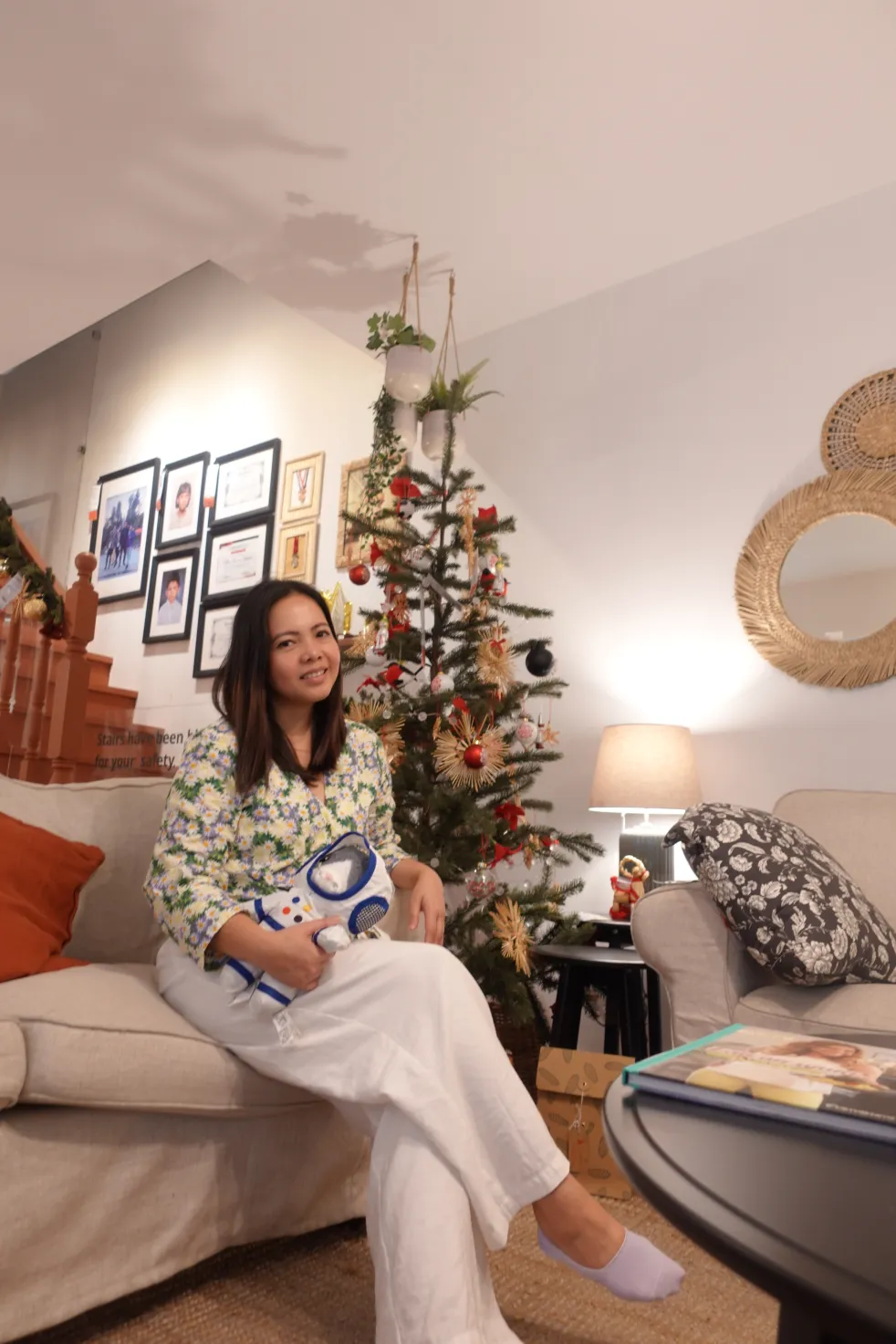
Last August, IKEA Philippines engaged with Better World Smokey Mountain, a newly opened community center operated by the San Miguel Foundation, which shares a similar goal of improving the lives of many Filipino people. Through this partnership, IKEA Philippines provided and assembled home furnishings for the classrooms and library of Better World Smokey Mountain community… Continue reading Help Create a Better World with IKEA Soft Toys
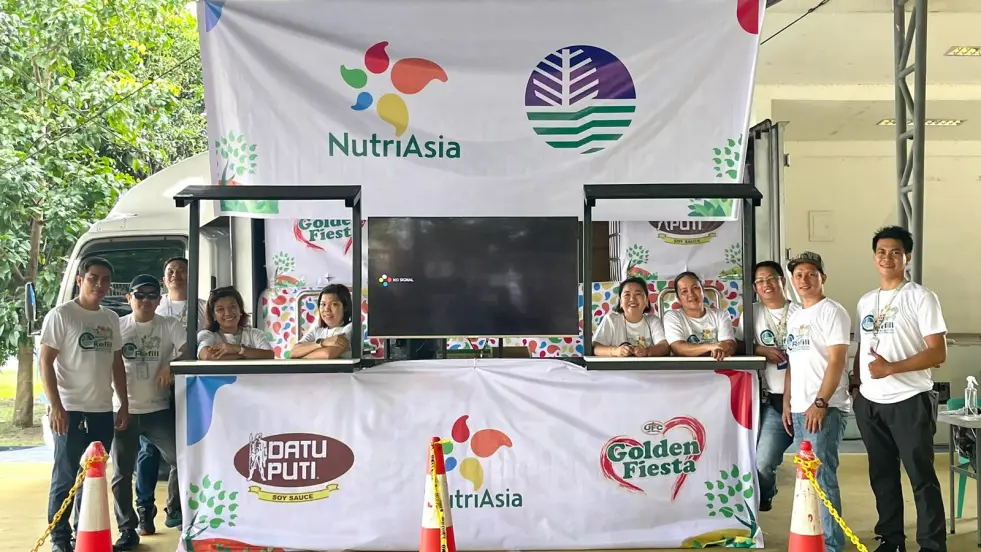
NutriAsia, the country’s top producer of condiments and sauces, continues its support of Refill Revolution; a project by the Department of Environment and Natural Resources EMB 3 that aims to help reduce Filipinos’ single-use plastics consumption. At Refill Revolution, residents get to recycle their single-use plastic bottles by reusing and filling it with their choice… Continue reading NutriAsia and DENR renews partnership for Refill Revolution

Indoor fun for rainy days in the Philippines
Rainy weather is part of family life in the Philippines. A sudden afternoon downpour can cancel a playground visit, beach trip, or neighborhood walk, leaving children with extra energy and parents searching for something meaningful to do indoors. With a little preparation, those wet days can become opportunities for creativity, movement, learning, and connection.
The best indoor activities for rainy days do not need to be expensive or complicated. A living room can become an art studio, a kitchen can turn into a science lab, and a stack of cushions can create a reading nook or pretend-play station. The key is to choose activities that match your child’s age, interests, and energy level.
Families can also use rainy-day routines to build practical skills. Sorting laundry, preparing a simple snack, caring for indoor plants, or organizing toys may feel like chores to adults, but children often enjoy these tasks when they are presented as games. A balanced day includes active play, quiet time, creative work, and plenty of free play.
Create a home art studio
Art is a reliable way to keep children engaged when outdoor plans are disrupted. Set up a small workspace with recycled cardboard, paper bags, old magazines, crayons, washable paint, glue, and child-safe scissors. Empty cereal boxes can become houses, buses, robots, or pretend grocery stores. Toilet paper rolls are useful for making animals, binoculars, and decorative figures.
For a Filipino family theme, invite children to draw a jeepney route, design a bahay kubo, or create a collage inspired by local fruits, festivals, or landmarks. They can make paper parol decorations, paint a rainy street scene, or build a colorful map of places they would like to visit around the Philippines. These projects encourage storytelling as well as fine motor development.
You can make the activity more relaxed by focusing on the process rather than producing a perfect craft. Let children choose the colors and materials, even when the result looks unusual. Cover the floor with old newspapers, keep water-based supplies within reach, and supervise scissors, glue, and small pieces according to the child’s age.
Bring movement into the living room
Children still need active play when rain prevents them from going outside. Clear a safe area away from sharp furniture, slippery floors, and electrical cords, then create a simple indoor obstacle course. Pillows can mark stepping stones, masking tape can form a balance line, and chairs draped with blankets can become tunnels.
Dance games are another easy option. Play cheerful Filipino songs, children’s music, or a family-friendly playlist and pause the music at random moments. When the sound stops, everyone freezes. Older children can choreograph a short routine, while younger children can copy simple movements such as clapping, marching, stretching, and turning.
Movement can also be combined with learning. Call out a color and ask children to touch something nearby in that shade, or place letters and numbers around the room for a treasure hunt. Keep the rules simple and take regular breaks, especially in warm, humid weather. Encourage water breaks and choose a well-ventilated room.
Turn reading into an adventure
A rainy afternoon is perfect for slowing down with books. Gather storybooks, comics, picture books, and age-appropriate informational texts in one comfortable area. Add pillows, a blanket, and a flashlight to create a cozy reading corner. Younger children may enjoy hearing the same story several times, while older children can read aloud to siblings or retell the plot using toys.
Make reading interactive by asking children to predict what will happen next, identify emotions, or invent a different ending. After a story about animals, invite them to make animal sounds or act out the characters. A book about food can lead to a discussion about local ingredients such as mangoes, bananas, coconut, rice, or calamansi.
Families who have internet access can also explore digital libraries, virtual museum tours, or educational videos, with an adult helping children select reliable and age-appropriate content. Screen time works best when it has a clear purpose and is balanced with conversation, hands-on play, and rest.
| Activity | Best for | What you need | Skills supported |
|---|---|---|---|
| Recycled-material crafts | Preschoolers to early grade school | Boxes, paper, crayons, glue | Creativity and fine motor control |
| Indoor obstacle course | Toddlers to school-age children | Pillows, tape, cushions | Balance, coordination, and gross motor skills |
| Family reading corner | All ages | Books, pillows, blanket | Language, imagination, and listening |
| Simple cooking project | School-age children with supervision | Basic ingredients and utensils | Measurement, sequencing, and independence |
| Indoor treasure hunt | Preschoolers to preteens | Clues or picture cards | Problem-solving and observation |
| Board games and puzzles | Preschoolers to older children | Games, cards, or puzzles | Turn-taking, focus, and flexible thinking |
Explore simple kitchen activities
Cooking together provides a practical indoor activity and a chance to teach children about nutrition, safety, and responsibility. Choose recipes that suit their abilities, such as fruit skewers, no-bake cereal bars, sandwiches, homemade pizza, or banana pancakes. Children can wash produce, measure ingredients, stir mixtures, arrange toppings, or decorate finished snacks.
Use familiar Filipino flavors to make the experience meaningful. A child might prepare a colorful fruit plate with mango, pineapple, and watermelon, mix a simple dip, or help assemble a pandesal sandwich. Older children can practice reading a recipe, converting measurements, and learning why ingredients change when heated or combined.
An adult should handle sharp knives, hot pans, boiling water, and electrical appliances. Wash hands before beginning, tie back long hair, and give each child one manageable responsibility. The goal is shared time and skill-building, so a slightly uneven sandwich or messy countertop is part of the experience rather than a failure.
Try games that build thinking skills
Board games, card games, puzzles, and homemade guessing games help children practice patience and problem-solving. Choose activities that suit the family’s ages and attention spans. Matching games and picture bingo work well for younger children, while older children may enjoy word games, strategy games, dominoes, or cooperative challenges.
You can create a rainy-day treasure hunt using clues hidden around the house. Ask children to find something soft, something blue, an object that begins with a particular letter, or a family photo. For younger children, use drawings instead of written clues. For older children, include simple riddles, counting tasks, or a short final challenge.
Traditional games can also provide screen-free entertainment. Try charades, “I Spy,” Simon Says, paper-and-pencil tic-tac-toe, or a homemade version of Filipino games adapted for safe indoor play. Cooperative games are especially useful when siblings become frustrated by competition because everyone works toward the same goal.
Make learning hands-on
Rainy days can support school readiness without feeling like formal classroom time. Ask children to sort buttons by color, count household objects, measure ingredients, or build structures with blocks. Younger children can practice identifying shapes and sounds, while older children can write a short diary entry about the weather or research how rain forms.
A small home science experiment can create excitement. Place ice cubes in different locations and observe which ones melt faster, make a rain cloud in a glass with shaving foam and colored water, or test which household materials absorb the most water. Explain each step in simple language and allow children to make predictions before seeing the result.
Gardening can happen indoors too. Children may help sprout mongo beans in damp cotton, care for potted herbs, or observe leaves near a window. These activities connect children with nature even when the garden is too wet to visit. Remind them that experiments should be supervised and that household cleaning products, medicines, and small objects must remain out of reach.
Build a calm rainy-day routine
A full day at home becomes easier when children know what to expect. Create a flexible rhythm with active play in the morning, a creative project before lunch, quiet reading after lunch, and a family game or movie later in the day. The schedule does not need exact times; simple visual cards or drawings can help younger children move from one activity to another.
Include children in resetting the space. They can return books to a shelf, place art materials in a box, wipe a child-sized surface, or sort toys into categories. Cleaning up together teaches responsibility without turning the end of play into a conflict. Keep a small “rainy-day box” with puzzles, craft supplies, flashcards, and special books that are brought out only occasionally.
Useful habits for wet-weather family days include:
- Keep a basket of washable craft supplies and recycled materials ready.
- Select activities with different energy levels so children can alternate movement and rest.
- Prepare simple snacks and water before play begins.
- Check floors, windows, balconies, and electrical areas for slipping or water hazards.
- Follow children’s interests and allow unstructured play between planned activities.
Indoor family time is most successful when it feels warm rather than overorganized. Some children may want to build a fort, listen to stories, or play quietly beside a parent. Others may need active games before they can settle. Giving them a few choices helps them feel involved while keeping the day manageable.
The next time heavy rain arrives, gather a few household materials, clear a safe corner, and choose one activity that matches your child’s mood. Share photos of your family’s rainy-day creations, recipes, games, and learning moments with the WonderMomma community so other parents in the Philippines can discover fresh ways to make staying home special.

Mercato Centrale, in collaboration with Indian Women in Enterprise Philippines (I-We), is set to host "The Great Indian Fiesta" to mark 75 years of friendship between India and the Philippines. The dynamic two-day event is scheduled to take place on September 30 to October 1, 2023, at Paseo De Roxas Street, Makati City. Aiming to… Continue reading Mercato Centrale Partners with I-We to Host ‘The Great Indian Fiesta’, Commemorating 75 Years of India-Philippines Friendship

My stomach would usually start growling at 10 am even after taking a big breakfast. This is probably because I am a morning person and I move a lot throughout the day hence snacking is something that I can't avoid. This potatoes and chicken wrap recipe is easy to prepare and would keep me full… Continue reading Potato and Chicken Wrap
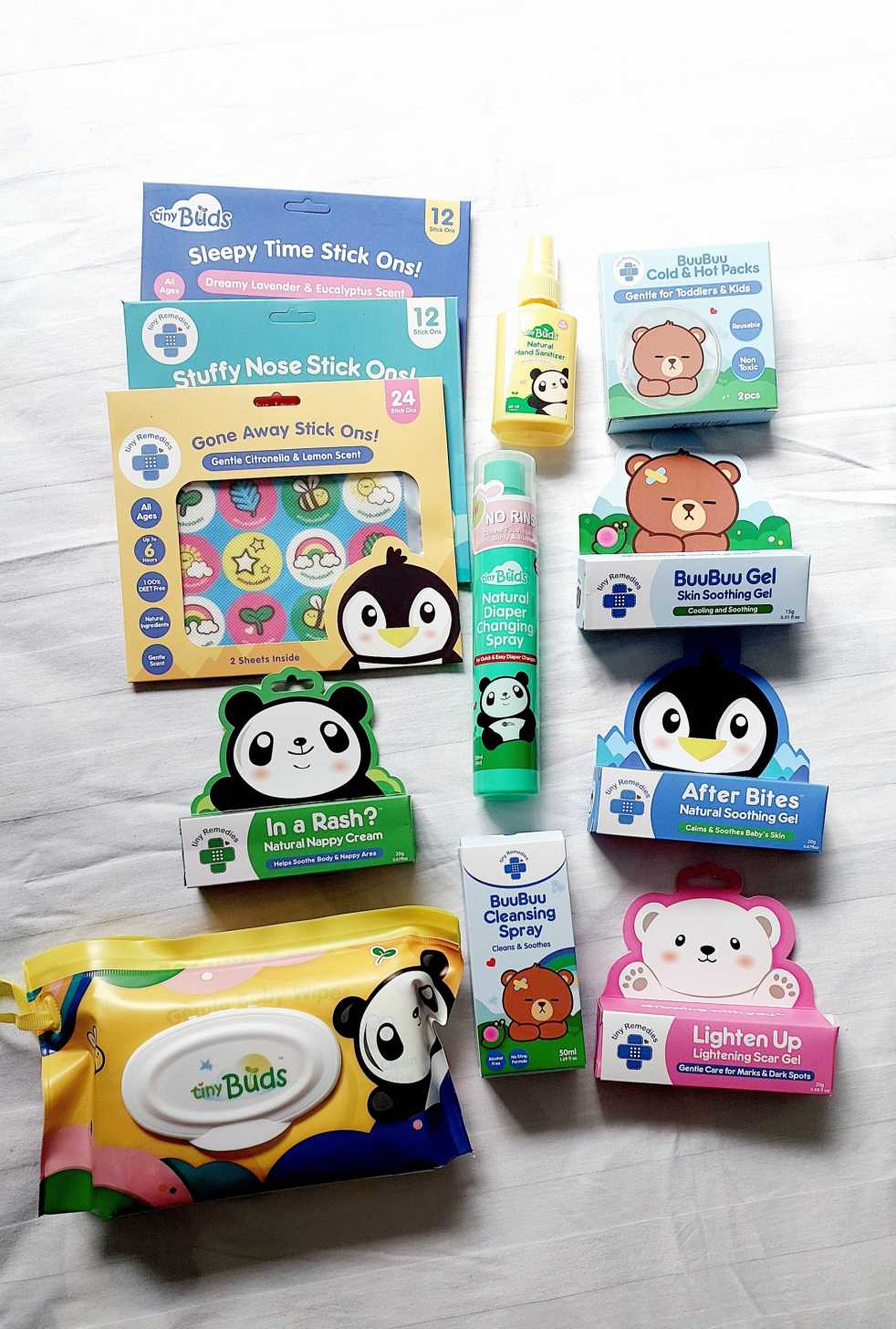
Your baby’s skin is more delicate than most, this is why you have to choose products that are designed for sensitive skin. Tiny Buds is a pioneer in integrating natural ingredients into baby care and today has over 50 innovative natural baby care essentials and is one of the Top Baby Personal Care brands. Here… Continue reading Product Review: Tiny Buds Baby Naturals Baby Essentials
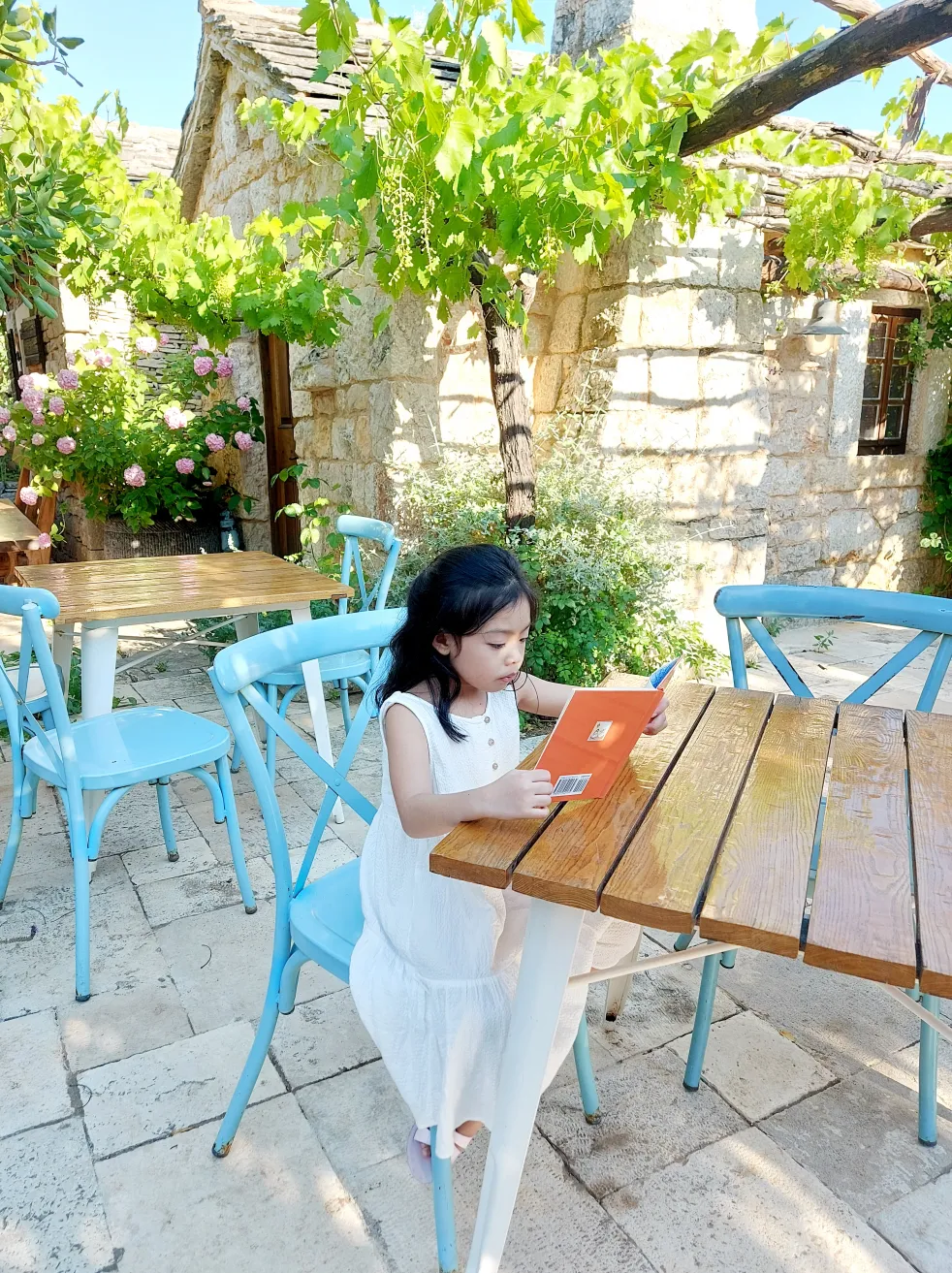
Where your child goes to school is a big decision and shouldn’t be taken lightly. Given how their education can impact their future, you might be tempted to take control and decide for them. However, you might be doing more damage than helping them in the long run. Your job as parents is to support… Continue reading HOW TO CHOOSE THE BEST SCHOOL FOR YOUR CHILD
As poet and philosopher Rumi once eloquently said, “raise your words, not your voice. It is rain that grows flowers, not thunder.” Parenting is a challenging journey, and the truth is that nobody has everything figured out. One parenting style might suit others best, and some might favor other methods. However, children respond better to… Continue reading A SIMPLE GUIDE TO GENTLE PARENTING

Whether you’re a new mom to be, mom of a toddler, mom who have school-aged kids, you’re bound to have so many questions. Let's start with your baby's skin. Infant skin has unique needs; gentle care is essential to prevent damage to the skin barrier, which can lead to irritation. When caring for infant skin,… Continue reading Keeping Baby’s Diapered Skin Healthy
As parents, we want to give our child the best possible start in life and that begins with nurturing their intelligence. Throughout history, the notion of success has been linked to academic intelligence. However, there has been an increased awareness on the importance of emotional intelligence. This question gets at the heart of the never-ending… Continue reading IQ or EQ, which one is a better predictor of your child’s success?
 wondermomma.net