
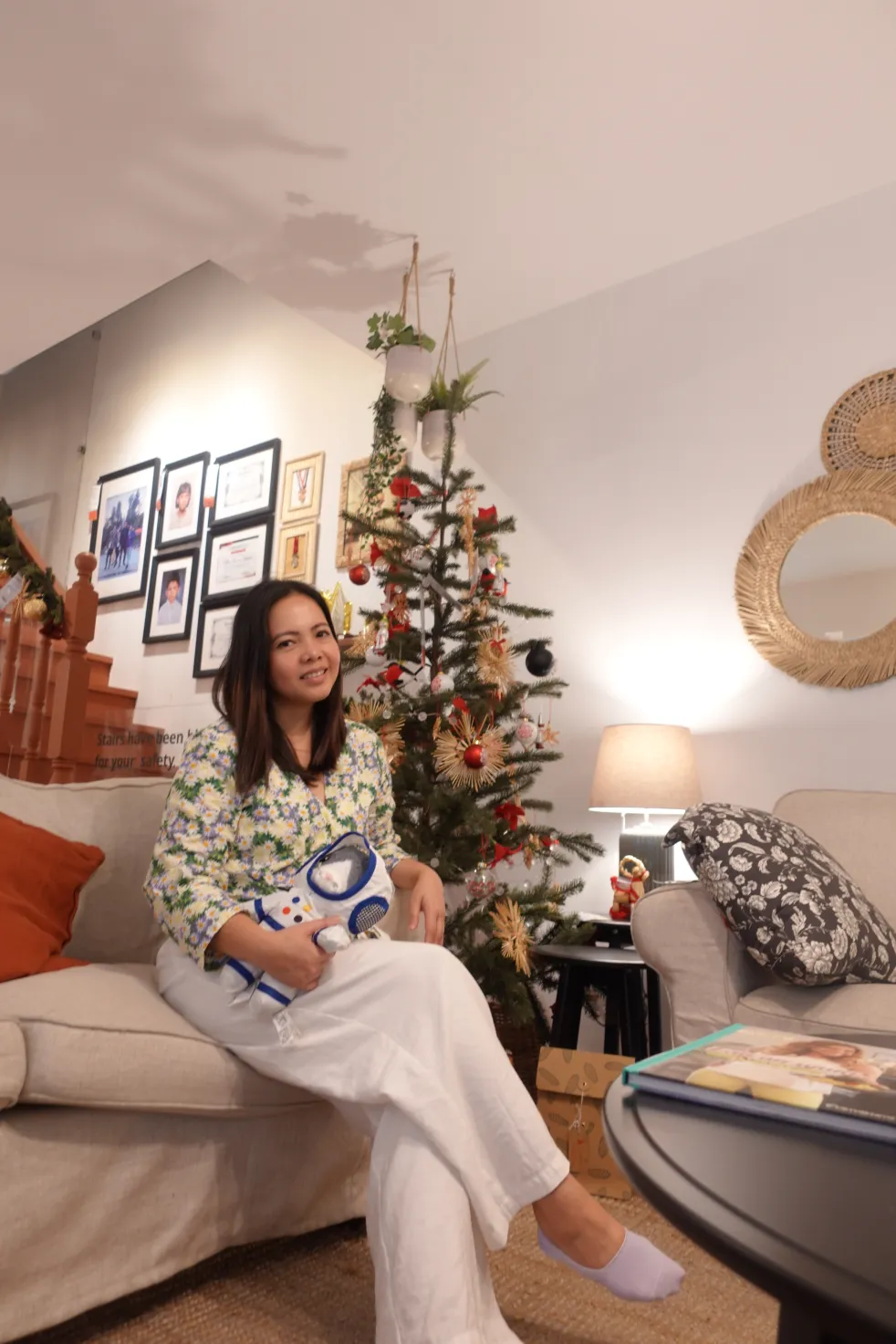
Last August, IKEA Philippines engaged with Better World Smokey Mountain, a newly opened community center operated by the San Miguel Foundation, which shares a similar goal of improving the lives of many Filipino people. Through this partnership, IKEA Philippines provided and assembled home furnishings for the classrooms and library of Better World Smokey Mountain community… Continue reading Help Create a Better World with IKEA Soft Toys
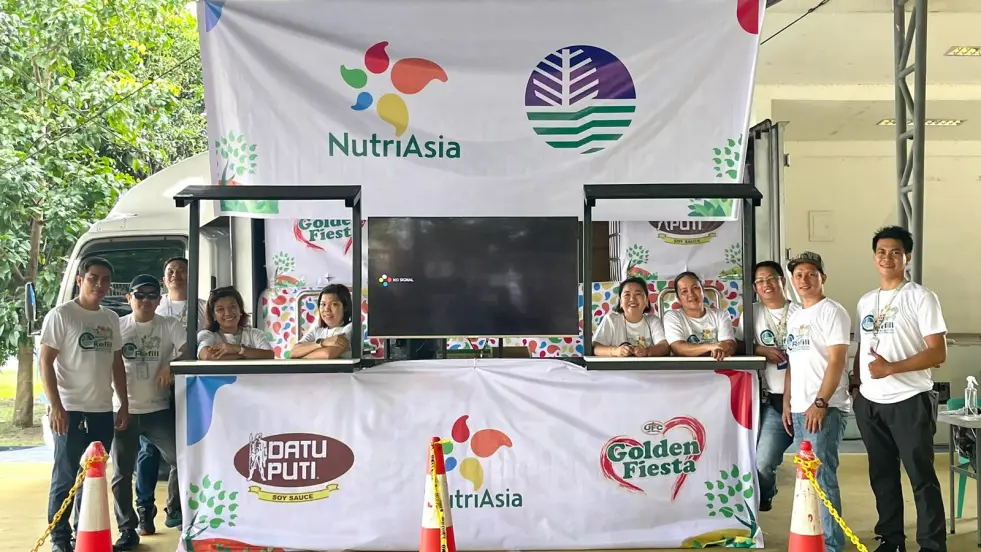
NutriAsia, the country’s top producer of condiments and sauces, continues its support of Refill Revolution; a project by the Department of Environment and Natural Resources EMB 3 that aims to help reduce Filipinos’ single-use plastics consumption. At Refill Revolution, residents get to recycle their single-use plastic bottles by reusing and filling it with their choice… Continue reading NutriAsia and DENR renews partnership for Refill Revolution
Filipino Children’s Books To Read Aloud At Every Age
Reading aloud Filipino stories can give children a warm connection to language, family history, food, landscapes and everyday life. A book may introduce a baby to the sound of Tagalog, help a preschooler recognise a familiar Filipino word, or give an older child a character who shares their mixed cultural experience.
For families in Australia, these books can become part of an ordinary bedtime routine, a weekend library visit or a quiet moment after school. Whether your family lives in Sydney, Melbourne, Brisbane or a regional community, a thoughtfully chosen story can make heritage feel present and joyful without turning reading into a lesson.
Starting With Babies And Toddlers
Babies do not need a complicated plot. They benefit from repetition, rhythm, expressive faces and the pleasure of hearing a trusted adult speak. Sturdy board books about food, animals, family members and everyday objects are ideal for small hands. A parent might say mama, lola, tito, aso or pusa while pointing to pictures, then repeat the English meaning naturally.
For this age group, look for Filipino-themed board books, bilingual vocabulary books and simple books featuring familiar experiences such as eating rice, visiting a market or greeting relatives. A book such as My Big Book of Filipino Words can support first vocabulary, while a handmade family photo book can be just as valuable as a commercially published title. The goal is connection, not testing.
Keep the reading session short and flexible. Two minutes before a nap may be more successful than a full story after a long day at childcare. In many Australian homes, the evening routine includes a bath, pyjamas and one or two books before bed; adding a Filipino title to that routine makes culture part of daily life rather than an occasional activity.
Picture Books For Preschool Years
Between three and five, children begin to enjoy characters, humour and predictable story patterns. This is a good time for Filipino folktales and picture books that show community life. The Monkey and the Turtle, a popular Filipino folktale retold in many editions, invites discussion about fairness, cleverness and consequences. Choose a version with expressive illustrations and language that suits your child’s attention span.
Filipino Children’s Favorite Stories by Liana Romulo is a useful collection for families who want several traditional tales in one volume. It can introduce stories such as The Legend of the Pineapple and other origin tales, while giving adults opportunities to explain unfamiliar customs. Read the story first without stopping too often, then talk about the characters afterwards.
Contemporary family stories can sit beside folktales. Cora Cooks Pancit by Dorina Lazo Gilmore-Young follows a child preparing a noodle dish with her family, making it a natural choice before dinner. In Australia, children may know noodles, rice and family gatherings from home but encounter different versions at school or playgroup. A story about cooking can help them see those experiences as part of a rich family identity.
| Age | Suitable Filipino reading choices | What children practise | A helpful read-aloud approach |
|---|---|---|---|
| Babies–2 | Board books, bilingual first-word books, family-made photo books | Listening, pointing, naming | Repeat key words and let children turn pages |
| 3–5 | Filipino folktales, The Monkey and the Turtle, Cora Cooks Pancit | Sequencing, feelings, cultural vocabulary | Pause for predictions and explain one new word at a time |
| 5–7 | Filipino Children’s Favorite Stories, community and food stories | Retelling, empathy, comparing traditions | Invite the child to act out a scene |
| 7–9 | Longer folktale collections, biographies and Philippine history stories | Inference, geography, historical understanding | Read a chapter at a time and discuss perspective |
| 9 and older | Novels, graphic novels and stories about migration or identity | Critical thinking and personal response | Share the reading, then allow independent reflection |
Early Primary Readers And Growing Independence
Once children begin school, read-aloud time still matters even when they can read independently. Listening to an adult exposes them to richer vocabulary and longer sentence structures than they may comfortably manage alone. It also allows parents to share books that are slightly above the child’s independent reading level.
This is a good stage for stories about Philippine places, animals and community life. Look for books featuring jeepneys, sari-sari stores, fiestas, rice fields, the sea or city neighbourhoods, while remembering that the Philippines is not a single experience. A child with relatives in Manila may connect differently with a story about a rural province or an island community. Maps, photographs and family anecdotes can expand the conversation.
Folklore also becomes more interesting when children can question a character’s choices. After reading a story about a clever animal or a proud ruler, ask what the character could have done differently. Avoid turning every book into a comprehension exercise; a simple comment such as “That ending surprised me” often leads to a more genuine discussion.
Australian schools commonly encourage daily reading, and families may be balancing homework with swimming lessons, sport and long commutes. A ten-minute shared chapter after dinner can be more sustainable than expecting a child to complete a lengthy reading session. Public libraries in Melbourne, Sydney and Perth may also be able to request Filipino titles through interlibrary loans or collection suggestions.
Books For Older Children
Older primary children can handle more complex themes, including migration, belonging, poverty, environmental change and family separation. Choose books that offer Filipino characters with different personalities and ambitions rather than presenting culture as a single set of traditions. Stories about children growing up between countries can be particularly meaningful for Filipino-Australian families.
At this age, graphic novels, illustrated histories and chapter books can work well. Philippine myths may lead to research about the babaylan, indigenous communities, Spanish colonial history or the geography of the archipelago. Parents do not need to know every answer. Looking up a place or word together models curiosity and shows that reading is a shared investigation.
Pay attention to the emotional weight of a story. A book about migration may prompt a child to discuss grandparents, separation or questions about where they belong. Give them time to respond in their own way. Some children will talk immediately; others may reveal their thoughts later while drawing, cooking or travelling in the car.
For families building a bilingual collection, it is perfectly acceptable to read a Filipino-language book in English, alternate languages by page, or use an audiobook alongside the printed copy. The Australian Copyright Act 1968 protects published writing and illustrations, so families should use legitimate editions, library loans and authorised digital formats rather than freely copying or distributing whole books.
Making Read-Aloud Time Part Of Family Life
The best Filipino children’s books are those that invite repeated reading. A child may request the same folktale every night because they enjoy the rhythm, the illustrations or the comfort of knowing what will happen. Repetition strengthens vocabulary and narrative memory, even when the adult feels ready for a change.
Create a small home library with a mixture of Filipino titles, Australian picture books and stories from other cultures. Families may find books through Philippine publishers such as Adarna House, independent online retailers, cultural associations and library services. In areas with large Filipino communities, including parts of Western Sydney and Melbourne’s southeast, local events and community groups can also point families towards authors and book sellers.
Food can extend a story without becoming a complicated project. After reading Cora Cooks Pancit, children might help wash vegetables or count ingredients. After a folktale, they could draw a different ending, make a paper puppet or locate the Philippines on a globe. These activities work during Australian school holidays, on rainy weekends or while waiting for dinner.
Parents looking for gentle guidance on reading, play and family routines can also browse WonderMomma’s parenting resources alongside their local library’s children’s recommendations. The most important resource, however, is a responsive adult who listens, follows the child’s interests and makes room for both English and Filipino words.
A read-aloud does not need perfect pronunciation or a formal teaching plan. It can be a grandparent on a video call, a parent reading after work, siblings sharing a couch, or a child carrying a favourite book on a visit to the library. With the right stories, Filipino heritage becomes something children hear, imagine, discuss and carry confidently into their wider Australian lives.
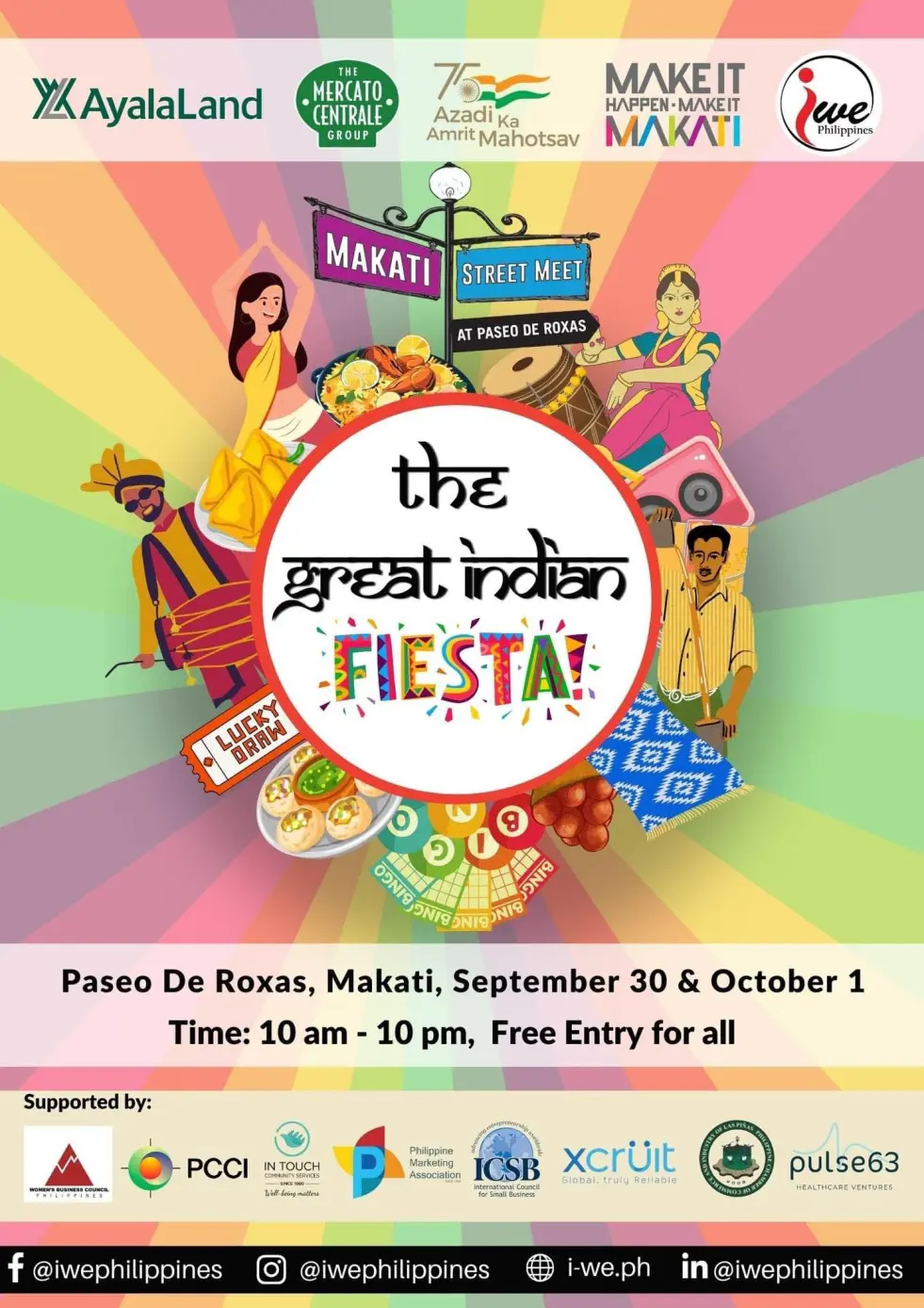
Mercato Centrale, in collaboration with Indian Women in Enterprise Philippines (I-We), is set to host "The Great Indian Fiesta" to mark 75 years of friendship between India and the Philippines. The dynamic two-day event is scheduled to take place on September 30 to October 1, 2023, at Paseo De Roxas Street, Makati City. Aiming to… Continue reading Mercato Centrale Partners with I-We to Host ‘The Great Indian Fiesta’, Commemorating 75 Years of India-Philippines Friendship

My stomach would usually start growling at 10 am even after taking a big breakfast. This is probably because I am a morning person and I move a lot throughout the day hence snacking is something that I can't avoid. This potatoes and chicken wrap recipe is easy to prepare and would keep me full… Continue reading Potato and Chicken Wrap
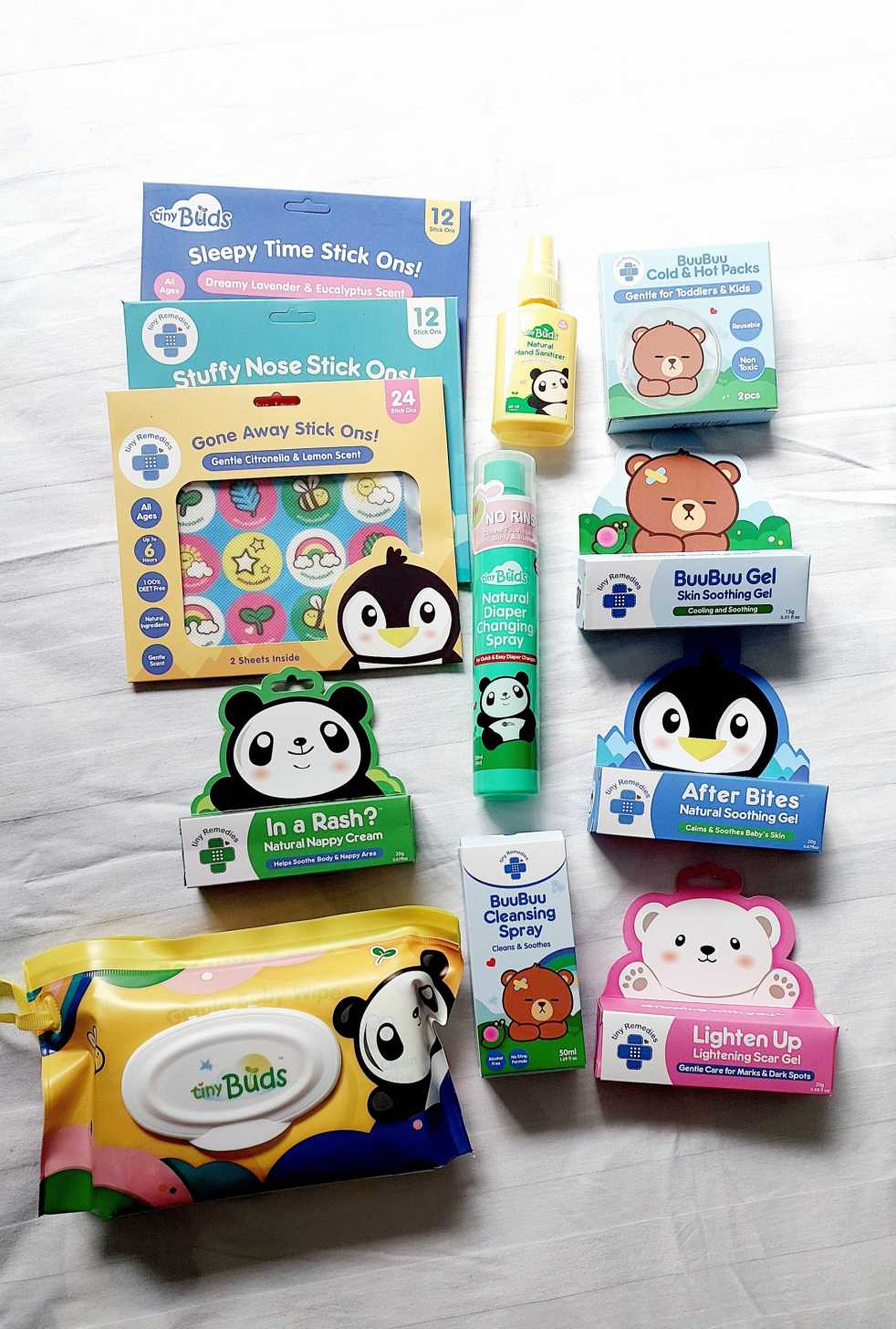
Your baby’s skin is more delicate than most, this is why you have to choose products that are designed for sensitive skin. Tiny Buds is a pioneer in integrating natural ingredients into baby care and today has over 50 innovative natural baby care essentials and is one of the Top Baby Personal Care brands. Here… Continue reading Product Review: Tiny Buds Baby Naturals Baby Essentials
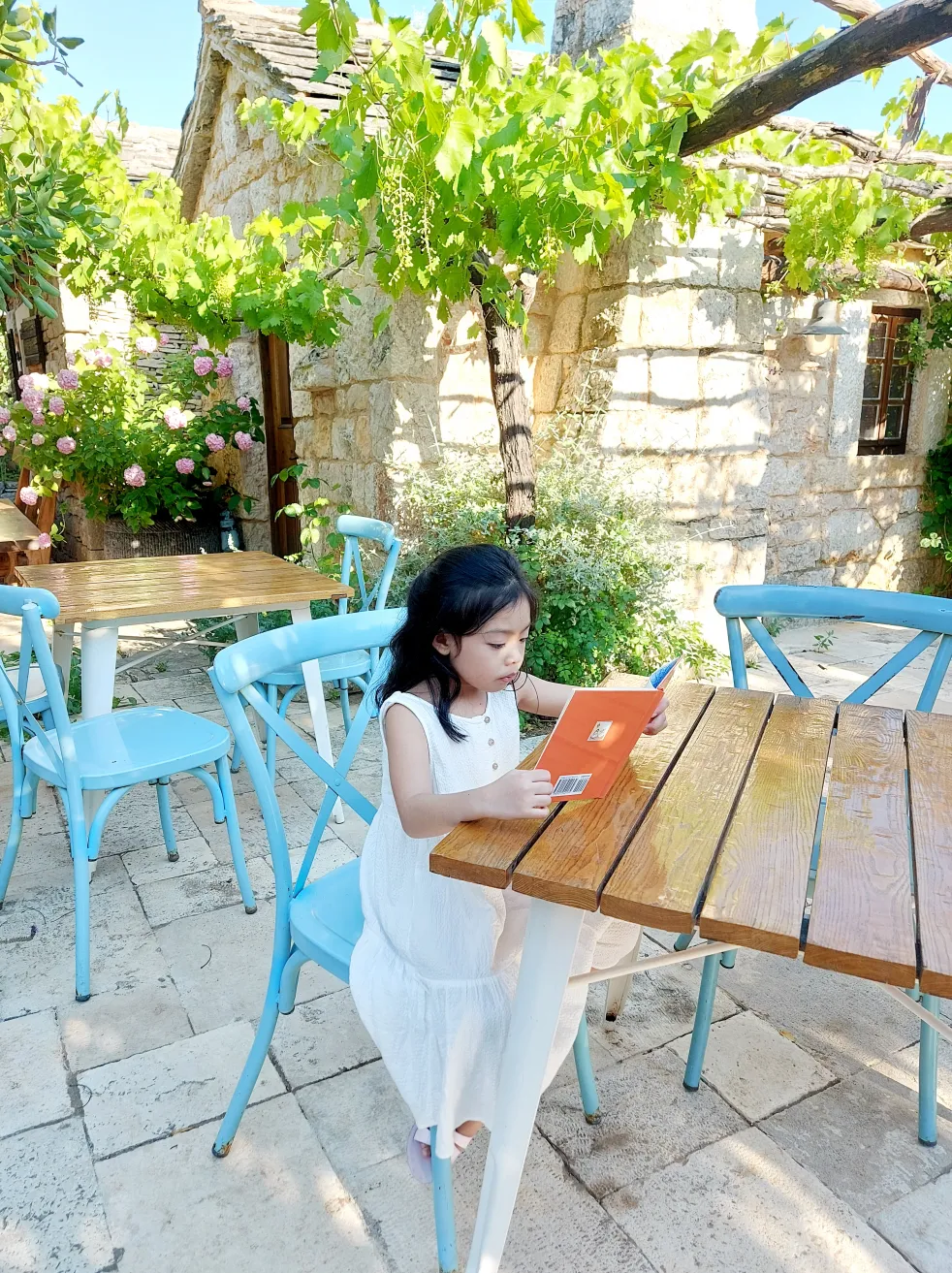
Where your child goes to school is a big decision and shouldn’t be taken lightly. Given how their education can impact their future, you might be tempted to take control and decide for them. However, you might be doing more damage than helping them in the long run. Your job as parents is to support… Continue reading HOW TO CHOOSE THE BEST SCHOOL FOR YOUR CHILD
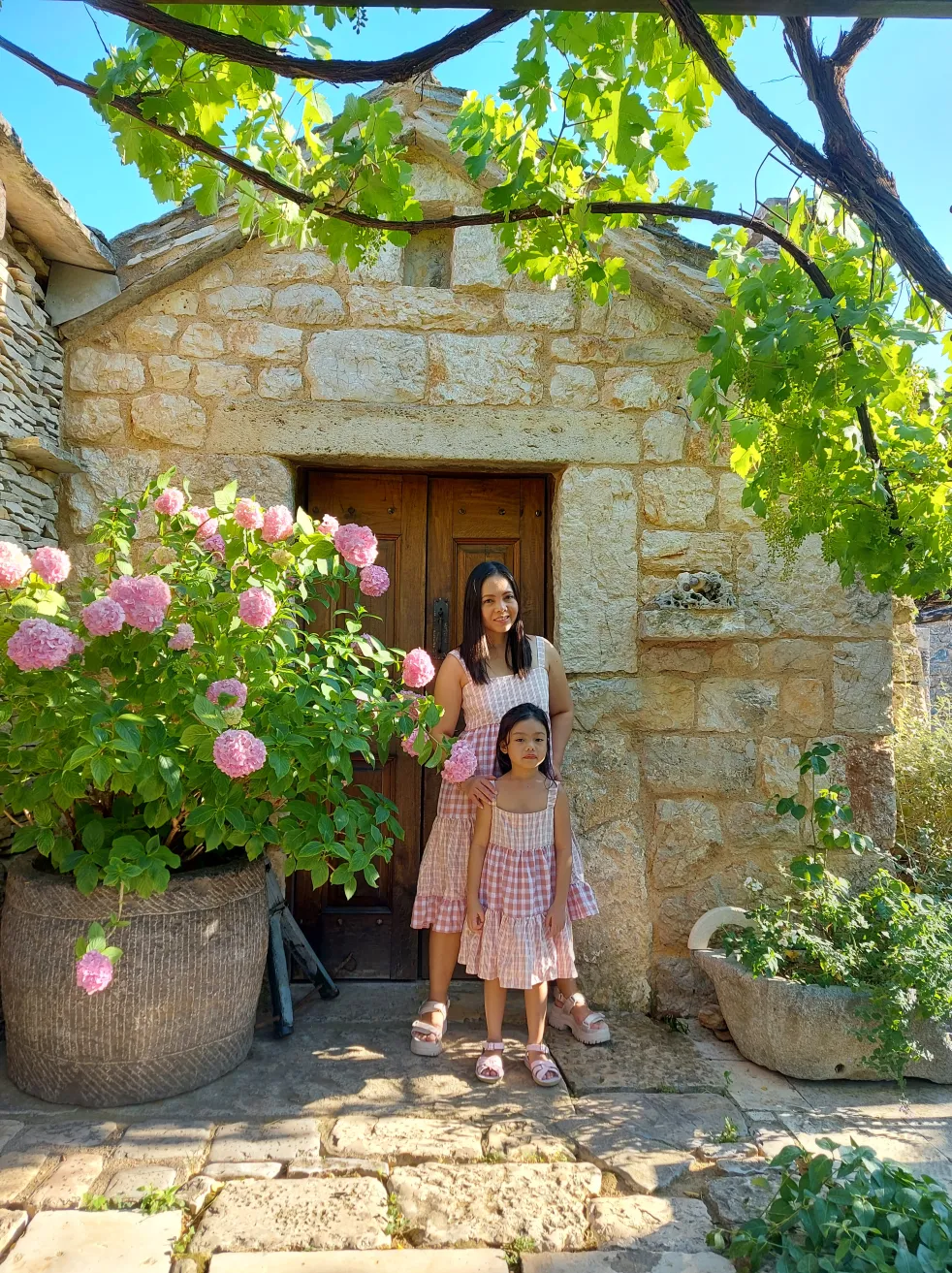
As poet and philosopher Rumi once eloquently said, “raise your words, not your voice. It is rain that grows flowers, not thunder.” Parenting is a challenging journey, and the truth is that nobody has everything figured out. One parenting style might suit others best, and some might favor other methods. However, children respond better to… Continue reading A SIMPLE GUIDE TO GENTLE PARENTING
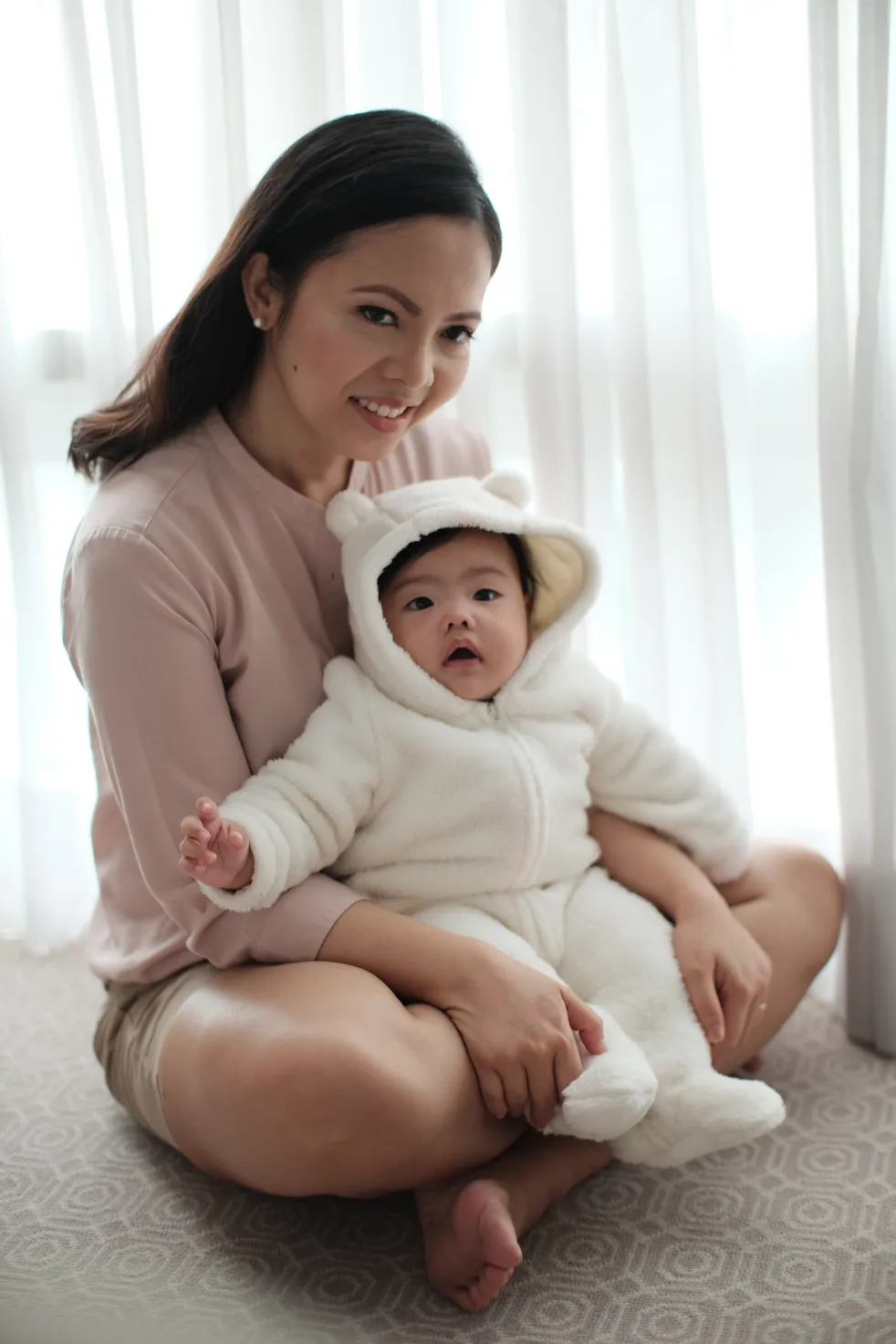
Whether you’re a new mom to be, mom of a toddler, mom who have school-aged kids, you’re bound to have so many questions. Let's start with your baby's skin. Infant skin has unique needs; gentle care is essential to prevent damage to the skin barrier, which can lead to irritation. When caring for infant skin,… Continue reading Keeping Baby’s Diapered Skin Healthy
As parents, we want to give our child the best possible start in life and that begins with nurturing their intelligence. Throughout history, the notion of success has been linked to academic intelligence. However, there has been an increased awareness on the importance of emotional intelligence. This question gets at the heart of the never-ending… Continue reading IQ or EQ, which one is a better predictor of your child’s success?
 wondermomma.net