
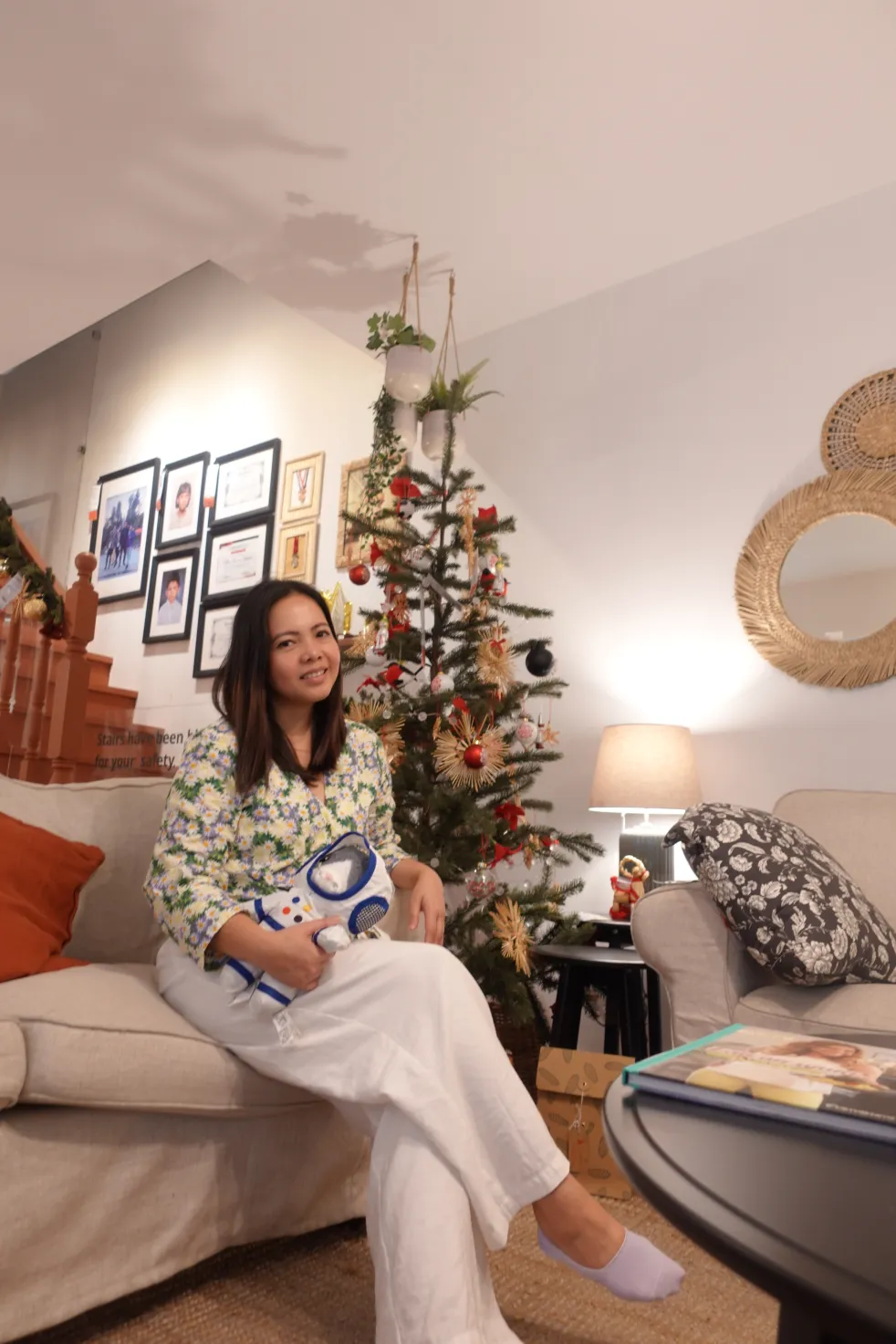
Last August, IKEA Philippines engaged with Better World Smokey Mountain, a newly opened community center operated by the San Miguel Foundation, which shares a similar goal of improving the lives of many Filipino people. Through this partnership, IKEA Philippines provided and assembled home furnishings for the classrooms and library of Better World Smokey Mountain community… Continue reading Help Create a Better World with IKEA Soft Toys

NutriAsia, the country’s top producer of condiments and sauces, continues its support of Refill Revolution; a project by the Department of Environment and Natural Resources EMB 3 that aims to help reduce Filipinos’ single-use plastics consumption. At Refill Revolution, residents get to recycle their single-use plastic bottles by reusing and filling it with their choice… Continue reading NutriAsia and DENR renews partnership for Refill Revolution

The Best Educational Toys For Fine Motor Skills By Age
Fine motor skills involve the small muscles in a child’s hands, fingers and wrists. Children use these muscles to grasp a rattle, turn a page, stack blocks, use cutlery, draw, fasten clothing and eventually write. Play gives them repeated practice without making development feel like a lesson.
The best educational toys for fine motor skills by age are simple, open-ended and matched to what a child can safely manage. A toy that is too advanced may cause frustration, while one that is too easy may quickly lose its appeal. Age guidance is useful, but a child’s individual development and interests matter just as much.
Australian families have plenty of practical options, from wooden puzzles in specialist toy shops to stacking cups from Kmart, Big W or department stores. Families in Sydney and Melbourne apartments may prefer compact toys that fit into a small play corner, while homes with outdoor space can combine table activities with garden or verandah play.
Supervision remains essential, especially for babies and toddlers. Check age recommendations, inspect toys regularly and keep small parts away from children under three unless the product is specifically designed for their age. Short, happy play sessions are often more valuable than a crowded toy shelf.
Fine Motor Toys For Babies From Birth To Six Months
During the early months, babies are learning to open their hands, bring objects towards their mouths and gradually improve their ability to hold and release items. Suitable toys include soft rattles, fabric crinkle books, high-contrast activity cards and lightweight teethers with easy-to-grip sections.
A baby gym with hanging fabric shapes can encourage reaching and batting. Place the toy within comfortable reach and allow the baby to explore at their own pace. As hand control improves, offer objects with different textures, such as smooth silicone, soft fabric and ridged rubber.
Choose toys that are washable and made without loose threads, detachable decorations or accessible filling. Avoid attaching toys to a cot or leaving a baby unattended with cords, ribbons or long straps. For Australian families, washable toys are especially practical during warmer weather, when babies may sweat more during floor play.
At this stage, the adult’s interaction is more important than the number of toys. Describing the colour, texture or sound of an object helps build language while the baby practises reaching, grasping and transferring it between hands.
Fine Motor Toys For Babies From Six To Twelve Months
Between six and twelve months, many babies become more deliberate with their hands. They may pass a toy from one hand to the other, pick up food using a raking motion and begin using a pincer grasp with the thumb and forefinger. Stacking cups, soft blocks, large linking rings and chunky activity cubes support these emerging abilities.
Posting toys with large openings can teach cause and effect, while a sturdy container filled with large fabric squares encourages pulling and releasing. Simple nesting cups are particularly useful because children can bang them together, fill them, empty them and eventually stack them.
Play should happen on a stable surface, with the baby seated securely. Keep small balls, beads, coins and pieces from older children out of reach. Button batteries require special care: products containing them should have secure battery compartments and appropriate safety information, and loose batteries must never be accessible to children.
Many Australian households move between indoor play and time outdoors. A picnic mat at a local park in Brisbane, Perth or Adelaide can provide a clean surface for large, washable toys, provided the child remains within arm’s reach and the pieces are collected before packing up.
Fine Motor Toys For Toddlers From One To Two Years
Toddlers enjoy toys that involve filling, emptying, fitting and moving. Large peg boards, chunky wooden puzzles, posting boxes, nesting objects and simple shape sorters help develop hand strength, visual-motor coordination and problem-solving. Push-and-turn toys can also prepare children for the twisting actions used with lids and door handles.
Large blocks encourage grasping and controlled placement. Rather than showing a toddler exactly what to build, offer a few pieces and let them experiment. A child may stack two blocks, knock them down, place one inside another or use them in pretend cooking. Each action develops control and provides useful feedback.
Art materials can be introduced with close supervision. Chunky crayons, large sheets of paper and washable, non-toxic finger paint allow toddlers to practise holding, pressing and making marks. Keep the activity brief and protect floors and furniture, particularly in rental homes or smaller apartments.
At this age, children often want to copy household routines. Safe practical-life toys, such as a child-sized dustpan, large dressing frames or play food with thick pieces, can turn everyday actions into hand-skill practice. Avoid toys with long cords, sharp edges or detachable components.
Fine Motor Toys For Children From Two To Three Years
Between two and three, children are ready for more accurate hand movements. Threading sets with large beads, beginner lacing cards, peg boards, interlocking construction pieces and chunky knob puzzles can strengthen fingers and improve coordination. Choose projects that can be completed in a few steps so success remains achievable.
Play dough is a versatile fine motor activity. Rolling, squeezing, pinching and flattening the dough build hand strength, while tools such as chunky rollers and safe cutters add variety. Homemade dough can be inexpensive, but check ingredients if a child has allergies and supervise closely to prevent eating.
Simple matching games and two- to six-piece puzzles support visual discrimination as well as hand control. Magnetic tiles can also be engaging, but inspect them regularly for cracks or loose magnets. Powerful loose magnets are dangerous if swallowed and should be removed from the play area immediately if a piece becomes damaged.
Children in this age group often benefit from an uncluttered setup. Put a few activities in low baskets and rotate them every several days. This approach suits busy family routines and makes it easier to store toys in a compact Sydney unit, a Melbourne townhouse or a shared bedroom.
Fine Motor Toys For Preschoolers From Three To Five Years
Preschool children can manage increasingly detailed tasks, including cutting with child-safe scissors, drawing shapes, using tweezers and completing more complex puzzles. Recommended toys include construction sets, pattern blocks, peg mosaics, lacing boards, beginner sewing cards and matching games with small pieces used under supervision.
Fine motor development at this age supports early writing, but worksheets are not essential. Chalk on a pavement, painting on an easel, drawing with triangular pencils and making marks in sand all encourage wrist movement and pencil control. Outdoor activities can be particularly welcome for Australian families during mild mornings or after-school play.
Dramatic play adds a valuable functional element. Toy kitchens, doctors’ kits, dress-up fasteners and pretend shops involve opening, closing, sorting, pouring and handling small objects. Cooking with an adult can offer similar practice through stirring, sprinkling, kneading and using measuring cups, with hot surfaces and sharp tools kept firmly out of reach.
Look for toys that allow more than one solution. A construction set can become a bridge, animal enclosure or vehicle, giving children opportunities to plan, adjust and persist. Praise effort and strategies rather than speed, especially when a child is still developing the hand strength needed for precision work.
Choosing Safe And Useful Fine Motor Toys
A good toy should suit the child’s current ability, survive repeated handling and invite active participation. Open-ended materials often provide greater long-term value than toys with a single button or programmed response. Wooden blocks, cups, dough, puzzles and construction pieces can be used in different ways as skills develop.
Australian parents can check product information through the Australian Competition and Consumer Commission’s Product Safety website. Toys sold locally must meet relevant mandatory safety requirements, and retailers are responsible for supplying compliant products. Be cautious with unfamiliar online marketplaces where age labels, importer details or safety instructions may be unclear.
Pay attention to cleaning and storage. Wash teethers and washable plastic items according to the manufacturer’s directions, air-dry materials thoroughly and discard cracked plastic or splintered wood. Store small parts in a sealed container once play has finished, especially where babies and toddlers share space with older siblings.
The following habits help families choose activities that are safe, useful and realistic for everyday life:
- Match the toy to the child’s current grasp, strength and attention span rather than buying far ahead of their development.
- Prefer sturdy, washable materials and inspect them often for cracks, loose parts, sharp edges or damaged seams.
- Keep small parts, magnets, cords and button batteries away from babies and toddlers.
- Offer one or two activities at a time so the child can focus without becoming overwhelmed.
- Combine table play with practical tasks such as pouring, stirring, sorting laundry or opening safe containers.
- Follow Australian age labels and check recalls or product safety notices before buying second-hand toys.
- Join the play occasionally, then allow the child time to explore independently and repeat actions.
Fine motor toys work best as part of ordinary family life. A toddler stacking containers while dinner is prepared, a preschooler threading beads after childcare or a baby gripping a soft toy during floor time is building useful capability through play. With safe materials, patient encouragement and age-appropriate challenges, children can strengthen the skills needed for dressing, eating, drawing and learning.

Mercato Centrale, in collaboration with Indian Women in Enterprise Philippines (I-We), is set to host "The Great Indian Fiesta" to mark 75 years of friendship between India and the Philippines. The dynamic two-day event is scheduled to take place on September 30 to October 1, 2023, at Paseo De Roxas Street, Makati City. Aiming to… Continue reading Mercato Centrale Partners with I-We to Host ‘The Great Indian Fiesta’, Commemorating 75 Years of India-Philippines Friendship

My stomach would usually start growling at 10 am even after taking a big breakfast. This is probably because I am a morning person and I move a lot throughout the day hence snacking is something that I can't avoid. This potatoes and chicken wrap recipe is easy to prepare and would keep me full… Continue reading Potato and Chicken Wrap
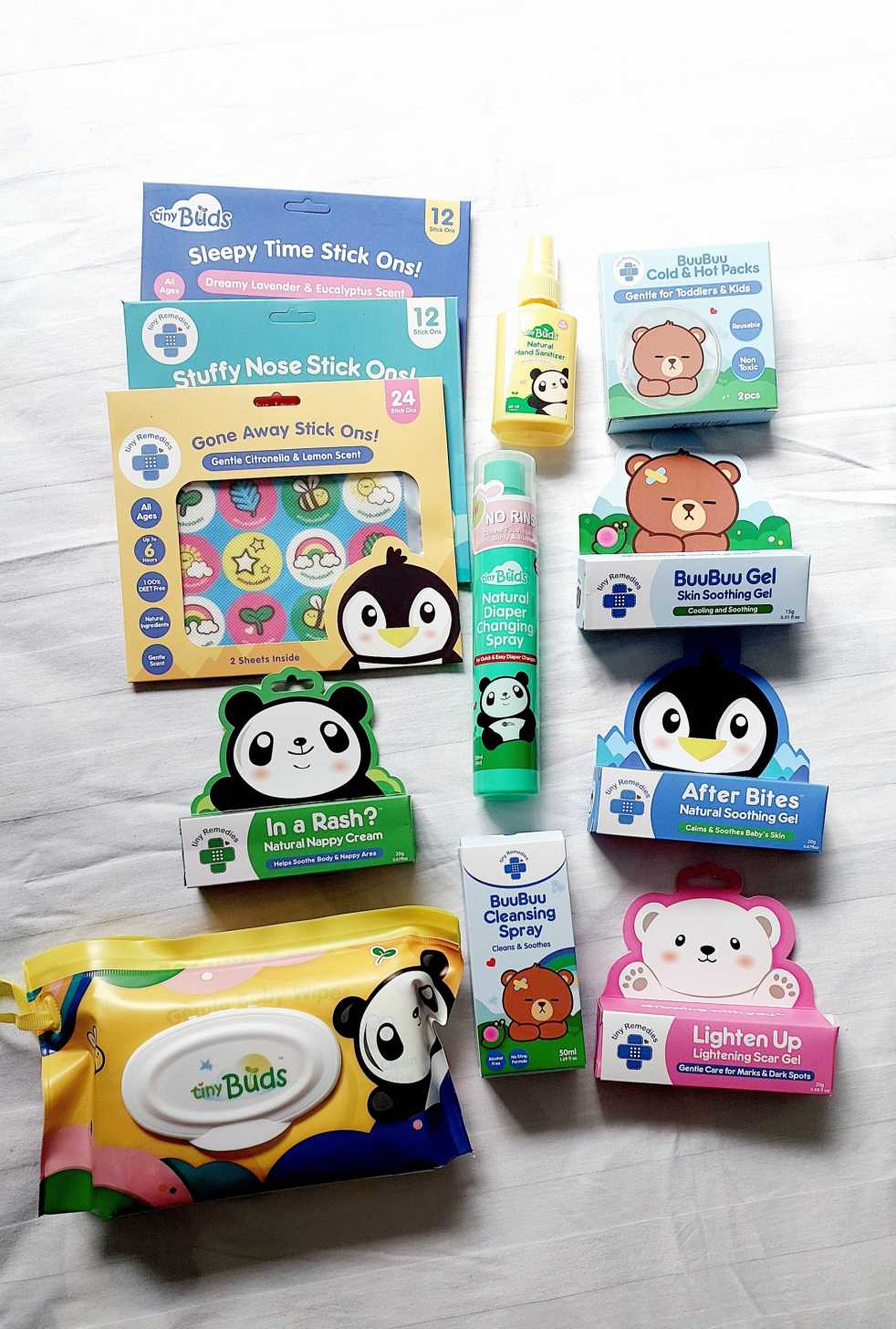
Your baby’s skin is more delicate than most, this is why you have to choose products that are designed for sensitive skin. Tiny Buds is a pioneer in integrating natural ingredients into baby care and today has over 50 innovative natural baby care essentials and is one of the Top Baby Personal Care brands. Here… Continue reading Product Review: Tiny Buds Baby Naturals Baby Essentials
Where your child goes to school is a big decision and shouldn’t be taken lightly. Given how their education can impact their future, you might be tempted to take control and decide for them. However, you might be doing more damage than helping them in the long run. Your job as parents is to support… Continue reading HOW TO CHOOSE THE BEST SCHOOL FOR YOUR CHILD
As poet and philosopher Rumi once eloquently said, “raise your words, not your voice. It is rain that grows flowers, not thunder.” Parenting is a challenging journey, and the truth is that nobody has everything figured out. One parenting style might suit others best, and some might favor other methods. However, children respond better to… Continue reading A SIMPLE GUIDE TO GENTLE PARENTING
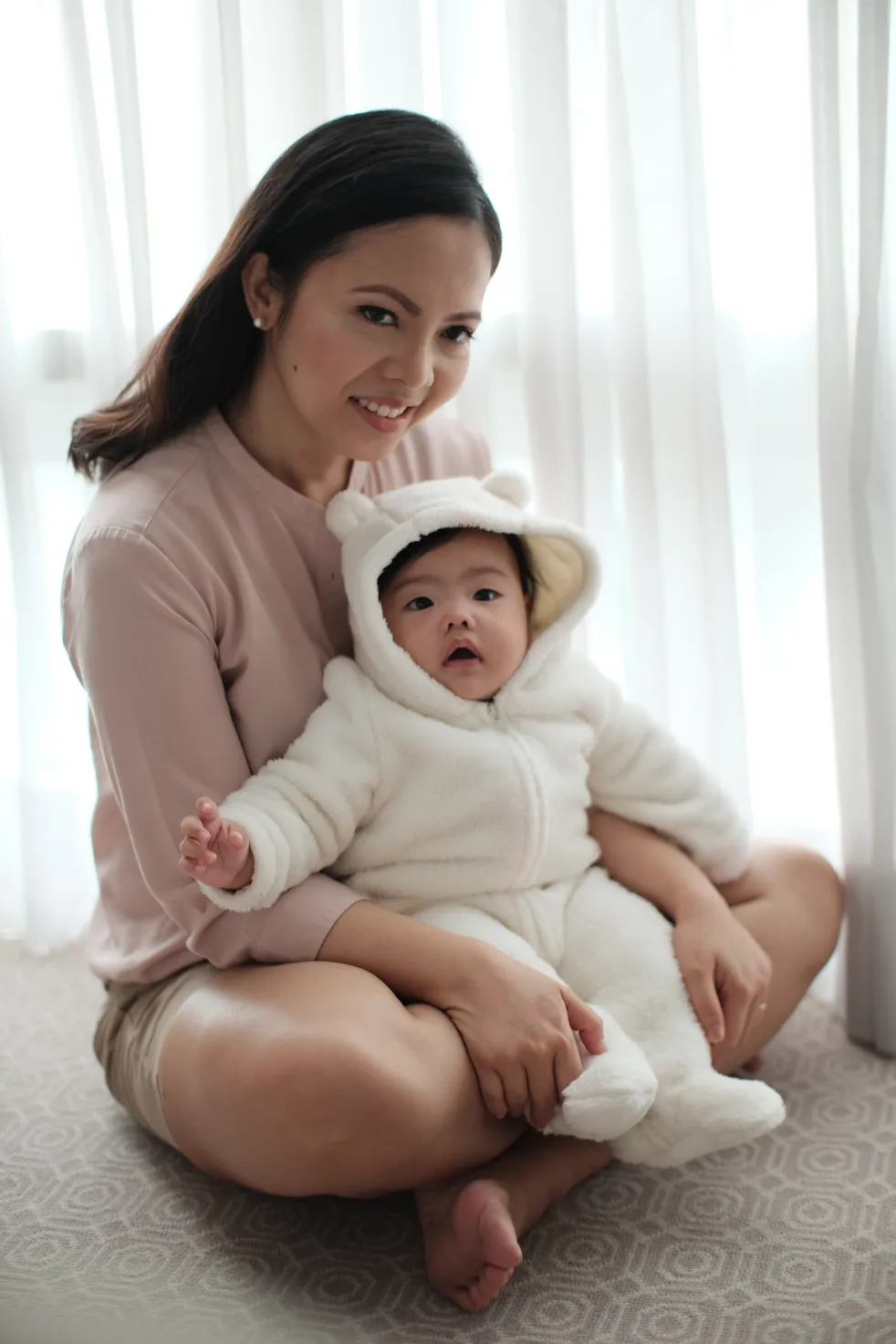
Whether you’re a new mom to be, mom of a toddler, mom who have school-aged kids, you’re bound to have so many questions. Let's start with your baby's skin. Infant skin has unique needs; gentle care is essential to prevent damage to the skin barrier, which can lead to irritation. When caring for infant skin,… Continue reading Keeping Baby’s Diapered Skin Healthy
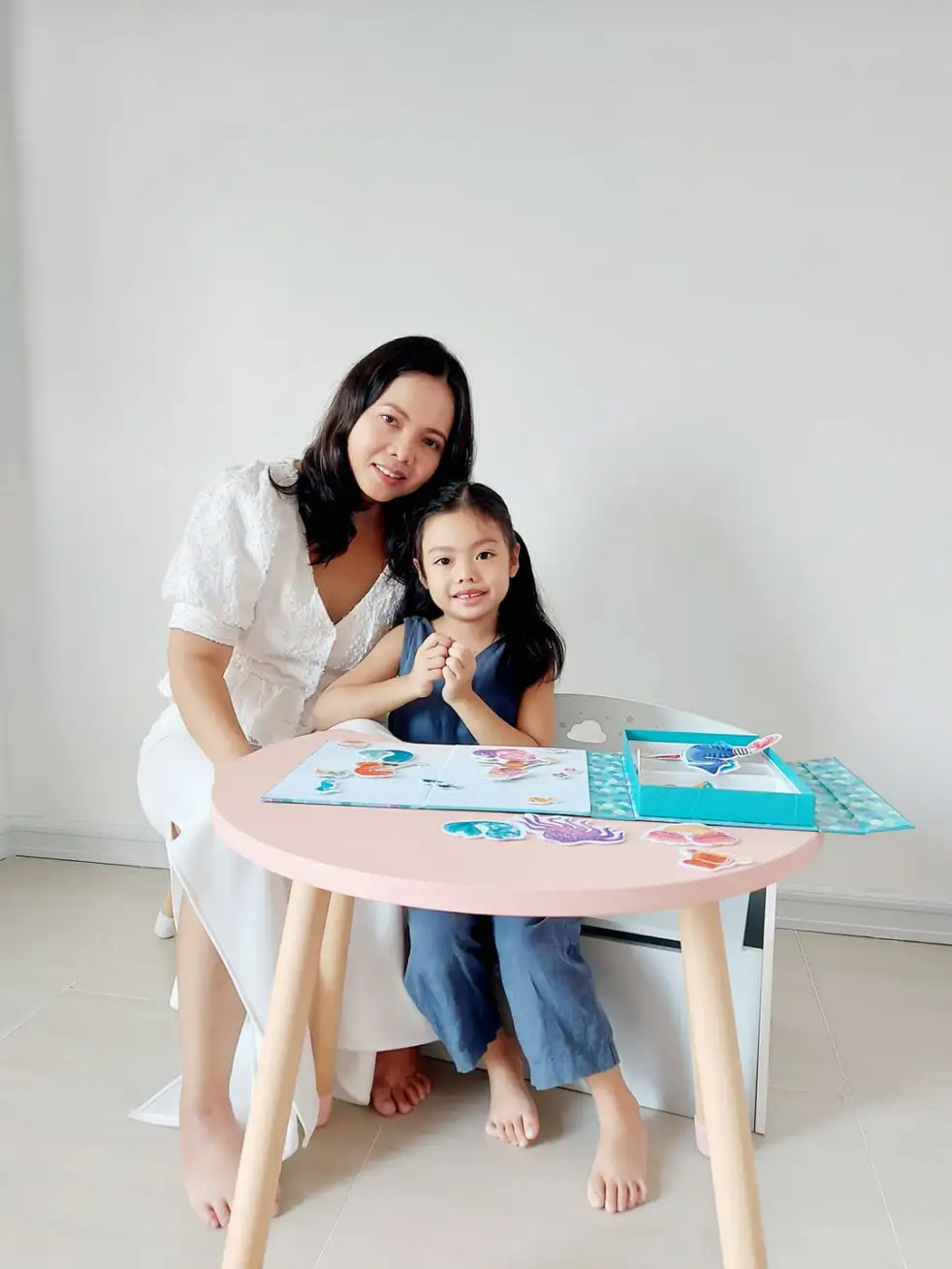
As parents, we want to give our child the best possible start in life and that begins with nurturing their intelligence. Throughout history, the notion of success has been linked to academic intelligence. However, there has been an increased awareness on the importance of emotional intelligence. This question gets at the heart of the never-ending… Continue reading IQ or EQ, which one is a better predictor of your child’s success?
 wondermomma.net