
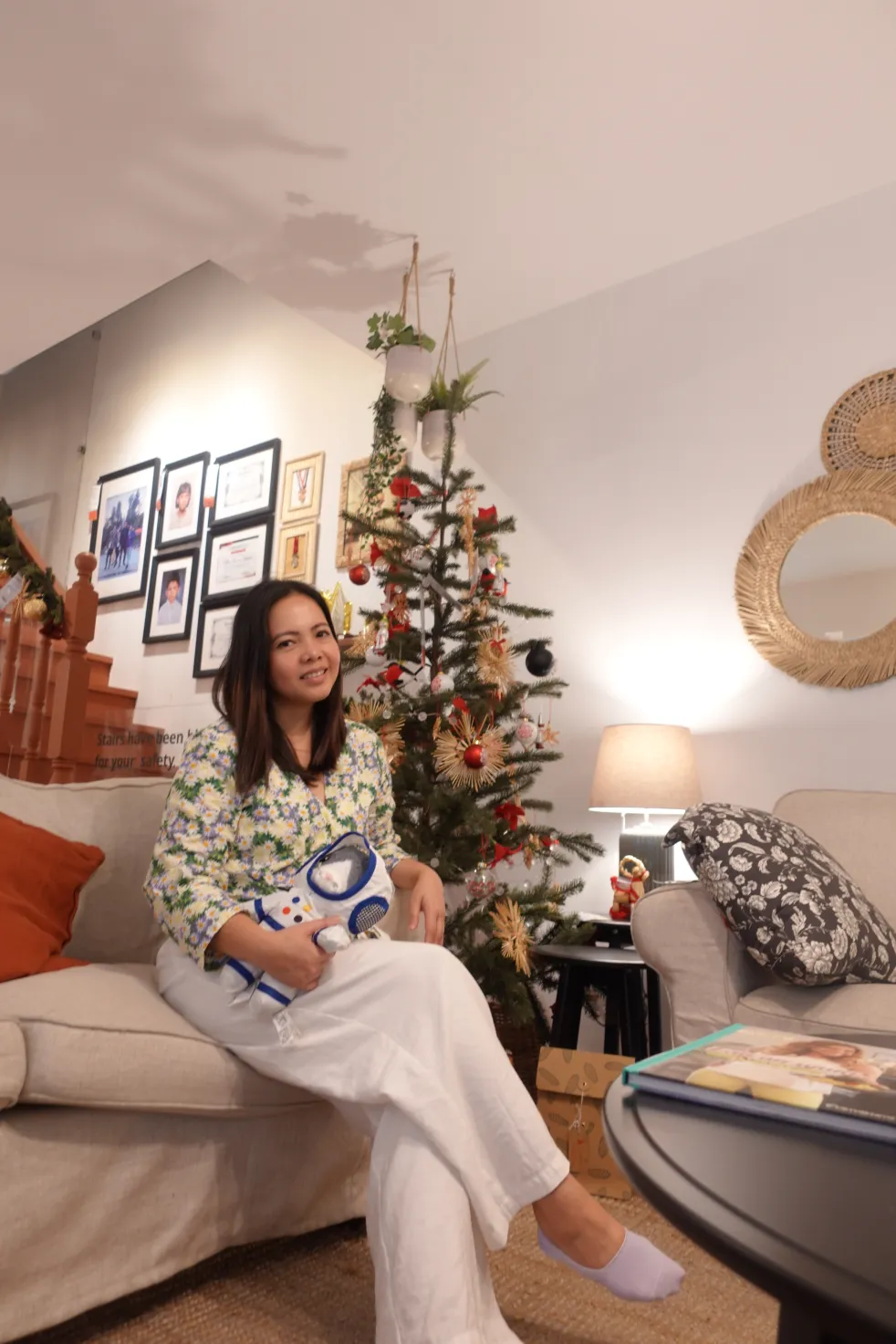
Last August, IKEA Philippines engaged with Better World Smokey Mountain, a newly opened community center operated by the San Miguel Foundation, which shares a similar goal of improving the lives of many Filipino people. Through this partnership, IKEA Philippines provided and assembled home furnishings for the classrooms and library of Better World Smokey Mountain community… Continue reading Help Create a Better World with IKEA Soft Toys
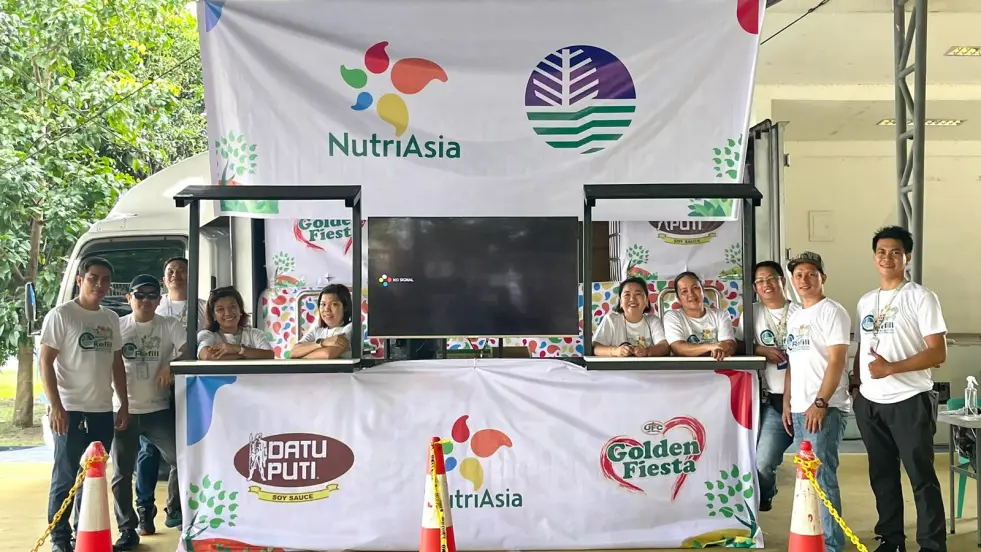
NutriAsia, the country’s top producer of condiments and sauces, continues its support of Refill Revolution; a project by the Department of Environment and Natural Resources EMB 3 that aims to help reduce Filipinos’ single-use plastics consumption. At Refill Revolution, residents get to recycle their single-use plastic bottles by reusing and filling it with their choice… Continue reading NutriAsia and DENR renews partnership for Refill Revolution

The Best Educational Apps for Toddlers Approved by Experts
The best educational apps for toddlers are designed to support play, language, early maths, creativity and curiosity rather than keep children occupied for long stretches. A good app gives children something to do, say or solve, while leaving plenty of room for real-world play, conversation and movement.
There is no single official list of apps “approved” for every toddler. Instead, child-development specialists generally assess digital media by its content, design, purpose and the way adults use it with children. The strongest choices are age-appropriate, free from distracting advertising, easy for a child to navigate and useful as a shared activity.
For Australian families, availability, data privacy, subscription costs and local content also matter. A family in Sydney, Melbourne or regional Queensland may have different internet access and routines, while an app available in the United States may have limited Australian content or features. This guide focuses on expert-informed choices and practical ways to use them well.
| App | Best for | Helpful features | Points to check |
|---|---|---|---|
| Khan Academy Kids | Early literacy and numeracy | Storybooks, phonics, counting and creative activities | Requires an internet connection for some content |
| ABC Kids | Familiar Australian characters and play | Age-suitable games, songs and shows from ABC content | Some features and programmes change over time |
| PBS KIDS Games | Problem-solving and science concepts | Games linked to trusted children’s programmes | Australian availability may vary |
| Duolingo ABC | Letter sounds and beginning reading | Short phonics, tracing and vocabulary activities | Better suited to older preschoolers |
| Lingokids | Language and early learning | Songs, games and themed lessons | Subscription features may apply |
| Sago Mini School | Open-ended creative play | Gentle activities for shapes, colours and storytelling | Paid access may be needed |
| Pok Pok | Independent exploration | Calm, screen-light digital toys with no competitive scoring | It is designed for exploration rather than formal lessons |
What experts look for in a toddler app
Early childhood experts commonly recommend apps that are simple, interactive and focused on one clear skill at a time. Toddlers learn best when they can tap, drag, speak, draw, sort or make choices, rather than passively watch a stream of videos. An app should respond meaningfully to a child’s action and offer encouragement without making every activity feel like a test.
The American Academy of Pediatrics and other child-health organisations place strong emphasis on co-use. An adult can ask what a character is doing, repeat a new word, count objects aloud or connect the digital activity with something in the room. Australian early childhood guidance also values play-based learning, relationships and hands-on experiences, so an app works best as one small part of a broad routine.
Look for a clear age range, accessible controls, limited advertising and transparent information about data collection. A quality app should allow parents to turn off sounds, prevent accidental purchases and manage notifications. It should also avoid frightening images, rapid rewards and competitive features that encourage children to keep tapping without understanding the activity.
Strong all-round choices for early learning
Khan Academy Kids is a popular free option for children roughly aged two to eight. Its preschool content includes stories, letter recognition, counting, drawing, puzzles and social-emotional activities. The bright design is engaging without relying heavily on advertising, and children can often move between tasks at their own pace. Parents should still select age-suitable activities, as the wider app serves a broad age range.
ABC Kids is especially useful for Australian families who want familiar voices, songs and characters. The app provides access to child-focused content from the Australian Broadcasting Corporation, including games and programmes that reflect the local media environment. It may suit a short quiet-time activity, although parents should check current content and settings because app libraries can change.
PBS KIDS Games offers many well-designed activities involving early science, maths, literacy and problem-solving. Characters and stories can give toddlers a reason to practise a skill repeatedly. Australian parents should check whether each game is available locally and whether the app requires streaming or downloads, particularly when travelling or using limited mobile data.
Apps for language, phonics and communication
Duolingo ABC is aimed more at preschoolers who are beginning to recognise letters and sounds than at very young toddlers. It offers tracing, phonics, vocabulary and early reading activities in short lessons. The clear sequence can support children who enjoy repetition, but it should complement shared book reading rather than replace it. Children learn language through conversation, gestures and stories with real people as well as through screens.
Lingokids combines songs, games, vocabulary and early concepts in a structured learning environment. It can be useful for families introducing English vocabulary or supporting a child who enjoys musical repetition. Subscription arrangements should be checked carefully before starting a trial, as prices, renewal terms and available content can differ in the Australian App Store and Google Play market.
Sago Mini School is a gentler choice for creative exploration. Activities involving colours, patterns, shapes, counting and pretend play give children opportunities to make choices without a heavy academic focus. It may suit a toddler who becomes frustrated by right-or-wrong quizzes. The best results come when an adult talks about the child’s choices and extends the play away from the screen.
Creative and calm digital play
Pok Pok is built around open-ended digital toys rather than lessons, points or timed challenges. Children can experiment with building, drawing, music and everyday scenes. This style may appeal to parents who want a calmer app with fewer rewards and less pressure. It is still screen media, however, and a child may need an adult to show how the virtual toys work at first.
Creative apps are most valuable when they inspire offline activity. After using a drawing tool, a child might use crayons and recycled cardboard to make a picture. A counting game can lead to sorting socks, blocks or toy animals. These simple follow-up activities help transfer ideas from the screen into physical movement, conversation and practical problem-solving.
Parents should avoid judging an app only by its graphics. A beautiful design may have little educational value if it encourages rapid tapping or endless reward collection. A plainer app with a slower pace may give a toddler more opportunities to think, communicate and control the activity.
Screen time and healthy routines
The World Health Organization recommends limited sedentary screen time for very young children, with no screen time recommended for babies under one and no more than one hour for children aged two to four. Australian 24-hour movement guidelines similarly encourage minimal sedentary screen time for preschoolers and prioritise sleep, physical activity and social interaction. These recommendations concern the whole day, not a requirement to use an educational app.
For toddlers, short sessions are generally easier to manage than long blocks. A parent might use an app while waiting for an appointment, during a quiet afternoon or as part of a shared learning activity. It is sensible to avoid screens during meals, in the hour before bed and when a child is overtired, because digital stimulation can make transitions and sleep more difficult.
The quality of the experience matters as much as the clock. Ten minutes of talking, choosing and solving together can be more useful than thirty minutes of passive viewing. Children also need time to become bored, invent games and practise physical skills without digital prompts.
Privacy, advertising and Australian settings
Before downloading an app, read its privacy policy and check whether it collects location, voice recordings, photographs or usage data. In Australia, businesses handling personal information may have responsibilities under the Privacy Act 1988, while online safety concerns are overseen through the eSafety regulatory framework. These protections do not mean every app is automatically suitable for children, so parents still need to examine permissions and account settings.
Turn off in-app purchases and require a password for downloads. Some free apps use advertising, external links or persuasive prompts that are unsuitable for toddlers. Subscription trials can also roll into paid plans, so Australian families should check the renewal date and currency shown in the local app store.
Use a child profile where available and download content before leaving home if mobile reception may be unreliable. This can be helpful on long drives between regional towns or during visits to relatives. The app should never require a child to provide personal information simply to access a basic activity.
Choosing apps for different developmental needs
A toddler who is still developing speech may benefit from picture naming, songs, turn-taking and simple matching activities. Choose apps that allow time for the child to respond rather than supplying the answer instantly. Repeat the word naturally, then connect it with objects at home: “That is a red apple. Can you find something else that is red?”
For early maths, look for counting, sorting, comparing sizes and recognising patterns. A child does not need formal worksheets to build these skills. Apps can introduce a concept, while everyday tasks such as setting the table, pairing shoes or measuring ingredients provide meaningful practice.
Children with sensory sensitivities may prefer slower animation, predictable sounds and uncluttered screens. Check whether music, narration and visual effects can be adjusted. Accessibility features such as captions, voice-over support and touch accommodations can make an app more comfortable for children with different developmental needs.
Making digital learning a shared experience
Set a clear beginning and ending for each session. A visual timer, a short song or a simple phrase such as “one more game, then books” can make the transition easier. When the app ends, offer a related activity rather than moving straight to another screen. This might be building with blocks, looking for letters on food packaging or acting out a story.
Stay nearby when possible, especially with a new app. Ask open prompts such as “What do you think will happen?” or “Can you show me how you made that?” Avoid turning every activity into a quiz. Warm conversation, encouragement and shared attention are the features that make digital media more educational.
An app is a useful tool when it fits a child’s interests, family routine and developmental stage. The most expert-informed choice is one that supports connection and curiosity, then makes it easy for the child to return to real play, movement, sleep and family life.
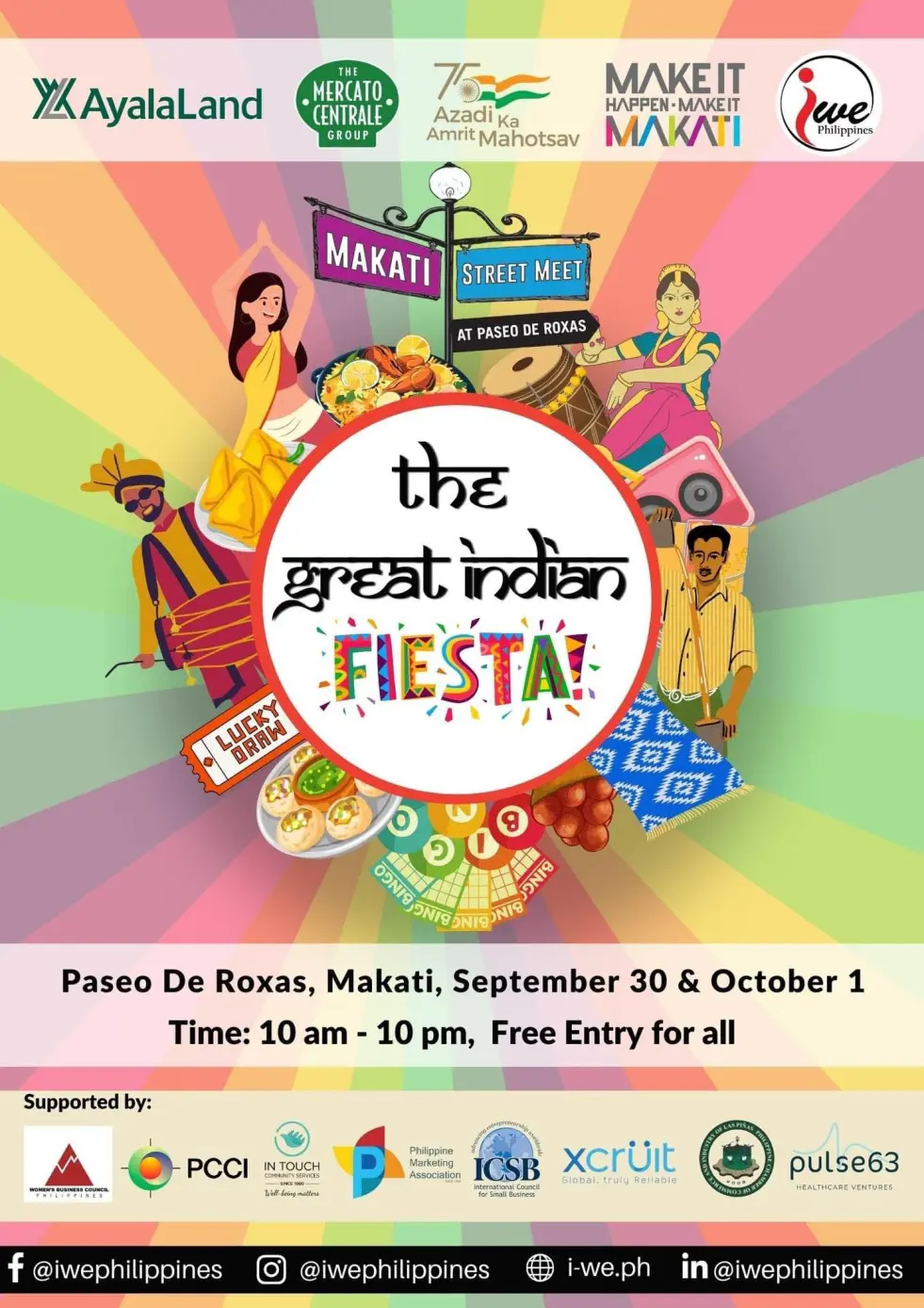
Mercato Centrale, in collaboration with Indian Women in Enterprise Philippines (I-We), is set to host "The Great Indian Fiesta" to mark 75 years of friendship between India and the Philippines. The dynamic two-day event is scheduled to take place on September 30 to October 1, 2023, at Paseo De Roxas Street, Makati City. Aiming to… Continue reading Mercato Centrale Partners with I-We to Host ‘The Great Indian Fiesta’, Commemorating 75 Years of India-Philippines Friendship

My stomach would usually start growling at 10 am even after taking a big breakfast. This is probably because I am a morning person and I move a lot throughout the day hence snacking is something that I can't avoid. This potatoes and chicken wrap recipe is easy to prepare and would keep me full… Continue reading Potato and Chicken Wrap
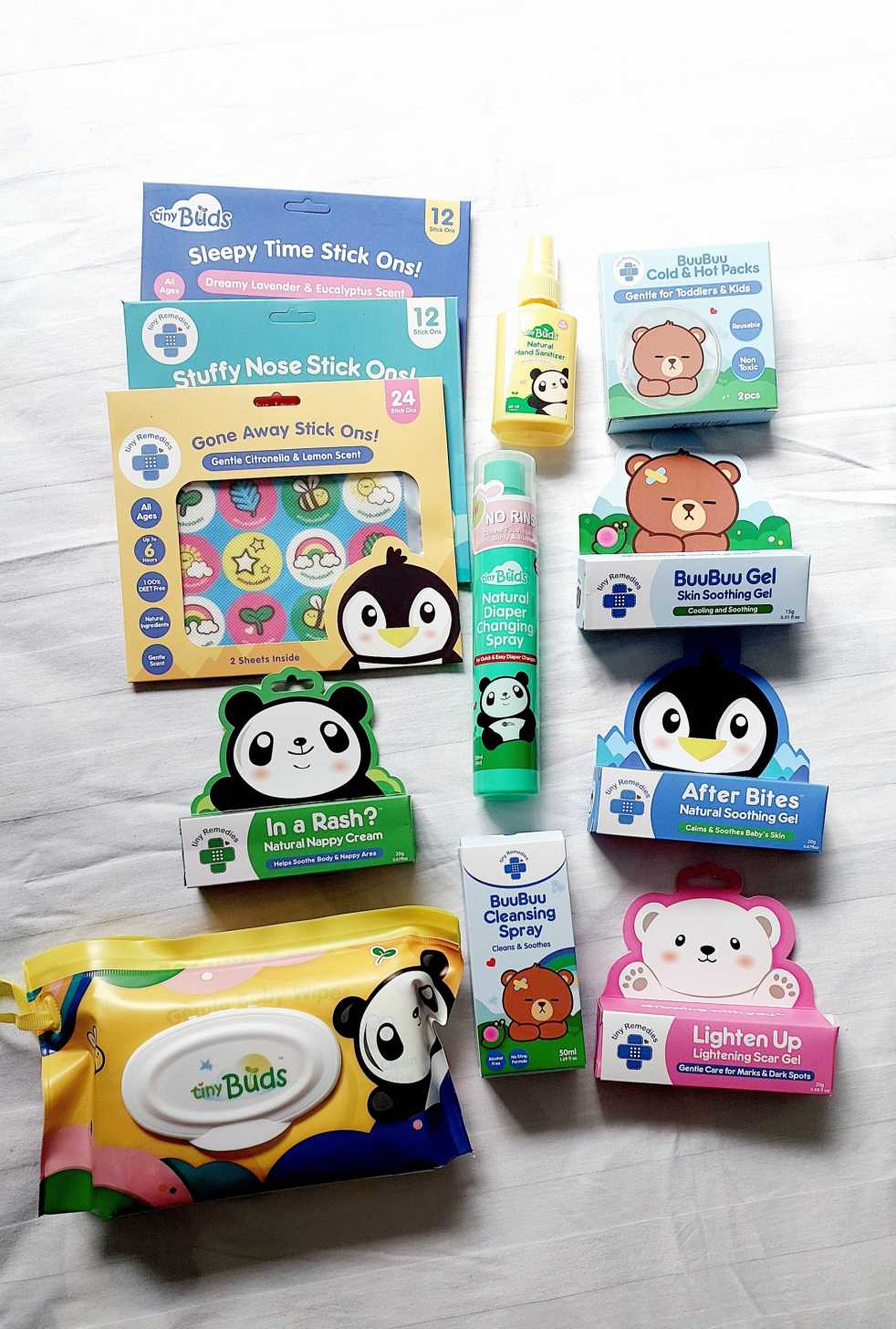
Your baby’s skin is more delicate than most, this is why you have to choose products that are designed for sensitive skin. Tiny Buds is a pioneer in integrating natural ingredients into baby care and today has over 50 innovative natural baby care essentials and is one of the Top Baby Personal Care brands. Here… Continue reading Product Review: Tiny Buds Baby Naturals Baby Essentials
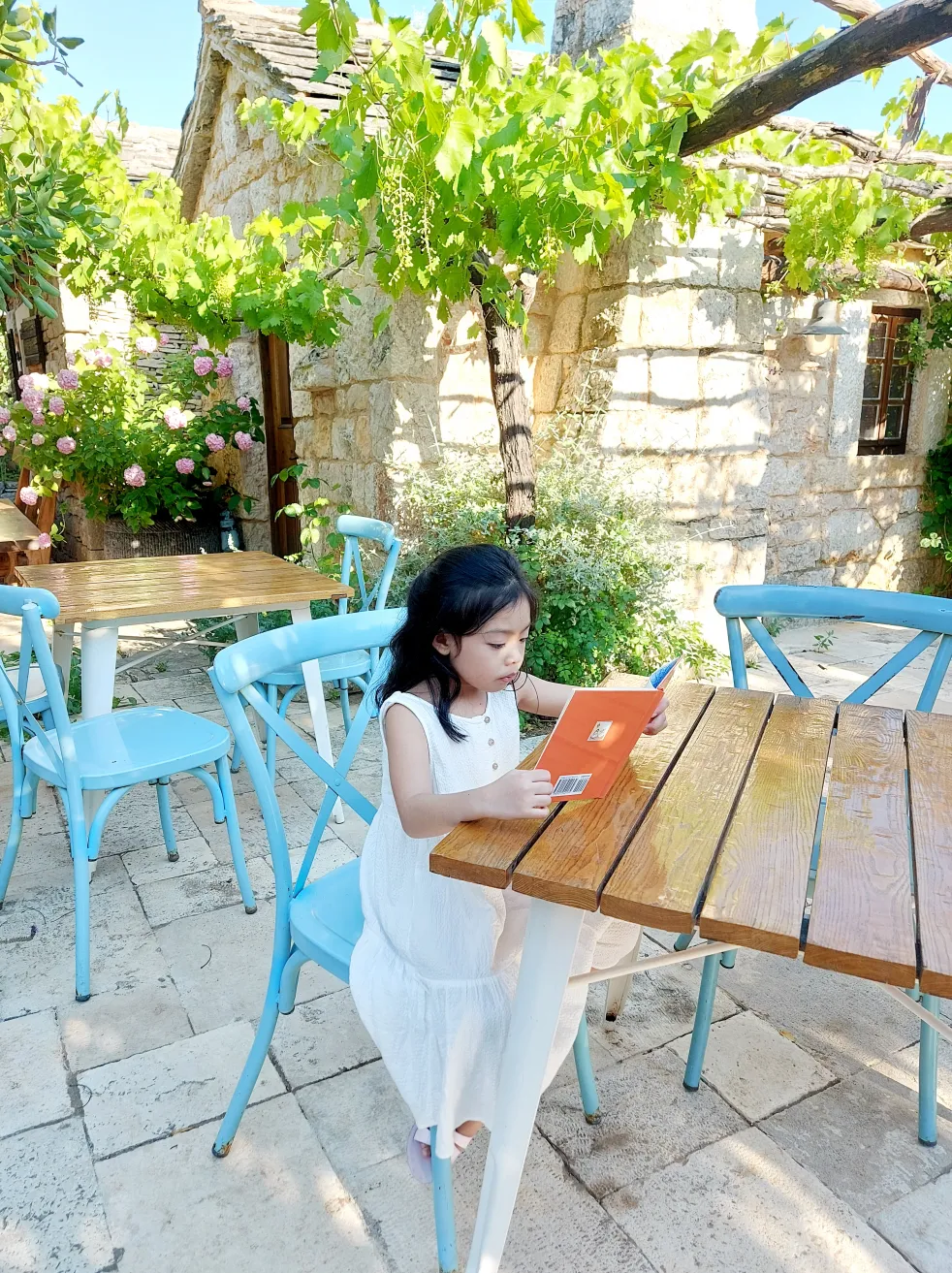
Where your child goes to school is a big decision and shouldn’t be taken lightly. Given how their education can impact their future, you might be tempted to take control and decide for them. However, you might be doing more damage than helping them in the long run. Your job as parents is to support… Continue reading HOW TO CHOOSE THE BEST SCHOOL FOR YOUR CHILD
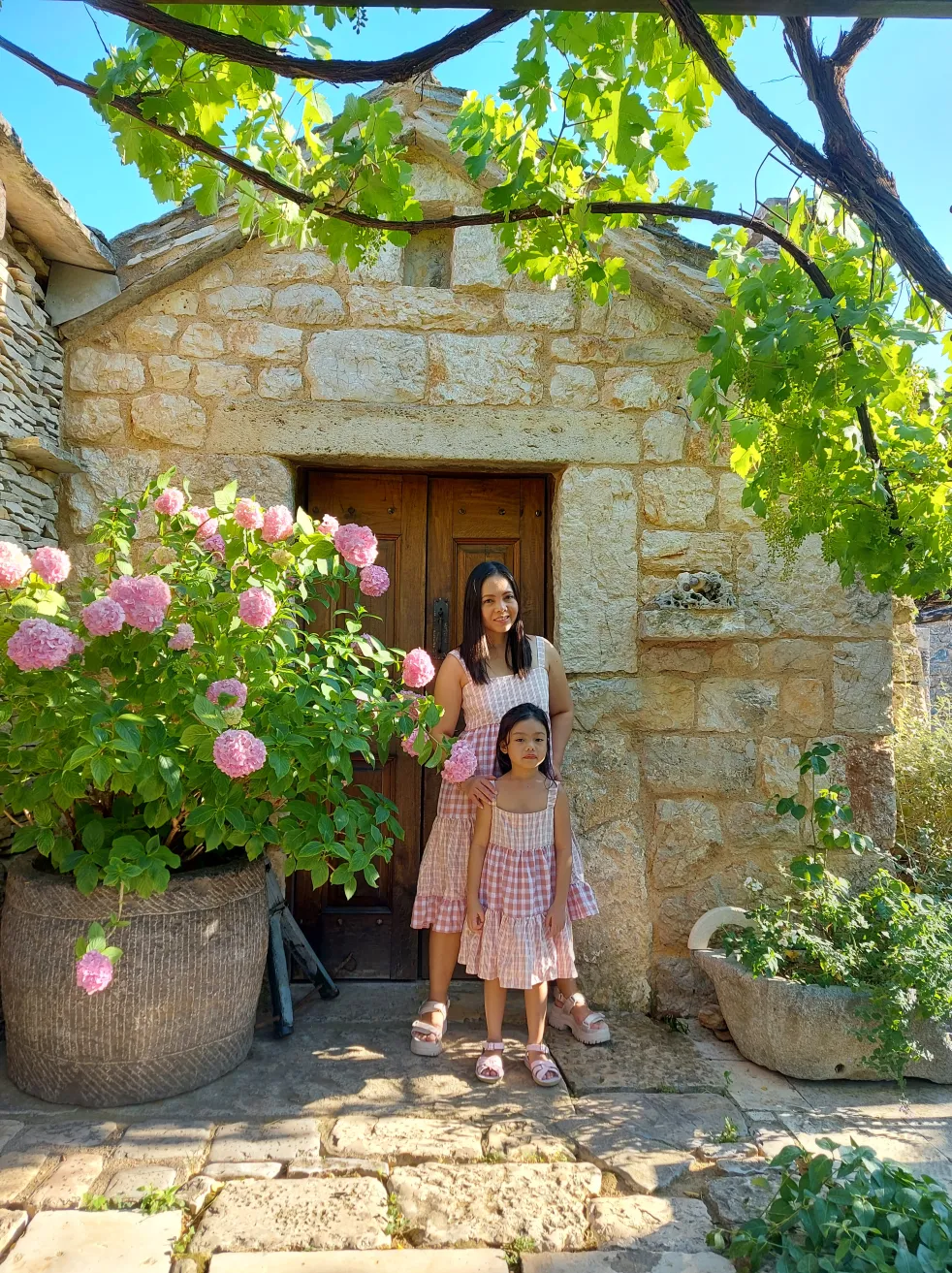
As poet and philosopher Rumi once eloquently said, “raise your words, not your voice. It is rain that grows flowers, not thunder.” Parenting is a challenging journey, and the truth is that nobody has everything figured out. One parenting style might suit others best, and some might favor other methods. However, children respond better to… Continue reading A SIMPLE GUIDE TO GENTLE PARENTING

Whether you’re a new mom to be, mom of a toddler, mom who have school-aged kids, you’re bound to have so many questions. Let's start with your baby's skin. Infant skin has unique needs; gentle care is essential to prevent damage to the skin barrier, which can lead to irritation. When caring for infant skin,… Continue reading Keeping Baby’s Diapered Skin Healthy
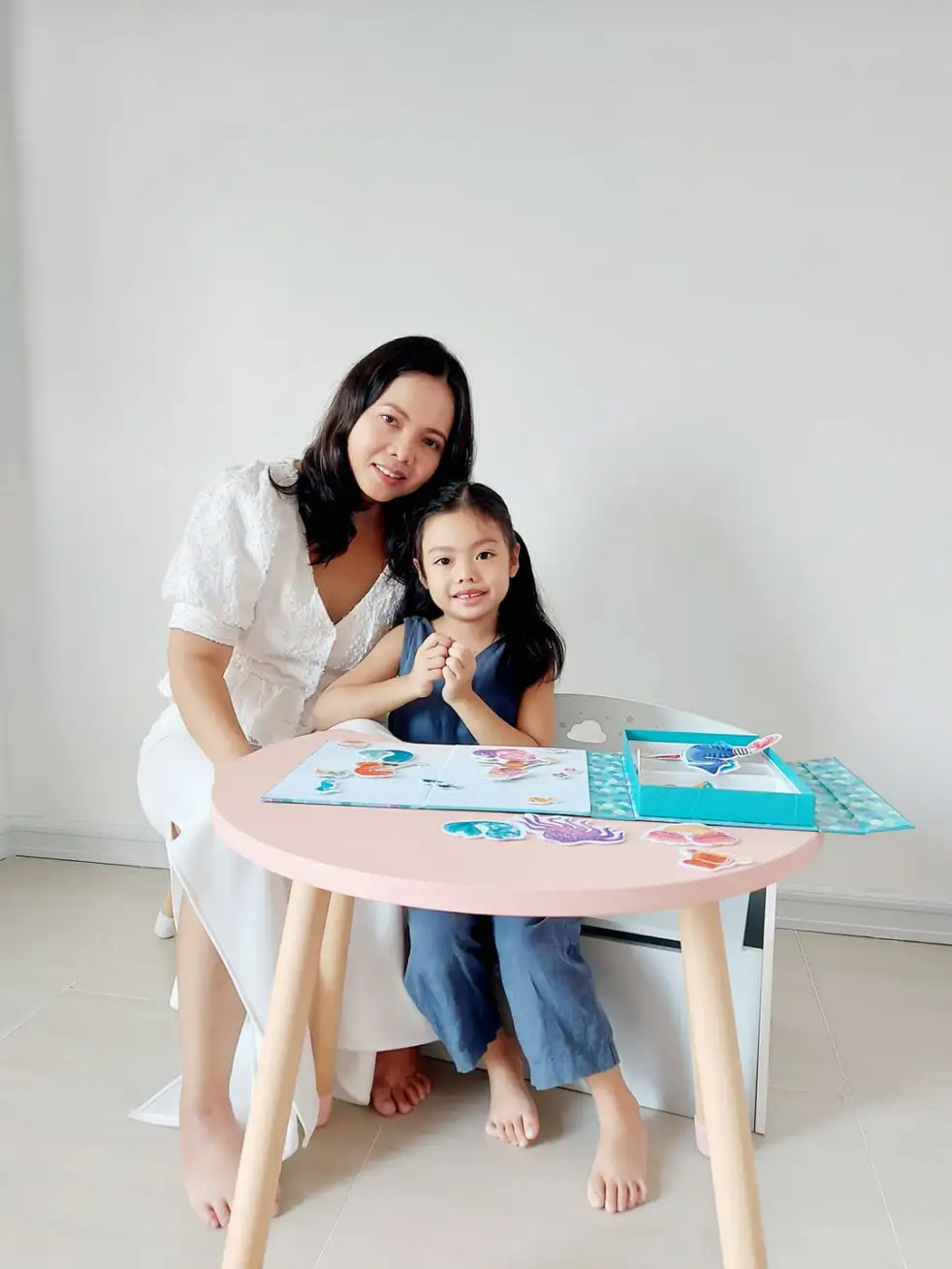
As parents, we want to give our child the best possible start in life and that begins with nurturing their intelligence. Throughout history, the notion of success has been linked to academic intelligence. However, there has been an increased awareness on the importance of emotional intelligence. This question gets at the heart of the never-ending… Continue reading IQ or EQ, which one is a better predictor of your child’s success?
 wondermomma.net