
Last August, IKEA Philippines engaged with Better World Smokey Mountain, a newly opened community center operated by the San Miguel Foundation, which shares a similar goal of improving the lives of many Filipino people. Through this partnership, IKEA Philippines provided and assembled home furnishings for the classrooms and library of Better World Smokey Mountain community… Continue reading Help Create a Better World with IKEA Soft Toys
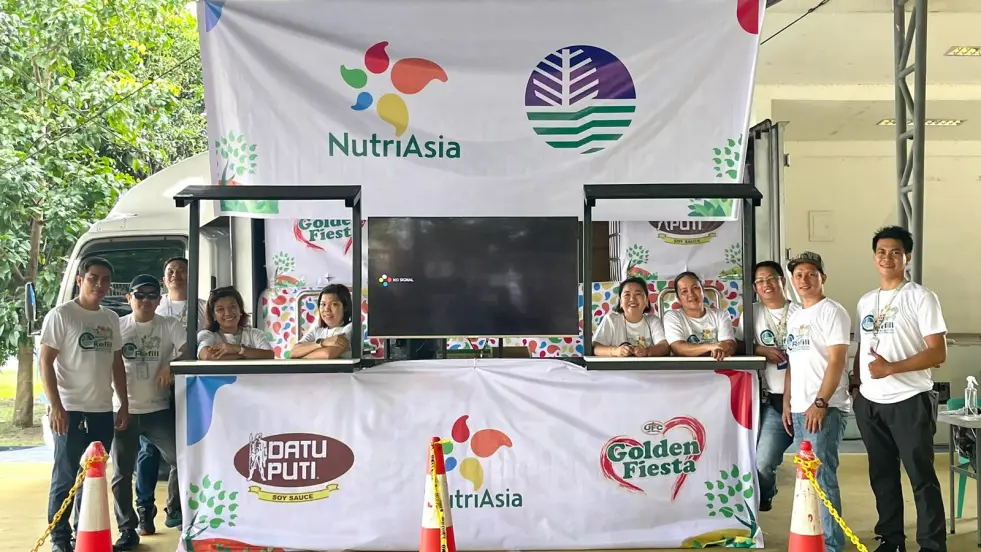
NutriAsia, the country’s top producer of condiments and sauces, continues its support of Refill Revolution; a project by the Department of Environment and Natural Resources EMB 3 that aims to help reduce Filipinos’ single-use plastics consumption. At Refill Revolution, residents get to recycle their single-use plastic bottles by reusing and filling it with their choice… Continue reading NutriAsia and DENR renews partnership for Refill Revolution
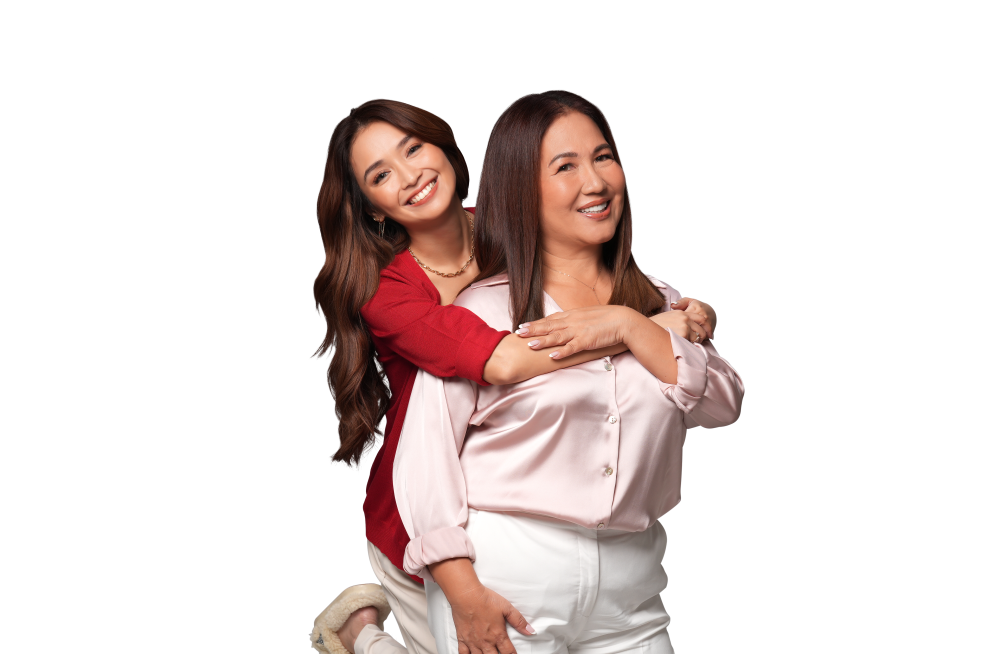
The best eco-friendly diapers available in the Philippines
Choosing a lower-impact diaper can feel complicated when every package uses words such as bamboo, natural, biodegradable, or plant-based. For Filipino families, the decision also involves tropical heat, frequent washing, online availability, delivery costs, and the needs of a baby’s sensitive skin.
There is no perfect nappy with zero environmental impact. Disposable diapers create household waste, while reusable diapers require water, detergent, electricity, and time. The most practical choice is usually the one that reduces waste without causing leaks, rashes, or an unsustainable laundry routine.
This guide compares disposable and washable options that parents in the Philippines can commonly find through local baby shops, official brand pages, and major online marketplaces. Stock and prices change, so checking the seller, materials, and delivery terms before buying is important.
What makes a diaper more eco-friendly
An environmentally considerate diaper may use renewable materials, reduced plastic packaging, responsibly sourced pulp, recycled fibers, or manufacturing processes designed to use less energy and water. Reusable cloth diapers reduce the number of products sent to landfill, particularly when they are used for several children or passed on to another family.
The label “biodegradable” needs careful reading. A diaper may contain a bamboo or cotton topsheet while still using plastic in its absorbent core, elastic, fasteners, or waterproof outer layer. Even a product with biodegradable components generally will not break down quickly in a Philippine landfill, where limited air and moisture can slow decomposition.
Skin comfort should remain part of the environmental assessment. Fragrance-free, lotion-free, and chlorine-free designs may suit babies who react to scented products, but “natural” does not automatically mean hypoallergenic. A small trial pack is safer than buying several large boxes before checking for leaks or irritation.
Disposable choices for busy Filipino families
Eco Boom is one of the more visible bamboo-based disposable diaper brands found by Philippine shoppers. Its products are often promoted with bamboo fiber, plant-based materials, and chlorine-free or fragrance-free features, depending on the specific range. Parents should inspect the packaging because material claims can differ between the diaper, packaging, and individual components.
Eco by Naty is another lower-plastic option that may be available through importers and international sellers serving the Philippines. The brand is associated with plant-based films and responsibly sourced pulp, but imported pricing can be high. Delivery charges, customs handling, and the environmental cost of international shipping are worth including in the overall decision.
Honest diapers are also sometimes sold through Philippine resellers. Their appeal comes from printed designs, plant-derived materials in selected parts, and a focus on avoiding certain ingredients. They should still be treated as disposable diapers rather than compostable products. Confirm authenticity, size, manufacturing date, and seller reviews when purchasing imported baby products online.
Some local and regional bamboo diaper brands appear in marketplaces under changing names and product lines. These can offer a more accessible price and shorter delivery route, but quality control varies. Look for a complete ingredient or materials list, clear manufacturer details, reliable customer reviews, and a return policy before placing a large order.
Reusable nappies and hybrid systems
Cloth diapers are the strongest waste-reduction option when a family can wash and dry them efficiently. Modern pocket diapers, all-in-two systems, and prefolds with waterproof covers are easier to use than traditional folded cloth alone. Philippine parents can find reusable products from local cloth-diaper sellers, as well as imported brands such as Charlie Banana and Bambino Mio through selected retailers.
A reusable diaper needs enough absorbency for the baby’s age and sleeping pattern. Microfiber inserts dry quickly but may hold less liquid than bamboo, cotton, or hemp blends. Natural-fiber inserts can be useful for heavy wetters, though they often take longer to dry during the rainy season.
Hybrid systems combine a washable cover with disposable or washable inserts. They may suit families who want less laundry during travel, daycare days, or power interruptions. This approach can reduce waste without requiring parents to rely on cloth diapers at every change.
Washing practices determine much of the environmental benefit. Remove solid waste into the toilet, store used diapers in a ventilated wet bag, wash regularly, and avoid excessive detergent or fabric softener. A front-loading machine and line drying can reduce water and energy use, while thorough drying is essential in humid weather to prevent mildew and odor.
| Diaper option | Waste profile | Main advantages | Points to check in the Philippines |
|---|---|---|---|
| Bamboo-based disposable | Less plastic may be used in selected parts, but the diaper remains landfill waste | Convenient, soft, useful for travel | Verify the exact materials, sizing, seller authenticity, and total delivered cost |
| Plant-based imported disposable | May use renewable films or pulp | Familiar disposable routine and ingredient-focused ranges | Higher price, shipping emissions, customs fees, and uncertain local stock |
| Pocket cloth diaper | Reusable across many changes | Lower long-term waste and broad local availability | Laundry, drying time, insert quality, and fit around the legs |
| Prefold with waterproof cover | Highly reusable and economical | Adjustable absorbency and fewer expensive components | More folding, possible leaks, and a learning curve |
| Hybrid diaper | Mixes washable and disposable parts | Flexible for travel, daycare, and rainy days | The disposable insert still creates waste; replacement inserts may be imported |
Matching diapers to Philippine weather and routines
Heat and humidity can affect every diapering system. A breathable fit, frequent changes, and careful skin care matter more than choosing the most heavily marketed material. A diaper that keeps a baby damp for too long may contribute to discomfort regardless of whether it is bamboo, cotton, or synthetic.
Cloth diapers can be convenient during sunny periods because inserts dry quickly outdoors. During monsoon weather, however, several days of rain may make it difficult to maintain a clean supply. Families without a dryer may need more inserts, indoor drying space, or a disposable backup.
For newborns, fit is especially important because a bulky diaper can rub the cord area or leave gaps around slim legs. A small pack of newborn or adjustable cloth diapers allows parents to test absorbency and sizing. Babies who sleep for long stretches may need a higher-absorbency insert or a disposable night option.
Travel and childcare arrangements also influence the best choice. A daycare may accept only disposables, while relatives may find reusable diapers unfamiliar. Preparing a simple routine for storage, changing, and washing can make an environmentally friendly system easier for everyone involved.
How to judge value beyond the package price
The cheapest diaper per piece is not always the most economical. Leaks can lead to extra changes, wet clothes, bedding, and wasted products. A properly fitting diaper that works consistently may create less waste than an inexpensive option that requires frequent replacement.
For reusable diapers, calculate the cost of covers, inserts, wet bags, detergent, water, electricity, and possible repairs. Washing a full load is generally more efficient than running a machine for a few diapers. Families can also lower costs by buying preloved cloth diapers in good condition and sanitizing them appropriately.
Disposable pricing should include shipping and the possibility of buying larger quantities than the baby can use before moving up a size. Marketplace discounts may be helpful, but unusually low prices deserve scrutiny. Check whether the seller is authorized and whether the product photos match the actual packaging.
Environmental value also includes product lifespan. Reusable diapers that can be used for multiple children, donated, or sold after careful cleaning may offer a stronger long-term benefit. For disposables, reducing wasted changes through good fit and using the correct size can make a practical difference.
A practical buying checklist
Before choosing an eco-conscious diaper, focus on the details that affect daily use:
- Start with a small pack or a few reusable pieces to test fit, absorbency, and skin comfort.
- Read the full materials claim instead of assuming bamboo means biodegradable or plastic-free.
- Choose fragrance-free products when your baby has sensitive skin, and stop using any diaper that causes persistent redness.
- For cloth systems, plan washing, drying, storage, and rainy-day backups before buying a large stash.
- Compare the final cost, including shipping, marketplace fees, detergent, electricity, and replacement inserts.
Creating a lower-waste diaper routine
Many families benefit from a mixed approach. Cloth diapers can handle daytime changes at home, while a trusted disposable brand can be reserved for nights, outings, daycare, or periods of heavy rain. This reduces pressure and may be more realistic than expecting one system to work in every situation.
Disposable users can still limit waste by buying the correct size, avoiding unnecessary changes when the diaper is clean and dry, and disposing of soiled products responsibly. Do not flush diapers, and do not place them in home compost unless a certified local waste program specifically accepts them.
Reusable users can reduce their footprint by washing full loads, air-drying when practical, and choosing durable natural-fiber inserts. Avoiding fabric softener helps preserve absorbency. A simple rotation is often better than owning an oversized collection that takes more resources to manufacture and wash.
The best choice is the diapering routine your family can maintain safely and consistently. Explore current Philippine retailers and local cloth-diaper sellers, compare verified material information and delivered prices, then begin with a small trial before committing to a full supply.
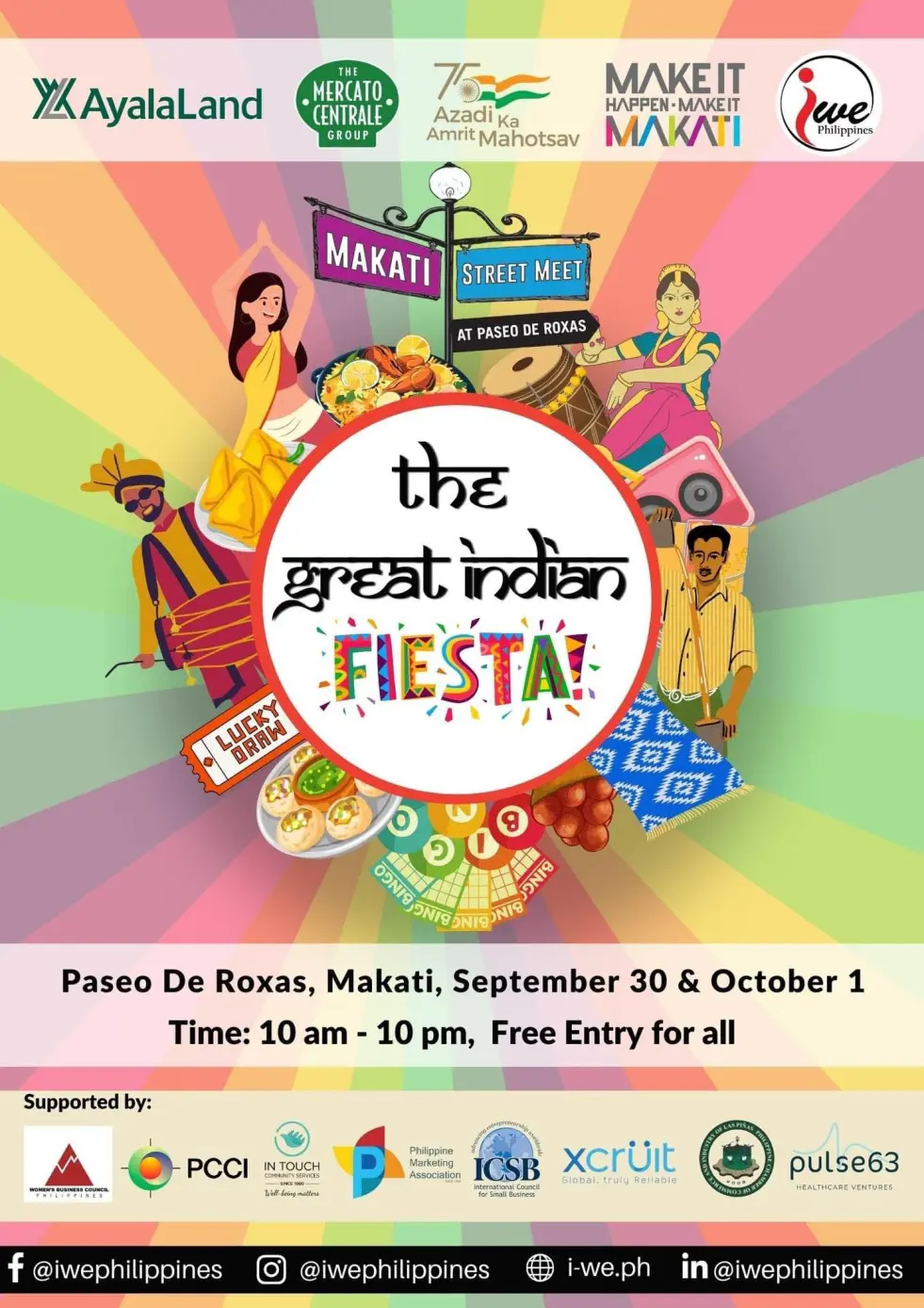
Mercato Centrale, in collaboration with Indian Women in Enterprise Philippines (I-We), is set to host "The Great Indian Fiesta" to mark 75 years of friendship between India and the Philippines. The dynamic two-day event is scheduled to take place on September 30 to October 1, 2023, at Paseo De Roxas Street, Makati City. Aiming to… Continue reading Mercato Centrale Partners with I-We to Host ‘The Great Indian Fiesta’, Commemorating 75 Years of India-Philippines Friendship

My stomach would usually start growling at 10 am even after taking a big breakfast. This is probably because I am a morning person and I move a lot throughout the day hence snacking is something that I can't avoid. This potatoes and chicken wrap recipe is easy to prepare and would keep me full… Continue reading Potato and Chicken Wrap
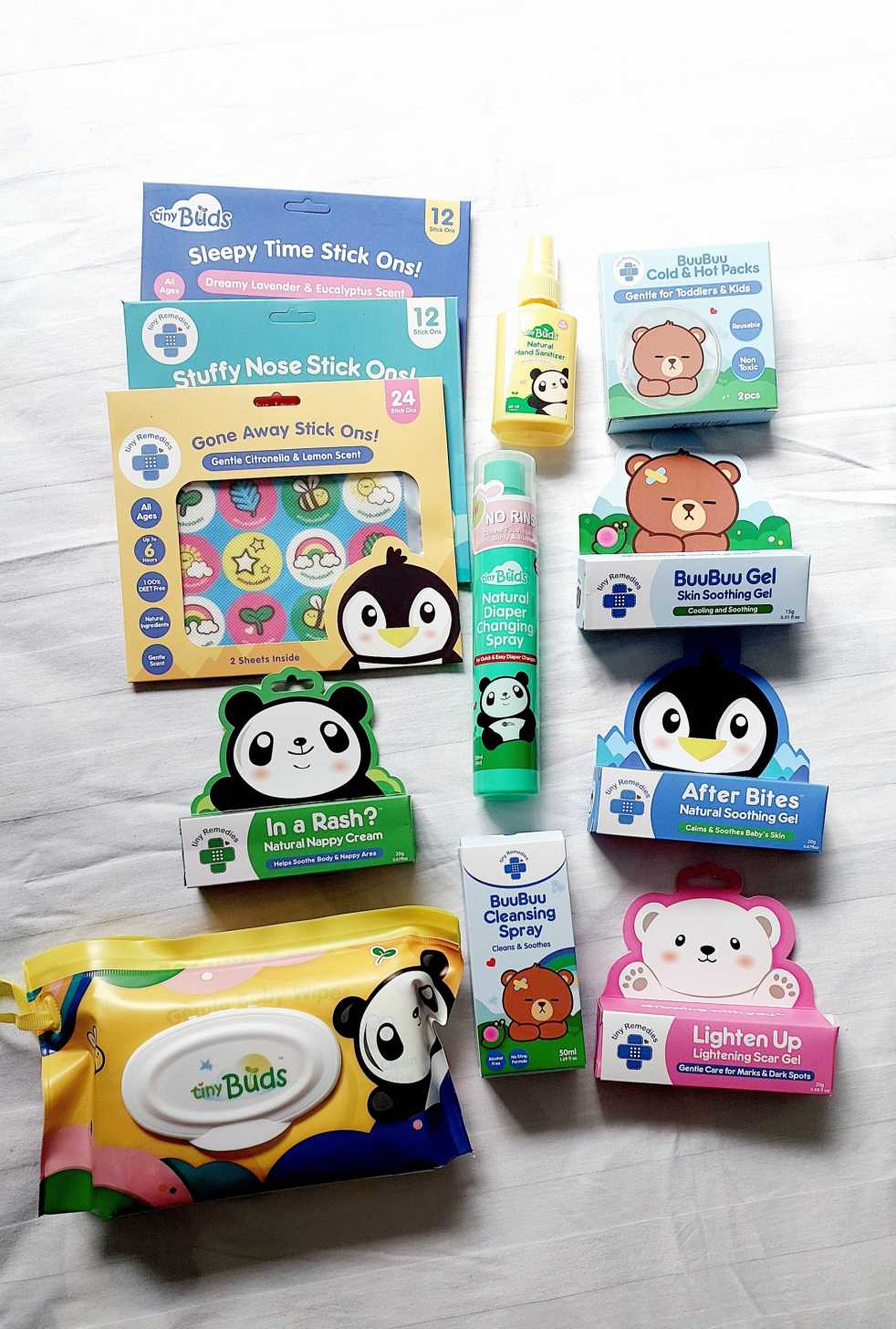
Your baby’s skin is more delicate than most, this is why you have to choose products that are designed for sensitive skin. Tiny Buds is a pioneer in integrating natural ingredients into baby care and today has over 50 innovative natural baby care essentials and is one of the Top Baby Personal Care brands. Here… Continue reading Product Review: Tiny Buds Baby Naturals Baby Essentials
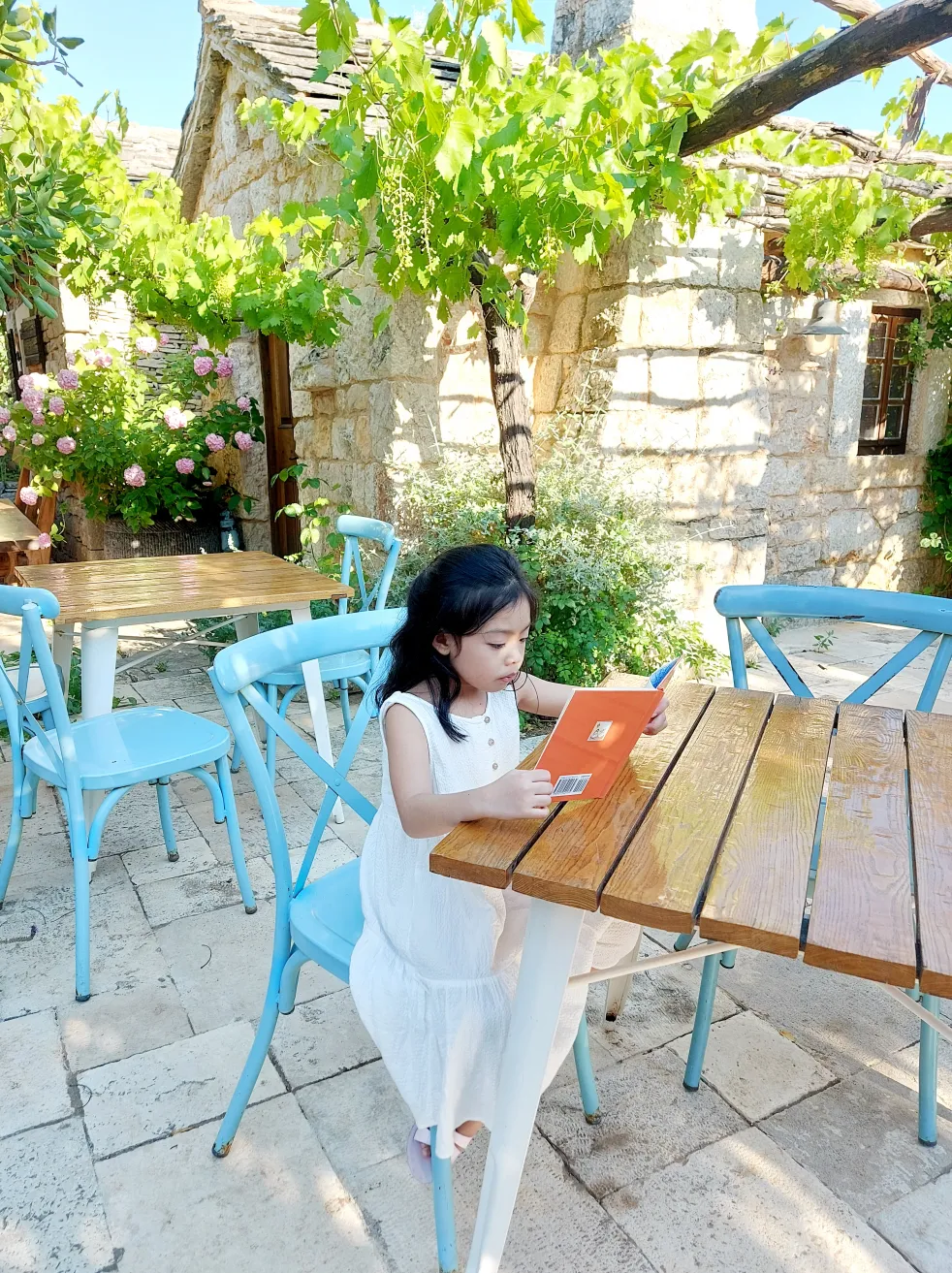
Where your child goes to school is a big decision and shouldn’t be taken lightly. Given how their education can impact their future, you might be tempted to take control and decide for them. However, you might be doing more damage than helping them in the long run. Your job as parents is to support… Continue reading HOW TO CHOOSE THE BEST SCHOOL FOR YOUR CHILD
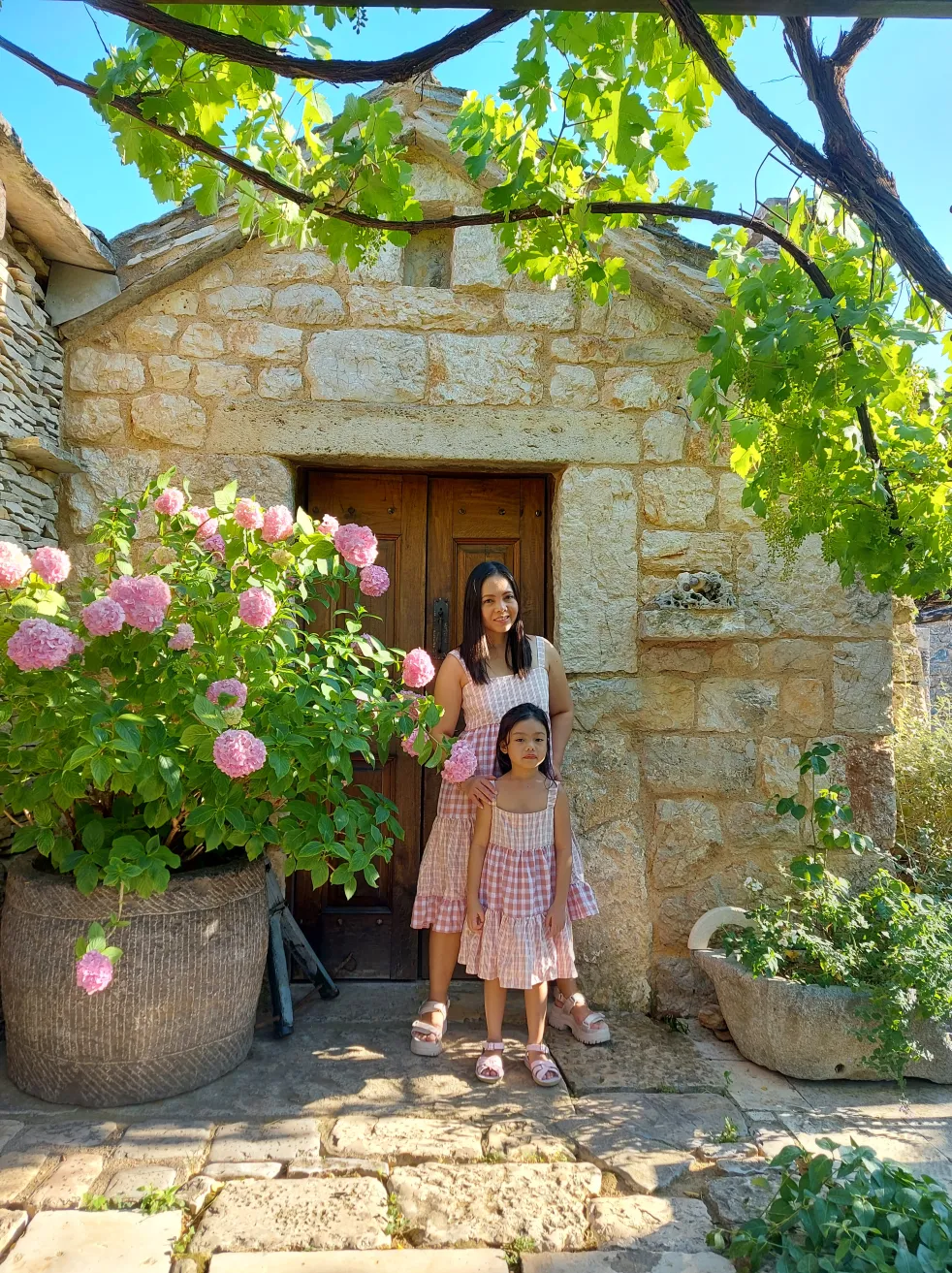
As poet and philosopher Rumi once eloquently said, “raise your words, not your voice. It is rain that grows flowers, not thunder.” Parenting is a challenging journey, and the truth is that nobody has everything figured out. One parenting style might suit others best, and some might favor other methods. However, children respond better to… Continue reading A SIMPLE GUIDE TO GENTLE PARENTING
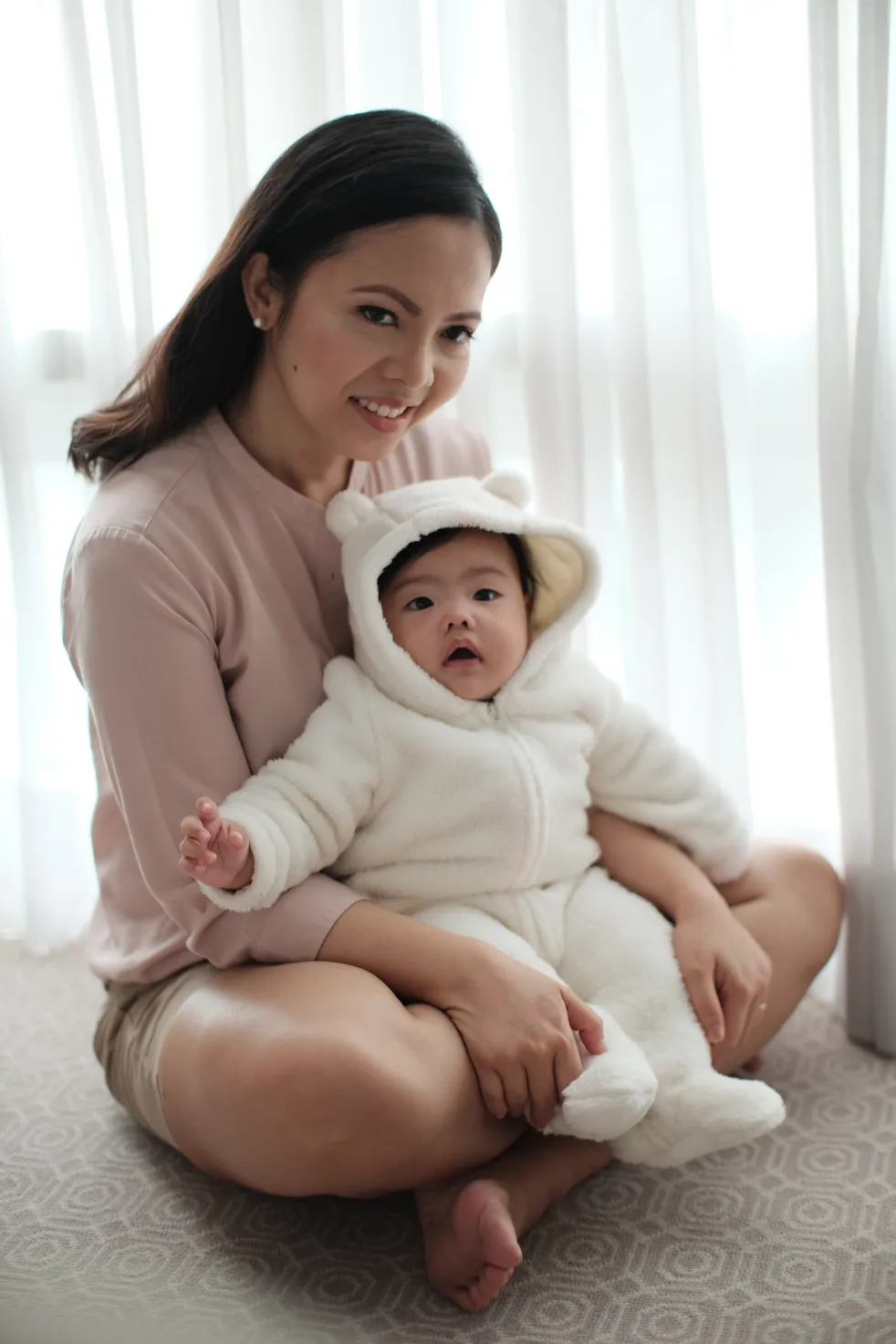
Whether you’re a new mom to be, mom of a toddler, mom who have school-aged kids, you’re bound to have so many questions. Let's start with your baby's skin. Infant skin has unique needs; gentle care is essential to prevent damage to the skin barrier, which can lead to irritation. When caring for infant skin,… Continue reading Keeping Baby’s Diapered Skin Healthy
As parents, we want to give our child the best possible start in life and that begins with nurturing their intelligence. Throughout history, the notion of success has been linked to academic intelligence. However, there has been an increased awareness on the importance of emotional intelligence. This question gets at the heart of the never-ending… Continue reading IQ or EQ, which one is a better predictor of your child’s success?
 wondermomma.net