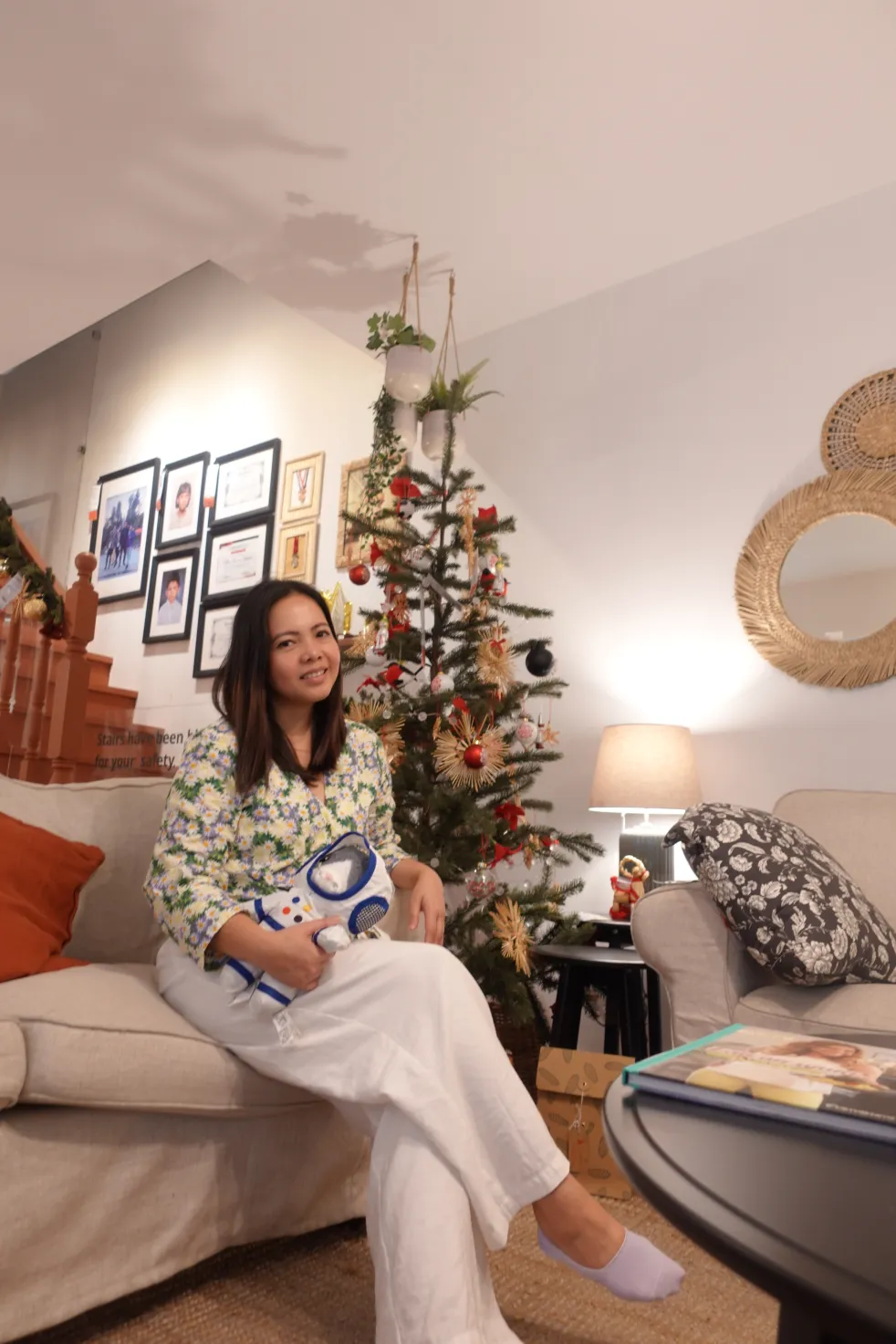
Last August, IKEA Philippines engaged with Better World Smokey Mountain, a newly opened community center operated by the San Miguel Foundation, which shares a similar goal of improving the lives of many Filipino people. Through this partnership, IKEA Philippines provided and assembled home furnishings for the classrooms and library of Better World Smokey Mountain community… Continue reading Help Create a Better World with IKEA Soft Toys
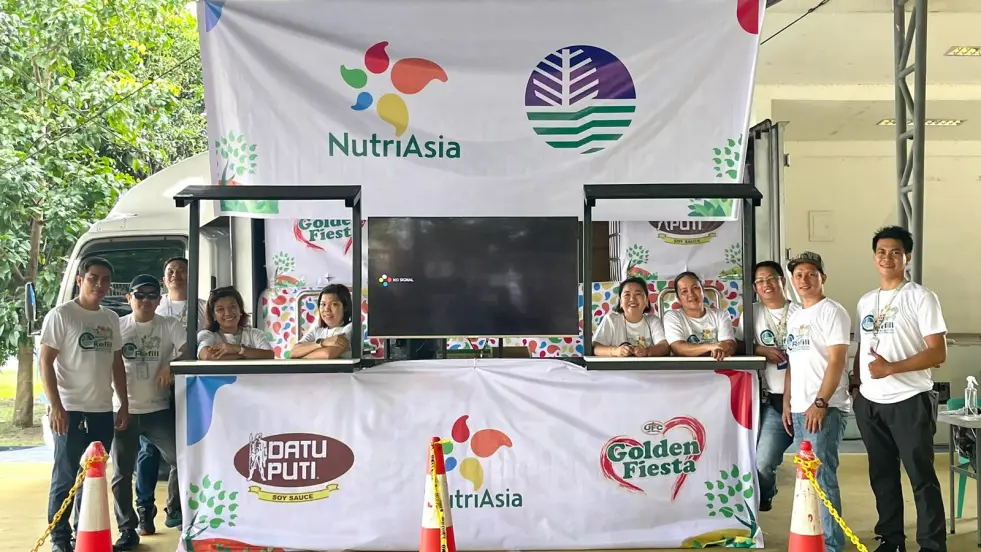
NutriAsia, the country’s top producer of condiments and sauces, continues its support of Refill Revolution; a project by the Department of Environment and Natural Resources EMB 3 that aims to help reduce Filipinos’ single-use plastics consumption. At Refill Revolution, residents get to recycle their single-use plastic bottles by reusing and filling it with their choice… Continue reading NutriAsia and DENR renews partnership for Refill Revolution
Bilingual books that belong in a Filipino family library
The best books for raising bilingual kids in the Philippines do more than teach vocabulary. They help children hear the rhythm of Filipino, connect words with familiar experiences, and understand that using English, Filipino, or another Philippine language is a natural part of family life.
A thoughtful home library can include bilingual picture books, Filipino folktales, English stories with local settings, nursery rhymes, poetry, and books that represent everyday life in the country. The goal is not to make every page perfectly balanced between two languages. What matters is creating frequent, enjoyable opportunities to listen, speak, notice, and retell.
Families may also be supporting three or more languages. A child might hear Cebuano from grandparents, Filipino in the community, and English at school. These books can become a flexible starting point for multilingual reading, especially when adults add translations or familiar words from the language used at home.
Why bilingual reading matters at home
Shared reading gives children repeated exposure to sentence patterns, sounds, and expressions that may not come up in ordinary conversation. When a parent reads a story in English and then explains a key idea in Filipino, the child learns that the two languages can work together rather than compete.
Books also support emotional connection. A story about a sari-sari store, a jeepney ride, a family fiesta, or a grandparent telling legends may feel immediately recognizable to a Filipino child. That familiarity makes it easier to discuss new vocabulary and helps children see their culture as something worth reading about.
Parents do not need perfect pronunciation or formal language lessons to make reading useful. Pausing to name objects, act out verbs, repeat a phrase, or ask “What do you think will happen?” turns a short bedtime story into meaningful language practice.
What to look for in a children’s book
Start with books that match the child’s age and interests. Babies respond to clear pictures, repetition, and sturdy pages. Preschoolers often enjoy predictable stories, animals, food, and family routines. Early readers benefit from short sentences, strong illustrations, and texts they can attempt independently.
Look for a useful balance of familiar and new words. A book may use mostly English while introducing Filipino terms such as nanay, lolo, kakanin, or palengke. Another may present the same story in Filipino and English. Both approaches can support vocabulary development when adults explain meaning naturally instead of interrupting every sentence.
Representation also matters. Choose stories that show Filipino homes, names, celebrations, landscapes, and family structures. If your household language is Cebuano, Ilocano, Hiligaynon, Waray, or another Philippine language, add books and oral stories in that language whenever possible. A Filipino-English collection is valuable, but it does not need to be the only model of bilingual learning.
Picture books for first words and daily routines
My First Book of Tagalog Words by Liana Romulo is a practical choice for toddlers and preschoolers beginning to connect Filipino vocabulary with pictures. Its everyday words can support conversations about body parts, food, animals, colors, and objects around the home. Families can adapt the reading by adding Cebuano, Ilocano, or their preferred home-language equivalent.
For families looking for Filipino vocabulary books, the My First Book series by Liana Romulo is worth exploring. Titles focused on colors, numbers, and common words can be read in short sessions, making them suitable for busy households. Rather than trying to finish the entire book, choose several pages that match what the child is doing that day.
Bilingual editions from Adarna House are also useful for young readers. Filipino-English versions of traditional stories, including Si Pagong at si Matsing and Alamat ng Ampalaya, introduce children to local characters and moral lessons while showing how the same idea can be expressed in both languages. Check the current edition and language format before buying, since publisher catalogues and available versions change.
| Book or collection | Best for | Language approach | Suggested age |
|---|---|---|---|
| My First Book of Tagalog Words by Liana Romulo | First Filipino vocabulary | English labels with Tagalog words and pictures | Babies to preschool |
| Liana Romulo’s Filipino vocabulary books | Colors, numbers, and everyday concepts | English and Filipino vocabulary building | Toddlers to preschool |
| Adarna House bilingual folktales | Local stories and values | Filipino-English retelling or parallel language editions | Preschool to early primary |
| Filipino Children’s Favorite Stories by Liana Romulo | Family read-alouds | English storytelling with Filipino cultural context | Preschool to primary |
| Lola Reads to Leo by Bino A. Realuyo | Family identity and heritage | English narrative with Filipino cultural references | Preschool to early primary |
| Filipino nursery rhymes and Bahay Kubo collections | Rhythm, memory, and nature words | Filipino songs and repeated phrases | Babies to preschool |
| Mga Kuwento ni Lola Basyang collections | Longer traditional stories | Filipino literary storytelling | Primary school and older |
Stories that reflect Filipino culture
Filipino Children’s Favorite Stories by Liana Romulo offers a collection-style approach to Filipino myths, folktales, and traditional narratives. These stories give older preschoolers and primary-school children opportunities to learn words connected to nature, relationships, character, and community. Parents can retell difficult sections in simpler Filipino or English without losing the main lesson.
Folktales such as Alamat ng Ampalaya and Si Pagong at si Matsing are especially useful because many families already know versions of them. After reading, children can compare the book with a grandparent’s version, draw a favorite scene, or act out the characters. This makes language learning active and gives children a reason to use newly learned words.
Collections of Mga Kuwento ni Lola Basyang are better suited to children who can follow longer plots. They may use richer Filipino vocabulary and older storytelling styles, so parents can read one section at a time. These books are excellent for expanding comprehension, though younger children may need frequent explanation and shorter retellings.
English stories with Filipino family life
Some children are more willing to read in English, especially if English is the main language used at school. Books with Filipino characters and settings can keep that reading habit strong while opening conversations about heritage. Lola Reads to Leo by Bino A. Realuyo, for example, centers on a family relationship and the experience of connecting across generations and cultures.
English-language Filipino picture books can also introduce local food, family titles, festivals, and community life. Parents can pause at culturally specific words, say the Filipino equivalent, and invite the child to use it in a sentence. This gentle code-switching builds a bridge between the language on the page and the language spoken at home.
Do not treat English books as a setback if the immediate goal is Filipino fluency. A child who develops a strong love of stories, understands how books work, and enjoys discussing characters is building skills that transfer across languages. The adult’s conversation before and after reading is often as important as the printed words.
Making reading work in a multilingual household
A consistent routine is more valuable than a large pile of books. Set aside ten to fifteen minutes after dinner, before a nap, or at bedtime. One day, read the story in English; the next day, retell it in Filipino or another home language. Familiar stories are ideal for this because children already understand the plot and can focus on the language.
Use objects and routines to reinforce vocabulary. If a book features mangoes, find one in the kitchen. If it mentions rain, look outside and describe the weather. Ask the child to name the picture in both languages, but accept gestures, mixed-language answers, and partial attempts. The purpose is communication, not testing.
Grandparents and relatives can contribute by telling folktales, singing nursery rhymes, or recording themselves reading a favorite story. This is particularly helpful when parents feel less confident in a heritage language. A child benefits from hearing different accents, voices, and expressions, all of which show that language belongs to the whole family.
Simple ways to choose and use books
A family library becomes more effective when adults select books with a clear purpose while keeping reading relaxed. Rotate old favorites with new titles, borrow from public or school libraries when available, and look at local publishers and independent Filipino bookstores for culturally relevant choices.
Use these practical guidelines when building your collection:
- Choose at least one book with Filipino or another Philippine language on every reading shelf.
- Pair an English story with a Filipino folktale that explores a similar theme, such as kindness, bravery, food, or family.
- Re-read favorite books instead of constantly introducing new ones; repetition strengthens language memory.
- Invite children to retell the story through drawing, pretend play, singing, or a mixture of languages.
- Add books that reflect your child’s region, relatives, celebrations, and everyday experiences.
The best bilingual reading routine is warm, flexible, and realistic. A parent may read one page in Filipino, explain the next in English, and finish with a story told in Cebuano by a grandparent. That still counts as rich language exposure. Children learn through meaningful interaction, and family reading provides that interaction in a way that feels safe and enjoyable.
Choose one bilingual picture book, one Filipino folktale, and one English story with Filipino representation for your next library visit or book order. Read them repeatedly, talk about the words in your family’s languages, and let each story become part of your child’s everyday life.
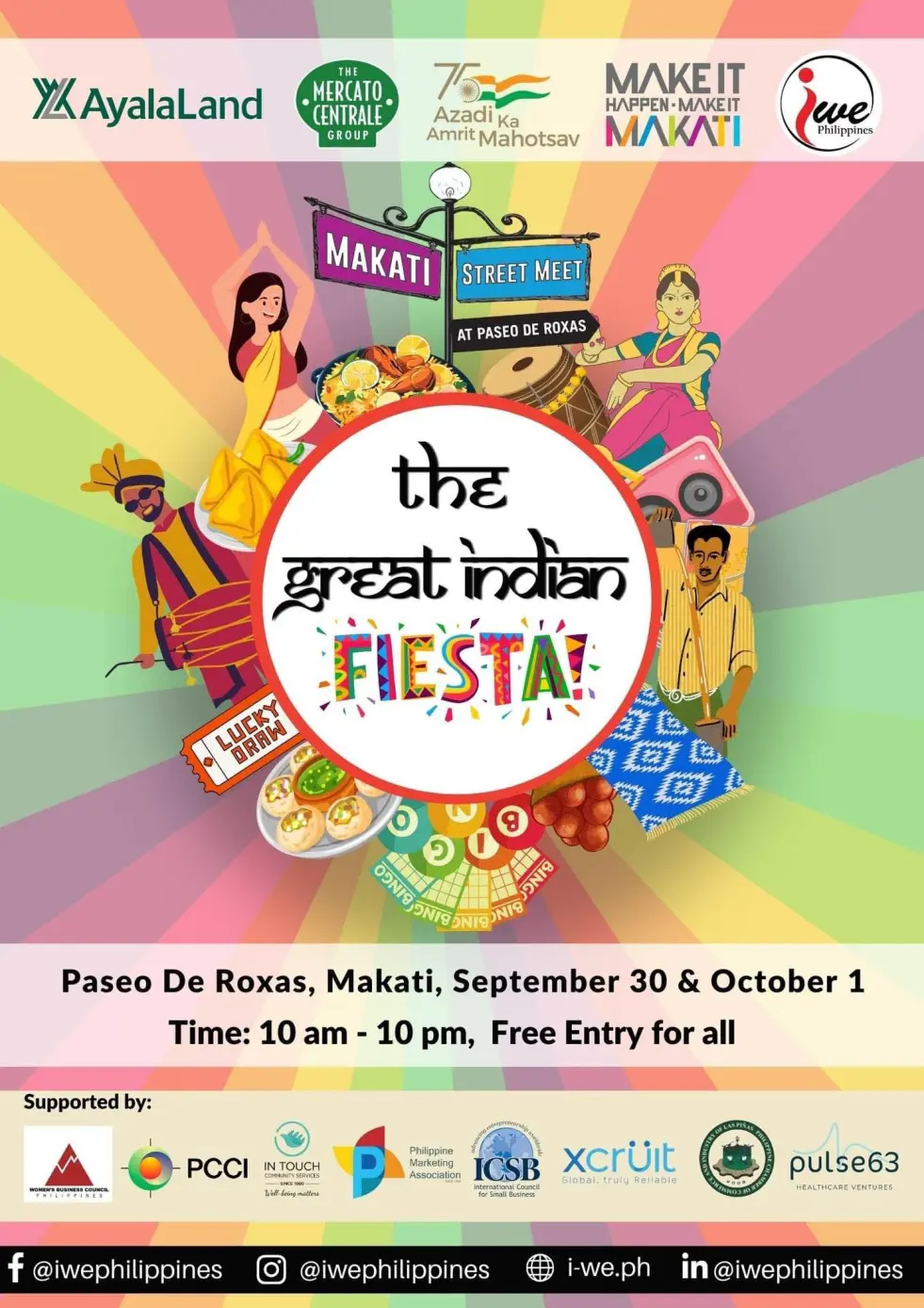
Mercato Centrale, in collaboration with Indian Women in Enterprise Philippines (I-We), is set to host "The Great Indian Fiesta" to mark 75 years of friendship between India and the Philippines. The dynamic two-day event is scheduled to take place on September 30 to October 1, 2023, at Paseo De Roxas Street, Makati City. Aiming to… Continue reading Mercato Centrale Partners with I-We to Host ‘The Great Indian Fiesta’, Commemorating 75 Years of India-Philippines Friendship

My stomach would usually start growling at 10 am even after taking a big breakfast. This is probably because I am a morning person and I move a lot throughout the day hence snacking is something that I can't avoid. This potatoes and chicken wrap recipe is easy to prepare and would keep me full… Continue reading Potato and Chicken Wrap
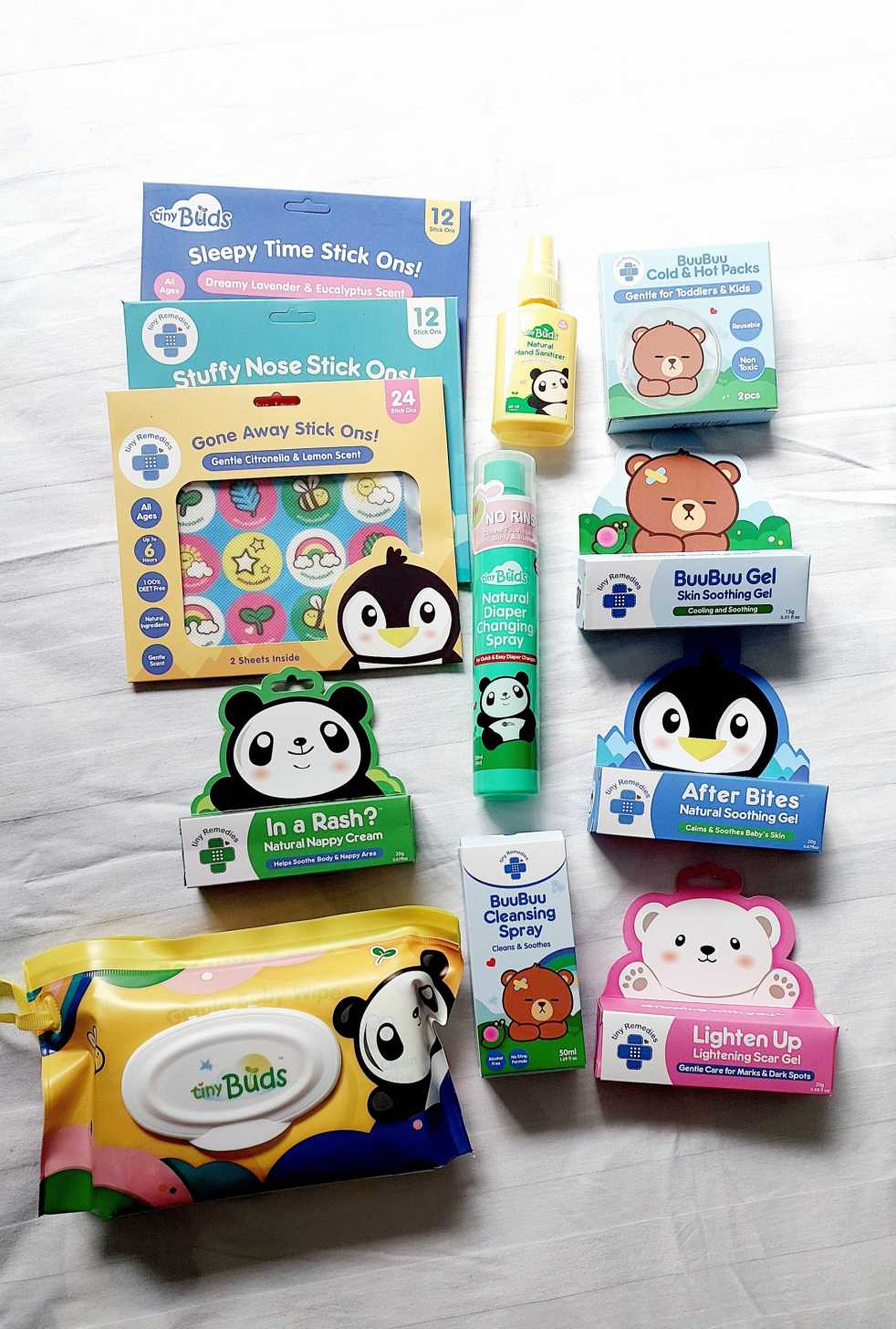
Your baby’s skin is more delicate than most, this is why you have to choose products that are designed for sensitive skin. Tiny Buds is a pioneer in integrating natural ingredients into baby care and today has over 50 innovative natural baby care essentials and is one of the Top Baby Personal Care brands. Here… Continue reading Product Review: Tiny Buds Baby Naturals Baby Essentials
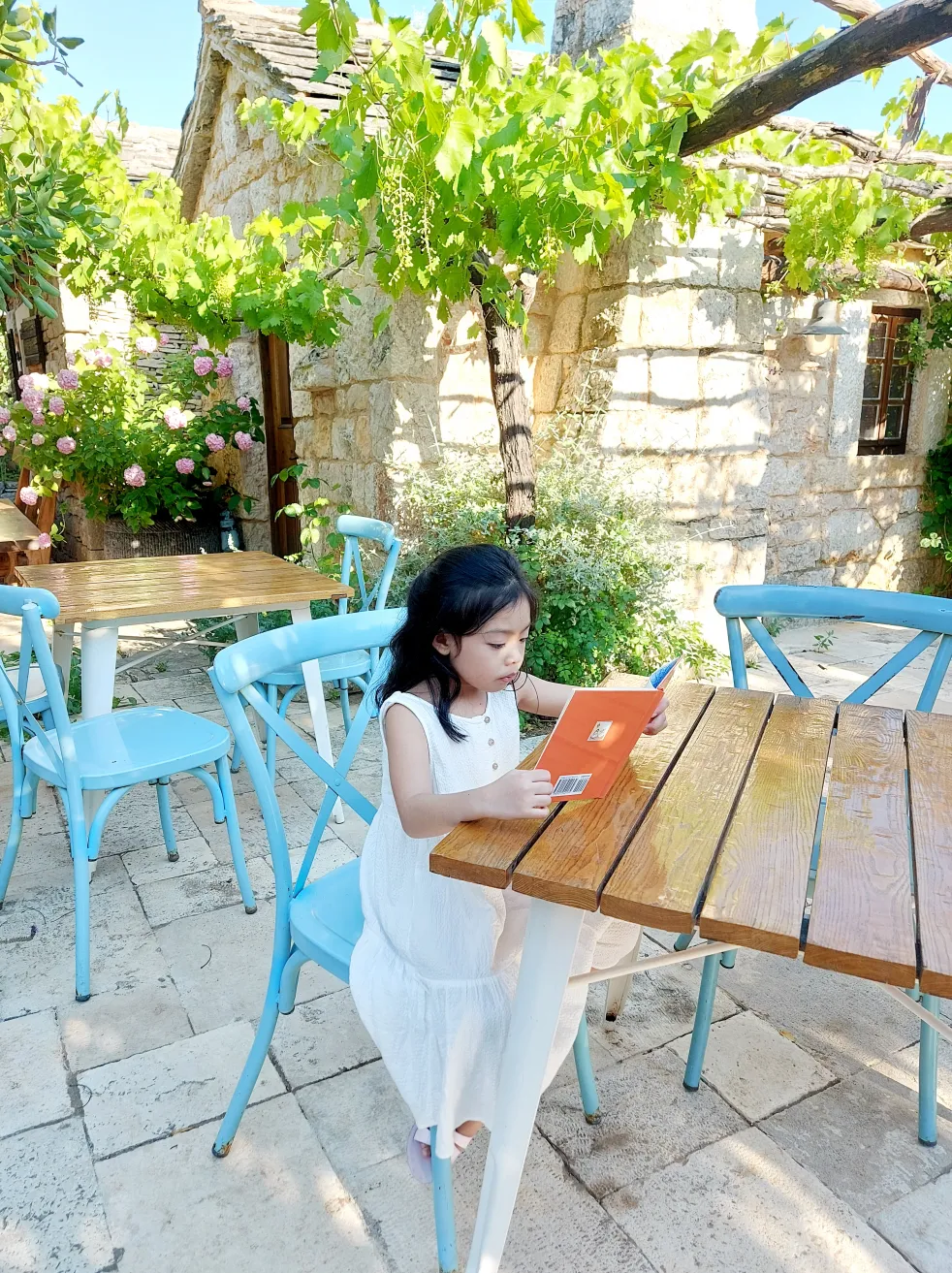
Where your child goes to school is a big decision and shouldn’t be taken lightly. Given how their education can impact their future, you might be tempted to take control and decide for them. However, you might be doing more damage than helping them in the long run. Your job as parents is to support… Continue reading HOW TO CHOOSE THE BEST SCHOOL FOR YOUR CHILD
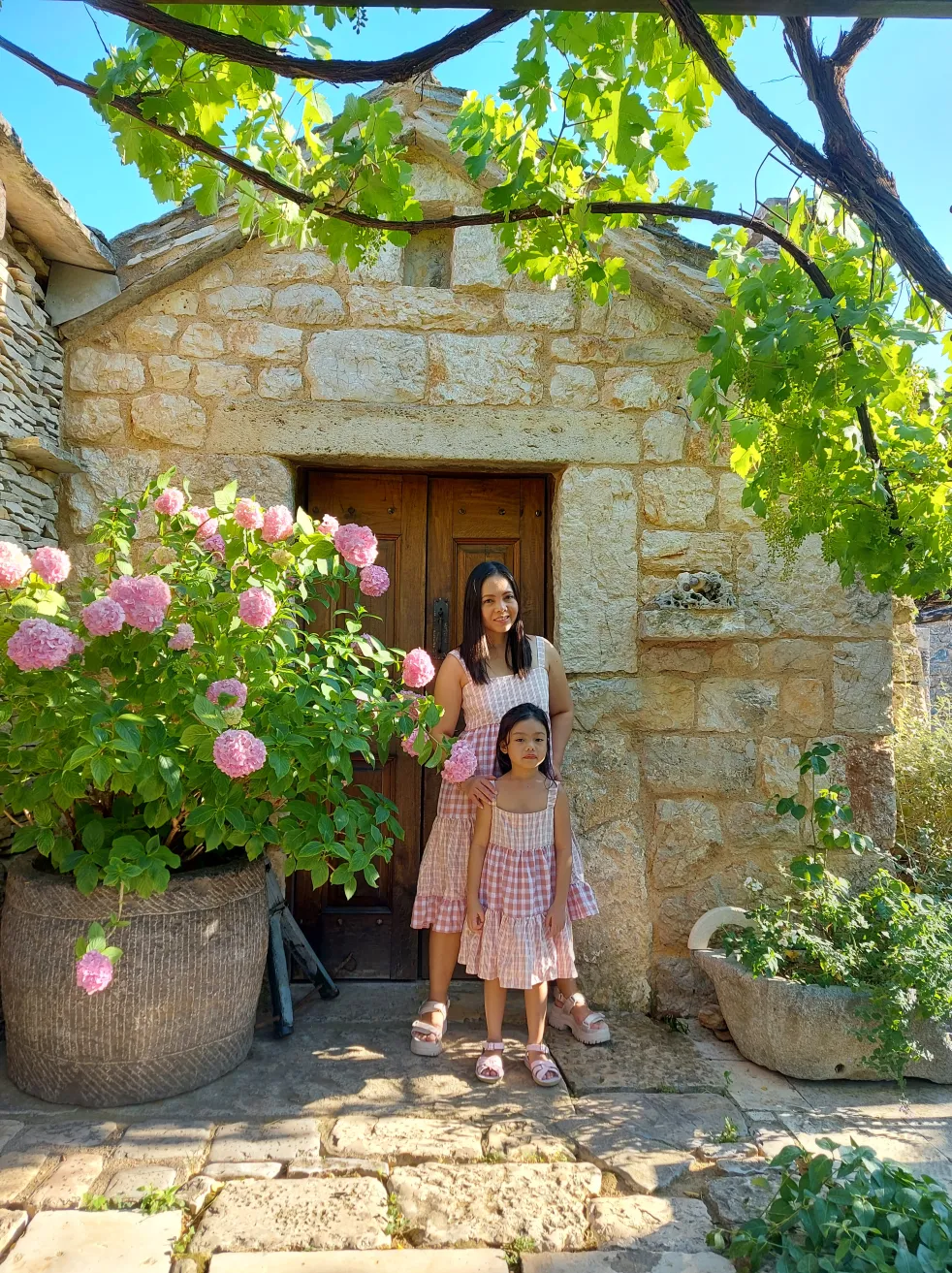
As poet and philosopher Rumi once eloquently said, “raise your words, not your voice. It is rain that grows flowers, not thunder.” Parenting is a challenging journey, and the truth is that nobody has everything figured out. One parenting style might suit others best, and some might favor other methods. However, children respond better to… Continue reading A SIMPLE GUIDE TO GENTLE PARENTING
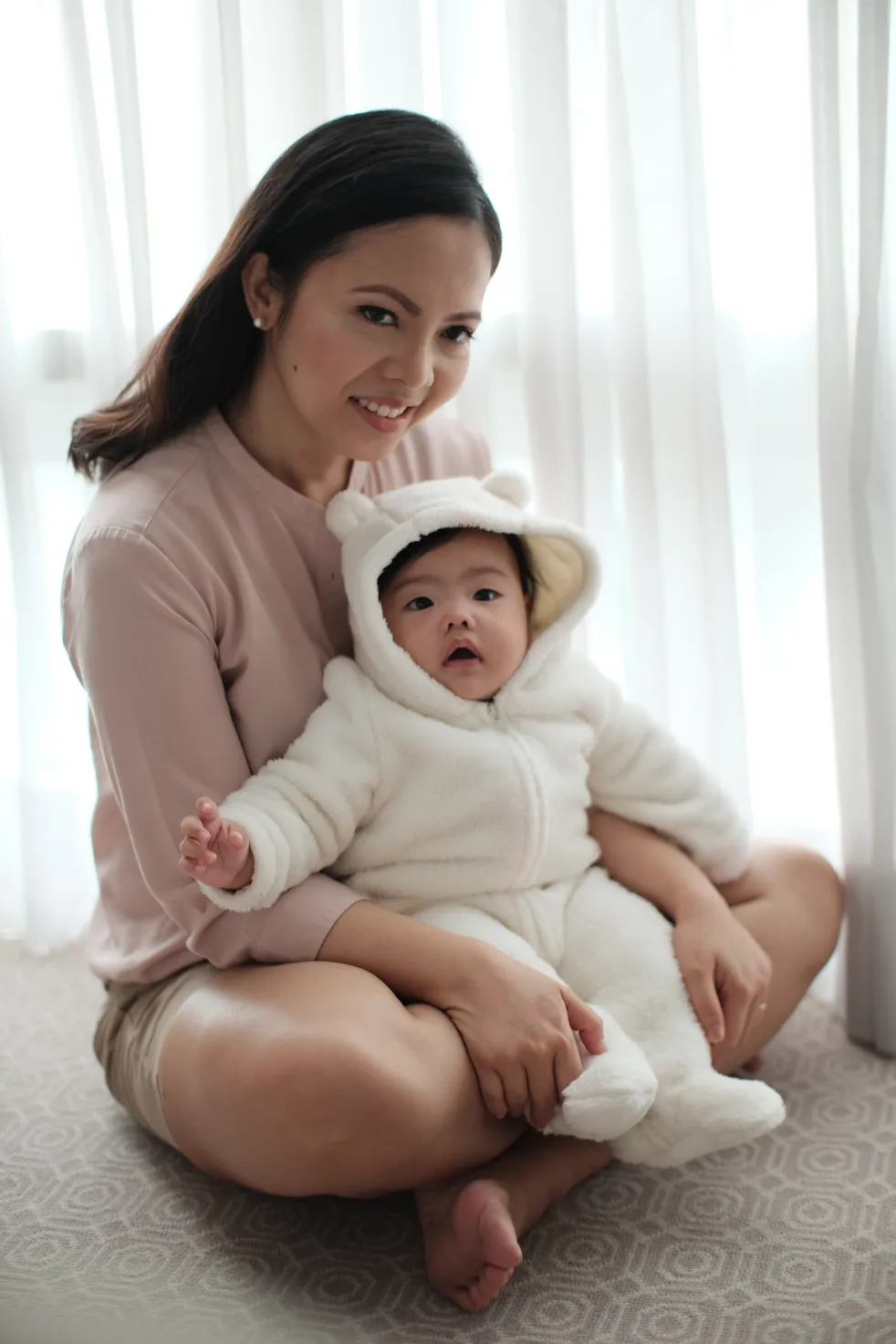
Whether you’re a new mom to be, mom of a toddler, mom who have school-aged kids, you’re bound to have so many questions. Let's start with your baby's skin. Infant skin has unique needs; gentle care is essential to prevent damage to the skin barrier, which can lead to irritation. When caring for infant skin,… Continue reading Keeping Baby’s Diapered Skin Healthy
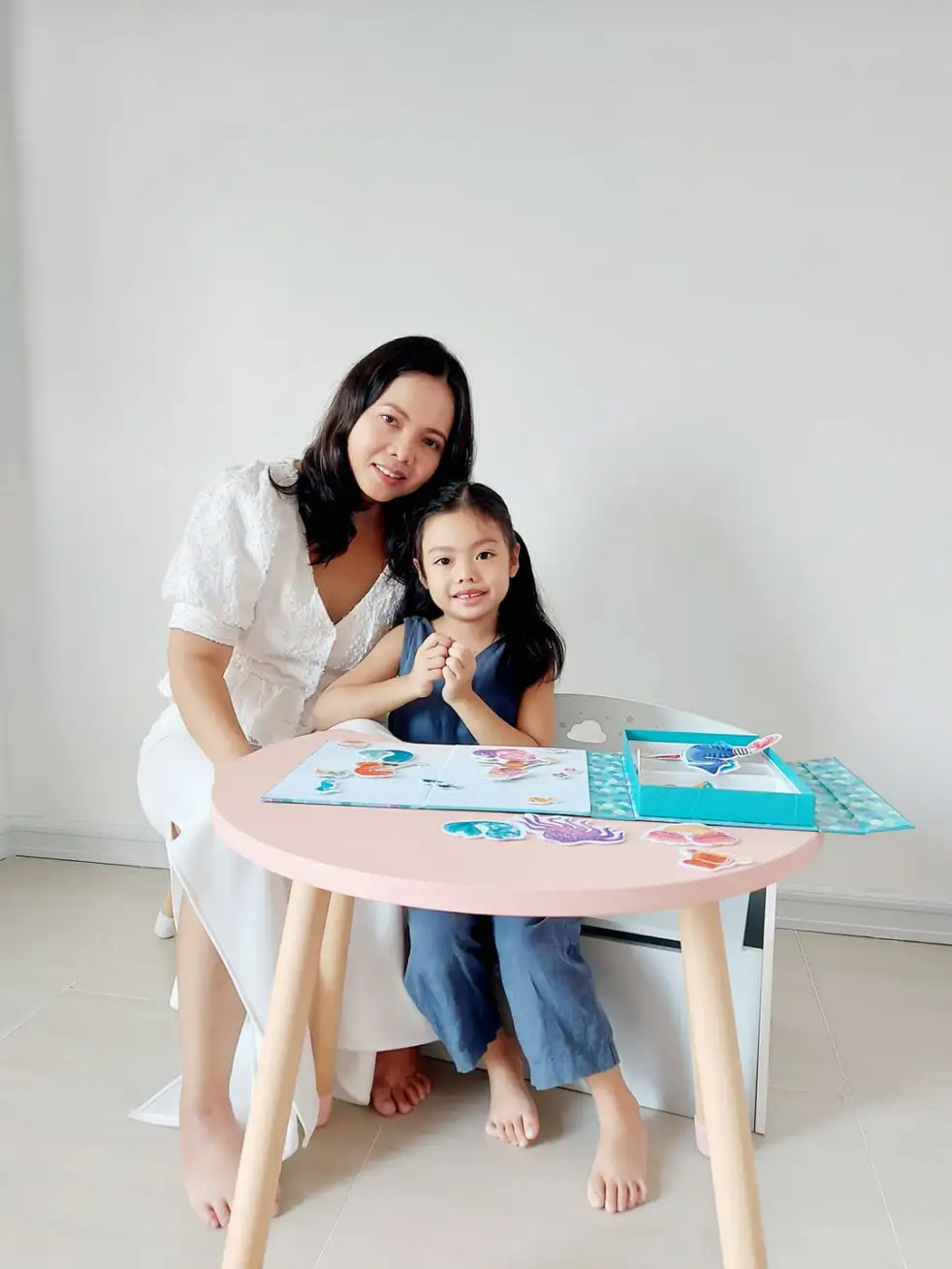
As parents, we want to give our child the best possible start in life and that begins with nurturing their intelligence. Throughout history, the notion of success has been linked to academic intelligence. However, there has been an increased awareness on the importance of emotional intelligence. This question gets at the heart of the never-ending… Continue reading IQ or EQ, which one is a better predictor of your child’s success?
 wondermomma.net