

Last August, IKEA Philippines engaged with Better World Smokey Mountain, a newly opened community center operated by the San Miguel Foundation, which shares a similar goal of improving the lives of many Filipino people. Through this partnership, IKEA Philippines provided and assembled home furnishings for the classrooms and library of Better World Smokey Mountain community… Continue reading Help Create a Better World with IKEA Soft Toys
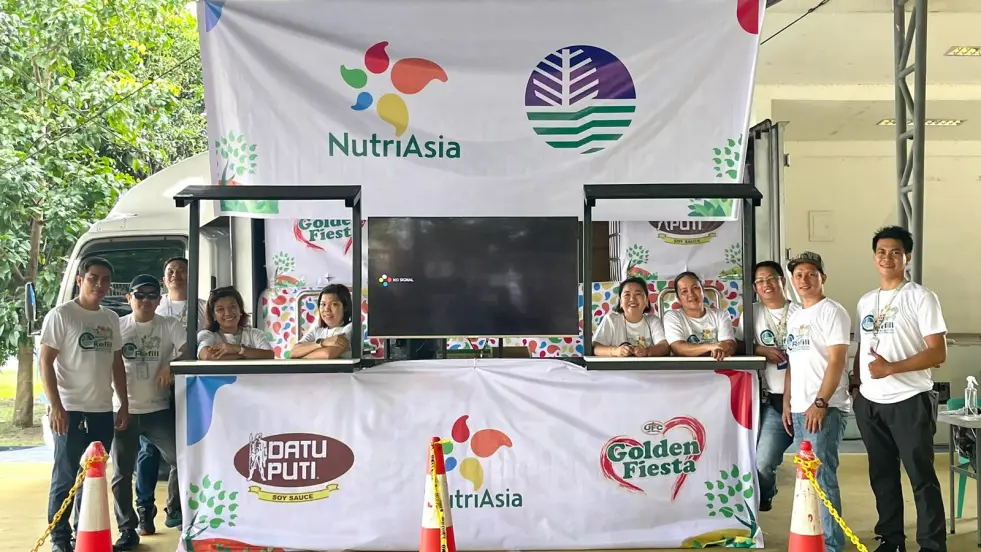
NutriAsia, the country’s top producer of condiments and sauces, continues its support of Refill Revolution; a project by the Department of Environment and Natural Resources EMB 3 that aims to help reduce Filipinos’ single-use plastics consumption. At Refill Revolution, residents get to recycle their single-use plastic bottles by reusing and filling it with their choice… Continue reading NutriAsia and DENR renews partnership for Refill Revolution

Baby Swim Classes In Metro Manila And What To Bring
For families living in Metro Manila, baby swimming lessons can be a practical way to introduce water confidence, movement and shared play. The best programmes are usually gentle parent-and-baby sessions rather than formal stroke training, with warm pools, small groups and instructors who understand infant development.
Australian families visiting or relocating from Sydney, Melbourne, Brisbane or Perth may notice differences in pool design, class structure and booking systems. Manila’s tropical climate makes swimming convenient throughout the year, but indoor air-conditioning, traffic and changing facilities can affect the experience as much as the lesson itself.
| Swim school or class type | Best for | What to check before booking | Typical setting |
|---|---|---|---|
| Established swim schools | Families wanting a structured programme | Infant age range, instructor qualifications and make-up policy | Dedicated or hotel pools |
| Parent-and-baby water play | First-time swimmers and younger babies | Water temperature, class size and caregiver participation | Warm indoor pools |
| Hotel or condominium lessons | Families prioritising convenience | Guest access, pool hygiene and lesson availability | Residential or hotel pool |
| Private instructors | Children needing a flexible schedule | References, teaching approach and emergency procedures | Home or community pool |
| Short holiday programmes | Travelling families | Intensive schedules and equipment requirements | Clubs, schools or leisure centres |
When Babies Can Begin Water Lessons
Many Manila swim providers accept babies from around six months, although the exact minimum varies. At this age, a baby may be ready for supported floating, gentle kicking and familiarisation with splashing. Readiness matters more than enrolling at the earliest possible age: a baby who is rested, well and comfortable with being handled will usually enjoy the session more.
Baby swimming is not a substitute for supervision or a guarantee against drowning. In Australia, Royal Life Saving organisations consistently emphasise that active adult supervision must remain in place around water, even after a child attends lessons. The same principle applies in a Manila hotel, condominium pool or beach resort.
A parent or caregiver normally enters the water with the baby. Look for teachers who explain each hold, avoid forced submersion and allow children to pause when they become upset. A calm, play-based approach is more suitable for infants than lessons focused on speed, distance or performance.
Well-Known Metro Manila Options
Bert Lozada Swim School is one of the familiar names among families looking for swimming instruction in the Philippines, with programmes offered through different locations and partner venues. Availability, age groups and class formats can change, so parents should confirm the current branch, pool temperature and infant timetable directly.
Families in Makati, Bonifacio Global City, Quezon City, Pasig and Alabang may also find independent instructors, condominium-based lessons and hotel pool programmes. These can be convenient for parents who prefer a shorter commute, particularly when Manila traffic turns a simple cross-city journey into a tiring outing.
A school with several branches may offer make-up lessons or a progression pathway as a child grows. A smaller instructor-led class may provide a more personal experience. Neither model is automatically better; the important factors are water quality, teaching behaviour, supervision and how comfortably the programme fits the family’s routine.
How To Compare A Class
Ask whether the pool is heated or naturally warm, and whether the water temperature is measured regularly. Babies cool down faster than adults, so a pool that feels comfortable for lap swimming may feel chilly during a slow infant session. Also check whether the deck is slippery, whether changing rooms are clean and whether there is a quiet area for feeding.
Class size deserves close attention. A teacher managing several babies and caregivers may struggle to demonstrate techniques or notice signs of fatigue. A smaller group can cost more, but it may offer better coaching and less waiting between activities.
Ask about illness policies, cancellations, make-up classes and what happens when the pool is closed. Families coming from Australia may be used to clear booking terms and detailed aquatic safety information, while smaller Manila providers may communicate mainly through messaging apps. Get the essential details in writing before paying for a package.
What To Pack For Baby Swimming
A simple bag makes pool days much easier, especially when the lesson is followed by lunch or a long drive home. Pack more clothing than you expect to use because wet towels, sudden rain and air-conditioned venues can quickly make babies uncomfortable.
- A reusable swim nappy covered by a snug-fitting swimming costume
- Two towels, including a hooded towel for a younger baby
- A clean nappy, complete change of clothes and a waterproof wet bag
- A familiar bottle or feeding supplies, plus a small snack for older babies
- Baby-safe wash, moisturiser and a soft hairbrush
- A lightweight wrap or cardigan for strongly air-conditioned venues
- A favourite comforter, if the baby uses one
Most pools require a swim nappy, and some insist on a particular disposable or reusable style. Regular nappies become heavy in water and can break apart, so they should not be used as a substitute. Check the provider’s rules before arriving.
For outdoor sessions, bring a broad-brimmed hat, shade cover and sunscreen for adults and older children. In Australia, SPF 50+ sunscreen is a common everyday choice, but babies under six months should be protected primarily with shade, clothing and careful timing. Follow the product label and ask a health professional about sunscreen for very young or sensitive skin.
Managing Manila Heat And Travel
Metro Manila’s humid weather can make pool outings feel refreshing, but heat exposure begins before the lesson. Use a pram shade or breathable carrier, offer feeds as usual and avoid leaving a baby in a parked car, even for a short errand. Allow extra travel time so the family is not rushing into the water after a hot journey.
Traffic is a major practical consideration. A class that looks close on a map may be difficult to reach during weekday rush hour, especially between Makati, Quezon City and Pasig. A nearby programme with a slightly less polished facility may be a better choice than a highly rated school that requires a long, stressful commute.
Indoor pools can be cold because of air-conditioning, while outdoor pools may have strong sun and busy shared areas. After the lesson, dry the baby thoroughly, especially around the neck, nappy area and skin folds. A gentle moisturiser can help if chlorine leaves the skin dry, but stop using any product that causes redness or irritation.
Families accustomed to Australian routines may also notice that Manila lessons often fit around condominium life, domestic help schedules or weekend family gatherings. Building the class into an existing weekly rhythm is usually easier than treating it as a separate major commitment.
Safety Questions Worth Asking
Before enrolling, ask who holds responsibility for first aid and whether a qualified lifeguard is present. An instructor should be able to explain emergency procedures, pool entry and exit rules, and how caregivers are expected to hold their babies. If the answers are vague, keep looking.
Observe a class if possible. Teachers should speak respectfully, handle babies securely and accept that some children need time to settle. Warning signs include forced dunking, instructors ignoring crying, overcrowded water or adults being encouraged to step away from their child.
Australian families may be familiar with state-based pool fencing rules, such as the requirements applying to private pools in New South Wales, Victoria and Queensland. Those laws govern domestic pool safety in Australia; they do not replace careful checking of a Manila venue. Parents still need to inspect barriers, gates, access points and the distance between the pool and changing areas.
Ask whether photos or videos are taken during lessons and how they are stored. Some families are comfortable with promotional images, while others prefer to opt out. A clear consent process is a sign that the provider takes family privacy seriously.
Making The Experience Enjoyable
The first few lessons may involve more cuddling than swimming. Babies can be unsettled by echoes, unfamiliar water, goggles worn by adults or the sensation of wet hair. Keeping the first visit short and predictable helps build positive associations.
Feed the baby far enough before class to avoid arriving hungry, but avoid a large feed immediately before entering the pool. Schedule the lesson when the baby is usually alert, and be prepared to leave early if the child becomes overtired. A successful session may simply mean tolerating the water calmly for a few minutes.
After swimming, allow time for a warm change, a feed and a quiet rest. Older siblings may need activities while the baby attends class; families can make a full outing of it by visiting a nearby child-friendly space. A useful companion to a swim day is this toddler playground guide, especially when a family is exploring a new neighbourhood.
The goal is a safe and pleasant relationship with water, not an impressive underwater photograph or an advanced skill completed on schedule. With the right teacher, a practical swim bag and realistic expectations, baby swimming can become a relaxed part of family life in Metro Manila.

Mercato Centrale, in collaboration with Indian Women in Enterprise Philippines (I-We), is set to host "The Great Indian Fiesta" to mark 75 years of friendship between India and the Philippines. The dynamic two-day event is scheduled to take place on September 30 to October 1, 2023, at Paseo De Roxas Street, Makati City. Aiming to… Continue reading Mercato Centrale Partners with I-We to Host ‘The Great Indian Fiesta’, Commemorating 75 Years of India-Philippines Friendship

My stomach would usually start growling at 10 am even after taking a big breakfast. This is probably because I am a morning person and I move a lot throughout the day hence snacking is something that I can't avoid. This potatoes and chicken wrap recipe is easy to prepare and would keep me full… Continue reading Potato and Chicken Wrap
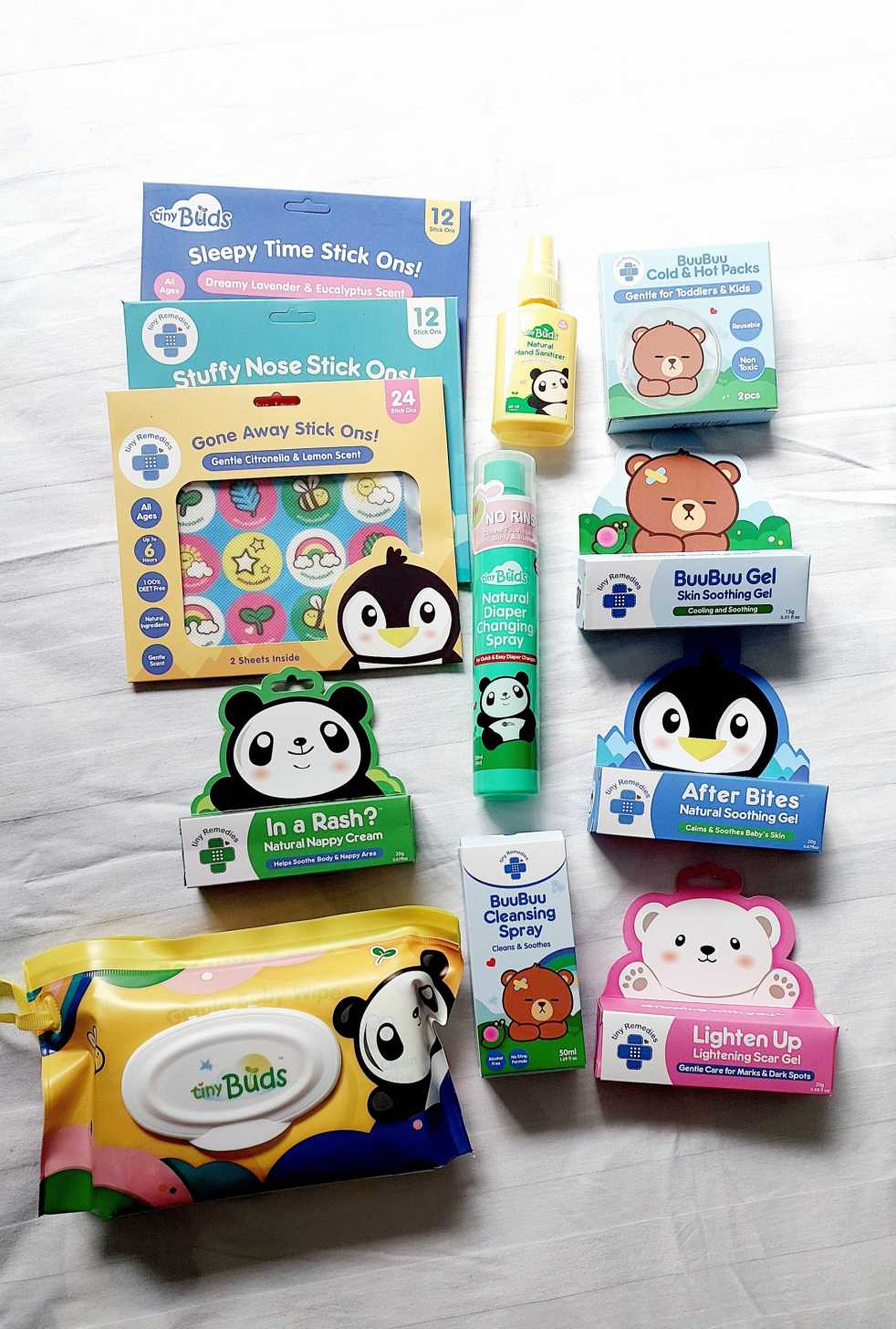
Your baby’s skin is more delicate than most, this is why you have to choose products that are designed for sensitive skin. Tiny Buds is a pioneer in integrating natural ingredients into baby care and today has over 50 innovative natural baby care essentials and is one of the Top Baby Personal Care brands. Here… Continue reading Product Review: Tiny Buds Baby Naturals Baby Essentials
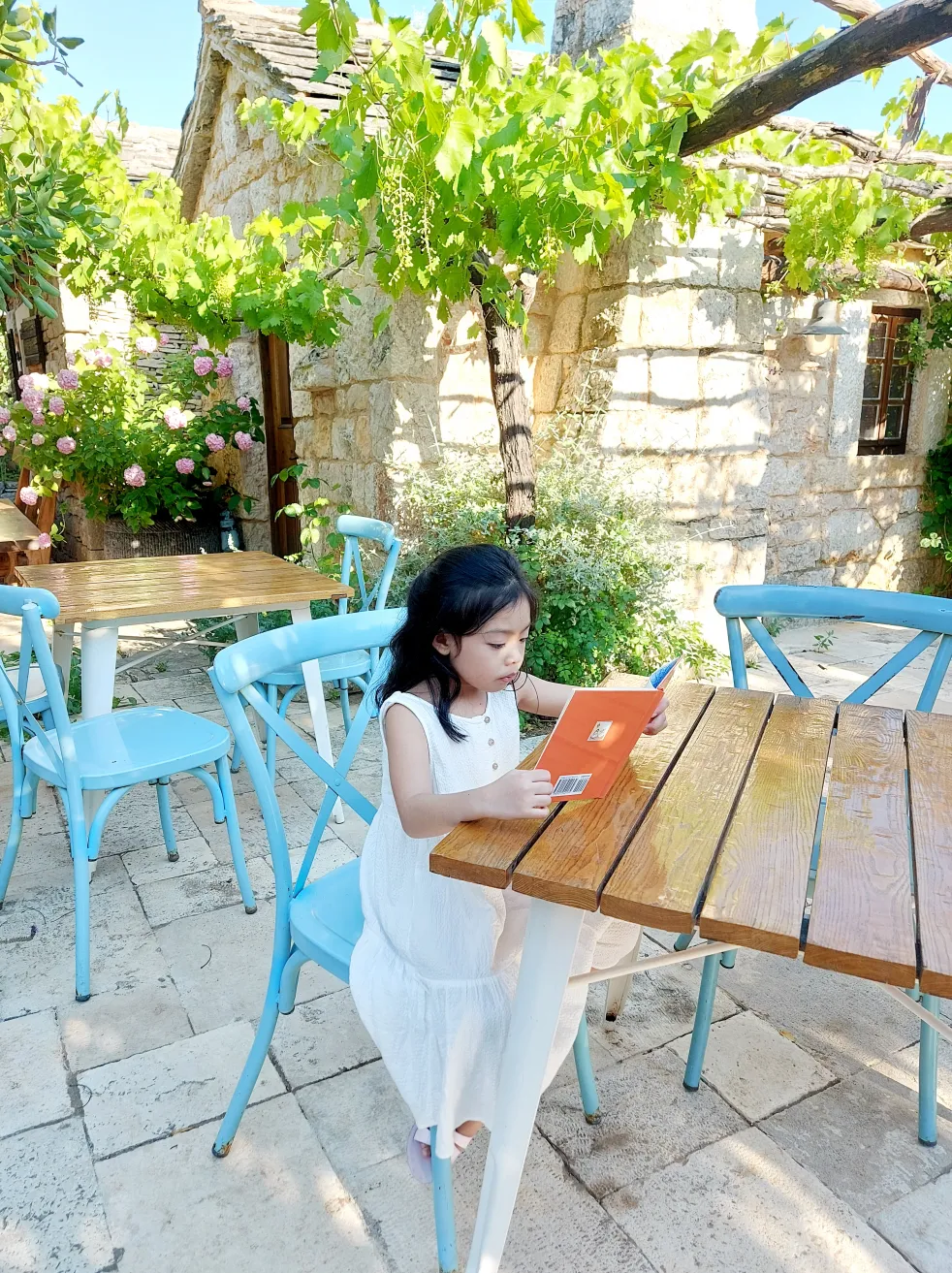
Where your child goes to school is a big decision and shouldn’t be taken lightly. Given how their education can impact their future, you might be tempted to take control and decide for them. However, you might be doing more damage than helping them in the long run. Your job as parents is to support… Continue reading HOW TO CHOOSE THE BEST SCHOOL FOR YOUR CHILD
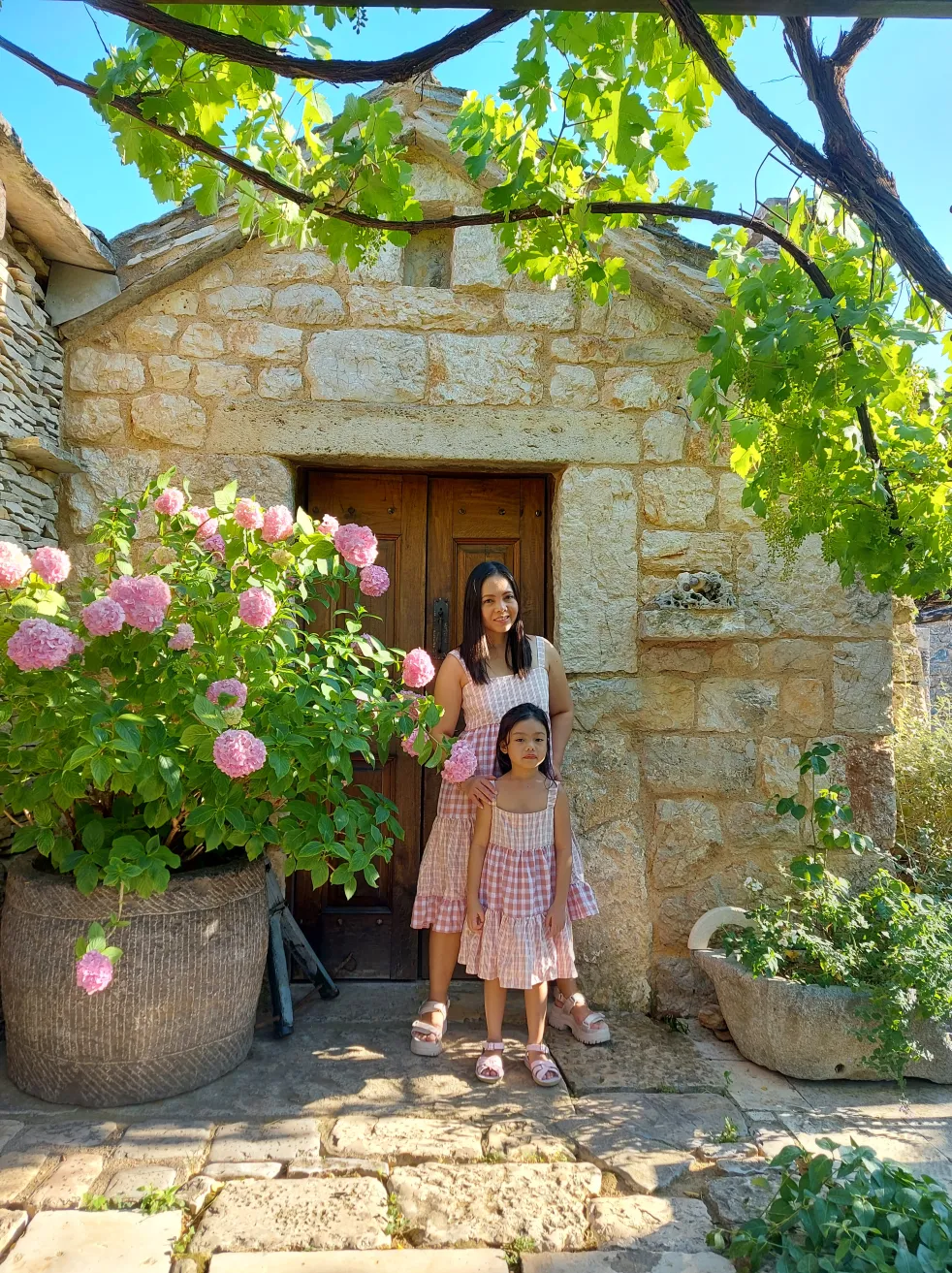
As poet and philosopher Rumi once eloquently said, “raise your words, not your voice. It is rain that grows flowers, not thunder.” Parenting is a challenging journey, and the truth is that nobody has everything figured out. One parenting style might suit others best, and some might favor other methods. However, children respond better to… Continue reading A SIMPLE GUIDE TO GENTLE PARENTING

Whether you’re a new mom to be, mom of a toddler, mom who have school-aged kids, you’re bound to have so many questions. Let's start with your baby's skin. Infant skin has unique needs; gentle care is essential to prevent damage to the skin barrier, which can lead to irritation. When caring for infant skin,… Continue reading Keeping Baby’s Diapered Skin Healthy
As parents, we want to give our child the best possible start in life and that begins with nurturing their intelligence. Throughout history, the notion of success has been linked to academic intelligence. However, there has been an increased awareness on the importance of emotional intelligence. This question gets at the heart of the never-ending… Continue reading IQ or EQ, which one is a better predictor of your child’s success?
 wondermomma.net