

Last August, IKEA Philippines engaged with Better World Smokey Mountain, a newly opened community center operated by the San Miguel Foundation, which shares a similar goal of improving the lives of many Filipino people. Through this partnership, IKEA Philippines provided and assembled home furnishings for the classrooms and library of Better World Smokey Mountain community… Continue reading Help Create a Better World with IKEA Soft Toys

NutriAsia, the country’s top producer of condiments and sauces, continues its support of Refill Revolution; a project by the Department of Environment and Natural Resources EMB 3 that aims to help reduce Filipinos’ single-use plastics consumption. At Refill Revolution, residents get to recycle their single-use plastic bottles by reusing and filling it with their choice… Continue reading NutriAsia and DENR renews partnership for Refill Revolution
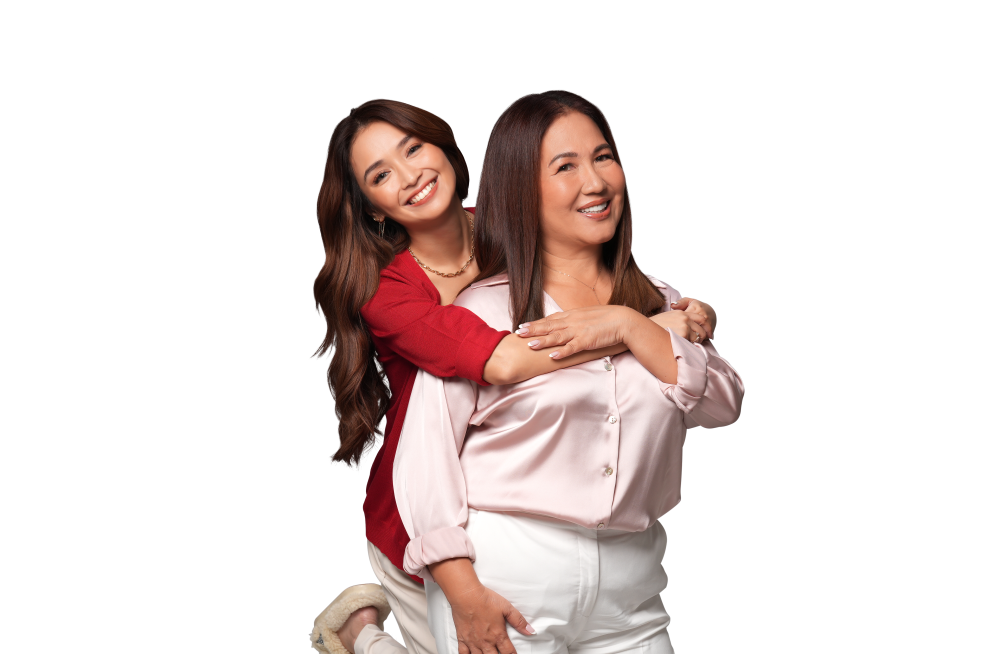
The Best Baby-Led Weaning Tools for First Feeders
Starting solids is a major milestone, but it does not have to involve complicated equipment or a kitchen full of specialised products. Baby-led weaning (BLW) works best when a child can sit safely, grasp food, and explore at their own pace. The right tools simply make that process cleaner, calmer, and easier to manage.
First foods are about practice rather than quantity. Your baby is learning to move food around the mouth, recognise textures, coordinate hand movements, and join family mealtimes. A practical setup supports those skills while giving parents confidence during the messy early weeks.
Families in the Philippines may also need to consider warm weather, limited kitchen space, easy-to-clean materials, and locally available products. Whether you are serving soft banana, steamed squash, ripe mango, or strips of tender chicken, a few well-chosen essentials can make feeding more comfortable for everyone.
When Baby Is Ready To Explore Food
Most babies are ready to begin complementary feeding at around six months, although readiness matters more than a specific date. Look for steady head and neck control, the ability to sit upright with minimal support, and an interest in food. Your baby should also be able to reach for objects and bring them accurately to the mouth.
The loss of the tongue-thrust reflex is another useful sign. A baby who repeatedly pushes food out may need more time before exploring solids. Starting with safe finger foods should never replace breast milk or formula, which remain important sources of nutrition during the first year.
A supportive feeding position is essential. Baby should be upright, alert, and close enough for an adult to supervise continuously. A soft floor seat or reclining bouncer is not a substitute for a properly upright high chair with good foot and torso support.
A High Chair That Supports Good Posture
A stable high chair is the most important BLW purchase. Choose one with a wide, sturdy base, an adjustable footrest, and a seat that keeps your baby upright rather than leaning backwards. Feet should rest firmly on a platform because that stability helps babies use their hands and mouths more effectively.
A removable tray is useful, especially when your dining table is not the right height for a small child. Look for a tray with a smooth surface and rounded edges. Some models include a dishwasher-safe insert, which can be lifted away after meals while the main tray stays in place.
Harnesses should be easy to fasten and adjust. A five-point harness provides useful security, but it should never encourage adults to leave a baby unattended. Check that the chair does not have fabric folds or deep seams where food and moisture can collect, particularly in a humid climate.
Plates, Bowls, And Suction Mats
Suction plates can reduce the temptation to grab and throw dishes, although no suction base is completely toddler-proof. Silicone plates with divided sections are popular because they separate different foods without making the meal feel overly controlled. They are also lightweight, quiet when dropped, and gentle on small teeth.
A shallow bowl can help babies scoop soft foods with their hands or a pre-loaded spoon. Wide, stable bases are preferable to narrow bowls that tip easily. Silicone is often practical for first feeders because it is flexible and less likely to crack when dropped.
A wipe-clean silicone mat placed under the high chair catches food, cups, and utensils. It protects floors and makes clean-up faster, especially when serving slippery foods such as avocado or ripe papaya. A washable splat mat is often more useful than disposable sheets and can be rolled up between meals.
Bibs And Cleaning Essentials
Traditional cloth bibs are comfortable but may become soaked during a long meal. A silicone bib with a deep food catcher can keep food away from clothing and reduce the number of outfit changes. Choose a soft neck fastening and check the edges for rough areas that could irritate delicate skin.
Long-sleeved smock bibs offer extra protection for enthusiastic eaters. They are particularly helpful when serving colourful foods, oily dishes, or meals prepared with tomato and beetroot. However, babies should still be dressed comfortably and allowed to move their arms freely.
Keep a small cleaning kit near the eating area: a damp cloth, gentle dish soap, a washable towel, and a spare bib. Food around the mouth should be dabbed rather than scrubbed. If tummy discomfort makes feeding unsettled, these gassy baby tips can also help families distinguish ordinary mealtime fussiness from a need for extra comfort.
Safe Utensils For Small Hands
Baby-led weaning does not mean avoiding spoons. A short, thick-handled spoon is easier for a baby to hold, while a pre-loaded spoon lets them guide soft food to their mouth. Silicone-tipped utensils are gentle on gums and generally create less noise when dropped than metal cutlery.
Choose utensils with a broad handle and a shallow spoon bowl. A deep spoon may hold more food than a first feeder can comfortably manage. Two spoons can be useful: one for the baby to practise with and one for the adult to load while the meal continues.
Open cups are worth introducing in small amounts from the beginning of complementary feeding. A tiny cup allows babies to practise sipping and encourages a mature drinking pattern. Offer only a little water with meals, hold the cup at first, and expect spills as part of the learning process.
Comparing Everyday Feeding Tools
The best equipment depends on your home, budget, cleaning routine, and the foods your family usually serves. An expensive product is not automatically safer or more useful. Simple tools that are stable, washable, and comfortable may support feeding just as well.
| Tool | What to look for | Main benefit | Practical note |
|---|---|---|---|
| High chair | Upright seat, footrest, secure harness | Supports posture and safe supervision | Check that it is easy to wipe |
| Silicone plate | Stable base, shallow sections, food-grade material | Keeps foods organised and reduces breakage | Suction may weaken on textured surfaces |
| Silicone bib | Soft neck, deep pocket, flexible design | Protects clothing and catches food | Rinse soon after meals |
| Pre-loaded spoon | Short handle, shallow bowl, soft tip | Encourages self-feeding skills | Offer one spoon for practice |
| Open cup | Small size, lightweight design | Builds early drinking coordination | Begin with small sips |
| Floor mat | Waterproof, washable surface | Simplifies clean-up | Choose a mat that lies flat |
Storage matters as much as the purchase itself. Keep clean feeding items in a dry, ventilated cupboard rather than sealed while damp. Inspect silicone for cracks, sticky patches, or lingering smells, and replace anything that can no longer be cleaned properly.
Preparing Food And Preventing Choking Risks
Tools cannot make an unsafe food safe, so preparation remains central to baby-led weaning. Offer food that is soft enough to squash between your thumb and forefinger. Long, thick pieces are usually easier for a young baby to grip than small cubes, which may be difficult to pick up.
Steam or roast firm vegetables until tender, and serve meat in soft strips or shred it into manageable pieces. Remove bones, pits, hard skins, and tough fibres. Whole grapes, raw apple, nuts, popcorn, chunks of sausage, and spoonfuls of thick nut butter require special care or modification because they can create choking hazards.
Gagging is a normal protective reflex and can be noisy, while choking is often quiet and requires immediate action. All caregivers should learn infant first aid and choking response techniques before starting solids. An adult should remain within arm’s reach during meals, with phones and distractions put aside.
Introduce common allergens in safe, age-appropriate forms when your baby is ready, following advice from a qualified health professional if there is eczema, an existing allergy, or a family history of food allergy. Keep a note of new foods and any reactions so patterns are easier to discuss with a paediatrician.
A Simple Setup For Busy Family Meals
You do not need every feeding accessory at once. Begin with a stable high chair, one washable bib, a silicone mat, a small open cup, and a couple of suitable spoons. Add plates or suction bowls after you see how your baby naturally handles food.
Serve one or two soft foods at family mealtimes and let your baby decide how much to touch, taste, or leave. Eating together provides a model for chewing and gives babies a chance to observe familiar routines. Keep portions small so the tray does not become overwhelming.
Practical meals might include steamed sweet potato wedges, ripe banana halves, soft omelette strips, tender fish flakes, or thick pieces of steamed sayote. Family food can often be adapted before salt, sugar, or strong seasoning is added. This makes baby-led weaning more affordable and keeps preparation manageable.
Useful Buying Priorities
- Choose safety and posture support before colour, branding, or extra features.
- Select smooth, washable materials that dry quickly in a warm climate.
- Buy utensils that fit a small hand and allow independent practice.
- Prefer versatile tools that can grow with your child beyond the first foods.
- Check product labels for food-safe materials and follow cleaning instructions.
A thoughtful feeding station reduces stress without taking over the experience. Place the high chair away from hazards, keep cleaning supplies nearby, and prepare food before securing your baby in the seat. Consistent routines help babies understand that meals are a relaxed time for exploration.
The most valuable tool is still a calm, attentive adult. With a secure seat, suitable textures, and patient supervision, your first feeder can learn at a comfortable pace. Choose a few reliable essentials, share simple family foods, and let each meal build confidence one bite, touch, and spill at a time.

Mercato Centrale, in collaboration with Indian Women in Enterprise Philippines (I-We), is set to host "The Great Indian Fiesta" to mark 75 years of friendship between India and the Philippines. The dynamic two-day event is scheduled to take place on September 30 to October 1, 2023, at Paseo De Roxas Street, Makati City. Aiming to… Continue reading Mercato Centrale Partners with I-We to Host ‘The Great Indian Fiesta’, Commemorating 75 Years of India-Philippines Friendship

My stomach would usually start growling at 10 am even after taking a big breakfast. This is probably because I am a morning person and I move a lot throughout the day hence snacking is something that I can't avoid. This potatoes and chicken wrap recipe is easy to prepare and would keep me full… Continue reading Potato and Chicken Wrap
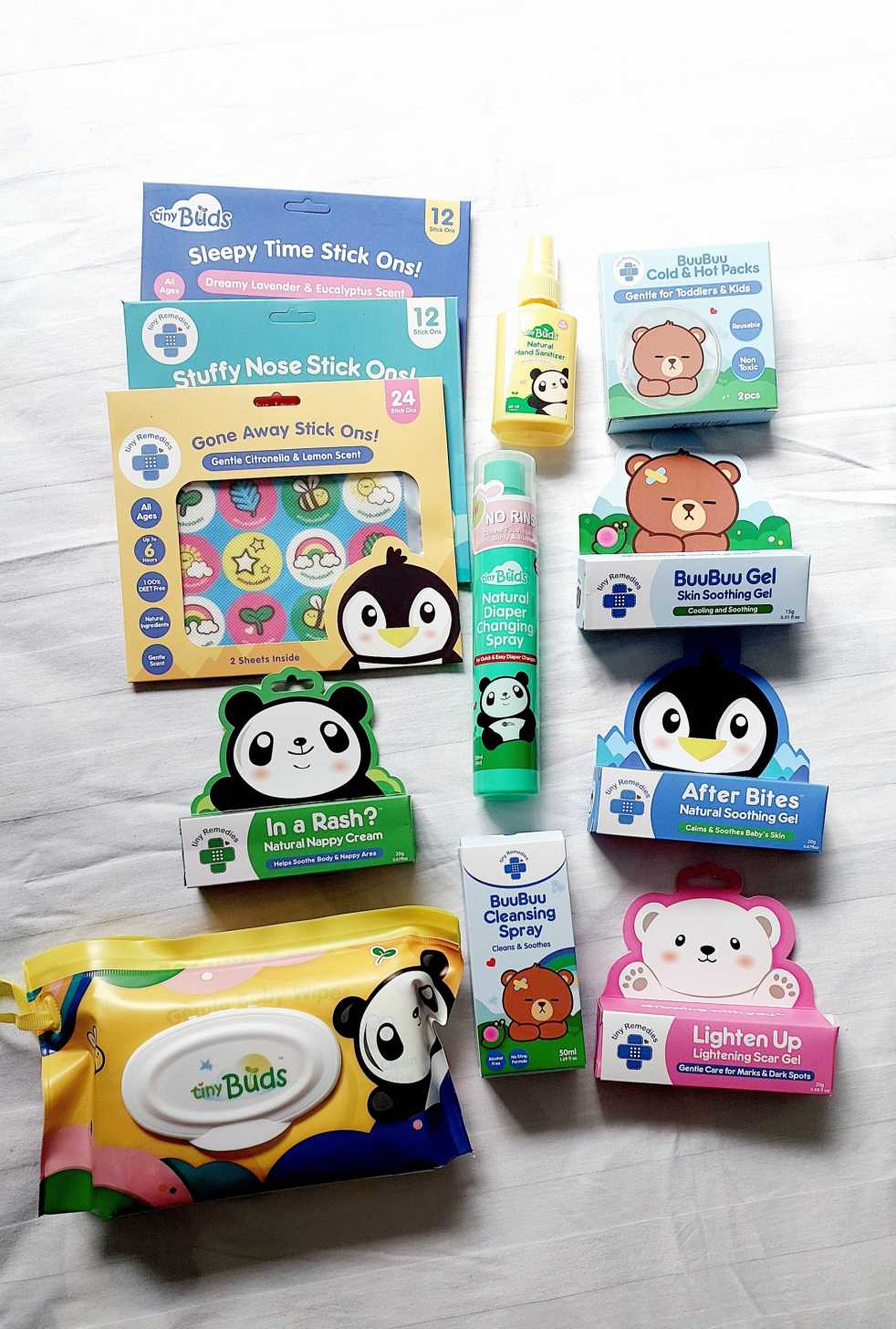
Your baby’s skin is more delicate than most, this is why you have to choose products that are designed for sensitive skin. Tiny Buds is a pioneer in integrating natural ingredients into baby care and today has over 50 innovative natural baby care essentials and is one of the Top Baby Personal Care brands. Here… Continue reading Product Review: Tiny Buds Baby Naturals Baby Essentials
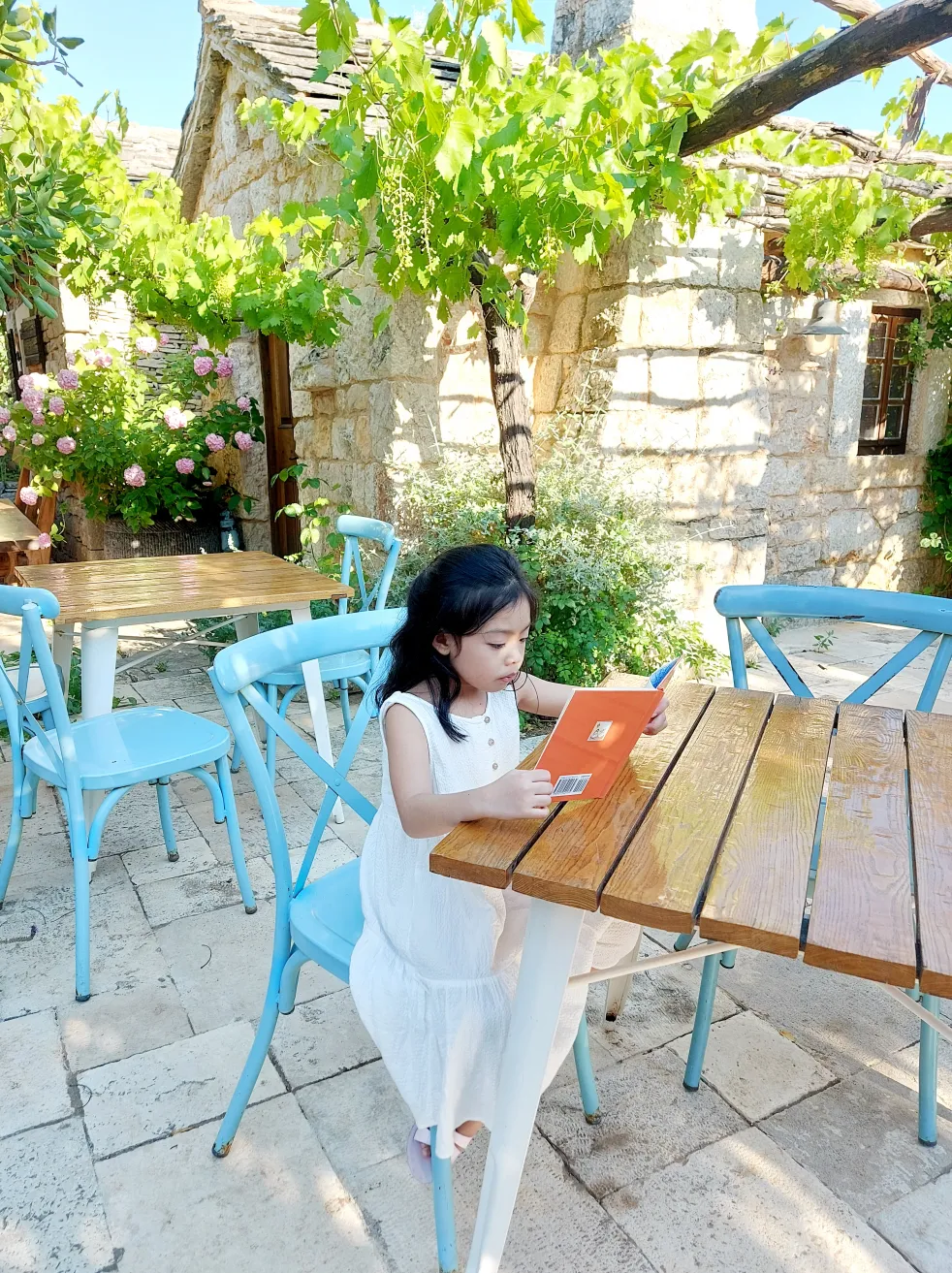
Where your child goes to school is a big decision and shouldn’t be taken lightly. Given how their education can impact their future, you might be tempted to take control and decide for them. However, you might be doing more damage than helping them in the long run. Your job as parents is to support… Continue reading HOW TO CHOOSE THE BEST SCHOOL FOR YOUR CHILD

As poet and philosopher Rumi once eloquently said, “raise your words, not your voice. It is rain that grows flowers, not thunder.” Parenting is a challenging journey, and the truth is that nobody has everything figured out. One parenting style might suit others best, and some might favor other methods. However, children respond better to… Continue reading A SIMPLE GUIDE TO GENTLE PARENTING

Whether you’re a new mom to be, mom of a toddler, mom who have school-aged kids, you’re bound to have so many questions. Let's start with your baby's skin. Infant skin has unique needs; gentle care is essential to prevent damage to the skin barrier, which can lead to irritation. When caring for infant skin,… Continue reading Keeping Baby’s Diapered Skin Healthy
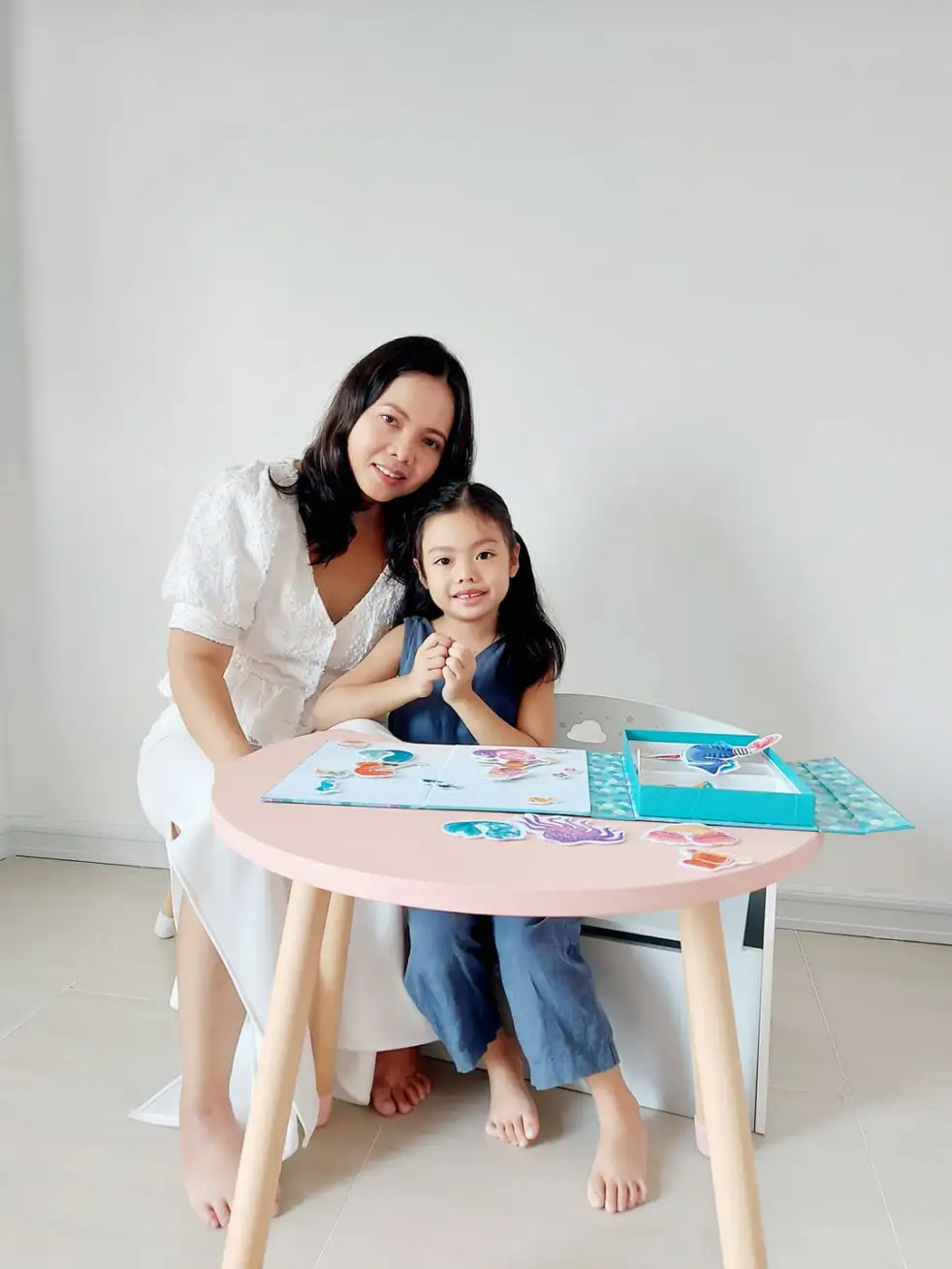
As parents, we want to give our child the best possible start in life and that begins with nurturing their intelligence. Throughout history, the notion of success has been linked to academic intelligence. However, there has been an increased awareness on the importance of emotional intelligence. This question gets at the heart of the never-ending… Continue reading IQ or EQ, which one is a better predictor of your child’s success?
 wondermomma.net