

Last August, IKEA Philippines engaged with Better World Smokey Mountain, a newly opened community center operated by the San Miguel Foundation, which shares a similar goal of improving the lives of many Filipino people. Through this partnership, IKEA Philippines provided and assembled home furnishings for the classrooms and library of Better World Smokey Mountain community… Continue reading Help Create a Better World with IKEA Soft Toys
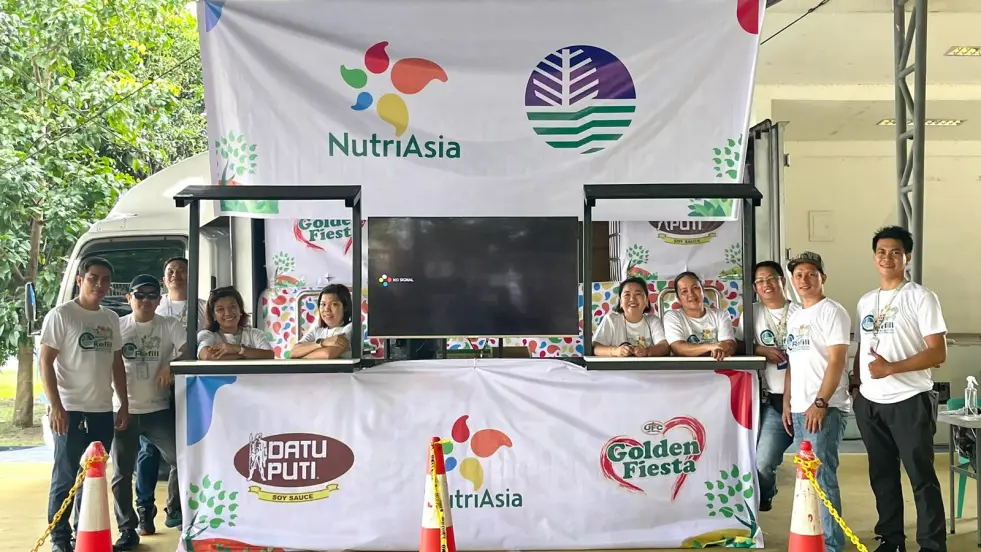
NutriAsia, the country’s top producer of condiments and sauces, continues its support of Refill Revolution; a project by the Department of Environment and Natural Resources EMB 3 that aims to help reduce Filipinos’ single-use plastics consumption. At Refill Revolution, residents get to recycle their single-use plastic bottles by reusing and filling it with their choice… Continue reading NutriAsia and DENR renews partnership for Refill Revolution

The best baby-led weaning first foods for Filipino palates
Baby-led weaning can introduce Filipino children to the flavours of home while they learn to pick up, chew and explore food at their own pace. Soft vegetables, ripe fruits, tender fish and family-style dishes can all be adapted for a baby without relying on added salt, sugar or highly processed ingredients.
For families in Australia, the approach also fits everyday life in cities such as Sydney, Melbourne, Brisbane and Perth, where Filipino ingredients are available through Asian grocers, weekend markets and larger supermarkets. The safest plan combines familiar flavours with Australian infant-feeding guidance, careful preparation and close supervision.
Why Filipino flavours suit baby-led weaning
Filipino cooking often begins with garlic, onion, ginger, tomato, squash and leafy greens. These ingredients can give a baby plenty of flavour without patis, bagoong, stock cubes or extra salt. Babies do not need bland food, but their meals should be low in sodium and free from strong seasoning blends intended for adults.
A family can prepare one shared meal and remove the baby’s portion before adding soy sauce, vinegar-heavy sauces or chilli. For example, steamed squash can be served to a baby in large soft pieces, then seasoned for older family members. This keeps mealtimes practical and helps a child recognise the foods eaten at home.
The goal is sensory learning rather than a large amount of food. A baby may hold a piece of banana, smear avocado across the tray or taste only a small amount of chicken. Mess, pauses and repeated exposure are normal parts of learning to eat.
When a baby is ready to start
Australian infant-feeding guidance generally recommends beginning complementary foods at around six months, while continuing breastmilk or infant formula. Age alone is not enough. A baby should be able to sit upright with steady head control, reach for food, bring objects to the mouth and swallow rather than repeatedly pushing food out with the tongue.
Start with the baby seated securely in an upright high chair and remain close throughout the meal. Food should be soft enough to squash between thumb and forefinger. Early pieces need to be large enough for a baby to grasp, usually shaped like an adult finger or two large fingers placed together.
Breastmilk or formula remains the main source of nutrition at the beginning. Offer a small amount of food when the baby is alert and not overtired, then gradually build towards regular family mealtimes. A little water from an open or free-flow cup can be offered with meals once solids begin.
Soft Filipino staples for first meals
Rice is a familiar food, but loose grains can be difficult for a new eater to pick up. Soft rice balls, sticky rice pressed into easy-grip portions or thick rice-and-vegetable patties are more manageable. A rice porridge such as lugaw can also be offered on a preloaded spoon, with shredded chicken or mashed vegetables mixed through it.
Sweet potato, pumpkin, potato and saba banana provide soft textures and gentle sweetness. Steam or roast them until they are tender, then cut them into thick wedges. Saba can be cooked until soft and served plain; avoid fried banana pieces, which may be greasy and harder to manage.
Easy first-food combinations
- Pumpkin wedges with soft rice
- Saba banana with plain yoghurt
- Avocado on a preloaded spoon
- Sweet potato with shredded chicken
Filipino vegetables such as chayote, sayote, okra, eggplant, bitter melon and water spinach can be introduced in baby-friendly forms. Steam chayote or eggplant until soft, offer okra in halves or whole soft pods, and cook kangkong until its stems are tender. Bitter melon has a strong taste, so it may be easier to introduce after a baby has tried several milder vegetables.
Tropical fruit can add variety without added sweeteners. Ripe papaya, mango, dragon fruit, pear and melon should be soft and cut into large graspable pieces. Remove seeds, tough skin and fibrous sections. A very ripe mango may be slippery, so leaving a strip of peel on one end can provide a useful handle.
Building iron-rich meals with familiar ingredients
From about six months, iron-rich foods become especially important. Tender strips of beef, chicken, pork or fish can be cooked until they are soft enough to pull apart easily. Large pieces of meat may be easier for a beginner to suck and gnaw than tiny cubes, while finely shredded meat can be mixed into rice or mashed vegetables.
Fish is common in Filipino family meals, but choose low-mercury options and check carefully for bones. Salmon, sardines, trout and canned tuna labelled as lower-mercury choices can be useful. Canned fish should be packed in water where possible, and excess salt can be reduced by draining and checking the label.
Egg, tofu, lentils and well-cooked beans add useful protein and iron. Omelette strips, soft tofu batons and mashed mung beans are suitable textures. When introducing common allergens such as egg, peanut, tree nuts, wheat, dairy, fish and sesame, offer one at a time in a safe form and keep them in the regular diet if tolerated.
Peanut butter must never be given by the spoonful because it can form a sticky lump. Thinly spread it on toast or mix a small amount into yoghurt or porridge. Whole nuts, popcorn and hard pieces of raw vegetables are choking hazards and are unsuitable for babies.
Making favourite dishes baby friendly
Adobo can be adapted by cooking chicken, pork or tofu with garlic, bay leaf and a small amount of vinegar, then leaving out soy sauce and added salt from the baby’s portion. The meat should be tender and shredded or presented in a large soft piece. Older family members can add the usual seasoning at the table.
A baby-friendly sinigang can include soft salmon, chicken or tofu with vegetables such as taro, radish, pumpkin, green beans and eggplant. Keep the broth low in sodium and avoid commercial soup powders. The sour flavour from tamarind can be mild, while the vegetables provide a range of textures for exploration.
Lumpia wrappers can be used for soft vegetable or egg rolls if they are steamed or lightly baked rather than crisp-fried. Remove hard or chewy edges and check that the filling is moist. Pancit noodles should be cooked very soft and cut or tangled into short, manageable portions, with vegetables and shredded meat mixed through.
Ube, coconut and pandan can add familiar aromas to food, but sweet desserts do not need to be part of a baby’s regular meals. Plain yoghurt blended with ripe fruit, or mashed ube without condensed milk, offers the flavour without relying on added sugar. Honey must be avoided until after 12 months because of the risk of infant botulism.
Choking safety and Australian food guidance
Gagging is a normal protective response as babies learn to manage textures, while choking is silent or may involve difficulty breathing. Learn infant first aid and keep the baby upright, calm and within arm’s reach during every meal. Never place food into a baby’s mouth or try to remove food blindly with a finger.
Food Standards Australia New Zealand requires packaged foods to carry allergen declarations, which is helpful when choosing bread, yoghurt, peanut products, fish and prepared Filipino ingredients. Labels can also reveal high sodium levels in sauces, instant noodles, crackers and canned foods. Fresh ingredients are often the easiest way to control salt.
Australian guidance advises against honey before 12 months, unpasteurised dairy products and raw or undercooked eggs or meat. Rice drinks should not be used as a breastmilk or formula substitute for young children because of arsenic concerns. Avoid unpasteurised juices and make sure milk, eggs, seafood and meat are stored and cooked safely.
Common choking risks include whole grapes, cherry tomatoes, sausages, chunks of apple, raw carrot, whole nuts, hard lollies and sticky globs of nut butter. Grapes and tomatoes should be quartered lengthways, sausages cut lengthways into thin strips, and apples cooked until soft. These precautions apply whether food is served at home, at childcare or during a family gathering.
Planning Filipino-inspired meals in Australia
Busy families can prepare several soft foods during the weekend and store them in small portions. Cooked pumpkin, sweet potato, shredded chicken, rice patties and steamed vegetables can be refrigerated promptly or frozen for later use. Reheat food thoroughly, allow it to cool, and avoid repeatedly warming the same portion.
Large supermarkets such as Coles and Woolworths usually carry bananas, avocados, pumpkin, frozen vegetables, eggs and low-mercury fish. Filipino grocery shops in suburbs across Sydney, Melbourne and Brisbane can provide saba, ube, chayote, pandan and rice varieties. Check unfamiliar packaged foods for sodium, added sugar, allergen information and age suitability.
Australian families often balance home meals with childcare, school drop-off and weekend activities. A soft banana, avocado toast strip or vegetable omelette can work for breakfast, while rice with shredded meat and soft vegetables can be packed for an outing. Follow the childcare centre’s food and allergy policies, particularly when peanut or egg has been introduced at home.
A relaxed meal rhythm helps babies enjoy food without pressure. Sit together when possible, offer one or two foods the baby already knows alongside something new, and allow the child to decide whether to taste more. Filipino flavours can develop gradually through texture, aroma and repetition, giving babies a safe connection to family food from their first meals.
Simple meal ideas for the week
- Soft lugaw with chicken and pumpkin
- Steamed chayote with egg strips
- Salmon, rice and mashed avocado
- Saba banana with unsweetened yoghurt

Mercato Centrale, in collaboration with Indian Women in Enterprise Philippines (I-We), is set to host "The Great Indian Fiesta" to mark 75 years of friendship between India and the Philippines. The dynamic two-day event is scheduled to take place on September 30 to October 1, 2023, at Paseo De Roxas Street, Makati City. Aiming to… Continue reading Mercato Centrale Partners with I-We to Host ‘The Great Indian Fiesta’, Commemorating 75 Years of India-Philippines Friendship

My stomach would usually start growling at 10 am even after taking a big breakfast. This is probably because I am a morning person and I move a lot throughout the day hence snacking is something that I can't avoid. This potatoes and chicken wrap recipe is easy to prepare and would keep me full… Continue reading Potato and Chicken Wrap
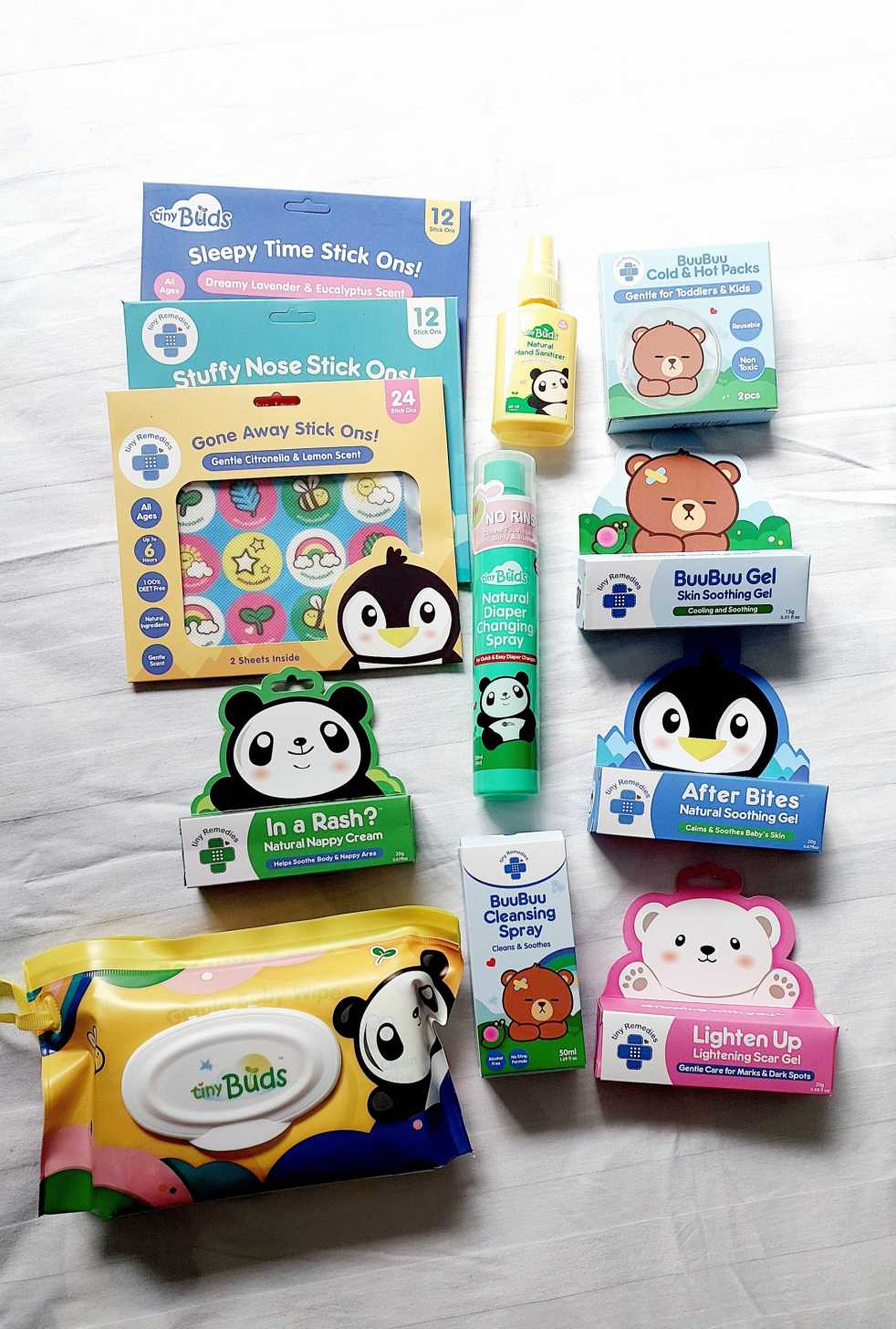
Your baby’s skin is more delicate than most, this is why you have to choose products that are designed for sensitive skin. Tiny Buds is a pioneer in integrating natural ingredients into baby care and today has over 50 innovative natural baby care essentials and is one of the Top Baby Personal Care brands. Here… Continue reading Product Review: Tiny Buds Baby Naturals Baby Essentials
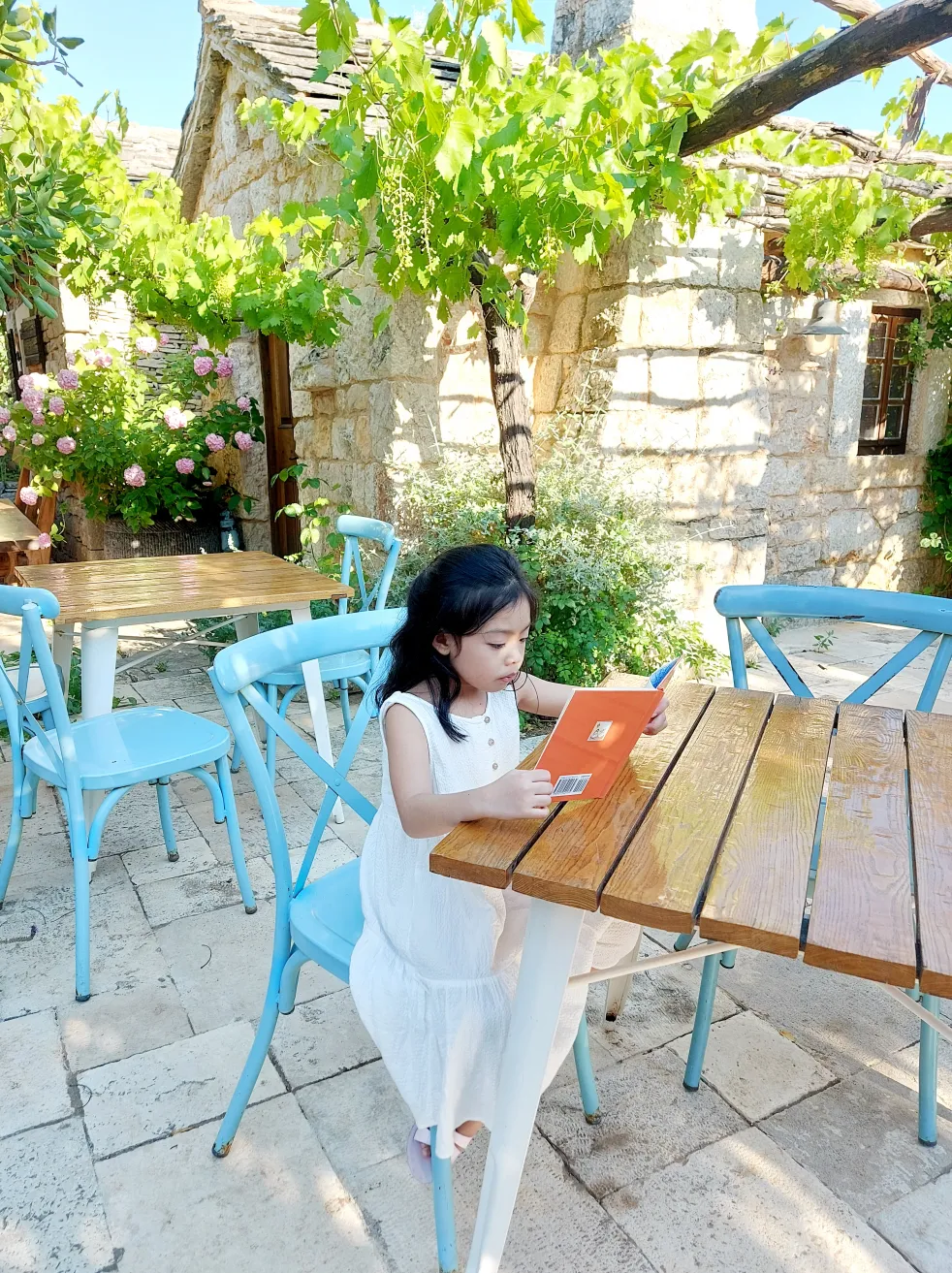
Where your child goes to school is a big decision and shouldn’t be taken lightly. Given how their education can impact their future, you might be tempted to take control and decide for them. However, you might be doing more damage than helping them in the long run. Your job as parents is to support… Continue reading HOW TO CHOOSE THE BEST SCHOOL FOR YOUR CHILD
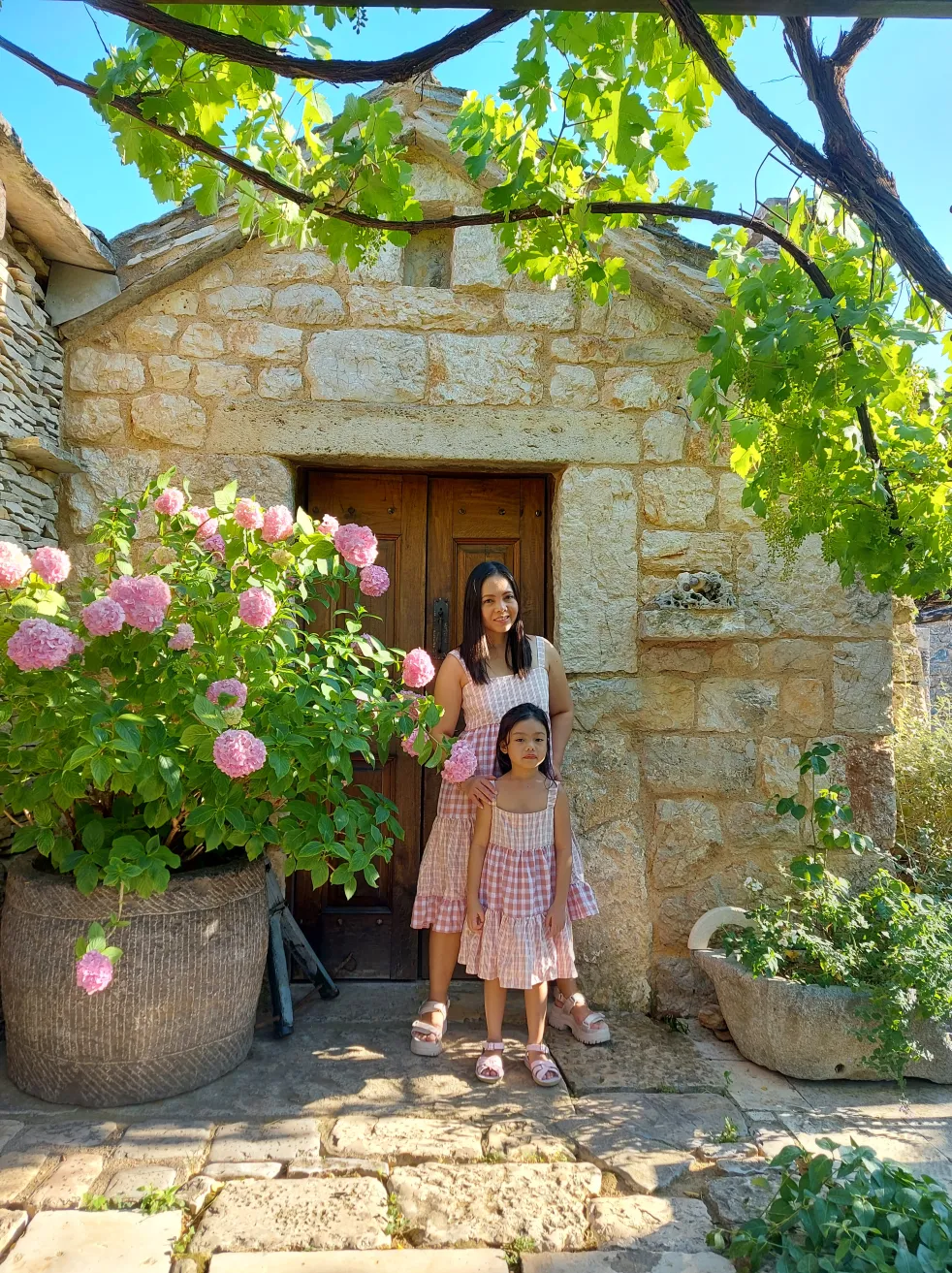
As poet and philosopher Rumi once eloquently said, “raise your words, not your voice. It is rain that grows flowers, not thunder.” Parenting is a challenging journey, and the truth is that nobody has everything figured out. One parenting style might suit others best, and some might favor other methods. However, children respond better to… Continue reading A SIMPLE GUIDE TO GENTLE PARENTING

Whether you’re a new mom to be, mom of a toddler, mom who have school-aged kids, you’re bound to have so many questions. Let's start with your baby's skin. Infant skin has unique needs; gentle care is essential to prevent damage to the skin barrier, which can lead to irritation. When caring for infant skin,… Continue reading Keeping Baby’s Diapered Skin Healthy
As parents, we want to give our child the best possible start in life and that begins with nurturing their intelligence. Throughout history, the notion of success has been linked to academic intelligence. However, there has been an increased awareness on the importance of emotional intelligence. This question gets at the heart of the never-ending… Continue reading IQ or EQ, which one is a better predictor of your child’s success?
 wondermomma.net