

Last August, IKEA Philippines engaged with Better World Smokey Mountain, a newly opened community center operated by the San Miguel Foundation, which shares a similar goal of improving the lives of many Filipino people. Through this partnership, IKEA Philippines provided and assembled home furnishings for the classrooms and library of Better World Smokey Mountain community… Continue reading Help Create a Better World with IKEA Soft Toys

NutriAsia, the country’s top producer of condiments and sauces, continues its support of Refill Revolution; a project by the Department of Environment and Natural Resources EMB 3 that aims to help reduce Filipinos’ single-use plastics consumption. At Refill Revolution, residents get to recycle their single-use plastic bottles by reusing and filling it with their choice… Continue reading NutriAsia and DENR renews partnership for Refill Revolution

The best baby-friendly sunscreens for tropical climates
Living in a tropical country means enjoying bright mornings, warm beaches, and outdoor family time throughout much of the year. It also means babies and young children can receive strong ultraviolet exposure even during cloudy weather or a short walk to the park. Their skin is thinner and more sensitive than adult skin, so sun protection needs to be gentle, consistent, and practical.
The right sunscreen is only one part of a child-safe sun routine. Lightweight clothing, a wide-brimmed hat, shade, sunglasses, and sensible timing all help reduce exposure. For babies younger than six months, physical protection should be the first choice, while sunscreen is generally reserved for small exposed areas when shade and clothing are not enough.
Families in the Philippines also need products that tolerate heat, humidity, sweat, and frequent swimming. A formula that feels comfortable and stays visible long enough to apply evenly is often more useful than one with impressive packaging or a luxury price tag.
Why tropical sun needs extra care
Ultraviolet A and ultraviolet B rays can reach the skin year-round in tropical climates. UVA contributes to long-term skin damage, while UVB is a major cause of sunburn. Reflection from sand, water, pavement, and light-colored surfaces can increase exposure, making a beach outing or outdoor event more intense than it feels.
Cloud cover does not block all ultraviolet radiation, and cooler temperatures can be misleading. A breezy afternoon may still cause a burn, particularly on the cheeks, ears, shoulders, neck, and the backs of the hands. Babies may also be unable to tell you that their skin feels hot or uncomfortable.
For infants, shade and protective clothing remain the safest foundation. Look for tightly woven, lightweight garments with long sleeves, a hat that shades the face and neck, and a stroller canopy that allows airflow. Avoid covering a stroller with a thick blanket, since trapped heat can create a dangerous environment.
What makes a sunscreen baby-friendly
A broad-spectrum sunscreen protects against both UVA and UVB rays. Choose at least SPF 30, although many parents prefer SPF 50 for beach days, long outings, and locations with intense sun. The higher number does not mean the product can be applied less often; reapplication is still essential.
Mineral sunscreens containing zinc oxide and/or titanium dioxide are often a comfortable starting point for babies and children with reactive skin. These filters sit on the skin and reflect or scatter ultraviolet rays. They can leave a white cast, but that visible layer may make it easier to see missed areas during application.
A good children’s sunscreen should also be fragrance-free or low-fragrance, free from unnecessary irritants, and labeled for the child’s age. Water-resistant formulas are helpful for swimming and sweating, but they are not waterproof. Check the stated protection time, and reapply after toweling, heavy sweating, or extended water play.
Products worth considering for family outings
Availability and formulations can vary between countries, retailers, and product updates, so parents should read the current package rather than relying only on a familiar brand name. Some products marketed for babies use mineral filters, while others use a combination of mineral and modern chemical filters. Both can be effective when properly tested and applied.
The following options are commonly considered by families seeking gentle sun protection. Age guidance, local stock, finish, and water-resistance claims should be checked before purchase, especially when buying through online marketplaces.
| Product | Filter style and strengths | Best fit | Points to check |
|---|---|---|---|
| Thinkbaby SPF 50+ | Mineral zinc oxide; high protection and water resistance | Beach trips and active children | Can feel thick or leave a noticeable white cast |
| Aveeno Baby Continuous Protection SPF 50 | Mineral protection with a creamy texture | Dry or sensitive skin | Confirm the local formula and water-resistance duration |
| Babyganics SPF 50 | Mineral-focused children’s formula, often easy to spread | Everyday family use | Check fragrance ingredients and the latest label |
| Mustela Very High Protection | Child-focused range with options for sensitive skin | Families wanting a light cosmetic feel | Some versions use mixed filters; verify age directions |
| Bioderma Photoderm Pediatrics | Pediatric sun-care range with broad-spectrum options | Regular outdoor activities | Product type and filter system differ by market |
| La Roche-Posay Anthelios Dermo-Pediatrics | High-protection formulas designed for children | Older babies and children, depending on label | Follow the exact minimum-age recommendation |
No single product is best for every child. A mineral cream may work beautifully for one family but feel too heavy in humid weather. A lotion that spreads easily may be more likely to receive complete coverage, which matters more than choosing a premium product that a child resists.
How to apply sunscreen properly
Apply sunscreen generously 15 minutes before going outdoors when the label advises it. Use enough to cover every exposed area, including the ears, hairline, neck, tops of the feet, backs of the hands, and around the shoulders. For the face, place small dots on the cheeks, forehead, nose, and chin before gently spreading.
Do not apply sunscreen to broken, irritated, or infected skin unless a healthcare professional recommends it. Keep products away from the eyes and mouth. For young children, applying sunscreen at home before dressing can reduce missed patches and prevent a rushed application at the beach.
Reapply approximately every two hours, or sooner after swimming, sweating, or toweling off. Water-resistant labeling usually refers to a limited period in water, not all-day protection. A child can still burn while wearing sunscreen, particularly when the product is applied too thinly or when outdoor time is longer than expected.
Managing sensitive skin and possible reactions
Patch testing can help families identify irritation before a full day outdoors. Apply a small amount to the inner arm or behind the ear, then observe the area for 24 hours if possible. Stop using the product if there is persistent redness, swelling, itching, blistering, or discomfort, and seek medical advice for a significant reaction.
Fragrance, essential oils, botanical extracts, and certain preservatives may bother children with eczema-prone or highly sensitive skin. A short ingredient list is not automatically safer, but avoiding unnecessary fragrance can reduce potential triggers. Creams and lotions may be easier to control than aerosol sprays, which can be inhaled or applied unevenly.
Sunscreen should never be used as permission to extend outdoor time indefinitely. When a child develops flushed skin, unusual tiredness, dizziness, headache, nausea, or hot, dry skin, move them to a cool place and seek prompt medical help if symptoms are severe or do not improve.
Building a comfortable sun-safe routine
Outdoor play is valuable for movement, sensory learning, and family connection. Plan outings before 10 a.m. or later in the afternoon when practical, and create regular shade breaks rather than waiting for a child to look uncomfortable. A pop-up shade tent, umbrella, or covered rest area can make a major difference during picnics and beach trips.
Dress children in breathable fabrics and use rash guards or swim shirts with a reliable ultraviolet protection factor when swimming. Sunglasses labeled for ultraviolet protection can shield the eyes, while a snug hat with a broad brim protects areas that sunscreen may miss. Keep drinking water available, especially in humid weather.
A predictable routine also makes it easier to notice changes in a child’s communication and behavior during play. Parents who are tracking broader developmental milestones may find this guide to speech delay signs useful, particularly when outdoor activities are part of a child’s regular learning and interaction.
A practical shopping checklist
Before adding a sunscreen to your child’s beach bag, consider how it will work in real family conditions. A formula that spreads evenly, does not sting, and can be reapplied without a struggle is likely to offer better everyday protection than one chosen solely for its SPF number.
Use these checks when comparing products:
- Choose broad-spectrum SPF 30 or higher, with SPF 50 useful for intense exposure and long outings.
- Prefer zinc oxide or titanium dioxide when caring for very young or easily irritated skin, unless your child’s healthcare provider advises otherwise.
- Select a water-resistant formula for swimming, while remembering to reapply after water play and toweling.
- Avoid aerosol application near a child’s face, and check products for fragrance or ingredients that have caused irritation before.
- Buy from a reputable pharmacy, department store, or authorized retailer, and inspect the expiry date, seal, and storage instructions.
Sunscreen can degrade when left in a hot car or direct sunlight, so store it in a cool bag and close the cap firmly. Replace products that have changed in smell, color, or texture, even if the printed expiry date has not passed.
For the next family outing, pair a well-tolerated sunscreen with shade, protective clothing, regular water breaks, and sensible timing. That simple combination helps children enjoy the tropical outdoors while giving parents a calmer, more consistent approach to daily sun protection.

Mercato Centrale, in collaboration with Indian Women in Enterprise Philippines (I-We), is set to host "The Great Indian Fiesta" to mark 75 years of friendship between India and the Philippines. The dynamic two-day event is scheduled to take place on September 30 to October 1, 2023, at Paseo De Roxas Street, Makati City. Aiming to… Continue reading Mercato Centrale Partners with I-We to Host ‘The Great Indian Fiesta’, Commemorating 75 Years of India-Philippines Friendship

My stomach would usually start growling at 10 am even after taking a big breakfast. This is probably because I am a morning person and I move a lot throughout the day hence snacking is something that I can't avoid. This potatoes and chicken wrap recipe is easy to prepare and would keep me full… Continue reading Potato and Chicken Wrap
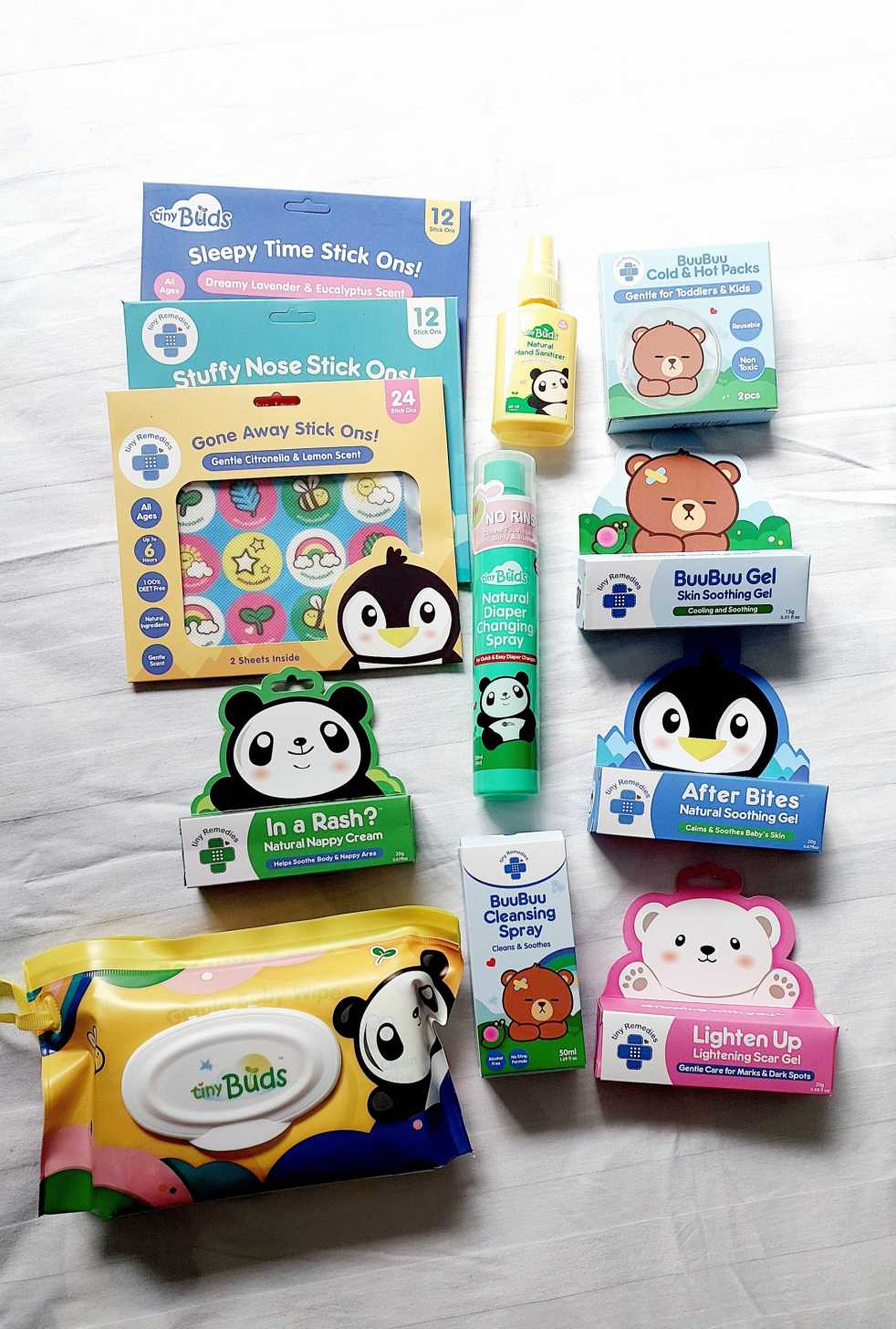
Your baby’s skin is more delicate than most, this is why you have to choose products that are designed for sensitive skin. Tiny Buds is a pioneer in integrating natural ingredients into baby care and today has over 50 innovative natural baby care essentials and is one of the Top Baby Personal Care brands. Here… Continue reading Product Review: Tiny Buds Baby Naturals Baby Essentials
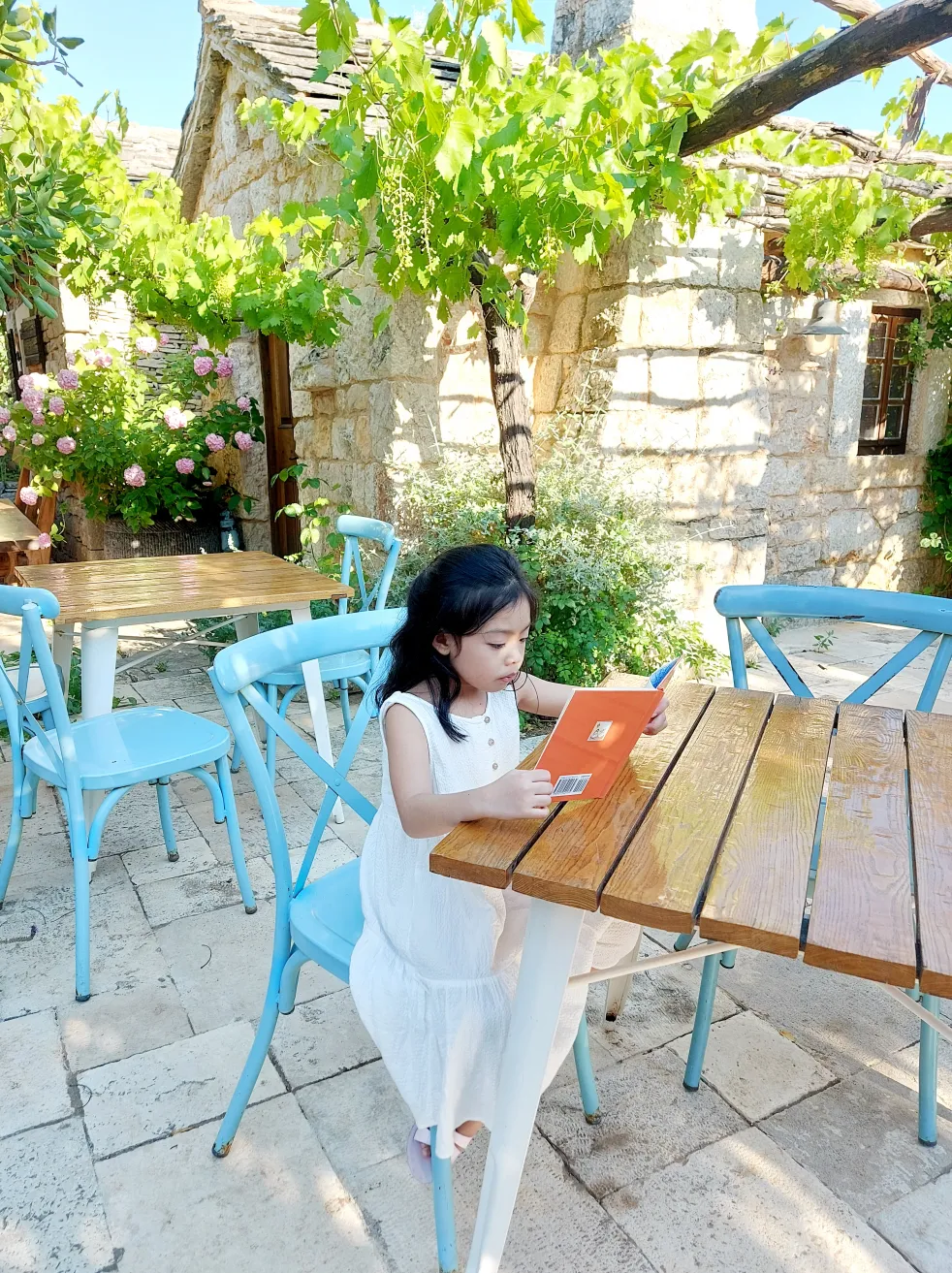
Where your child goes to school is a big decision and shouldn’t be taken lightly. Given how their education can impact their future, you might be tempted to take control and decide for them. However, you might be doing more damage than helping them in the long run. Your job as parents is to support… Continue reading HOW TO CHOOSE THE BEST SCHOOL FOR YOUR CHILD
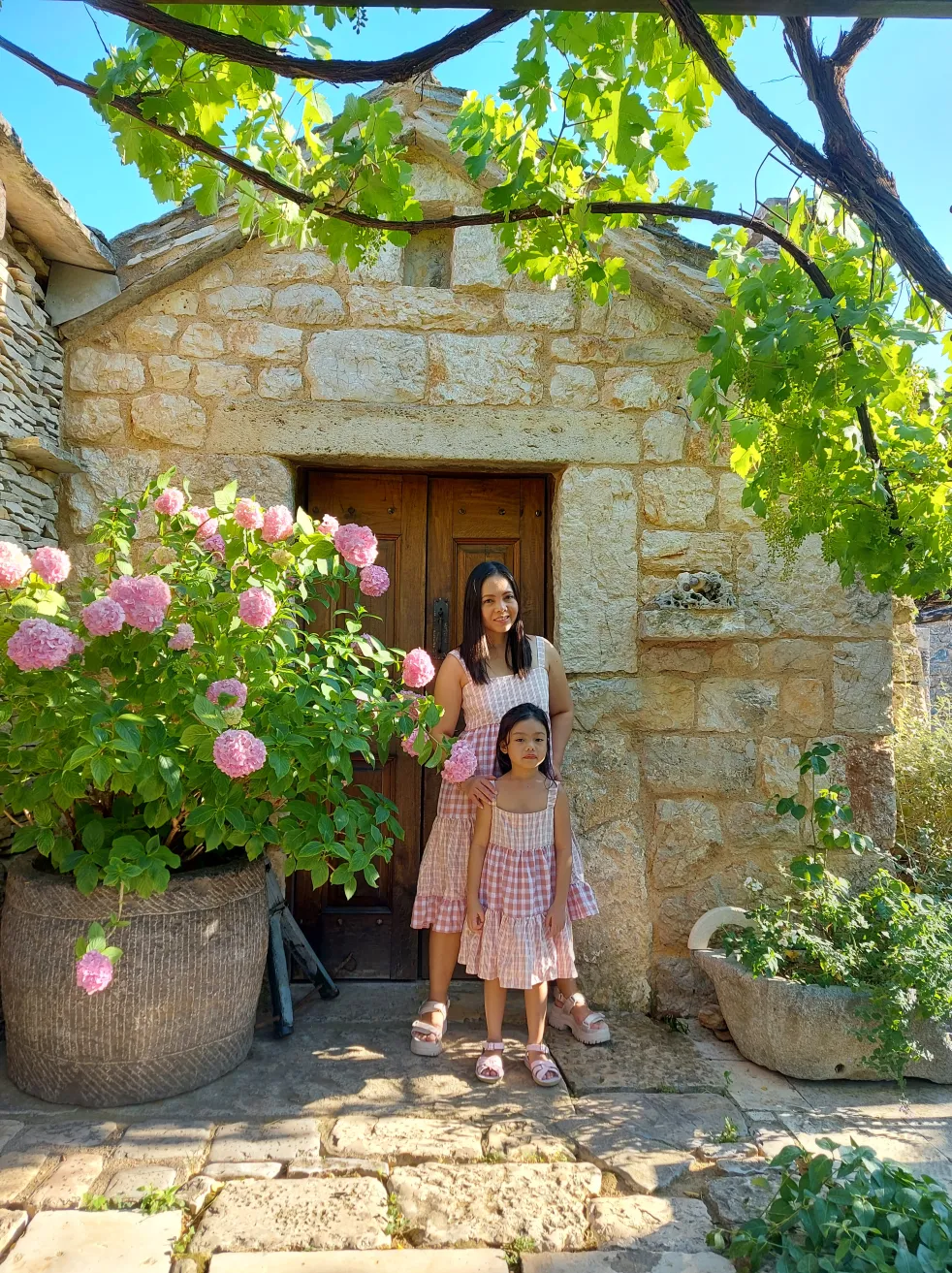
As poet and philosopher Rumi once eloquently said, “raise your words, not your voice. It is rain that grows flowers, not thunder.” Parenting is a challenging journey, and the truth is that nobody has everything figured out. One parenting style might suit others best, and some might favor other methods. However, children respond better to… Continue reading A SIMPLE GUIDE TO GENTLE PARENTING

Whether you’re a new mom to be, mom of a toddler, mom who have school-aged kids, you’re bound to have so many questions. Let's start with your baby's skin. Infant skin has unique needs; gentle care is essential to prevent damage to the skin barrier, which can lead to irritation. When caring for infant skin,… Continue reading Keeping Baby’s Diapered Skin Healthy
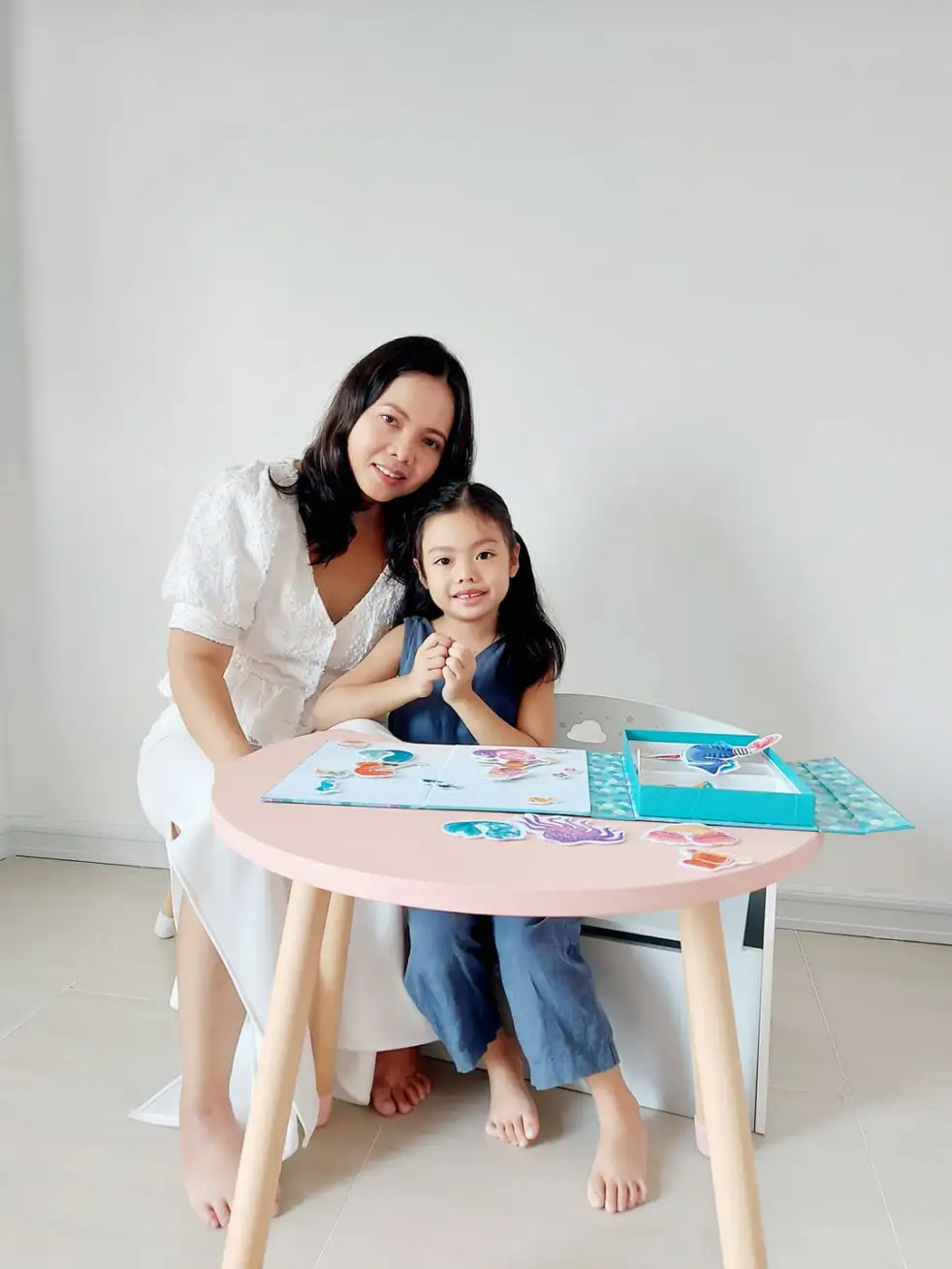
As parents, we want to give our child the best possible start in life and that begins with nurturing their intelligence. Throughout history, the notion of success has been linked to academic intelligence. However, there has been an increased awareness on the importance of emotional intelligence. This question gets at the heart of the never-ending… Continue reading IQ or EQ, which one is a better predictor of your child’s success?
 wondermomma.net