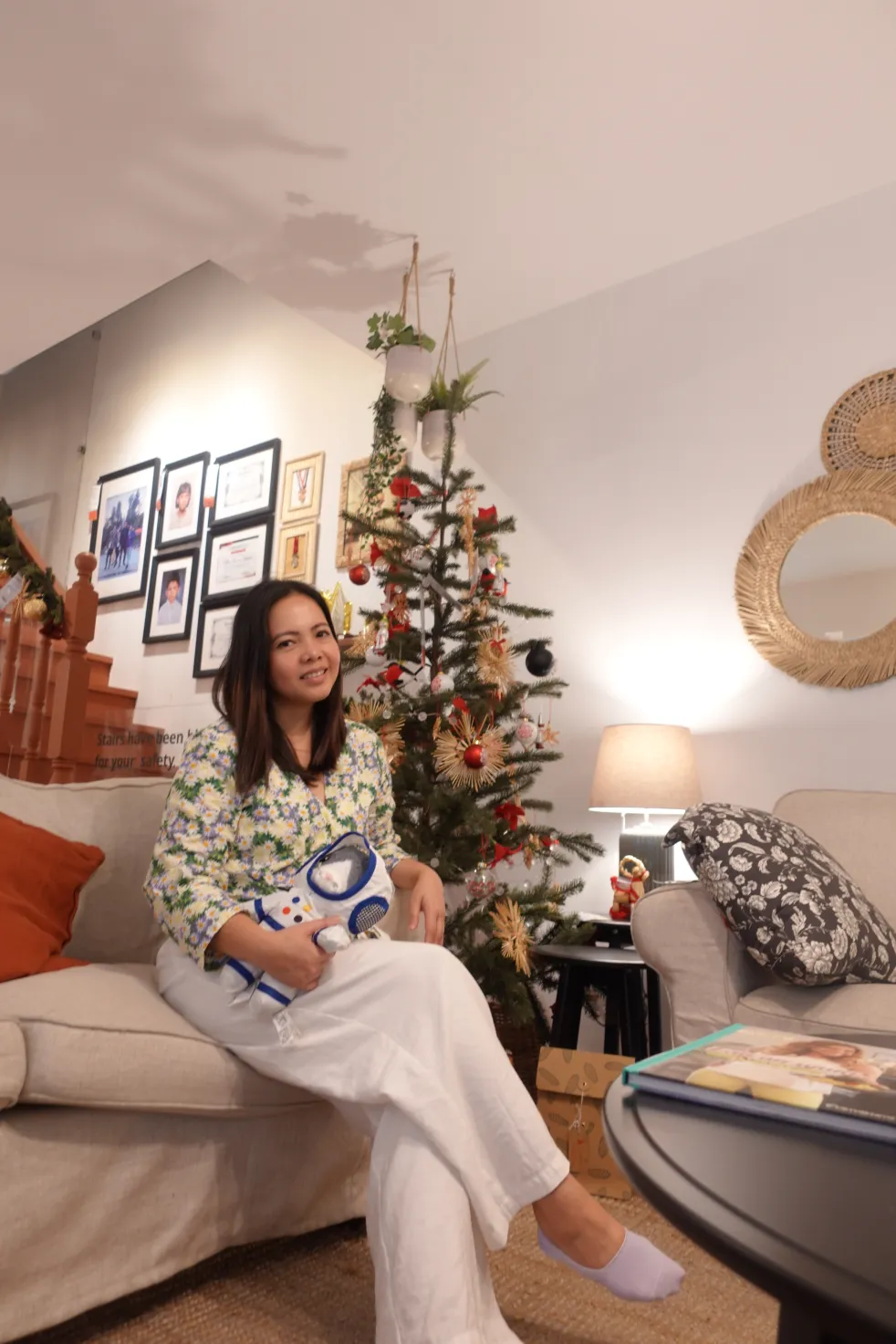
Last August, IKEA Philippines engaged with Better World Smokey Mountain, a newly opened community center operated by the San Miguel Foundation, which shares a similar goal of improving the lives of many Filipino people. Through this partnership, IKEA Philippines provided and assembled home furnishings for the classrooms and library of Better World Smokey Mountain community… Continue reading Help Create a Better World with IKEA Soft Toys
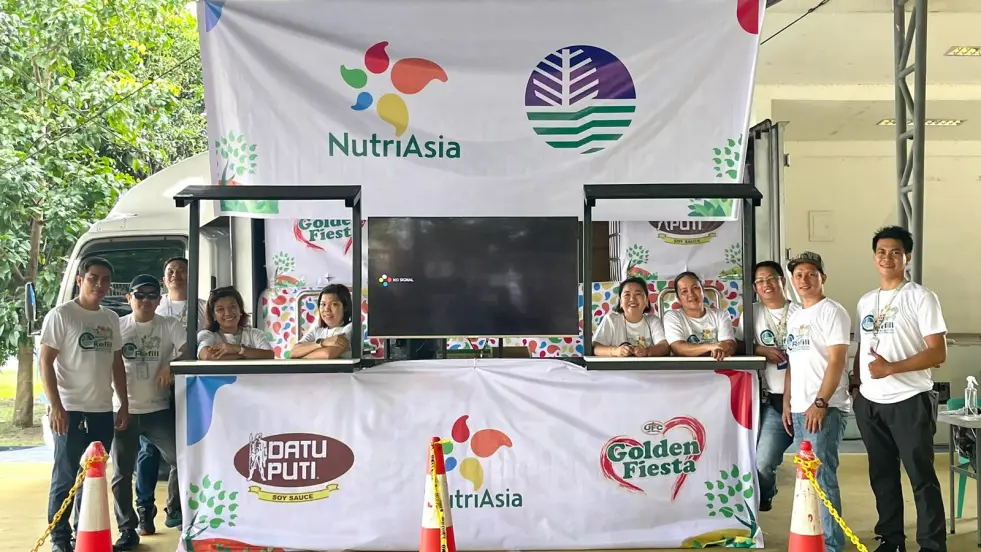
NutriAsia, the country’s top producer of condiments and sauces, continues its support of Refill Revolution; a project by the Department of Environment and Natural Resources EMB 3 that aims to help reduce Filipinos’ single-use plastics consumption. At Refill Revolution, residents get to recycle their single-use plastic bottles by reusing and filling it with their choice… Continue reading NutriAsia and DENR renews partnership for Refill Revolution

How music lessons help toddlers grow and where to begin in Australia
From the first lullaby hummed in a quiet nursery to the boisterous singalong at a Brisbane community centre, music weaves through daily life with Australian families. Toddlers respond to rhythm almost instinctively, bouncing to a clap, swaying to a strum, or trying to copy the chorus of a favourite ABC Kids song. That natural pull towards sound is more than cute behaviour. It is the foundation for skills that last a lifetime, and the early years are when the groundwork is laid most effectively.
Parents often wonder whether formal lessons are worth it at such a young age, or whether free play and family singalongs are enough. The honest answer is that both have a role. Structured exposure to music in a gentle, playful setting amplifies the benefits of everyday musical moments. Knowing what those benefits look like, and which programs suit your toddler, makes the journey easier and far more rewarding.
Why music matters in toddlerhood
Between birth and age five, the brain forms neural connections at a remarkable pace. Music stimulates many of those pathways at once, engaging listening, memory, movement and emotion simultaneously. The Australian Early Years Learning Framework recognises the arts, including music, as a vital part of holistic development, listing creative expression alongside identity, wellbeing and communication as core learning outcomes.
Toddlers are also in what educators call the sensitive period for sound. Their ears can distinguish subtle differences in pitch and rhythm long before they can speak in full sentences. Tuning into these details through song, percussion and rhythm games builds the auditory processing skills that later support reading, spelling and even maths. Music becomes a quiet workout for the brain, exercised through joy rather than drills.
Cognitive and language growth through song
Songs are one of the fastest ways toddlers build vocabulary. Repetitive lyrics, rhymes and melodies help little ones remember new words without feeling like they are being taught. Clapping along to syllables in songs such as "Five Little Ducks" or "Kookaburra Sits in the Old Gum Tree" reinforces phonological awareness, a strong predictor of later literacy success.
Pattern recognition is another skill music develops naturally. A toddler who learns that a song ends the way it began, or that the chorus always returns after a verse, is exercising the same mental muscles used in understanding sequences in maths and science. Memory also gets a workout, as children recall melodies, lyrics and rhythm patterns from week to week. Parents in Melbourne and Sydney often report that their toddlers begin singing snatches of songs from daycare, showing how quickly those skills consolidate when music is part of the daily rhythm.
Social and emotional development in group music
Music classes for toddlers are usually group experiences, and that brings a layer of social learning that screen time cannot match. Children learn to wait for their turn on the tambourine, share instruments, follow a leader, and respond to cues from both the teacher and their peers. These small moments build the foundation for cooperation and self-regulation.
Emotionally, music gives toddlers a safe way to express feelings that they do not yet have words for. A slow, gentle piece can soothe a frustrated child, while an upbeat song can lift a tired mood. Many Australian music programs draw on principles from music therapy, using lullaby-style moments to help children wind down and mirroring the soothing routines parents use at home. Over time, children begin to connect certain sounds with feelings, learning to self-regulate through music long before they can articulate why a song makes them happy or calm.
The presence of a parent or carer during these classes also strengthens attachment. Sitting together, holding hands during a circle game, or making eye contact during a sung hello builds connection in a way that few other activities replicate. For working parents, this shared musical time can become one of the highlights of the week.
Movement, coordination and motor skills
Music and movement are inseparable in toddlerhood. Dancing, marching, swaying, tapping, and shaking instruments all engage the body in ways that develop both gross and fine motor skills. Jumping in time to a beat strengthens large muscle groups and improves balance, while picking up a maraca or pressing a keyboard key refines the small muscles of the hands and fingers.
Rhythm is also closely tied to body awareness. A child who can stop moving when the music stops, or copy a teacher's clap pattern, is learning to coordinate what their body does with what their ears hear. This kind of cross-body coordination supports later skills like handwriting, typing, and even sports. In a country as outdoor-focused as Australia, these building blocks often translate into confidence on the playground, at the beach, or during a weekend sports session.
Comparing popular music programs for young children
| Program | Typical age range | Teaching approach | Parent involvement | What to expect in a class |
|---|---|---|---|---|
| Suzuki Early Childhood Music | 0 to 3 years | Listening-based, gentle repetition modelled on language learning | High, parent attends and learns alongside | Singing, simple percussion, listening to recordings |
| Orff Schulwerk | 3 to 5 years | Movement, speech, rhythm and improvisation with simple instruments | Moderate, parents often join | Body percussion, xylophones, creative play |
| Kodály-inspired programs | 2 to 5 years | Folk songs, hand signs, solfège to build pitch awareness | Varies, often encouraged at home | Singing games, rhythmic movement |
| General group music classes | 6 months to 5 years | Mixed methods, play-based with songs and props | Usually required for under 3s | Singing, dancing, instrument exploration |
| Private instrument lessons | 4 years and up | One-on-one tuition on a chosen instrument | Parent attends for younger learners | Structured learning, theory, practice |
Each approach has its strengths. Suzuki and Kodály are deeply rooted in ear training, while Orff leans into creativity and movement. Group classes offer variety, and private lessons become an option once a child shows interest in a specific instrument.
Younger toddlers often thrive in mixed-method classes where the focus is on play, songs and sensory exploration rather than technique. These sessions, typically lasting thirty to forty-five minutes, give little ones time to settle in, watch others, and gradually join in at their own pace. By the time a child turns three or four, more structured approaches such as Orff or Kodály can deepen their understanding of rhythm and pitch, setting them up well for later instrumental study if they choose to pursue it.
Where to start music lessons in Australia
The good news is that families across Australia have plenty of options, whether they live in a capital city or a regional town. Major providers such as Kindermusik, Yamaha Music School and Music Together run licensed programs in most states, with classes held in community halls, music studios and childcare centres. Local councils often subsidise early childhood programs through their family and children's services, so checking the Brisbane, Sydney or Melbourne council websites can reveal free or low-cost sessions close to home.
Public libraries are another underrated starting point. Many branches, including Brisbane Square Library and several Melbourne City Libraries locations, host weekly baby bounce and toddler music sessions that require no booking and no fee. These are perfect for families who want to test the waters before committing to a paid program.
When choosing a class, look for a qualified teacher who understands early childhood development, a small group size that allows individual attention, and a curriculum that balances structure with free play. A free trial class is almost always available, and it is worth attending at least two sessions before deciding. Pricing varies widely, with group classes typically ranging from around fifteen to twenty-five Australian dollars per session, depending on the suburb and provider.
The best music education at home costs nothing. Singing in the car, clapping to a song on the radio, or sharing a quiet moment with a tambourine before bed are all part of the same musical journey. Lessons simply add a layer of structure and community to what is already happening naturally in your family.
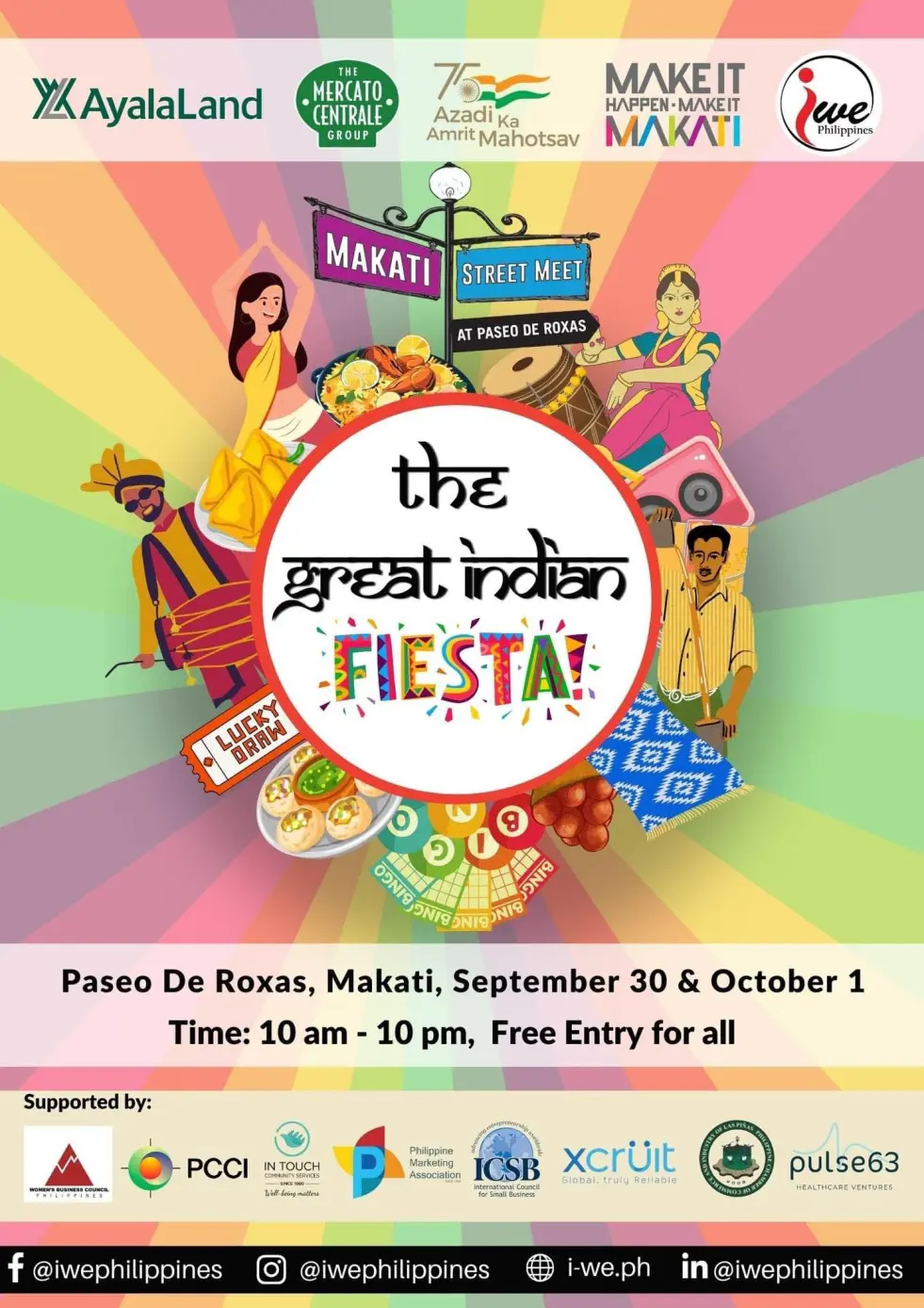
Mercato Centrale, in collaboration with Indian Women in Enterprise Philippines (I-We), is set to host "The Great Indian Fiesta" to mark 75 years of friendship between India and the Philippines. The dynamic two-day event is scheduled to take place on September 30 to October 1, 2023, at Paseo De Roxas Street, Makati City. Aiming to… Continue reading Mercato Centrale Partners with I-We to Host ‘The Great Indian Fiesta’, Commemorating 75 Years of India-Philippines Friendship

My stomach would usually start growling at 10 am even after taking a big breakfast. This is probably because I am a morning person and I move a lot throughout the day hence snacking is something that I can't avoid. This potatoes and chicken wrap recipe is easy to prepare and would keep me full… Continue reading Potato and Chicken Wrap
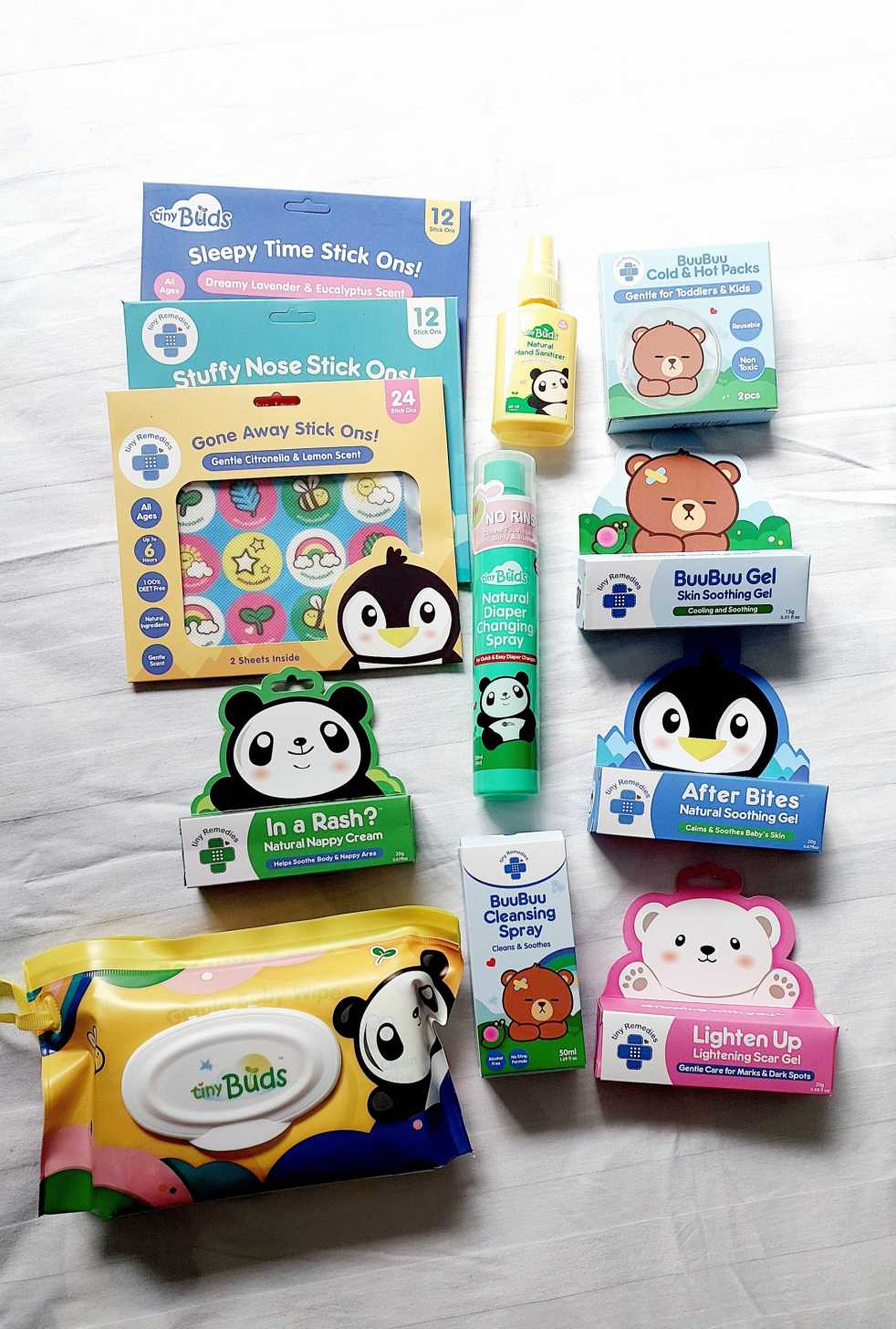
Your baby’s skin is more delicate than most, this is why you have to choose products that are designed for sensitive skin. Tiny Buds is a pioneer in integrating natural ingredients into baby care and today has over 50 innovative natural baby care essentials and is one of the Top Baby Personal Care brands. Here… Continue reading Product Review: Tiny Buds Baby Naturals Baby Essentials
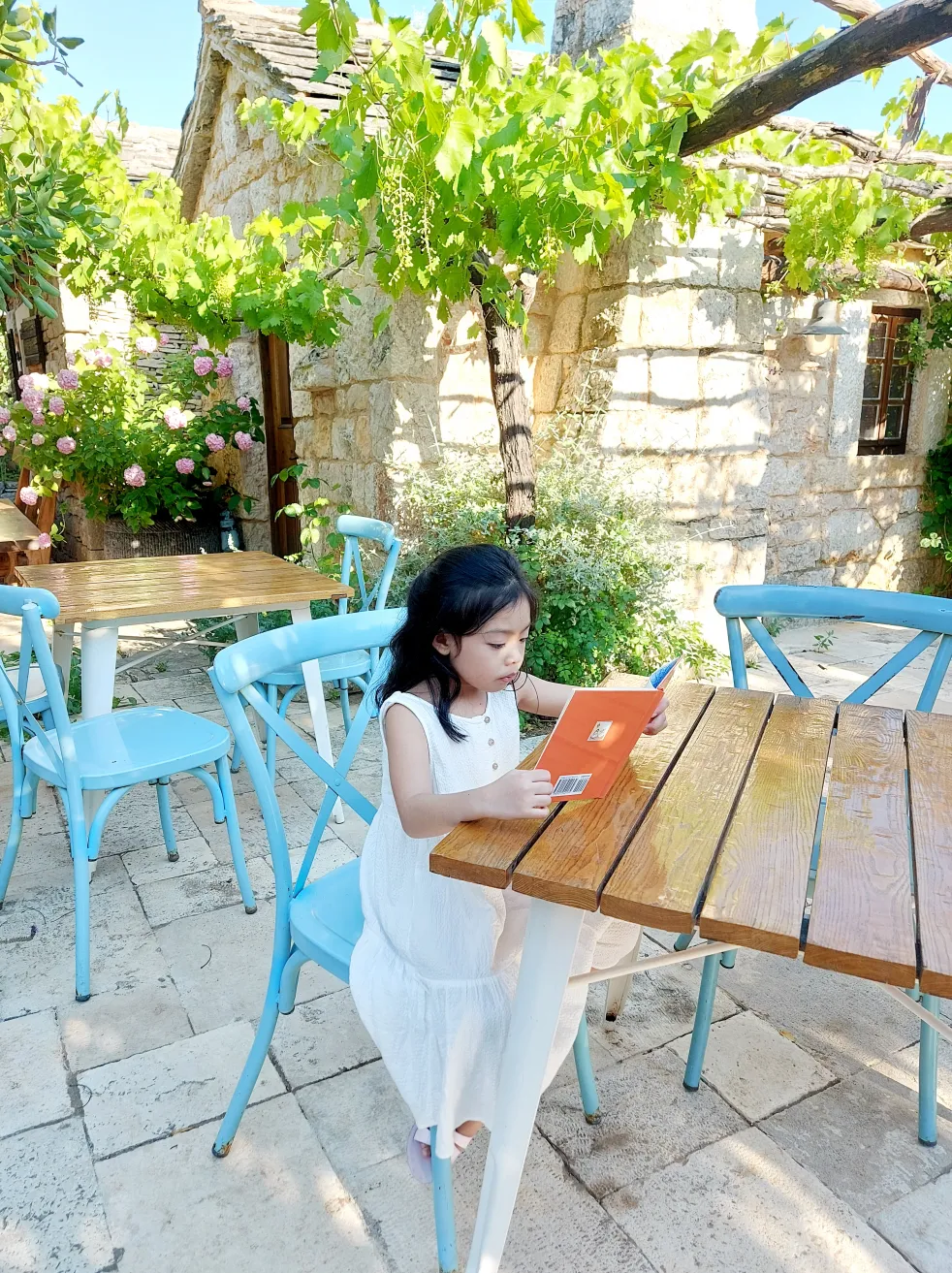
Where your child goes to school is a big decision and shouldn’t be taken lightly. Given how their education can impact their future, you might be tempted to take control and decide for them. However, you might be doing more damage than helping them in the long run. Your job as parents is to support… Continue reading HOW TO CHOOSE THE BEST SCHOOL FOR YOUR CHILD
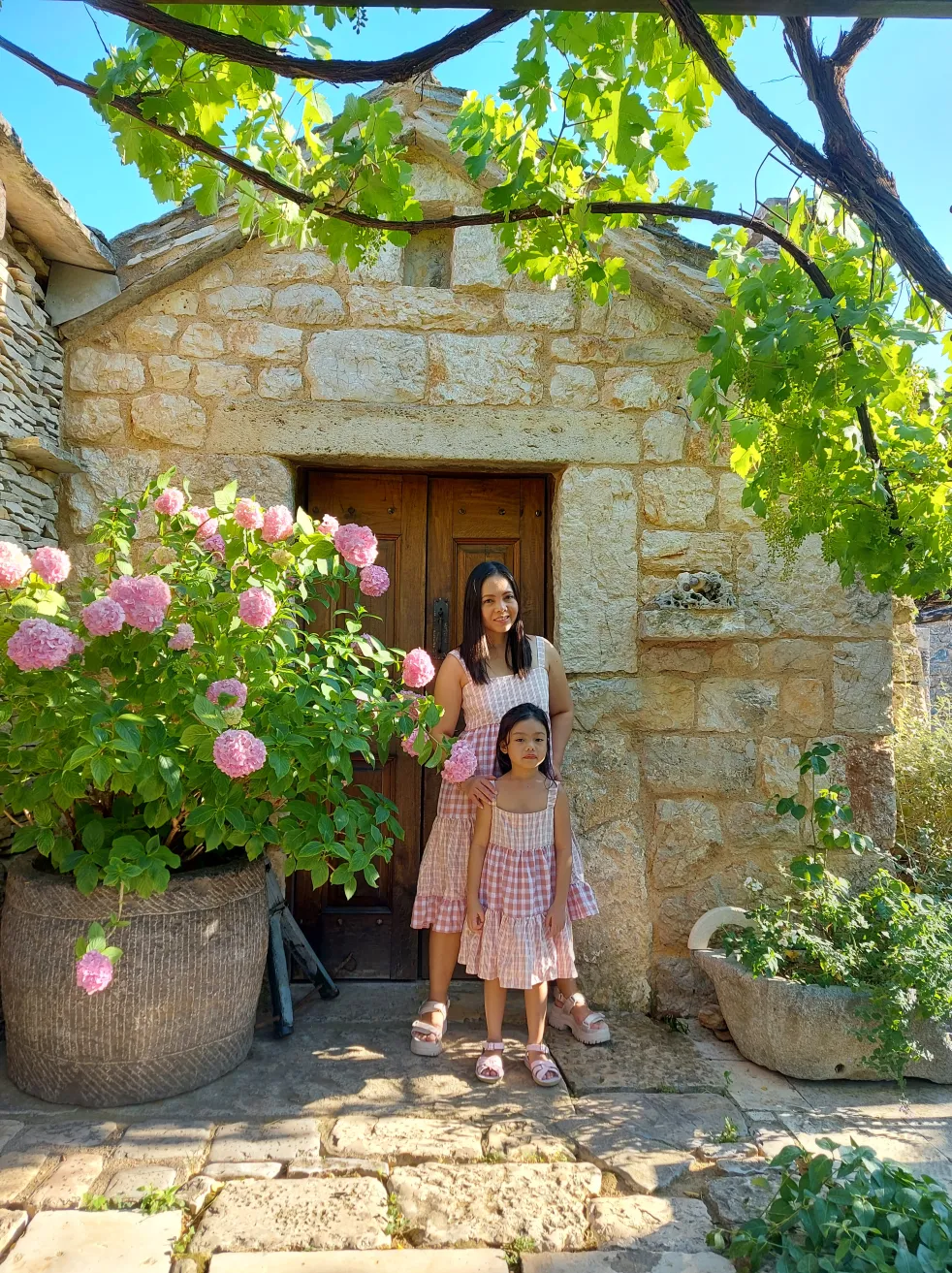
As poet and philosopher Rumi once eloquently said, “raise your words, not your voice. It is rain that grows flowers, not thunder.” Parenting is a challenging journey, and the truth is that nobody has everything figured out. One parenting style might suit others best, and some might favor other methods. However, children respond better to… Continue reading A SIMPLE GUIDE TO GENTLE PARENTING
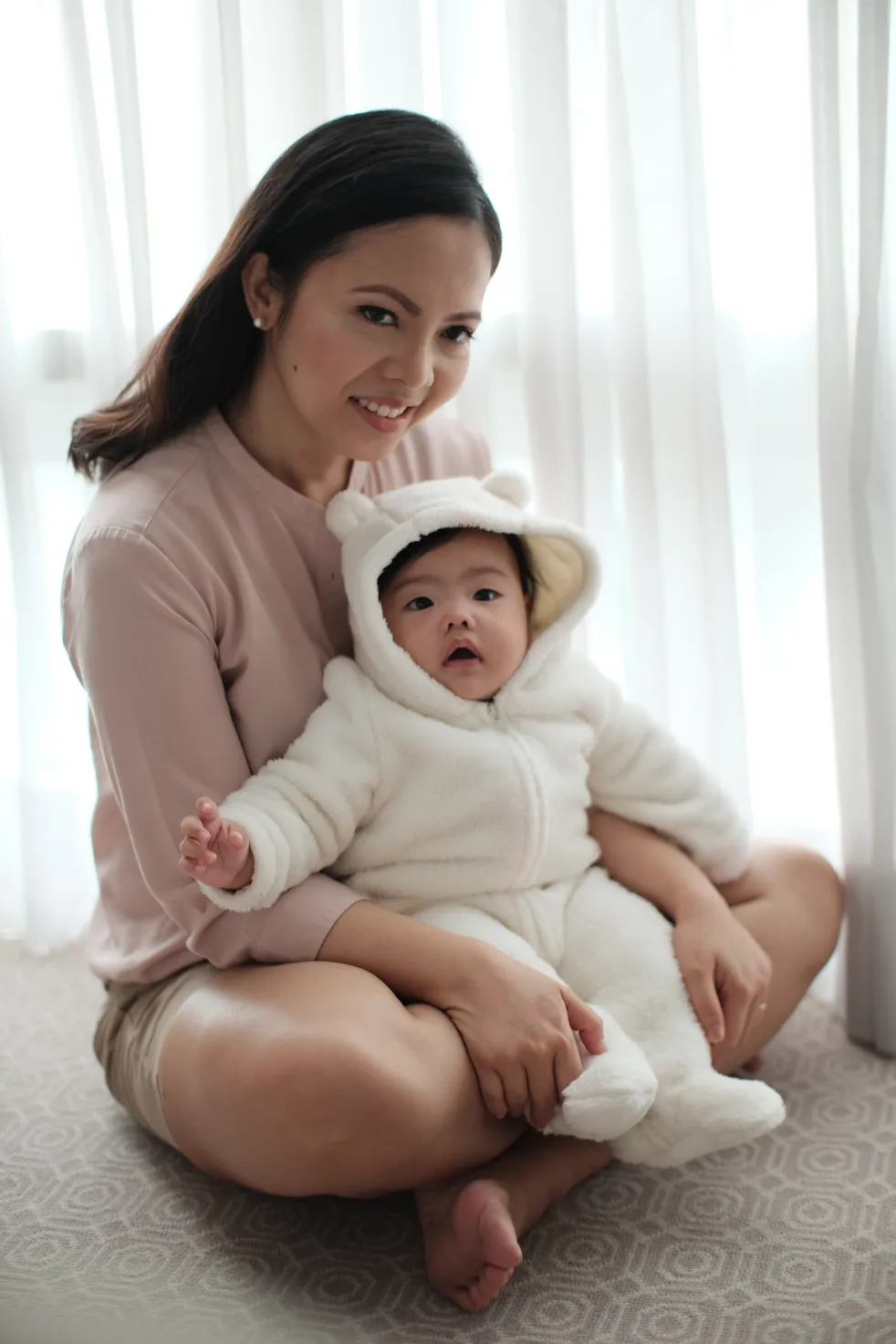
Whether you’re a new mom to be, mom of a toddler, mom who have school-aged kids, you’re bound to have so many questions. Let's start with your baby's skin. Infant skin has unique needs; gentle care is essential to prevent damage to the skin barrier, which can lead to irritation. When caring for infant skin,… Continue reading Keeping Baby’s Diapered Skin Healthy
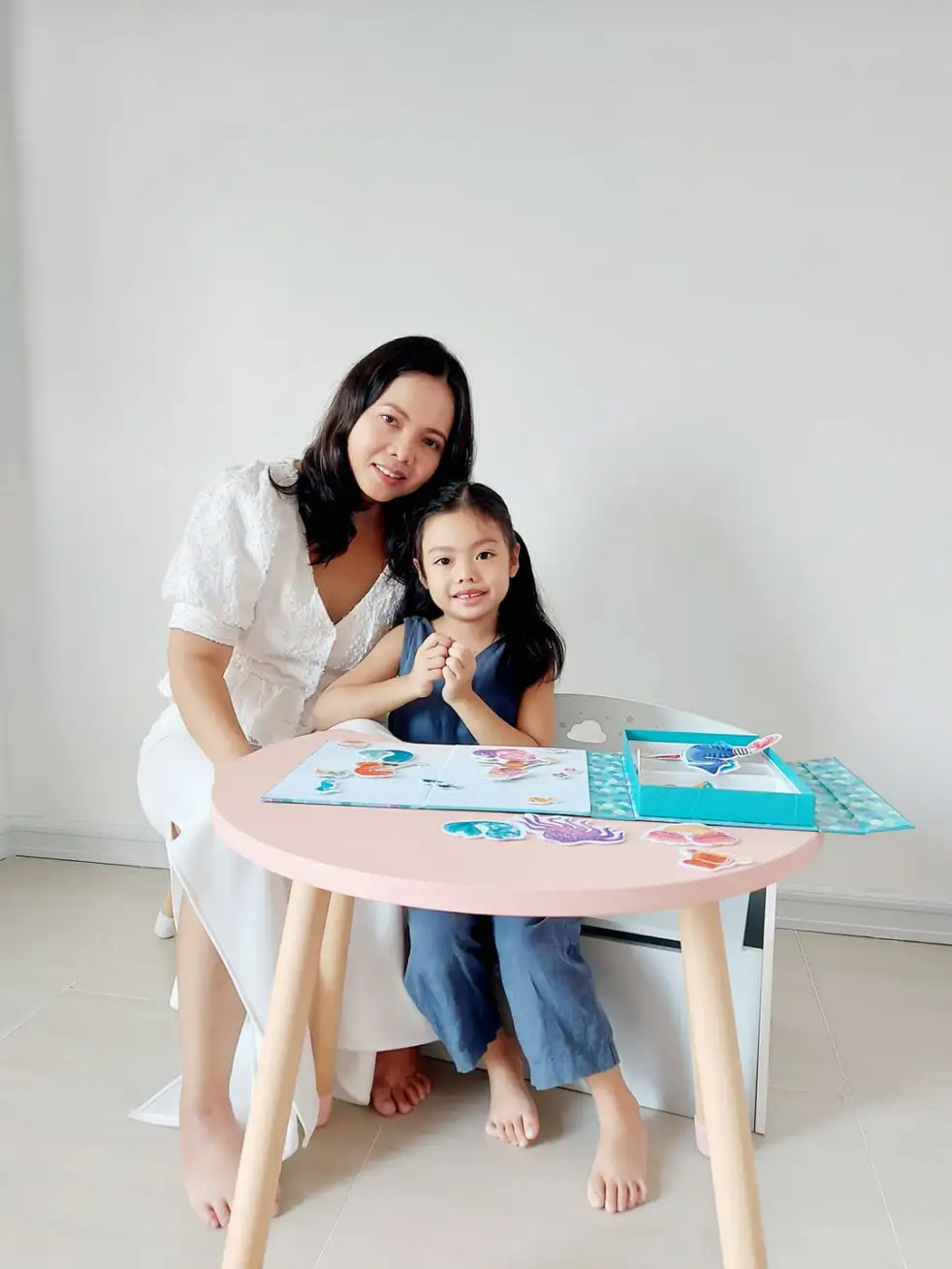
As parents, we want to give our child the best possible start in life and that begins with nurturing their intelligence. Throughout history, the notion of success has been linked to academic intelligence. However, there has been an increased awareness on the importance of emotional intelligence. This question gets at the heart of the never-ending… Continue reading IQ or EQ, which one is a better predictor of your child’s success?
 wondermomma.net