

Last August, IKEA Philippines engaged with Better World Smokey Mountain, a newly opened community center operated by the San Miguel Foundation, which shares a similar goal of improving the lives of many Filipino people. Through this partnership, IKEA Philippines provided and assembled home furnishings for the classrooms and library of Better World Smokey Mountain community… Continue reading Help Create a Better World with IKEA Soft Toys
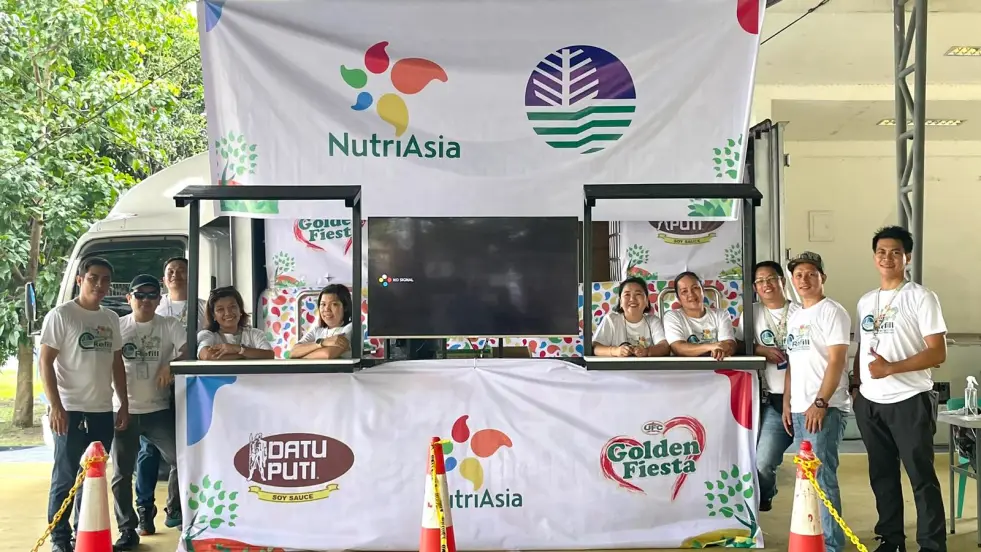
NutriAsia, the country’s top producer of condiments and sauces, continues its support of Refill Revolution; a project by the Department of Environment and Natural Resources EMB 3 that aims to help reduce Filipinos’ single-use plastics consumption. At Refill Revolution, residents get to recycle their single-use plastic bottles by reusing and filling it with their choice… Continue reading NutriAsia and DENR renews partnership for Refill Revolution

Family Meals for Connection, Learning and Everyday Calm
Family meal times are moments when everyone can pause, share food and be together without needing a special occasion. They can happen at the kitchen table, on the back patio, in the car before an early school run or around the coffee table on a busy Sunday. The important part is not the menu or perfect manners, but the reliable chance to connect.
Sharing food gives family life a natural rhythm. Children hear adult conversations, practise social skills and learn that feelings can be discussed safely. Parents gain a better understanding of what is happening in their children’s lives, while the adults also get time to talk without the usual interruptions. These benefits of family meal times strengthen relationships in ordinary, repeatable ways.
In Australia, the timing can be less straightforward because many children are collected from school around three o’clock, followed by sport, swimming, childcare or a play at a friend’s house. A meal at six o’clock may therefore mean feeding children before adults are ready to sit down. Some families share an early dinner, some eat together later and others make the breakfast or lunch table their main connection point.
Starting does not require a fixed schedule or homemade food for every plate. Begin with one meal that is already fairly calm, invite everyone to take a seat and let conversation flow. Repetition matters more than elaborate recipes, and even ten shared minutes can become a valued part of the week.
The benefits of sharing food
Regular shared meals can give children a stronger sense of emotional security. Familiar routines reduce uncertainty, and children know they can expect attention and conversation at a particular time of day. This is especially useful when family life includes changing work hours, school transitions or the normal ups and downs of sibling relationships.
Meals also create space for meaningful conversation. Instead of asking a series of quick questions while food is being served, families can talk about the day, what the children enjoyed, what worried them and what they are looking forward to. Parents may notice changes in mood, sleep or appetite that would otherwise be missed in the busyness of after-school routines.
The sense of belonging created around food can extend beyond the meal itself. Children learn that family members solve problems together, celebrate small achievements and make time for one another. These habits help build resilience without making food or conversation feel like another lesson or obligation.
Fit meals around real family life
Choose a connection point that matches your household rather than copying an ideal schedule. If evenings are busiest, a weekend lunch or a relaxed breakfast may work better. Families might also share a simple plate while one child finishes homework and another changes out of football boots. Connection does not depend on everyone arriving at the same moment or remaining at the table for the entire meal.
Australian supermarkets make it possible to keep shared meals affordable while varying the menu. Woolworths and Coles offer weekly specials, fresh produce and reduced-price items, while Aldi is often popular with budget-conscious households. Local greengrocers and weekend markets can provide seasonal fruit and vegetables, and using a freezer for bread, grated cheese or portioned meat can make busy evenings easier.
Weather and regional conditions deserve consideration too. Melbourne’s changeable seasons can turn a planned outdoor dinner into an indoor meal, while Brisbane families may prefer lighter dishes during humid evenings. A back patio, verandah or open window can make the same simple food feel welcoming without creating extra work. Families can build menus around whatever is fresh, on special and comfortable to eat at that time of year.
Build a simple weekly rhythm
A short plan prevents shared meals from feeling like another household project. Choose two or three dinners for the week and decide what will happen on the other evenings. This might include eating separately at different times, using a ready-made meal or having an early tea together before the evening rush. The aim is to protect a few predictable connection points rather than insist that every meal is communal.
A flexible formula can make planning less complicated: something from the freezer, a tray of vegetables, a grain or bread, a protein and a sauce everyone likes. Children can be offered the same components while choosing how they are combined. Familiar favourites such as pasta, rice, wraps or baked potatoes often travel well across different tastes and developmental stages.
Plan for leftovers without treating them as a failure of the original meal. Extra vegetables can become a soup, chopped salad or lunchbox addition, while cooked meat or beans can be used the next day. Refrigerate perishable leftovers promptly, especially during warmer weather, and follow Australian food safety guidance when food has been left out for an extended period.
| Shared meal format | Main connection benefit | Best fit for | Possible snag |
|---|---|---|---|
| Family dinner | End-of-day debrief and shared routine | Households with predictable evenings | Late activities or sports |
| Breakfast gathering | A calm start and morning check-in | Families who prefer earlier conversations | Rushed school mornings |
| Weekend lunch | Relaxed conversation without bedtime pressure | Busy weekday households | Less frequent contact |
| Early evening tea | A short connection point after school | Families with late dinners | Children may still be hungry |
| Takeaway at home | Choice and a relaxed change of setting | Mixed schedules or a fun night | Easy to serve while distracted |
Include children without pressure
Children can contribute in ways suited to their age and confidence. Younger children can wash vegetables, tear herbs, set bowls or place bread in a basket. Older children can help check the shopping list, choose a sauce, serve food or suggest what to cook. Participation turns waiting for dinner into a shared activity and gives children some ownership without making them responsible for the whole meal.
A gentle approach is more useful than pressure at the table. Adults can offer a small amount of an unfamiliar food, explain its taste and texture, and continue the conversation without insisting on a taste or a second helping. Repeated exposure may increase familiarity over time. A child declining a dish is not a refusal to participate in family life, and short meals, side dishes or eating together later can prevent the meal from becoming distressing.
Australian family slang makes this process easier in many homes. Children may call breakfast brekkie or refer to the after-school meal as arvo tea, while adults often encourage them to have another serve of the veggies. Using everyday language keeps the tone warm, but adults should avoid turning food into a test of obedience. Respect, curiosity and manageable choices support eating confidence more effectively than rewards, threats or guilt.
Keep family meals sustainable
No routine survives every change, and a missed shared meal is not a reason to abandon the habit. Shift workers, school holidays, sport seasons and caring responsibilities will alter the pattern at times. Keeping one flexible option in the week, such as breakfast together or a simple meal at the park, makes the practice easier to resume when the usual routine returns.
Shared meals can also connect families beyond their own homes. Inviting relatives, neighbours or friends to eat together supports community ties and exposes children to different traditions and conversation styles. Many Australian families use a backyard barbecue, local park or community centre for these gatherings, especially when the weather is suitable. Potluck meals can share the workload while allowing everyone to contribute food from their own background.
The strongest routine is one the family values enough to adjust. Some evenings may feature a carefully planned dinner, while others involve cereal, toast or takeaway eaten together. These moments still count as family connection. When children see that eating together is pleasant, flexible and free of coercion, they are more likely to carry the same appreciation for meals, conversation and shared company into their own friendships.

Mercato Centrale, in collaboration with Indian Women in Enterprise Philippines (I-We), is set to host "The Great Indian Fiesta" to mark 75 years of friendship between India and the Philippines. The dynamic two-day event is scheduled to take place on September 30 to October 1, 2023, at Paseo De Roxas Street, Makati City. Aiming to… Continue reading Mercato Centrale Partners with I-We to Host ‘The Great Indian Fiesta’, Commemorating 75 Years of India-Philippines Friendship

My stomach would usually start growling at 10 am even after taking a big breakfast. This is probably because I am a morning person and I move a lot throughout the day hence snacking is something that I can't avoid. This potatoes and chicken wrap recipe is easy to prepare and would keep me full… Continue reading Potato and Chicken Wrap
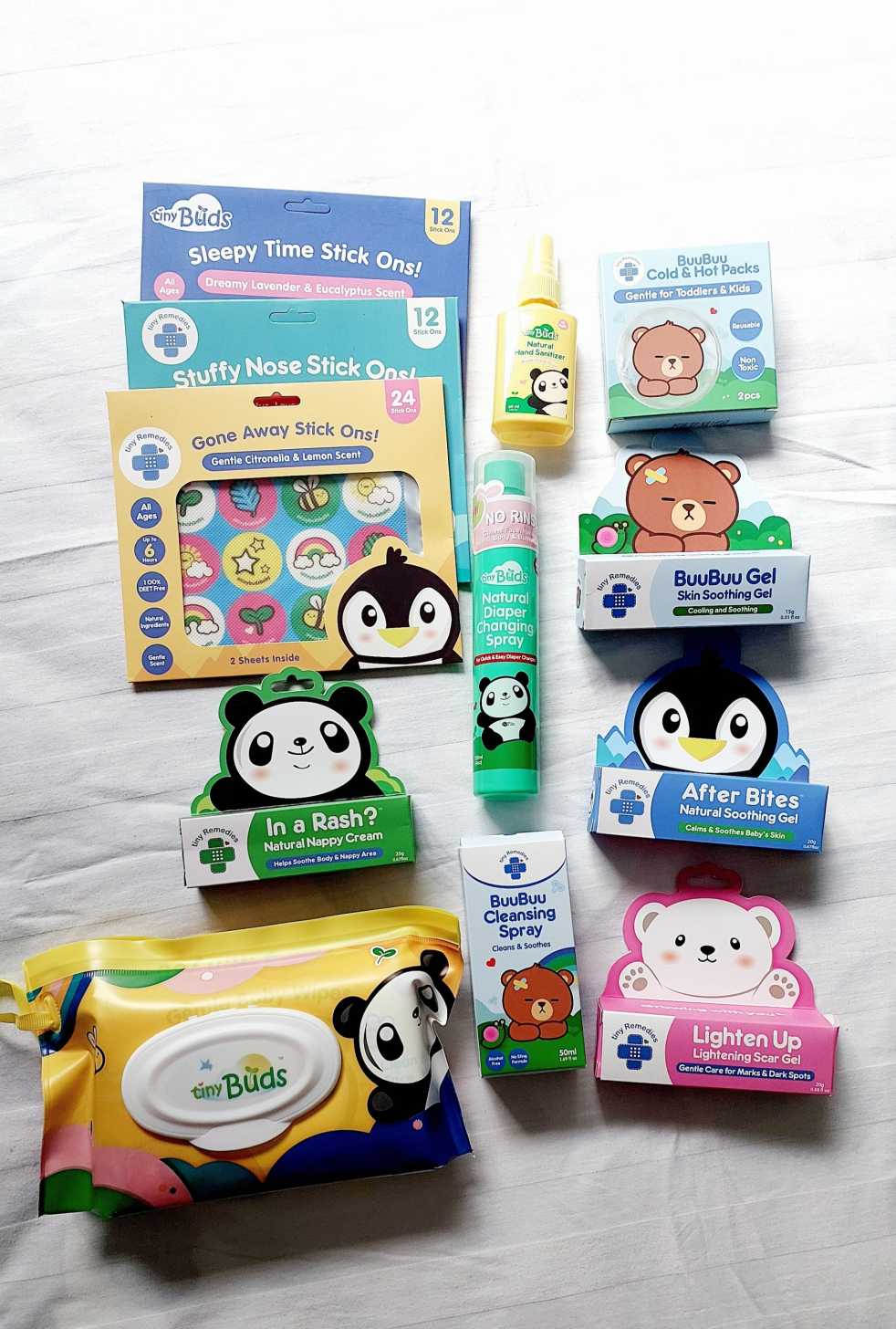
Your baby’s skin is more delicate than most, this is why you have to choose products that are designed for sensitive skin. Tiny Buds is a pioneer in integrating natural ingredients into baby care and today has over 50 innovative natural baby care essentials and is one of the Top Baby Personal Care brands. Here… Continue reading Product Review: Tiny Buds Baby Naturals Baby Essentials
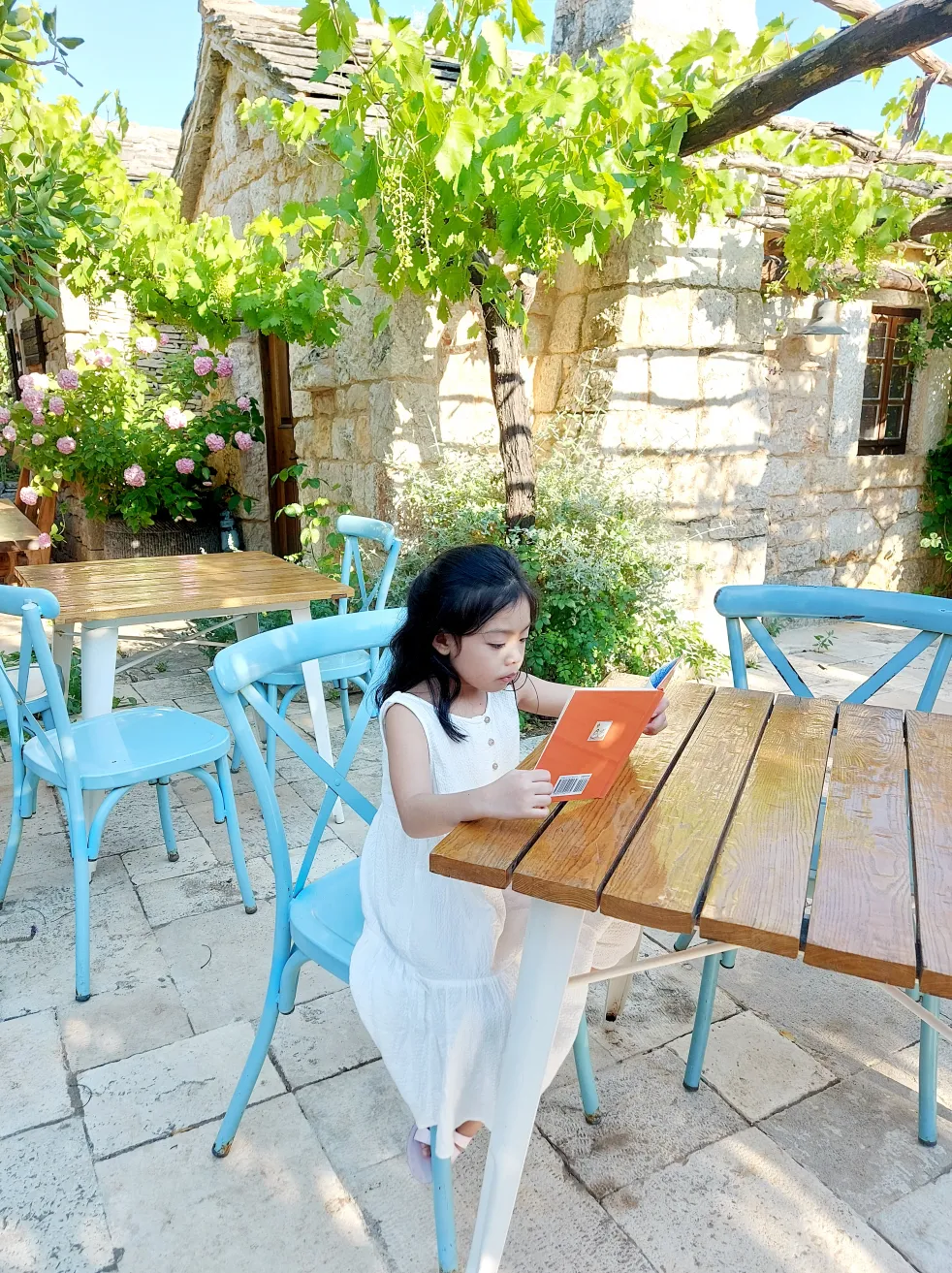
Where your child goes to school is a big decision and shouldn’t be taken lightly. Given how their education can impact their future, you might be tempted to take control and decide for them. However, you might be doing more damage than helping them in the long run. Your job as parents is to support… Continue reading HOW TO CHOOSE THE BEST SCHOOL FOR YOUR CHILD

As poet and philosopher Rumi once eloquently said, “raise your words, not your voice. It is rain that grows flowers, not thunder.” Parenting is a challenging journey, and the truth is that nobody has everything figured out. One parenting style might suit others best, and some might favor other methods. However, children respond better to… Continue reading A SIMPLE GUIDE TO GENTLE PARENTING

Whether you’re a new mom to be, mom of a toddler, mom who have school-aged kids, you’re bound to have so many questions. Let's start with your baby's skin. Infant skin has unique needs; gentle care is essential to prevent damage to the skin barrier, which can lead to irritation. When caring for infant skin,… Continue reading Keeping Baby’s Diapered Skin Healthy
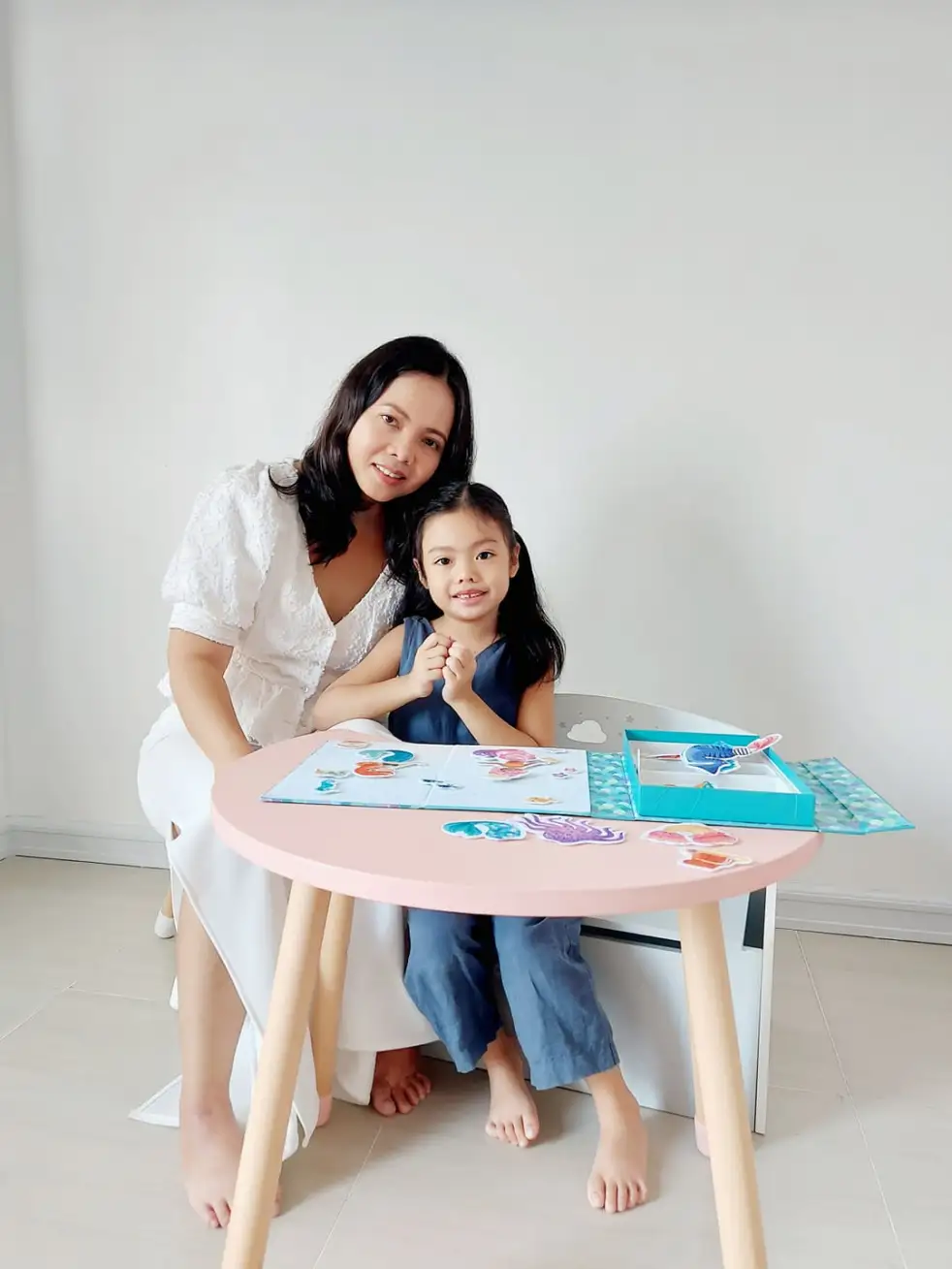
As parents, we want to give our child the best possible start in life and that begins with nurturing their intelligence. Throughout history, the notion of success has been linked to academic intelligence. However, there has been an increased awareness on the importance of emotional intelligence. This question gets at the heart of the never-ending… Continue reading IQ or EQ, which one is a better predictor of your child’s success?
 wondermomma.net