
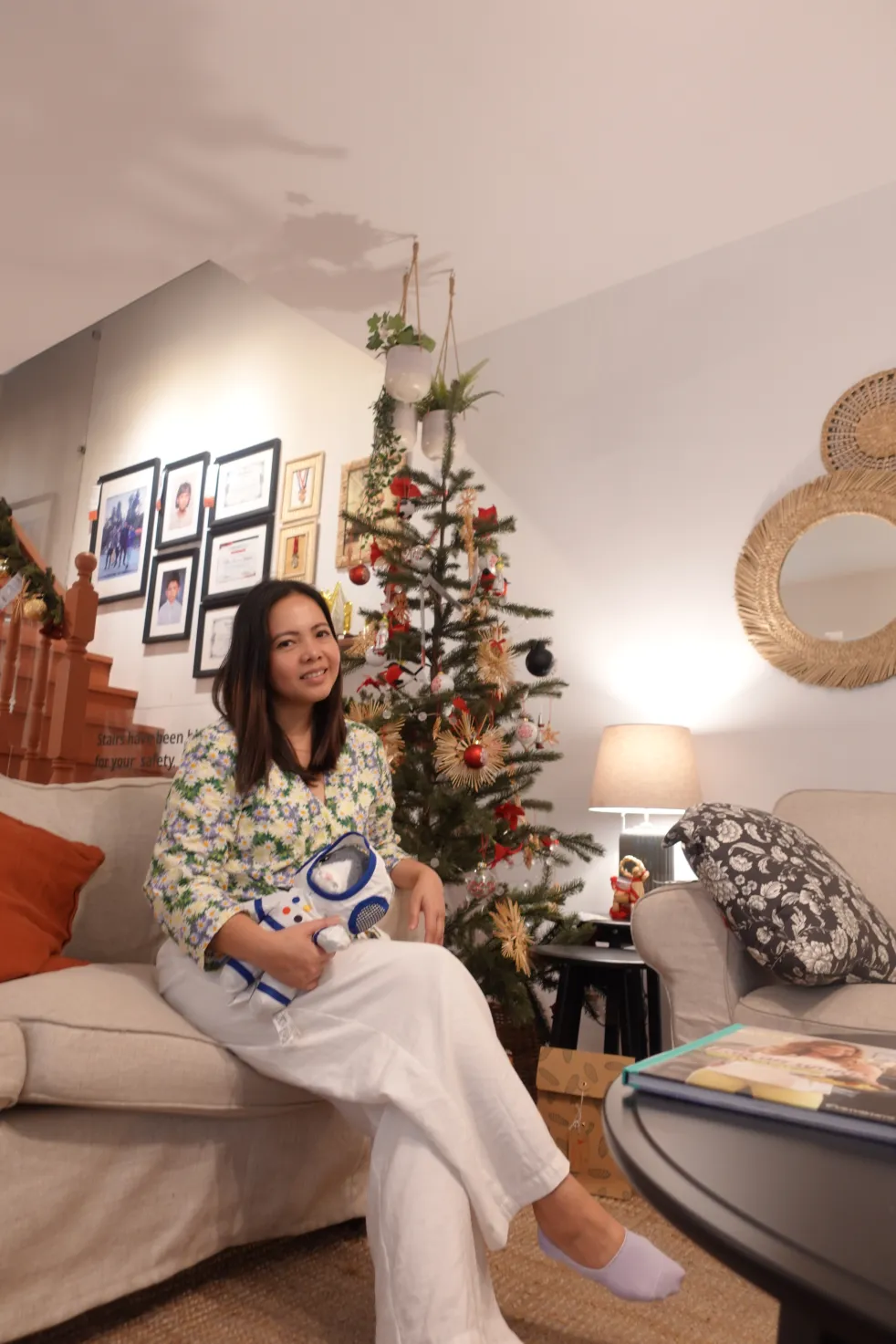
Last August, IKEA Philippines engaged with Better World Smokey Mountain, a newly opened community center operated by the San Miguel Foundation, which shares a similar goal of improving the lives of many Filipino people. Through this partnership, IKEA Philippines provided and assembled home furnishings for the classrooms and library of Better World Smokey Mountain community… Continue reading Help Create a Better World with IKEA Soft Toys
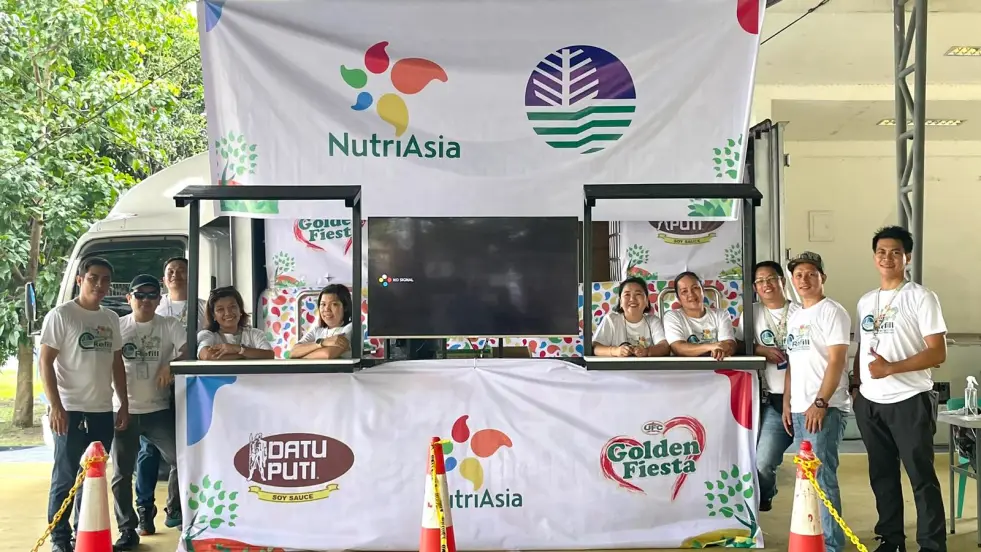
NutriAsia, the country’s top producer of condiments and sauces, continues its support of Refill Revolution; a project by the Department of Environment and Natural Resources EMB 3 that aims to help reduce Filipinos’ single-use plastics consumption. At Refill Revolution, residents get to recycle their single-use plastic bottles by reusing and filling it with their choice… Continue reading NutriAsia and DENR renews partnership for Refill Revolution

The benefits of barefoot play for child development
Barefoot play gives children a direct connection with the ground beneath them. Feeling grass, sand, smooth flooring or a slightly uneven path helps young children notice pressure, texture and temperature while they move, stop, balance and change direction. These ordinary experiences can support physical confidence as well as a growing awareness of how their bodies work.
For Australian families, barefoot time can fit naturally into everyday life: a toddler walking across the lawn, a preschooler exploring a sandy beach near Perth, or siblings playing on a mat at home during a hot afternoon in Brisbane. The aim is not to keep children shoeless all day, but to offer safe, varied opportunities that complement supportive footwear.
| Developmental area | What barefoot play may support | Simple activity |
|---|---|---|
| Balance and coordination | Adjusting posture and foot placement | Walk along a grass path |
| Sensory awareness | Recognising texture, pressure and temperature | Explore sand, cork and fabric |
| Gross motor skills | Climbing, squatting, jumping and landing | Make an obstacle course |
| Confidence | Trying movement at a manageable pace | Step between floor markers |
| Body awareness | Understanding where feet are in relation to the body | Copy animal walks |
How feet help children understand movement
The soles of the feet contain many sensory receptors. When children move without shoes, these receptors receive information about the surface, the amount of pressure being used and whether the body is stable. The brain combines that information with signals from the eyes, muscles and joints to help a child decide how to move next.
This feedback is useful during everyday actions such as squatting to pick up a toy, stepping over a cushion or climbing onto a low platform. A child may naturally slow down on pebbly ground, spread their toes on soft grass or bend their knees on an uneven surface. These small adjustments build proprioception, the sense of where the body is positioned and how it is moving.
Barefoot play should remain playful rather than becoming a physical training programme. Children learn through repetition, experimentation and enjoyment. A few minutes of floor play after a nap or a relaxed walk across the backyard can be valuable without creating pressure to perform.
Balance, coordination and strong movement patterns
Shoes can be helpful outdoors, yet removing them in a safe setting lets children use their feet more freely. Toes can spread, the ankle can respond to changes in the ground, and the child can practise shifting weight from heel to toe. These actions contribute to balance and coordination, especially during the early years when fundamental movement skills are developing.
Try placing cushions, folded towels and foam shapes on the floor for a simple indoor pathway. Children can step, crawl, climb over and pause on each surface. Outside, a flat lawn or firm sand may offer similar opportunities. Invite children to walk forwards, sideways and backwards, but allow them to choose the pace and repeat the movements they enjoy.
These activities can support later skills such as running, hopping, kicking and changing direction. They do not guarantee a particular sporting ability, and every child develops at an individual rate. The main benefit is the chance to practise controlled movement in a low-pressure environment.
Sensory play that feels natural
Bare feet can make sensory play more vivid. Cool tiles, warm towels, damp sand, dry grass and a textured mat each provide different sensations. Children can compare surfaces using words such as rough, smooth, prickly, soft, warm or cold. This turns movement into a language-rich activity as well as a physical one.
Some children seek strong sensory input, while others dislike unexpected textures. A child who refuses wet grass does not need to be persuaded or held in place. Start with a familiar surface, such as a cotton rug, and let the child watch, touch with their hands or wear thin socks before deciding whether to continue. Respectful choices help children develop trust in their own bodies.
Parents can create a small “texture trail” using safe household materials. Cork tiles, a towel, a yoga mat and a tray of clean sand can be placed side by side. Families looking for additional play resources can use the same principle: choose open-ended materials that invite children to investigate rather than products that require a correct result.
Outdoor play across Australian seasons
Australia offers many settings for barefoot exploration, although each needs a local safety check. A shaded backyard in Adelaide, a quiet patch of lawn in Canberra or a clean beach away from sharp shells can provide room to move. In summer, hot sand, paving and playground surfaces can burn skin quickly, so test the ground with the back of an adult’s hand and choose cooler times such as early morning.
Sun protection still matters when children are barefoot. Hats, shade, sunscreen and water should remain part of outdoor routines, particularly during the strong UV periods common across Australia. After rain, check for slippery surfaces, broken glass, sticks, insects and animal mess before play begins. Public areas may look clean while still containing hazards that are difficult for a small child to see.
Barefoot time is also affected by local rules. Some childcare centres, playgroups and indoor venues require closed shoes for hygiene or safety, and schools generally have footwear expectations. Families can make use of permitted spaces at home, at the beach or during supervised sensory activities rather than treating shoeless play as a requirement in every setting.
Safety, footwear and sensible boundaries
The safest environment is clean, familiar and matched to the child’s abilities. Inspect grass, sand, decking and indoor floors for splinters, sharp objects, hot patches and slippery areas. Keep barefoot exploration away from roads, rough bush tracks and places where broken glass or discarded fishing hooks may be present. On Australian beaches, check for shells, rocks and hidden debris, and follow local warnings about marine hazards.
Children with cuts, eczema flares, contagious skin conditions or foot pain may need a break from barefoot activities. A health professional can provide individual advice when a child has a musculoskeletal condition, reduced sensation or a significant developmental concern. Barefoot play should never replace prescribed treatment, suitable shoes or adult supervision.
Shoes remain important for protection and comfort. Well-fitting footwear can be needed for childcare, bike riding, uneven paths, cold weather and activities involving sharp equipment. Look for enough room for the toes to move, a secure fastening and a sole suited to the environment. Alternating between shoes and safe barefoot play gives children both protection and opportunities for sensory movement.
Making it part of family life
A short routine is easier to maintain than a special project. After arriving home, children might remove their shoes and walk across a clean mat before washing their feet. During bath time, they can stand on a non-slip surface and describe how the floor feels. At the park, a parent can offer a choice between a grassy area and a paved path, then follow the child’s interest.
Games can encourage development without turning it into a lesson. Try “copy my steps”, animal walks, stepping over lines made with chalk, or a treasure hunt where children locate a soft leaf, a smooth stone and a patch of grass. Use descriptive language: “Your feet pressed down hard on the sand” or “You bent your knees when the ground changed.” This helps connect physical sensations with vocabulary.
Watch for signs that the activity needs to change. Cold feet, reddened skin, distress, tiredness or repeated stumbling are reasons to stop, add protection or move to an easier surface. A child who prefers shoes can still develop balance, coordination and body awareness through climbing, dancing, swimming and active play. Barefoot experiences are one useful option within a broad, responsive approach to childhood development.
Supporting different ages and abilities
Babies benefit from supervised floor time when they are ready to move, kick and reach. A clean play mat allows them to feel the surface with their feet while rolling, crawling or pulling up. Toddlers can explore transitions such as standing from a squat, walking around low obstacles and carrying light objects. Keep the area simple and stay close, since young children often move towards hazards before they can judge risk.
Preschoolers may enjoy more imaginative challenges. Pretend the floor is a river, a mountain path or a farmyard, using safe surfaces and plenty of room. Older children can help design an obstacle course, record which surfaces feel different or create a movement game for a sibling. These activities combine physical literacy with planning, communication and problem-solving.
Children who are neurodivergent or cautious about touch may need predictable routines, visual choices and gradual exposure. A child can begin with socks, then place one foot on a preferred texture for a few seconds. There is no developmental prize for tolerating every surface. The most supportive approach is to offer safe opportunities, notice the child’s signals and let confidence grow over time.

Mercato Centrale, in collaboration with Indian Women in Enterprise Philippines (I-We), is set to host "The Great Indian Fiesta" to mark 75 years of friendship between India and the Philippines. The dynamic two-day event is scheduled to take place on September 30 to October 1, 2023, at Paseo De Roxas Street, Makati City. Aiming to… Continue reading Mercato Centrale Partners with I-We to Host ‘The Great Indian Fiesta’, Commemorating 75 Years of India-Philippines Friendship

My stomach would usually start growling at 10 am even after taking a big breakfast. This is probably because I am a morning person and I move a lot throughout the day hence snacking is something that I can't avoid. This potatoes and chicken wrap recipe is easy to prepare and would keep me full… Continue reading Potato and Chicken Wrap
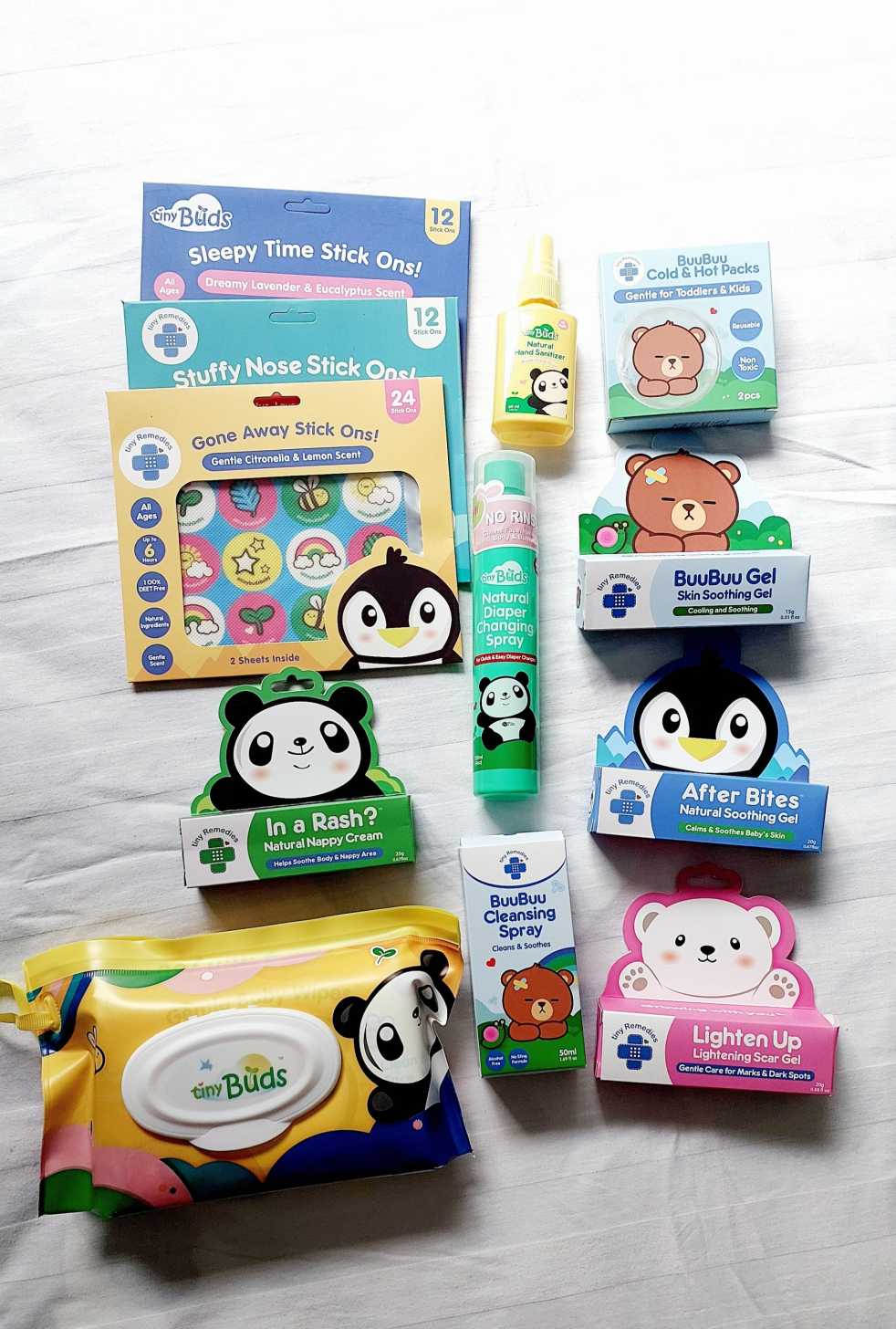
Your baby’s skin is more delicate than most, this is why you have to choose products that are designed for sensitive skin. Tiny Buds is a pioneer in integrating natural ingredients into baby care and today has over 50 innovative natural baby care essentials and is one of the Top Baby Personal Care brands. Here… Continue reading Product Review: Tiny Buds Baby Naturals Baby Essentials
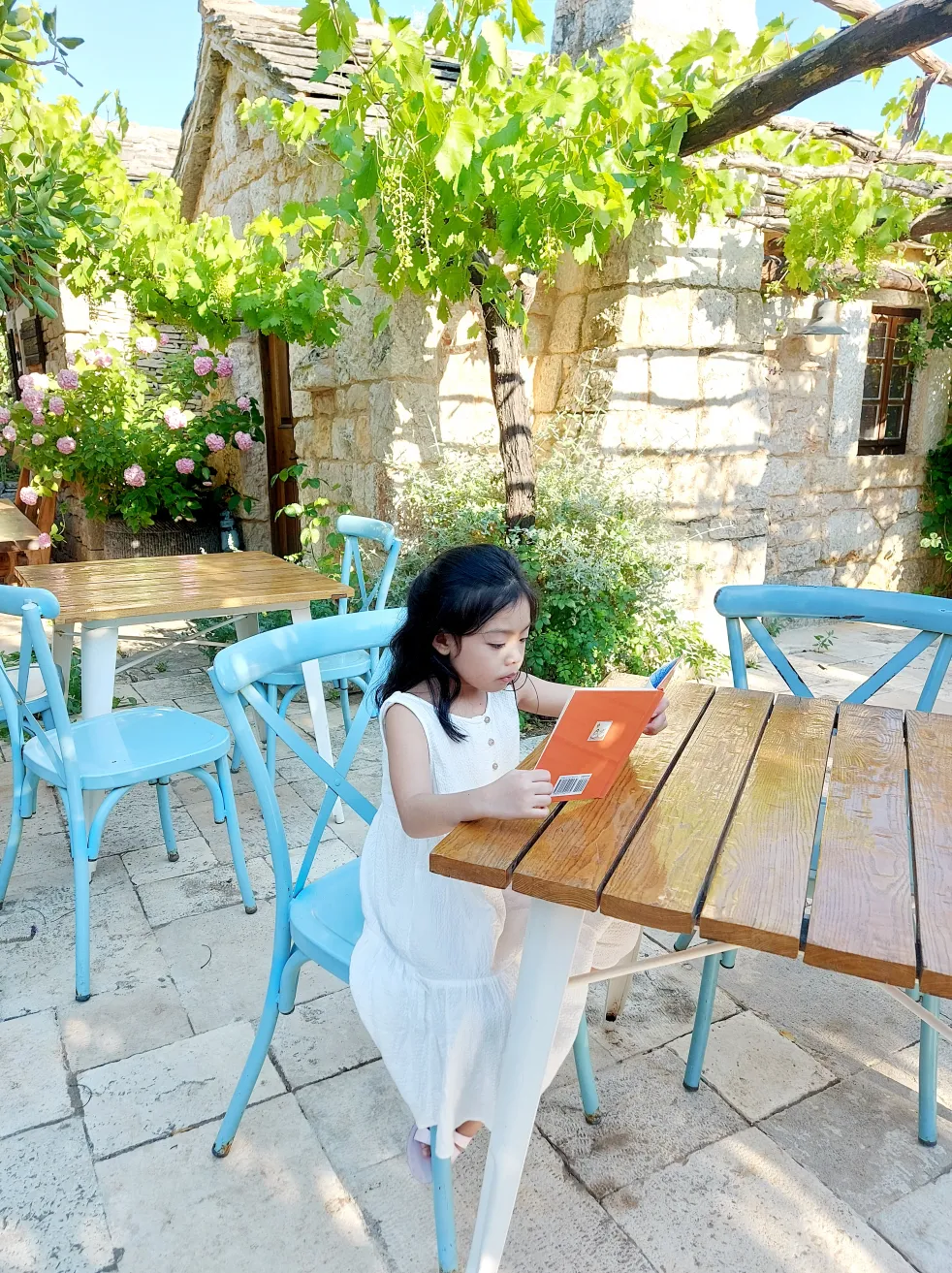
Where your child goes to school is a big decision and shouldn’t be taken lightly. Given how their education can impact their future, you might be tempted to take control and decide for them. However, you might be doing more damage than helping them in the long run. Your job as parents is to support… Continue reading HOW TO CHOOSE THE BEST SCHOOL FOR YOUR CHILD
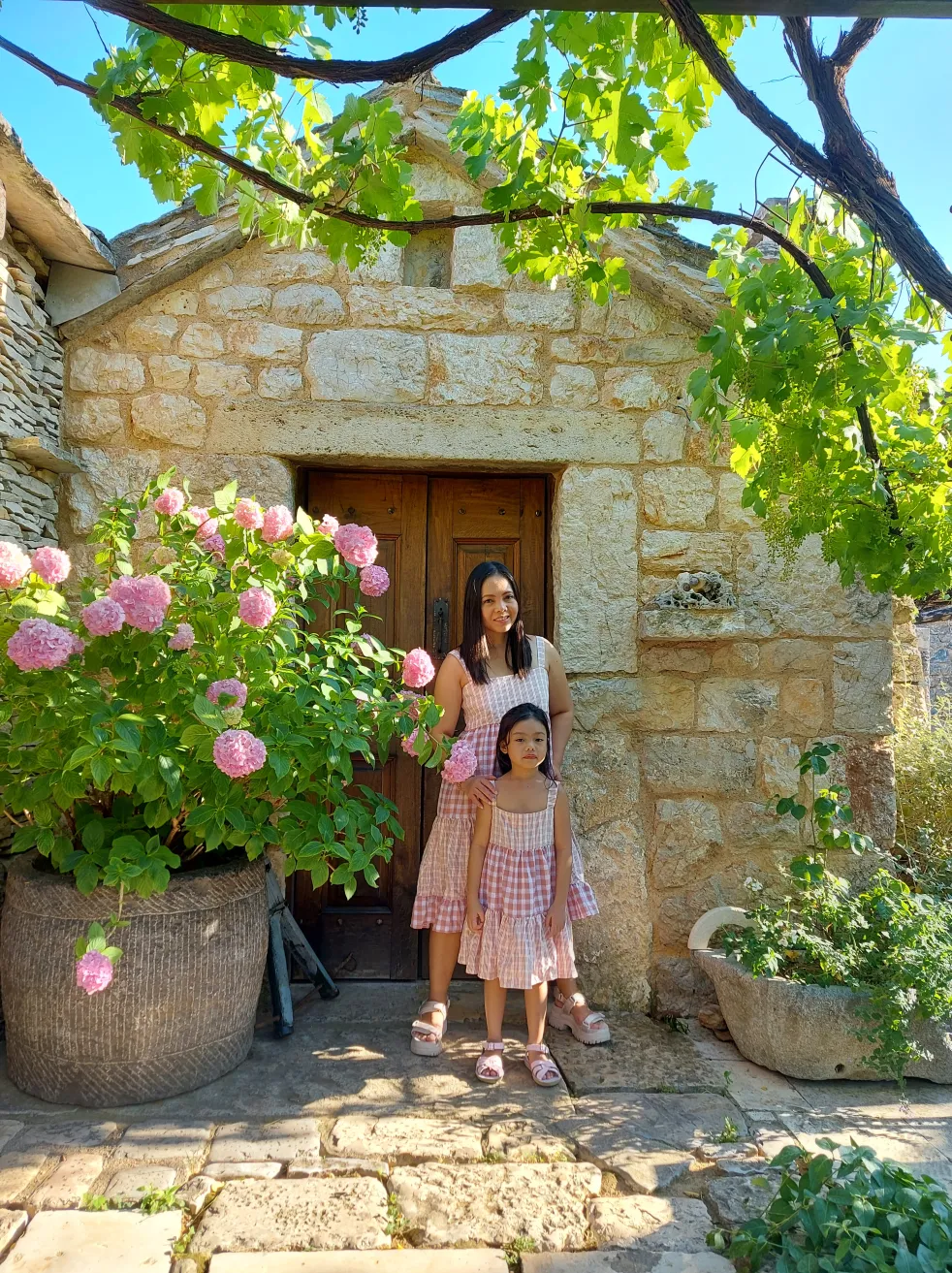
As poet and philosopher Rumi once eloquently said, “raise your words, not your voice. It is rain that grows flowers, not thunder.” Parenting is a challenging journey, and the truth is that nobody has everything figured out. One parenting style might suit others best, and some might favor other methods. However, children respond better to… Continue reading A SIMPLE GUIDE TO GENTLE PARENTING
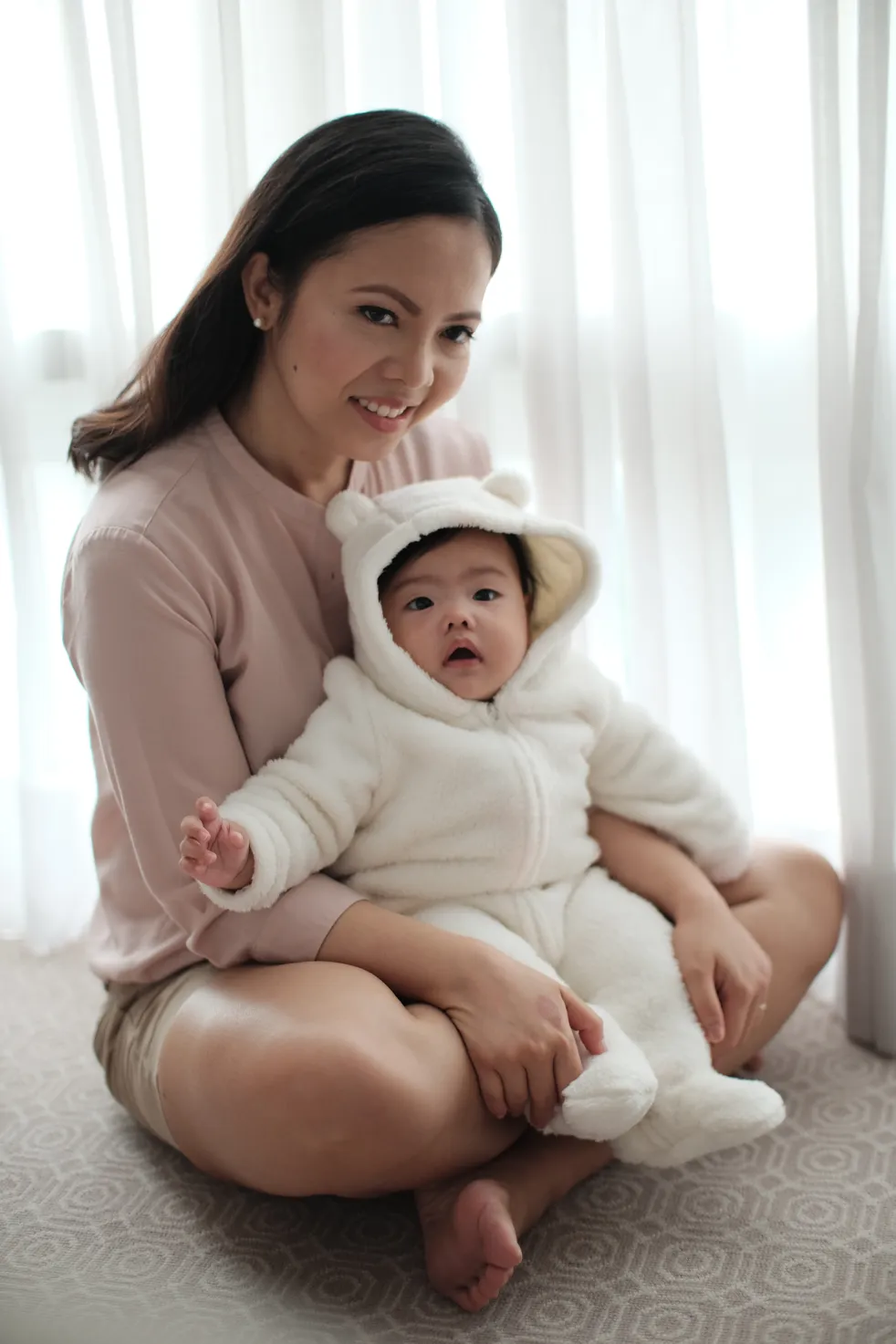
Whether you’re a new mom to be, mom of a toddler, mom who have school-aged kids, you’re bound to have so many questions. Let's start with your baby's skin. Infant skin has unique needs; gentle care is essential to prevent damage to the skin barrier, which can lead to irritation. When caring for infant skin,… Continue reading Keeping Baby’s Diapered Skin Healthy
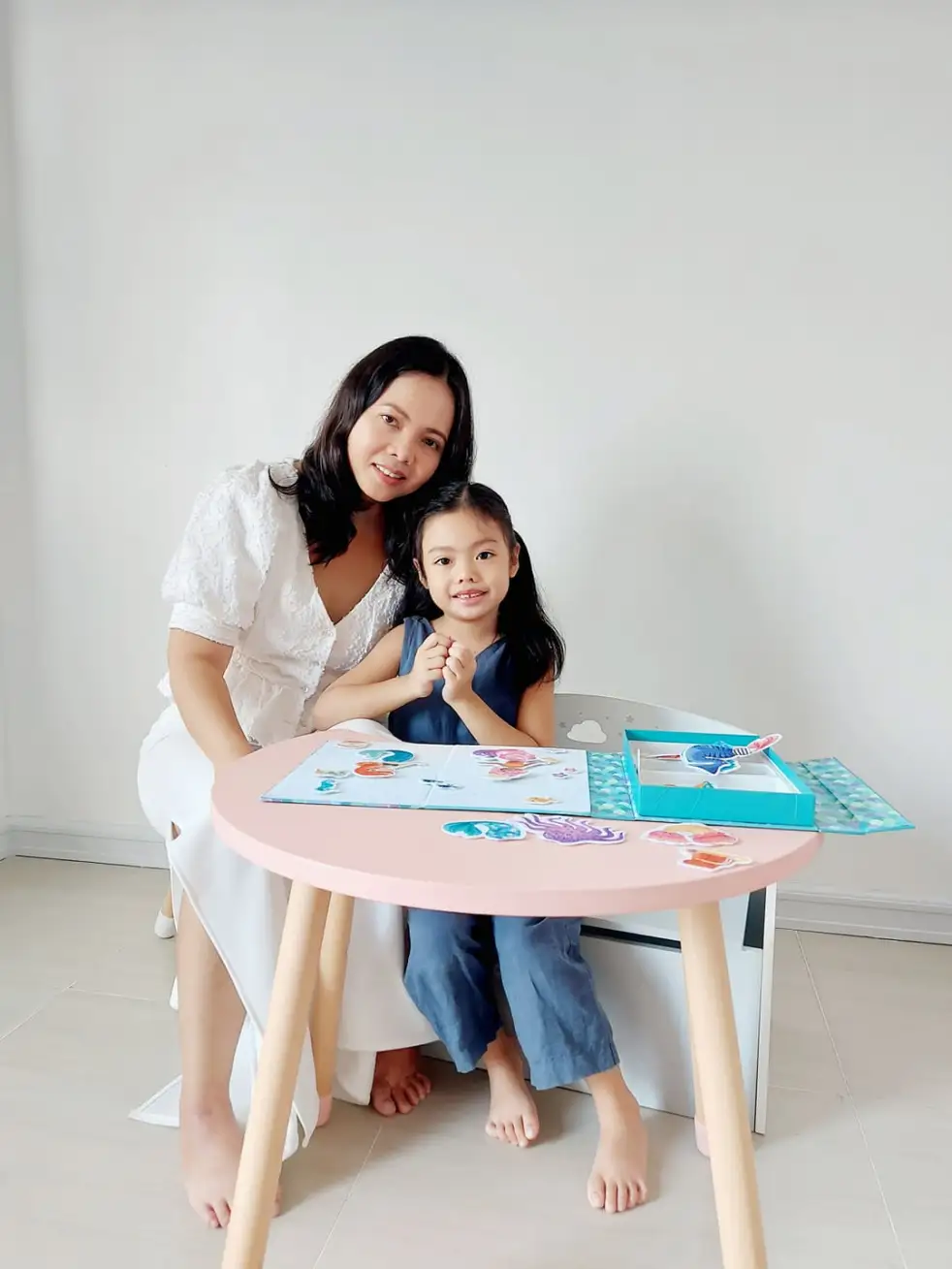
As parents, we want to give our child the best possible start in life and that begins with nurturing their intelligence. Throughout history, the notion of success has been linked to academic intelligence. However, there has been an increased awareness on the importance of emotional intelligence. This question gets at the heart of the never-ending… Continue reading IQ or EQ, which one is a better predictor of your child’s success?
 wondermomma.net