
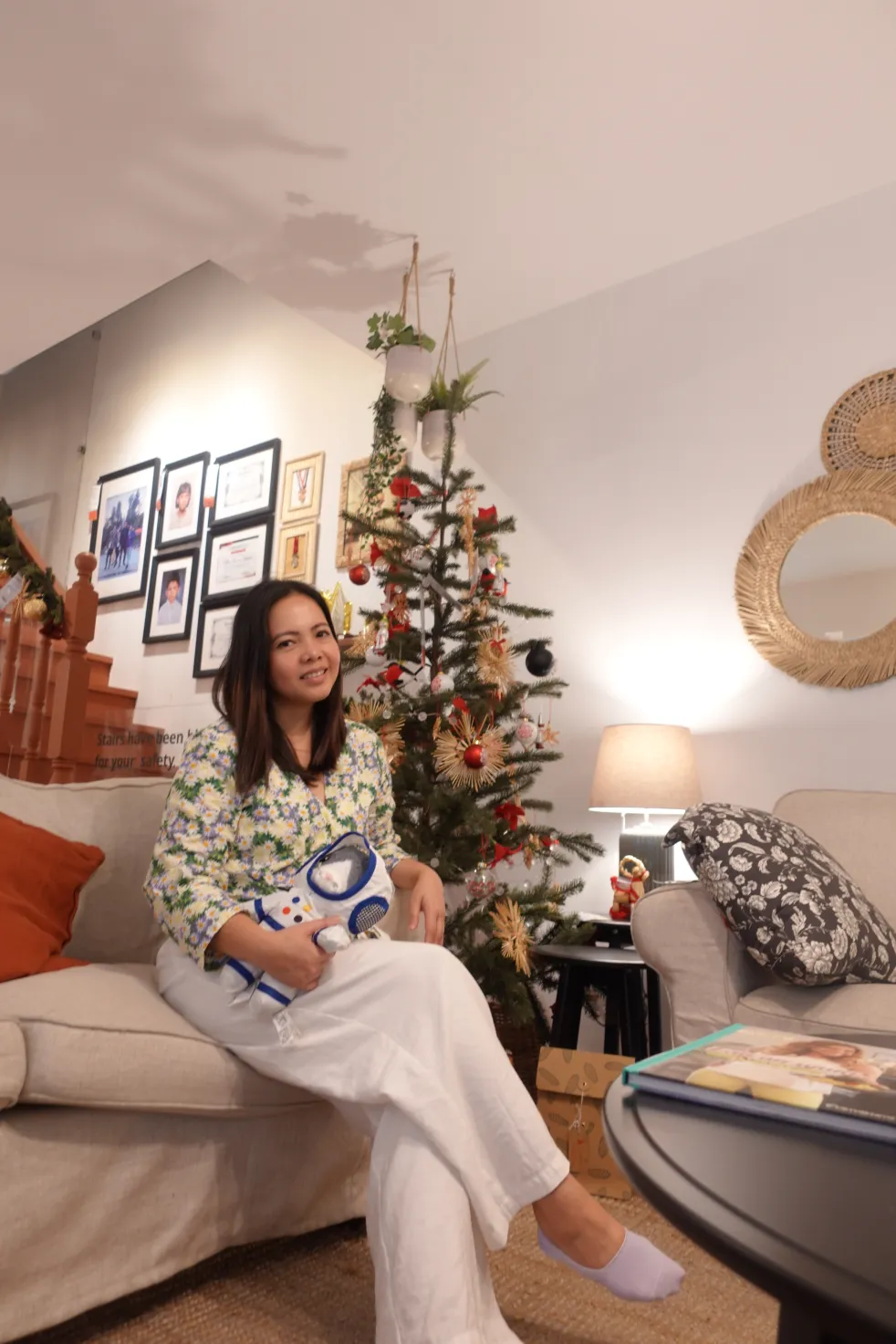
Last August, IKEA Philippines engaged with Better World Smokey Mountain, a newly opened community center operated by the San Miguel Foundation, which shares a similar goal of improving the lives of many Filipino people. Through this partnership, IKEA Philippines provided and assembled home furnishings for the classrooms and library of Better World Smokey Mountain community… Continue reading Help Create a Better World with IKEA Soft Toys
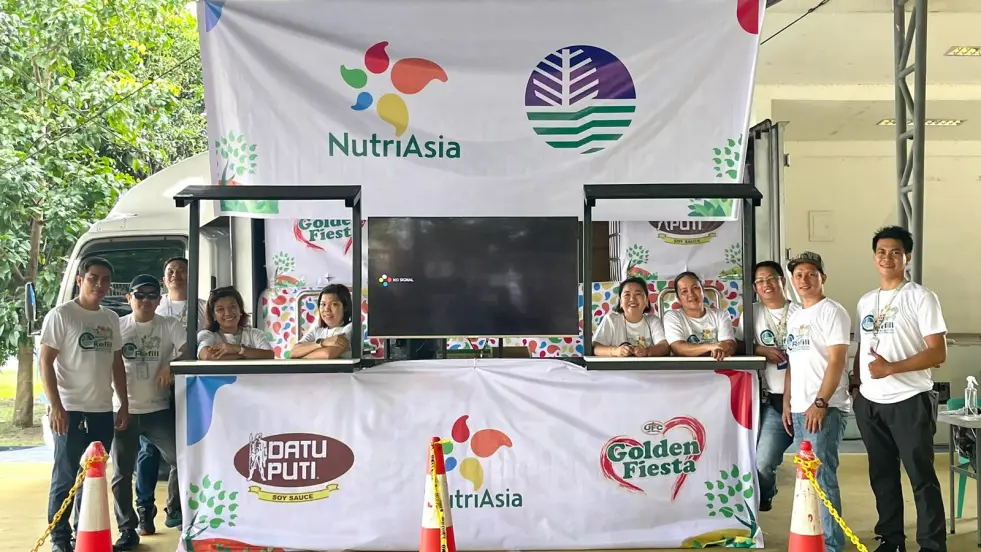
NutriAsia, the country’s top producer of condiments and sauces, continues its support of Refill Revolution; a project by the Department of Environment and Natural Resources EMB 3 that aims to help reduce Filipinos’ single-use plastics consumption. At Refill Revolution, residents get to recycle their single-use plastic bottles by reusing and filling it with their choice… Continue reading NutriAsia and DENR renews partnership for Refill Revolution

How baby swimming classes support early development
The benefits of baby swimming classes for development extend well beyond learning to move through water. A warm, well-supervised pool gives infants and toddlers a new sensory environment where they can practise movement, respond to gentle guidance, and build confidence with a trusted caregiver nearby. These experiences can support physical, cognitive, emotional, and social growth.
Baby swim sessions are not designed to turn infants into independent swimmers. At this age, classes usually focus on water comfort, safe handling, supported floating, reaching, kicking, and simple routines. The most valuable part is the shared experience between parent and child, especially when activities are playful and paced according to the baby’s cues.
For families in the Philippines, swimming can also be a practical life skill. Pools, beaches, resorts, and water-based family activities are common, but familiarity should never replace close supervision. A class can provide a structured starting point while helping parents learn safer ways to hold, guide, and respond to a young child in the water.
How water play supports the body
Water creates gentle resistance, so babies can move their arms and legs against it without placing the same pressure on their joints as land-based exercise. Supported kicking, reaching for floating toys, and changing positions can encourage whole-body movement. These activities may contribute to early strength, coordination, balance, and body awareness.
Swimming lessons also introduce babies to different postures. A child may practise lying on the back, being held upright, turning toward a caregiver, or reaching across the body. These small movements help develop gross motor skills, while grasping a toy or splashing with the hands also gives fine motor practice.
The pool environment can be especially useful for babies who are still exploring how their bodies work. Water makes movements feel different and sometimes easier, which can encourage a hesitant child to experiment. Parents should still avoid comparing one baby’s progress with another’s because development happens at different rates.
Early learning through rhythm and repetition
A baby swimming class often follows a predictable sequence: greeting, warm-up, supported movement, songs, play, and a calm finish. This rhythm helps infants understand what comes next. Repeated phrases and actions can support memory, listening, anticipation, and early communication.
Babies also receive rich sensory input in the pool. They notice temperature, water pressure, sound, light, movement, and the feeling of being supported. When a caregiver names these experiences—“You are kicking,” “The water is warm,” or “Let’s reach for the ball”—the activity becomes an opportunity to build vocabulary and connect words with actions.
Problem-solving develops through simple challenges. A baby might learn to reach for a toy that is slightly farther away, turn toward a familiar voice, or adjust their body while being supported. These are early examples of cause and effect. Splashing produces movement and sound, while kicking can help a child move closer to a parent or object.
Families can carry this spirit of active discovery into the home. A thoughtfully arranged Montessori-style playroom can offer safe, reachable materials that encourage independent exploration between swimming sessions.
Confidence, attachment, and social growth
A caregiver’s presence is central to the emotional value of infant swim classes. Holding a baby securely, making eye contact, singing, and offering reassurance can strengthen attachment. The child learns that a new environment can be explored with support and that a trusted adult will respond when something feels uncomfortable.
Confidence should be built gradually rather than forced. Some babies enjoy splashing immediately, while others need several visits to settle into the sights and sounds of a pool. A responsive instructor will allow the child to pause, stay close to the caregiver, or skip an activity when signs of distress appear.
Group classes also provide early social exposure. Babies may watch other children, hear different voices, and practise taking turns with shared equipment. They are not expected to socialise independently, but these gentle experiences can make unfamiliar group settings feel more manageable over time.
Parents benefit socially as well. Meeting other families can create a sense of community during a stage of life that can sometimes feel isolating. Sharing a class routine may also give caregivers fresh ideas for playful interaction, safety habits, and age-appropriate encouragement.
Choosing a safe and suitable class
A good programme should place safety and child readiness before performance. Look for a qualified instructor who has experience working with infants and toddlers, uses gentle handling, and explains each activity clearly. The class should have a low participant-to-instructor ratio so that families receive individual guidance.
Water quality and facility conditions matter too. Check whether the pool is clean, comfortably warm, well maintained, and equipped with secure changing areas. Ask about emergency procedures, first-aid training, illness policies, and whether caregivers are required to stay within arm’s reach of their child.
Classes should also be developmentally appropriate. Babies need supported activities, songs, floating practice, and playful movement rather than pressure to submerge or perform advanced skills. Submersion should never be treated as compulsory, and a child should not be held underwater against their will.
| What to check | Why it matters |
|---|---|
| Instructor qualifications | Experienced teachers understand infant handling, water safety, and age-appropriate activities. |
| Warm, clean water | Comfortable conditions help babies stay relaxed and reduce exposure to avoidable irritants. |
| Small group size | More individual attention makes it easier to monitor each child and adapt activities. |
| Caregiver participation | Close contact supports attachment and allows adults to practise safe water handling. |
| Gentle teaching style | Responsive instruction respects a baby’s signals and avoids fear-based learning. |
| Clear health policies | Rules about fever, coughs, skin conditions, and pool hygiene protect all families. |
| Emergency preparation | Trained staff and visible procedures provide an important layer of protection. |
Making each lesson positive
Timing can influence how a baby responds. A session is often easier when the child is rested, has had enough time to digest a light feed, and is not already overtired. There is no universal schedule, so parents may need to observe when their baby is generally alert and content.
Comfortable swimwear, a secure reusable swim nappy, a towel, and familiar post-swim clothing can make the outing smoother. Babies can lose warmth quickly, so drying and dressing them promptly after class is important. Feeding, cuddling, and quiet time afterward may help them settle.
Parents should watch for cues throughout the lesson. Turning away, stiffening, clinging, crying, yawning, or becoming unusually quiet can signal that a baby needs a break. Enjoyment may look like relaxed movements, eye contact, smiles, vocalising, and interest in the water, but babies can also participate quietly without showing constant excitement.
Progress should be measured in comfort and connection, not in how quickly a child floats or puts their face in the water. A baby who becomes more willing to enter the pool, reaches toward a toy, or relaxes while being held has already made meaningful progress.
Safety habits that belong beyond the pool
Swimming lessons can support water awareness, but they do not make a baby water-safe or prevent drowning. Infants and young children require constant, close, and capable supervision around bathtubs, buckets, inflatable pools, ponds, beaches, and swimming pools. A responsible adult should remain within reach rather than relying on floatation devices or another child.
Families should also establish practical household habits. Empty small containers after use, secure access to pools, keep rescue equipment available, and learn infant CPR if possible. At beaches and resorts, identify lifeguards, watch changing water conditions, and avoid assuming that shallow water is harmless.
The lessons learned in class are most useful when repeated calmly in everyday family life. Teach children to wait for an adult before approaching water, avoid running near wet surfaces, and use a consistent signal for stopping. These habits become more meaningful when adults model them every time.
Ways to make swimming part of healthy development
- Choose short, regular sessions that match your baby’s energy and comfort level.
- Use songs, simple words, and eye contact to turn movement into communication.
- Follow your child’s cues and pause whenever they appear tired, cold, frightened, or overstimulated.
- Practise water safety at home through supervision, barriers, emergency preparation, and clear family rules.
- Celebrate small changes, such as relaxed floating, reaching, kicking, or enjoying a new routine.
The best baby swimming experience is warm, playful, and responsive. It gives children room to explore while keeping a trusted adult close, and it gives parents practical opportunities to support movement, language, confidence, and connection. Choose a reputable local programme, attend at a pace that suits your child, and make every visit a safe shared experience.

Mercato Centrale, in collaboration with Indian Women in Enterprise Philippines (I-We), is set to host "The Great Indian Fiesta" to mark 75 years of friendship between India and the Philippines. The dynamic two-day event is scheduled to take place on September 30 to October 1, 2023, at Paseo De Roxas Street, Makati City. Aiming to… Continue reading Mercato Centrale Partners with I-We to Host ‘The Great Indian Fiesta’, Commemorating 75 Years of India-Philippines Friendship

My stomach would usually start growling at 10 am even after taking a big breakfast. This is probably because I am a morning person and I move a lot throughout the day hence snacking is something that I can't avoid. This potatoes and chicken wrap recipe is easy to prepare and would keep me full… Continue reading Potato and Chicken Wrap
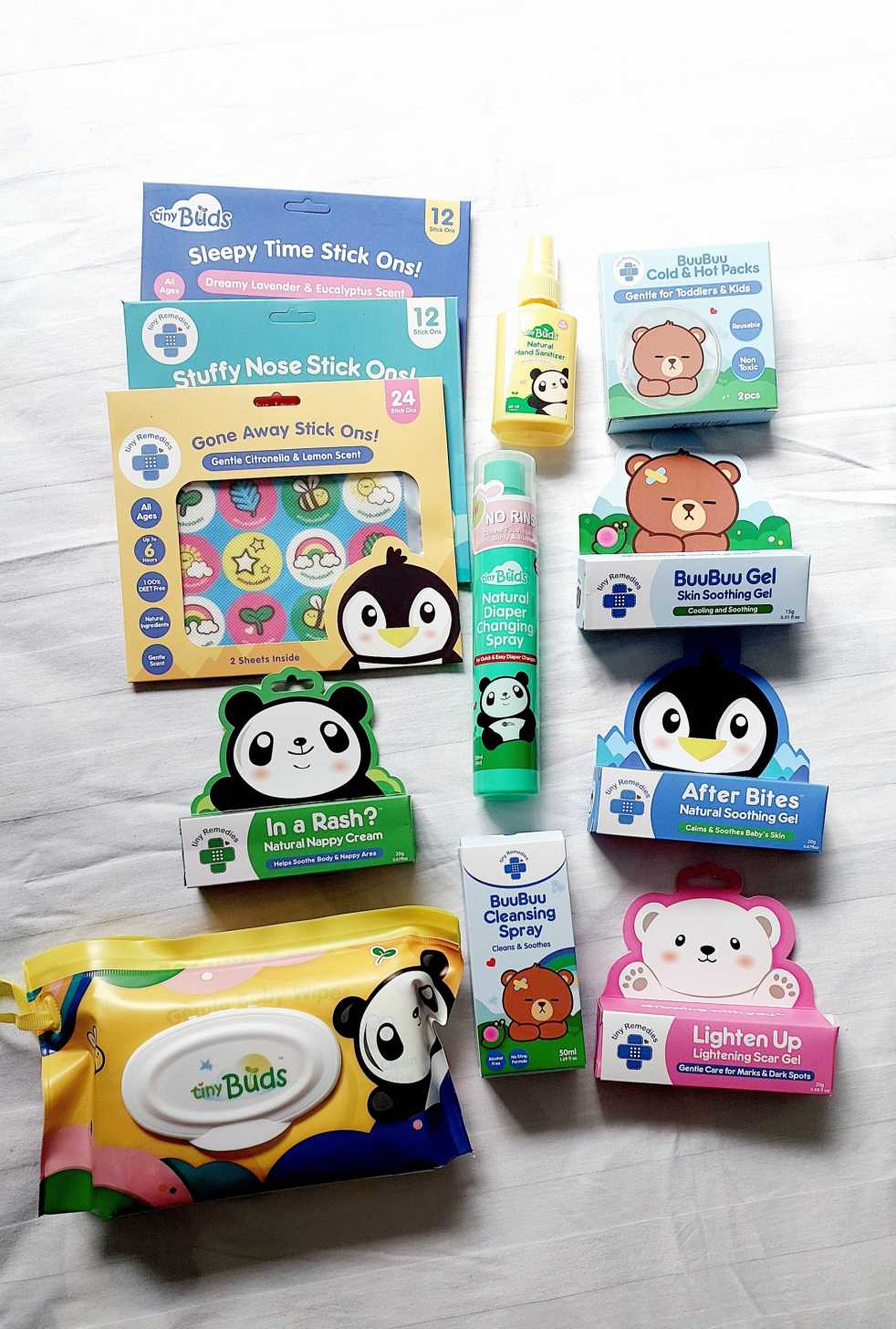
Your baby’s skin is more delicate than most, this is why you have to choose products that are designed for sensitive skin. Tiny Buds is a pioneer in integrating natural ingredients into baby care and today has over 50 innovative natural baby care essentials and is one of the Top Baby Personal Care brands. Here… Continue reading Product Review: Tiny Buds Baby Naturals Baby Essentials
Where your child goes to school is a big decision and shouldn’t be taken lightly. Given how their education can impact their future, you might be tempted to take control and decide for them. However, you might be doing more damage than helping them in the long run. Your job as parents is to support… Continue reading HOW TO CHOOSE THE BEST SCHOOL FOR YOUR CHILD
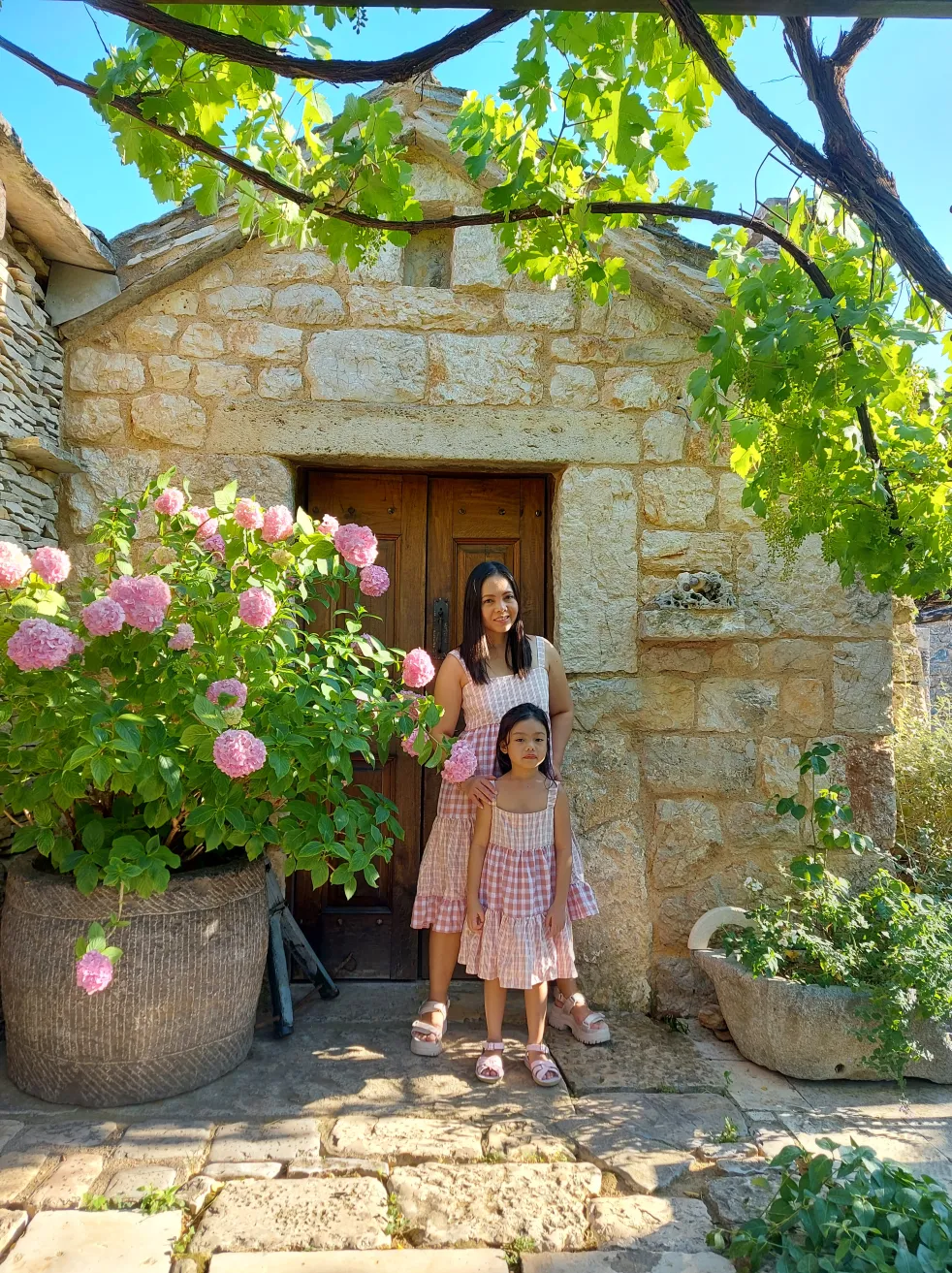
As poet and philosopher Rumi once eloquently said, “raise your words, not your voice. It is rain that grows flowers, not thunder.” Parenting is a challenging journey, and the truth is that nobody has everything figured out. One parenting style might suit others best, and some might favor other methods. However, children respond better to… Continue reading A SIMPLE GUIDE TO GENTLE PARENTING

Whether you’re a new mom to be, mom of a toddler, mom who have school-aged kids, you’re bound to have so many questions. Let's start with your baby's skin. Infant skin has unique needs; gentle care is essential to prevent damage to the skin barrier, which can lead to irritation. When caring for infant skin,… Continue reading Keeping Baby’s Diapered Skin Healthy
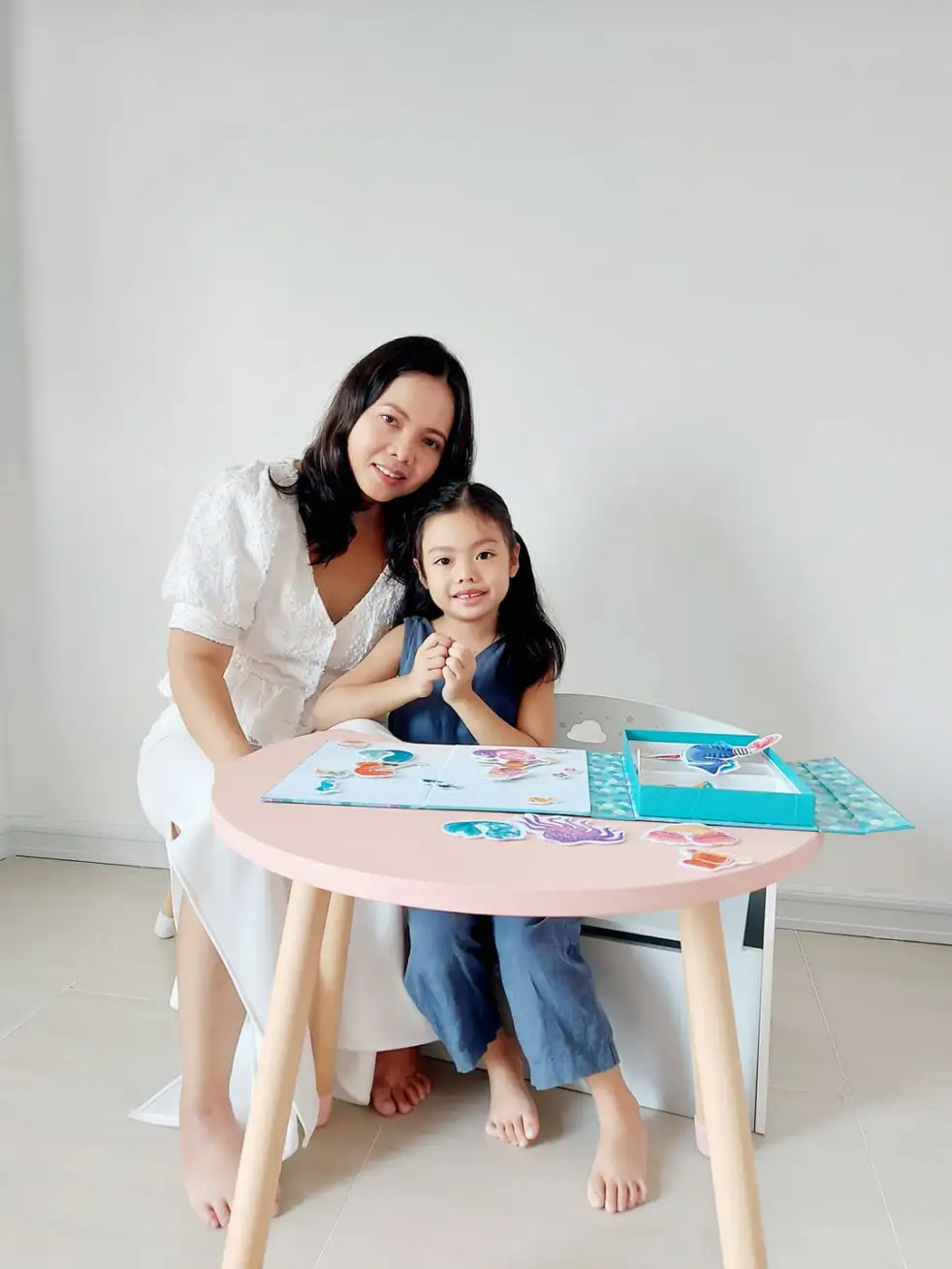
As parents, we want to give our child the best possible start in life and that begins with nurturing their intelligence. Throughout history, the notion of success has been linked to academic intelligence. However, there has been an increased awareness on the importance of emotional intelligence. This question gets at the heart of the never-ending… Continue reading IQ or EQ, which one is a better predictor of your child’s success?
 wondermomma.net