

Last August, IKEA Philippines engaged with Better World Smokey Mountain, a newly opened community center operated by the San Miguel Foundation, which shares a similar goal of improving the lives of many Filipino people. Through this partnership, IKEA Philippines provided and assembled home furnishings for the classrooms and library of Better World Smokey Mountain community… Continue reading Help Create a Better World with IKEA Soft Toys

NutriAsia, the country’s top producer of condiments and sauces, continues its support of Refill Revolution; a project by the Department of Environment and Natural Resources EMB 3 that aims to help reduce Filipinos’ single-use plastics consumption. At Refill Revolution, residents get to recycle their single-use plastic bottles by reusing and filling it with their choice… Continue reading NutriAsia and DENR renews partnership for Refill Revolution

The art of saying no: setting boundaries with empathy
Children rarely experience a parent’s “no” as a single event. They notice the tone, the consistency, and whether comfort returns afterwards. A rushed refusal may feel harsh, while an endless “yes” can leave a child unsure where the limits are. Calm, loving limits give children information they can trust: this is what we will do, and you remain safe with me even when the answer is no.
A boundary is a clear line around behaviour, time, safety or resources. It is not a punishment designed to make a child suffer, nor is it a test of obedience. Its purpose is to protect wellbeing and teach realistic expectations. When the line is explained kindly, children can begin to understand that responsibility and care often involve limits.
Empathy makes a boundary easier to hear because it recognises the child’s feelings without surrendering the limit. “I know you wanted the new game” acknowledges disappointment; “I won’t buy it today” keeps the decision with the adult. The child does not need every possible reason, but they do need to know they have been heard and that the relationship remains secure.
Many Australian families are juggling school drop-offs, work commutes, childcare, sports and household jobs, so a quick “yes” can be tempting even when the schedule cannot support another activity. Yet hurried yeses often create resentment, rushed mornings and conflict later. Thoughtful refusal protects both connection and capacity.
A boundary is information, not punishment
Start by deciding which kind of limit you are setting. A safety rule, a resource limit and a personal preference may sound alike, but they carry different weight. “I won’t let you ride the scooter near traffic” is protective. “I won’t buy that packet of sweets at the checkout” is a household resource choice. “I don’t feel like visiting the toy shop today” is a preference that should not be disguised as an objective rule.
This distinction matters because children watch the language adults use. When a boundary is clear, they know what will happen next. “We will turn off the television at seven” is easier to trust than “you can’t watch television for ages.” Keep the rule age-appropriate and connected to the reason, not the mood of the moment.
A boundary also needs to be realistic for the adult giving it. If you say no to a sleepover while also working early the next morning, explain the practical reason briefly. If every other caregiver says yes, the limit may look arbitrary. Before setting it, check what support you can genuinely provide within the family’s time, money and energy.
Build a response that feels kind and clear
A useful pattern is to name the feeling, state the limit and offer a choice only when a real choice exists. “You feel disappointed because the park is closed. We are going home now. Would you like the dog walk first or a bath first?” The alternative does not reopen the boundary; it preserves agency inside it.
Keep the language short when the stakes are high. “No, I won’t let you hit your brother. You can tell him you are angry, and we will help you solve it.” For ordinary limits, you might say, “No, we are not buying another toy today. You can make a wish list and we can look at it together.” Warmth can exist without long speeches, apologies or bargaining.
Let the child ask once or twice, then return to the decision. Repeated explanations can turn a boundary into a negotiation. If the answer truly depends on circumstances, name the point at which you will decide: “I’ll check whether Grandma can collect you, and I’ll tell you at four.” If it does not depend on circumstances, avoid implying that persistence might change it.
Stay steady when the answer is tested
Children often test a new limit because adults sometimes change under pressure. That testing is normal and gives caregivers a chance to show that words are reliable. A boundary is not weakened by a tantrum, and a child is not a bad person for wanting more.
The same limit can be expressed with different levels of firmness:
| Response | What the child hears | Likely effect | Best fit |
|---|---|---|---|
| Soft postponement | “Maybe later” | The answer may still change | When timing is genuinely uncertain |
| Explained boundary | “I know you want it, but we cannot…” | The limit is clear and feelings are seen | Routine family decisions |
| Offered choice | “We cannot stay, so shall we pack or…” | The outcome is fixed; the child has some control | Where suitable alternatives exist |
| Protective firmness | “I will not let you hurt anyone” | The adult will act if safety is threatened | Dangerous or aggressive behaviour |
A choice should not be offered when every option breaches the boundary. “Would you like to stop hitting now, or should I hold your hands while you calm down?” is safety language, not a fake choice. By contrast, choosing which book to read after screens switch off is a genuine decision.
If you give in after a long protest, repair rather than pretend the boundary never existed. “I know you wanted to keep playing. The answer is still that we are going home. I can sit with you while you settle.” Consistent consequences build trust more quickly than a perfectly smooth first refusal.
Fit boundaries into Australian family routines
In Sydney and Melbourne, long commutes and fixed school-run times can make parents accept activities they cannot comfortably manage. The federal Child Care Subsidy can reduce fees for approved childcare, although some families still face gap fees and changing after-school care arrangements. A kind no can protect those practical realities: “We cannot join the Saturday event this week; we will choose one family outing.”
Local supermarkets offer plenty of choices that turn into mini-negotiations. A Woolworths or Coles trolley can contain a special snack, a cereal box with a popular character and an unexpected checkout treat. Children may want everything, but the boundary can be specific: the snack is chosen from the two approved options, while the cereal decision happens at home.
Screen time creates another everyday limit. Australian Department of Health guidance advises no screen use for children under two apart from interactive video calls, and no more than one hour a day for children aged two to five. A family media plan makes the limit easier to carry: devices charge in the lounge from seven, and everyone follows the same rule.
Culturally diverse households may also balance parenting choices with elder expectations, shared meals and obligations to relatives. Respect can coexist with a limit: “Your cousin may have ice cream today; we are not bringing a second shop, but we can share the fruit at home.” For a broader view of the family rhythms behind these choices, Country Girl City Life offers useful context on balancing practical city life with home responsibilities.
Separate everyday limits from genuine danger
Most boundary-setting concerns ordinary behaviour, but abuse or coercive control is different. Australian law provides formal protections, including the Family Violence Protection Act 2008 in New South Wales, the Domestic and Family Violence Protection Act 2012 in Queensland and the Family Violence Protection Act 2008 in Victoria. If there is intimidation, controlling behaviour or threats, the priority is safety rather than proving a point.
Do not announce a boundary or leave a dangerous situation without a plan if doing so could increase risk. A person experiencing family violence can contact 1800RESPECT on 1800 737 732 for confidential support, or call 000 in an emergency. This support can assist with safety planning, legal options and connecting with local services; a family member or trusted professional can also help.
Everyday boundaries still matter within safe relationships. Adults need to refuse extra tasks without apology, children need limits on hitting and taking possessions, and co-parents need clear plans rather than messages delivered through a child. Where possible, important rules should be aligned so one adult does not quietly undo the other’s limit.
A loving no carries a promise: your feelings matter, the adult will make a responsible decision, and the child remains safe and connected. Empathy gives that promise its warmth; consistency gives it its strength.

Mercato Centrale, in collaboration with Indian Women in Enterprise Philippines (I-We), is set to host "The Great Indian Fiesta" to mark 75 years of friendship between India and the Philippines. The dynamic two-day event is scheduled to take place on September 30 to October 1, 2023, at Paseo De Roxas Street, Makati City. Aiming to… Continue reading Mercato Centrale Partners with I-We to Host ‘The Great Indian Fiesta’, Commemorating 75 Years of India-Philippines Friendship

My stomach would usually start growling at 10 am even after taking a big breakfast. This is probably because I am a morning person and I move a lot throughout the day hence snacking is something that I can't avoid. This potatoes and chicken wrap recipe is easy to prepare and would keep me full… Continue reading Potato and Chicken Wrap
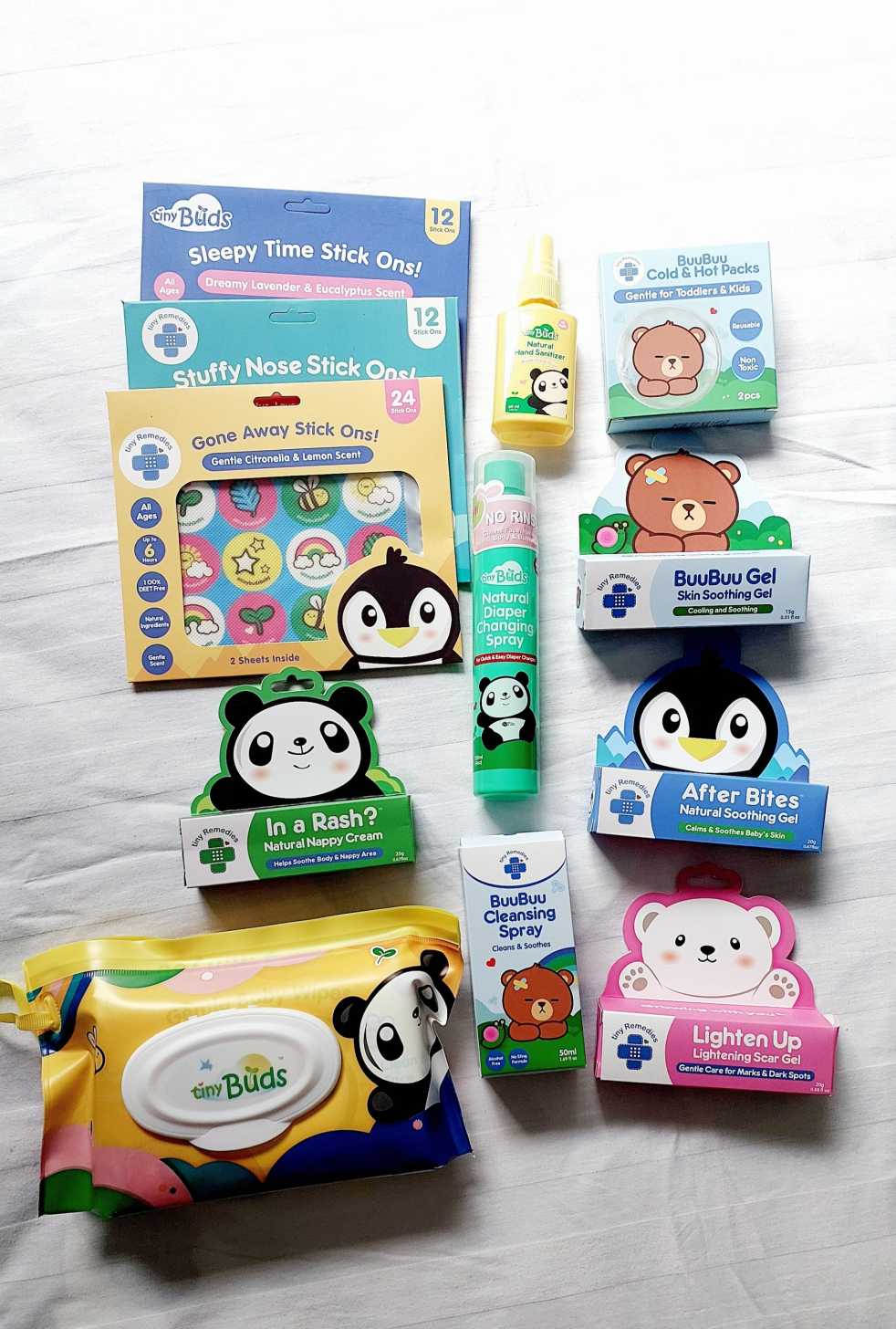
Your baby’s skin is more delicate than most, this is why you have to choose products that are designed for sensitive skin. Tiny Buds is a pioneer in integrating natural ingredients into baby care and today has over 50 innovative natural baby care essentials and is one of the Top Baby Personal Care brands. Here… Continue reading Product Review: Tiny Buds Baby Naturals Baby Essentials
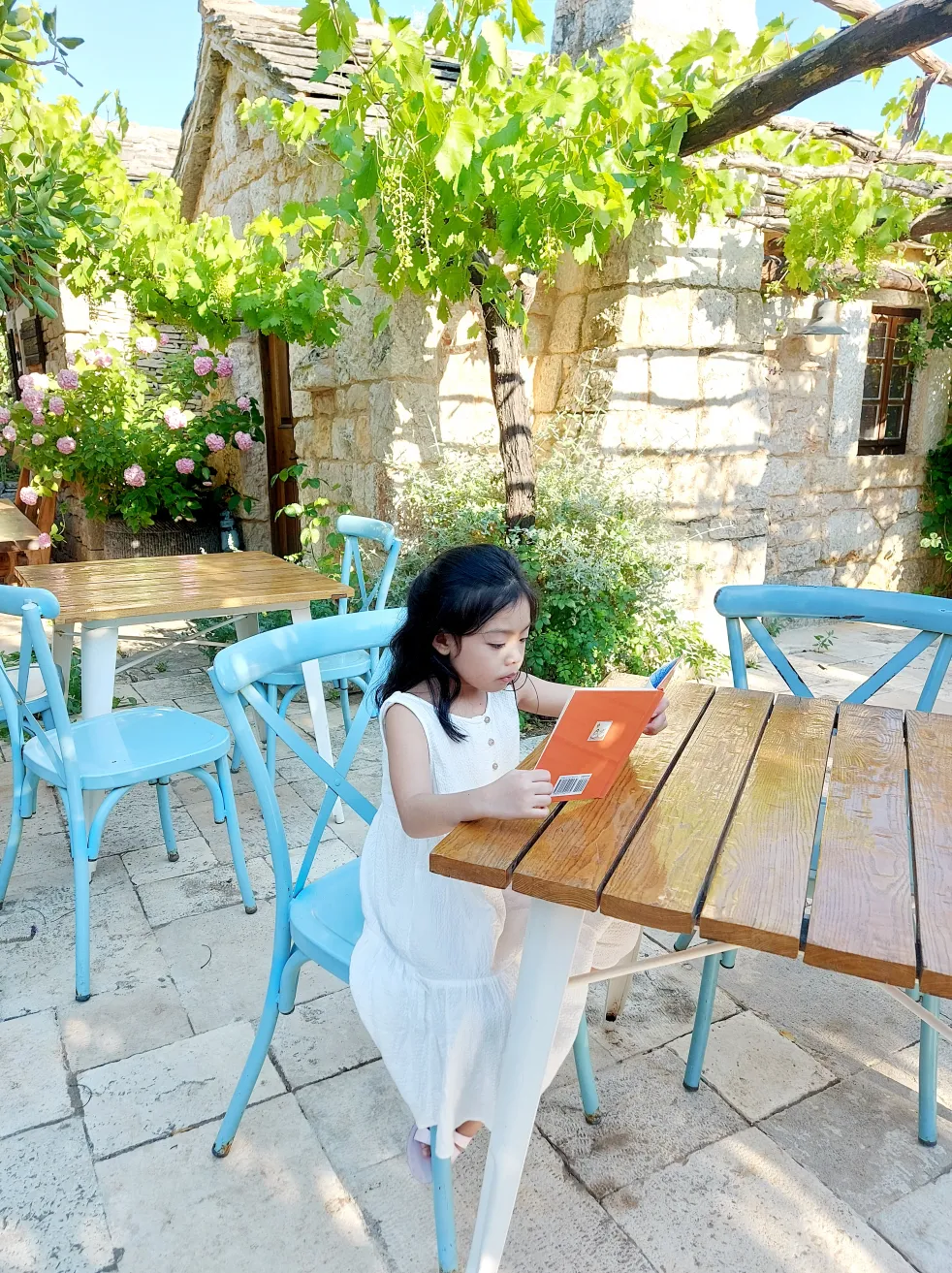
Where your child goes to school is a big decision and shouldn’t be taken lightly. Given how their education can impact their future, you might be tempted to take control and decide for them. However, you might be doing more damage than helping them in the long run. Your job as parents is to support… Continue reading HOW TO CHOOSE THE BEST SCHOOL FOR YOUR CHILD

As poet and philosopher Rumi once eloquently said, “raise your words, not your voice. It is rain that grows flowers, not thunder.” Parenting is a challenging journey, and the truth is that nobody has everything figured out. One parenting style might suit others best, and some might favor other methods. However, children respond better to… Continue reading A SIMPLE GUIDE TO GENTLE PARENTING

Whether you’re a new mom to be, mom of a toddler, mom who have school-aged kids, you’re bound to have so many questions. Let's start with your baby's skin. Infant skin has unique needs; gentle care is essential to prevent damage to the skin barrier, which can lead to irritation. When caring for infant skin,… Continue reading Keeping Baby’s Diapered Skin Healthy

As parents, we want to give our child the best possible start in life and that begins with nurturing their intelligence. Throughout history, the notion of success has been linked to academic intelligence. However, there has been an increased awareness on the importance of emotional intelligence. This question gets at the heart of the never-ending… Continue reading IQ or EQ, which one is a better predictor of your child’s success?
 wondermomma.net