
Last August, IKEA Philippines engaged with Better World Smokey Mountain, a newly opened community center operated by the San Miguel Foundation, which shares a similar goal of improving the lives of many Filipino people. Through this partnership, IKEA Philippines provided and assembled home furnishings for the classrooms and library of Better World Smokey Mountain community… Continue reading Help Create a Better World with IKEA Soft Toys
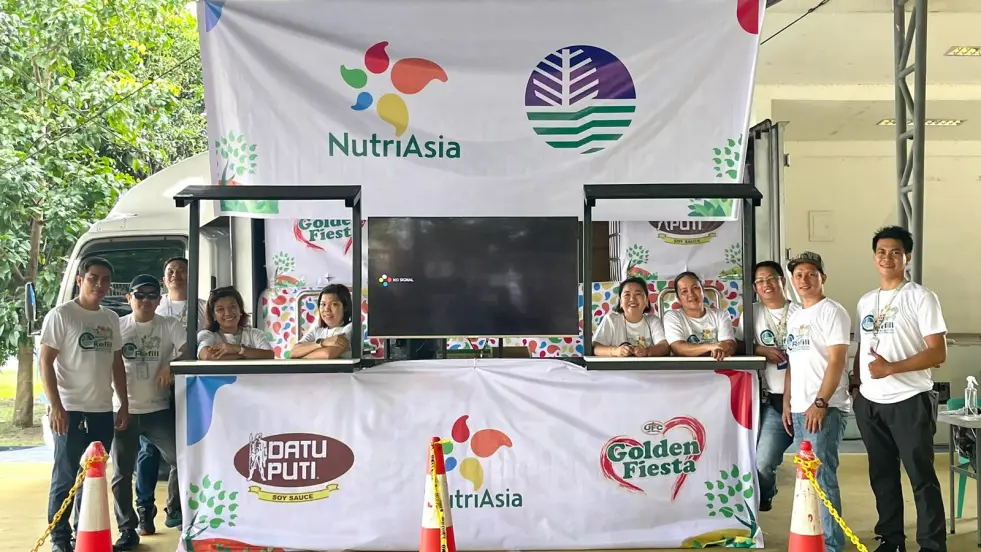
NutriAsia, the country’s top producer of condiments and sauces, continues its support of Refill Revolution; a project by the Department of Environment and Natural Resources EMB 3 that aims to help reduce Filipinos’ single-use plastics consumption. At Refill Revolution, residents get to recycle their single-use plastic bottles by reusing and filling it with their choice… Continue reading NutriAsia and DENR renews partnership for Refill Revolution
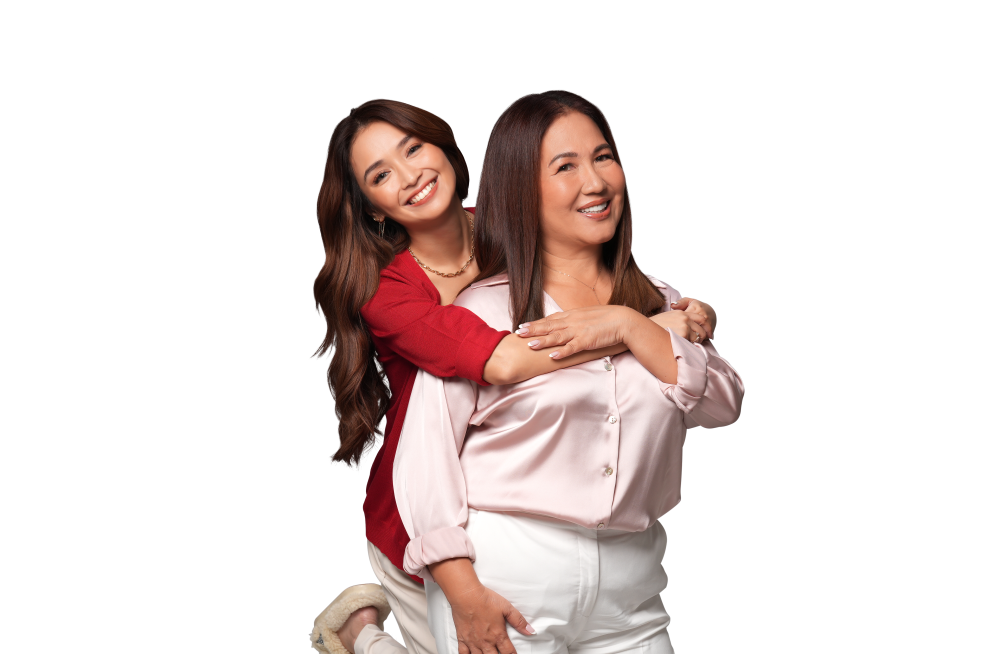
Teaching your preschooler basic hygiene habits
Preschoolers are ready to learn that everyday self-care keeps their bodies comfortable, healthy, and ready for play. At this age, children may understand simple instructions but still need reminders, demonstrations, and plenty of practice. Hygiene works best when it feels like a predictable part of family life rather than a list of rules.
Handwashing, toothbrushing, bathing, hair care, nail trimming, and using the toilet are all skills that develop gradually. A child may manage one step independently today and need help again tomorrow. That inconsistency is normal, especially when they are tired, excited, or focused on a game.
The goal is to build healthy habits through calm repetition. Short routines, child-sized tools, songs, picture prompts, and specific praise can help your preschooler become more confident without feeling embarrassed about mistakes.
Why hygiene lessons begin with routines
Young children learn through patterns. When washing hands always happens before meals and after toilet use, your preschooler begins to connect the action with a familiar event. The routine becomes easier to remember because it is attached to something that already happens every day.
Use simple language and explain the reason behind each habit. Say, “We wash away germs before eating,” or “We brush to clean the food from our teeth.” Clear explanations are more useful than warnings about being dirty or getting sick. Keep the message brief so it matches your child’s attention span.
Demonstrate the habit yourself whenever possible. Children often copy adults more readily than they follow repeated instructions. Let your child see you wash your hands after coming home, cover a cough, brush your teeth, and put used tissues in the bin.
Make handwashing a daily ritual
Teach your preschooler to wet their hands, apply soap, rub palms and the backs of their hands, clean between fingers and under nails, rinse, and dry. A 20-second song can make the timing memorable. Singing together is often more effective than asking a child to stand quietly at the sink.
Focus on the moments that matter most: before eating or helping with food, after using the toilet, after outdoor play, after touching animals, and after coughing or sneezing. When soap and water are unavailable, an alcohol-based hand sanitizer can be useful with adult supervision. It should be kept out of reach and never treated as a toy.
Make the sink easier to use with a stable step stool and a towel hung at child height. Check the water temperature before your child washes independently. If the pump is difficult to press, transfer liquid soap to a child-friendly dispenser, while still supervising use to prevent waste or splashing.
Build bathroom and toothbrushing independence
Toilet hygiene involves several separate skills, including wiping, flushing, dressing, and washing hands. Teach one step at a time and offer help where needed. Preschoolers may need a reminder to wipe from front to back, use an appropriate amount of toilet paper, and check that the bathroom is tidy before leaving.
A visual sequence near the toilet can support memory: use the toilet, wipe, flush, dress, wash hands, and dry. Avoid shaming accidents or messy attempts. Calmly help your child clean up, then return to the routine. Positive guidance protects their confidence and makes it easier to ask for help.
For oral care, allow your child to choose a soft-bristled toothbrush and a mild toothpaste flavor. An adult should still brush thoroughly, especially along the gumline and the back teeth, while the child practices holding the brush. Use a small, age-appropriate amount of fluoride toothpaste and encourage spitting rather than swallowing.
A two-minute timer, favorite song, or brushing together can reduce resistance. Keep toothbrushes upright and separate from one another so they can air-dry. Replace a brush when the bristles become worn or after an illness, following advice from your child’s dentist.
A simple hygiene rhythm for preschool days
A routine does not need to be rigid to be effective. Place the most important habits around predictable activities, such as waking up, meals, outdoor play, bath time, and bedtime. On busy mornings, prioritize toilet use, handwashing, face washing, toothbrushing, and clean clothes rather than trying to manage every detail perfectly.
The following guide can help families create a manageable rhythm. Adjust it to your child’s schedule, sensory preferences, and level of independence.
| Daily moment | Hygiene habit | How an adult can support |
|---|---|---|
| After waking | Use the toilet, wash hands, brush teeth, and wash the face | Offer a picture checklist and prepare supplies |
| Before meals | Wash hands with soap and water | Give a short reminder and supervise the first steps |
| After outdoor play | Wash hands and check feet or clothing | Keep a towel and clean clothes nearby |
| After coughing or sneezing | Use a tissue or elbow, then wash hands | Model the action without scolding |
| Bath or shower time | Clean the body, hair, and feet | Let the child wash easy areas while you assist |
| Before bed | Brush teeth, use the toilet, and put on clean sleepwear | Keep the sequence calm and consistent |
Teach clean skin, hair, nails, and clothes
Bathing should clean the body without turning into a stressful battle. Preschoolers can usually help wash their arms, tummy, legs, and feet with a soft cloth, while an adult handles areas they miss. Use gentle, fragrance-free products if your child has sensitive skin, and rinse soap thoroughly from skin folds and hair.
Hair washing may be uncomfortable for children who dislike water near their eyes or ears. Try a visor, washcloth, handheld shower, or a gradual approach that lets your child tilt their head back. Give advance notice before rinsing and allow them to hold a dry towel. Never force a rushed process when a calmer method is possible.
Keep fingernails short and clean because dirt can collect underneath them. Trim nails when your child is relaxed, such as after a bath, and explain each step before using clippers. Encourage children to avoid biting nails and picking at skin. If a child has persistent itching, rashes, scalp concerns, or unusual odor, seek advice from a healthcare professional rather than relying on home remedies.
Clean clothes also form part of personal hygiene. Teach your preschooler to place worn underwear, socks, and sweaty clothes in a laundry basket. After helping with food or enjoying no-bake treats, encourage handwashing and a quick check for sticky fingers or spills.
Use gentle reminders and safe choices
Preschoolers often resist hygiene because they want control. Offer limited choices that both support the routine: “Would you like the blue towel or the green towel?” or “Will you brush before pajamas or after?” Choices help children feel involved without making the habit optional.
Give directions one step at a time. Instead of saying, “Get ready for bed,” try, “Please put your toothbrush under the water.” After that step, guide them to apply toothpaste. Specific instructions reduce confusion, especially when a child is tired or distracted.
Praise effort and progress rather than demanding perfection. “You remembered to wash between your fingers” is more useful than “Good job.” If your child forgets, repeat the reminder neutrally. Avoid calling a child dirty, lazy, or naughty, because shame can make hygiene feel frightening and may discourage them from sharing concerns.
Safety should remain an adult responsibility. Store cleaning products, medicines, razors, nail tools, and strong cosmetics securely. Supervise bath water, toothbrushing for young children, and sanitizer use. Teach your child that personal care products are for their intended purpose and should never be tasted, shared, or used near the eyes without help.
Practical ways to keep habits consistent
The best hygiene routine is one your family can repeat on ordinary days. Prepare supplies in advance, keep essentials visible but safe, and build habits into transitions rather than adding long lectures. A preschooler may cooperate more readily when the next activity is clear, such as washing hands before snack or brushing teeth before a bedtime story.
Use a small checklist with drawings for children who benefit from visual cues. A washable chart can show handwashing, toothbrushing, bathing, clean clothes, and nail care. Avoid turning it into a competition between siblings. The purpose is to support memory and independence, not to create pressure.
These practical approaches can make daily self-care smoother:
- Keep soap, towels, toothbrushes, and a step stool in consistent places.
- Use songs, timers, or picture cards to guide routines.
- Practice hygiene skills when your child is calm, not during a rushed transition.
- Give two acceptable choices to encourage cooperation.
- Praise specific actions and respond to mistakes without shame.
Help your child carry habits beyond home
Children need to understand that hygiene applies at preschool, relatives’ homes, playgrounds, and family outings. Pack tissues, hand sanitizer for supervised use, spare underwear, and a change of clothes in an accessible bag. Teach your child to tell a trusted adult when they need the toilet, feel uncomfortable, or need help cleaning up.
Review basic public hygiene before an outing. Explain that hands should be washed after playground equipment, before snacks, and after using shared facilities. Teach children to avoid touching their face with unwashed hands, but keep the reminder gentle and realistic rather than expecting perfect control.
Personal hygiene also includes respecting other people’s bodies and belongings. Encourage your preschooler to cover coughs, ask before touching someone’s hair or face, avoid sharing toothbrushes or towels, and give others space in the bathroom. These lessons connect cleanliness with consideration and healthy boundaries.
With regular practice, your child will gradually take ownership of more steps. Keep supervising the tasks that require accuracy, especially toothbrushing and bathing, while allowing safe independence elsewhere. Start with one or two habits, repeat them daily, and add new responsibilities as your preschooler is ready. Your calm example and steady encouragement can turn basic hygiene into a confident part of family life.

Mercato Centrale, in collaboration with Indian Women in Enterprise Philippines (I-We), is set to host "The Great Indian Fiesta" to mark 75 years of friendship between India and the Philippines. The dynamic two-day event is scheduled to take place on September 30 to October 1, 2023, at Paseo De Roxas Street, Makati City. Aiming to… Continue reading Mercato Centrale Partners with I-We to Host ‘The Great Indian Fiesta’, Commemorating 75 Years of India-Philippines Friendship

My stomach would usually start growling at 10 am even after taking a big breakfast. This is probably because I am a morning person and I move a lot throughout the day hence snacking is something that I can't avoid. This potatoes and chicken wrap recipe is easy to prepare and would keep me full… Continue reading Potato and Chicken Wrap
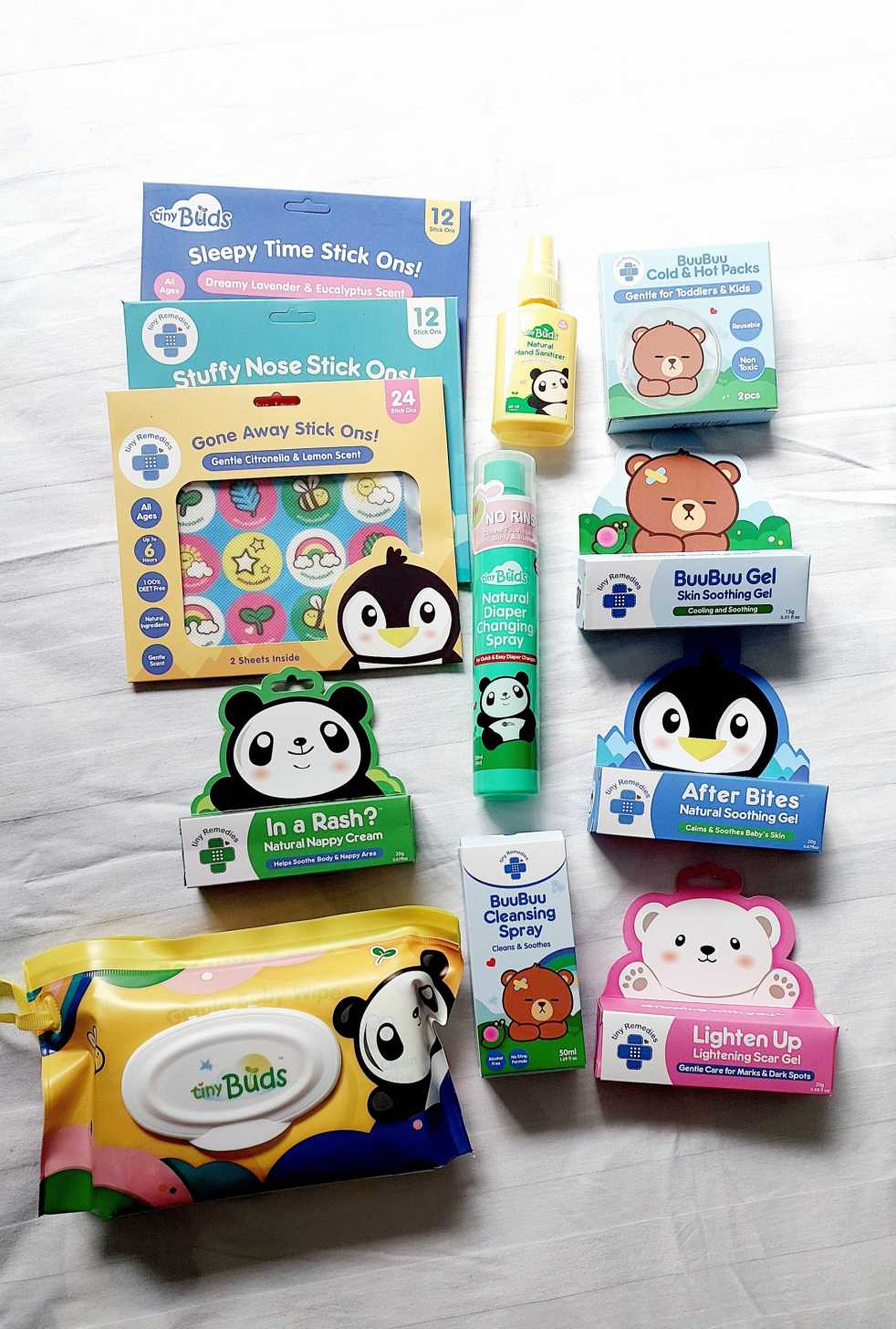
Your baby’s skin is more delicate than most, this is why you have to choose products that are designed for sensitive skin. Tiny Buds is a pioneer in integrating natural ingredients into baby care and today has over 50 innovative natural baby care essentials and is one of the Top Baby Personal Care brands. Here… Continue reading Product Review: Tiny Buds Baby Naturals Baby Essentials
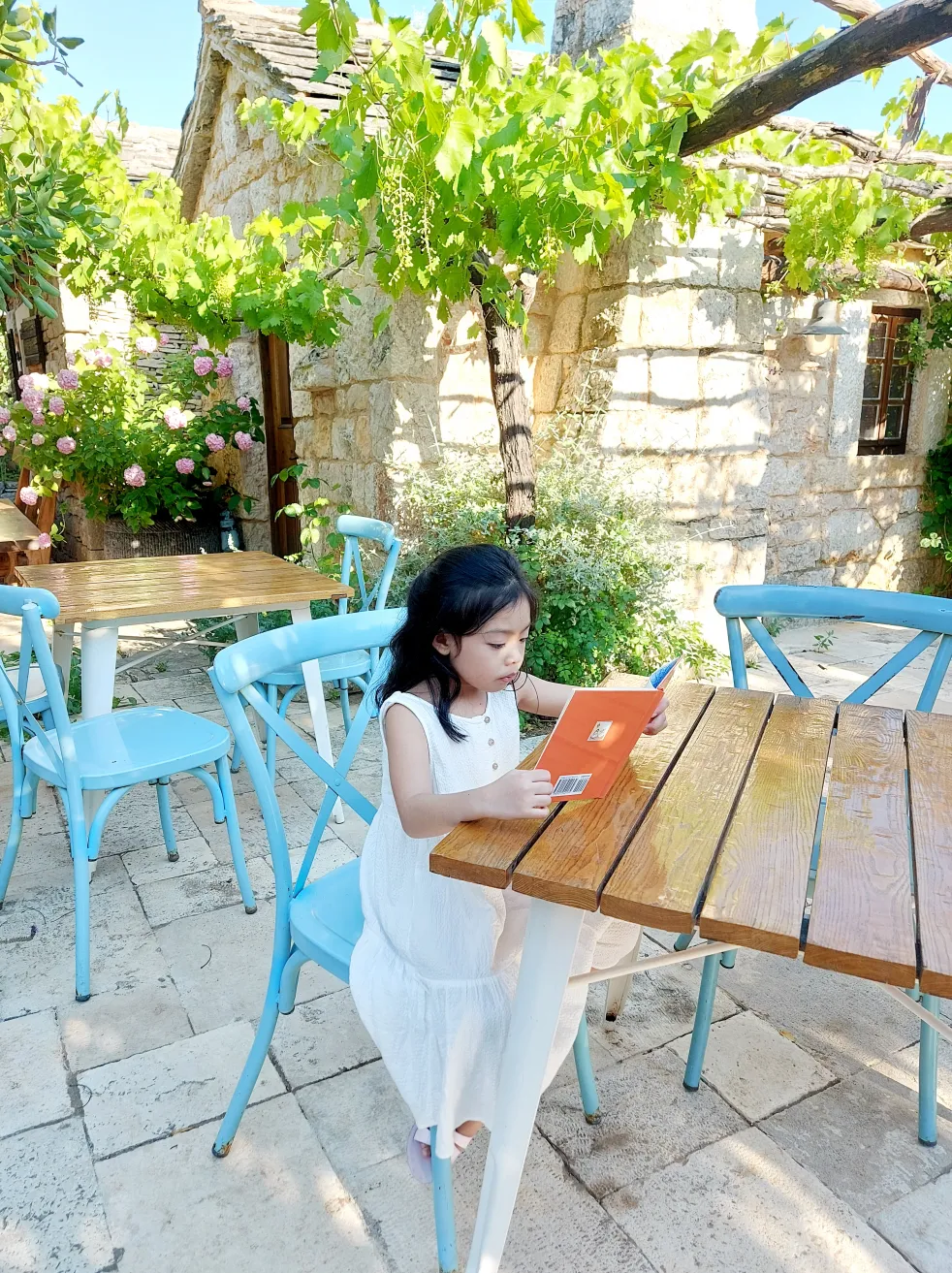
Where your child goes to school is a big decision and shouldn’t be taken lightly. Given how their education can impact their future, you might be tempted to take control and decide for them. However, you might be doing more damage than helping them in the long run. Your job as parents is to support… Continue reading HOW TO CHOOSE THE BEST SCHOOL FOR YOUR CHILD
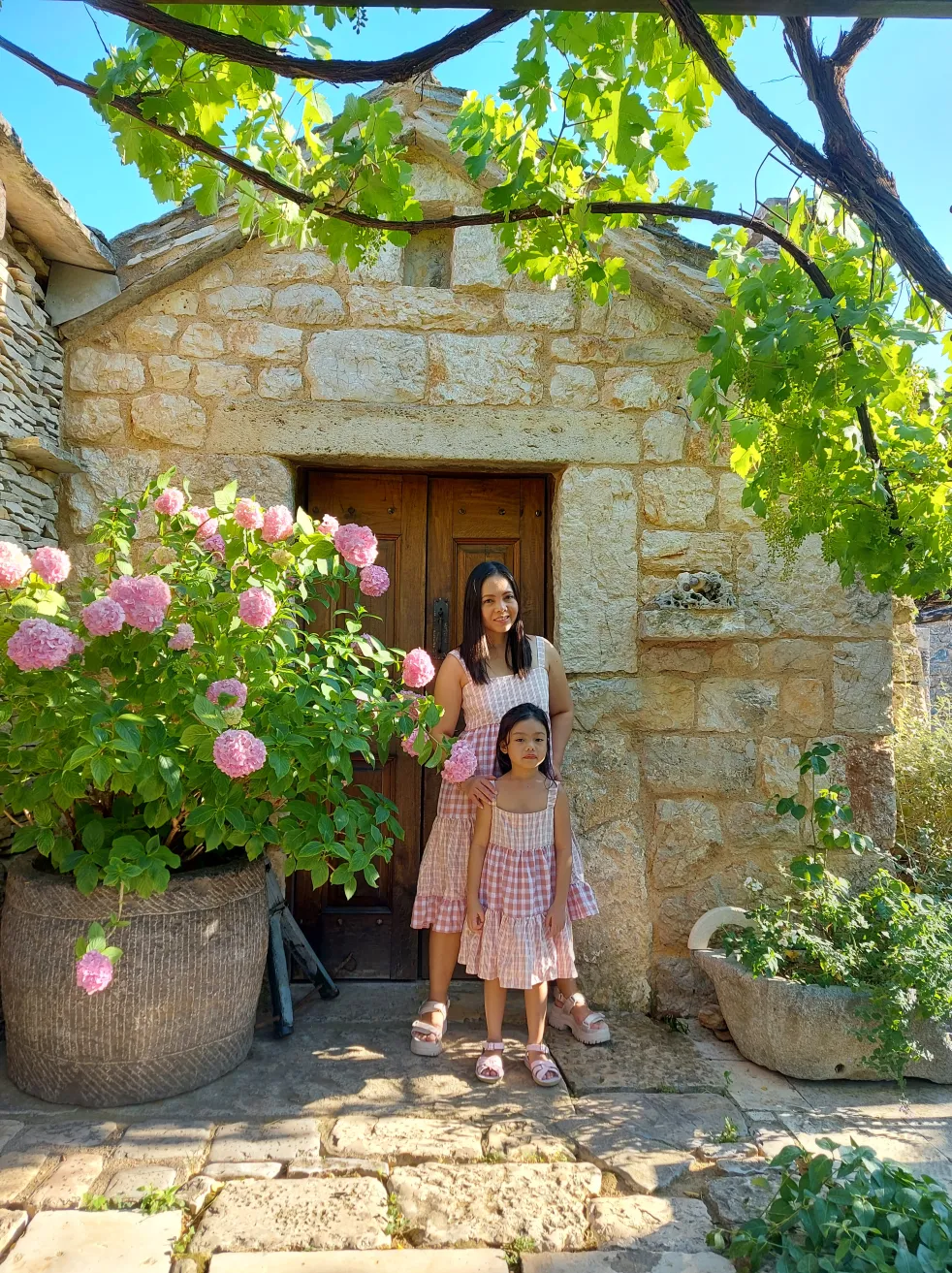
As poet and philosopher Rumi once eloquently said, “raise your words, not your voice. It is rain that grows flowers, not thunder.” Parenting is a challenging journey, and the truth is that nobody has everything figured out. One parenting style might suit others best, and some might favor other methods. However, children respond better to… Continue reading A SIMPLE GUIDE TO GENTLE PARENTING
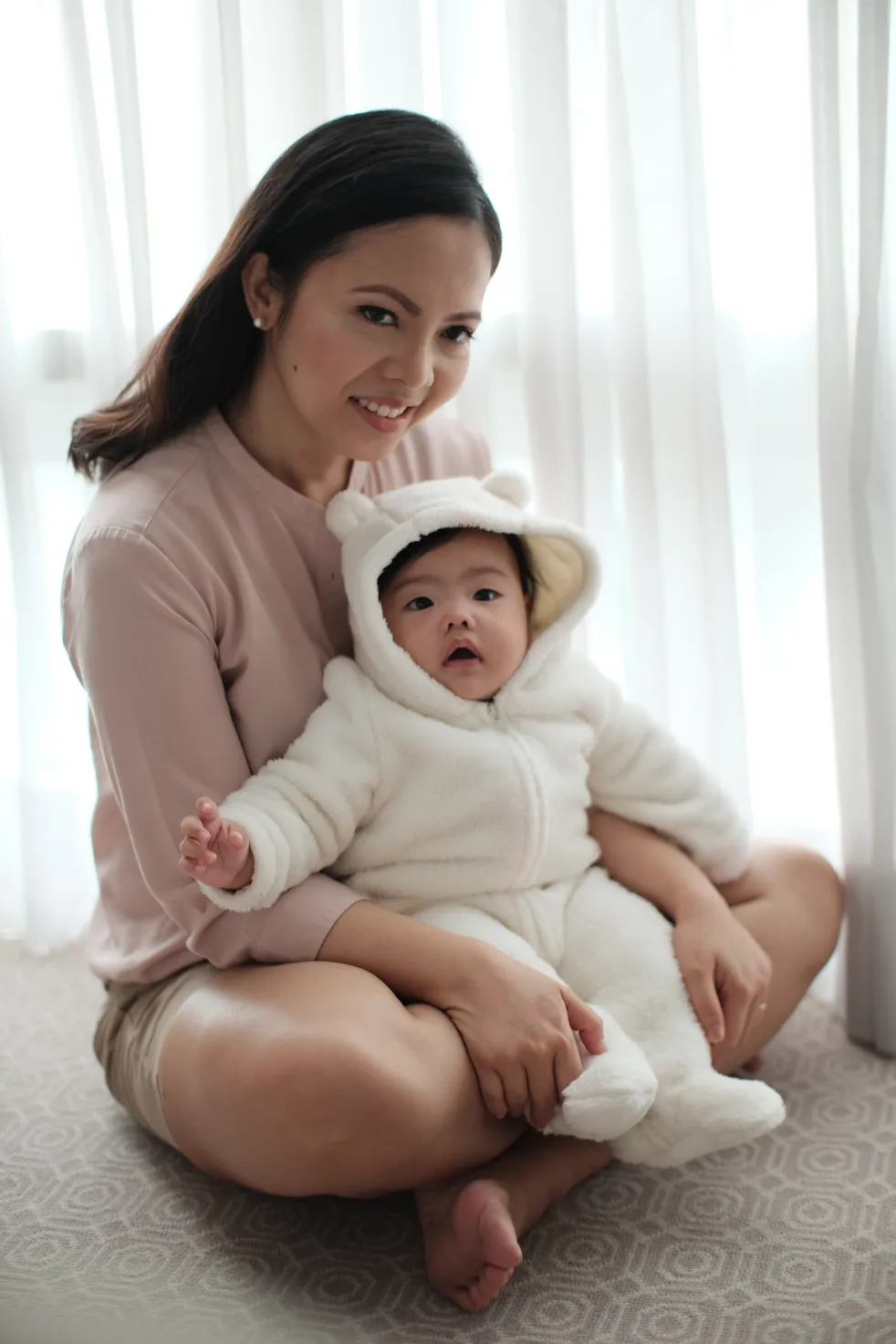
Whether you’re a new mom to be, mom of a toddler, mom who have school-aged kids, you’re bound to have so many questions. Let's start with your baby's skin. Infant skin has unique needs; gentle care is essential to prevent damage to the skin barrier, which can lead to irritation. When caring for infant skin,… Continue reading Keeping Baby’s Diapered Skin Healthy
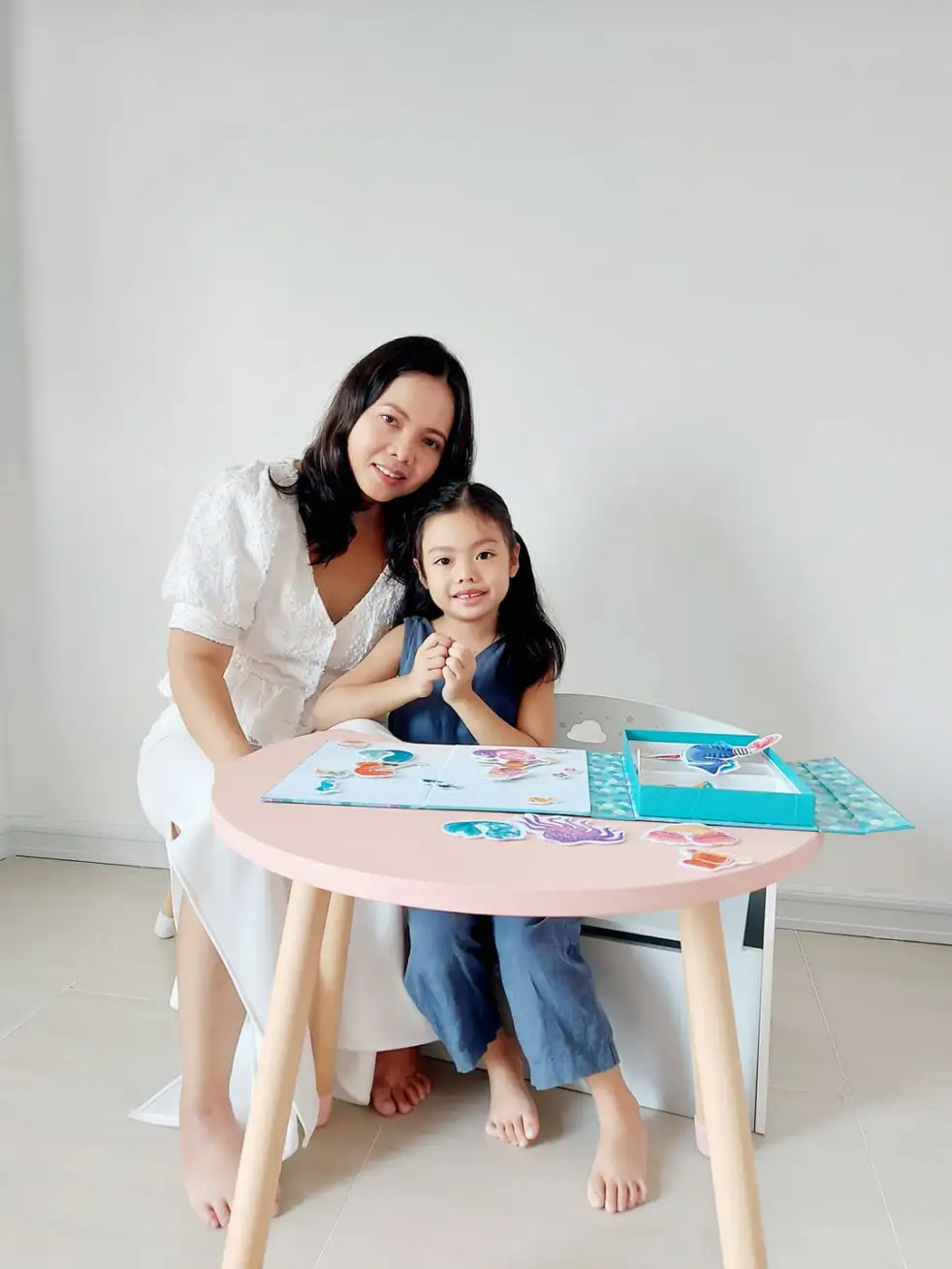
As parents, we want to give our child the best possible start in life and that begins with nurturing their intelligence. Throughout history, the notion of success has been linked to academic intelligence. However, there has been an increased awareness on the importance of emotional intelligence. This question gets at the heart of the never-ending… Continue reading IQ or EQ, which one is a better predictor of your child’s success?
 wondermomma.net