
Last August, IKEA Philippines engaged with Better World Smokey Mountain, a newly opened community center operated by the San Miguel Foundation, which shares a similar goal of improving the lives of many Filipino people. Through this partnership, IKEA Philippines provided and assembled home furnishings for the classrooms and library of Better World Smokey Mountain community… Continue reading Help Create a Better World with IKEA Soft Toys

NutriAsia, the country’s top producer of condiments and sauces, continues its support of Refill Revolution; a project by the Department of Environment and Natural Resources EMB 3 that aims to help reduce Filipinos’ single-use plastics consumption. At Refill Revolution, residents get to recycle their single-use plastic bottles by reusing and filling it with their choice… Continue reading NutriAsia and DENR renews partnership for Refill Revolution

Teaching your child to zip their own jacket with ease
Learning to zip a jacket is a small milestone with a big effect on a child’s daily independence. It helps them get ready for school, manage outdoor play, and feel capable when dressing without immediate adult assistance. Like tying shoelaces or fastening buttons, the skill develops through repeated practice rather than one perfect lesson.
Zippers can be tricky because several actions must happen in the right order. Your child needs to hold the jacket steady, insert the slider, keep the pin in place, and pull the tab upward. These movements require hand strength, coordination, focus, and patience.
The most helpful approach is gentle, practical, and suited to your child’s current abilities. Short practice sessions, clear language, and encouragement can turn a frustrating task into a familiar part of the morning routine.
Why zipper practice matters
A jacket zipper gives children a useful opportunity to build fine motor skills. Pinching the tab, guiding the slider, and stabilizing the fabric all strengthen the small muscles in the fingers and hands. These movements support other everyday tasks, including opening lunch containers, using scissors, and handling classroom materials.
This skill also develops motor planning. Your child learns to remember a sequence, adjust their grip, and notice when something is not aligned. They are gradually discovering how their body can solve a practical problem, which supports confidence and self-help skills.
Try to focus on effort instead of speed. A child who takes several minutes to zip a coat is still making valuable progress. Rushing in too quickly may send the message that the task is too difficult, while calm encouragement helps them keep trying.
Get the jacket and setting ready
Choose a jacket with a large, sturdy zipper and a smooth slider. Very small tabs, stiff teeth, or fabric that catches easily can make early practice unnecessarily hard. A lightweight jacket or cardigan is often easier than a thick winter coat, especially for small hands.
Practice when your child is comfortable and unhurried. After a bath, during pretend play, or before leaving for a relaxed outing may work better than the final five minutes before school. Sit beside your child so you can demonstrate the movement without taking over the whole task.
Make sure the jacket is laid flat or worn comfortably rather than twisted. Check that the zipper teeth are clean and that the fabric is not caught in the slider. If your child has sensitive skin around the neck or hands, select soft materials and avoid scratchy seams; gentle care matters, and this baby skincare guide can be useful when choosing products for eczema-prone skin.
Teach the motion in small steps
Begin by naming each part: the zipper teeth, the slider, the pull tab, and the bottom pin. Use simple phrases such as “find the pin,” “put it in,” “hold the bottom,” and “pull up.” Consistent words help your child remember the sequence without being overwhelmed by a long explanation.
Demonstrate slowly with the jacket in front of you. First, insert the pin into the slider. Next, hold the bottom of the jacket firmly with one hand while pulling the tab upward with the other. Pause after each step and allow your child to copy you. At first, you can complete the insertion while your child practices pulling the zipper up.
When your child is ready, let them take responsibility for one part at a time. You might hold the jacket steady while they insert the pin, then gradually release your support. If the zipper separates or gets stuck, calmly return to the last successful step rather than starting with criticism.
| Practice stage | What the child does | Helpful adult support |
|---|---|---|
| Explore | Handles the tab and finds the zipper parts | Name each part and let them examine it |
| Pull upward | Pulls a connected zipper from the bottom | Hold the jacket steady |
| Insert the pin | Places the pin into the slider | Guide their fingers if needed |
| Complete the sequence | Inserts, holds, and pulls independently | Give a brief reminder, then step back |
Make practice playful and manageable
Children often learn faster when practice feels like play. Let your child zip a doll’s coat, a stuffed animal’s vest, or a small pouch. Dress-up games can provide repeated practice without the pressure of getting ready for school. You can also create a “zip and unzip” activity using an old jacket that is safe and easy to handle.
Use a short, predictable routine. For example, practice three times, celebrate the attempt, and move on to another activity. Repetition is valuable, but lengthy sessions may lead to tired fingers and frustration. A few minutes each day can be more effective than one demanding lesson each week.
Songs and rhythm can help some children remember the sequence: “Pin in, hold down, pull up.” Keep the words playful and neutral. Avoid turning the exercise into a test, and do not compare your child’s progress with siblings or classmates.
Handle common zipper problems calmly
A frequent difficulty is failing to insert the bottom pin fully. The slider may appear connected but then separate as soon as the child pulls. Show your child how to check that the pin is pushed all the way in before pulling upward. You can use a visual cue, such as “look for the pin to disappear.”
If the fabric catches, tell your child to stop pulling. Tugging harder can damage the jacket or make the material more tightly trapped. Hold the slider still, gently ease the fabric away, and try again. Teaching this pause is an important part of safe problem-solving.
Some children struggle to keep one hand at the bottom while moving the other hand upward. A jacket placed on a table may be easier than one worn on the body. Once the hand movements become familiar, return to practicing while dressed.
Sensory preferences can also affect cooperation. A child may dislike the feel of metal, the sound of the zipper, or the pressure beneath the chin. Offer a soft alternative, allow them to wear the jacket open during early practice, and build tolerance gradually rather than forcing the movement.
Keep encouragement specific and steady
Praise the action your child attempted instead of using only general approval. Say, “You held the bottom still while you pulled,” or “You noticed the pin was not inside yet.” Specific feedback shows your child which movement helped and gives them information they can use next time.
It is also fine to provide limited physical assistance. A useful method is to guide your child’s hands through the motion once, then let them try independently. As their control improves, reduce your help from hand-over-hand guidance to a verbal cue, and finally to quiet observation.
Ways to support everyday progress
- Keep one easy-to-use jacket available for regular practice.
- Allow extra dressing time before school, appointments, or family outings.
- Practice on a flat surface before expecting success while the jacket is worn.
- Celebrate partial steps, such as inserting the pin or pulling the slider halfway.
- Replace or repair a zipper that repeatedly catches, separates, or feels too stiff.
Help the skill become routine
Once your child can complete the zipper with occasional help, include it in ordinary dressing rather than scheduling a formal lesson every day. Give them the first opportunity to try before you assist. A simple reminder such as “Try your zipper first” preserves independence while keeping the task manageable.
Expect progress to vary. A child may zip a jacket successfully at home but need help when tired, cold, or distracted. This does not mean the skill has been lost. Offer calm support in demanding situations and return to independent practice when your child has more energy.
With patient modeling, suitable clothing, and regular opportunities, zipping becomes an automatic part of getting dressed. Give your child time to work through the steps, encourage each small gain, and let this everyday task become another source of confidence.

Mercato Centrale, in collaboration with Indian Women in Enterprise Philippines (I-We), is set to host "The Great Indian Fiesta" to mark 75 years of friendship between India and the Philippines. The dynamic two-day event is scheduled to take place on September 30 to October 1, 2023, at Paseo De Roxas Street, Makati City. Aiming to… Continue reading Mercato Centrale Partners with I-We to Host ‘The Great Indian Fiesta’, Commemorating 75 Years of India-Philippines Friendship

My stomach would usually start growling at 10 am even after taking a big breakfast. This is probably because I am a morning person and I move a lot throughout the day hence snacking is something that I can't avoid. This potatoes and chicken wrap recipe is easy to prepare and would keep me full… Continue reading Potato and Chicken Wrap
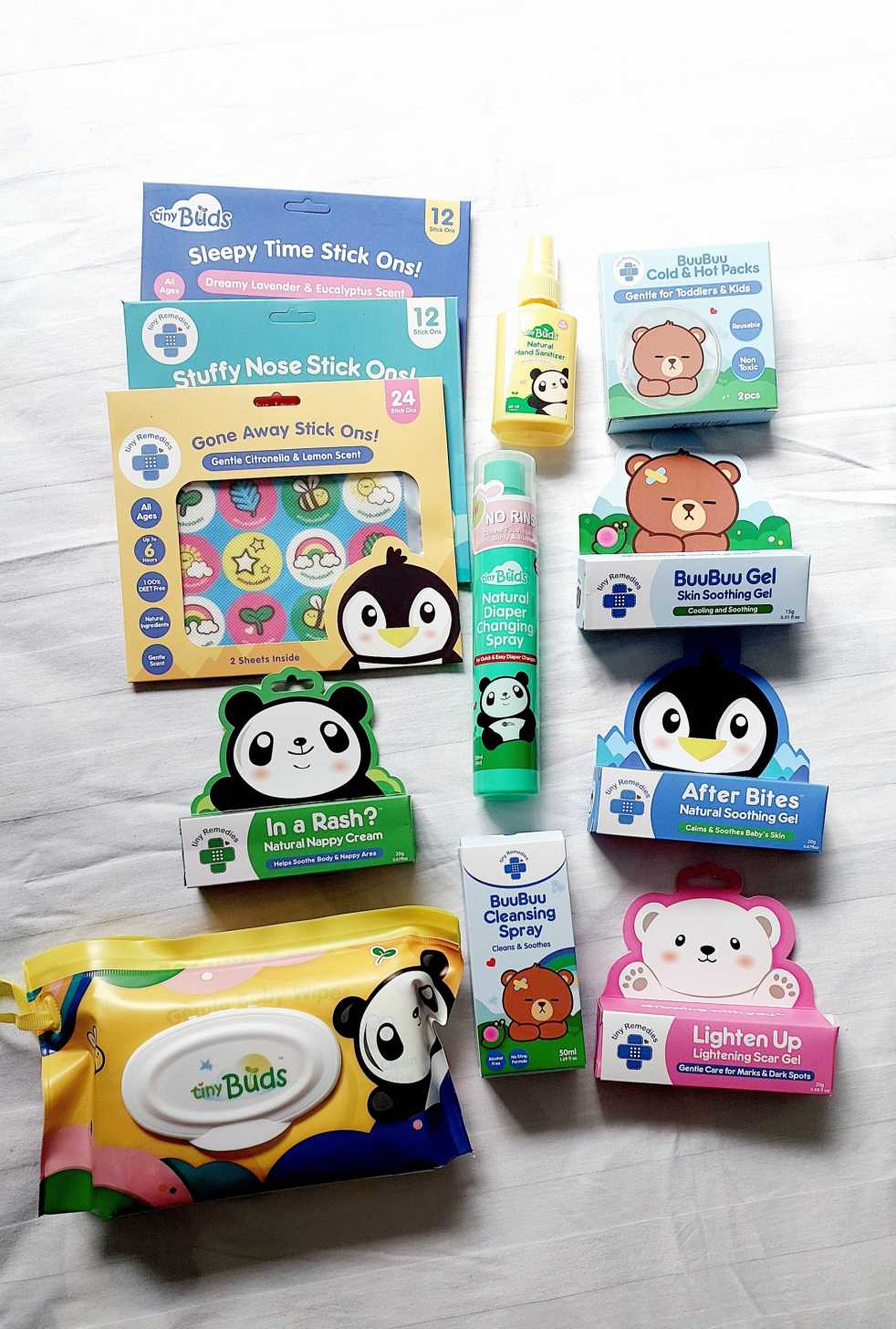
Your baby’s skin is more delicate than most, this is why you have to choose products that are designed for sensitive skin. Tiny Buds is a pioneer in integrating natural ingredients into baby care and today has over 50 innovative natural baby care essentials and is one of the Top Baby Personal Care brands. Here… Continue reading Product Review: Tiny Buds Baby Naturals Baby Essentials
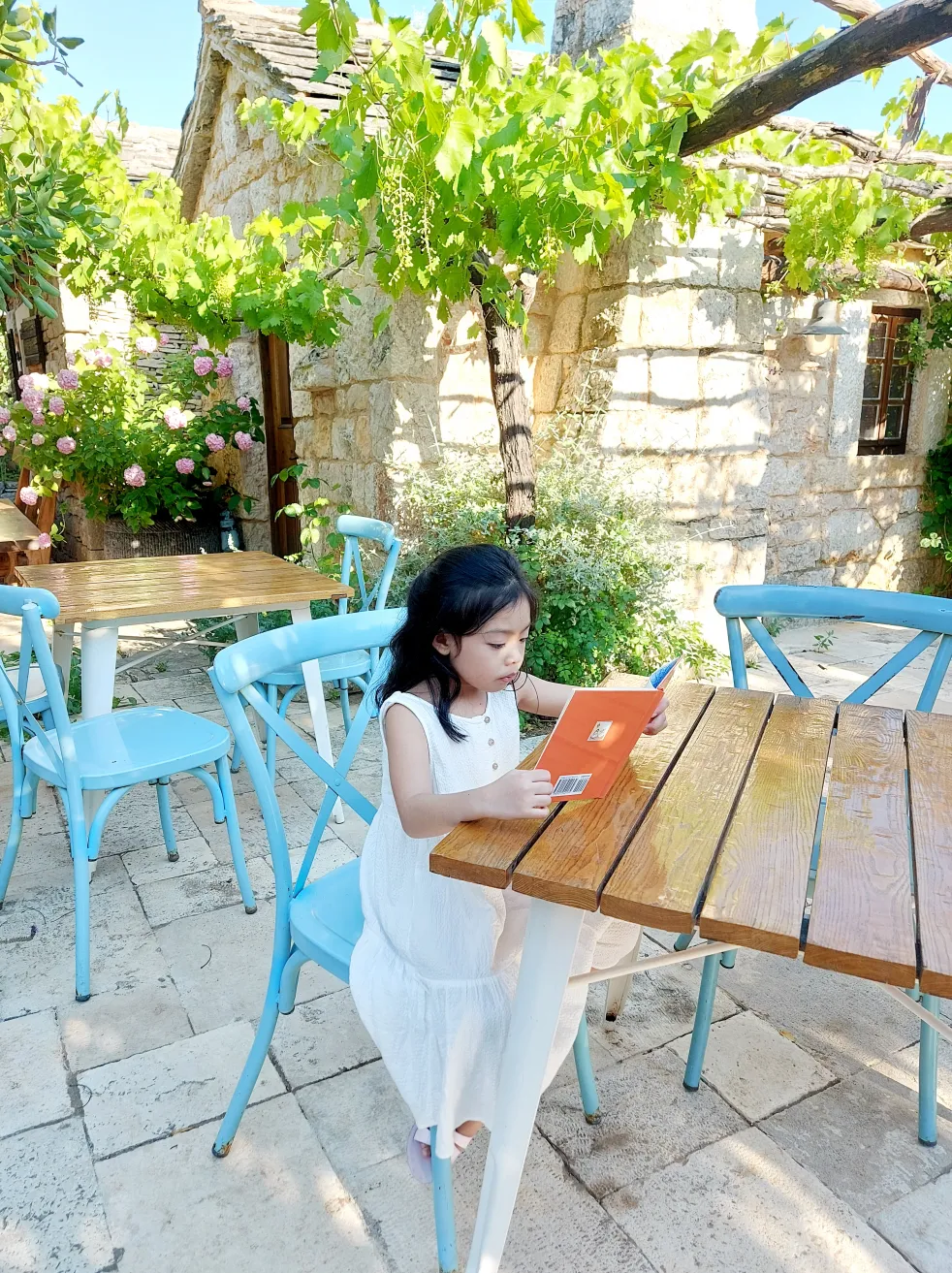
Where your child goes to school is a big decision and shouldn’t be taken lightly. Given how their education can impact their future, you might be tempted to take control and decide for them. However, you might be doing more damage than helping them in the long run. Your job as parents is to support… Continue reading HOW TO CHOOSE THE BEST SCHOOL FOR YOUR CHILD

As poet and philosopher Rumi once eloquently said, “raise your words, not your voice. It is rain that grows flowers, not thunder.” Parenting is a challenging journey, and the truth is that nobody has everything figured out. One parenting style might suit others best, and some might favor other methods. However, children respond better to… Continue reading A SIMPLE GUIDE TO GENTLE PARENTING

Whether you’re a new mom to be, mom of a toddler, mom who have school-aged kids, you’re bound to have so many questions. Let's start with your baby's skin. Infant skin has unique needs; gentle care is essential to prevent damage to the skin barrier, which can lead to irritation. When caring for infant skin,… Continue reading Keeping Baby’s Diapered Skin Healthy
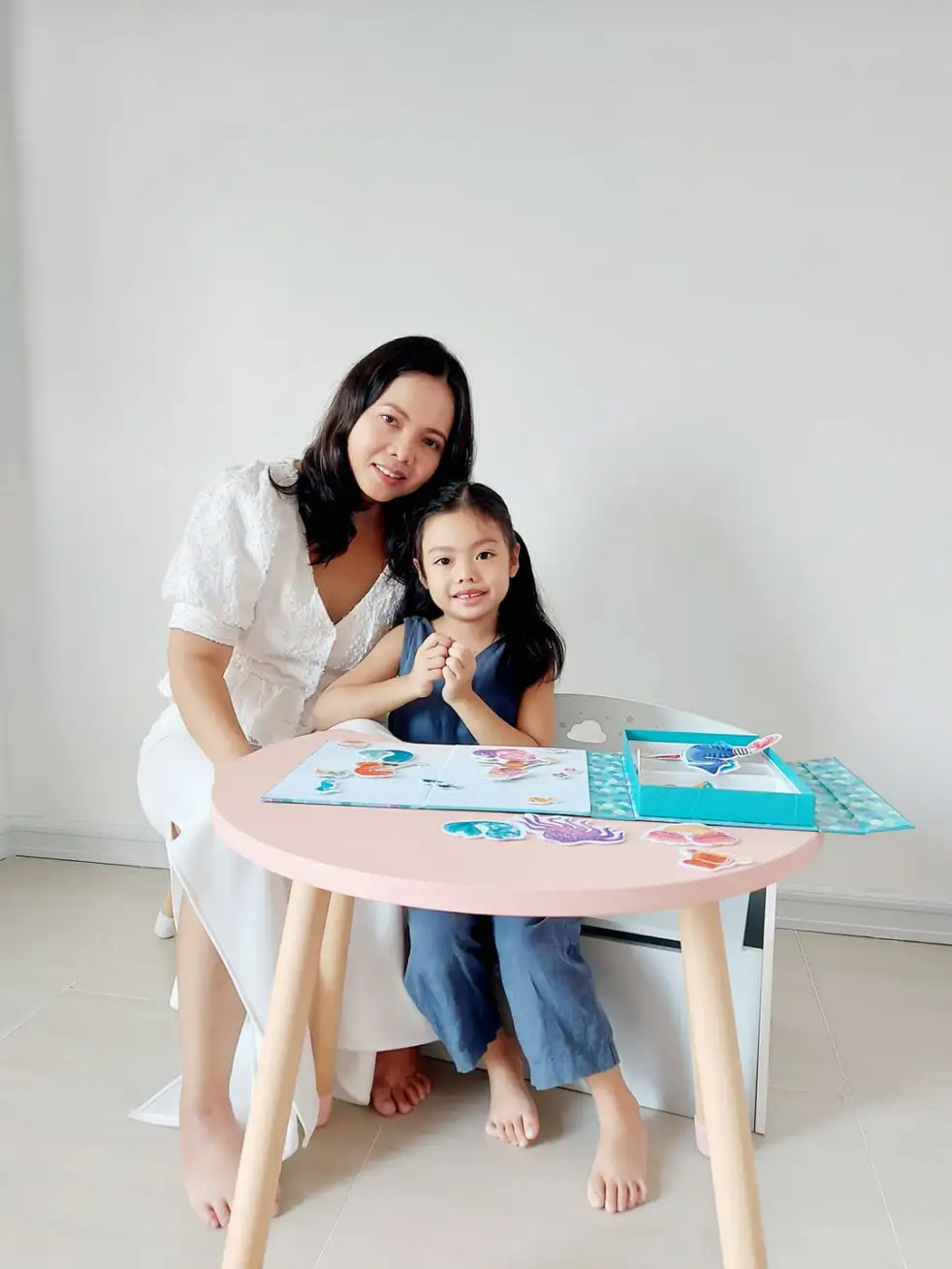
As parents, we want to give our child the best possible start in life and that begins with nurturing their intelligence. Throughout history, the notion of success has been linked to academic intelligence. However, there has been an increased awareness on the importance of emotional intelligence. This question gets at the heart of the never-ending… Continue reading IQ or EQ, which one is a better predictor of your child’s success?
 wondermomma.net