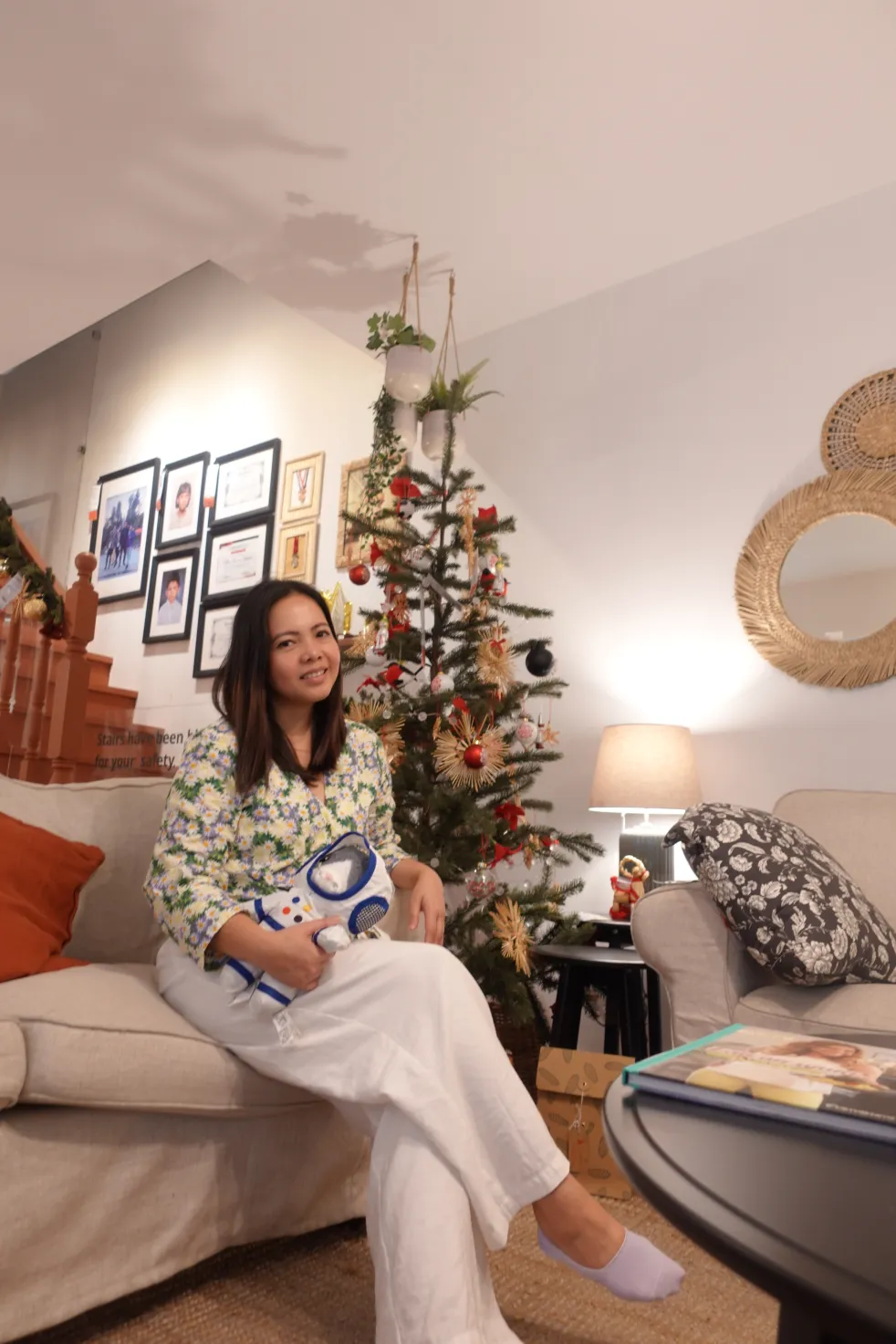
Last August, IKEA Philippines engaged with Better World Smokey Mountain, a newly opened community center operated by the San Miguel Foundation, which shares a similar goal of improving the lives of many Filipino people. Through this partnership, IKEA Philippines provided and assembled home furnishings for the classrooms and library of Better World Smokey Mountain community… Continue reading Help Create a Better World with IKEA Soft Toys
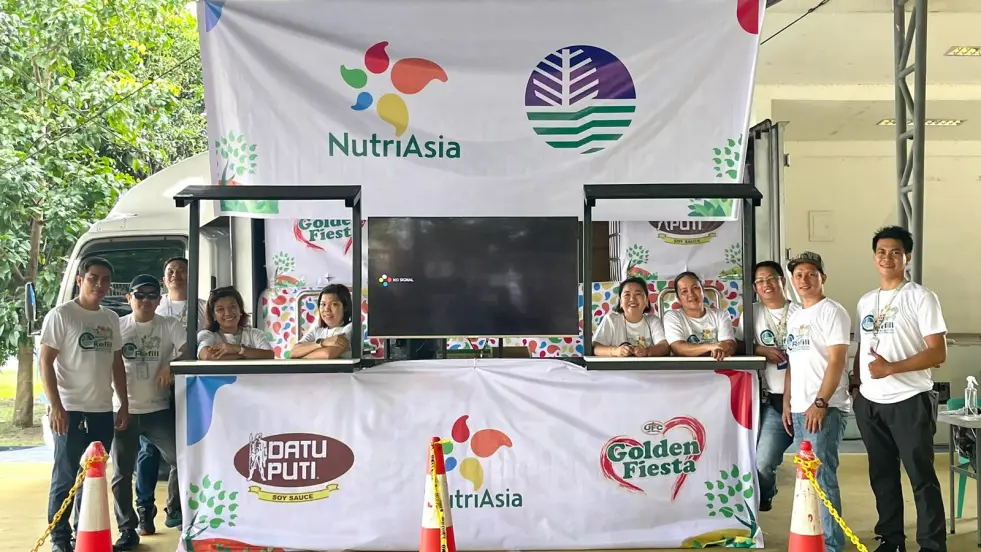
NutriAsia, the country’s top producer of condiments and sauces, continues its support of Refill Revolution; a project by the Department of Environment and Natural Resources EMB 3 that aims to help reduce Filipinos’ single-use plastics consumption. At Refill Revolution, residents get to recycle their single-use plastic bottles by reusing and filling it with their choice… Continue reading NutriAsia and DENR renews partnership for Refill Revolution

Teaching Your Child to Write Their Name Through Play
Learning to write a name is an exciting milestone for many children. It gives them a meaningful reason to practise pencil control, letter formation, and early reading skills. Seeing their own name on paper can also build confidence and a growing sense of independence.
Children develop at different speeds, so there is no single age when name writing should look perfect. Some preschoolers may copy a few uppercase letters, while others may still be strengthening their hands and learning to recognise the letters in their name. Both stages are normal.
The most helpful approach is relaxed, playful, and consistent. Short activities at home, in the classroom, or while travelling can make writing practice feel like part of everyday family life rather than a difficult task.
Why A Name Is A Meaningful First Word
A child’s name is familiar, personal, and motivating. They hear it every day, see it on belongings, and may recognise it on labels at school. This connection makes name writing more purposeful than copying a random line of letters.
Writing a name also combines several early literacy skills. Children begin to notice that letters have a particular order, that written marks carry meaning, and that words are made from individual symbols. They may gradually learn to identify the first letter, compare uppercase and lowercase forms, and recognise their name among other words.
There are physical benefits as well. Holding a crayon, moving across a page, and forming curved or straight lines help develop fine motor coordination. These skills support future handwriting, drawing, dressing, eating with utensils, and other daily tasks.
Notice Readiness Before Formal Practice
Before asking a child to copy their full name, look for signs that they are becoming ready. They may enjoy drawing, make controlled scribbles, imitate vertical or horizontal lines, use a comfortable pencil grip, or show interest in letters and signs. A child who can listen to simple directions may also be ready for short guided activities.
Name writing does not need to begin with a pencil and worksheet. If forming letters feels frustrating, start with recognition and movement. Point out the first letter on a book cover, spell the name aloud during a song, or invite your child to find their name card among two or three choices.
Avoid comparing siblings, classmates, or cousins. A child who is not yet interested in writing may need more time to develop hand strength, visual tracking, or confidence. Encouragement works best when it focuses on effort and discovery instead of neatness or speed.
Strengthen Hands And Pre-Writing Skills
Children often need to practise the movements behind writing before they can form recognisable letters. Drawing roads, waves, circles, crosses, and simple shapes helps them learn how lines move across a surface. Use thick crayons, washable markers, chalk, or short pencils that are easy for small hands to control.
Playdough is useful for building hand strength. Let your child roll long “snakes,” pinch small pieces, or shape the letters of their name. Tearing paper, using child-safe scissors, threading large beads, and picking up small objects with tongs can also support finger coordination.
Large movements matter too. Write the first letter of the name in the air, trace it on a wall with a finger, or draw it with a stick in sand or rice. These activities help children remember the shape without the pressure of producing a small, tidy letter immediately.
Turn Letter Practice Into A Game
Play makes repetition easier. Create a name puzzle by writing one letter on each card and mixing the cards up. Your child can arrange them in order, clap once for each letter, and match the finished word to a name label. For children in multilingual households, say the name naturally in the family’s home languages while keeping the written form visible.
Sensory trays are another engaging option. Fill a shallow container with salt, flour, uncooked rice, or sand, then demonstrate one letter at a time. A paintbrush, finger, or blunt end of a pencil can be used to trace the shape. Keep the layer thin enough that the movement remains visible.
Try a “name hunt” around the home. Place handwritten name cards on a bedroom door, water bottle, toy basket, or school bag. Invite your child to find each one and circle the first letter. You can also write the name with bath crayons, build it with magnetic letters, or form it using bottle caps and craft sticks.
Move From Recognition To Independent Writing
A gentle progression helps children understand what to do next. Begin with seeing and identifying the name, then move toward tracing, copying, and eventually writing without a model. There is no need to rush through these steps. A child may remain at one stage for several weeks and still be making valuable progress.
Use a clear model with enough space between letters. Many young children find uppercase letters easier at first, although they should gradually see the lowercase form used in their everyday name. If the name is long, begin with the first letter or a shortened nickname before returning to the full version.
| Practice stage | What the child does | Helpful activity |
|---|---|---|
| Recognition | Finds their name among other words | Name cards, labels, and matching games |
| Letter awareness | Identifies the first or familiar letters | Letter hunts and sound games |
| Sensory tracing | Follows a letter shape with a finger | Sand, rice, playdough, or finger paint |
| Guided writing | Traces or copies from a model | Dotted letters and large writing spaces |
| Independent writing | Attempts the name from memory | Drawing, greeting cards, and sign-in sheets |
A model should be supportive rather than something a child must reproduce exactly. If a letter appears backwards or out of order, respond calmly and show the movement again. Early writing often includes inventive shapes, uneven sizing, and changing letter forms.
Keep Practice Short And Encouraging
Five minutes of enjoyable practice can be more effective than a long session that ends in tears. Choose a time when your child is rested and allow them to stop after a few attempts. The goal is to create positive associations with writing, not to complete a certain number of pages.
Praise specific actions. Say, “You started your letter at the top,” or “You remembered the first letter,” instead of using only general approval. This shows your child what they are learning and helps them notice progress.
Simple Ways To Support Progress
- Keep a small basket of crayons, chalk, markers, and paper where your child can reach them.
- Write your own name beside theirs so writing feels like a shared family activity.
- Use labels on toys, drawers, lunch containers, and artwork to connect letters with daily routines.
- Offer choices such as “Would you like to trace with paint or build the letters with playdough?”
- Celebrate attempts by displaying drawings, signing homemade cards, or adding names to family artwork.
Be careful with correction. Repeatedly erasing a child’s work can make them afraid to try. Instead, accept the attempt, model the letter once, and invite another try only if your child is willing. A warm response protects confidence while still providing guidance.
Make Room For Different Learning Styles
Some children learn best by seeing a large written model. Others remember letter shapes through touch, movement, rhythm, or sound. Combining several senses can make name writing more accessible, especially for children who lose interest in ordinary worksheets.
A child who loves movement might jump onto floor cards arranged to spell their name. A child who enjoys music could sing the letters to a simple tune. Children who prefer stories may decorate a “name book,” with one page for each letter and a drawing of something they like.
Consider the writing tools and surfaces available at home. Vertical writing on an easel or taped sheet of paper can encourage broader arm movements, while chunky crayons may be easier to grip than thin pencils. In warm climates, outdoor chalk activities can provide a refreshing alternative to sitting at a desk, provided the area is safe and shaded when needed.
If a child consistently avoids drawing, experiences pain, or struggles with everyday fine motor tasks, speak with their teacher or paediatrician. A professional can help identify whether additional support would be useful. Asking for guidance is a way to understand a child’s needs, not a sign that they are behind.
Bring Name Writing Into Everyday Family Life
Name writing becomes more natural when it has a real purpose. Let your child sign a birthday card, label a drawing, mark a place at the table, or add their name to a pretend restaurant menu. These small moments show that writing helps people share ideas and identify their belongings.
Keep expectations appropriate for the child’s age and experience. Preschool children may produce a mixture of symbols, capital letters, and recognisable forms. What matters is their growing understanding that their name can be represented in print and that they have the ability to create it.
Set aside a few playful minutes several times a week, follow your child’s interests, and celebrate every small step. With patience, meaningful practice, and plenty of encouragement, name writing can become a joyful part of your child’s early learning journey.

Mercato Centrale, in collaboration with Indian Women in Enterprise Philippines (I-We), is set to host "The Great Indian Fiesta" to mark 75 years of friendship between India and the Philippines. The dynamic two-day event is scheduled to take place on September 30 to October 1, 2023, at Paseo De Roxas Street, Makati City. Aiming to… Continue reading Mercato Centrale Partners with I-We to Host ‘The Great Indian Fiesta’, Commemorating 75 Years of India-Philippines Friendship

My stomach would usually start growling at 10 am even after taking a big breakfast. This is probably because I am a morning person and I move a lot throughout the day hence snacking is something that I can't avoid. This potatoes and chicken wrap recipe is easy to prepare and would keep me full… Continue reading Potato and Chicken Wrap
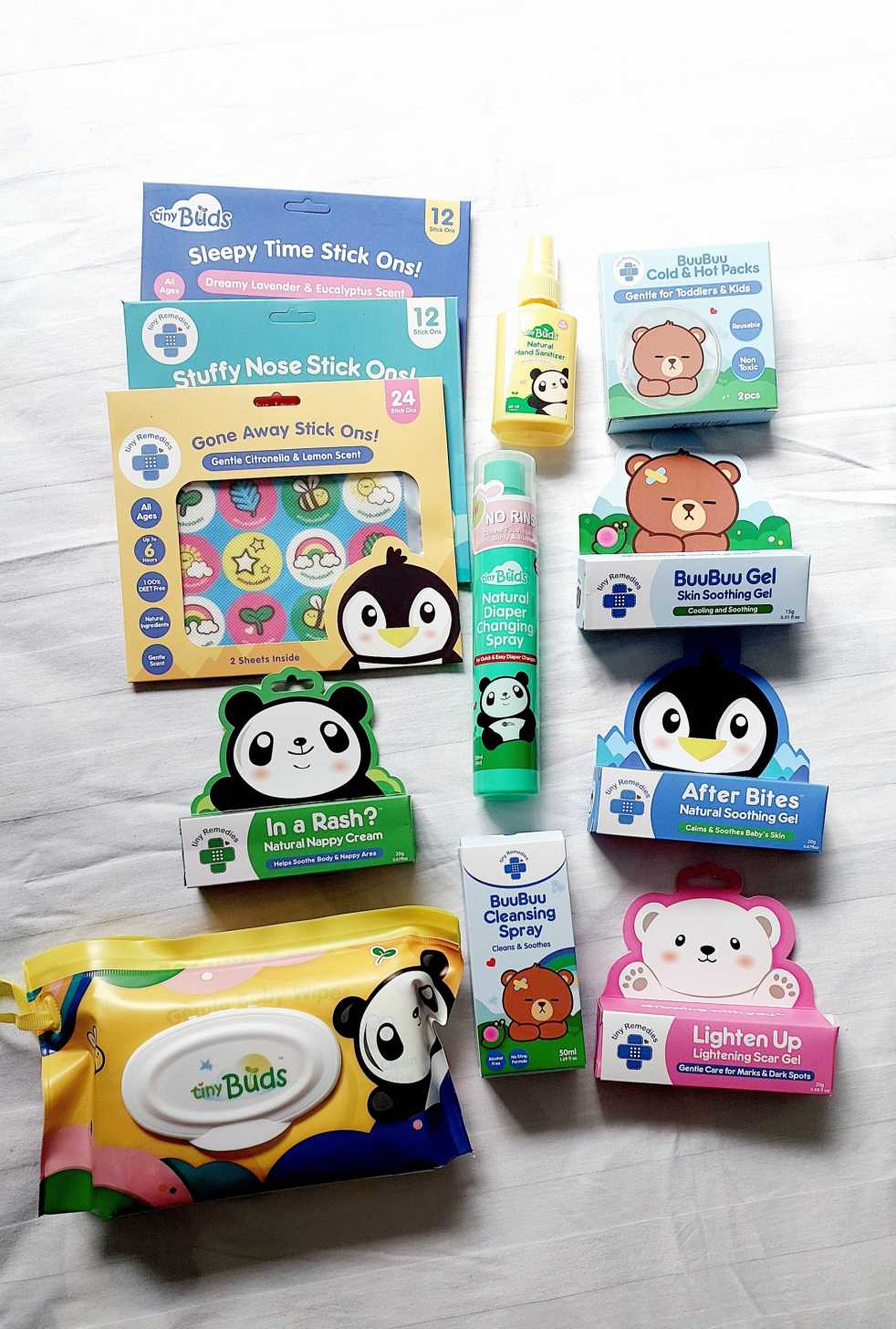
Your baby’s skin is more delicate than most, this is why you have to choose products that are designed for sensitive skin. Tiny Buds is a pioneer in integrating natural ingredients into baby care and today has over 50 innovative natural baby care essentials and is one of the Top Baby Personal Care brands. Here… Continue reading Product Review: Tiny Buds Baby Naturals Baby Essentials
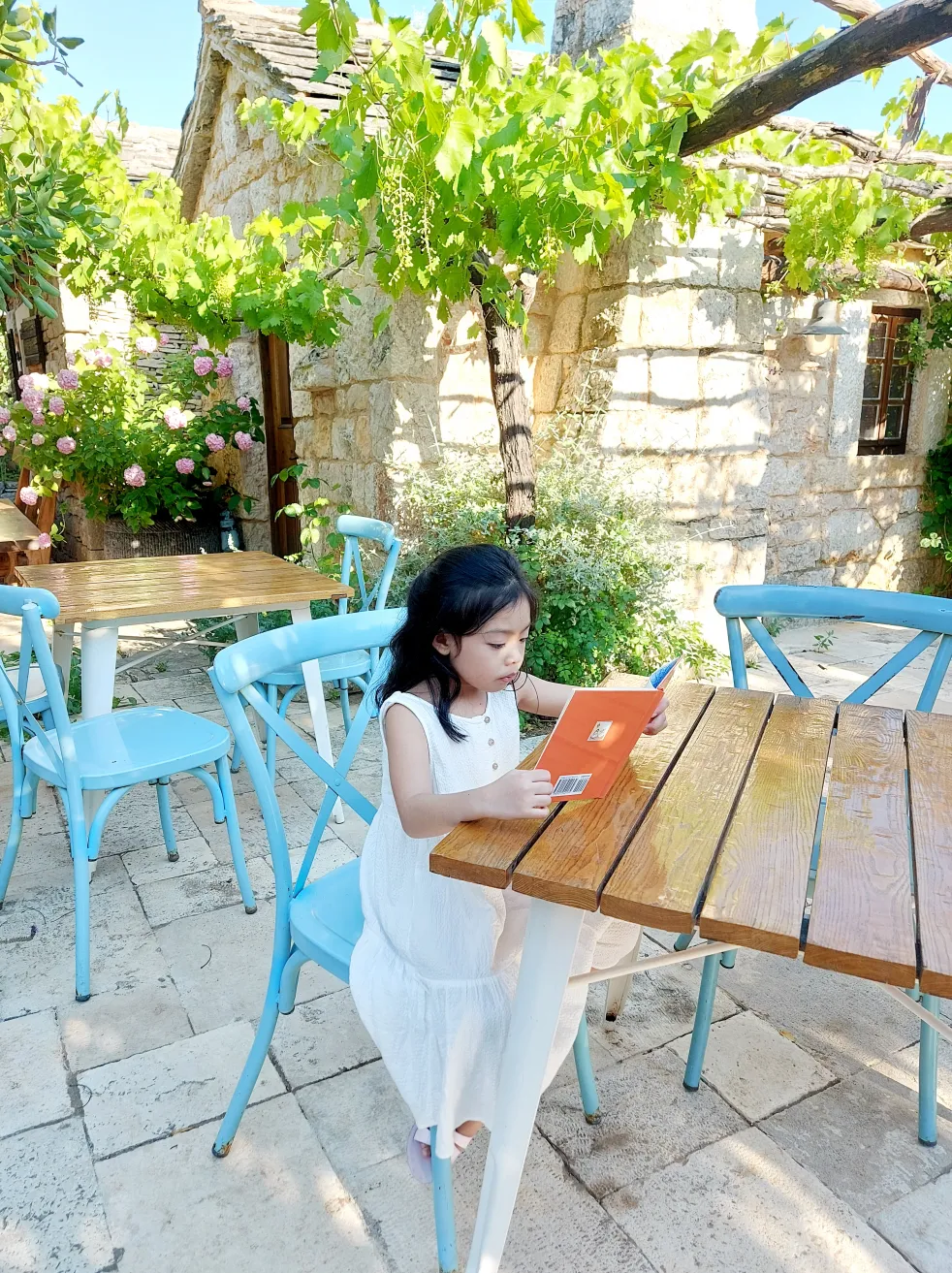
Where your child goes to school is a big decision and shouldn’t be taken lightly. Given how their education can impact their future, you might be tempted to take control and decide for them. However, you might be doing more damage than helping them in the long run. Your job as parents is to support… Continue reading HOW TO CHOOSE THE BEST SCHOOL FOR YOUR CHILD
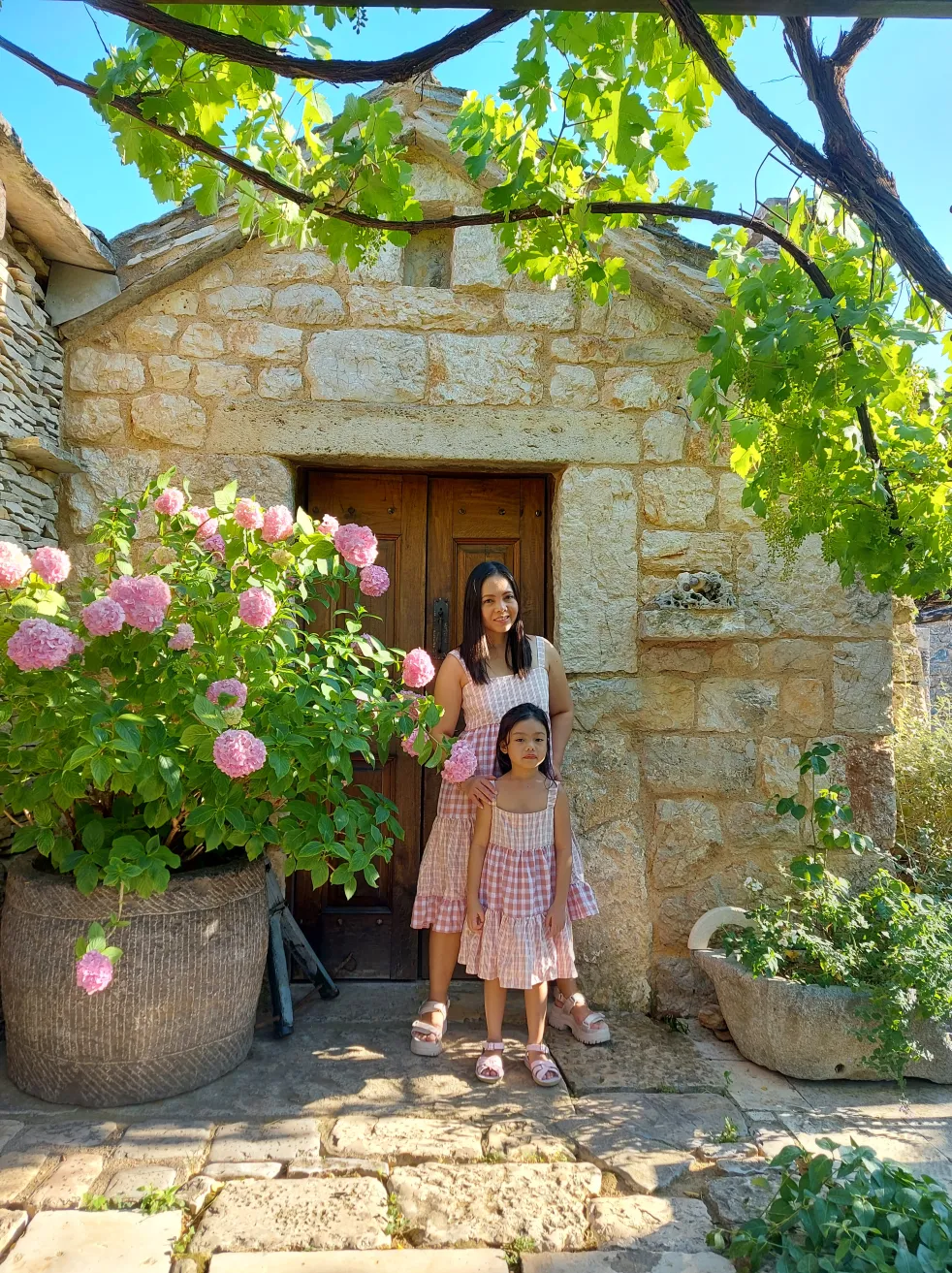
As poet and philosopher Rumi once eloquently said, “raise your words, not your voice. It is rain that grows flowers, not thunder.” Parenting is a challenging journey, and the truth is that nobody has everything figured out. One parenting style might suit others best, and some might favor other methods. However, children respond better to… Continue reading A SIMPLE GUIDE TO GENTLE PARENTING
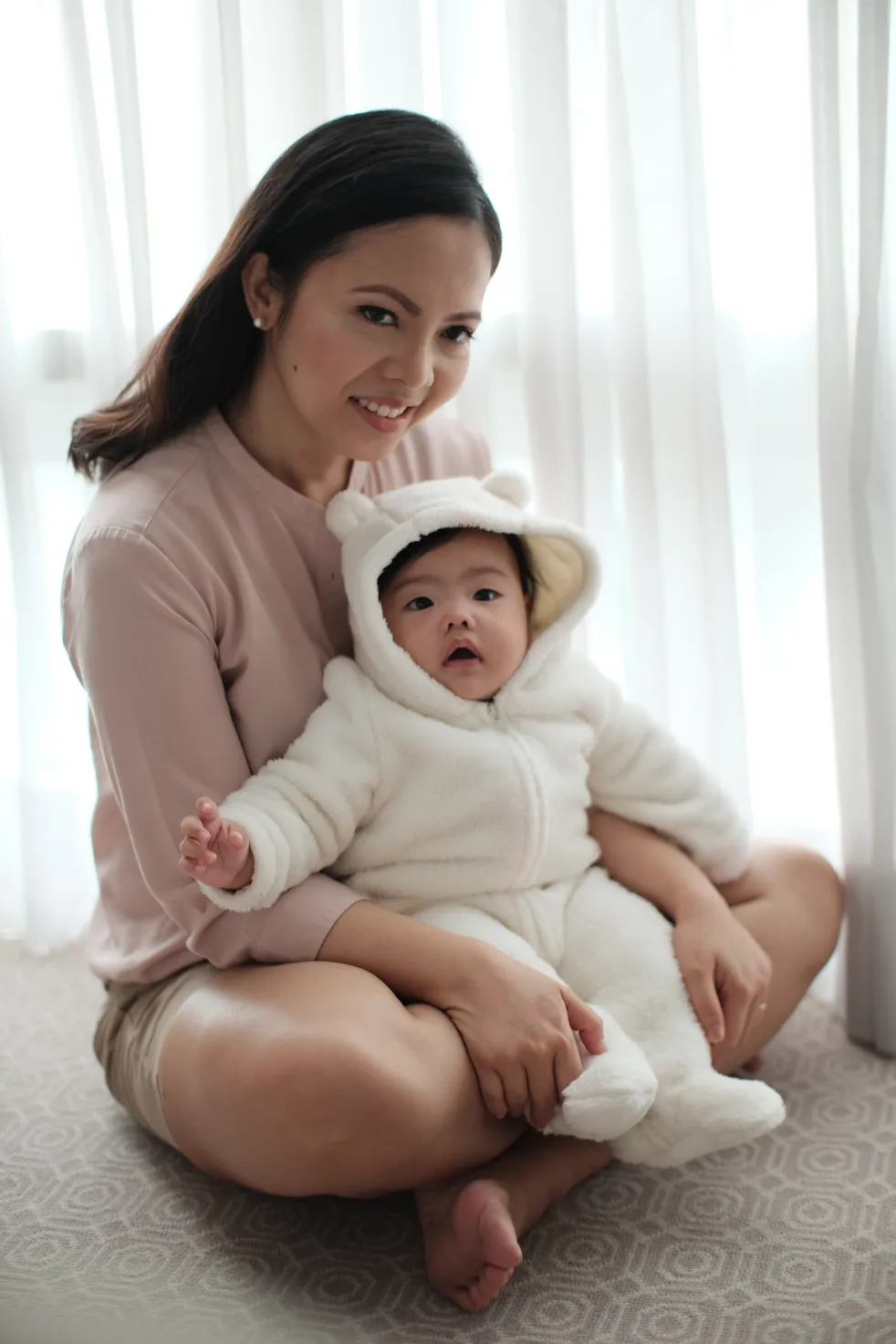
Whether you’re a new mom to be, mom of a toddler, mom who have school-aged kids, you’re bound to have so many questions. Let's start with your baby's skin. Infant skin has unique needs; gentle care is essential to prevent damage to the skin barrier, which can lead to irritation. When caring for infant skin,… Continue reading Keeping Baby’s Diapered Skin Healthy
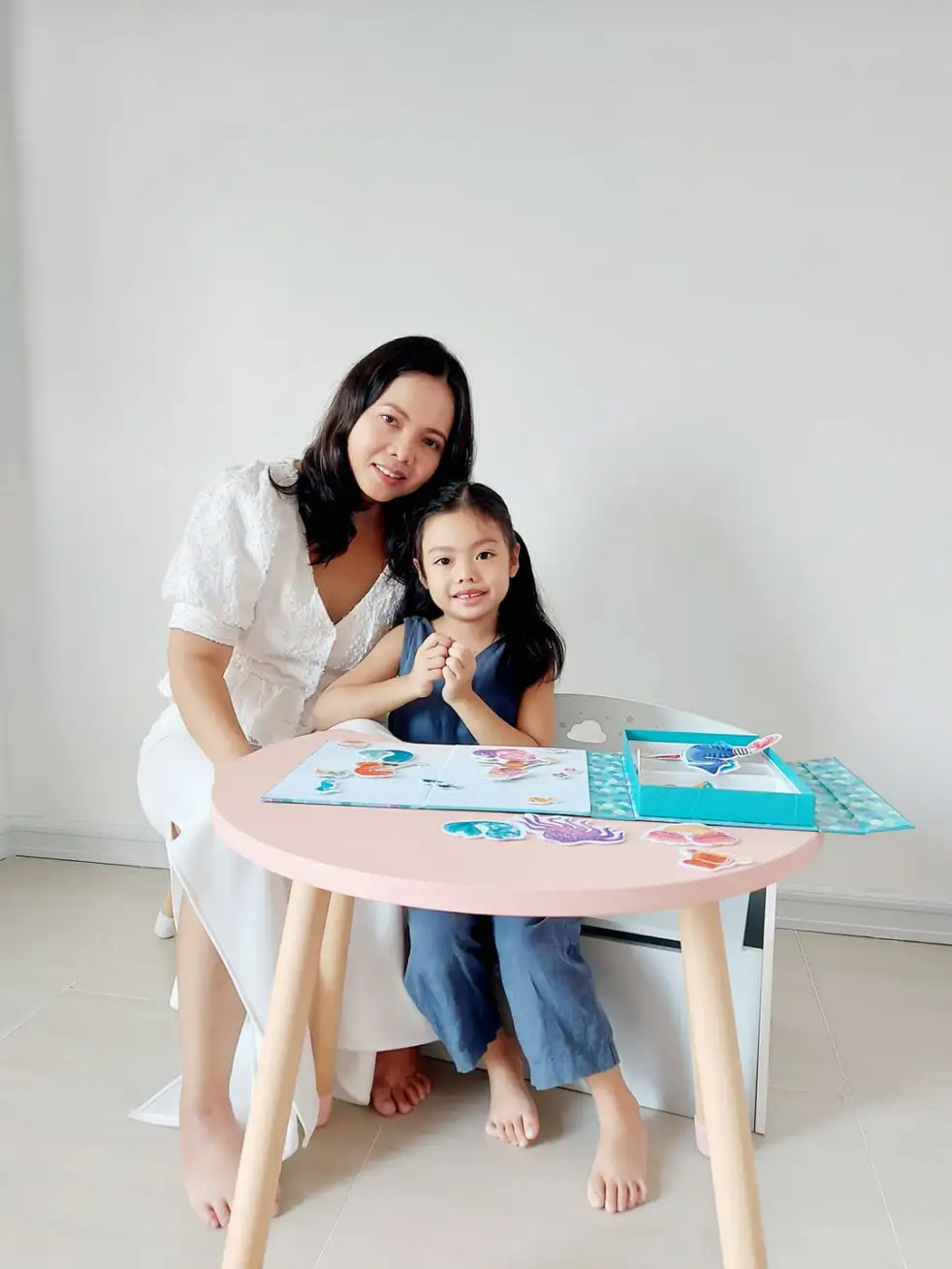
As parents, we want to give our child the best possible start in life and that begins with nurturing their intelligence. Throughout history, the notion of success has been linked to academic intelligence. However, there has been an increased awareness on the importance of emotional intelligence. This question gets at the heart of the never-ending… Continue reading IQ or EQ, which one is a better predictor of your child’s success?
 wondermomma.net