

Last August, IKEA Philippines engaged with Better World Smokey Mountain, a newly opened community center operated by the San Miguel Foundation, which shares a similar goal of improving the lives of many Filipino people. Through this partnership, IKEA Philippines provided and assembled home furnishings for the classrooms and library of Better World Smokey Mountain community… Continue reading Help Create a Better World with IKEA Soft Toys

NutriAsia, the country’s top producer of condiments and sauces, continues its support of Refill Revolution; a project by the Department of Environment and Natural Resources EMB 3 that aims to help reduce Filipinos’ single-use plastics consumption. At Refill Revolution, residents get to recycle their single-use plastic bottles by reusing and filling it with their choice… Continue reading NutriAsia and DENR renews partnership for Refill Revolution

When to start swimming lessons and how to guide your child
Teaching your child to swim is a practical family skill that can carry into holidays, sports and everyday safety. Lessons are most effective when children feel comfortable in the water and build small skills over time. The goal is not to race through a syllabus or reach a particular badge; it is to develop the confidence and judgement needed to enjoy water safely.
Australian families have useful options nearby: public and council pools in Sydney, Melbourne, Brisbane and other cities, plus many suburban backyards. Warm summers mean lessons can continue through much of the year, while heated indoor pools make them easier in cooler months. Beach swimming is also part of daily life, so basic water competence should be paired with an understanding of currents, flags and lifeguard zones.
Parents often ask for a single starting age, but there is no reliable birthday for this milestone. A child may be ready for a structured class at three while another needs more water time; readiness, instruction and consistent practice matter more than a number on the calendar.
Teaching your child to swim works best when adults share the same message: water can be enjoyable, and progress comes through patience. A supportive instructor, sensible practice at home and plenty of chances to revisit new skills create a steadier learning experience than pressure, comparison or throwing a frightened child into deeper water.
Start with water confidence, not a birthday
Infants can begin gentle water familiarisation at home through supervised baths, shallow paddling and time playing with cups and containers. These experiences do not need to include formal lessons, but the adult should stay within arm’s reach and never treat a bath as a substitute for a properly fenced pool. Some Australian swim schools accept babies from three months, so families should check each provider’s age policy and instructor qualifications.
Look for signs that the child is settling into a group environment. Children who can leave the pool when asked, respond to simple instructions, tolerate wet clothing and show curiosity around water may be ready for structured teaching. Staying relaxed in the water is more useful than an ability to hold their breath underwater, because children naturally learn breathing skills during play.
If a child becomes distressed, pauses the activity and needs constant reassurance, consider pausing the lessons and talking with the instructor. A reputable provider will adjust the activity rather than force a breakthrough. Water confidence grows through repeated positive experiences, and a short happy session is usually more valuable than a long lesson filled with fear.
A flexible guide to swimming milestones
Age guides are useful for planning, but they should be treated as broad ranges rather than deadlines. Some children progress quickly, while others need extra time with movement, trust or body position. A flexible guide helps families match the next goal to the child’s present ability.
| Stage | Common age range | Skills to prioritise | Useful parental support |
|---|---|---|---|
| Water familiarisation | Birth to 2 years | Relaxed posture, safe entry and exit, splashing, breath awareness | Short supervised play, praise and consistent boundaries |
| Preschool foundations | 2 to 4 years | Submerging the face, floating with support, kicking and moving through shallow water | Familiar routines, swim nappies and games that practise movement |
| Early school years | 5 to 8 years | Independent breathing, gliding, back and front floats, basic strokes | Short practice between lessons and encouragement without comparisons |
| Older children and teens | 9 years and above | Confident strokes, treading water, timed and distance swimming, open-water awareness | Goal-setting, strength and endurance activities, increased independence |
For preschoolers, lessons commonly use songs, games and inflatable aids to develop breath control and body awareness. The instructor may introduce supported floats, pushing away from the wall and moving across a shallow pool. Children at this age often need help remembering when to enter, how to share the space and when a lesson is finished.
By the early school years, many children are ready to connect separate skills such as breathing, kicking and paddling into a short glide. Older children can work towards efficient strokes, survival skills and open-water competence. A child with a disability or ongoing health concern may benefit from an adapted program; ask instructors about individual planning and accessible pool entry options.
Choosing a suitable learn-to-swim program
The Australian market includes council-run programs, independent swim schools and private coaching. Many programmes follow standards associated with Swim Australia, although accreditation alone does not guarantee the right fit. Families should ask about instructor qualifications, class ratios, water temperature, how children are grouped and how teachers progress beginners through water safety and core strokes.
Visit a class before enrolling if possible. Watch whether the instructor gives each child useful attention, explains the skill and responds calmly to distress. Ask whether the school provides caps, whether parents can watch lessons and whether the program includes practice outside the pool. A clear progression from comfort in the water to independent skills is more important than promises of rapid results.
Swimming lessons often fit around school, work and family schedules. When lessons fall between school and lunch, a simple lunchbox formula can make packing easier. Send goggles, a labelled towel, a rash vest and swimwear in a separate bag, then include a familiar snack and a full water bottle. Keeping everything ready reduces the chance that a rushed morning becomes the reason a child misses practice.
Turning lessons into confident water skills
Children learn swimming concepts through movement. At home, games such as blowing bubbles, chasing floating objects or pushing a ball along the pool floor can reinforce what happens in class. For a beginner, practise the breathing rhythm, kicking position and relaxed body before expecting a complete stroke. Short, enjoyable sessions are more useful than long periods of drilling.
Give specific praise, such as noticing a straighter streamline or a controlled breath, rather than calling every attempt perfect. Avoid comparing siblings or classmates and do not turn every practice into a test. If the child freezes, becomes quiet or repeatedly asks to leave the pool, reduce the difficulty and speak with the instructor about the next step.
Progress often comes through revisiting skills in different settings. A child may glide confidently in a familiar pool but need encouragement in a shallow bay or another centre. Between lessons, offer frequent chances to practise, record interesting progress and keep the focus on safe movement. Dry-land lessons are also valuable: children can practise positioning, entry and exits while waiting for their turn in the water.
Safety at home, at the pool and on the beach
A capable swimmer still needs active supervision, especially near water. For beginners, an attentive adult should remain close enough to reach the child immediately. Designate one adult as the watcher so everyone nearby knows who is responsible. Keep phones and conversations away during this time, and remember that lifeguards supervise a designated area rather than replacing a parent’s attention.
Backyard pool barriers, self-closing gates and proper gate latches are legal requirements in many Australian jurisdictions. The exact rules differ between New South Wales, Victoria, Queensland and other state or territory governments, so check current information from the relevant council or government site. Keep toys away from the pool, maintain the barrier and learn CPR. Personal flotation devices can provide support, but they do not replace supervision or swimming ability.
At the beach, choose a patrolled area and explain the Australian flag system before entering the water. Red-and-white flags mark hazardous areas, while red-and-yellow flags identify supervised zones between the flags. Surf lifesaving clubs and lifeguards offer valuable community education, and older children should learn how rip currents form and what to do if caught in one.
Sun and temperature also affect safety in Australia’s climate. Apply broad-spectrum sunscreen, use protective clothing and a hat, provide drinking water and take breaks during hot days. Keep a simple emergency plan that identifies who calls emergency services, where the first-aid kit is and how each child can be reached. Calm preparation gives the whole family a better chance of responding quickly without adding panic.

Mercato Centrale, in collaboration with Indian Women in Enterprise Philippines (I-We), is set to host "The Great Indian Fiesta" to mark 75 years of friendship between India and the Philippines. The dynamic two-day event is scheduled to take place on September 30 to October 1, 2023, at Paseo De Roxas Street, Makati City. Aiming to… Continue reading Mercato Centrale Partners with I-We to Host ‘The Great Indian Fiesta’, Commemorating 75 Years of India-Philippines Friendship

My stomach would usually start growling at 10 am even after taking a big breakfast. This is probably because I am a morning person and I move a lot throughout the day hence snacking is something that I can't avoid. This potatoes and chicken wrap recipe is easy to prepare and would keep me full… Continue reading Potato and Chicken Wrap
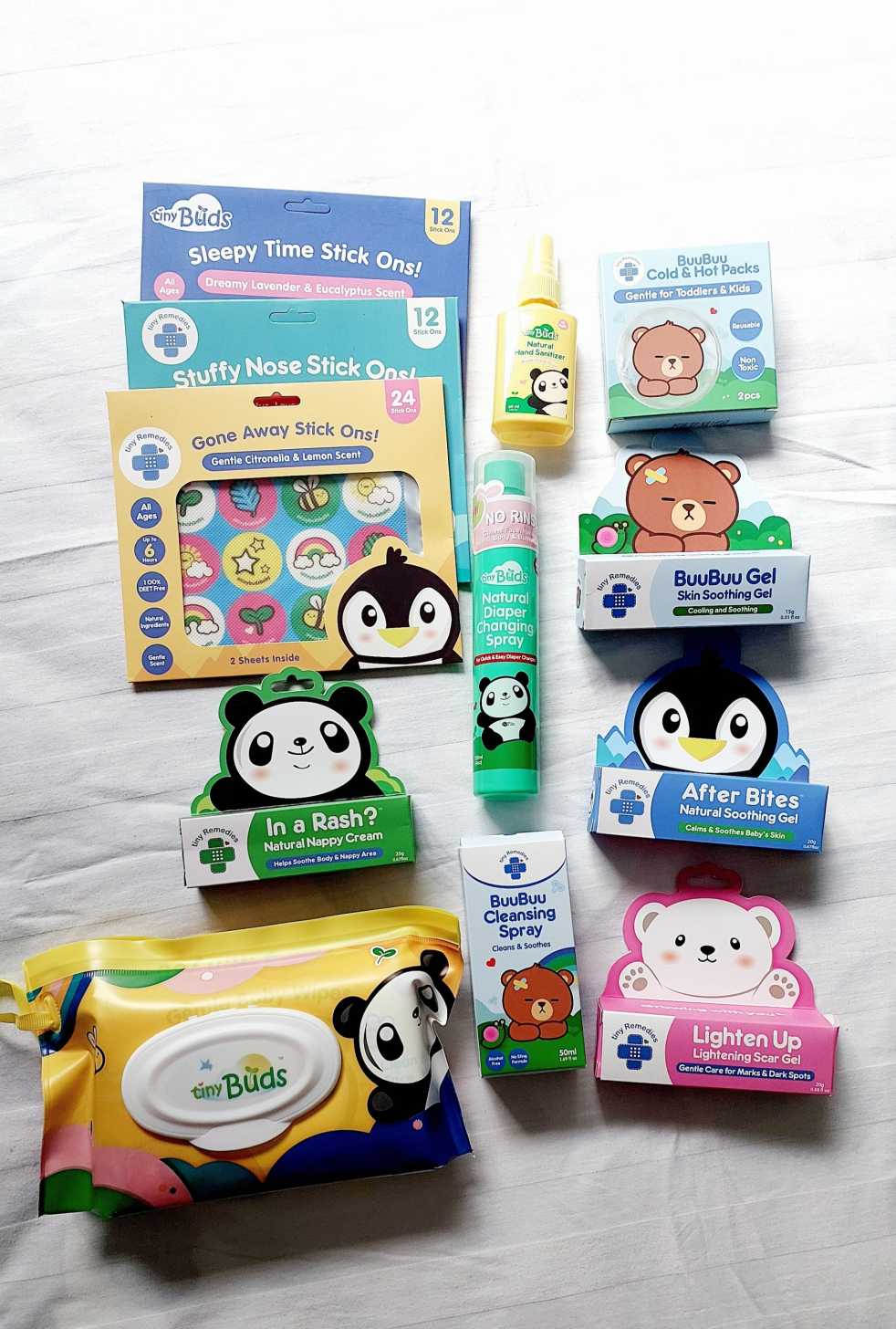
Your baby’s skin is more delicate than most, this is why you have to choose products that are designed for sensitive skin. Tiny Buds is a pioneer in integrating natural ingredients into baby care and today has over 50 innovative natural baby care essentials and is one of the Top Baby Personal Care brands. Here… Continue reading Product Review: Tiny Buds Baby Naturals Baby Essentials
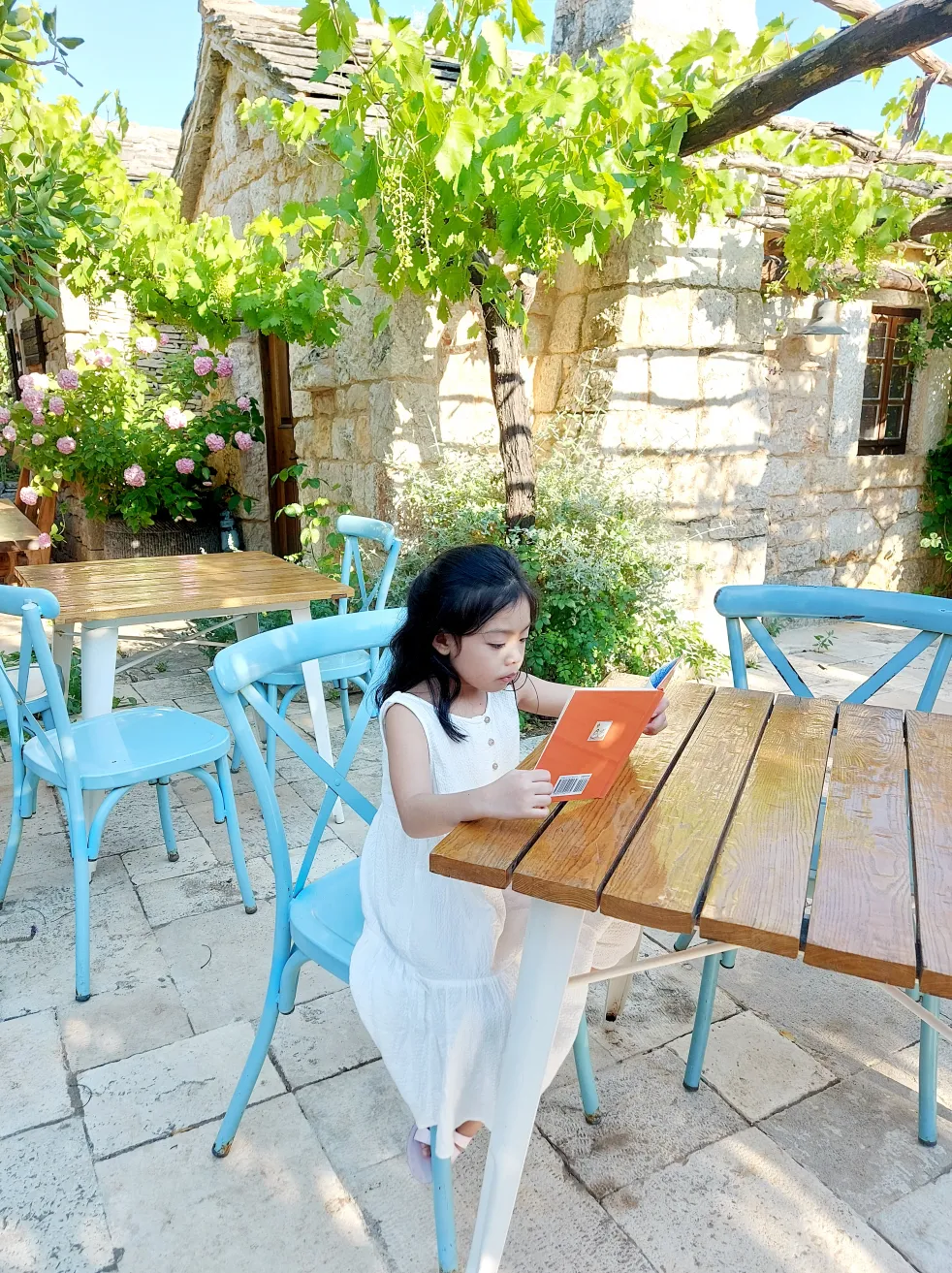
Where your child goes to school is a big decision and shouldn’t be taken lightly. Given how their education can impact their future, you might be tempted to take control and decide for them. However, you might be doing more damage than helping them in the long run. Your job as parents is to support… Continue reading HOW TO CHOOSE THE BEST SCHOOL FOR YOUR CHILD
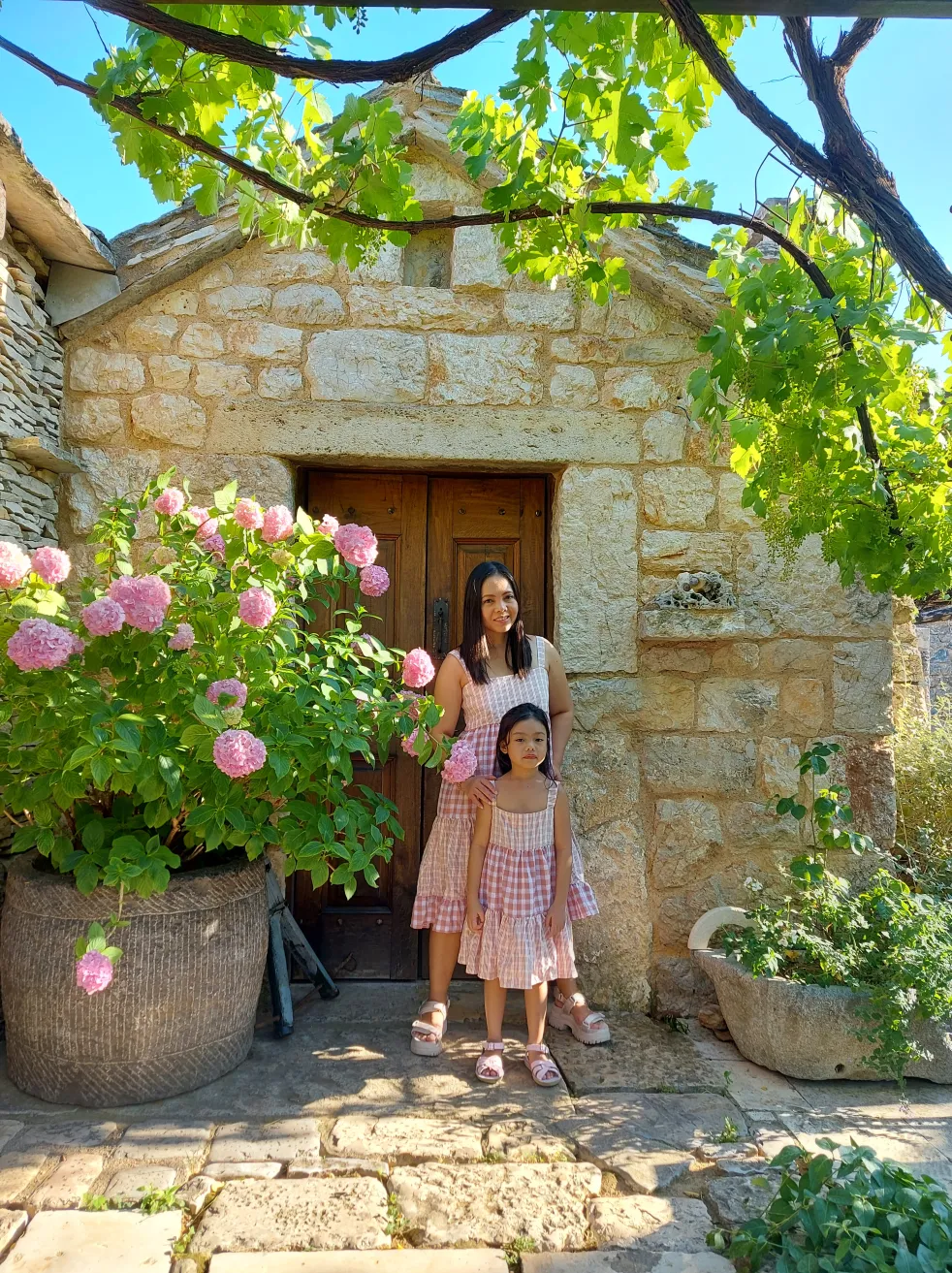
As poet and philosopher Rumi once eloquently said, “raise your words, not your voice. It is rain that grows flowers, not thunder.” Parenting is a challenging journey, and the truth is that nobody has everything figured out. One parenting style might suit others best, and some might favor other methods. However, children respond better to… Continue reading A SIMPLE GUIDE TO GENTLE PARENTING

Whether you’re a new mom to be, mom of a toddler, mom who have school-aged kids, you’re bound to have so many questions. Let's start with your baby's skin. Infant skin has unique needs; gentle care is essential to prevent damage to the skin barrier, which can lead to irritation. When caring for infant skin,… Continue reading Keeping Baby’s Diapered Skin Healthy
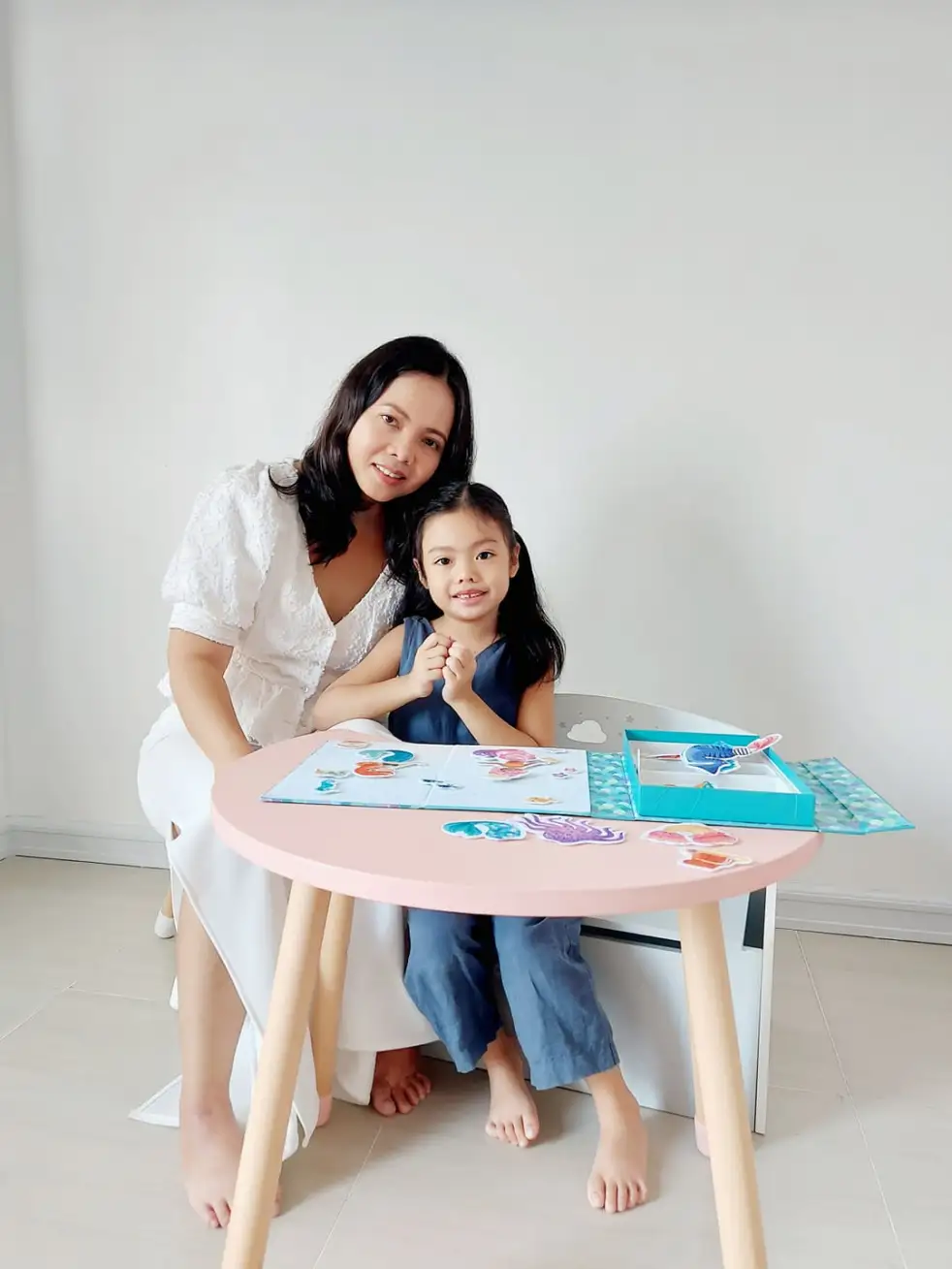
As parents, we want to give our child the best possible start in life and that begins with nurturing their intelligence. Throughout history, the notion of success has been linked to academic intelligence. However, there has been an increased awareness on the importance of emotional intelligence. This question gets at the heart of the never-ending… Continue reading IQ or EQ, which one is a better predictor of your child’s success?
 wondermomma.net