

Last August, IKEA Philippines engaged with Better World Smokey Mountain, a newly opened community center operated by the San Miguel Foundation, which shares a similar goal of improving the lives of many Filipino people. Through this partnership, IKEA Philippines provided and assembled home furnishings for the classrooms and library of Better World Smokey Mountain community… Continue reading Help Create a Better World with IKEA Soft Toys

NutriAsia, the country’s top producer of condiments and sauces, continues its support of Refill Revolution; a project by the Department of Environment and Natural Resources EMB 3 that aims to help reduce Filipinos’ single-use plastics consumption. At Refill Revolution, residents get to recycle their single-use plastic bottles by reusing and filling it with their choice… Continue reading NutriAsia and DENR renews partnership for Refill Revolution

Teaching Your Child to Share With Patience and Respect
Sharing is a social skill that develops gradually. Young children may understand that another person wants a toy, yet still feel unable to hand it over. Their strong attachment to favourite objects is part of normal emotional development, especially during the toddler and preschool years.
Teaching your child to share works best when it begins with empathy, modelling, and realistic expectations. A child who is forced to surrender a prized possession may comply in the moment, but may also feel anxious, resentful, or less secure around their belongings.
The goal is to help children become generous while learning that their feelings and personal boundaries matter. With calm guidance and repeated practice, sharing can become a positive choice rather than a demand.
Understand why sharing feels difficult
Children do not develop mature impulse control overnight. A toddler may see a toy as an extension of their own world, so being asked to give it away can feel like losing something important. The child may also struggle to understand that “giving for now” is different from “giving forever.”
Young children are still learning about time, fairness, and another person’s point of view. Saying, “Your cousin can use the truck for two minutes, then it will come back to you,” may make sense to an adult but remain confusing to a two-year-old.
Possessiveness is also more likely when a child is tired, hungry, overwhelmed, or surrounded by unfamiliar children. Before treating the behaviour as selfishness, consider the child’s age, mood, and the situation. This helps parents respond with guidance instead of shame.
Start with connection instead of pressure
When a child refuses to share, acknowledge the feeling first. You might say, “You really want to keep playing with the blocks,” or “It is hard to wait when that is your favourite car.” This does not mean the child gets everything they want. It shows that their experience has been noticed.
After naming the feeling, explain the social expectation simply. For example: “Your friend is waiting. You can finish this turn, then give her a turn.” Short, calm statements are easier for young children to understand than long lectures about kindness.
Avoid forcing a child to hand over an object immediately, especially when it is a comfort item or a special gift. Instead, offer a clear boundary and a little time to prepare. A child may be more willing to share after completing a puzzle, reaching the end of a game, or choosing another toy.
Teach sharing through everyday modelling
Children learn generosity by watching what adults do. Let your child see you offer food, take turns, lend household items, or help a family member. Use simple language to connect the action with its meaning: “I am giving Grandma a slice because we have enough for everyone.”
Sharing can also be practised during ordinary family routines. Divide fruit between siblings, take turns choosing a song in the car, or invite your child to help pack snacks for a playdate. These small experiences build cooperation without making every interaction a lesson.
Stories, pretend play, and dolls can make the idea easier to explore. Act out a situation where one teddy wants a toy and another teddy is waiting. Ask what the characters could do, then demonstrate choices such as taking turns, finding another activity, or playing together.
| Situation | Helpful response | Skill being developed |
|---|---|---|
| A child grabs a toy from a sibling | “I won’t let you grab. Ask for a turn or choose another toy.” | Respectful communication |
| A child refuses to lend a favourite toy | “You can keep that one safe. Let’s find something you are comfortable sharing.” | Personal boundaries |
| Two children want the same object | “You may have a turn when the timer rings.” | Patience and turn-taking |
| A child offers a toy willingly | “You noticed your friend needed one. That was thoughtful.” | Empathy and generosity |
| A child becomes upset while waiting | “Waiting is hard. I will stay with you while we count together.” | Emotional regulation |
Make turn-taking concrete and predictable
The word “share” can mean different things to children. Sometimes it means lending a toy, sometimes dividing food, and sometimes taking turns. Explain the specific behaviour you want so your child knows what to do.
A timer can help when two children want the same toy. Keep the first turns short, perhaps two or three minutes, and use a visual cue if possible. A sand timer, phone alarm, or simple countdown can make the process feel fairer than an adult repeatedly announcing that it is time to switch.
For younger children, parallel play may be a better starting point than direct sharing. Place similar toys beside each child so they can play near one another without competing for one object. As their language and self-control improve, guide them towards cooperative play and shared games.
Predictability is especially valuable before visits or playdates. Let your child know which toys will be available and which special possessions may be put away. Giving children a say in what they bring can reduce conflict and help them feel secure.
Protect boundaries while encouraging generosity
A child should not be expected to share every possession. Comfort blankets, treasured presents, artwork, and personal items may carry deep emotional importance. Respecting these limits teaches children that ownership and consent matter.
Before guests arrive, invite your child to choose a few toys to keep private and a few to place in the play area. You can say, “These belong to you, and you decide whether they are available. These others are ready for everyone to use.”
Adults also need to step in when another child refuses to return an item or takes something without permission. Teach both children that sharing does not mean accepting grabbing, damaging, or endless use. A respectful exchange includes asking, waiting, returning, and listening to “no.”
This balance supports healthy social development. Children become more willing to give when they know their own belongings will be treated carefully. Generosity grows from security, not from being deprived of every choice.
Respond to conflict with calm guidance
Arguments over toys are normal opportunities for learning. Move close, block unsafe behaviour, and use a steady voice. “I won’t let you hit. You both want the train, and we need a plan,” gives children safety while recognising the problem.
Help them name possible solutions. They might take turns, play together, choose another toy, or pause the activity. At first, children will need plenty of adult support to reach an agreement. Over time, they can begin suggesting solutions themselves.
Praise specific actions rather than assigning a fixed identity. “You waited until your brother finished” is more useful than “You are such a good sharer.” Specific feedback shows the child which behaviour helped and makes it easier to repeat.
If a child is too upset to cooperate, focus on calming down before discussing the situation. Offer a cuddle if welcomed, move to a quieter space, or sit nearby while the child breathes and settles. Teaching emotional regulation is part of teaching cooperation.
Encourage sharing without bribery or shame
Rewards can occasionally motivate a behaviour, but constant treats may make sharing feel like a transaction. Instead of promising something in exchange for every act of generosity, notice the natural results: “Your friend is smiling because you invited her to join your game.”
Avoid labels such as “selfish,” “mean,” or “bad.” These words can make a child feel defective rather than capable of learning. Correct the action while preserving the child’s sense of worth: “Grabbing is not okay. You can ask for the doll when your sister is finished.”
A child may also need time before sharing in a new setting. Give them a chance to watch, warm up, and understand the environment. Gentle encouragement is more effective than public pressure, especially when relatives or other parents are observing.
Practical ways to build generous habits
- Prepare your child before playdates by explaining how turns will work and which toys are available.
- Keep a few duplicate or open-ended toys nearby when siblings or friends are playing together.
- Use phrases such as “after your turn,” “when the timer rings,” and “let’s find a solution.”
- Invite your child to contribute small items to family routines, such as passing fruit or helping pack a sibling’s snack.
- Celebrate thoughtful choices with specific words, while accepting that refusal is sometimes age-appropriate.
Let progress happen in small steps
A child who shares one toy today may refuse tomorrow. Development is uneven, and tiredness, illness, changes at home, or a new sibling can affect cooperation. Look for gradual progress rather than expecting a complete transformation after one conversation.
Some children are naturally cautious, while others offer objects easily but struggle with waiting. Observe the particular skill your child needs and practise that skill in low-pressure situations. A quiet game with a parent may be easier than sharing during a crowded birthday party.
Coordinate expectations with caregivers and family members when possible. Consistent language helps children understand that taking turns, asking permission, and respecting belongings apply in different places. Still, each adult should aim for guidance rather than coercion.
Over time, children learn that sharing can create connection, make play more enjoyable, and help others feel included. When parents combine firm boundaries with warmth, children can develop generosity while retaining confidence in their own needs.
Give your child repeated chances to practise through family meals, playdates, stories, and everyday acts of cooperation. Stay close during difficult moments, model respectful behaviour, and trust that empathy grows through patient relationships. Share this approach with the caregivers in your child’s life so everyone can support kindness without forcing it.

Mercato Centrale, in collaboration with Indian Women in Enterprise Philippines (I-We), is set to host "The Great Indian Fiesta" to mark 75 years of friendship between India and the Philippines. The dynamic two-day event is scheduled to take place on September 30 to October 1, 2023, at Paseo De Roxas Street, Makati City. Aiming to… Continue reading Mercato Centrale Partners with I-We to Host ‘The Great Indian Fiesta’, Commemorating 75 Years of India-Philippines Friendship

My stomach would usually start growling at 10 am even after taking a big breakfast. This is probably because I am a morning person and I move a lot throughout the day hence snacking is something that I can't avoid. This potatoes and chicken wrap recipe is easy to prepare and would keep me full… Continue reading Potato and Chicken Wrap
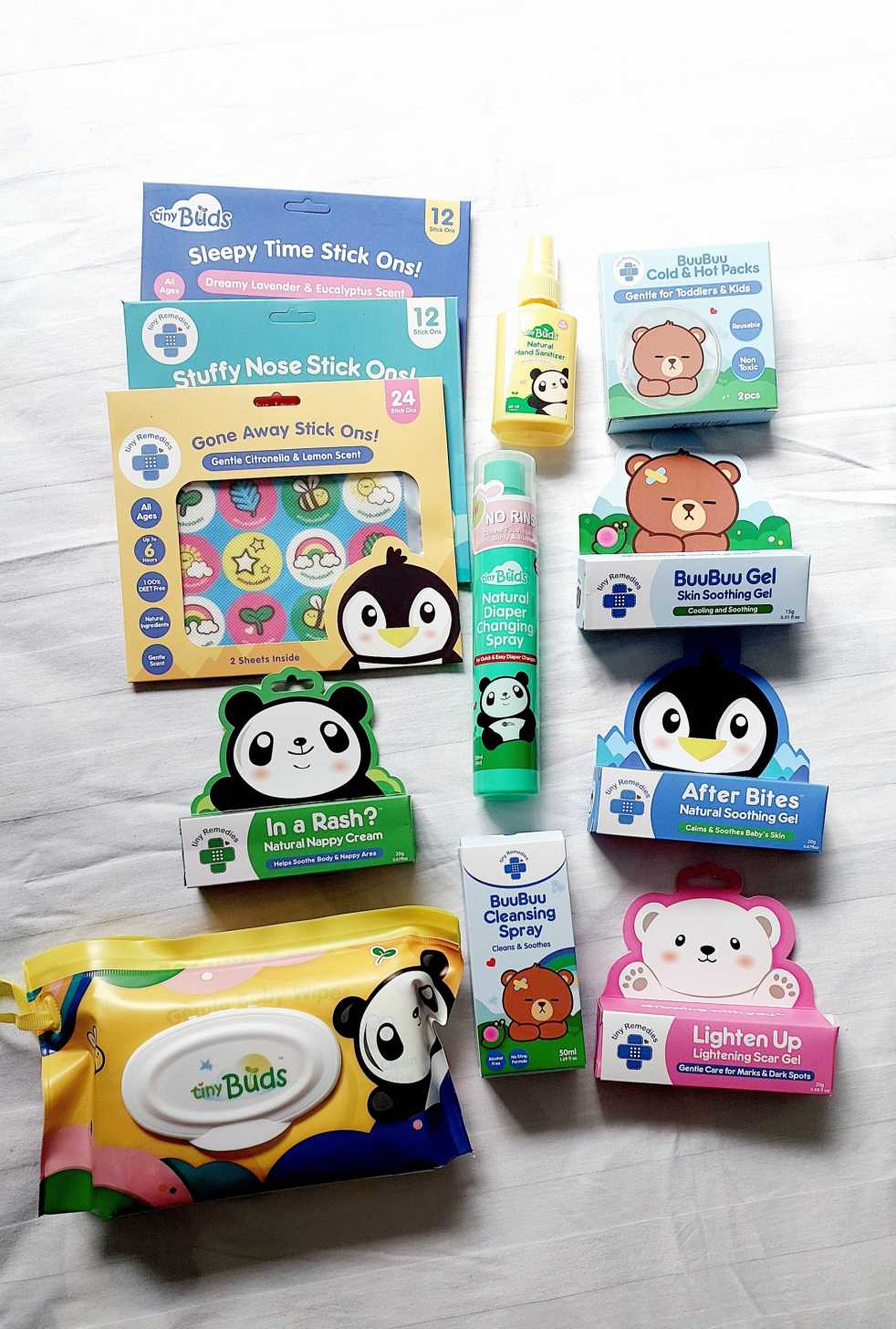
Your baby’s skin is more delicate than most, this is why you have to choose products that are designed for sensitive skin. Tiny Buds is a pioneer in integrating natural ingredients into baby care and today has over 50 innovative natural baby care essentials and is one of the Top Baby Personal Care brands. Here… Continue reading Product Review: Tiny Buds Baby Naturals Baby Essentials
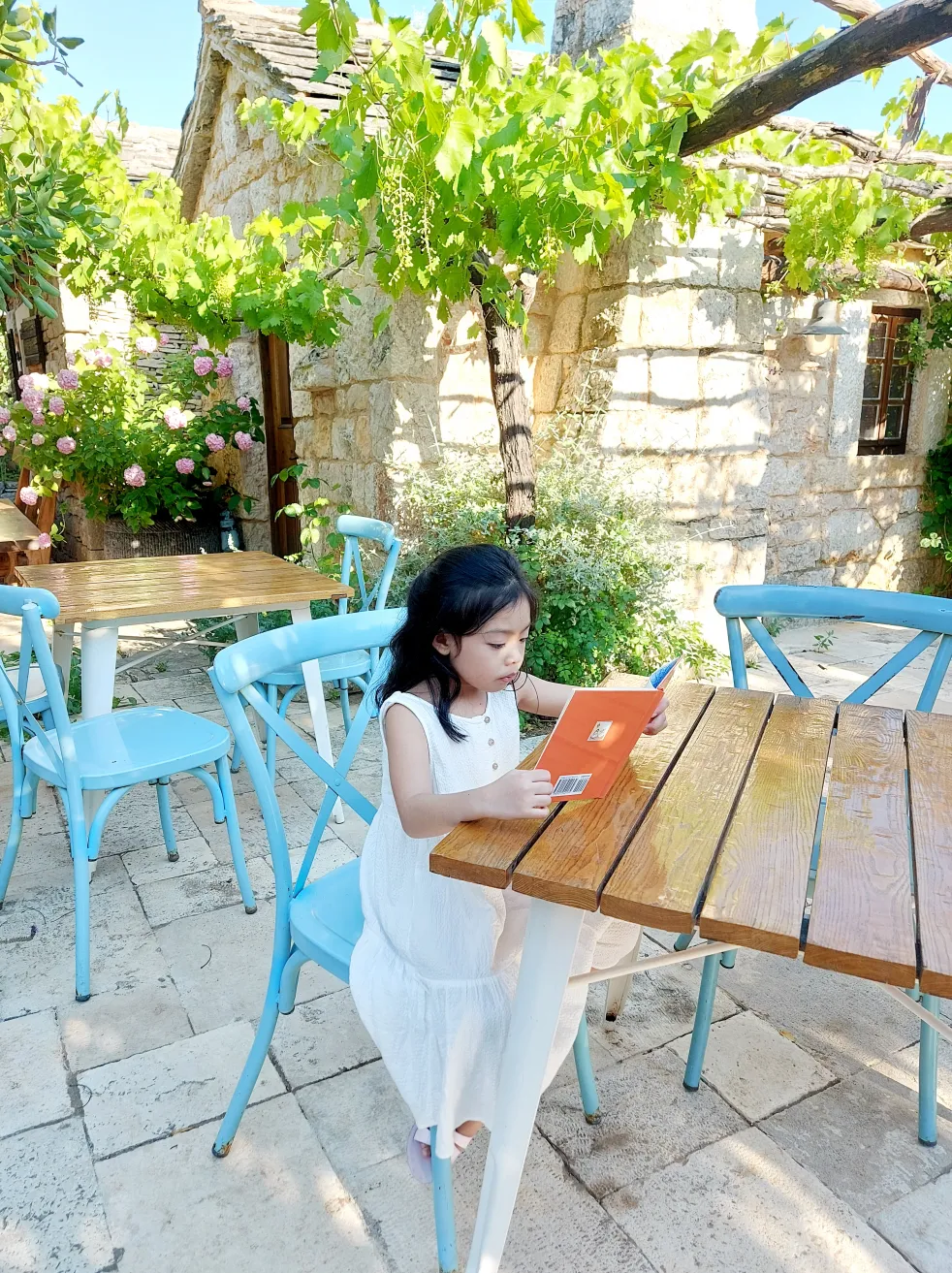
Where your child goes to school is a big decision and shouldn’t be taken lightly. Given how their education can impact their future, you might be tempted to take control and decide for them. However, you might be doing more damage than helping them in the long run. Your job as parents is to support… Continue reading HOW TO CHOOSE THE BEST SCHOOL FOR YOUR CHILD
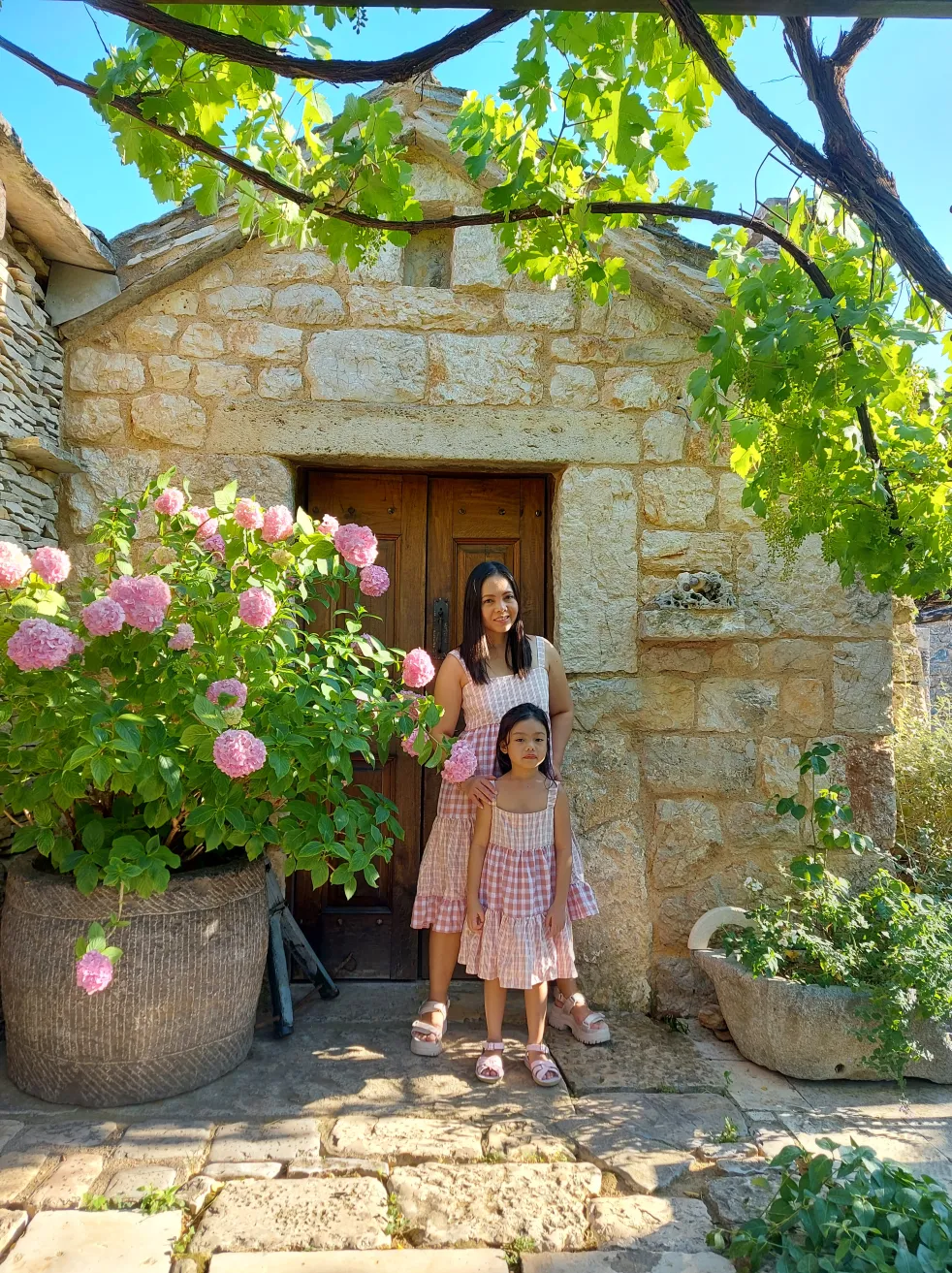
As poet and philosopher Rumi once eloquently said, “raise your words, not your voice. It is rain that grows flowers, not thunder.” Parenting is a challenging journey, and the truth is that nobody has everything figured out. One parenting style might suit others best, and some might favor other methods. However, children respond better to… Continue reading A SIMPLE GUIDE TO GENTLE PARENTING

Whether you’re a new mom to be, mom of a toddler, mom who have school-aged kids, you’re bound to have so many questions. Let's start with your baby's skin. Infant skin has unique needs; gentle care is essential to prevent damage to the skin barrier, which can lead to irritation. When caring for infant skin,… Continue reading Keeping Baby’s Diapered Skin Healthy
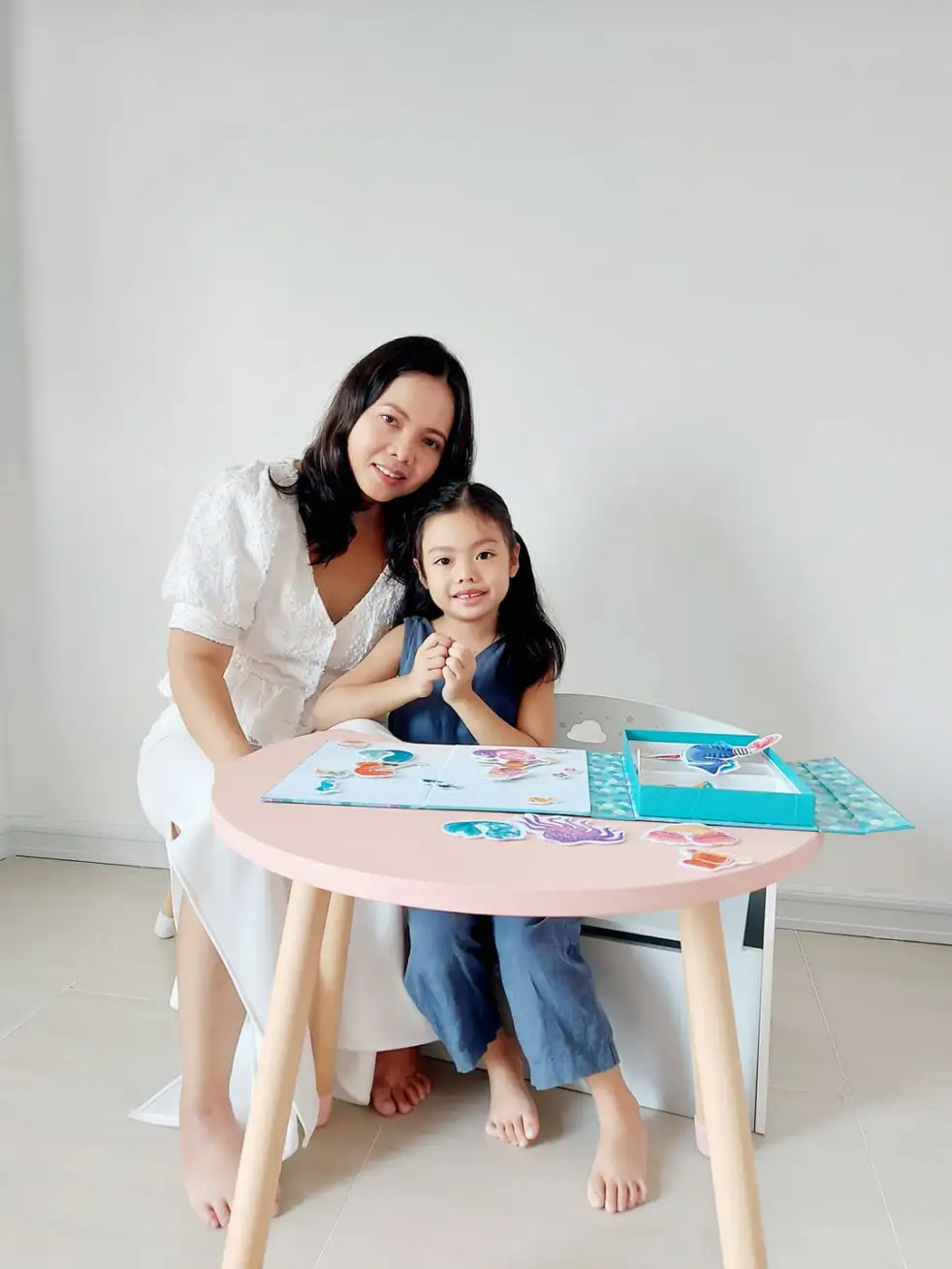
As parents, we want to give our child the best possible start in life and that begins with nurturing their intelligence. Throughout history, the notion of success has been linked to academic intelligence. However, there has been an increased awareness on the importance of emotional intelligence. This question gets at the heart of the never-ending… Continue reading IQ or EQ, which one is a better predictor of your child’s success?
 wondermomma.net