

Last August, IKEA Philippines engaged with Better World Smokey Mountain, a newly opened community center operated by the San Miguel Foundation, which shares a similar goal of improving the lives of many Filipino people. Through this partnership, IKEA Philippines provided and assembled home furnishings for the classrooms and library of Better World Smokey Mountain community… Continue reading Help Create a Better World with IKEA Soft Toys
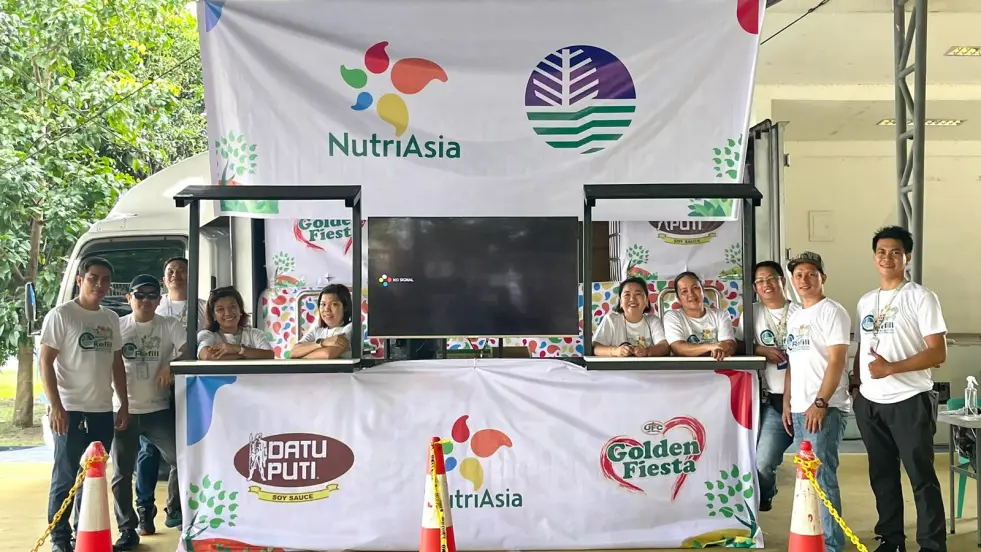
NutriAsia, the country’s top producer of condiments and sauces, continues its support of Refill Revolution; a project by the Department of Environment and Natural Resources EMB 3 that aims to help reduce Filipinos’ single-use plastics consumption. At Refill Revolution, residents get to recycle their single-use plastic bottles by reusing and filling it with their choice… Continue reading NutriAsia and DENR renews partnership for Refill Revolution

Teaching Your Child To Share With Patience And Connection
Sharing is a social skill that develops gradually, rather than a rule children can master after one reminder. Toddlers and preschoolers are still learning about ownership, waiting, empathy, and emotional control. A toy that seems ordinary to an adult may feel deeply important to a child in the moment.
Gentle guidance helps children become generous without feeling that their needs do not matter. Instead of forcing a child to hand over a beloved object, parents can teach turn-taking, acknowledge strong feelings, and create safe opportunities to practise cooperation.
Families looking for practical ideas about baby care, child development, and everyday parenting can also explore parenting resources designed for real family life. The goal is to make sharing part of a warm relationship, not a performance demanded from a child.
Why Sharing Takes Time
Young children often view the world from their own immediate perspective. A two-year-old may understand that another child wants a toy but still lack the impulse control to stop playing with it. This is a developmental stage, not evidence of selfishness or poor character.
Children also need to understand the difference between “mine,” “yours,” and “ours.” Respecting ownership gives them a sense of security. When adults take possessions away without warning, children may become more protective. Knowing that personal belongings are safe makes it easier to offer them voluntarily.
Sharing can also mean different things at different ages. A toddler may manage a brief turn with support, while a school-age child can discuss fairness, make a plan, and consider another person’s feelings. Expectations should reflect the child’s maturity, temperament, and current emotional state.
Start With Empathy And Ownership
Begin by naming what your child is experiencing. Say, “You are still playing with the truck, and you do not want to stop yet.” This does not mean the child gets everything they want. It shows that their feelings have been noticed, which often makes guidance easier to accept.
Avoid labelling a child as “greedy,” “bad,” or “selfish.” Shame may produce quick compliance, but it does not teach generosity or emotional understanding. A calm statement such as, “You want more time. Your friend is waiting for a turn,” gives the child useful language for the conflict.
Ownership deserves respect, too. Children should not be expected to share every special item they own, especially a comfort toy, birthday gift, or object brought from home. Before visitors arrive, invite your child to put treasured possessions somewhere safe. Then offer common toys for group play.
Teach Through Everyday Routines
The best practice often happens outside moments of conflict. During meals, talk about passing fruit or serving rice to family members. While getting dressed, take turns choosing between two shirts. Simple routines help children experience cooperation as a normal part of family life.
Use predictable language that your child can repeat: “First me, then you,” “We can use the timer,” or “When you are finished, it is Miguel’s turn.” Short phrases are easier to understand when emotions are high. A visual timer, sand timer, or song can make waiting concrete for young children.
Parents can also create cooperative activities that have a shared outcome. Build a block tower together, prepare simple snacks, water plants, or complete a puzzle as a family. These experiences teach children that working together can be enjoyable, even when nobody gets complete control of the activity.
Match The Strategy To The Situation
A helpful response depends on what is happening, who owns the item, and how ready the child is to wait. Gentle parenting does not mean ignoring unsafe behaviour or allowing one child to dominate. It means setting a clear boundary while supporting the emotions underneath it.
| Situation | Helpful response | Skill being practised |
|---|---|---|
| Your child owns the toy and is using it | Allow continued play, then help set a turn-taking plan | Ownership and planning |
| Two children reach for a shared toy | Stay close, acknowledge both children, and offer a timer or alternative | Waiting and problem-solving |
| Your child grabs from another child | Calmly return the toy and say, “Grabbing is not for taking turns” | Impulse control and boundaries |
| A guest wants a special comfort item | Protect the item and offer another toy for sharing | Personal limits and choice |
| Your child is tired or overwhelmed | Pause the activity and provide comfort or space | Emotional regulation |
When conflict escalates, safety comes first. Move bodies apart gently, block hitting, and use a firm, calm voice: “I will not let you hit. I am here to help.” Once everyone is settled, discuss what happened. Lessons are more effective after children return to a regulated state.
Use Words, Models, And Play
Children learn social skills by watching adults. Let them hear you say, “I am using this now, and I will give you a turn when I finish.” Demonstrate asking before borrowing, returning items, and expressing thanks. These small examples give children a clear model for cooperative behaviour.
Pretend play can make difficult situations less personal. Use dolls, stuffed animals, or puppets to act out a character waiting for a turn. One puppet might say, “I feel disappointed. Can we use the timer?” Invite your child to suggest a solution, but avoid turning the activity into a test.
Storybooks provide another gentle opening. Pause to discuss how a character feels when waiting, lending an item, or being excluded. Connect the story to ordinary experiences without demanding that your child immediately behave like the character. Understanding often comes before consistent action.
Specific praise helps children notice the skill they used. Instead of saying only “Good sharing,” try, “You gave Ana the blue crayon after your turn,” or “You told me you needed more time instead of grabbing.” Describe the action, effort, and result so the behaviour becomes easier to repeat.
Build Habits Without Pressure
A family can encourage generous behaviour through small, consistent practices. Choose one or two ideas that suit your child’s age and temperament:
- Arrange short playdates with a limited number of toys, so turn-taking feels manageable.
- Use a timer or clear sequence for popular toys instead of repeatedly saying, “Share now.”
- Let your child choose which ordinary items are available for guests and protect the rest.
- Practise polite requests, waiting, and returning items during calm family routines.
- Praise empathy, cooperation, and problem-solving rather than demanding instant generosity.
Forced sharing can create resentment, especially when a child is interrupted without warning. If a younger child is visiting, prepare in advance by explaining the plan: “Your cousin may play with these blocks. You can keep your special dinosaur in your room.” Preparation gives the child a sense of control.
It is also reasonable to intervene when the same child has held a communal toy for a long time. Give notice before the change: “You have had a long turn. Two more minutes, then we will pass it to Liza.” Follow through kindly and consistently, while offering another engaging activity.
Keep The Practice Gentle
Progress may look uneven. A child might share happily at home but struggle at the playground, or cooperate with a sibling one day and resist the next. Hunger, tiredness, unfamiliar surroundings, and overstimulation can all reduce the ability to wait and negotiate.
Focus on connection before correction. Get down to your child’s level, keep your voice steady, and offer a manageable next step. “You are upset. I will help you wait,” is often more useful than a long explanation about kindness. Over time, repeated support strengthens self-control and empathy.
Sharing is one part of a larger set of social and emotional skills. Children need to learn that kindness includes giving, asking, listening, respecting limits, and repairing harm. When parents protect children’s boundaries while guiding them toward cooperation, generosity grows from trust.
Choose one routine this week for practising turn-taking, use the same simple words each time, and notice small signs of progress. With patient repetition and warm guidance, your child can learn to share while also learning that their own feelings and belongings deserve respect.

Mercato Centrale, in collaboration with Indian Women in Enterprise Philippines (I-We), is set to host "The Great Indian Fiesta" to mark 75 years of friendship between India and the Philippines. The dynamic two-day event is scheduled to take place on September 30 to October 1, 2023, at Paseo De Roxas Street, Makati City. Aiming to… Continue reading Mercato Centrale Partners with I-We to Host ‘The Great Indian Fiesta’, Commemorating 75 Years of India-Philippines Friendship

My stomach would usually start growling at 10 am even after taking a big breakfast. This is probably because I am a morning person and I move a lot throughout the day hence snacking is something that I can't avoid. This potatoes and chicken wrap recipe is easy to prepare and would keep me full… Continue reading Potato and Chicken Wrap
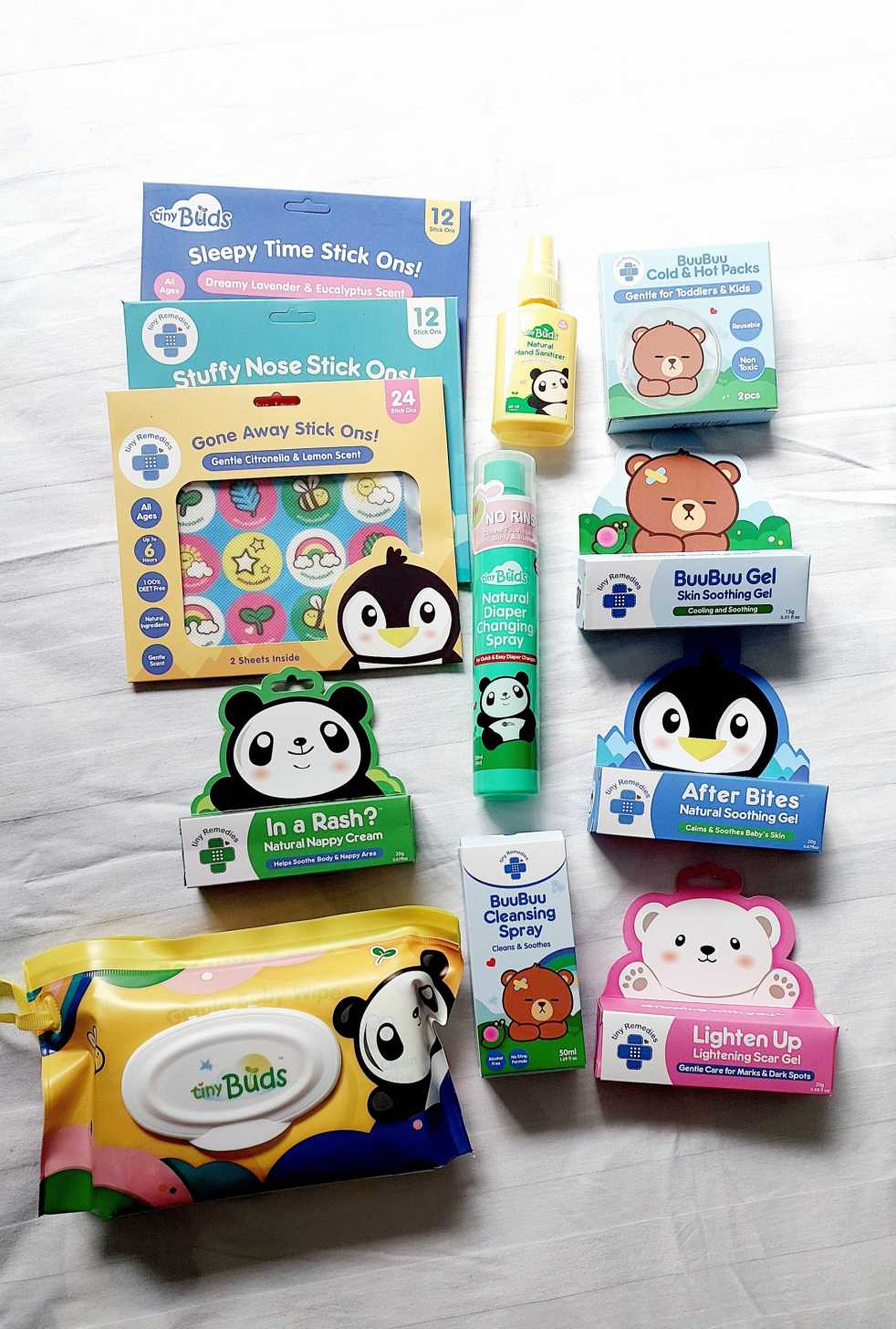
Your baby’s skin is more delicate than most, this is why you have to choose products that are designed for sensitive skin. Tiny Buds is a pioneer in integrating natural ingredients into baby care and today has over 50 innovative natural baby care essentials and is one of the Top Baby Personal Care brands. Here… Continue reading Product Review: Tiny Buds Baby Naturals Baby Essentials
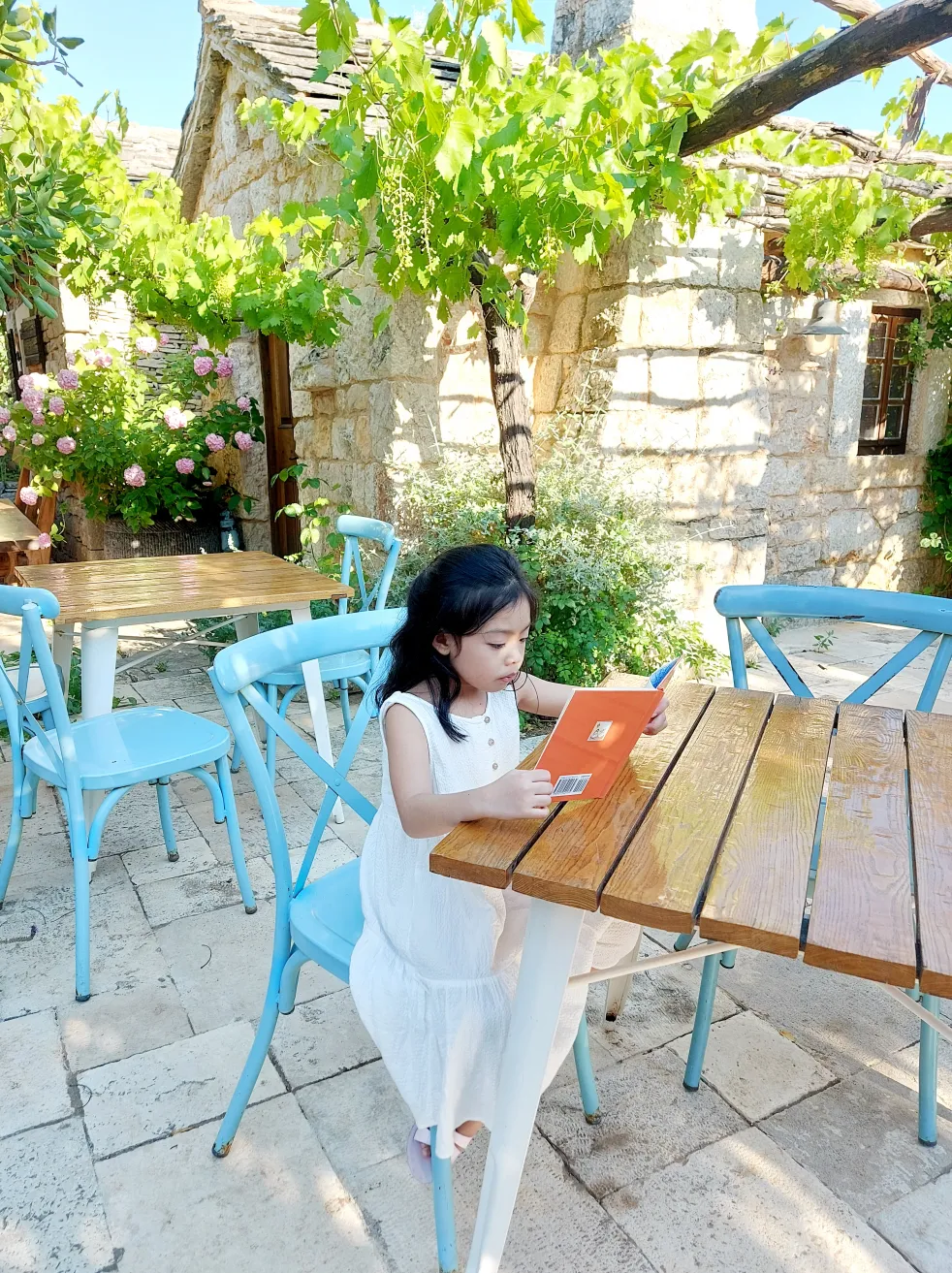
Where your child goes to school is a big decision and shouldn’t be taken lightly. Given how their education can impact their future, you might be tempted to take control and decide for them. However, you might be doing more damage than helping them in the long run. Your job as parents is to support… Continue reading HOW TO CHOOSE THE BEST SCHOOL FOR YOUR CHILD
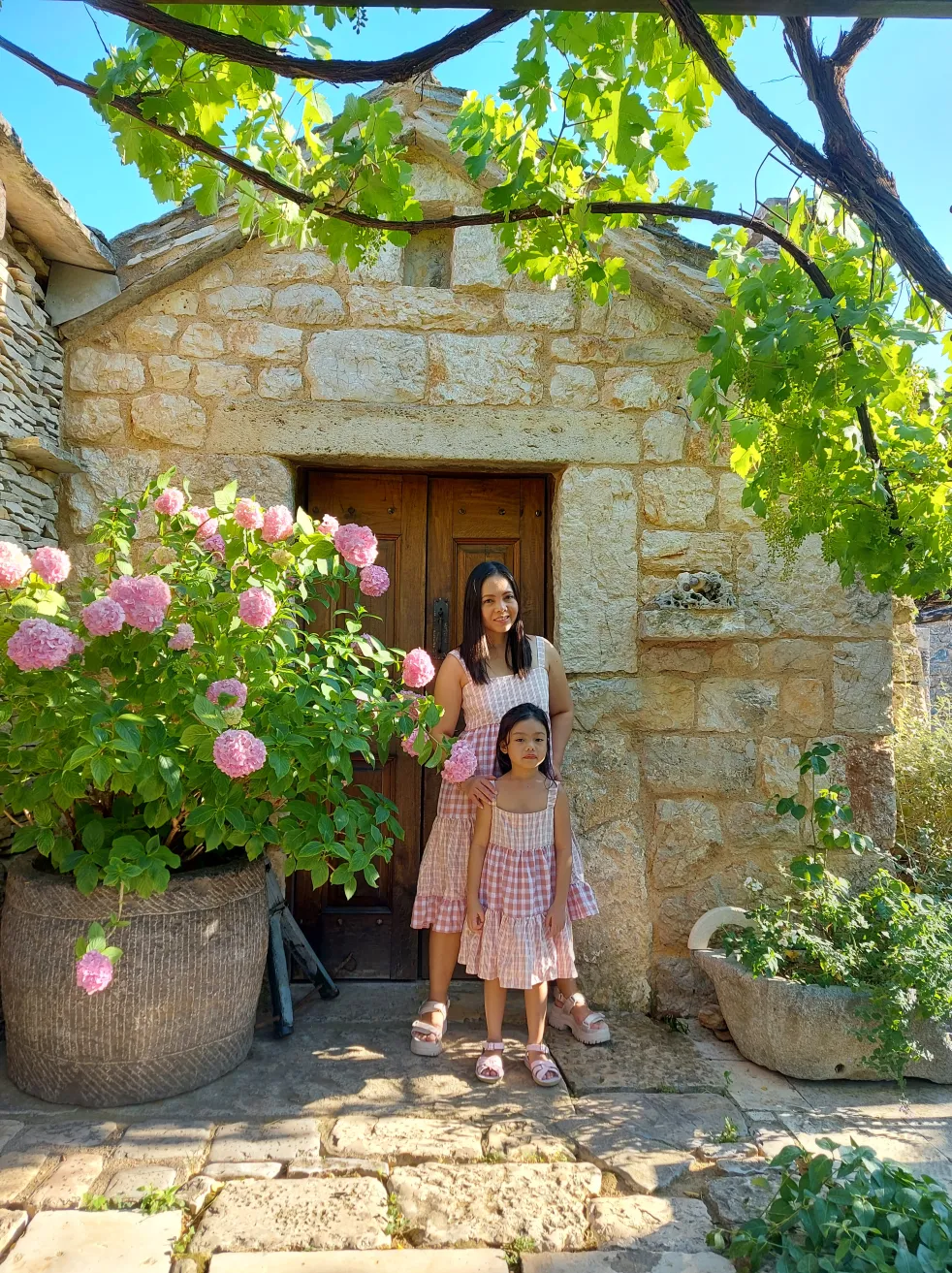
As poet and philosopher Rumi once eloquently said, “raise your words, not your voice. It is rain that grows flowers, not thunder.” Parenting is a challenging journey, and the truth is that nobody has everything figured out. One parenting style might suit others best, and some might favor other methods. However, children respond better to… Continue reading A SIMPLE GUIDE TO GENTLE PARENTING

Whether you’re a new mom to be, mom of a toddler, mom who have school-aged kids, you’re bound to have so many questions. Let's start with your baby's skin. Infant skin has unique needs; gentle care is essential to prevent damage to the skin barrier, which can lead to irritation. When caring for infant skin,… Continue reading Keeping Baby’s Diapered Skin Healthy
As parents, we want to give our child the best possible start in life and that begins with nurturing their intelligence. Throughout history, the notion of success has been linked to academic intelligence. However, there has been an increased awareness on the importance of emotional intelligence. This question gets at the heart of the never-ending… Continue reading IQ or EQ, which one is a better predictor of your child’s success?
 wondermomma.net