
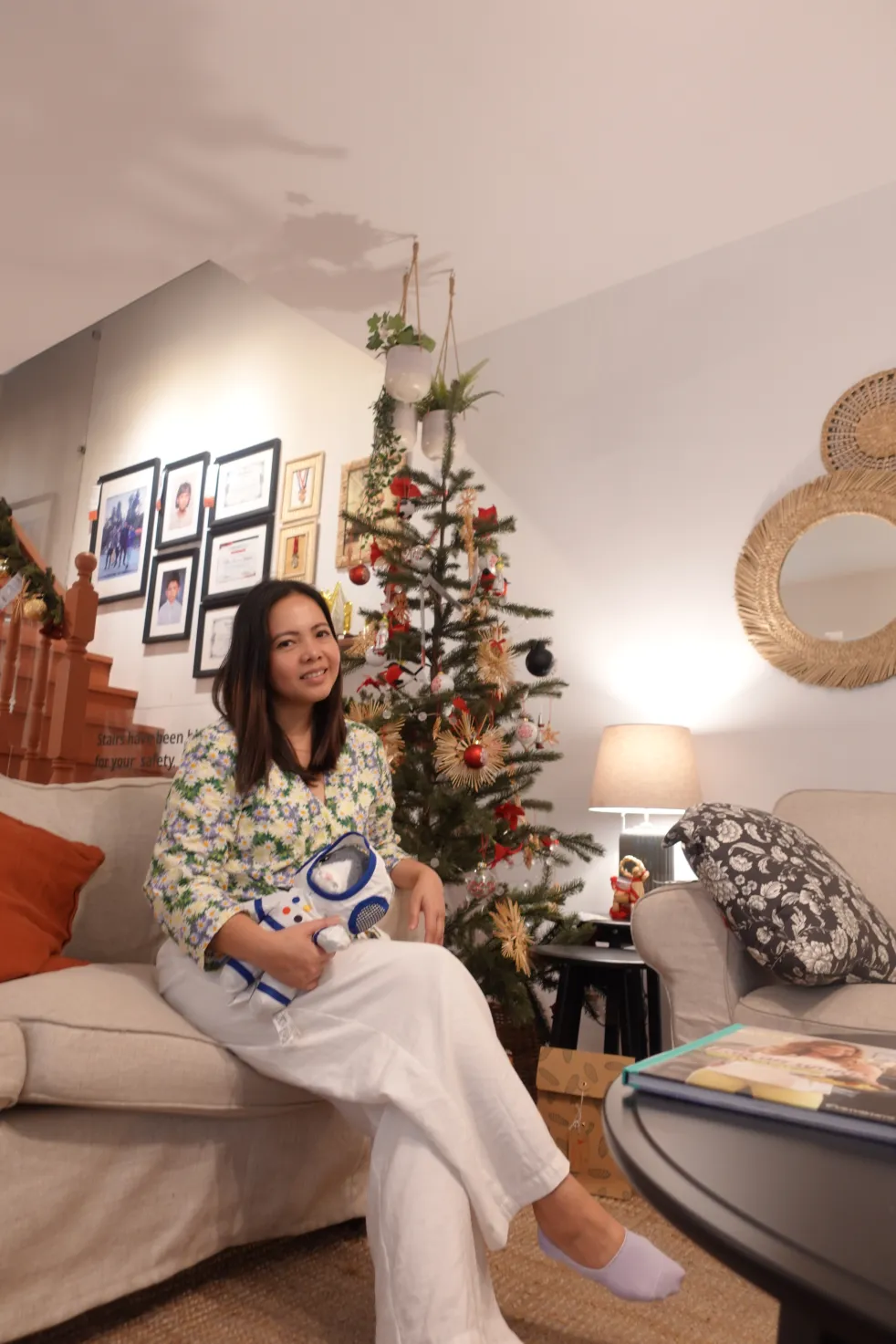
Last August, IKEA Philippines engaged with Better World Smokey Mountain, a newly opened community center operated by the San Miguel Foundation, which shares a similar goal of improving the lives of many Filipino people. Through this partnership, IKEA Philippines provided and assembled home furnishings for the classrooms and library of Better World Smokey Mountain community… Continue reading Help Create a Better World with IKEA Soft Toys
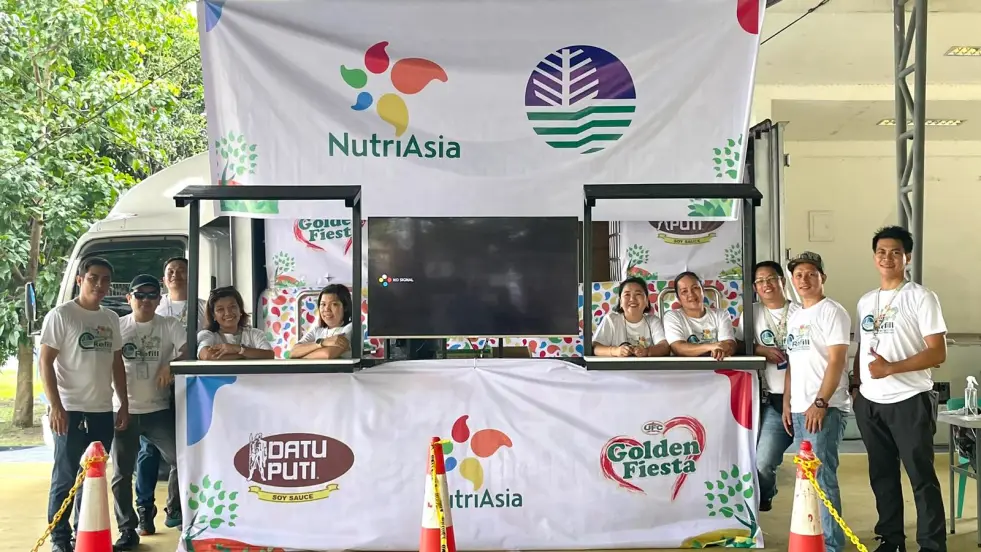
NutriAsia, the country’s top producer of condiments and sauces, continues its support of Refill Revolution; a project by the Department of Environment and Natural Resources EMB 3 that aims to help reduce Filipinos’ single-use plastics consumption. At Refill Revolution, residents get to recycle their single-use plastic bottles by reusing and filling it with their choice… Continue reading NutriAsia and DENR renews partnership for Refill Revolution
Teaching your child to ride a bike without the stress
Learning to ride a bicycle is a major childhood milestone, yet it does not need to become a daily battle. Some children are eager to pedal after a few short sessions, while others need weeks of watching, balancing and building confidence before they are ready to move independently.
A calm approach focuses on balance before speed, progress before perfection and connection before correction. Your child may wobble, stop suddenly or ask to go home after five minutes. These moments are a normal part of learning, not signs that the lesson has failed.
For Australian families, the right setting can make a significant difference. A quiet local park, school oval outside school hours or flat shared path is usually more helpful than a crowded footpath. With the right equipment, timing and encouragement, bike practice can become relaxed family time.
Start with balance and readiness
Before introducing pedals, help your child understand how a bike stays upright. A balance bike is useful because it allows children to sit low, push with their feet and learn to steer without managing pedals at the same time. You can also remove the pedals from a suitable small bicycle and lower the seat so both feet touch the ground.
Readiness is more important than age. A child may be ready when they can comfortably walk or run with the bike, steer around a simple obstacle, stop with their feet and listen to one instruction at a time. Strength, coordination and confidence develop at different rates, so siblings may reach this stage years apart.
Keep the first sessions short and predictable. Ten to fifteen minutes can be enough, particularly for preschoolers. Finish while your child is still enjoying the activity, rather than stretching the lesson until frustration takes over.
Choose safe equipment and a suitable place
A correctly fitted helmet is essential in Australia, where approved bicycle helmets are compulsory for riders. The helmet should sit level, cover the forehead and feel snug without pinching. The straps should form a comfortable V around the ears, with the buckle secure beneath the chin. Replace a helmet after a significant impact, even if there is no visible damage.
Check the bike before every practice session. The tyres should be firm, the handlebars secure and the brakes easy for small hands to operate. The seat needs to be low enough for your child to place both feet on the ground while learning balance. Closed shoes with firm soles are safer than thongs, sandals or bare feet.
Look for a flat, smooth area away from traffic, driveways and steep slopes. A quiet basketball court, an empty netball court or a grassy oval can work well. In cities such as Melbourne, Brisbane and Perth, families may also find dedicated bike paths and council cycling areas, though these are best used during quieter periods when your beginner has plenty of space.
Build skills in small, manageable steps
Begin with scooting. Ask your child to sit on the seat, push gently with both feet and glide for one or two seconds. Celebrate steering around a marker or stopping safely. At this stage, avoid holding the handlebars because your support can accidentally make the bike move unpredictably. Instead, walk beside your child and offer a hand near their shoulder or the back of their clothing if they need reassurance.
Once gliding feels comfortable, introduce one pedal at a time. Position one pedal high and slightly forward, then encourage your child to push down while giving a gentle starting assist. Let them know that looking ahead helps with balance; staring at the front wheel often causes the bike to veer.
Use simple phrases such as “eyes up”, “soft hands”, “pedal, pedal, stop” and “feet down”. Give one instruction, allow time to respond and then pause. Too much coaching can make a child tense. A short demonstration by a parent, older sibling or trusted friend may communicate the movement more clearly than a long explanation.
| Skill to practise | Simple activity | Sign your child is ready to progress |
|---|---|---|
| Balance | Scoot and glide between two markers | They can glide several metres without panic |
| Steering | Follow a wide, curved path | They can turn while looking ahead |
| Starting | Push off from one raised pedal | They can begin with less adult help |
| Braking | Stop at a coloured line | They use the brakes or feet calmly |
| Pedalling | Ride across a short, flat stretch | They can maintain a steady rhythm |
Keep practice positive and pressure-free
Children learn physical skills more effectively when they feel safe enough to make mistakes. If your child falls, check for injury first and keep your voice calm. Avoid saying “That was silly” or “You almost had it” if those comments increase embarrassment. Try, “You’re safe. Let’s see what your bike needs before we try again.”
Praise specific actions rather than giving general approval. “You kept your eyes up through that turn” or “You stopped before the line” helps your child understand what worked. It also avoids creating pressure to perform perfectly every time.
Let your child choose some details, such as which helmet to wear, whether to practise before morning tea or which coloured marker to ride towards. A small sense of control can make the activity feel collaborative. If they say they have had enough, respect the pause and return another day.
Some families find that a low-cost reward, sticker chart or special snack adds fun, while others find it turns practice into a performance. Pay attention to your child’s response. If the reward becomes the only reason they want to ride, shift attention back to enjoyment, independence and time outdoors.
Manage common sticking points
A child who refuses to pedal may still be working on balance. Return to gliding for a few sessions and let them watch other riders. A child who constantly puts their feet down may need a lower seat, a quieter space or more practice with braking. These adjustments are often more effective than repeatedly telling them to keep going.
If your child veers to one side, check whether they are gripping the handlebars too tightly or looking down. Place two broad markers several metres apart and invite them to ride between them. Avoid narrow lines at first, as they can make a beginner focus on not falling rather than moving naturally.
Fear after a fall deserves patience. Offer a break, inspect the bike and allow your child to decide when to try again. Some children regain confidence by returning to a balance bike, while others prefer walking alongside the bicycle for a few days. There is no lost time in stepping back to an easier skill.
Equipment can also affect confidence. If you are comparing children’s bicycles, helmets or balance bikes, explore practical budget-friendly ideas before buying something expensive. A well-fitted second-hand bike from a reputable local shop may be more useful than a new model that is too large.
Move from practice to family rides
When your child can start, steer and stop reliably, begin with very short rides. Choose a familiar route with a wide surface and minimal crossings. In Australia, remember that local rules for footpaths, shared paths and younger riders can vary, so check your state or territory guidance and follow signs in your area. Helmets remain essential, even for a quick ride to the park.
Avoid taking a new rider straight onto a busy cycling route. A family-friendly rail trail, quiet suburban loop or closed community riding area may be a better next step. Places such as Sydney’s Centennial Parklands, Adelaide park paths and Canberra’s extensive shared-path network offer different conditions, so select a section that matches your child’s current ability rather than the route’s reputation.
Teach road and path awareness gradually. Your child can learn to stop at driveways, slow near pedestrians, keep left where appropriate and call out before passing. Explain that pedestrians have priority on shared paths and that a bell is for warning, not demanding space. Practise these habits away from traffic before they become necessary.
Pack water, sunscreen and a small snack, especially during Australia’s warmer months. Check the weather forecast and avoid the hottest part of the day. A successful ride may last only fifteen minutes, followed by a playground visit or picnic. Ending with a pleasant family memory helps your child associate cycling with freedom and connection rather than correction.
Regular, relaxed practice will gradually turn wobbles into control. Your child may learn in a burst of confidence or through many small improvements, but the destination is the same: feeling capable, safe and happy on two wheels.

Mercato Centrale, in collaboration with Indian Women in Enterprise Philippines (I-We), is set to host "The Great Indian Fiesta" to mark 75 years of friendship between India and the Philippines. The dynamic two-day event is scheduled to take place on September 30 to October 1, 2023, at Paseo De Roxas Street, Makati City. Aiming to… Continue reading Mercato Centrale Partners with I-We to Host ‘The Great Indian Fiesta’, Commemorating 75 Years of India-Philippines Friendship

My stomach would usually start growling at 10 am even after taking a big breakfast. This is probably because I am a morning person and I move a lot throughout the day hence snacking is something that I can't avoid. This potatoes and chicken wrap recipe is easy to prepare and would keep me full… Continue reading Potato and Chicken Wrap
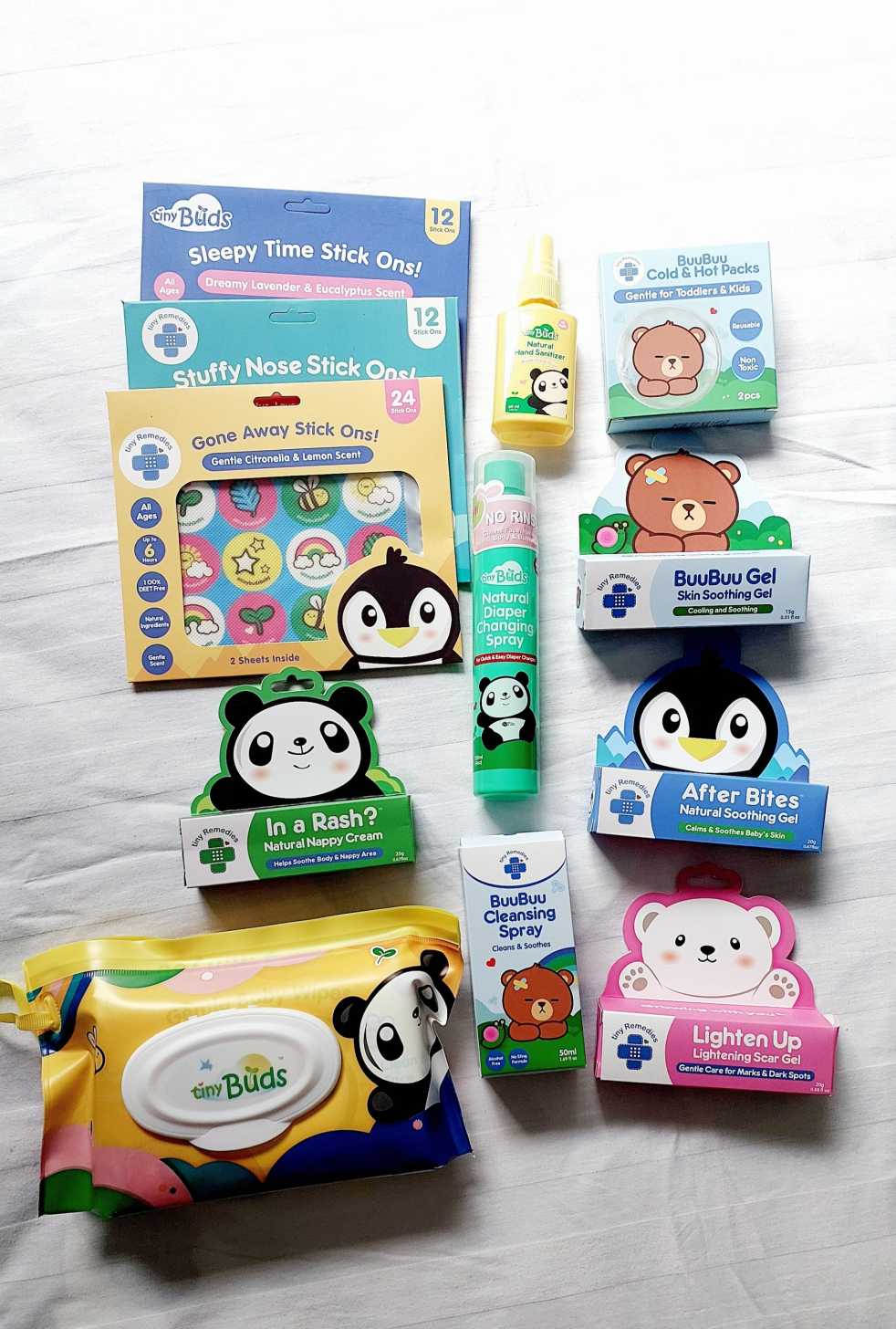
Your baby’s skin is more delicate than most, this is why you have to choose products that are designed for sensitive skin. Tiny Buds is a pioneer in integrating natural ingredients into baby care and today has over 50 innovative natural baby care essentials and is one of the Top Baby Personal Care brands. Here… Continue reading Product Review: Tiny Buds Baby Naturals Baby Essentials
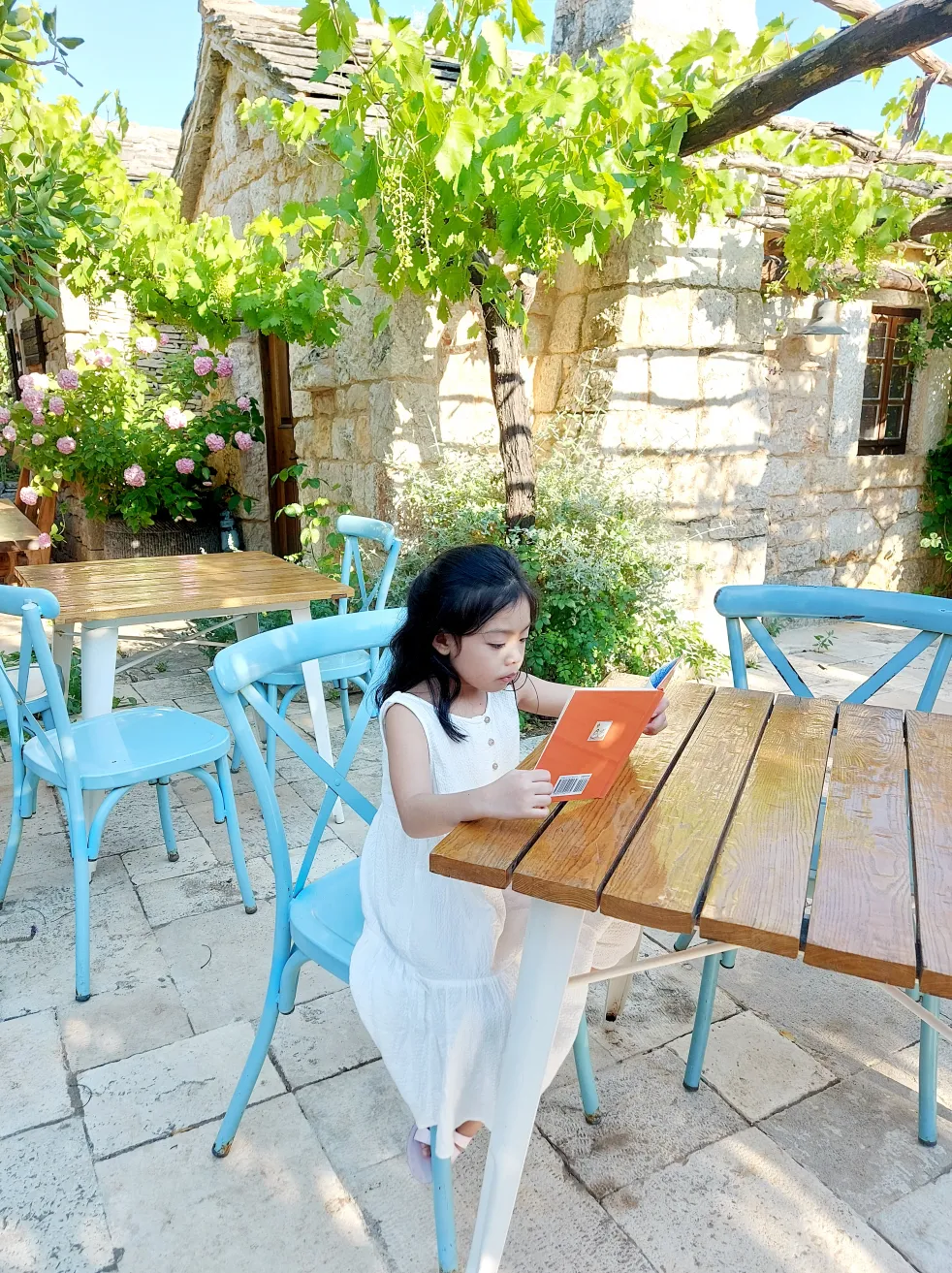
Where your child goes to school is a big decision and shouldn’t be taken lightly. Given how their education can impact their future, you might be tempted to take control and decide for them. However, you might be doing more damage than helping them in the long run. Your job as parents is to support… Continue reading HOW TO CHOOSE THE BEST SCHOOL FOR YOUR CHILD
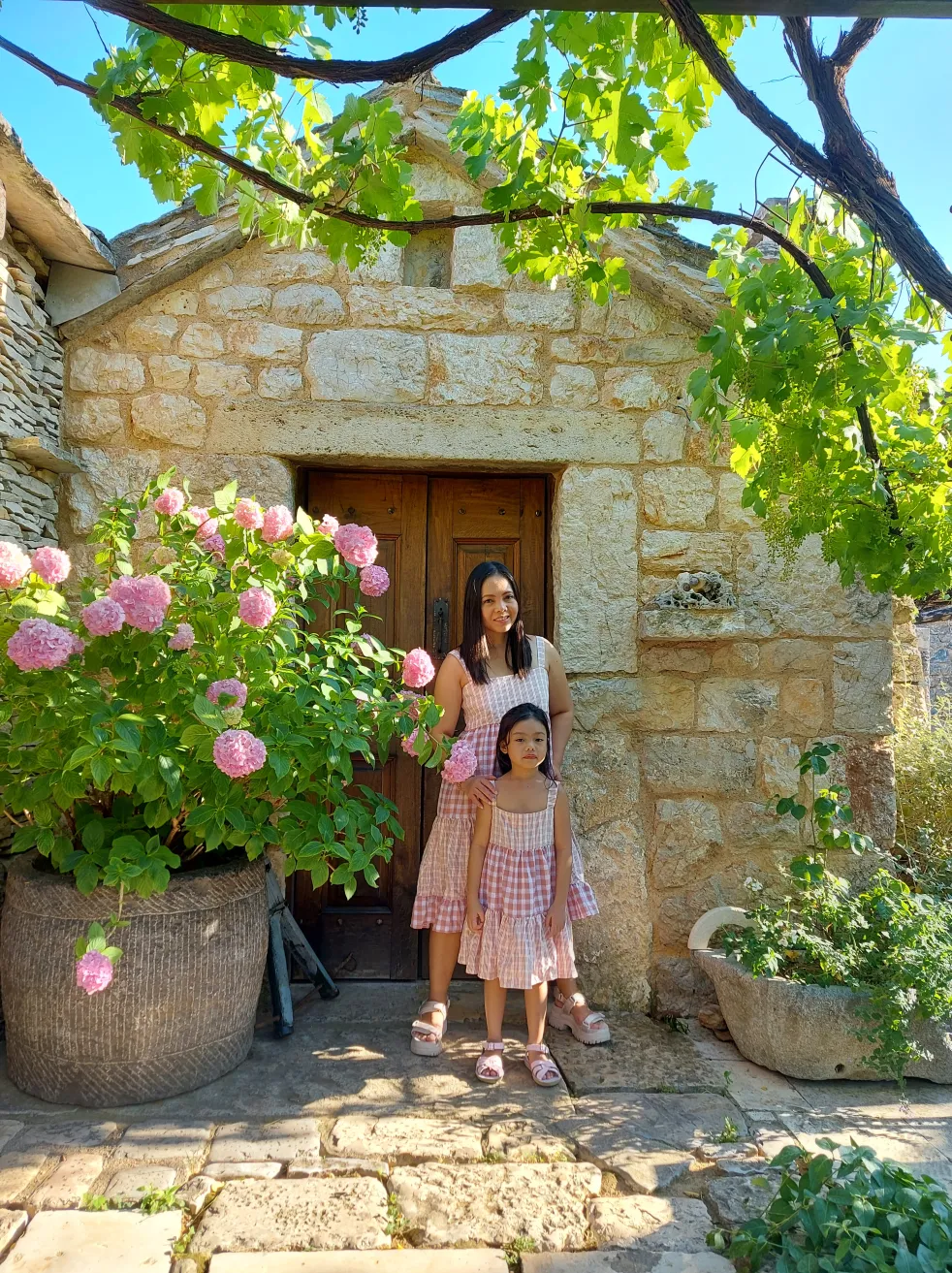
As poet and philosopher Rumi once eloquently said, “raise your words, not your voice. It is rain that grows flowers, not thunder.” Parenting is a challenging journey, and the truth is that nobody has everything figured out. One parenting style might suit others best, and some might favor other methods. However, children respond better to… Continue reading A SIMPLE GUIDE TO GENTLE PARENTING

Whether you’re a new mom to be, mom of a toddler, mom who have school-aged kids, you’re bound to have so many questions. Let's start with your baby's skin. Infant skin has unique needs; gentle care is essential to prevent damage to the skin barrier, which can lead to irritation. When caring for infant skin,… Continue reading Keeping Baby’s Diapered Skin Healthy
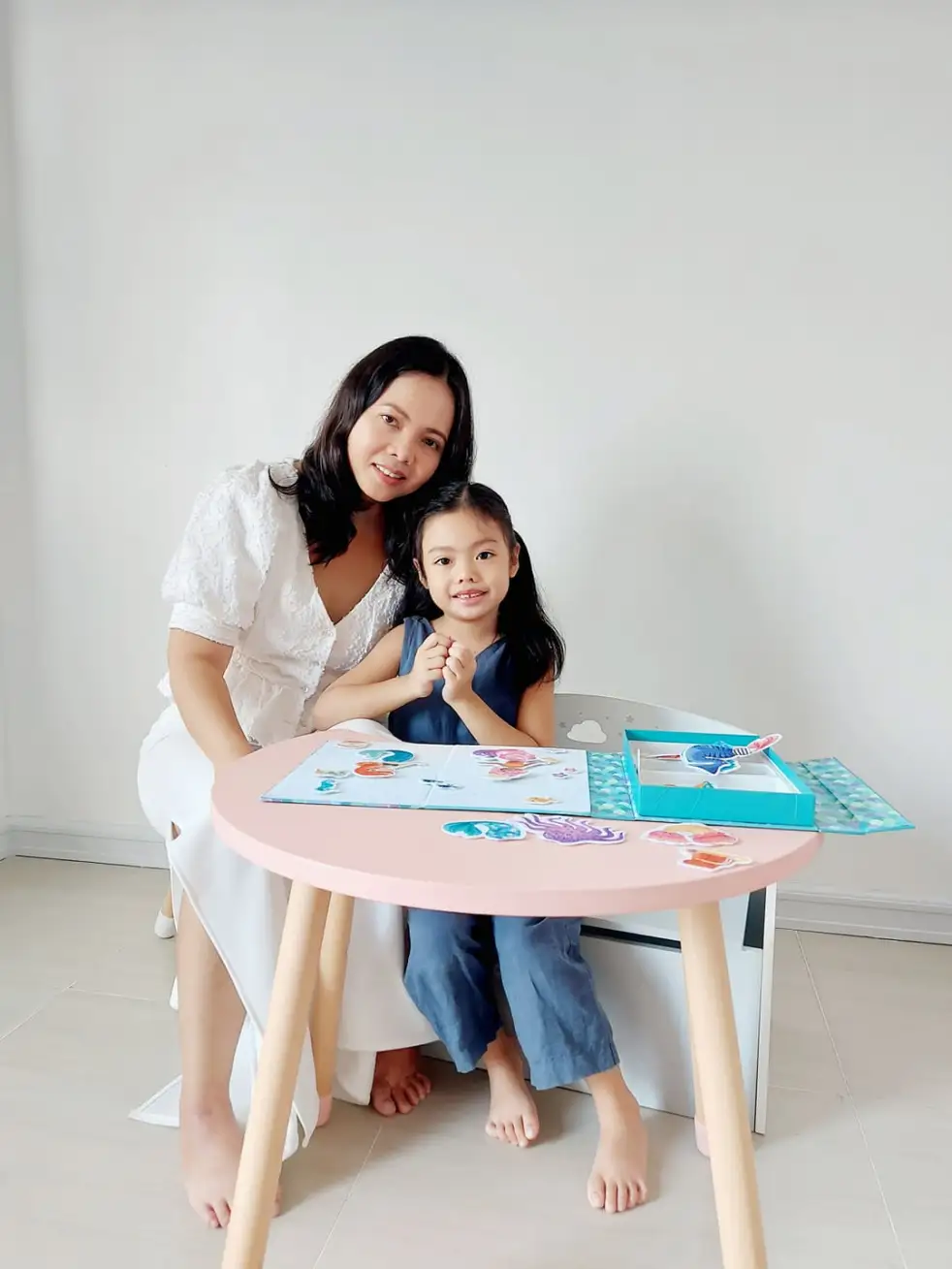
As parents, we want to give our child the best possible start in life and that begins with nurturing their intelligence. Throughout history, the notion of success has been linked to academic intelligence. However, there has been an increased awareness on the importance of emotional intelligence. This question gets at the heart of the never-ending… Continue reading IQ or EQ, which one is a better predictor of your child’s success?
 wondermomma.net