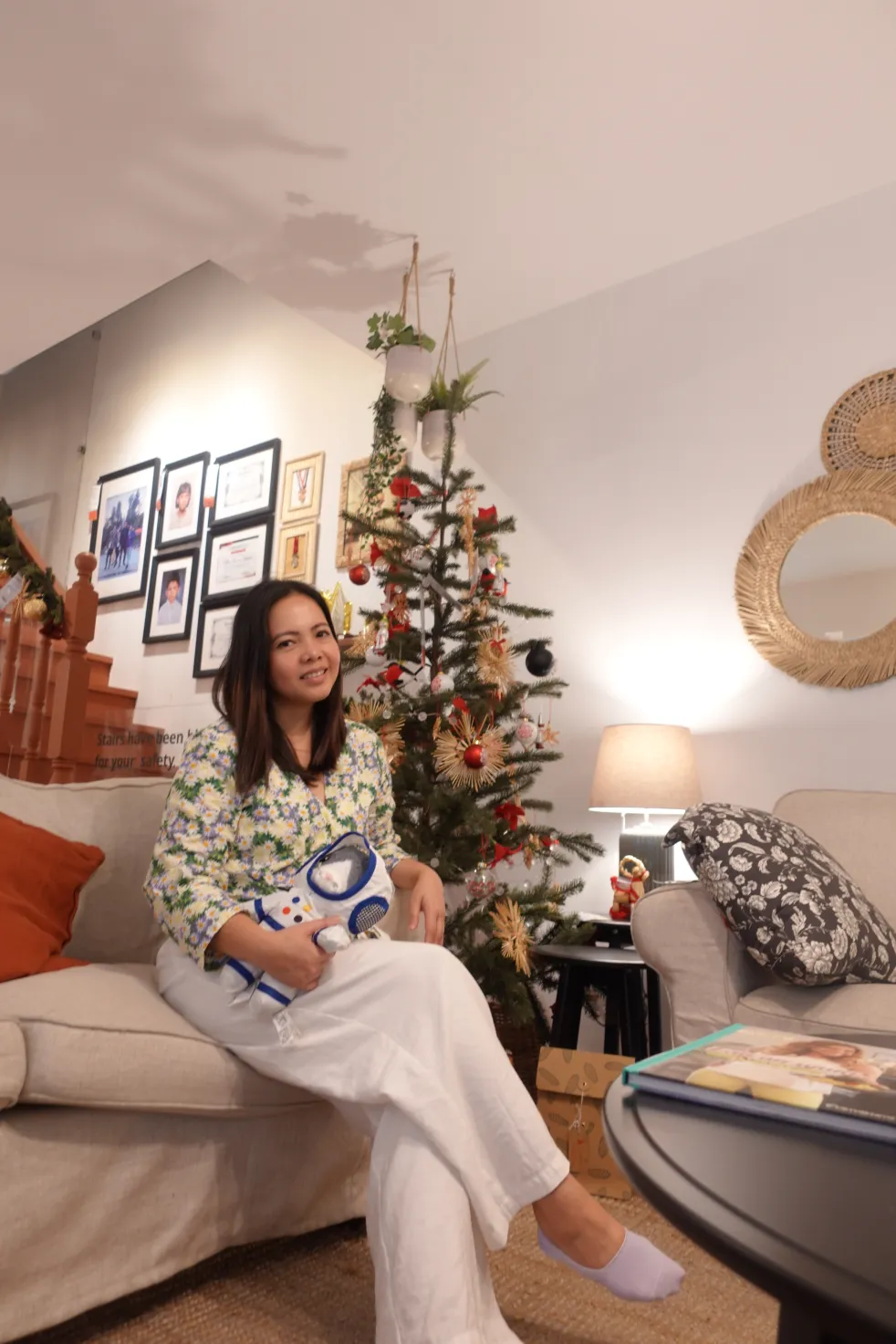
Last August, IKEA Philippines engaged with Better World Smokey Mountain, a newly opened community center operated by the San Miguel Foundation, which shares a similar goal of improving the lives of many Filipino people. Through this partnership, IKEA Philippines provided and assembled home furnishings for the classrooms and library of Better World Smokey Mountain community… Continue reading Help Create a Better World with IKEA Soft Toys
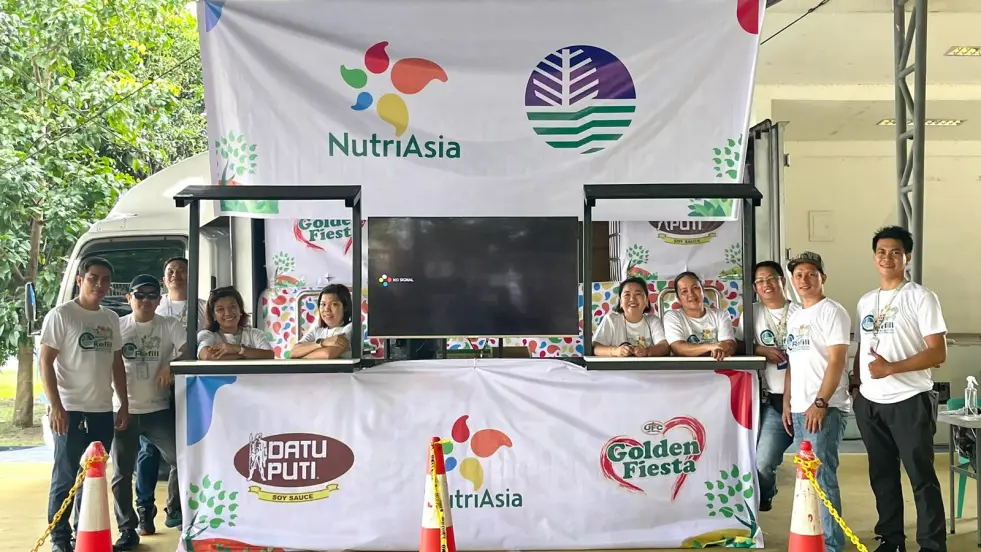
NutriAsia, the country’s top producer of condiments and sauces, continues its support of Refill Revolution; a project by the Department of Environment and Natural Resources EMB 3 that aims to help reduce Filipinos’ single-use plastics consumption. At Refill Revolution, residents get to recycle their single-use plastic bottles by reusing and filling it with their choice… Continue reading NutriAsia and DENR renews partnership for Refill Revolution
Teaching your child to ride a balance bike with confidence
A balance bike can give a young child a simple, enjoyable way to learn cycling. With no pedals to distract them, children use their feet to push, steer and gradually lift themselves into a glide. This builds the balance and coordination needed for a pedal bike, often without relying on training wheels.
Learning should feel like play rather than a formal lesson. A quiet park, a smooth path and a little patience can help your child develop confidence at their own pace. In Australia, remember that approved helmets are required for cyclists, including children riding on shared paths and local streets.
Choosing the right balance bike
The most important feature is a comfortable fit. When your child sits on the saddle, both feet should rest flat on the ground with a slight bend in the knees. They should be able to walk the bike forward easily and stop without stretching or tipping sideways. A saddle that is too high can make a beginner feel unstable.
Look for a lightweight frame, especially if your child is small or will need to lift the bike over a kerb. A heavy bike may be difficult to control and frustrating to carry. Adjustable handlebars and seat posts allow the bike to grow with your child, while soft grips and a padded saddle can make longer practice sessions more pleasant.
Balance bikes are widely available through Australian retailers such as Kmart, Big W, Target and Decathlon Australia. You can also find second-hand models through local parenting groups, op shops and Gumtree. Check that a used bike has secure bolts, straight wheels, working steering and tyres with enough tread before buying it.
Getting the fit and safety gear right
A helmet should fit snugly and sit level, with the front edge just above the eyebrows. The straps should form a comfortable “V” around each ear, and the buckle should rest under the chin without being loose. Choose a helmet carrying the relevant Australian and New Zealand safety certification, commonly marked AS/NZS 2063.
Closed shoes with a firm sole protect little feet while children push along. Comfortable trousers or shorts allow free movement, and bright clothing can improve visibility near other park users. On sunny days, apply sunscreen, use a hat when the helmet is off and take water breaks, especially during warm Queensland or Western Australian weather.
Inspect the bike before every outing. Check the tyres, grips, saddle, steering limiters and fasteners. Avoid practice near driveways, roads, steep slopes or crowded paths. In Melbourne, Sydney and Brisbane, popular shared trails can become busy with runners, scooters and commuters, so a quiet reserve or fenced playground area may be a better starting point.
Building confidence through play
Begin on a level, smooth surface where your child can move slowly. Let them stand over the bike while holding the handlebars, then encourage small steps. You can say, “Walk to the tree,” or “Can you roll to me?” Short, clear prompts are easier for a young child to follow than a long explanation about balance.
Once walking feels comfortable, invite them to sit and scoot. Avoid holding the back of the bike tightly, because this can make the steering feel unpredictable. Instead, walk beside your child and offer a hand near their shoulder or upper arm if they need reassurance. Give support briefly, then allow them to regain control.
Games can make practice feel natural. Place soft cones, chalk marks or small toys along a path and encourage your child to travel between them. Ask them to stop at a “traffic light”, collect a teddy from one side of the lawn or roll over a strip of grass. Keep the mood light and finish while they are still enjoying themselves.
Moving from scooting to gliding
Gliding happens when a child pushes off, lifts both feet for a moment and travels without stepping. Do not rush this stage. Some children glide within a few sessions, while others need several weeks of short practice. The goal is to help them notice their own balance rather than to make them perform on command.
A gentle downhill slope can help a child experience rolling, but it should be very shallow and free from obstacles. Stand at the lower side of the slope and encourage them to keep their eyes ahead. Teach braking by asking them to place both feet down and slow gradually. A balance bike without a hand brake is often easier for beginners, since foot braking is more intuitive.
Steering develops alongside balance. Encourage your child to look where they want to go rather than staring at the front wheel. Wide turns are easier than sharp ones. Place two markers several metres apart and practise travelling around them, increasing the distance as control improves.
Skills that support independent riding
- Walking and scooting while keeping both hands on the handlebars
- Looking ahead instead of down at the front wheel
- Gliding for a few seconds with both feet raised
- Steering around wide, soft obstacles
- Stopping safely with both feet
- Starting again after a wobble or small fall
Handling frustration and fear
A wobble, tumble or refusal to ride is part of the learning process. Stay calm, check for injury and give your child time to settle. A simple response such as “That surprised you; let’s have a rest” acknowledges their feelings without making the fall seem frightening. Avoid laughing at mistakes or comparing them with siblings and friends.
Some children prefer to watch before trying. Let them observe another child at the park, carry the bike for a few outings or practise sitting on it indoors without moving. Familiarity can reduce anxiety. Other children become overexcited and ride too fast, so gentle reminders about slow feet and looking ahead may be useful.
Keep sessions short, perhaps 10 to 20 minutes for a younger beginner. Stop for water, shade or a snack before tiredness turns into tears. Regular practice two or three times a week is usually more helpful than one long session. A child who finishes feeling successful is more likely to ask to ride again.
Understanding the next step
Your child may be ready for a pedal bike when they can glide confidently, steer around wide turns, stop safely and start without constant help. They do not need to master every skill perfectly, but they should show enough control to manage the bike in a calm, open space.
When choosing a first pedal bike, select a lightweight model that fits in the same way as the balance bike. The child should be able to touch the ground when seated, while the handlebars remain easy to reach. Some families move straight from a balance bike to a small pedal bike without training wheels because the balance skill is already established.
How different learning options compare
| Option | Main benefit | Possible drawback | Best suited to |
|---|---|---|---|
| Balance bike | Teaches steering and balance directly | Requires patience before gliding develops | Toddlers and preschoolers |
| Training wheels | Gives immediate stability while pedalling | May allow children to lean on the wheels rather than balance | Children eager to pedal first |
| Scooter | Builds steering, pushing and coordination | Balance pattern differs from bicycle riding | Active play and varied movement |
| Pedal bike with a low seat | Combines balance and pedalling practice | Can feel complicated for a nervous beginner | Children already gliding well |
Once your child moves to a pedal bike, continue practising in quiet areas before using busy shared paths. In Australia, cycling on footpaths is permitted in many places, but local rules and signs can vary, and pedestrians have priority. Teach your child to slow down near prams, dogs and crossings, and to dismount where the path becomes crowded.
Making cycling part of family life
Riding becomes easier to maintain when it fits into ordinary family routines. A short trip to a local playground, a weekend ride beside a creek or a visit to a neighbourhood reserve can provide regular practice without making every outing a lesson. In Adelaide, Perth and Canberra, many families have access to broad paths and open green spaces that suit beginner riders.
Plan around the weather. Early morning or late afternoon is often more comfortable in summer, while a sunny winter day may be ideal in southern states. Carry water, sunscreen and a small first-aid kit. For longer family rides, pack a snack and check the route for toilets, shade and safe stopping points.
Celebrate effort rather than distance or speed. Praise your child for trying again, keeping their eyes up, stopping carefully or helping put the bike away. Balance bike riding is a physical skill, yet the deeper achievement is growing independence. With supportive practice, your child can learn to move through the world with greater confidence, curiosity and care.

Mercato Centrale, in collaboration with Indian Women in Enterprise Philippines (I-We), is set to host "The Great Indian Fiesta" to mark 75 years of friendship between India and the Philippines. The dynamic two-day event is scheduled to take place on September 30 to October 1, 2023, at Paseo De Roxas Street, Makati City. Aiming to… Continue reading Mercato Centrale Partners with I-We to Host ‘The Great Indian Fiesta’, Commemorating 75 Years of India-Philippines Friendship

My stomach would usually start growling at 10 am even after taking a big breakfast. This is probably because I am a morning person and I move a lot throughout the day hence snacking is something that I can't avoid. This potatoes and chicken wrap recipe is easy to prepare and would keep me full… Continue reading Potato and Chicken Wrap
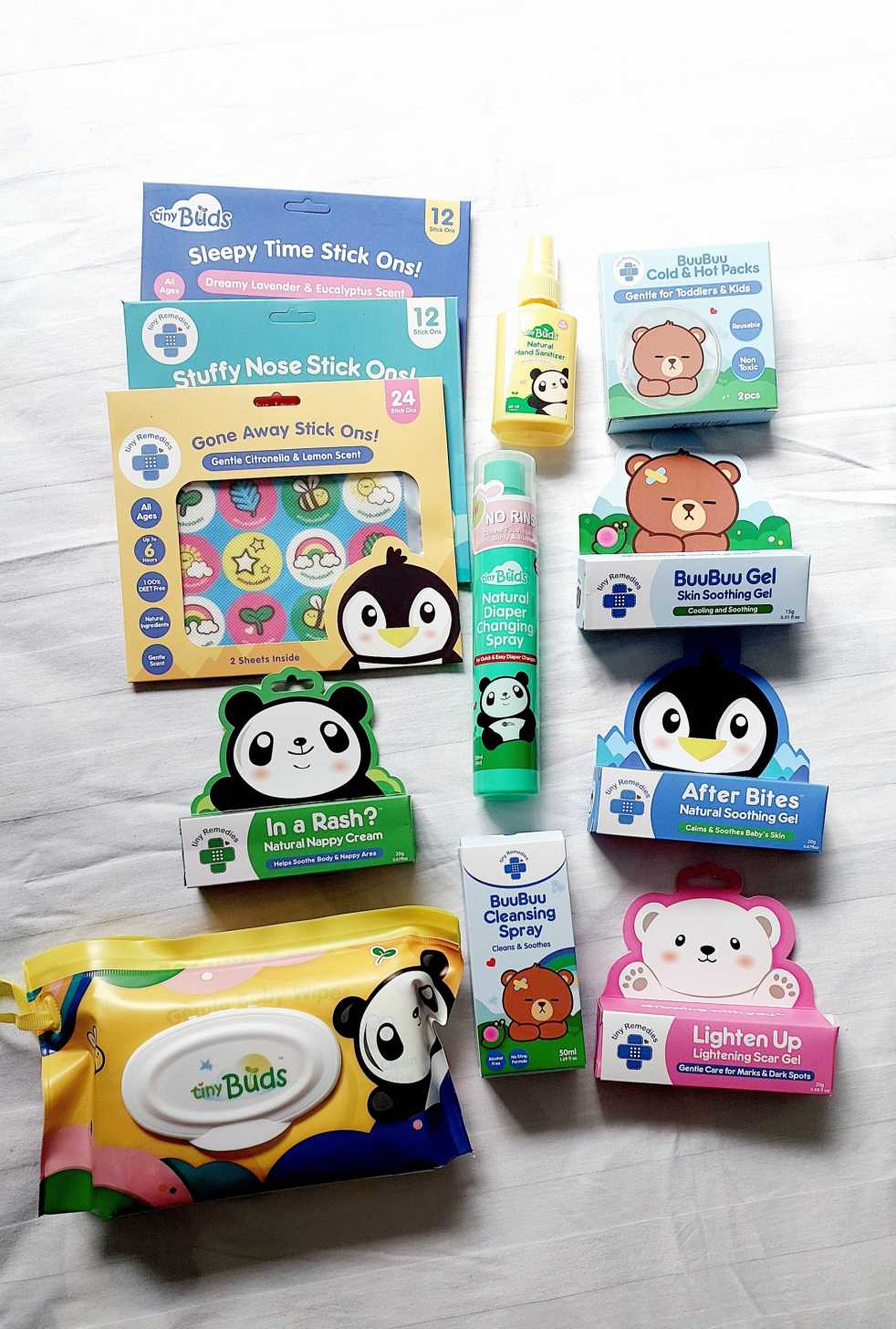
Your baby’s skin is more delicate than most, this is why you have to choose products that are designed for sensitive skin. Tiny Buds is a pioneer in integrating natural ingredients into baby care and today has over 50 innovative natural baby care essentials and is one of the Top Baby Personal Care brands. Here… Continue reading Product Review: Tiny Buds Baby Naturals Baby Essentials
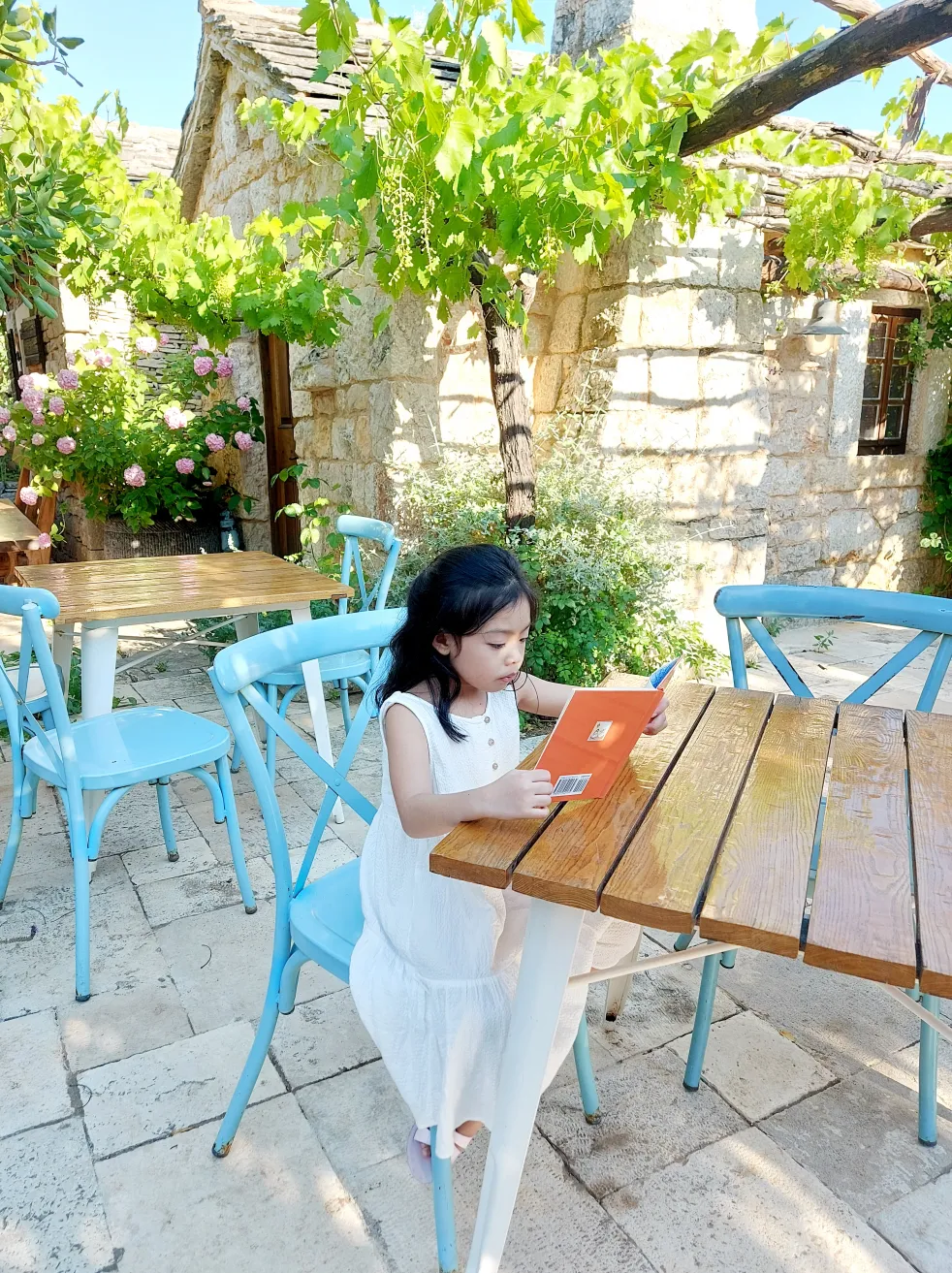
Where your child goes to school is a big decision and shouldn’t be taken lightly. Given how their education can impact their future, you might be tempted to take control and decide for them. However, you might be doing more damage than helping them in the long run. Your job as parents is to support… Continue reading HOW TO CHOOSE THE BEST SCHOOL FOR YOUR CHILD
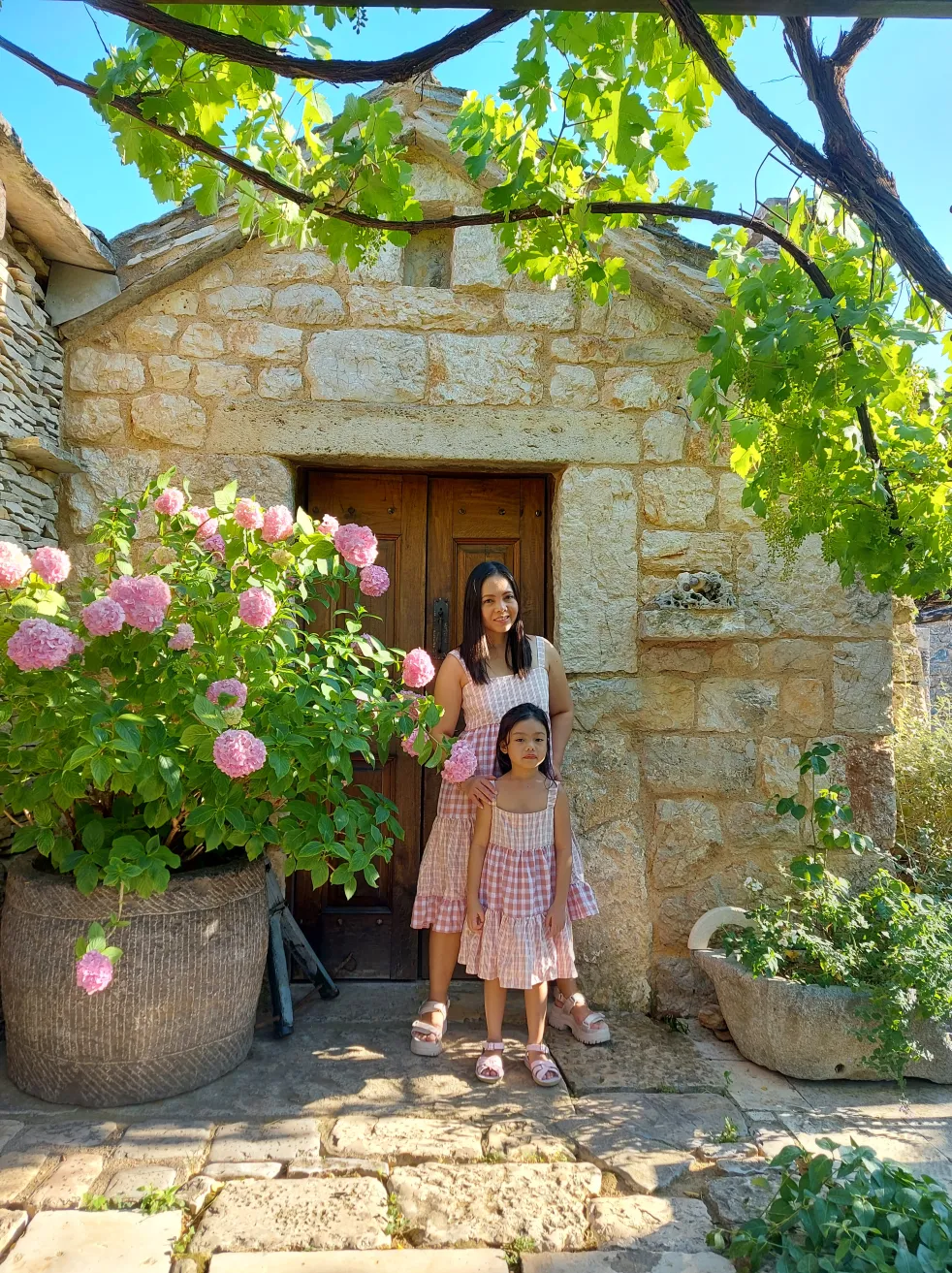
As poet and philosopher Rumi once eloquently said, “raise your words, not your voice. It is rain that grows flowers, not thunder.” Parenting is a challenging journey, and the truth is that nobody has everything figured out. One parenting style might suit others best, and some might favor other methods. However, children respond better to… Continue reading A SIMPLE GUIDE TO GENTLE PARENTING
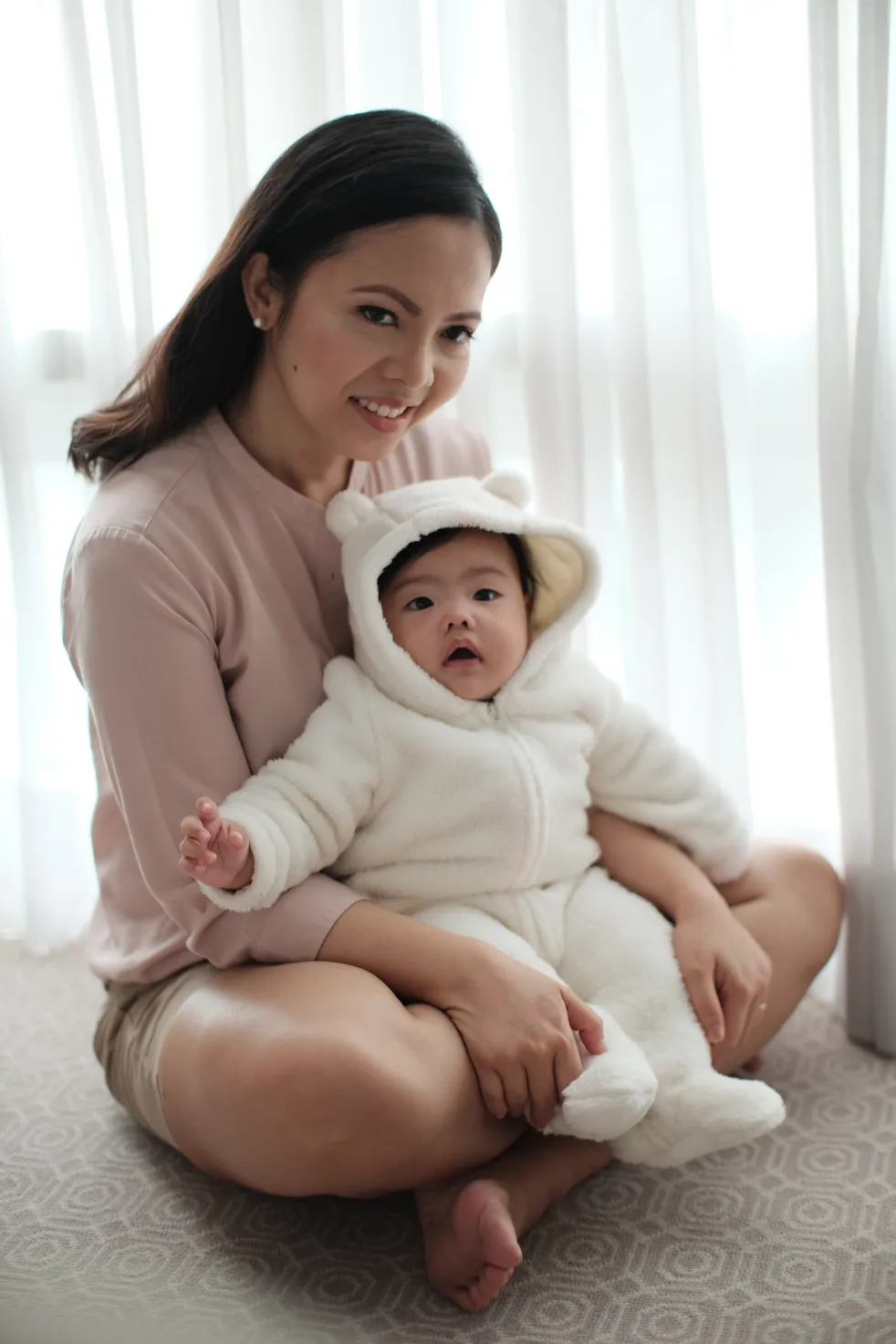
Whether you’re a new mom to be, mom of a toddler, mom who have school-aged kids, you’re bound to have so many questions. Let's start with your baby's skin. Infant skin has unique needs; gentle care is essential to prevent damage to the skin barrier, which can lead to irritation. When caring for infant skin,… Continue reading Keeping Baby’s Diapered Skin Healthy
As parents, we want to give our child the best possible start in life and that begins with nurturing their intelligence. Throughout history, the notion of success has been linked to academic intelligence. However, there has been an increased awareness on the importance of emotional intelligence. This question gets at the heart of the never-ending… Continue reading IQ or EQ, which one is a better predictor of your child’s success?
 wondermomma.net