
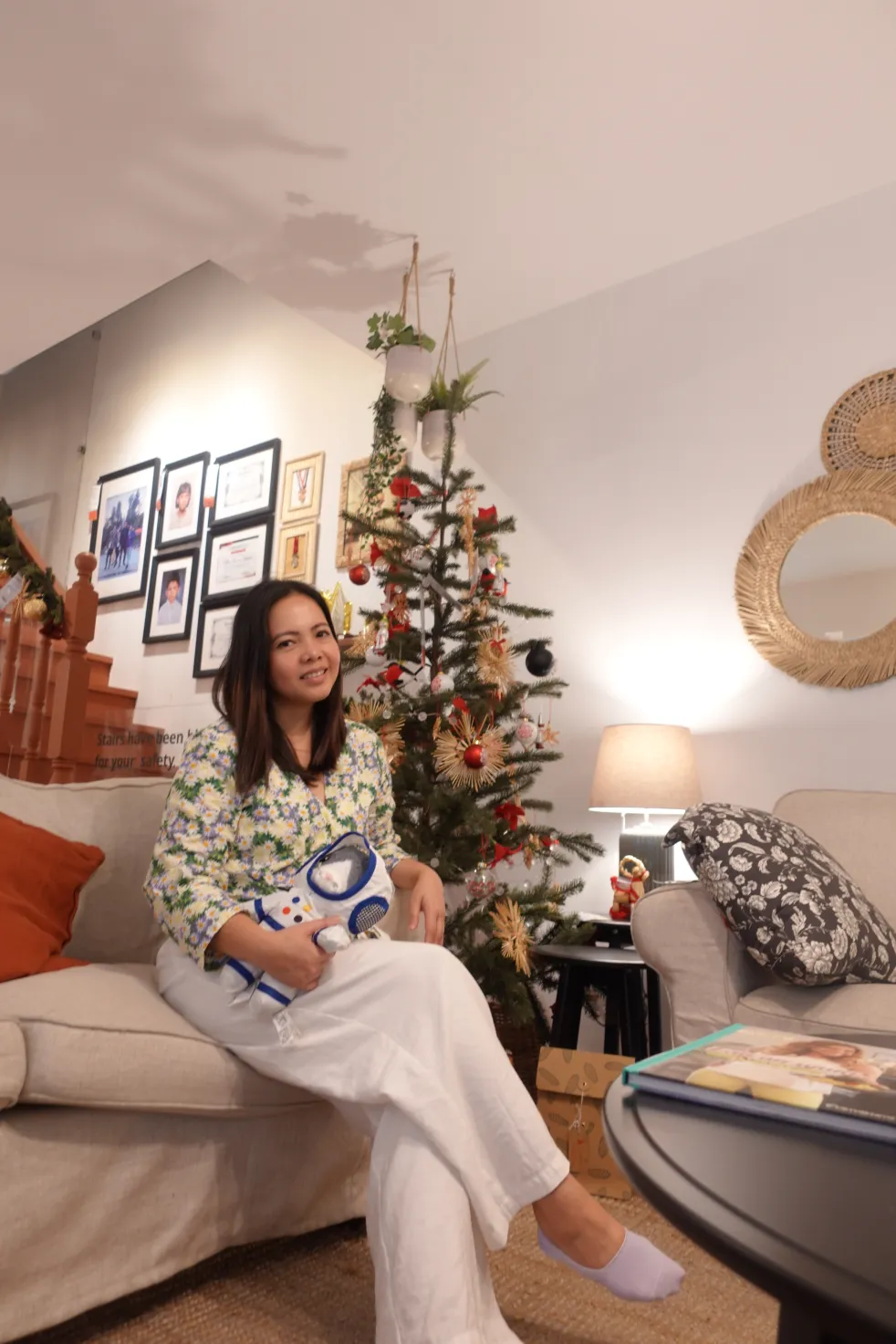
Last August, IKEA Philippines engaged with Better World Smokey Mountain, a newly opened community center operated by the San Miguel Foundation, which shares a similar goal of improving the lives of many Filipino people. Through this partnership, IKEA Philippines provided and assembled home furnishings for the classrooms and library of Better World Smokey Mountain community… Continue reading Help Create a Better World with IKEA Soft Toys

NutriAsia, the country’s top producer of condiments and sauces, continues its support of Refill Revolution; a project by the Department of Environment and Natural Resources EMB 3 that aims to help reduce Filipinos’ single-use plastics consumption. At Refill Revolution, residents get to recycle their single-use plastic bottles by reusing and filling it with their choice… Continue reading NutriAsia and DENR renews partnership for Refill Revolution

Teaching Your Child to Dress Themselves at Every Age
Learning to get dressed is an important childhood milestone. It builds independence, coordination, body awareness, and confidence while giving children a practical way to participate in daily family routines. The process usually begins with small actions, such as pushing an arm through a sleeve, and gradually develops into choosing clothes and managing fasteners.
Every child learns at a different pace. A toddler may happily pull off socks but resist putting them on, while a preschooler may dress independently but still need help with buttons. Patience, repetition, and age-appropriate expectations make this life skill easier to learn.
In the Philippines, clothing choices can add useful variety to practice. Children may dress in lightweight clothes at home, wear school uniforms on weekdays, or need help choosing comfortable outfits for hot weather and rainy days. The goal is steady progress rather than perfectly matched clothing.
Start With Readiness, Not a Strict Age
Most children show interest in dressing between the ages of two and three, although early signs can appear sooner. A child may try to remove a shirt, bring you a diaper or pair of shorts, raise their arms during dressing, or imitate an older sibling. These actions suggest that your child is ready to take part in the routine.
Readiness also includes physical and emotional skills. Your child should be able to follow one-step directions, stand or sit steadily, use both hands together, and tolerate a few extra minutes for practice. Some children are eager to try while others prefer that adults do everything for them. Both responses are normal.
Begin with one small task instead of handing over the entire routine. Ask your child to pull up elastic-waist shorts, put a shirt into the laundry basket, or place one foot into a shoe. Celebrate effort and persistence, even when the result is inside-out or backwards.
Ages Two To Three: Simple Clothing Tasks
Toddlers can often participate in dressing by removing loose clothing, pulling down elastic waistbands, and helping push their arms through sleeves. They may also learn to take off socks, although socks can be difficult because they stretch and cling to the toes. Shoes with hook-and-loop fasteners are usually easier than laces.
Use simple, comfortable clothing during practice. Wide neck openings, soft fabrics, elastic waistbands, and large tabs reduce frustration. Lay the clothes on the floor or bed in the order they will be worn. A visual routine can help: underwear, shirt, shorts or skirt, socks, and shoes.
Give one instruction at a time. “Find the opening for your head” is easier to understand than “Get dressed.” If your child becomes frustrated, offer a small amount of help and then let them complete the final step. This keeps the experience encouraging without taking over.
Ages Three To Four: Building A Dressing Routine
Preschoolers can usually put on loose shirts, pants, dresses, and simple shoes with reminders. They may still confuse the front and back of clothing or need help finding the correct leg opening. Turning garments right-side out before practice saves time, while a small tag or picture sewn inside the back can teach orientation.
At this age, children benefit from choices. Offer two weather-appropriate outfits rather than allowing unlimited options. “Would you like the blue shirt or the yellow shirt?” supports decision-making while keeping the morning manageable. You can also invite your child to check the weather and select clothing for warm, rainy, or cooler days.
Fasteners should be introduced gradually. Large zippers, snaps, and hook-and-loop closures are useful starting points. Let your child hold the bottom of a zipper while you guide the tab, then switch roles as their hand control improves. Avoid turning every dressing attempt into a test; some mornings will require faster adult assistance.
| Age range | Skills many children may practise | Helpful clothing and support |
|---|---|---|
| Two to three years | Removing loose clothes, helping with sleeves, pulling elastic waistbands, taking off socks | Stretchy fabrics, large openings, elastic waists, simple slip-on shoes |
| Three to four years | Putting on basic garments, identifying front and back, choosing between two outfits | Picture cues, clothing with tags, large zippers, hook-and-loop shoes |
| Four to five years | Dressing most of the body, managing simple fasteners, sorting clothes for the day | Easy buttons, stable shoe openings, step-by-step routine |
| Five to six years | Completing a full outfit, handling smaller buttons, preparing school clothes | Uniform practice, labelled storage, occasional adult checks |
| Six years and older | Dressing independently, selecting suitable clothing, managing belongings | Weather-based choices, laces when ready, responsibility for laundry routines |
Ages Four To Six: Practising Independence
Children between four and six often become capable of completing most dressing steps independently. They can practise putting on underwear, shirts, bottoms, socks, and shoes, then checking themselves in a mirror. Many still need help with tight clothing, small buttons, tangled straps, and clothing that has become twisted.
School uniforms provide a useful daily opportunity for repetition. Practise on a relaxed afternoon or weekend rather than during the busiest part of the morning. Teach the order of the uniform, where each item is stored, and how to place worn clothes in a laundry hamper. This turns getting dressed into a predictable self-care routine.
A “backward chaining” approach can be effective. Complete most of the task yourself and let your child do the final step, such as pulling up the zipper or fastening the last button. Once that feels easy, allow them to complete two steps, then three. This gives children frequent success and gradually transfers responsibility.
Ages Six And Up: Clothing Choices And Care
By around six or seven, many children can dress fully without assistance, though individual development varies. The next stage involves making sensible choices: wearing clothes suitable for the weather, selecting comfortable footwear, preparing items for the next day, and keeping track of school or sports clothing.
Teach your child to notice practical details. In hot weather, lightweight cotton clothing and breathable fabrics may be more comfortable. On rainy days, a raincoat, umbrella, or extra shirt may be useful. For school, children can check whether their uniform is clean and complete before bedtime instead of discovering a missing item in the morning.
Clothing care is part of independence too. Children can place dirty garments in the hamper, fold pajamas, pair socks, and put clean clothes in drawers. Older children may learn to hang uniforms, pack a change of clothes, and separate damp items after swimming or outdoor play. These responsibilities should expand slowly as coordination and judgment develop.
Make Daily Practice Calm And Manageable
Dressing skills improve through repetition, but pressure can make children resist. Build practice into ordinary routines and leave enough time for your child to try. On a rushed school morning, it is reasonable to help with difficult parts and practise later when everyone is calmer.
Keep clothing storage accessible. Low drawers, open baskets, and labelled sections allow children to reach their own belongings. Limit the number of choices available at one time, especially for younger children. A small selection of everyday clothes is often more useful than a crowded wardrobe.
Use neutral language when something goes wrong. Instead of saying, “You did it incorrectly,” try, “Let’s look for the tag,” or “Your foot is in the other opening.” Avoid teasing about mismatched clothes. If the outfit is safe and suitable, an unusual combination can be a harmless expression of independence.
Helpful Strategies For Parents
A supportive approach helps children develop self-dressing skills without turning clothes into a daily conflict. These practices can make the learning process smoother:
- Choose comfortable clothing with elastic waistbands, wide openings, and easy fasteners while your child is learning.
- Give limited choices that fit the weather, family plans, and school requirements.
- Use picture cards, labels, or a simple clothing checklist to show the dressing order.
- Allow extra time in the routine so your child can attempt each step without being hurried.
- Praise specific effort, such as pulling a sleeve through or remembering where shoes belong.
- Teach safety by checking that shoelaces, drawstrings, loose scarves, and oversized garments will not create hazards.
Some children need additional support because of sensory sensitivities, developmental differences, reduced hand strength, or coordination difficulties. Soft tag-free clothing, seamless socks, gradual exposure to textures, and occupational therapy guidance may help. Speak with your child’s pediatrician or teacher if dressing remains unusually distressing or interferes significantly with daily activities.
The aim is participation, not perfection. A child who can complete part of the routine today may manage the full routine after weeks or months of practice. Consistent encouragement gives them the confidence to keep trying.
Start tomorrow with one manageable responsibility: choosing between two shirts, pulling up a pair of shorts, or placing pajamas in the right drawer. Keep the routine warm and predictable, and recognise every small step toward independence as part of your child’s growing confidence.

Mercato Centrale, in collaboration with Indian Women in Enterprise Philippines (I-We), is set to host "The Great Indian Fiesta" to mark 75 years of friendship between India and the Philippines. The dynamic two-day event is scheduled to take place on September 30 to October 1, 2023, at Paseo De Roxas Street, Makati City. Aiming to… Continue reading Mercato Centrale Partners with I-We to Host ‘The Great Indian Fiesta’, Commemorating 75 Years of India-Philippines Friendship

My stomach would usually start growling at 10 am even after taking a big breakfast. This is probably because I am a morning person and I move a lot throughout the day hence snacking is something that I can't avoid. This potatoes and chicken wrap recipe is easy to prepare and would keep me full… Continue reading Potato and Chicken Wrap
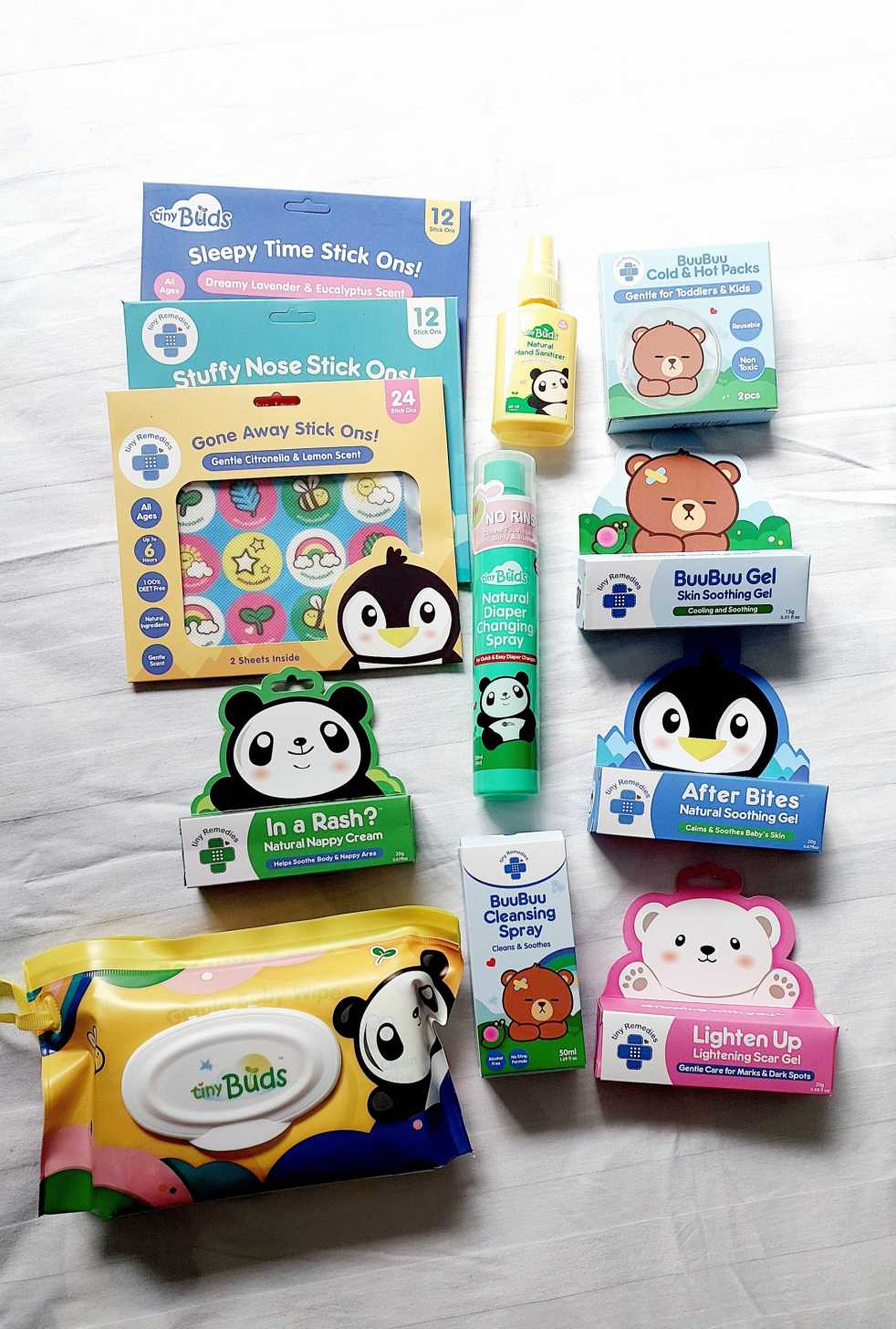
Your baby’s skin is more delicate than most, this is why you have to choose products that are designed for sensitive skin. Tiny Buds is a pioneer in integrating natural ingredients into baby care and today has over 50 innovative natural baby care essentials and is one of the Top Baby Personal Care brands. Here… Continue reading Product Review: Tiny Buds Baby Naturals Baby Essentials
Where your child goes to school is a big decision and shouldn’t be taken lightly. Given how their education can impact their future, you might be tempted to take control and decide for them. However, you might be doing more damage than helping them in the long run. Your job as parents is to support… Continue reading HOW TO CHOOSE THE BEST SCHOOL FOR YOUR CHILD
As poet and philosopher Rumi once eloquently said, “raise your words, not your voice. It is rain that grows flowers, not thunder.” Parenting is a challenging journey, and the truth is that nobody has everything figured out. One parenting style might suit others best, and some might favor other methods. However, children respond better to… Continue reading A SIMPLE GUIDE TO GENTLE PARENTING
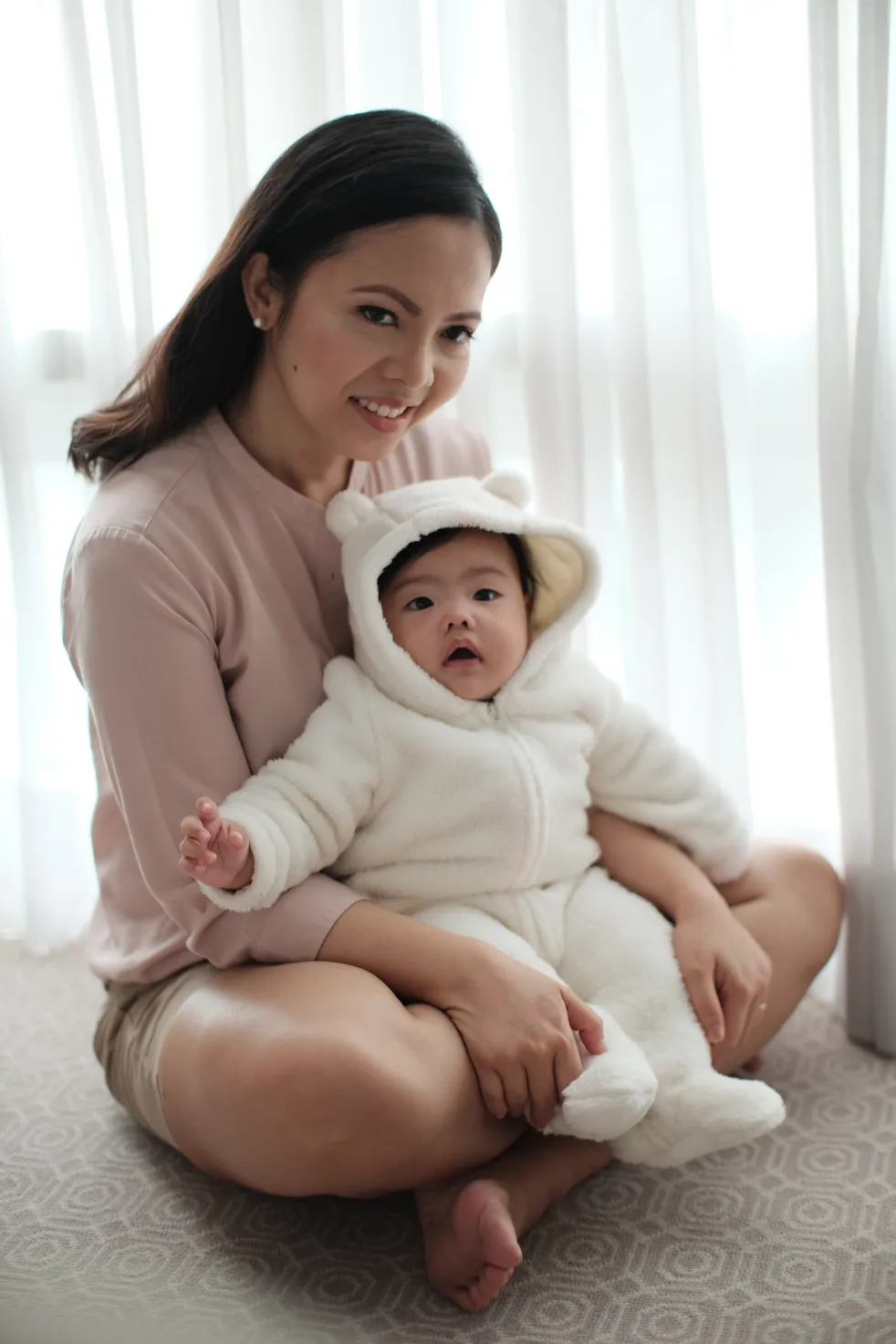
Whether you’re a new mom to be, mom of a toddler, mom who have school-aged kids, you’re bound to have so many questions. Let's start with your baby's skin. Infant skin has unique needs; gentle care is essential to prevent damage to the skin barrier, which can lead to irritation. When caring for infant skin,… Continue reading Keeping Baby’s Diapered Skin Healthy
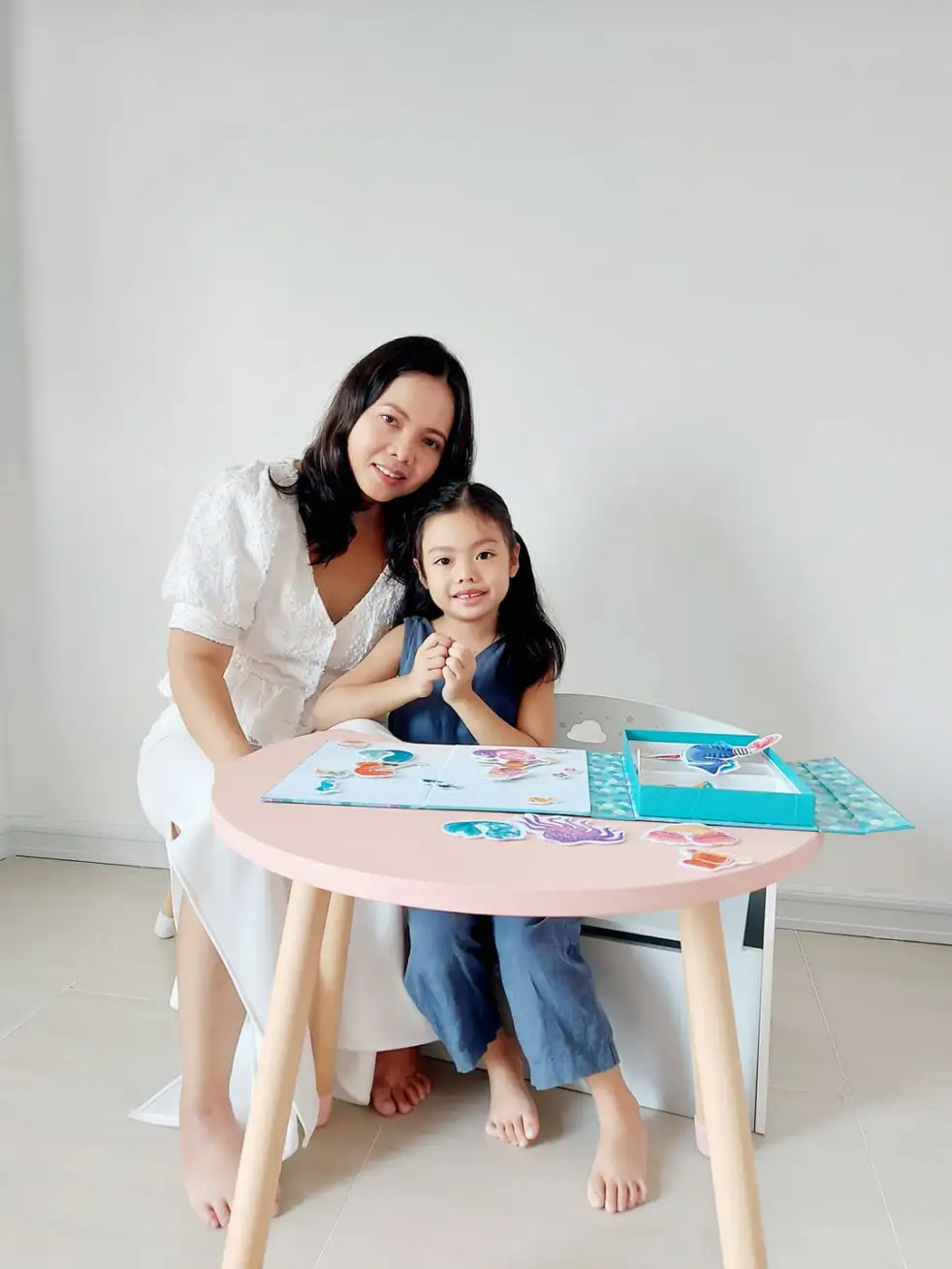
As parents, we want to give our child the best possible start in life and that begins with nurturing their intelligence. Throughout history, the notion of success has been linked to academic intelligence. However, there has been an increased awareness on the importance of emotional intelligence. This question gets at the heart of the never-ending… Continue reading IQ or EQ, which one is a better predictor of your child’s success?
 wondermomma.net