
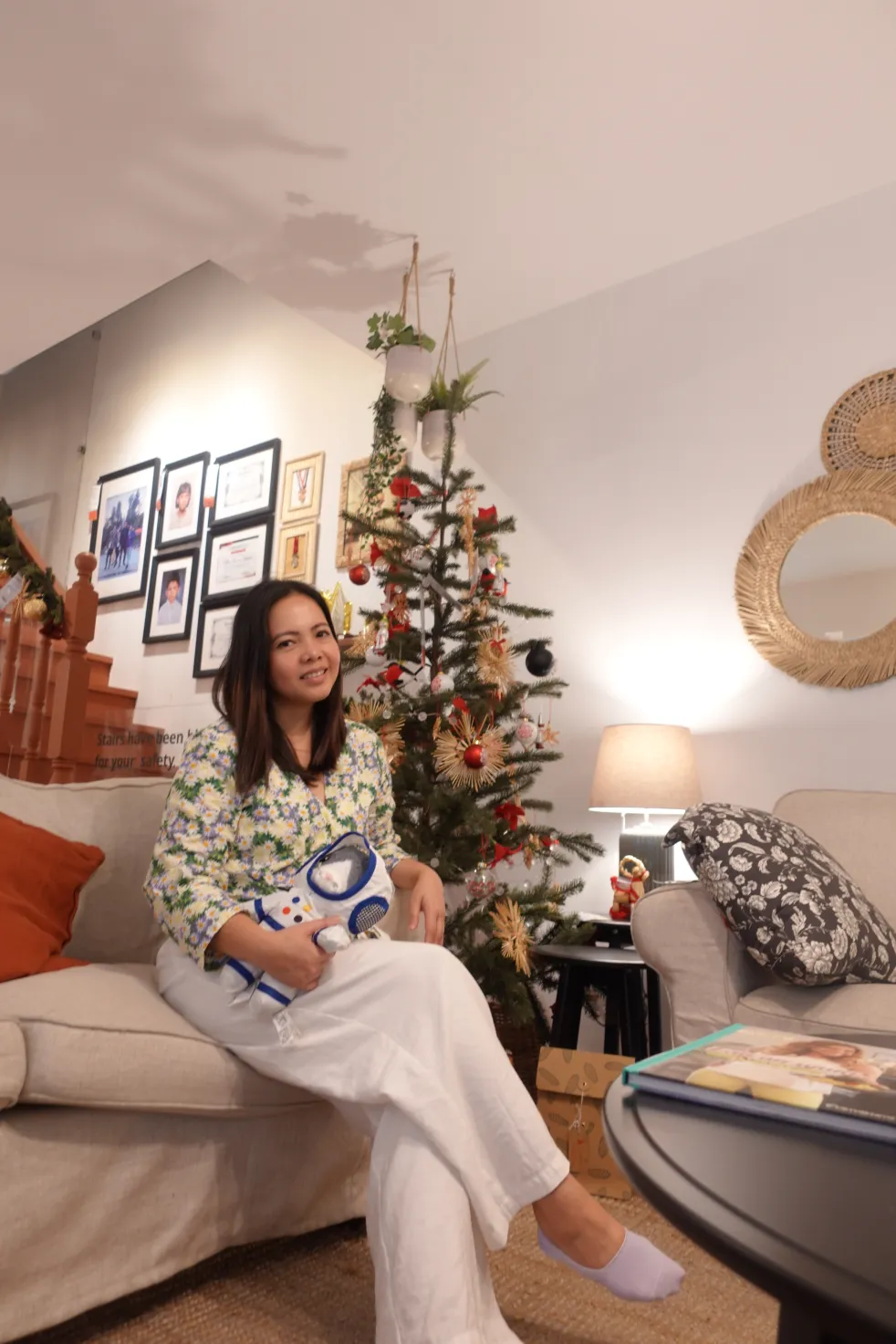
Last August, IKEA Philippines engaged with Better World Smokey Mountain, a newly opened community center operated by the San Miguel Foundation, which shares a similar goal of improving the lives of many Filipino people. Through this partnership, IKEA Philippines provided and assembled home furnishings for the classrooms and library of Better World Smokey Mountain community… Continue reading Help Create a Better World with IKEA Soft Toys
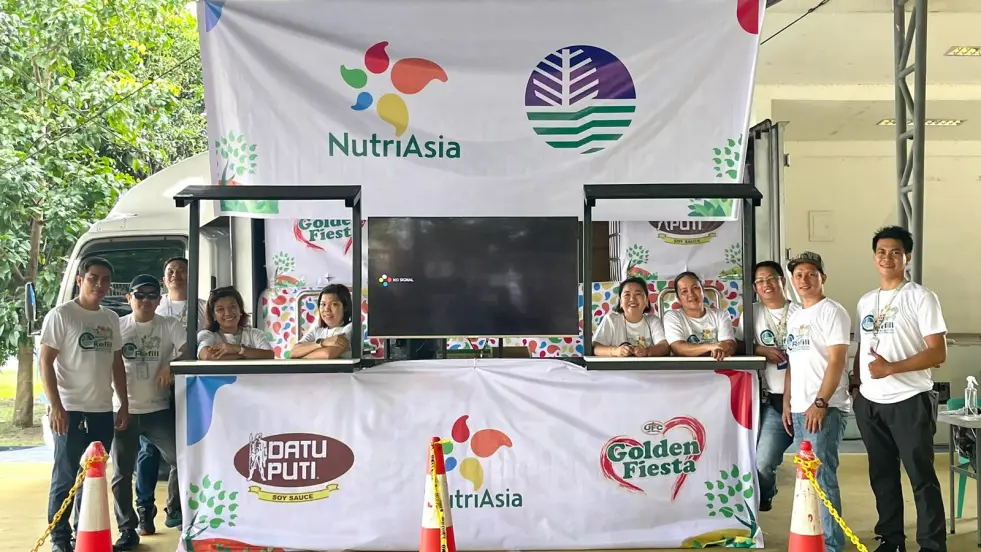
NutriAsia, the country’s top producer of condiments and sauces, continues its support of Refill Revolution; a project by the Department of Environment and Natural Resources EMB 3 that aims to help reduce Filipinos’ single-use plastics consumption. At Refill Revolution, residents get to recycle their single-use plastic bottles by reusing and filling it with their choice… Continue reading NutriAsia and DENR renews partnership for Refill Revolution

Teaching Your Child To Dress Themselves With Confidence
Learning to get dressed is an important step toward independence. It involves much more than putting on a shirt or pulling up a pair of shorts. Children practise balance, coordination, body awareness, memory, decision-making, and problem-solving each time they manage a clothing task.
Some children show interest in dressing during the toddler years, while others prefer an adult to do everything for them. Both responses are normal. The goal is not to make your child dress perfectly or quickly, but to create regular opportunities for participation in a calm and encouraging way.
A gentle approach works best when teaching self-care skills. Break dressing into manageable steps, choose clothing that is easy to handle, and allow extra time in the daily routine. With practice, your child can gradually take ownership of getting ready for school, play, bedtime, or family outings.
Notice Signs Of Readiness
Readiness often appears in small everyday behaviours. Your child may try to remove socks, pull at a zipper, carry shoes, choose a favourite outfit, or become interested in watching you get dressed. These actions show curiosity and a growing desire to take part.
A child who can follow simple instructions, stand steadily, use both hands together, and understand basic body parts may be ready to practise selected dressing tasks. Language development also helps, since children need to understand directions such as “find the sleeve” or “put your foot through the opening.”
Age can offer a general guide, but it should not determine your expectations. One child may put on loose clothing early, while another may need more time with fasteners or footwear. Consider your child’s motor skills, sensory preferences, attention span, and confidence when choosing the next step.
Begin With Simple Clothing Tasks
Start with clothing that has wide openings, stretchy waistbands, and clear front and back features. Loose shorts, elastic-waist trousers, pull-on skirts, roomy T-shirts, and slip-on shoes are often easier for young children than fitted garments, small buttons, or stiff denim.
Teach one part of the routine at a time. For example, your child might first practise placing both legs into trousers while you finish pulling them up. Once that feels familiar, invite them to pull the waistband over their hips. Small successes build the coordination and confidence needed for the next challenge.
Use the same words and sequence each day. A simple pattern could be underwear, top, bottoms, socks, and shoes. Children benefit from predictable routines because they can focus on the physical action instead of remembering what comes next.
Use A Step-By-Step Dressing Routine
Demonstrate slowly while describing what you are doing. Show your child how to place a shirt on the floor with the front facing up, find the neck opening, push one arm through, and then guide the other arm into the second sleeve. Physical demonstration is often easier to understand than repeated verbal instructions.
Try the “backward chaining” method when a task feels difficult. Complete most of the action yourself and let your child perform the final step, such as pulling a shirt down, fastening a large zip, or pushing a foot into a shoe. When that step becomes easy, give your child two steps to complete, gradually moving more of the task into their hands.
Visual cues can support children who forget the sequence. A few simple pictures near the wardrobe or dressing area can show the order of clothing. For older preschoolers, a small checklist with words such as “shirt,” “shorts,” “socks,” and “shoes” may encourage independent dressing without constant reminders.
| Dressing Skill | Easier Starting Point | Next Step |
|---|---|---|
| Pulling on a top | Wide-neck, loose T-shirt | Turn the shirt right side out and find the front |
| Managing bottoms | Elastic-waist shorts or trousers | Pull them up and adjust the waistband |
| Putting on socks | Larger, stretchy socks | Match the heel and place the sock correctly |
| Wearing shoes | Slip-on shoes with a wide opening | Practise hook-and-loop straps |
| Using fasteners | Large zip or chunky snap | Try larger buttons, then smaller ones |
| Handling outerwear | Open cardigan or jacket | Put on a coat and close the zipper |
Make The Dressing Area Child-Friendly
Arrange clothing where your child can reach it safely. Low drawers, open baskets, and a few hooks allow children to see and handle their belongings. Keep the number of available outfits manageable so choosing clothes does not become overwhelming.
Place outfits in the order they will be used, or prepare a complete set the night before. This can be especially helpful on busy school mornings. In warm Philippine weather, breathable cotton clothing and simple footwear may make daily practice more comfortable, while school uniforms can be divided into smaller tasks.
Choose garments that match your child’s current abilities. Tagless or soft clothing may help children who are sensitive to texture. Avoid making every practice session about perfect colour matching, neatness, or speed. Independence grows faster when the child feels capable rather than judged.
A sturdy, child-safe mirror can help children check whether clothing is facing the right way. It also supports body awareness and gives them a chance to notice when a sleeve is twisted or a shirt is inside out.
Support Without Taking Over
Children often need help, but too much assistance can prevent them from learning. Pause before stepping in and give your child time to solve the problem. A few extra seconds may allow them to find the armhole, reposition a shoe, or pull a stuck waistband into place.
Use prompts that guide rather than command. Say, “What part goes through the opening?” or “Can you look for the heel?” instead of immediately fixing the item. If your child becomes frustrated, offer a small amount of help and then return control: “I will hold the sock open. You can put your foot inside.”
Praise effort and strategy rather than speed. Comments such as “You kept trying when the sleeve twisted” or “You remembered what comes next” reinforce persistence. Avoid comparing siblings or classmates, since children develop self-care skills at different rates.
If your child refuses, consider whether the task is too hard, the clothing feels uncomfortable, or the routine is rushed. A short break, a simpler garment, or practising later in the day may work better than turning dressing into a power struggle.
Practise Skills Through Play
Play gives children a relaxed way to strengthen the same abilities they need for dressing. Dressing dolls, stuffed animals, or paper figures encourages children to explore sleeves, shoes, hats, and fasteners without the pressure of getting ready on time.
Fine-motor activities can support dressing skills too. Large beads, play dough, peg boards, threading cards, and safe child-friendly fasteners help develop finger strength and coordination. Games that involve reaching across the body or balancing on one foot can also prepare children for pulling on clothing and shoes.
Create practice opportunities when there is no deadline. Weekend mornings, after a bath, or before changing into pyjamas may be easier than a rushed school day. Let your child repeat a familiar task until it becomes automatic, then introduce one new challenge.
Keep the mood warm and practical. A song, a visual timer, or a playful “find the sleeve” game can make repetition enjoyable. Stop before your child becomes exhausted, especially when learning a task that requires sustained concentration.
Build Independence Into Everyday Routines
Once your child can manage a few steps, give them regular responsibility. They might select between two outfits, place dirty clothes in a basket, put shoes by the door, or hang a jacket after coming home. These habits connect dressing with broader household routines.
Expect occasional mistakes. A shirt may be backwards, socks may not match, or a shoe may be on the wrong foot. Decide which issues matter for comfort and safety, and let minor imperfections remain when possible. Children learn through noticing and correcting their own work.
For school-age children, use dressing practice to prepare for real situations such as changing after sports, managing a school uniform, or putting on a raincoat. Teach them to ask for assistance appropriately when a zipper jams or a fastener is beyond their current ability.
- Offer two suitable outfit choices instead of opening the entire wardrobe.
- Practise difficult fasteners when everyone is calm and unhurried.
- Keep backup clothes accessible for spills, accidents, or sudden weather changes.
- Allow extra time before school so your child can participate without pressure.
- Celebrate steady progress, including attempts that do not look perfect.
At home and in childcare settings, adults can use the same vocabulary and expectations. Consistent support helps children understand that dressing is a normal daily responsibility rather than a task they perform only when a particular adult is present.
Give your child room to take the next small step today. Lay out an easy outfit, demonstrate one action, and let your child complete as much as they can. With patient practice and practical clothing choices, getting dressed can become a confident expression of growing independence.

Mercato Centrale, in collaboration with Indian Women in Enterprise Philippines (I-We), is set to host "The Great Indian Fiesta" to mark 75 years of friendship between India and the Philippines. The dynamic two-day event is scheduled to take place on September 30 to October 1, 2023, at Paseo De Roxas Street, Makati City. Aiming to… Continue reading Mercato Centrale Partners with I-We to Host ‘The Great Indian Fiesta’, Commemorating 75 Years of India-Philippines Friendship

My stomach would usually start growling at 10 am even after taking a big breakfast. This is probably because I am a morning person and I move a lot throughout the day hence snacking is something that I can't avoid. This potatoes and chicken wrap recipe is easy to prepare and would keep me full… Continue reading Potato and Chicken Wrap
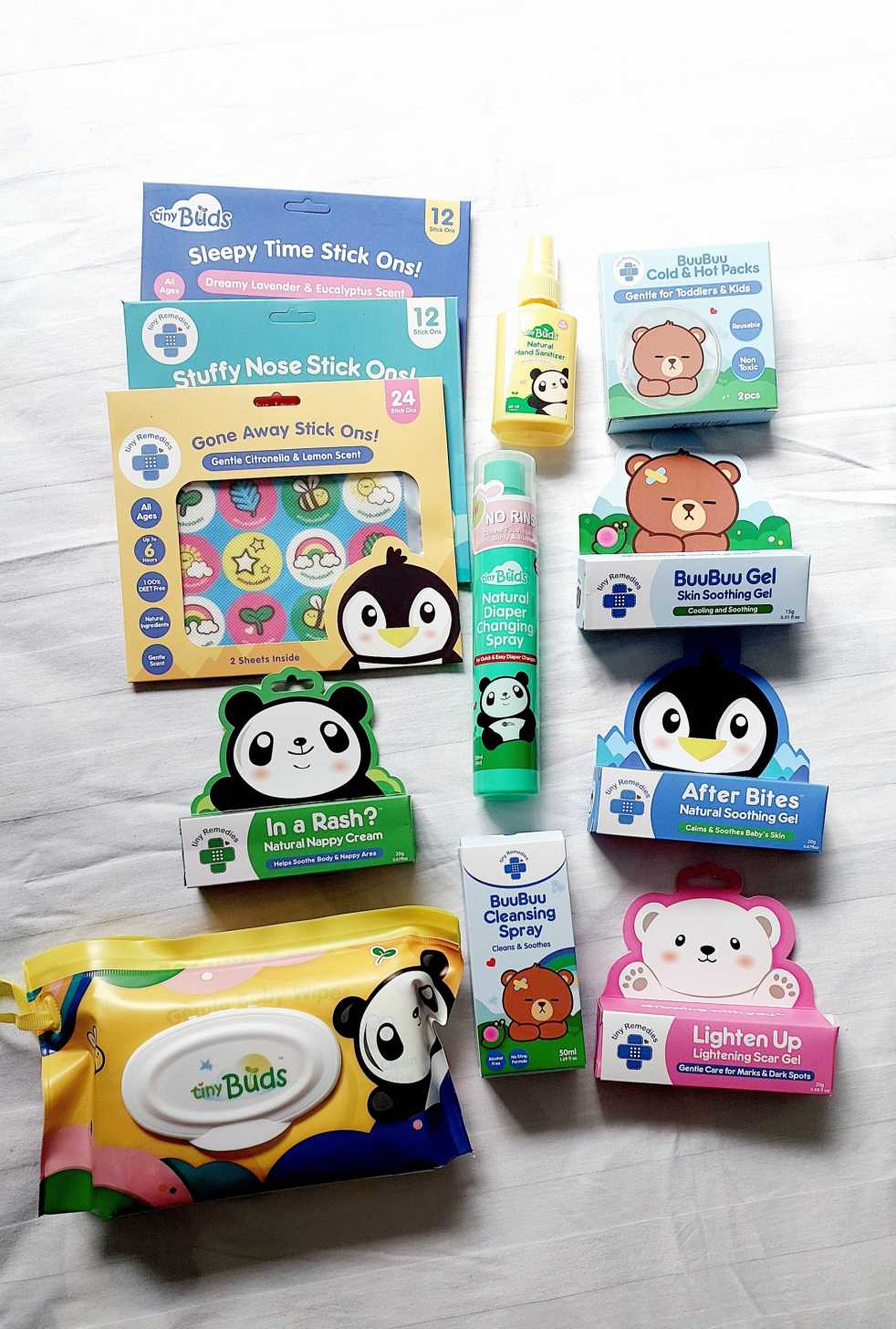
Your baby’s skin is more delicate than most, this is why you have to choose products that are designed for sensitive skin. Tiny Buds is a pioneer in integrating natural ingredients into baby care and today has over 50 innovative natural baby care essentials and is one of the Top Baby Personal Care brands. Here… Continue reading Product Review: Tiny Buds Baby Naturals Baby Essentials
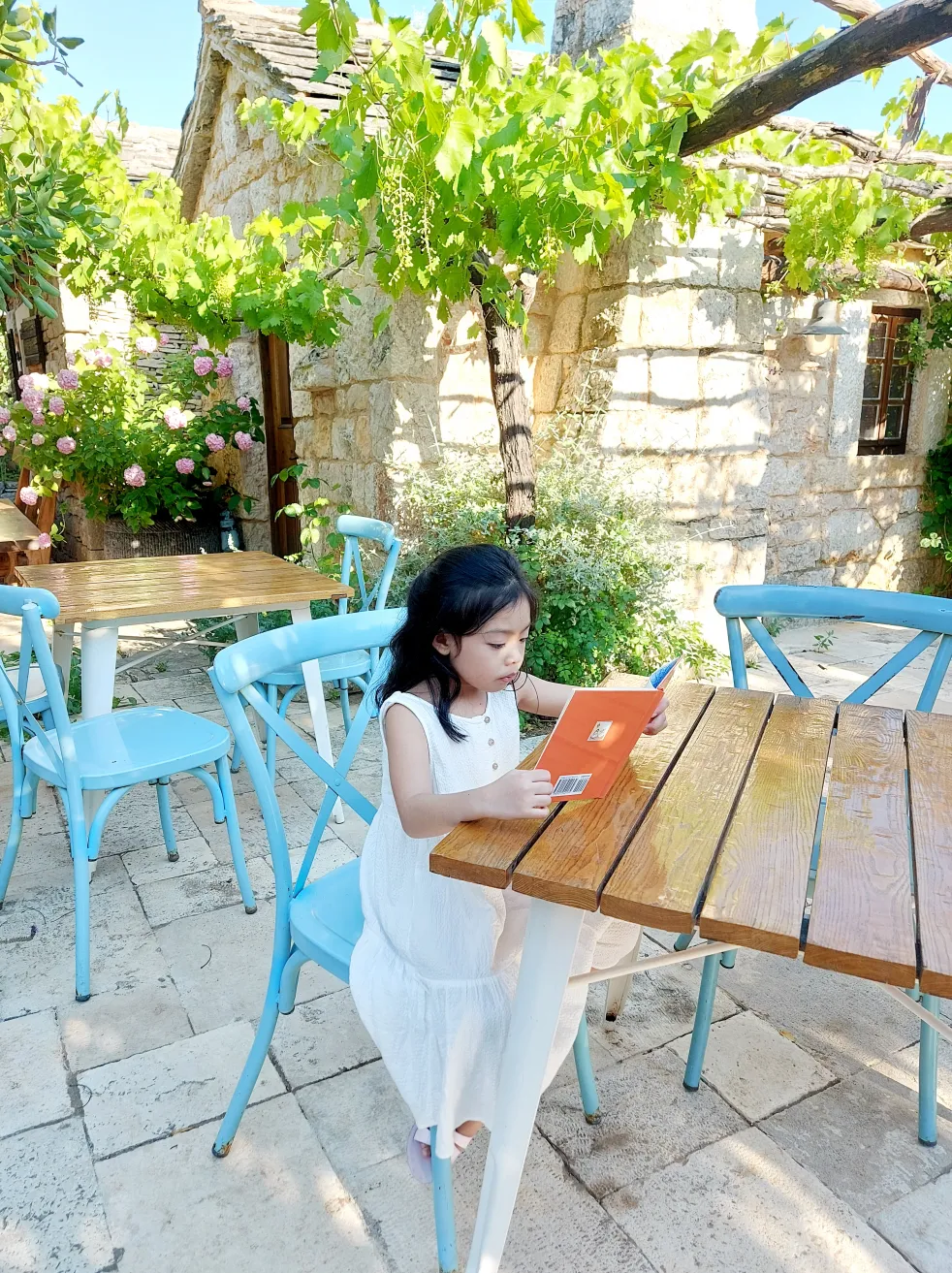
Where your child goes to school is a big decision and shouldn’t be taken lightly. Given how their education can impact their future, you might be tempted to take control and decide for them. However, you might be doing more damage than helping them in the long run. Your job as parents is to support… Continue reading HOW TO CHOOSE THE BEST SCHOOL FOR YOUR CHILD
As poet and philosopher Rumi once eloquently said, “raise your words, not your voice. It is rain that grows flowers, not thunder.” Parenting is a challenging journey, and the truth is that nobody has everything figured out. One parenting style might suit others best, and some might favor other methods. However, children respond better to… Continue reading A SIMPLE GUIDE TO GENTLE PARENTING
Whether you’re a new mom to be, mom of a toddler, mom who have school-aged kids, you’re bound to have so many questions. Let's start with your baby's skin. Infant skin has unique needs; gentle care is essential to prevent damage to the skin barrier, which can lead to irritation. When caring for infant skin,… Continue reading Keeping Baby’s Diapered Skin Healthy
As parents, we want to give our child the best possible start in life and that begins with nurturing their intelligence. Throughout history, the notion of success has been linked to academic intelligence. However, there has been an increased awareness on the importance of emotional intelligence. This question gets at the heart of the never-ending… Continue reading IQ or EQ, which one is a better predictor of your child’s success?
 wondermomma.net