
Last August, IKEA Philippines engaged with Better World Smokey Mountain, a newly opened community center operated by the San Miguel Foundation, which shares a similar goal of improving the lives of many Filipino people. Through this partnership, IKEA Philippines provided and assembled home furnishings for the classrooms and library of Better World Smokey Mountain community… Continue reading Help Create a Better World with IKEA Soft Toys

NutriAsia, the country’s top producer of condiments and sauces, continues its support of Refill Revolution; a project by the Department of Environment and Natural Resources EMB 3 that aims to help reduce Filipinos’ single-use plastics consumption. At Refill Revolution, residents get to recycle their single-use plastic bottles by reusing and filling it with their choice… Continue reading NutriAsia and DENR renews partnership for Refill Revolution

Teaching Children Street Safety in Sidewalk-Free Neighbourhoods
Many Australian families live in streets where bitumen runs right up to letterboxes, front fences and lawn edges. In newer developments around the outer suburbs of Brisbane, Sydney's north-west, Melbourne's south-east growth corridor and Perth's northern fringe, the footpath often simply doesn't exist yet. Children grow up running between driveways, parked four-wheel-drives and quiet roads, which means parents carry an extra layer of responsibility when teaching road awareness.
Walking to school, riding a scooter to a mate's house, or popping down to the corner shop all become little negotiations with traffic. The good news is that Australian road safety education has been refined over decades, and most of it translates beautifully to streets without a dedicated pedestrian strip. With a few practical habits and a calm approach, kids can learn to navigate their neighbourhood with confidence.
Why Sidewalk-Free Streets Pose Unique Risks
Footpaths give children a buffer. They create a predictable channel that drivers expect pedestrians to use, and they keep small bodies away from passing cars. Without that buffer, children are walking on the road shoulder, on grass, or on driveways that double as car spaces. In suburbs like Cranbourne West, Pakenham, Ellenbrook, North Lakes and Rouse Hill, where housing has expanded faster than council infrastructure, this is everyday reality.
The biggest concerns involve driveways and cars reversing out. Kidsafe Australia has long warned that back-over incidents in home driveways are among the most serious injuries to children under five, partly because reversing cameras weren't compulsory in Australian vehicles until relatively recently. A child playing near the front fence can disappear behind a wheel arch in seconds. Without a footpath, the same child is also closer to the road when stepping out between parked vehicles, where visibility for approaching drivers is sharply reduced.
Speed adds risk too. Many suburban streets have a default 50 km/h limit, and even a low-speed impact at that speed can be devastating for a small body. School zones drop to 40 km/h during drop-off and pick-up times, but the streets leading to school are often the very ones without proper pedestrian infrastructure.
Start with the Basics: Look, Listen and Think
Australian road safety programs in primary schools usually follow the "Stop, Look, Listen, Think" sequence, and parents can use the same framework at home. The earlier you start, the better. Toddlers can begin by learning that the road is a "no go" zone without a grown-up, even if they walk confidently on grass or in the driveway.
Practice in your own street first. Choose a quiet moment, hold your child's hand firmly on the kerb side, and walk through the routine together. Point out where cars come from, where they park, and where the letterboxes obscure the view. Encourage them to wait, look both ways, listen for engines or bicycles, and only step out once the road is clear. Keep the language simple and repeat it often. Children learn through repetition, not a single lesson.
Reward safe behaviour with words rather than treats. Phrases like "I love how you stopped and waited" reinforce the habit far better than stickers. Once the routine feels automatic in your own street, you can extend the practice to busier roads and eventually to school zones.
Driveways Are the Real Danger Zone
For Australian parents, driveways deserve their own conversation. Because we drive on the left, the driver's side of the vehicle sits on the kerb, and small children often step out directly into traffic rather than onto a footpath. Without a kerb to climb, this issue compounds in footpath-free neighbourhoods where children naturally cross the driveway apron as part of their play.
Teach children that a driveway is not a play area, even if no car is there. Balls that roll towards the road should always be retrieved by an adult. Scooters should be walked, not ridden, across the driveway apron. If you have a rear driveway that opens onto a quiet street, treat it with the same caution as a road.
For drivers in the family, the rule is equally clear: walk around the car before reversing, especially in shared driveways where children from neighbouring houses might be visiting. Many Australian councils run driveway safety mornings through community centres and childcares, and Kidsafe offers downloadable checklists for garage and driveway design.
Practise Before the School Run
Children should rehearse their walking route well before they make the trip alone. Australian primary schools typically offer a "Walk Safely to School Day" each term, and these events are a brilliant low-pressure way to practise the journey as a family. Even outside those events, parents can do a couple of practice walks in the weeks leading up to a new school year.
Look together for safe places to cross, such as pedestrian refuges, marked crossings near intersections, and staffed school crossings. In Australia, crossing supervisors (often called "lollipop people" for the big stop signs they hold) operate at many primary schools during term time. Show your child where to wait, how to make eye contact with the supervisor, and what to do if they ever feel unsure mid-journey.
Talk about what to wear. Bright clothing helps drivers see children in winter when afternoons grow dark quickly, and reflective patches on school bags are popular in many Australian primary schools. Even in footpath-free streets, visibility matters more than ever because there is no defined walking line for drivers to anticipate.
Cars, Cyclists, E-Scooters and Wildlife
Australian streets bring a few extra characters that children need to understand. Cyclists can move quickly and quietly, especially on shared paths and quiet suburban streets in places like Brisbane's bayside and inner-west Sydney. E-scooters are increasingly common in larger cities and some regional centres, where shared fleets sometimes end up parked across footpaths or ridden on roads without helmets by adults, which sets a confusing example.
Wildlife is another uniquely Australian hazard. Magpies swooping in spring can send a child running blindly across a road. Kangaroos and wombats occasionally appear in outer suburban streets near bushland, particularly around the fringes of Canberra, Adelaide Hills and parts of the Gold Coast hinterland. Children should know to stop, stay calm, and never chase an animal across a road, even a familiar pet cat heading home.
Dogs off-lead are another common sight. Encourage children to stand still, cross their arms, and let the dog pass rather than running, which can trigger a chase. A confident, predictable response is far safer than panic.
Building Confidence for Independent Walking
Independence on local streets is a milestone many Australian families celebrate. State road authorities generally suggest assessing each child's readiness individually, but most primary school-aged children can walk a familiar route with a buddy or older sibling once they have demonstrated consistent safe habits at home.
Talk about stranger safety as part of street safety. Practising what to do if approached, where safe houses are on the route (a neighbour's, a shop, the school), and how to use a mobile phone or smartwatch to call home all form part of the picture. Many Australian schools now run "Safe Strides" or similar programs that combine pedestrian and personal safety skills in one curriculum.
Finally, remember that your own behaviour sets the tone. Children copy how parents cross roads, whether you put the phone away, and how you treat driveway rules. Modelling patience at every kerb, every driveway, and every shared street sends a powerful message that carries through every footpath-free neighbourhood your family calls home.
Quick Reference for Footpath-Free Streets
| Street Type | Main Risk | Key Skill to Practise | Helpful Local Resource |
|---|---|---|---|
| Quiet residential cul-de-sac | Reversing cars in driveways | Stop, look and listen before crossing driveways | Kidsafe Australia driveway checklists |
| Suburban collector road | Higher speeds, no kerb separation | Crossing at refuges and marked crossings | Council "Living Streets" programs |
| School zone | Congestion at drop-off | Walking with a buddy, recognising crossing supervisors | Walk Safely to School Day events |
| Bike path or shared path | Cyclists and e-scooters | Walking on the left, keeping left for oncoming path users | Local council active travel maps |
| Bushland fringe street | Wildlife on the road | Stopping still, never chasing animals | State road authority wildlife tips |

Mercato Centrale, in collaboration with Indian Women in Enterprise Philippines (I-We), is set to host "The Great Indian Fiesta" to mark 75 years of friendship between India and the Philippines. The dynamic two-day event is scheduled to take place on September 30 to October 1, 2023, at Paseo De Roxas Street, Makati City. Aiming to… Continue reading Mercato Centrale Partners with I-We to Host ‘The Great Indian Fiesta’, Commemorating 75 Years of India-Philippines Friendship

My stomach would usually start growling at 10 am even after taking a big breakfast. This is probably because I am a morning person and I move a lot throughout the day hence snacking is something that I can't avoid. This potatoes and chicken wrap recipe is easy to prepare and would keep me full… Continue reading Potato and Chicken Wrap
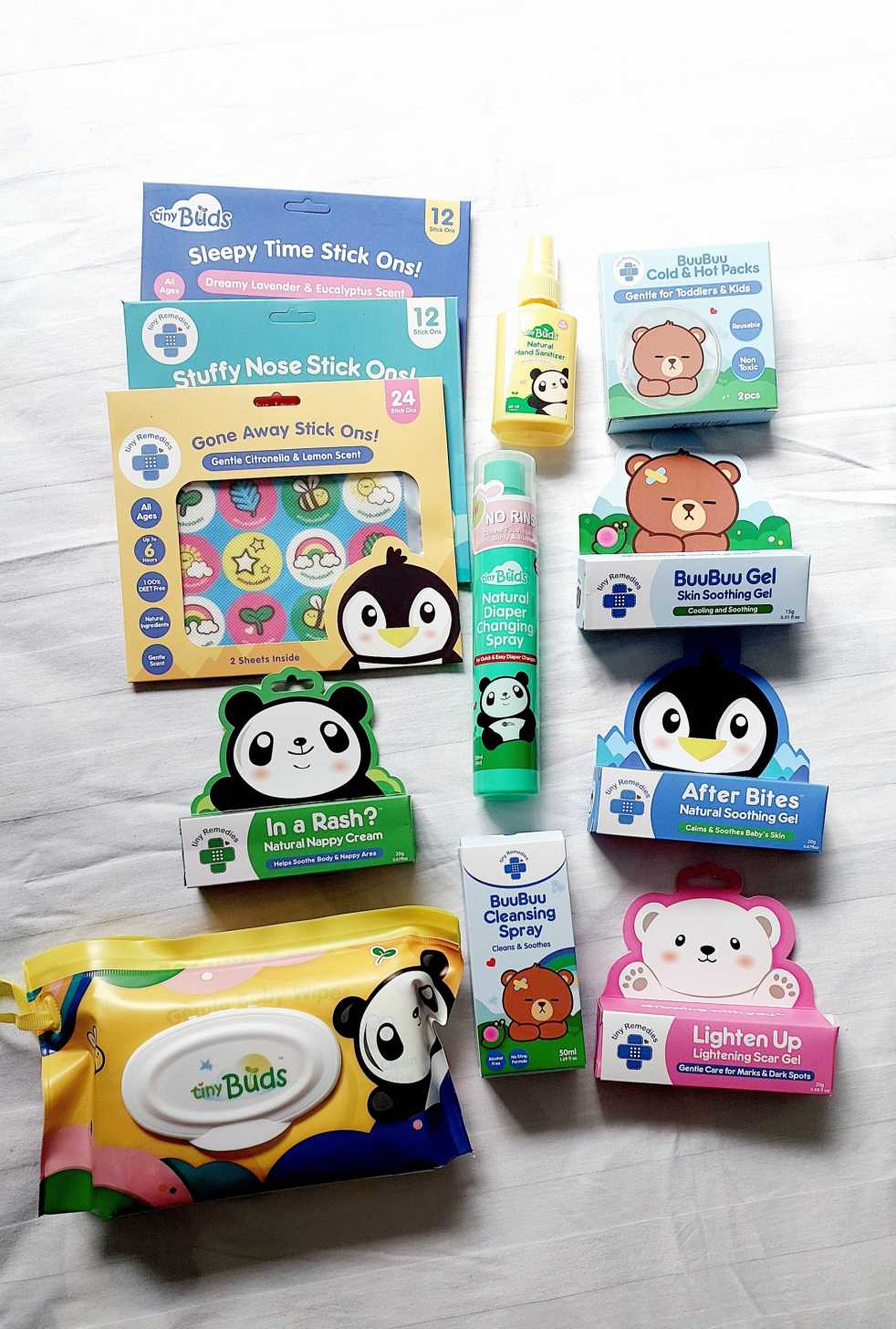
Your baby’s skin is more delicate than most, this is why you have to choose products that are designed for sensitive skin. Tiny Buds is a pioneer in integrating natural ingredients into baby care and today has over 50 innovative natural baby care essentials and is one of the Top Baby Personal Care brands. Here… Continue reading Product Review: Tiny Buds Baby Naturals Baby Essentials
Where your child goes to school is a big decision and shouldn’t be taken lightly. Given how their education can impact their future, you might be tempted to take control and decide for them. However, you might be doing more damage than helping them in the long run. Your job as parents is to support… Continue reading HOW TO CHOOSE THE BEST SCHOOL FOR YOUR CHILD
As poet and philosopher Rumi once eloquently said, “raise your words, not your voice. It is rain that grows flowers, not thunder.” Parenting is a challenging journey, and the truth is that nobody has everything figured out. One parenting style might suit others best, and some might favor other methods. However, children respond better to… Continue reading A SIMPLE GUIDE TO GENTLE PARENTING

Whether you’re a new mom to be, mom of a toddler, mom who have school-aged kids, you’re bound to have so many questions. Let's start with your baby's skin. Infant skin has unique needs; gentle care is essential to prevent damage to the skin barrier, which can lead to irritation. When caring for infant skin,… Continue reading Keeping Baby’s Diapered Skin Healthy
As parents, we want to give our child the best possible start in life and that begins with nurturing their intelligence. Throughout history, the notion of success has been linked to academic intelligence. However, there has been an increased awareness on the importance of emotional intelligence. This question gets at the heart of the never-ending… Continue reading IQ or EQ, which one is a better predictor of your child’s success?
 wondermomma.net