

Last August, IKEA Philippines engaged with Better World Smokey Mountain, a newly opened community center operated by the San Miguel Foundation, which shares a similar goal of improving the lives of many Filipino people. Through this partnership, IKEA Philippines provided and assembled home furnishings for the classrooms and library of Better World Smokey Mountain community… Continue reading Help Create a Better World with IKEA Soft Toys

NutriAsia, the country’s top producer of condiments and sauces, continues its support of Refill Revolution; a project by the Department of Environment and Natural Resources EMB 3 that aims to help reduce Filipinos’ single-use plastics consumption. At Refill Revolution, residents get to recycle their single-use plastic bottles by reusing and filling it with their choice… Continue reading NutriAsia and DENR renews partnership for Refill Revolution

Teaching Your Child How To Blow Their Nose Step By Step
Learning to blow their nose is a small self-care milestone that can make colds, allergies, and stuffy mornings easier for the whole family. Young children often understand that their nose feels uncomfortable, yet they may not know how to move air through it or coordinate breathing with a tissue.
The skill takes patience because it involves several steps at once: closing the mouth, breathing out through the nose, using gentle pressure, and keeping the tissue in place. Some children learn quickly, while others need days or weeks of relaxed practice.
A calm approach works best. Avoid turning nose blowing into a test, especially when your child is already tired, feverish, or struggling to breathe. Practice when your child feels well, then use the skill during a runny nose or blocked nose.
Why Nose Blowing Takes Practice
Children usually develop the coordination for purposeful nose blowing between ages two and four, although the range is wide. A toddler may imitate an adult but breathe through the mouth instead. A preschooler may blow too hard, suck the mucus back in, or become distracted by the tissue.
Nose blowing is also an unfamiliar sensation. Air moving through the nostrils can feel strange, and a blocked nose makes the task harder. If your child has frequent colds, nasal allergies, enlarged adenoids, or sensitive skin around the nose, offer extra comfort and keep sessions brief.
The goal is gentle control rather than force. Blowing too hard can irritate the delicate lining of the nose and may cause discomfort or a small nosebleed. Celebrate attempts, even when very little mucus comes out.
Prepare A Comfortable Practice Setup
Choose a quiet time when your child is healthy and cooperative. Sit beside your child at eye level and use simple language such as, “We are going to make air come out of your nose.” Demonstrate first by blowing your nose slowly, then let your child watch a stuffed toy, mirror, or parent model the action.
Use soft tissues that do not scratch the skin. Keep a small bin nearby so your child can throw the used tissue away without walking around. A washable hand towel may be useful at home, but tissues are more hygienic when a child has a cold, particularly when several family members share the same space.
If the nose is dry or the mucus is thick, a few drops or a gentle mist of sterile saline may help loosen it. Follow the product directions and choose an age-appropriate preparation. Avoid inserting cotton buds, fingers, or other objects into the nostrils.
Teach The Motion In Small Steps
Start by helping your child feel the difference between mouth breathing and nose breathing. Ask them to close their mouth and take a normal breath. Then place a tissue loosely over the nose, without pressing it tightly against the nostrils.
Teach one nostril at a time. Hold one side closed gently with a finger while your child breathes out through the open nostril. Switch sides, then practise blowing through both nostrils together. A quiet “hoo” sound can help children understand that the air should travel out, not in.
Keep the first attempts playful. Ask your child to make the tissue flutter, move a small feather placed near the nose, or fog a mirror with the nose. Never place small objects near the nostrils, and stop if your child becomes upset. A few successful seconds are enough for one practice session.
| Step | What the child does | Helpful parent cue |
|---|---|---|
| Get ready | Holds the tissue over the nose | “Keep the tissue under your nose.” |
| Close the mouth | Keeps lips together | “Lips closed like a little seal.” |
| Breathe out | Pushes air gently through the nose | “Blow the air out softly.” |
| Change sides | Blows through one nostril, then the other | “Let’s do this side, then that side.” |
| Finish safely | Wipes, bins the tissue, and washes hands | “Clean nose, clean hands.” |
Use A Simple Nose-Blowing Routine
When your child has a runny nose, follow the same sequence each time. Ask them to sit or stand still, take a gentle breath through the mouth, close the lips, and blow softly through the nose into the tissue. Help them wipe from the outside rather than rubbing repeatedly.
Blowing one nostril at a time often works better than asking a young child to clear both sides forcefully. Place your finger over one nostril without pinching hard, allow a gentle blow, and then repeat on the other side. If nothing comes out, do not insist. The nose may simply be dry or the mucus may be too thick.
Teach your child to use a fresh part of the tissue for each wipe. Afterward, the tissue should go straight into the bin, followed by handwashing with soap and water. When soap and water are unavailable during a family outing, alcohol-based hand sanitiser can be used on visibly clean hands, following child-safety guidance.
Keep Practice Calm And Age Appropriate
A child who refuses may be overwhelmed by the sensation, not deliberately misbehaving. Offer two acceptable choices: “Would you like the blue tissue or the white one?” or “Shall we practise before bath time or after your story?” Choices give your child a sense of control without making the routine optional when cleaning is necessary.
Avoid scolding, teasing, or comparing siblings. Children may need repeated demonstrations before they can copy the action. Praise the specific effort: “You kept your mouth closed,” or “You blew gently through your nose.” This is more useful than simply saying that your child is clever.
For toddlers, keep the lesson to a few seconds. Preschoolers may enjoy practising with pretend play, while school-age children can learn to notice when their nose feels wet or blocked. If your child has developmental or motor difficulties, an occupational therapist, speech-language pathologist, or paediatrician can suggest adapted techniques.
Small Habits That Protect The Skin
Frequent wiping can leave the skin under the nose red, sore, or cracked. Dab rather than rub, and apply a thin layer of a child-safe fragrance-free barrier ointment to the surrounding skin if needed. Keep products away from the nostrils unless a healthcare professional recommends otherwise.
Fluids, rest, and a comfortable room can support recovery during an ordinary cold. Saline drops or spray may loosen dried mucus, while a warm bath or humidified air may feel soothing. Clean and maintain any humidifier according to the manufacturer’s instructions, since a dirty device can spread mould or germs.
Build these habits into the daily routine:
- Keep tissues in familiar places, such as the bedroom, bathroom, and family bag.
- Practise nose blowing during healthy days instead of waiting for a severe cold.
- Model handwashing after wiping your own nose.
- Teach your child to turn away and cover a cough or sneeze with a tissue or elbow.
- Praise gentle, independent attempts without demanding a perfect result.
Know When A Blocked Nose Needs Medical Advice
Most runny noses improve with home care, but some symptoms need professional assessment. Seek urgent medical help if your child is struggling to breathe, has bluish lips, is unusually drowsy, cannot drink, or shows signs of severe breathing distress. A blocked nose in a very young baby can also interfere with feeding and should be discussed promptly with a healthcare professional.
Contact your child’s doctor if fever persists, symptoms become worse after initial improvement, facial pain develops, or thick nasal discharge continues for an unusually long time. Repeated nosebleeds, one-sided foul-smelling discharge, or a suspected object in the nose also deserve medical advice. Do not attempt to remove a deeply lodged object at home.
For children with persistent sneezing, itchy eyes, recurring congestion, or symptoms that follow a predictable pattern, allergies may be contributing. A paediatrician can help identify triggers and recommend safe treatment. Avoid giving cold medicines or medicated nasal products unless a doctor or pharmacist confirms that they are suitable for your child’s age.
Turn A Daily Task Into Confidence
Nose blowing becomes easier when it is taught as a routine rather than demanded during a crisis. Demonstrate the action, break it into small movements, use gentle tissues, and allow your child to practise at a comfortable pace. Each calm attempt builds body awareness and independence.
Keep the lesson positive and practical: tissue over the nose, lips closed, soft air out, one side at a time, then bin the tissue and wash hands. With consistent modelling and reassurance, your child can gradually manage a runny or stuffy nose with less help.
Save this step-by-step routine for the next healthy practice moment, share it with another parent or caregiver, and return to it whenever your child needs a gentle reminder.

Mercato Centrale, in collaboration with Indian Women in Enterprise Philippines (I-We), is set to host "The Great Indian Fiesta" to mark 75 years of friendship between India and the Philippines. The dynamic two-day event is scheduled to take place on September 30 to October 1, 2023, at Paseo De Roxas Street, Makati City. Aiming to… Continue reading Mercato Centrale Partners with I-We to Host ‘The Great Indian Fiesta’, Commemorating 75 Years of India-Philippines Friendship

My stomach would usually start growling at 10 am even after taking a big breakfast. This is probably because I am a morning person and I move a lot throughout the day hence snacking is something that I can't avoid. This potatoes and chicken wrap recipe is easy to prepare and would keep me full… Continue reading Potato and Chicken Wrap
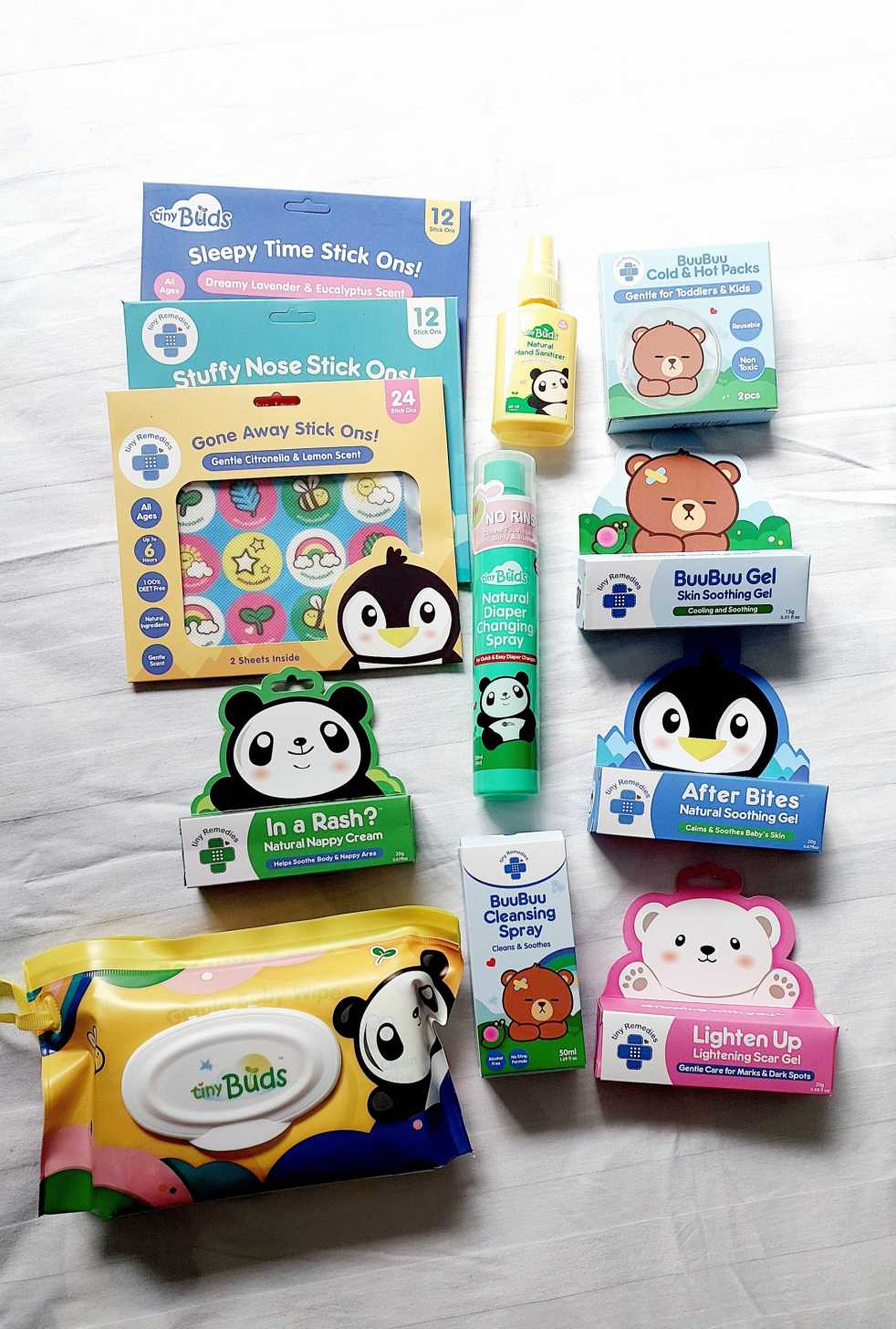
Your baby’s skin is more delicate than most, this is why you have to choose products that are designed for sensitive skin. Tiny Buds is a pioneer in integrating natural ingredients into baby care and today has over 50 innovative natural baby care essentials and is one of the Top Baby Personal Care brands. Here… Continue reading Product Review: Tiny Buds Baby Naturals Baby Essentials
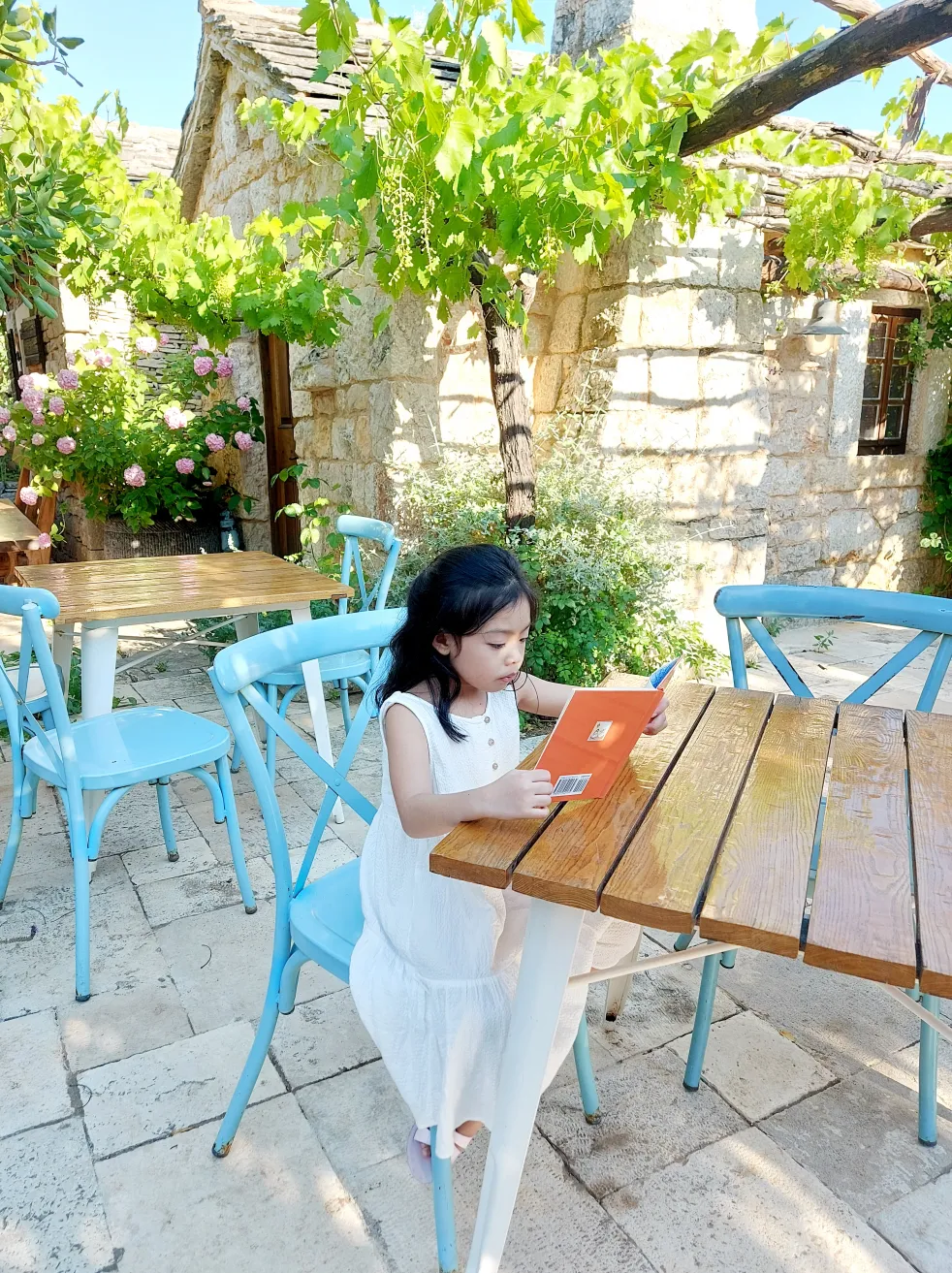
Where your child goes to school is a big decision and shouldn’t be taken lightly. Given how their education can impact their future, you might be tempted to take control and decide for them. However, you might be doing more damage than helping them in the long run. Your job as parents is to support… Continue reading HOW TO CHOOSE THE BEST SCHOOL FOR YOUR CHILD

As poet and philosopher Rumi once eloquently said, “raise your words, not your voice. It is rain that grows flowers, not thunder.” Parenting is a challenging journey, and the truth is that nobody has everything figured out. One parenting style might suit others best, and some might favor other methods. However, children respond better to… Continue reading A SIMPLE GUIDE TO GENTLE PARENTING

Whether you’re a new mom to be, mom of a toddler, mom who have school-aged kids, you’re bound to have so many questions. Let's start with your baby's skin. Infant skin has unique needs; gentle care is essential to prevent damage to the skin barrier, which can lead to irritation. When caring for infant skin,… Continue reading Keeping Baby’s Diapered Skin Healthy
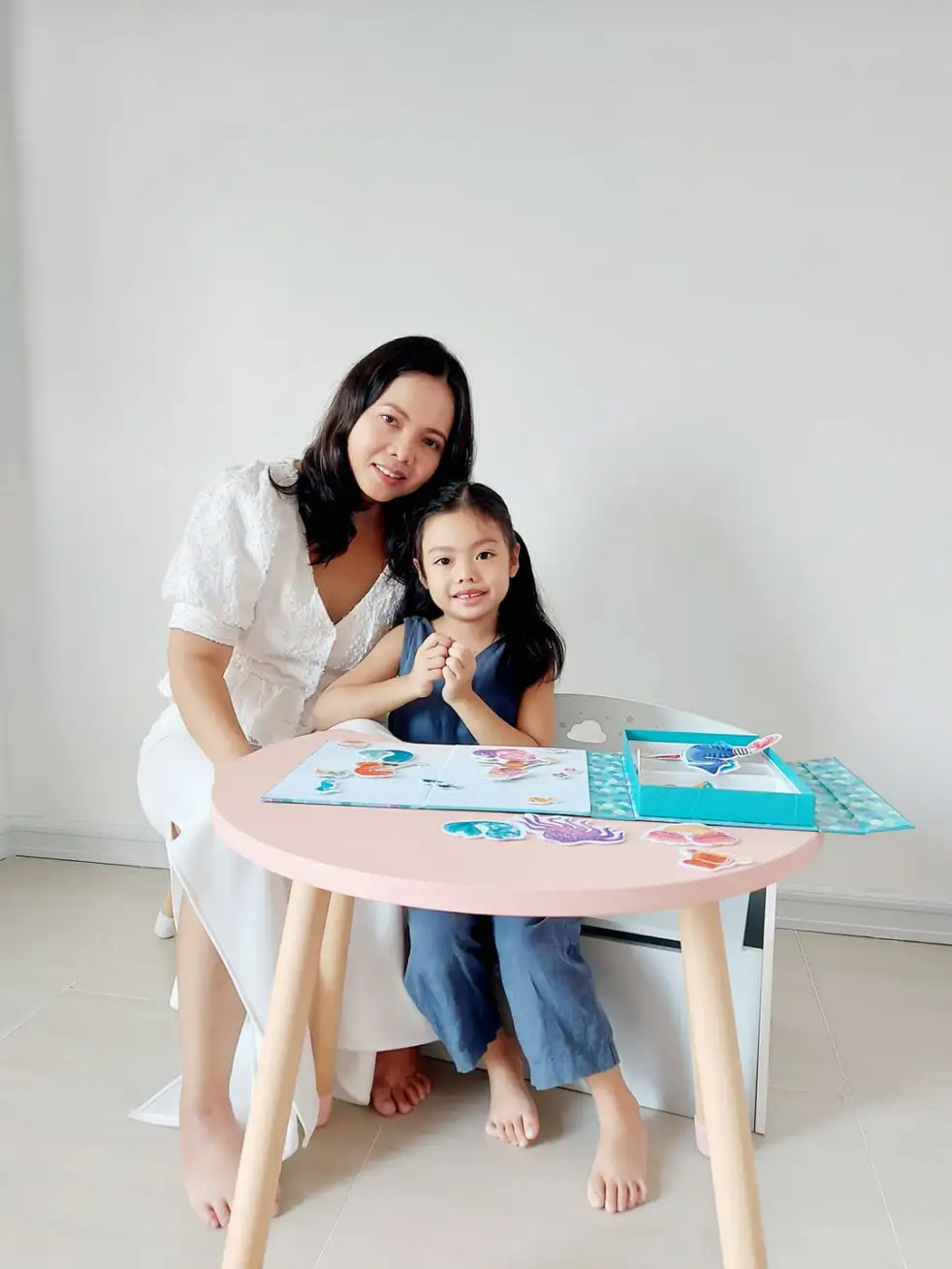
As parents, we want to give our child the best possible start in life and that begins with nurturing their intelligence. Throughout history, the notion of success has been linked to academic intelligence. However, there has been an increased awareness on the importance of emotional intelligence. This question gets at the heart of the never-ending… Continue reading IQ or EQ, which one is a better predictor of your child’s success?
 wondermomma.net