

Last August, IKEA Philippines engaged with Better World Smokey Mountain, a newly opened community center operated by the San Miguel Foundation, which shares a similar goal of improving the lives of many Filipino people. Through this partnership, IKEA Philippines provided and assembled home furnishings for the classrooms and library of Better World Smokey Mountain community… Continue reading Help Create a Better World with IKEA Soft Toys

NutriAsia, the country’s top producer of condiments and sauces, continues its support of Refill Revolution; a project by the Department of Environment and Natural Resources EMB 3 that aims to help reduce Filipinos’ single-use plastics consumption. At Refill Revolution, residents get to recycle their single-use plastic bottles by reusing and filling it with their choice… Continue reading NutriAsia and DENR renews partnership for Refill Revolution

Helping Children Find The Words For Big Feelings
Children experience emotions long before they can explain them. A toddler may scream when a block tower falls, while a school-aged child might slam a bedroom door after a difficult day. These reactions are often attempts to communicate needs that their vocabulary has not yet caught up with.
Teaching emotional vocabulary gives children practical words for inner experiences such as frustration, jealousy, worry, disappointment, pride and relief. With patient practice, children can begin to recognise what they feel, tell trusted adults what is happening and choose safer ways to respond.
Why Feeling Words Matter
Naming an emotion can make it feel less confusing and overwhelming. When a parent says, “You seem disappointed that playtime is over,” the child hears a possible explanation for their behaviour. This does not remove the boundary, but it helps the child feel seen while learning what disappointment means.
A broad emotional vocabulary also supports empathy. Children who can identify their own feelings are often better prepared to notice emotional cues in siblings, friends and classmates. They may begin to say, “She looks nervous,” or “He needs a turn,” instead of reacting immediately to another child’s distress.
The goal is not to make children cheerful all the time. Every emotion has a purpose, including anger, sadness and fear. Children need to learn that feelings are acceptable, while some actions—hitting, biting, threatening or destroying property—are not safe or respectful.
Begin With Everyday Moments
Use ordinary family experiences as opportunities for emotional learning. A child waiting for a turn at the park may be impatient, a sibling receiving a birthday gift may feel envious, and a rainy weekend in Melbourne may leave everyone restless. These moments provide genuine examples that are easier to understand than abstract lessons.
Keep your language short when emotions are intense. Try, “You are angry because your sister took the truck,” or “That loud thunder startled you.” Once the child is calm, you can add detail: “Your body went stiff, your voice got loud and you wanted the toy back.”
Avoid turning every incident into an interrogation. Children may not know why they feel upset, and repeated questions can increase pressure. Offer a calm observation and leave room for correction: “I wonder if you felt left out. Was it something else?”
Build A Useful Feeling Word Bank
Start with a small group of familiar words: happy, sad, angry, scared, worried, excited and calm. Add more precise terms gradually. “Upset” can become frustrated, hurt, lonely, embarrassed, disappointed or overwhelmed, depending on the situation.
Visual aids can help younger children and children who communicate differently. Create a feelings chart with simple faces, photographs or colour zones. Some families use magnets on the fridge, while others keep a small card in a school bag. A bilingual chart may be especially useful in Australian households where English is spoken alongside Mandarin, Arabic, Hindi, Vietnamese or another family language.
Words should be connected to body signals and behaviour. Explain that worry may feel like a tight tummy, anger can bring hot cheeks and clenched hands, and excitement may make the heart beat quickly. Children learn that physical sensations are clues, not proof that something terrible is happening.
Model The Language At Home
Parents teach emotional expression through their own behaviour. You might say, “I am frustrated because the traffic was heavy on the way home, so I will take a few slow breaths.” In Sydney or Brisbane, this can be a natural way to talk about feelings after a long commute, crowded public transport trip or busy school pick-up.
This does not mean sharing adult worries in a way that burdens children. Keep explanations brief and reassuring. “I feel concerned about the appointment, and I have a plan” shows that uncomfortable emotions can be managed. It also demonstrates that asking for help is a strength.
Use respectful language when setting limits. “You can be furious, but you cannot throw the plate” separates the emotion from the action. Follow with a choice: “You can stamp your feet on the mat, squeeze a cushion or sit beside me until your body is calmer.”
Use Books, Play And Daily Routines
Picture books offer emotional distance. Pause before turning a page and describe what a character might be feeling, then accept several possible answers. Ask, “What clues do you notice?” rather than insisting on one correct interpretation. Facial expression, posture and the events in the story can all provide evidence.
Pretend play allows children to practise difficult conversations safely. A toy might feel nervous about joining a new group, or a puppet might become angry when its game changes. Let the child suggest words and solutions before stepping in. This builds confidence without making the child feel tested.
Regular routines create repeated practice. During dinner, each family member might share a high point and a hard moment from the day. At bedtime, name one feeling that visited and one thing that helped. These short habits work better than occasional formal talks, particularly for families balancing homework, sport, childcare and shift work.
Support Big Feelings Safely
When a child is highly distressed, reasoning and vocabulary may temporarily disappear. First reduce stimulation and protect everyone’s safety. Move away from a crowded shopping centre, turn down the television or guide younger siblings to another room. In Australia’s hot summers, check whether heat, thirst, sun exposure or tiredness is intensifying the reaction.
Use fewer words and a steady voice: “You are safe. I will stay close. I will not let you hit.” Once the child’s breathing and body have settled, revisit the event. Keep the review brief and practical: “You were frustrated when the game ended. Next time, you can say ‘I need more time’ or ask for a two-minute warning.”
If intense reactions happen often, last a long time or interfere with school, sleep, friendships or family life, seek support. A GP can discuss developmental concerns and refer to appropriate services. Families may also speak with a child and family health nurse, school wellbeing team or psychologist. Access pathways differ across Australia, and eligible children may receive support through the NDIS when they meet its requirements.
Connect Home, School And Community
Children benefit when the adults around them use similar emotional language. Share the words and strategies that work at home with educators, after-school carers and coaches. The Australian Curriculum includes personal and social capability, while early learning settings commonly build emotional regulation into everyday routines, so home conversations can reinforce what children encounter in care or school.
Ask teachers about patterns rather than demanding a daily report. A child who manages well at home may become distressed during noisy assemblies, competitive sport or unstructured lunch breaks. In Perth, Adelaide or regional communities, the setting may differ, but the need for a predictable adult and clear language remains the same.
Families should also respect cultural communication styles. Some children are encouraged to speak openly about emotions; others learn through observation, storytelling, faith, family relationships or quiet reflection. Emotional literacy does not require one particular personality. A reserved child can have strong emotional understanding without wanting to discuss every feeling aloud.
Simple Ways To Practise
-
Name your own feeling and the body clue that comes with it.
-
Add one new feeling word to a familiar story.
-
Use a two-minute check-in after school or childcare.
-
Practise asking for help before a crisis occurs.
-
Offer two calming choices, such as breathing or a quiet space.
-
Praise accurate naming, even when the feeling is uncomfortable.
-
Talk about repair after hurtful behaviour.
-
Keep visual prompts where children can reach them.
Match The Approach To The Child
Age, temperament, language development and additional needs all affect how children learn emotional vocabulary. A two-year-old may point to a picture and copy one word, while a ten-year-old may compare irritation with resentment. Neither approach is superior; the useful measure is whether the child can gradually communicate more clearly.
| Child’s stage or situation | Helpful language | Practical response |
|---|---|---|
| Toddler with limited speech | “Mad. You wanted the cup.” | Offer a gesture, picture or simple choice |
| Preschooler in a tantrum | “Your body is overwhelmed.” | Reduce noise, stay nearby and hold the safety limit |
| Primary-aged child after conflict | “Were you hurt, embarrassed or frustrated?” | Listen first, then practise a repair phrase |
| Anxious child facing change | “You feel worried because the plan is different.” | Explain what will happen and identify a trusted adult |
| Child using more than one language | Use the family’s strongest feeling words | Accept code-switching and keep meanings consistent |
Language should never be used to dismiss a child. “You are fine,” “There is nothing to cry about” and “Stop being dramatic” may end a conversation, but they do not teach recognition or regulation. A better response acknowledges the experience while keeping perspective: “That felt very upsetting. The problem can be solved, and I will help you.”
Progress is usually gradual. A child may first identify a feeling after the event, then name it during a mild disagreement and eventually ask for support before becoming overwhelmed. Each attempt builds emotional awareness, communication skills and trust within the family.

Mercato Centrale, in collaboration with Indian Women in Enterprise Philippines (I-We), is set to host "The Great Indian Fiesta" to mark 75 years of friendship between India and the Philippines. The dynamic two-day event is scheduled to take place on September 30 to October 1, 2023, at Paseo De Roxas Street, Makati City. Aiming to… Continue reading Mercato Centrale Partners with I-We to Host ‘The Great Indian Fiesta’, Commemorating 75 Years of India-Philippines Friendship

My stomach would usually start growling at 10 am even after taking a big breakfast. This is probably because I am a morning person and I move a lot throughout the day hence snacking is something that I can't avoid. This potatoes and chicken wrap recipe is easy to prepare and would keep me full… Continue reading Potato and Chicken Wrap
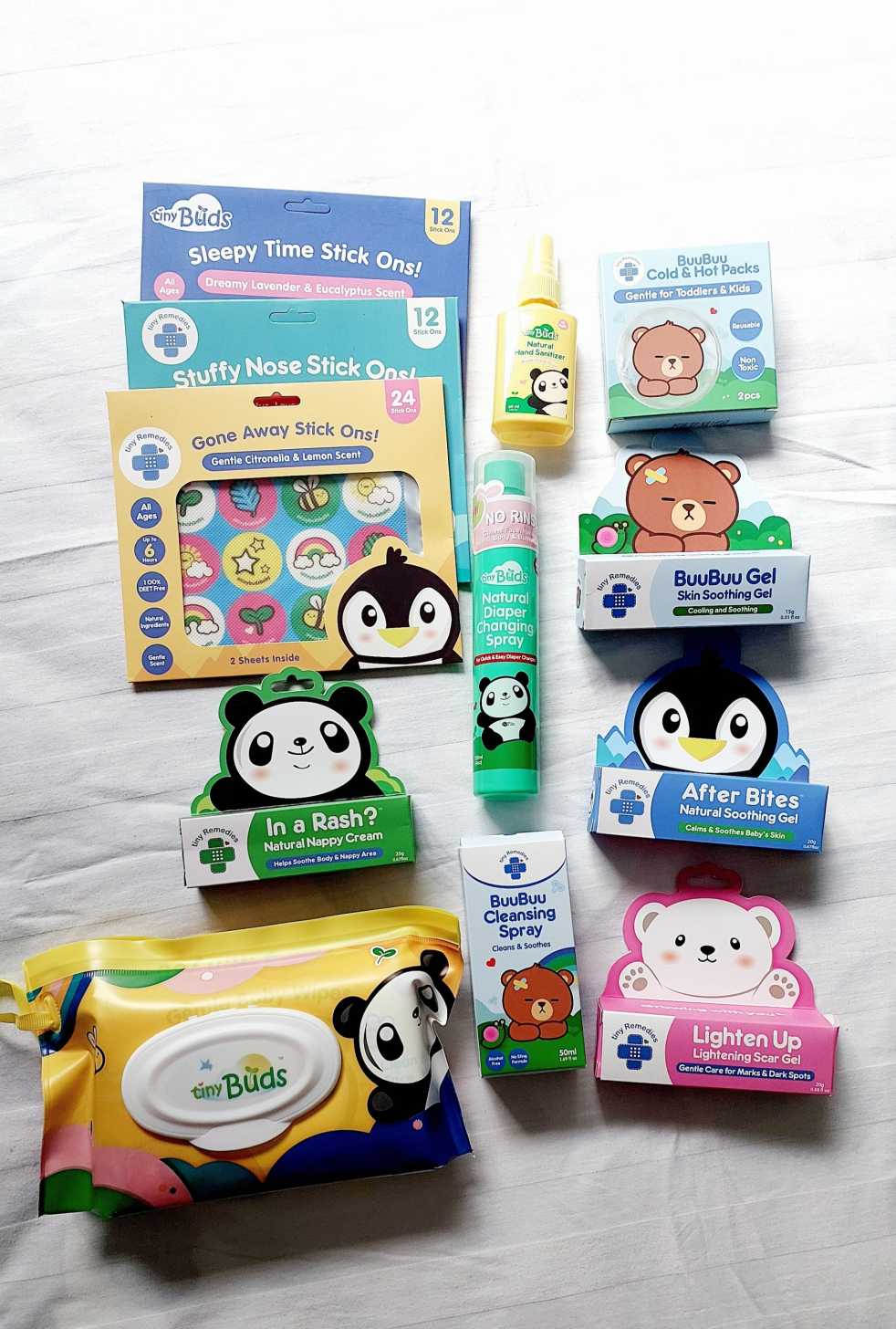
Your baby’s skin is more delicate than most, this is why you have to choose products that are designed for sensitive skin. Tiny Buds is a pioneer in integrating natural ingredients into baby care and today has over 50 innovative natural baby care essentials and is one of the Top Baby Personal Care brands. Here… Continue reading Product Review: Tiny Buds Baby Naturals Baby Essentials
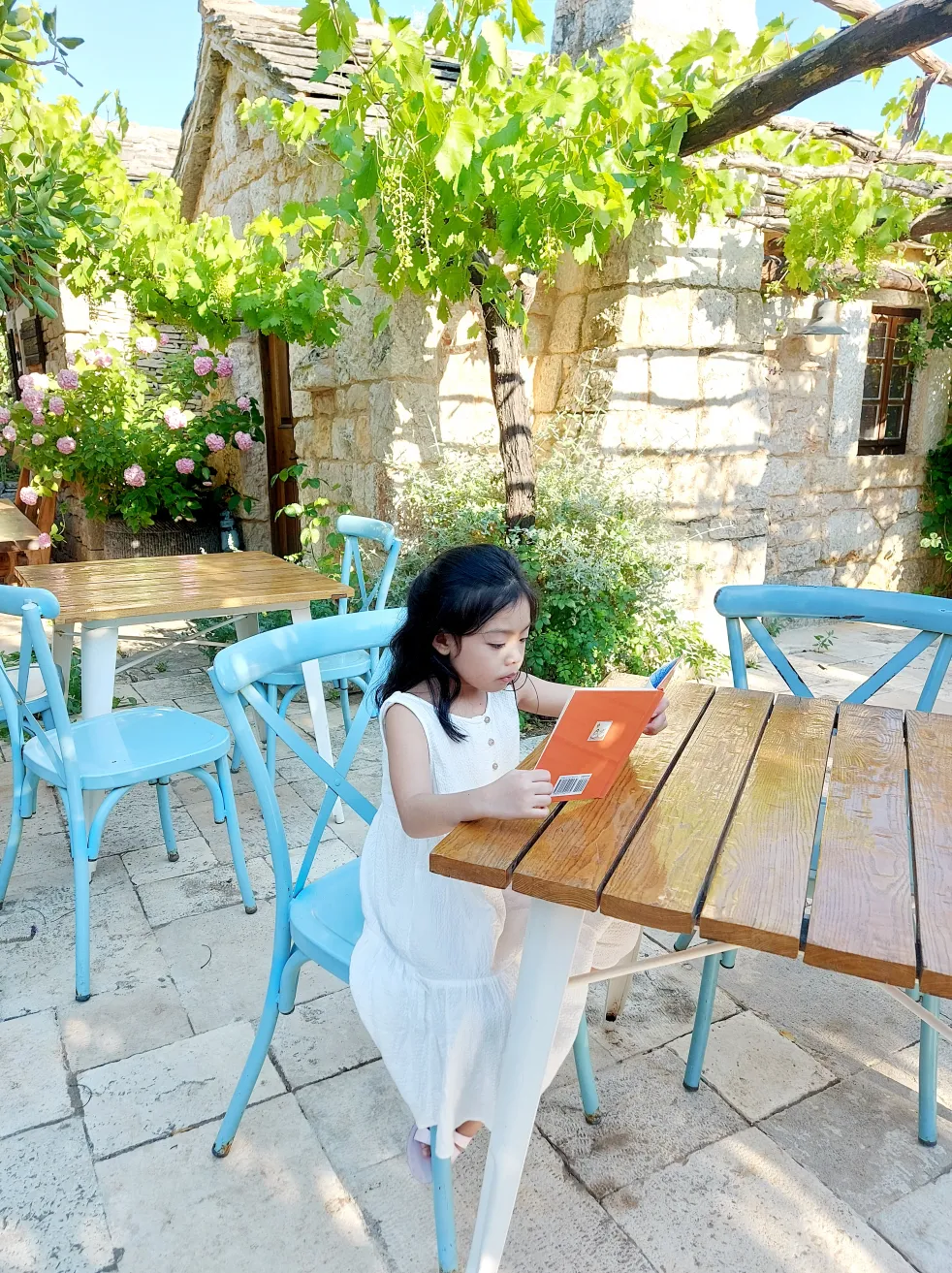
Where your child goes to school is a big decision and shouldn’t be taken lightly. Given how their education can impact their future, you might be tempted to take control and decide for them. However, you might be doing more damage than helping them in the long run. Your job as parents is to support… Continue reading HOW TO CHOOSE THE BEST SCHOOL FOR YOUR CHILD
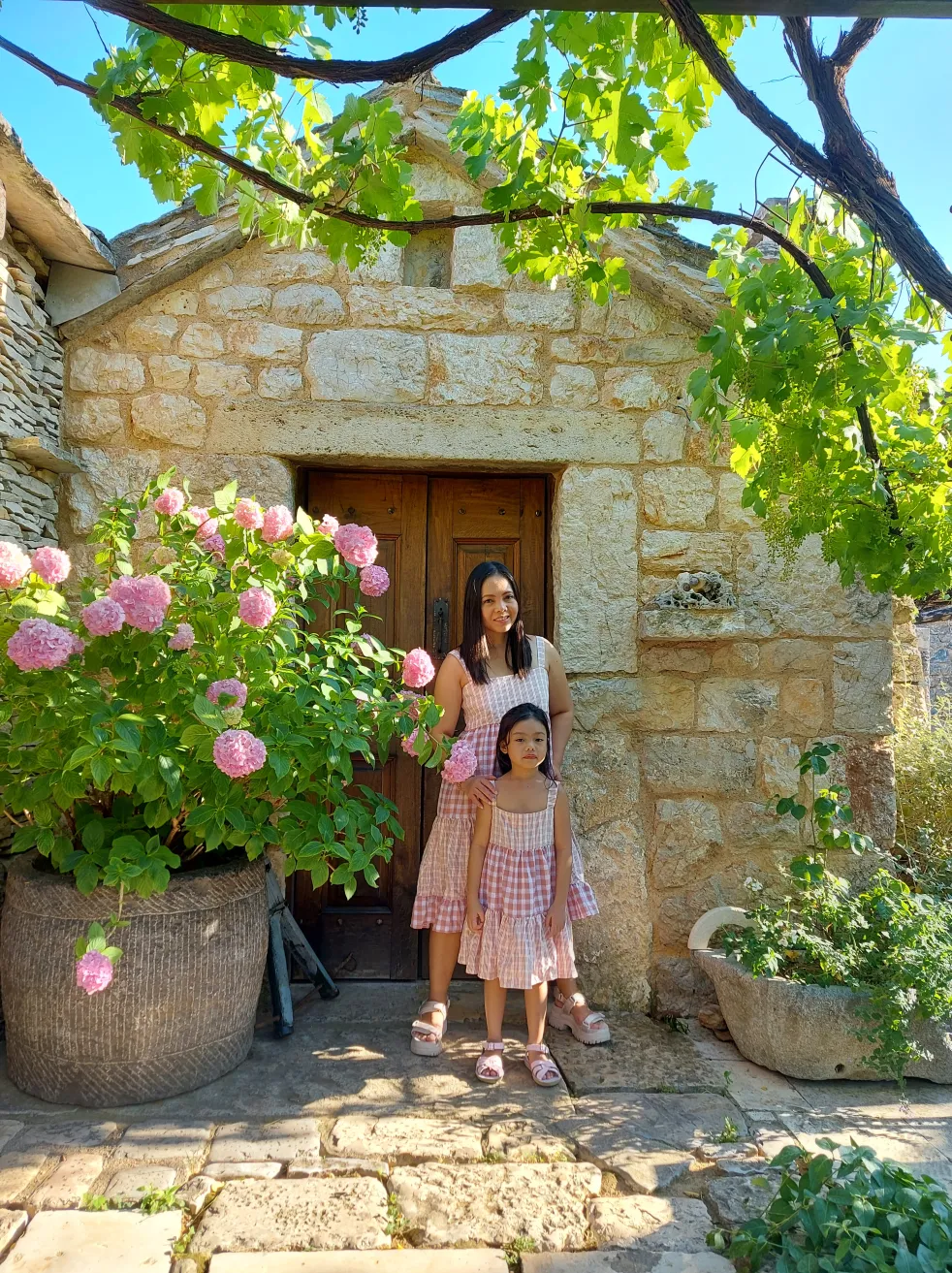
As poet and philosopher Rumi once eloquently said, “raise your words, not your voice. It is rain that grows flowers, not thunder.” Parenting is a challenging journey, and the truth is that nobody has everything figured out. One parenting style might suit others best, and some might favor other methods. However, children respond better to… Continue reading A SIMPLE GUIDE TO GENTLE PARENTING

Whether you’re a new mom to be, mom of a toddler, mom who have school-aged kids, you’re bound to have so many questions. Let's start with your baby's skin. Infant skin has unique needs; gentle care is essential to prevent damage to the skin barrier, which can lead to irritation. When caring for infant skin,… Continue reading Keeping Baby’s Diapered Skin Healthy
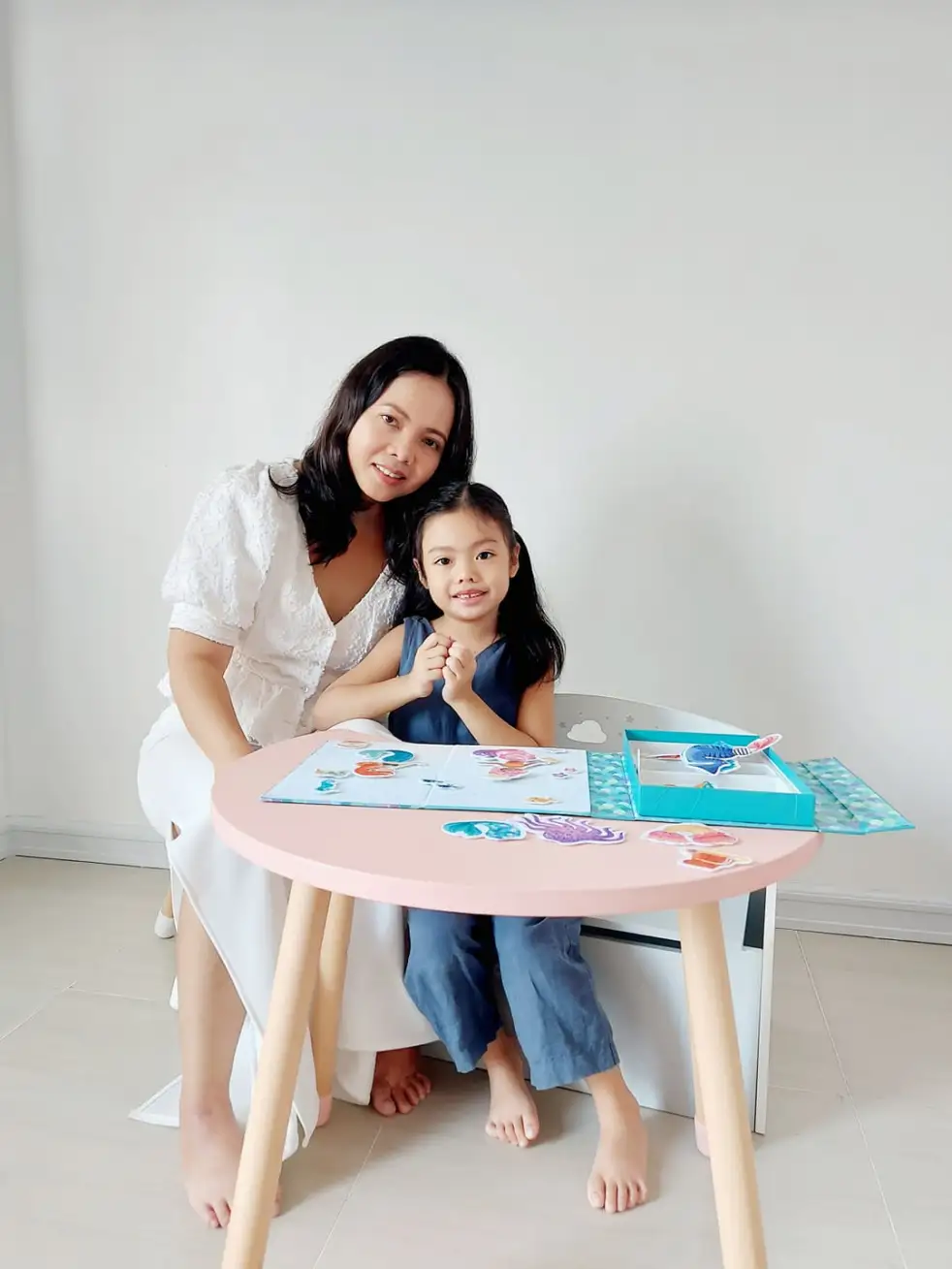
As parents, we want to give our child the best possible start in life and that begins with nurturing their intelligence. Throughout history, the notion of success has been linked to academic intelligence. However, there has been an increased awareness on the importance of emotional intelligence. This question gets at the heart of the never-ending… Continue reading IQ or EQ, which one is a better predictor of your child’s success?
 wondermomma.net