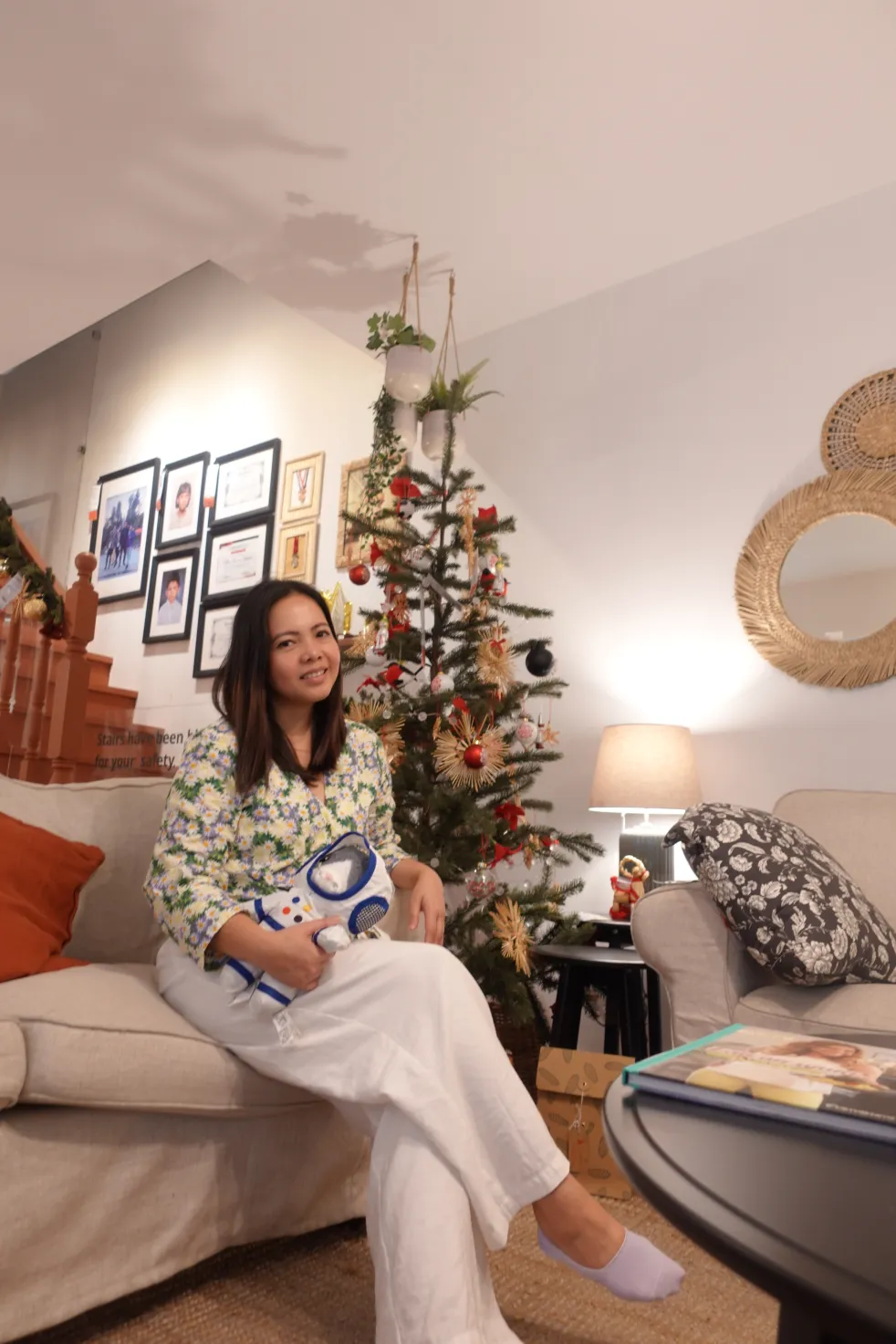
Last August, IKEA Philippines engaged with Better World Smokey Mountain, a newly opened community center operated by the San Miguel Foundation, which shares a similar goal of improving the lives of many Filipino people. Through this partnership, IKEA Philippines provided and assembled home furnishings for the classrooms and library of Better World Smokey Mountain community… Continue reading Help Create a Better World with IKEA Soft Toys
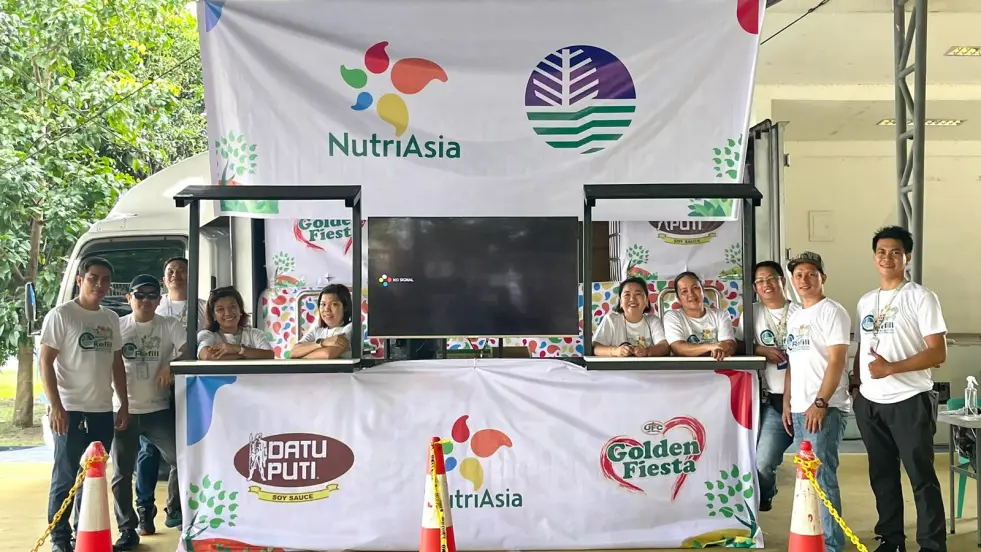
NutriAsia, the country’s top producer of condiments and sauces, continues its support of Refill Revolution; a project by the Department of Environment and Natural Resources EMB 3 that aims to help reduce Filipinos’ single-use plastics consumption. At Refill Revolution, residents get to recycle their single-use plastic bottles by reusing and filling it with their choice… Continue reading NutriAsia and DENR renews partnership for Refill Revolution

Teaching your child basic sign language before they can speak
Long before a baby says “milk”, “more” or “all done”, they are already communicating through cries, eye contact, pointing, facial expressions and body movements. Simple baby signs give these early messages a consistent shape, helping parents understand what a child may need or notice.
Teaching your child basic sign language before they can speak does not delay talking. Signs work alongside spoken words, giving babies another way to participate while their speech, memory and coordination develop. Many families begin with a handful of practical gestures during everyday routines.
For Australian families, this may mean using signs at home, in playgroup, at childcare or during a visit with a maternal and child health nurse. Some parents draw from Auslan, Australia’s sign language, while others use simplified gestures agreed on within the family. Consistency and warmth matter more than perfection.
Why baby signs can support early communication
Babies often understand familiar words several months before they can pronounce them. A child may recognise “bath”, “banana” or “outside” but lack the mouth control needed to say those words. A clear hand gesture can bridge that gap and reduce the frustration of repeated guessing.
Signing also encourages shared attention. When you say “more” while showing the same gesture during a meal, your baby watches your face, listens to the word and notices what happens next. This combination supports receptive language, turn-taking and the understanding that gestures can carry meaning.
The goal is not to create a silent communication system or expect your baby to perform on cue. Some children use a few signs, while others prefer pointing, sounds or gestures they invent themselves. Responding to every genuine attempt helps children learn that communication is a two-way exchange.
Families may also appreciate the emotional benefit. A toddler who can show “finished”, “hurt” or “help” may have fewer moments of helplessness. The sign will not prevent every tantrum, especially when a child is tired or hungry, but it can give them an additional way to be understood.
Start with signs that fit daily life
Choose signs connected to things your child already wants, sees or does. Useful early choices include “milk”, “more”, “eat”, “drink”, “finished”, “sleep”, “nappy”, “help”, “please”, “book”, “dog” and “outside”. Begin with three or four rather than presenting a long list.
Say the word clearly while making the gesture every time the opportunity appears. For example, show “more” before offering another spoonful of yoghurt, then pause briefly. If your baby reaches, vocalises or attempts the gesture, respond straight away and repeat the spoken word.
Some families use signs from Auslan, while others develop an agreed household gesture. If you borrow from Auslan, check a reliable source because handshape, movement and meaning matter. Auslan is a complete language used by Australia’s Deaf community, rather than a collection of universal baby gestures.
The best signs are easy for small hands to imitate. A baby may simplify a movement or use it in a broader way, and that is perfectly normal. Accept “close enough” attempts and interpret them in context instead of correcting every detail.
Make signing part of ordinary routines
Routine provides repeated, low-pressure practice. Use “sleep” before naps, “bath” when running the water, “shoes” before leaving and “book” during story time. Repetition helps a child connect the gesture with the experience, while your voice keeps spoken language at the centre.
Mealtimes are especially useful because children have clear reasons to communicate. Offer small portions so your baby has natural chances to request “more”. Pause with an encouraging expression, but avoid withholding food for too long or turning communication into a test.
Songs and picture books make gestures memorable. Add a sign for “bird” when a bird appears in a story or use “up” before lifting your child. During a walk through a local park, name and sign “tree”, “dog” or “car”. These moments help children see that words and gestures apply beyond the kitchen.
All caregivers should know the same small set of signs. Share them with grandparents, babysitters and educators at childcare or kindy. A short note or video can help everyone respond consistently. For ideas about family routines and motherhood, you can also browse practical motherhood reading alongside your own trusted parenting resources.
Keep the approach gentle and responsive
Follow your child’s interest rather than insisting on eye contact or exact imitation. Some babies watch the gesture without copying it for weeks. Others suddenly begin using a sign after seeing it many times. Treat observation, reaching, pointing and vocalising as valuable communication too.
Use expressive but natural repetition: “More pear?” while showing the sign, then “Here’s more pear.” Avoid making every sentence a performance. A baby learns best when signing is woven into affectionate interaction, play and care.
Australian families may find it helpful to include signs in the rhythm of local life: “water” at swimming lessons, “hat” before a sunny walk, “drink” after time at the oval or “finished” when leaving a busy playgroup. In warmer parts of the country, “hot”, “cold” and “sun” can also be meaningful everyday words.
Childcare settings vary in how they use gestures, so ask educators which signs are familiar to the children and staff. If your family uses Auslan more extensively, a Deaf-led organisation or qualified Auslan teacher is a better guide than a random social media video. This is particularly important when communication support is part of a child’s broader care plan.
Know what progress can look like
There is no fixed age when a baby should sign. Some children show a first intentional gesture around six to nine months, while others begin closer to their first birthday or later. Understanding, imitation, motor development and opportunities for practice all influence the timing.
A sign may appear as an open hand, a point, a body movement or a sound paired with a gesture. Record what your child seems to mean and tell other caregivers. Over time, look for growing communication overall: more pointing, shared attention, varied sounds, attempts to copy and interest in back-and-forth interaction.
| Early sign | Everyday moment | Spoken language to pair with it |
|---|---|---|
| More | Another bite, drink or turn | “More?” |
| Finished | Meal, bath or activity ends | “All finished” |
| Help | Opening a container or reaching a toy | “Help, please” |
| Sleep | Nap and bedtime routine | “Time to sleep” |
| Up | Being lifted or placed in a high chair | “Up you go” |
| Book | Choosing a story | “Read a book” |
| Outside | Preparing to leave the house | “Let’s go outside” |
Signing is a communication aid, not a substitute for developmental support. Speak with your GP, child and family health nurse, speech pathologist or hearing professional if your child loses skills, rarely responds to sound, shows little interest in interaction or you have concerns about communication. In Australia, families can also ask their local health service about early childhood supports and referral pathways.
Keep celebrating connection rather than counting signs. A shared gesture across the dinner table, a wave before leaving the park or a small attempt at “more” can become a reassuring first step towards confident communication.

Mercato Centrale, in collaboration with Indian Women in Enterprise Philippines (I-We), is set to host "The Great Indian Fiesta" to mark 75 years of friendship between India and the Philippines. The dynamic two-day event is scheduled to take place on September 30 to October 1, 2023, at Paseo De Roxas Street, Makati City. Aiming to… Continue reading Mercato Centrale Partners with I-We to Host ‘The Great Indian Fiesta’, Commemorating 75 Years of India-Philippines Friendship

My stomach would usually start growling at 10 am even after taking a big breakfast. This is probably because I am a morning person and I move a lot throughout the day hence snacking is something that I can't avoid. This potatoes and chicken wrap recipe is easy to prepare and would keep me full… Continue reading Potato and Chicken Wrap
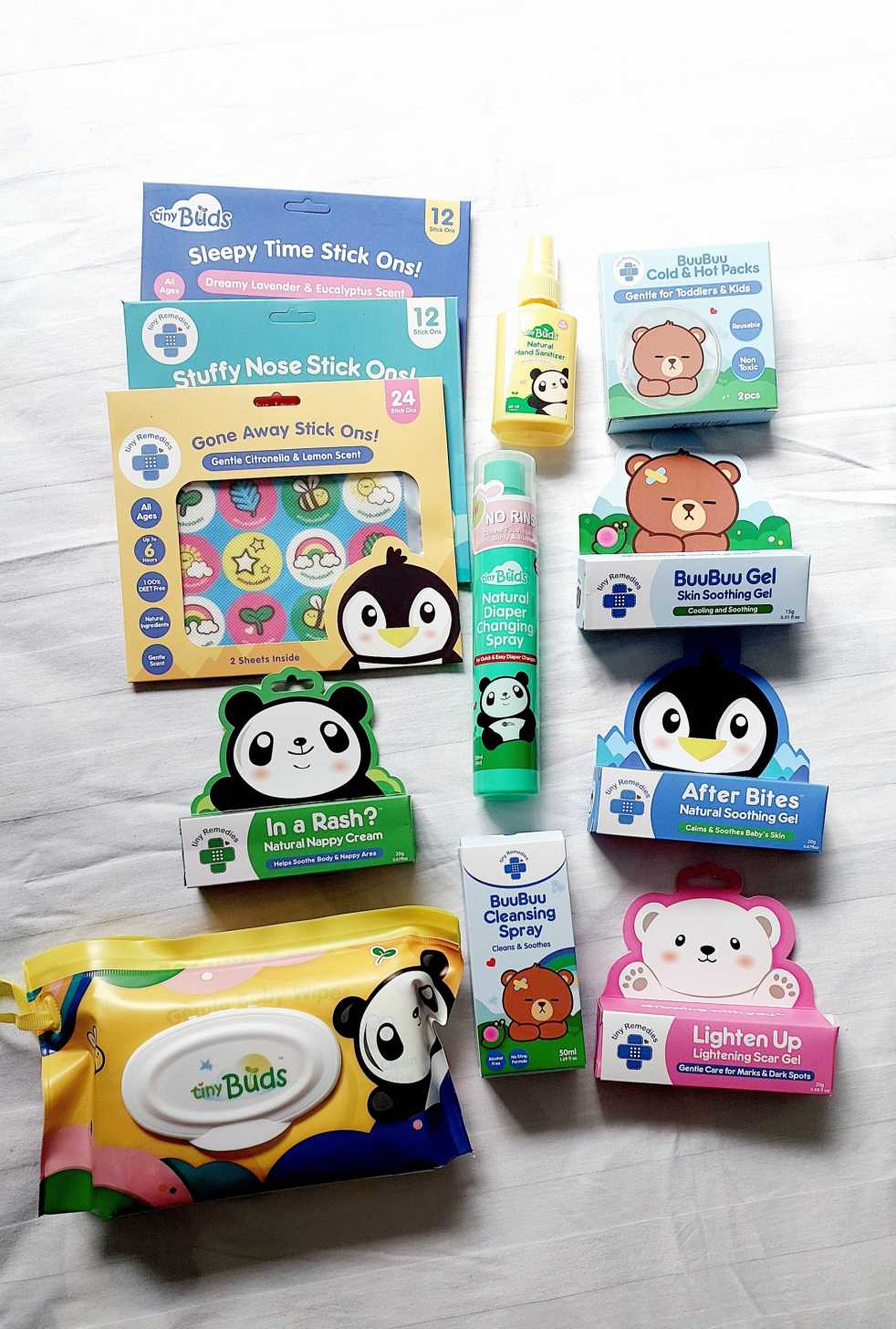
Your baby’s skin is more delicate than most, this is why you have to choose products that are designed for sensitive skin. Tiny Buds is a pioneer in integrating natural ingredients into baby care and today has over 50 innovative natural baby care essentials and is one of the Top Baby Personal Care brands. Here… Continue reading Product Review: Tiny Buds Baby Naturals Baby Essentials
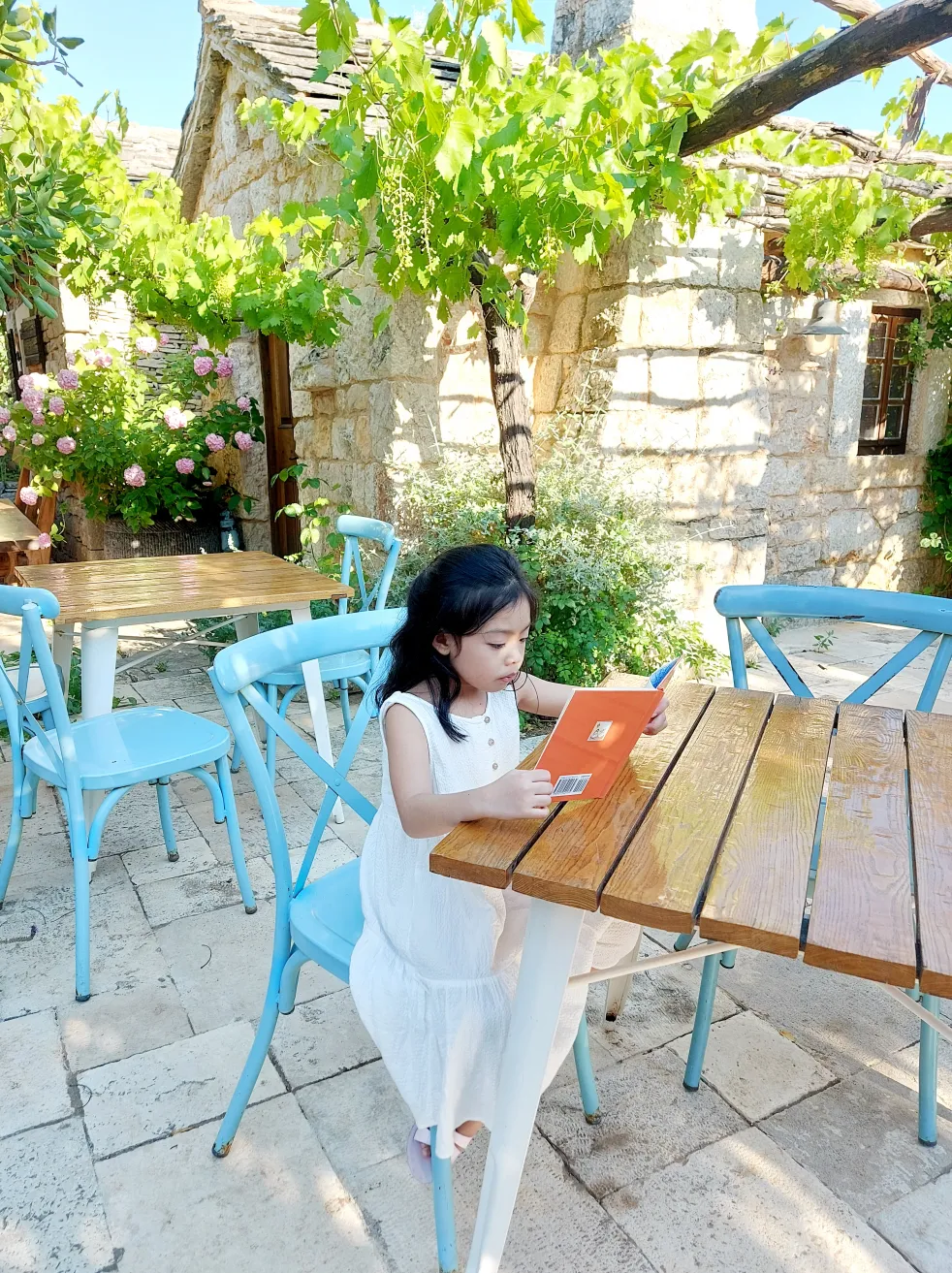
Where your child goes to school is a big decision and shouldn’t be taken lightly. Given how their education can impact their future, you might be tempted to take control and decide for them. However, you might be doing more damage than helping them in the long run. Your job as parents is to support… Continue reading HOW TO CHOOSE THE BEST SCHOOL FOR YOUR CHILD
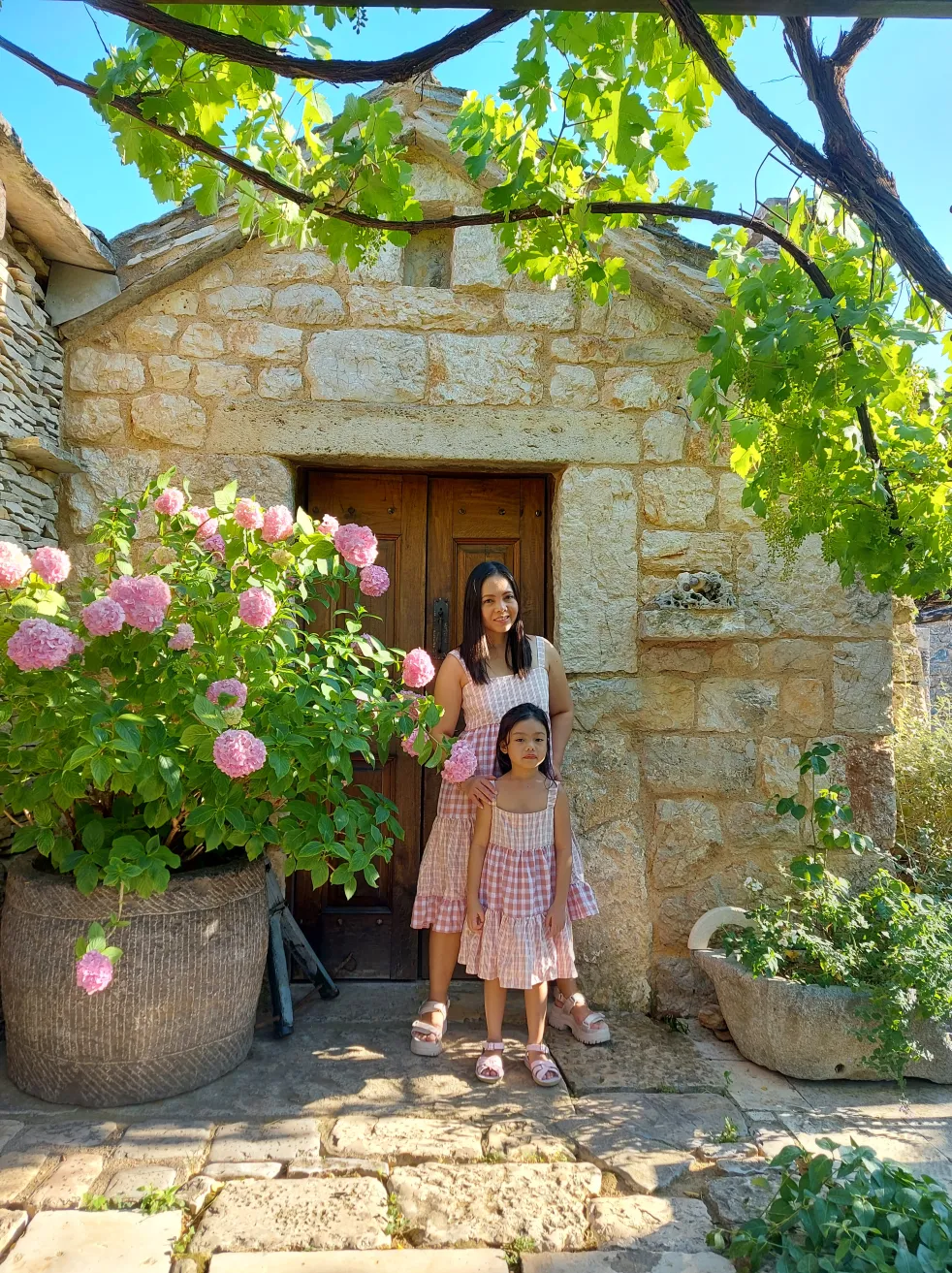
As poet and philosopher Rumi once eloquently said, “raise your words, not your voice. It is rain that grows flowers, not thunder.” Parenting is a challenging journey, and the truth is that nobody has everything figured out. One parenting style might suit others best, and some might favor other methods. However, children respond better to… Continue reading A SIMPLE GUIDE TO GENTLE PARENTING

Whether you’re a new mom to be, mom of a toddler, mom who have school-aged kids, you’re bound to have so many questions. Let's start with your baby's skin. Infant skin has unique needs; gentle care is essential to prevent damage to the skin barrier, which can lead to irritation. When caring for infant skin,… Continue reading Keeping Baby’s Diapered Skin Healthy
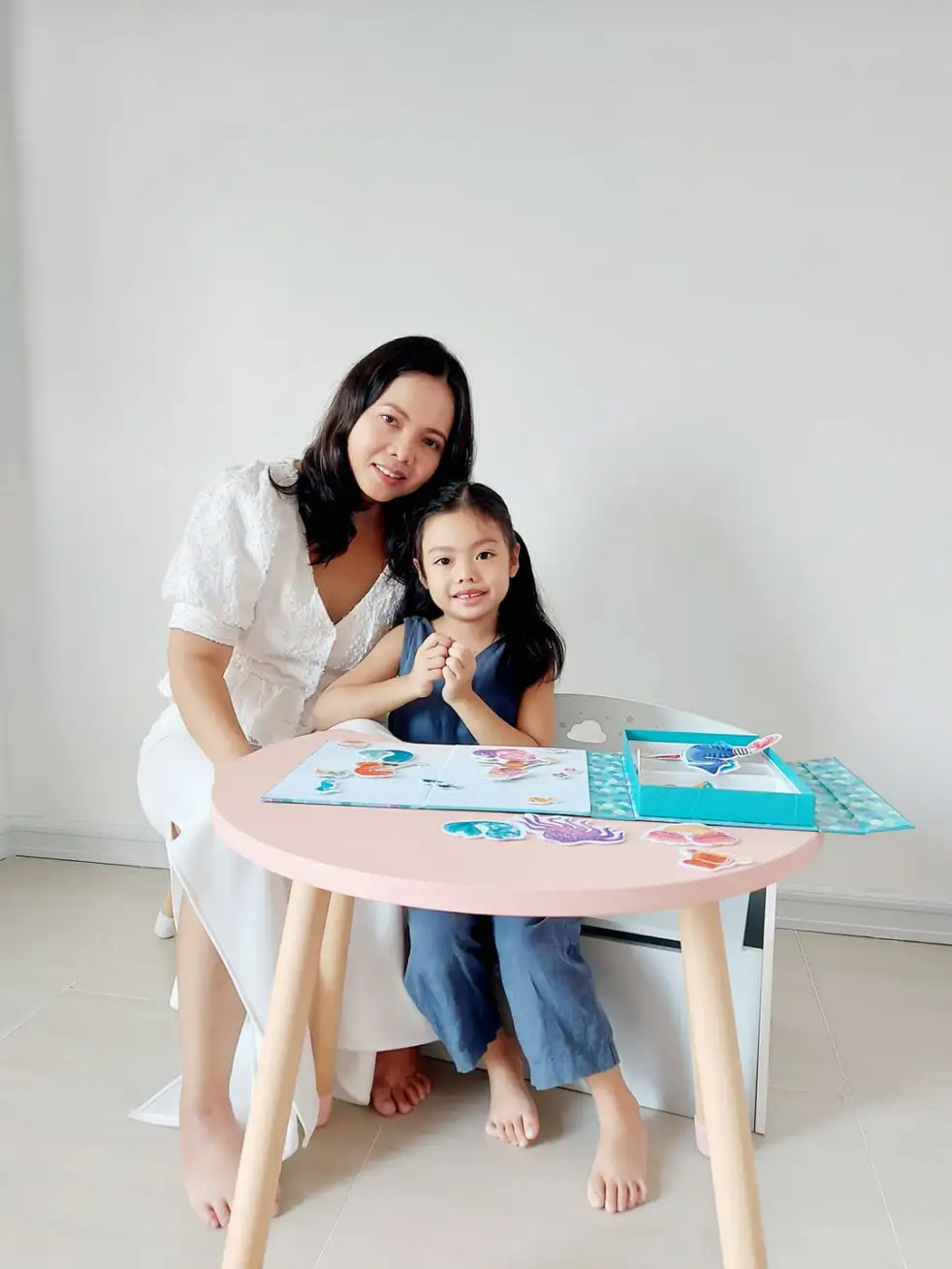
As parents, we want to give our child the best possible start in life and that begins with nurturing their intelligence. Throughout history, the notion of success has been linked to academic intelligence. However, there has been an increased awareness on the importance of emotional intelligence. This question gets at the heart of the never-ending… Continue reading IQ or EQ, which one is a better predictor of your child’s success?
 wondermomma.net