

Last August, IKEA Philippines engaged with Better World Smokey Mountain, a newly opened community center operated by the San Miguel Foundation, which shares a similar goal of improving the lives of many Filipino people. Through this partnership, IKEA Philippines provided and assembled home furnishings for the classrooms and library of Better World Smokey Mountain community… Continue reading Help Create a Better World with IKEA Soft Toys

NutriAsia, the country’s top producer of condiments and sauces, continues its support of Refill Revolution; a project by the Department of Environment and Natural Resources EMB 3 that aims to help reduce Filipinos’ single-use plastics consumption. At Refill Revolution, residents get to recycle their single-use plastic bottles by reusing and filling it with their choice… Continue reading NutriAsia and DENR renews partnership for Refill Revolution

Teaching children about emotions through books
Children experience powerful feelings long before they have the vocabulary to explain them. A toddler may cry when a block tower falls, a preschooler may hide after making a mistake, and an older child may become quiet when friendship problems feel overwhelming. Books give these emotions a safe shape through characters, illustrations, and stories that children can understand.
Reading about feelings helps children notice what happens inside their bodies, name emotional experiences, and discover healthy ways to respond. A story can also create a gentle distance: children may talk about a worried bear or an angry dragon before they are ready to discuss their own fear or frustration.
Emotional literacy develops gradually through repeated conversations. Parents do not need to turn every story into a lesson. Warm, simple comments and patient listening can make shared reading a regular opportunity for connection, empathy, and self-awareness.
Choose stories that reflect real feelings
Begin with books that include emotions your child already knows, such as happiness, anger, sadness, jealousy, excitement, embarrassment, fear, and disappointment. The plot does not need to be dramatic. A character missing a parent, losing a toy, waiting for a turn, or entering a new classroom may give your child a familiar starting point.
Look for stories where feelings are shown through facial expressions, body language, and actions rather than named only in the text. A clenched fist, lowered head, racing feet, or a character hiding under a blanket can help children connect emotions with physical signals. Illustrations often communicate details that younger children cannot yet explain in words.
Representation also matters. Choose books featuring different family structures, cultures, abilities, skin tones, and personalities. Children benefit from seeing their own experiences reflected, while stories about unfamiliar lives can nurture compassion. A varied home library makes emotional learning feel broad and relevant rather than limited to one type of child or situation.
Talk about emotions before, during, and after reading
Before opening the book, look at the cover and invite your child to observe the character. You might say, “Her eyebrows look tight,” or “He is standing far away from everyone.” These statements encourage careful noticing without demanding a correct answer. If your child offers a different interpretation, accept it as a chance to explore.
During the story, pause at natural moments instead of interrupting every page. Point out a character’s possible feeling and connect it to the situation: “He wanted to join the game, but nobody made space for him. That might feel lonely.” Use language such as “might,” “could,” and “I wonder” so the conversation remains open.
After reading, talk about the character’s choices and possible needs. Ask questions that invite reflection, such as “What helped her feel calmer?” or “What could the friends do next?” For very young children, simple prompts work best: “Is he sad or excited?” and “Show me a worried face.” The goal is shared thinking, not a quiz.
Help children connect stories to their own lives
Books become especially meaningful when children can relate the story to everyday experiences. If a character feels nervous about a new place, gently mention a similar moment from your child’s life: “This reminds me of your first day at daycare.” Keep the comparison brief and avoid forcing a personal disclosure.
Children may reveal feelings indirectly. They might repeat a line from the book, act out a scene with toys, or ask to read the same story repeatedly. These behaviors can be invitations to process an experience. Follow their lead through pretend play, drawing, or storytelling rather than insisting on a direct conversation.
Use emotion words naturally throughout the day. Say, “You look disappointed that the park is closed,” or “I felt frustrated when I could not find my keys.” Naming emotions without shame teaches children that all feelings are acceptable, while actions still have limits. “It is okay to be angry; it is not okay to hit” is a clear and reassuring message.
Match books and conversations to age
Children’s emotional understanding changes as language, memory, and social awareness grow. The same story can be revisited at different ages, with the discussion becoming more detailed over time. The chart below offers general guidance rather than strict rules.
| Age range | Helpful book features | Conversation focus |
|---|---|---|
| Babies and toddlers | Clear faces, rhythmic language, simple situations, sturdy pages | Naming basic feelings, noticing expressions, offering comfort |
| Preschoolers | Short plots, repeated phrases, humor, relatable conflicts | Identifying emotions, understanding causes, practicing calming choices |
| Early school years | Friendship issues, mistakes, fairness, family change, varied perspectives | Empathy, consequences, problem-solving, emotional vocabulary |
| Older children | Complex characters, inner thoughts, moral dilemmas, chapter books | Mixed feelings, coping strategies, identity, perspective-taking |
For babies, your voice and expression are as important as the words on the page. Toddlers may need only one feeling word at a time. Preschoolers can begin linking an emotion to its cause and considering what might help. School-age children are often ready to discuss conflicting feelings, such as being happy for a friend while wishing they had received the same opportunity.
Avoid treating developmental stages as rigid expectations. Some children speak freely about emotions, while others communicate through movement, art, or silence. A child who cannot yet explain a feeling may still understand it deeply.
Show that every emotion has a place
Stories sometimes portray anger, fear, or sadness as problems that must disappear quickly. When choosing or discussing books, make room for the idea that uncomfortable emotions carry information. Fear may signal uncertainty, anger may point to an unmet need or perceived unfairness, and sadness may arise when something important has been lost.
This does not mean accepting hurtful behavior. Help children separate the emotion from the response. A character can feel angry and choose to stomp, breathe, ask for help, or take space. Discussing several possibilities gives children practical emotional regulation tools without suggesting that calmness must happen instantly.
Parents can model this process during reading. If a story brings up a difficult subject, say, “That part made me feel sad, so I need a quiet moment.” Then demonstrate a simple strategy, such as taking slow breaths, getting a drink of water, or speaking kindly to yourself. Children learn emotional coping through what adults repeatedly practice, not just what adults explain.
Build a gentle reading routine
A predictable reading ritual creates emotional safety. Bedtime, after lunch, or a quiet weekend morning can become a regular space for stories and conversation. Keep the routine flexible enough that reading remains comforting rather than another task your child must complete correctly.
Create a small collection of books about feelings and rotate them with funny stories, adventures, poems, and familiar favorites. Emotional learning works best when it is woven into enjoyable reading, not presented as a correction whenever a child behaves strongly. A silly story can teach flexibility, while a family story can encourage belonging.
If you are looking for more practical ideas about raising children and supporting family life, explore parenting resources that fit your family’s daily routines. Choose suggestions that respect your child’s temperament, your household values, and the realities of your schedule.
Make reading part of everyday connection
Use these simple practices to deepen emotional learning without making story time feel formal:
- Keep a few books about feelings where your child can reach them and choose one independently.
- Pause to name what characters may feel, using several possible words when appropriate.
- Connect story events to ordinary experiences without pressuring your child to share.
- Act out calming strategies, kind words, and problem-solving through puppets or toys.
- Revisit favorite books when your child faces a similar emotion in real life.
Consistency matters more than having a perfect collection of books or asking sophisticated questions. Ten relaxed minutes of shared reading can offer more emotional support than a long discussion delivered when everyone is tired. Follow your child’s attention, accept silence, and allow the story to do some of the work.
Over time, children begin to recognize patterns: feelings have names, bodies give signals, difficult moments can change, and support is available. They also learn that books can be a place to explore experiences safely. Keep reading together, return to stories when real-life emotions surface, and let each conversation grow at your child’s pace.

Mercato Centrale, in collaboration with Indian Women in Enterprise Philippines (I-We), is set to host "The Great Indian Fiesta" to mark 75 years of friendship between India and the Philippines. The dynamic two-day event is scheduled to take place on September 30 to October 1, 2023, at Paseo De Roxas Street, Makati City. Aiming to… Continue reading Mercato Centrale Partners with I-We to Host ‘The Great Indian Fiesta’, Commemorating 75 Years of India-Philippines Friendship

My stomach would usually start growling at 10 am even after taking a big breakfast. This is probably because I am a morning person and I move a lot throughout the day hence snacking is something that I can't avoid. This potatoes and chicken wrap recipe is easy to prepare and would keep me full… Continue reading Potato and Chicken Wrap
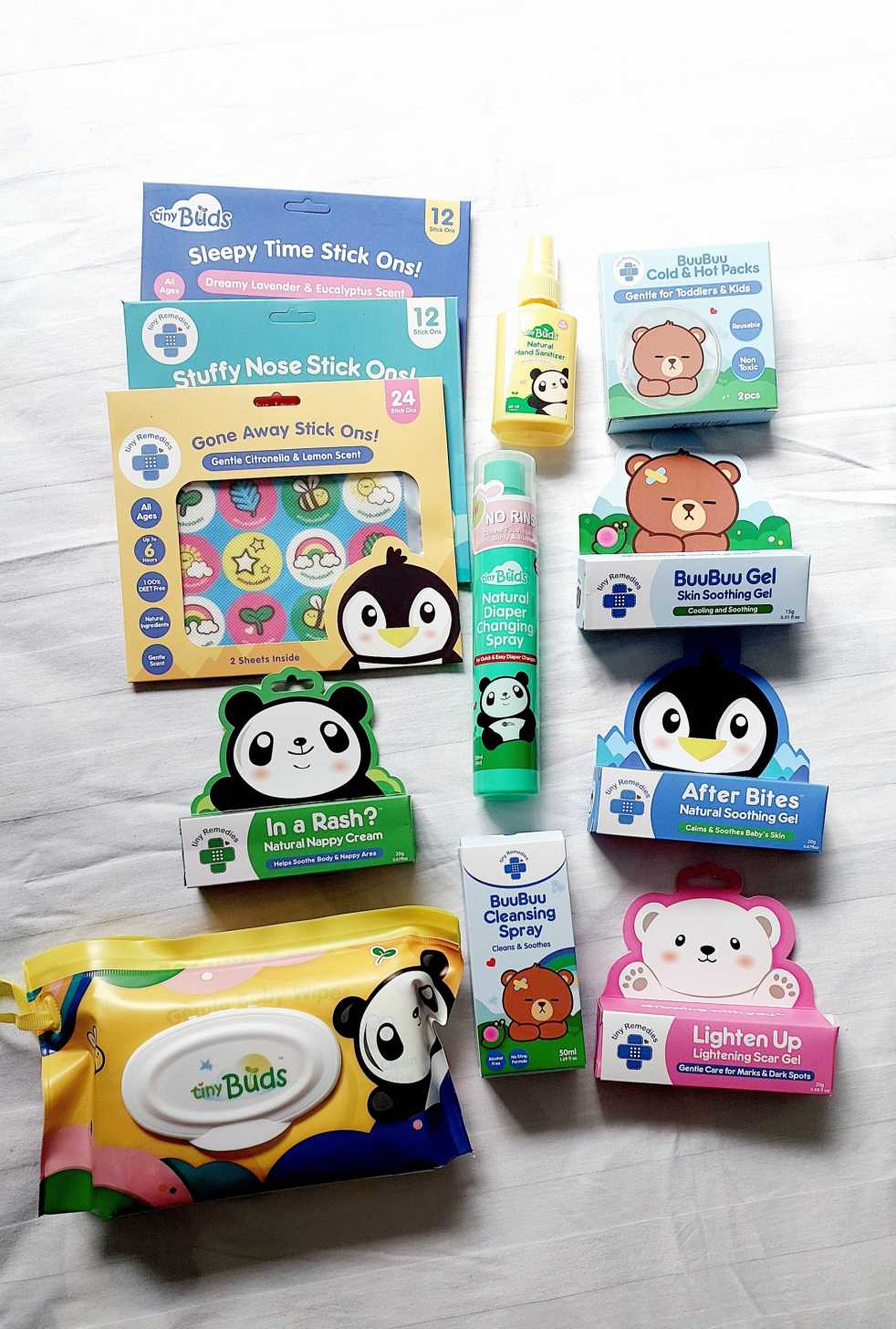
Your baby’s skin is more delicate than most, this is why you have to choose products that are designed for sensitive skin. Tiny Buds is a pioneer in integrating natural ingredients into baby care and today has over 50 innovative natural baby care essentials and is one of the Top Baby Personal Care brands. Here… Continue reading Product Review: Tiny Buds Baby Naturals Baby Essentials
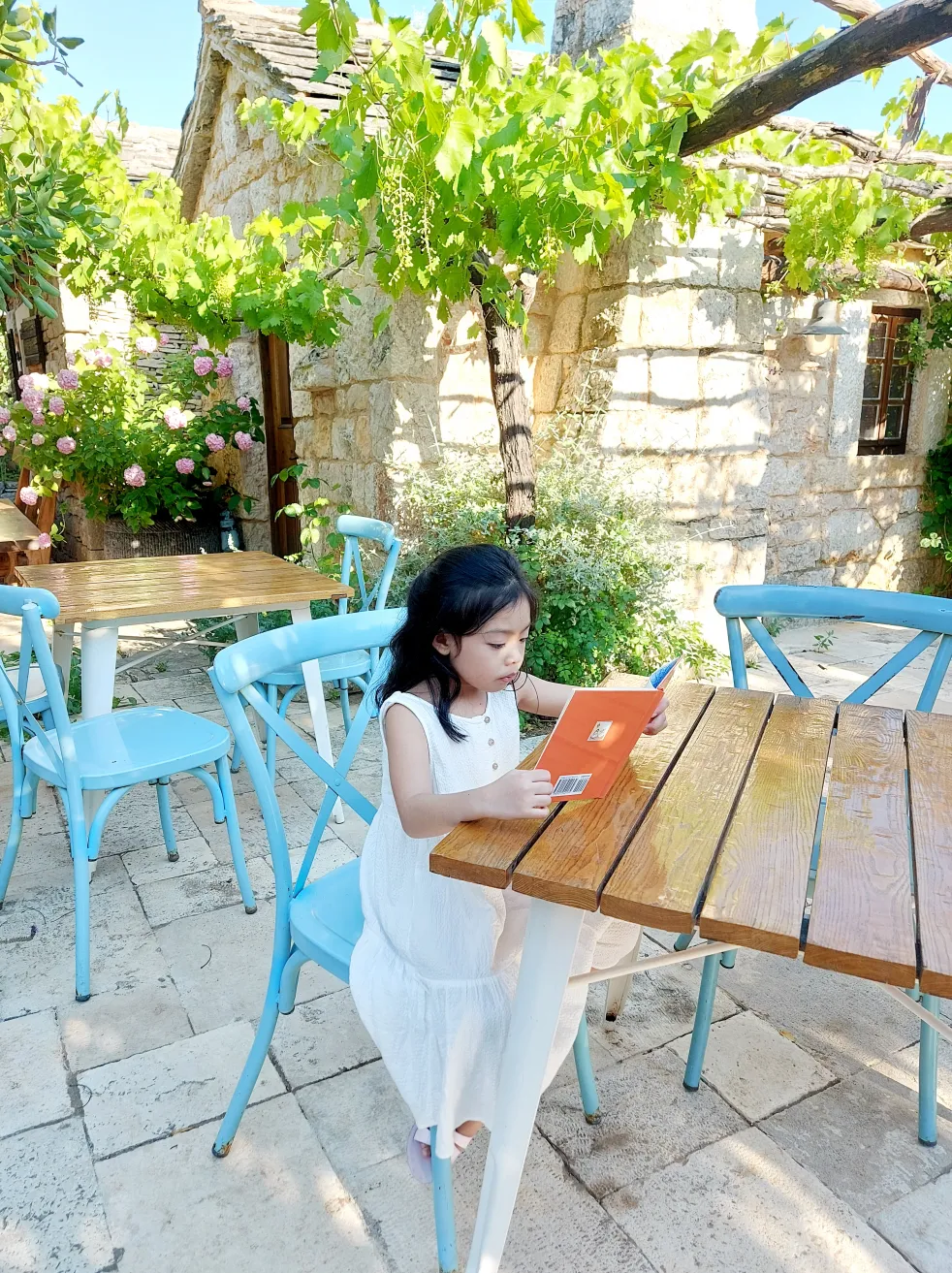
Where your child goes to school is a big decision and shouldn’t be taken lightly. Given how their education can impact their future, you might be tempted to take control and decide for them. However, you might be doing more damage than helping them in the long run. Your job as parents is to support… Continue reading HOW TO CHOOSE THE BEST SCHOOL FOR YOUR CHILD
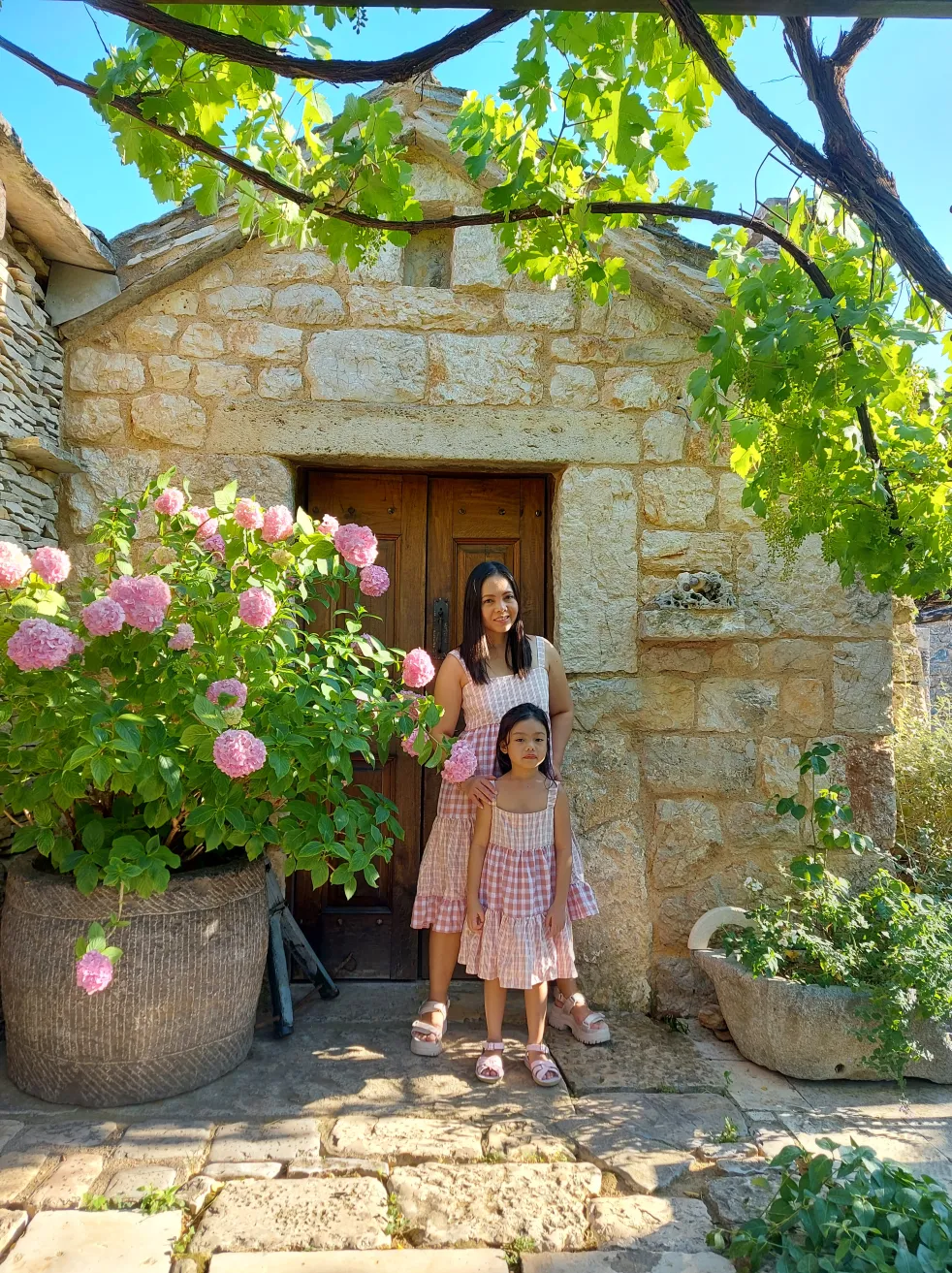
As poet and philosopher Rumi once eloquently said, “raise your words, not your voice. It is rain that grows flowers, not thunder.” Parenting is a challenging journey, and the truth is that nobody has everything figured out. One parenting style might suit others best, and some might favor other methods. However, children respond better to… Continue reading A SIMPLE GUIDE TO GENTLE PARENTING

Whether you’re a new mom to be, mom of a toddler, mom who have school-aged kids, you’re bound to have so many questions. Let's start with your baby's skin. Infant skin has unique needs; gentle care is essential to prevent damage to the skin barrier, which can lead to irritation. When caring for infant skin,… Continue reading Keeping Baby’s Diapered Skin Healthy
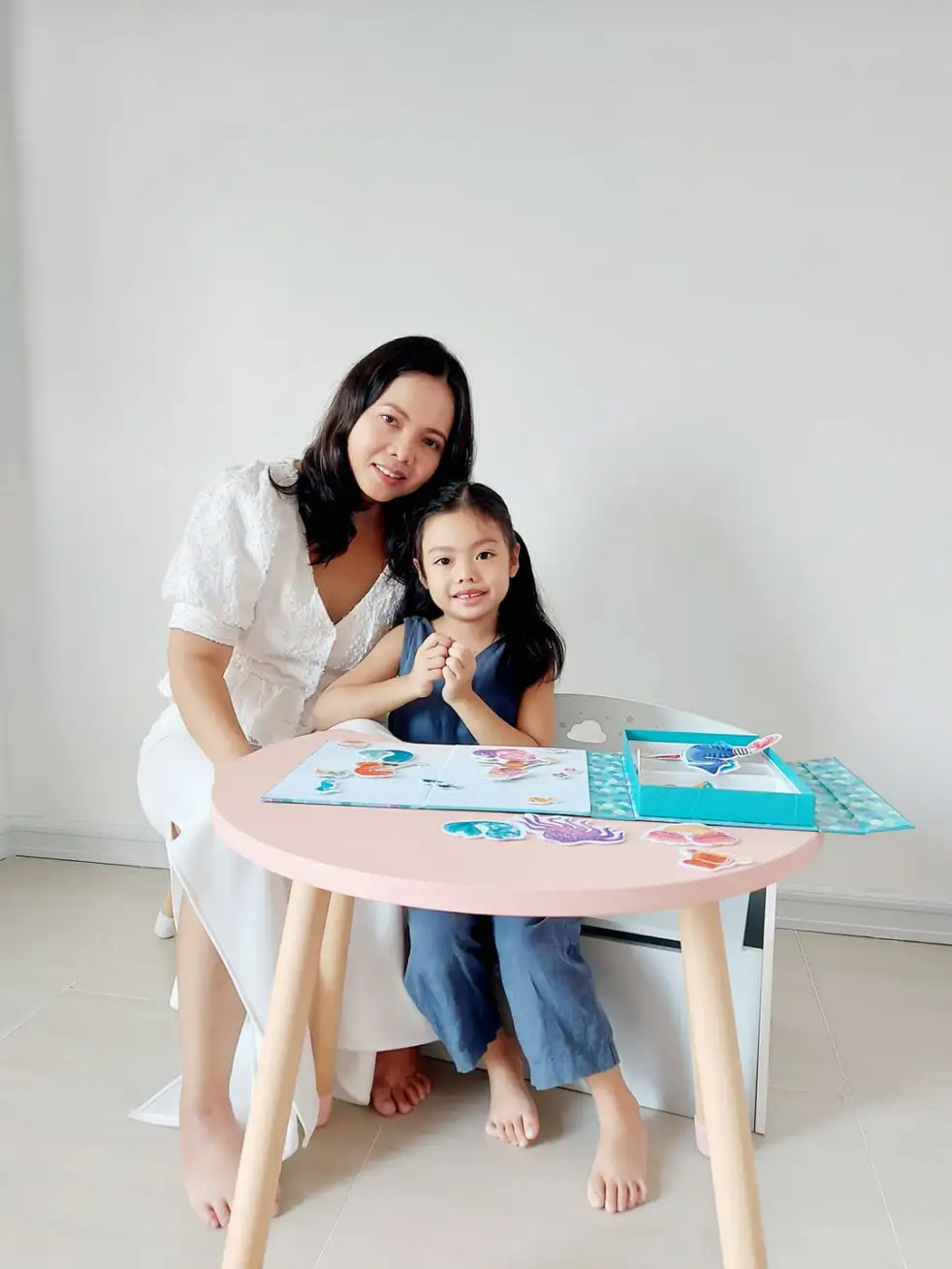
As parents, we want to give our child the best possible start in life and that begins with nurturing their intelligence. Throughout history, the notion of success has been linked to academic intelligence. However, there has been an increased awareness on the importance of emotional intelligence. This question gets at the heart of the never-ending… Continue reading IQ or EQ, which one is a better predictor of your child’s success?
 wondermomma.net