

Last August, IKEA Philippines engaged with Better World Smokey Mountain, a newly opened community center operated by the San Miguel Foundation, which shares a similar goal of improving the lives of many Filipino people. Through this partnership, IKEA Philippines provided and assembled home furnishings for the classrooms and library of Better World Smokey Mountain community… Continue reading Help Create a Better World with IKEA Soft Toys

NutriAsia, the country’s top producer of condiments and sauces, continues its support of Refill Revolution; a project by the Department of Environment and Natural Resources EMB 3 that aims to help reduce Filipinos’ single-use plastics consumption. At Refill Revolution, residents get to recycle their single-use plastic bottles by reusing and filling it with their choice… Continue reading NutriAsia and DENR renews partnership for Refill Revolution

Simple chores for kids by age: a practical family guide
Household tasks help children learn responsibility through everyday experiences. Folding a small towel, putting toys away, or rinsing a plate may look minor to an adult, yet these jobs build coordination, confidence, and an understanding that family life works through shared effort.
The best chores for children are safe, predictable, and suited to their stage of development. A two-year-old cannot manage the same task as a ten-year-old, and every child develops at a different pace. The goal is participation rather than perfection.
Chores should feel like a normal part of belonging to the family, not a punishment or a test. With patient guidance, clear expectations, and plenty of practice, children can gradually develop independence while learning practical life skills.
Why household tasks matter
Simple chores teach children that they can contribute in meaningful ways. When a child carries napkins to the table or places dirty clothes in a basket, they see a direct connection between their actions and the comfort of the household. This sense of contribution can strengthen self-esteem and cooperation.
Regular tasks also support executive function. Children practise remembering instructions, completing steps in order, managing time, and checking their work. These abilities later help with school routines, personal care, and problem-solving.
Chores are also an opportunity for connection. Working side by side while sorting laundry or watering plants gives parents a relaxed setting for conversation. The task itself does not need to be completed quickly; the shared experience matters just as much as the result.
Chores for toddlers from ages two to three
At this age, children enjoy copying adults and taking part in familiar routines. Choose brief tasks with one clear action and offer supervision throughout. Putting toys in a box, placing books on a low shelf, or dropping clothes into a hamper are suitable starting points.
Toddlers can also help wipe a small spill with a cloth, carry lightweight items to the table, or put shoes in their designated place. Use simple language such as “blocks in the basket” rather than giving several instructions at once.
Expect a toddler’s version of a chore to be incomplete. They may put objects in the wrong place, become distracted, or repeat the same movement without finishing. Gentle redirection works better than criticism: “Let’s find the last two cars together.”
Safety remains the priority. Keep cleaning products, medicines, sharp tools, hot cookware, and small choking hazards out of reach. A child-sized cloth, plastic cup, or lightweight basket makes participation easier and safer.
Chores for preschoolers from ages four to five
Preschoolers can manage small routines with reminders. They may make their bed with help, place dirty clothes in a hamper, feed a pet with an adult nearby, or help set the table with unbreakable items. They can also return toys, shoes, and school materials to their usual places.
This is a useful stage for teaching sequences. For example, after an art activity, a child can put crayons in a box, return paper to a drawer, and wipe the table. A picture checklist can help children who are not yet reading follow the steps independently.
Give children enough time to work without immediately taking over. If a blanket is uneven or a pile of books is not perfectly straight, accept reasonable effort. Constant correction may make a child associate chores with failure rather than capability.
Daily care routines can be taught in the same supportive way. For parents building independence around drinking and mealtimes, this sippy cup guide offers a step-by-step approach that can complement other self-help skills.
Chores for children from ages six to eight
Early primary school children are ready for tasks that require several steps and a little more consistency. They can make their bed, clear their place after meals, sort laundry by colour, water plants, dust accessible surfaces, and pack away their school supplies.
Children in this age group may also help prepare simple food with close supervision. Washing fruit, tearing lettuce, spreading soft ingredients, or measuring ingredients can build practical skills. Teach kitchen safety clearly and keep knives, heat, and electrical appliances under adult control.
A weekly chore chart can make expectations visible. It might include daily tasks, such as feeding a pet, and occasional tasks, such as helping change bed linen. Avoid assigning so many jobs that children have no time for play, rest, homework, or family activities.
Praise specific behaviour rather than using broad labels. “You remembered to put the books back before dinner” shows the child exactly what was successful. This kind of feedback encourages attention and responsibility without creating pressure to be perfect.
Chores for children from ages nine to twelve
Older children can take ownership of more involved household responsibilities. They may sweep floors, load or unload a dishwasher, fold and put away laundry, clean a bathroom sink, prepare a simple snack, or help organise groceries.
At this stage, parents can explain standards and allow children to plan the order of their tasks. If the job is washing dishes, discuss scraping food into the bin, rinsing items, stacking them safely, and wiping the counter afterward. Clear expectations reduce frustration for everyone.
Children should also learn how to care for shared spaces rather than only their bedrooms. Helping with family laundry, tidying the living room, or preparing a school bag teaches awareness of other people’s needs. Responsibilities can rotate so that no child becomes permanently assigned to an unpopular job.
Use supervision for tasks involving chemicals, heavy objects, traffic, open flames, or unfamiliar animals. Independence grows through gradual release: demonstrate first, complete the job together, observe the child, and then allow more responsibility when they are ready.
| Age range | Suitable chores | Support to provide |
|---|---|---|
| Two to three | Put away toys, place clothes in a hamper, wipe small spills | Demonstrate and stay close |
| Four to five | Set the table, tidy books, make the bed with help | Use short instructions or picture prompts |
| Six to eight | Water plants, sort laundry, clear dishes, pack school items | Check progress and teach each step |
| Nine to twelve | Fold laundry, sweep, load dishes, prepare simple food | Set standards while allowing planning |
How to make chores easier and kinder
Begin with a small number of responsibilities. One morning task and one evening task may be enough for a young child. Adding several new jobs at once can overwhelm children and make the routine difficult to maintain.
Use predictable timing. A toy tidy-up before bedtime, table clearing after meals, or laundry sorting on a particular weekend day helps chores become part of the rhythm of family life. Visual schedules, labelled baskets, and low storage can make the right action easier to remember.
Avoid using chores as a consequence for every behaviour problem. If cleaning is always connected with punishment, children may resist ordinary household work. Natural responsibilities are more effective: toys need to be returned after play, and a child who spills water can help wipe it up.
Parents can also make room for choice. Offer two acceptable options, such as “Would you like to feed the dog or put away the shoes?” Choice gives children a sense of control while keeping the expectation clear. For siblings, rotate jobs and avoid comparisons about who is faster or more capable.
Ways to encourage steady participation
Children respond best when adults notice effort, provide realistic instructions, and model the behaviour they expect. These practical habits can make family chores calmer:
- Demonstrate each new task before expecting independent work.
- Break a large job into short, visible steps.
- Match tools to the child’s size, such as a small dustpan or lightweight basket.
- Use encouragement that describes effort, care, and follow-through.
- Review responsibilities regularly as the child’s skills and schedule change.
Rewards are optional. Some families use a simple routine chart, while others rely on verbal appreciation and the natural satisfaction of finishing a task. If rewards are used, they should support consistency rather than become the only reason a child helps.
Remember that children may need reminders for years. Forgetfulness does not always mean defiance; busy schedules, tiredness, and developing attention skills can affect follow-through. A calm prompt and a chance to try again usually teach more than a lecture.
Building independence over time
Chore assignments should grow with a child’s abilities, not simply with their birthday. Watch how comfortably the child follows directions, handles materials, manages frustration, and notices what needs to be done. These observations can guide the next step.
Some children enjoy practical work, while others need more encouragement or sensory adjustments. A child who dislikes wet hands might begin with folding towels instead of washing dishes. Another child may prefer a clear checklist, a timer, or quiet music. Adaptation is not lowering standards; it is creating a workable path to participation.
Family circumstances also matter. Parents in busy Philippine households may need to adjust tasks around school, caregiving, weather, space, and shared family routines. Chores can be flexible while still teaching the same values of care, responsibility, and cooperation.
Start with one manageable task today, practise it together, and gradually let your child take the lead. Consistent small contributions become lasting life skills, helping children grow into capable family members who understand that caring for a home is something everyone can share.

Mercato Centrale, in collaboration with Indian Women in Enterprise Philippines (I-We), is set to host "The Great Indian Fiesta" to mark 75 years of friendship between India and the Philippines. The dynamic two-day event is scheduled to take place on September 30 to October 1, 2023, at Paseo De Roxas Street, Makati City. Aiming to… Continue reading Mercato Centrale Partners with I-We to Host ‘The Great Indian Fiesta’, Commemorating 75 Years of India-Philippines Friendship

My stomach would usually start growling at 10 am even after taking a big breakfast. This is probably because I am a morning person and I move a lot throughout the day hence snacking is something that I can't avoid. This potatoes and chicken wrap recipe is easy to prepare and would keep me full… Continue reading Potato and Chicken Wrap
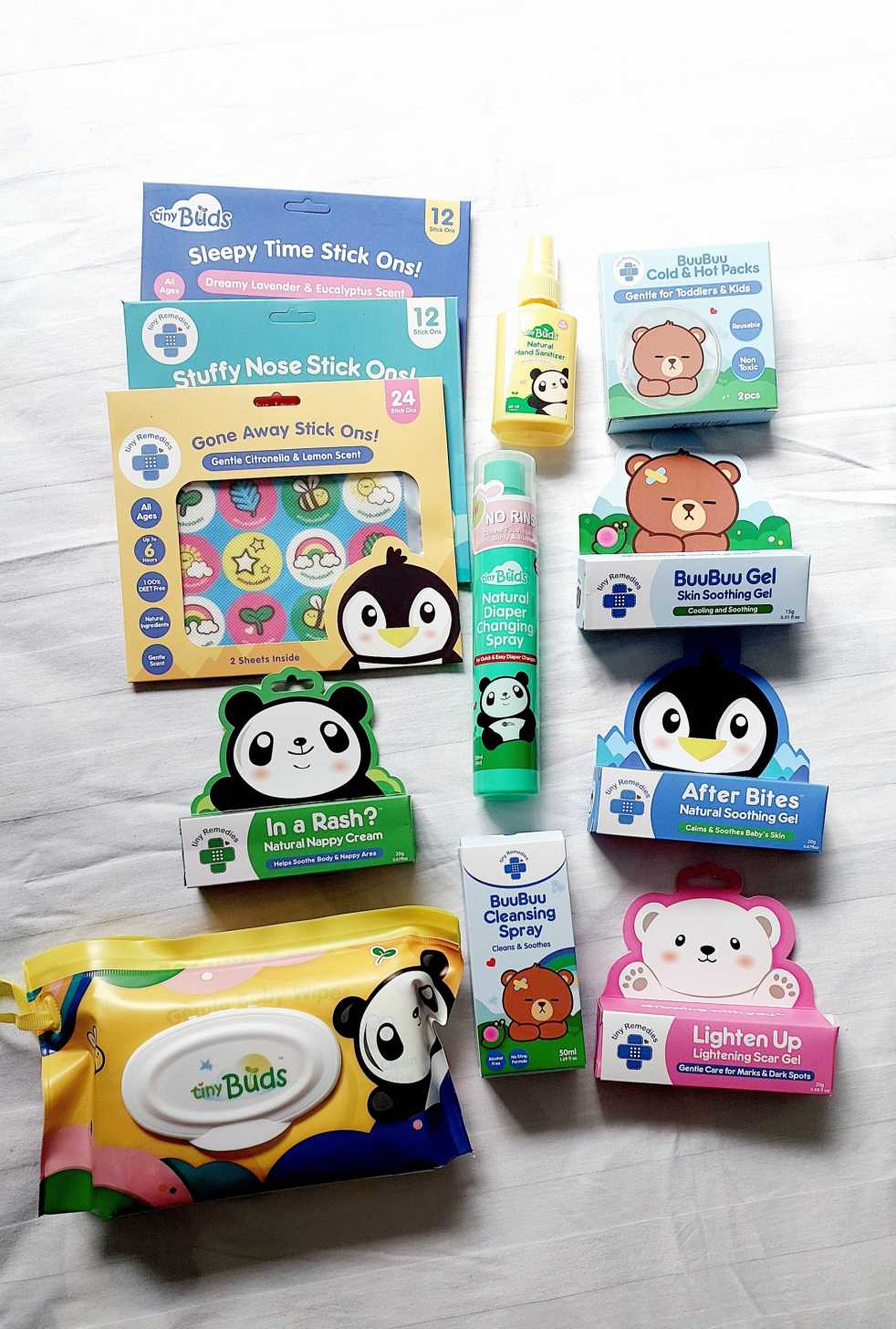
Your baby’s skin is more delicate than most, this is why you have to choose products that are designed for sensitive skin. Tiny Buds is a pioneer in integrating natural ingredients into baby care and today has over 50 innovative natural baby care essentials and is one of the Top Baby Personal Care brands. Here… Continue reading Product Review: Tiny Buds Baby Naturals Baby Essentials
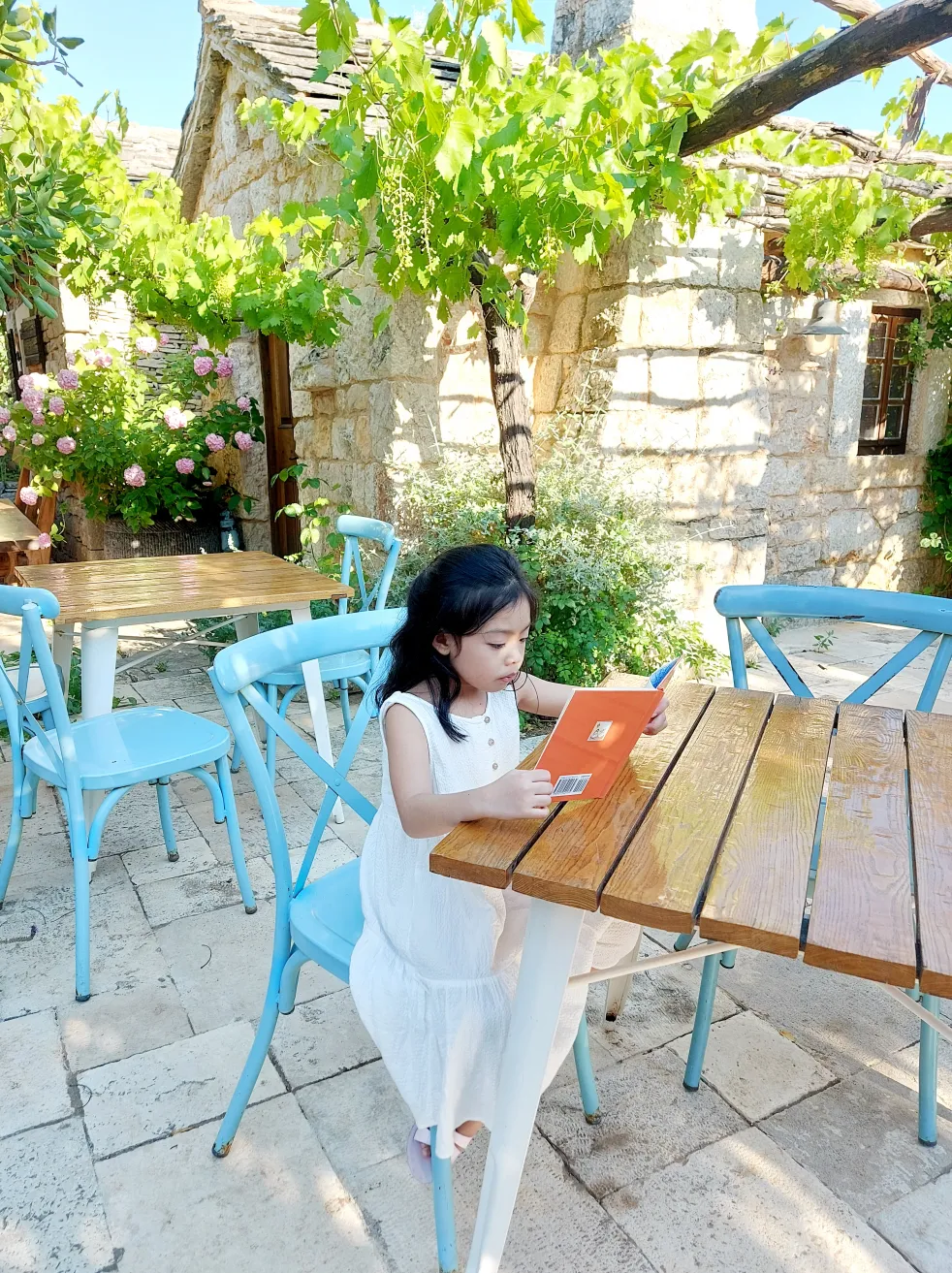
Where your child goes to school is a big decision and shouldn’t be taken lightly. Given how their education can impact their future, you might be tempted to take control and decide for them. However, you might be doing more damage than helping them in the long run. Your job as parents is to support… Continue reading HOW TO CHOOSE THE BEST SCHOOL FOR YOUR CHILD
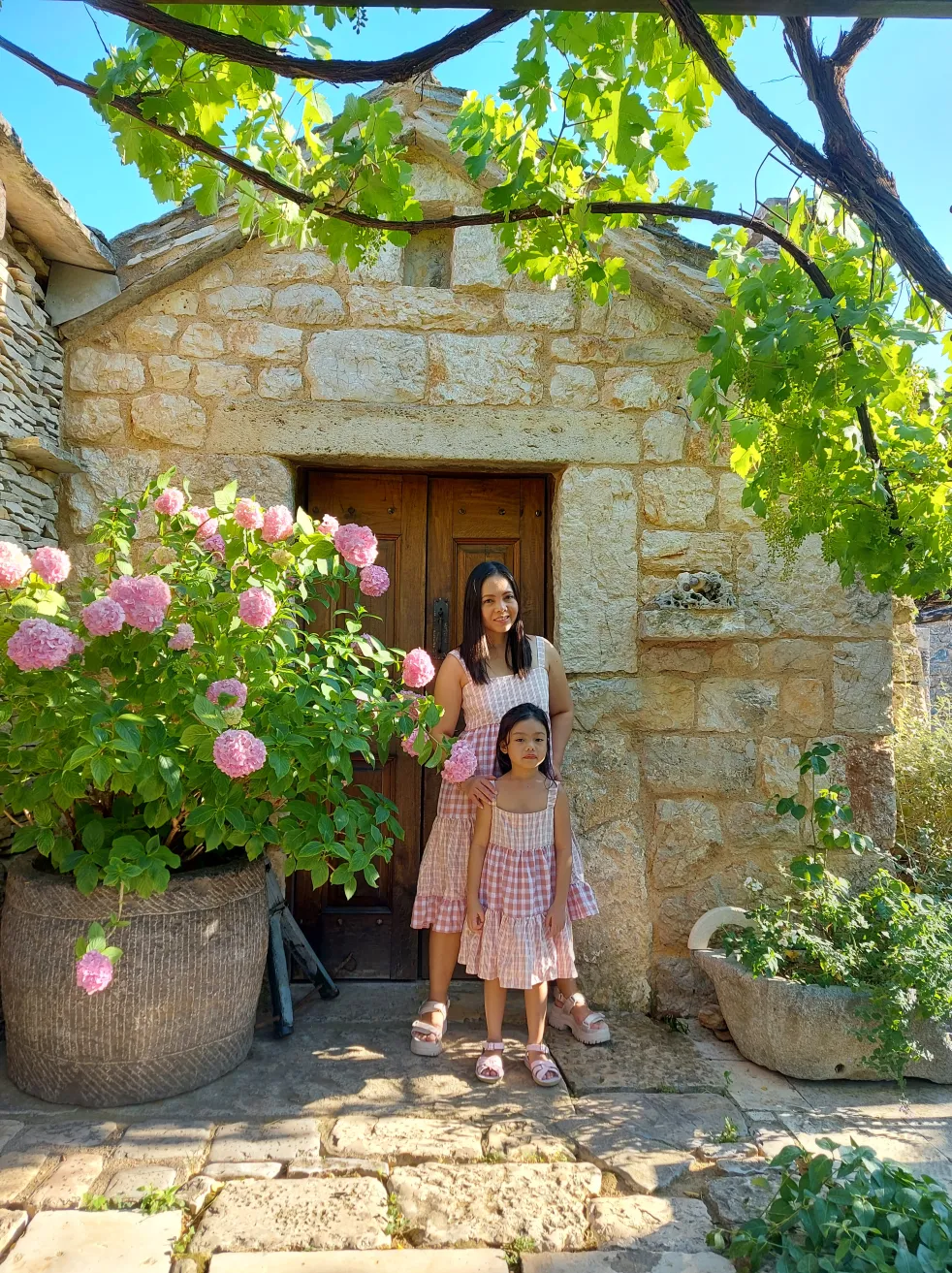
As poet and philosopher Rumi once eloquently said, “raise your words, not your voice. It is rain that grows flowers, not thunder.” Parenting is a challenging journey, and the truth is that nobody has everything figured out. One parenting style might suit others best, and some might favor other methods. However, children respond better to… Continue reading A SIMPLE GUIDE TO GENTLE PARENTING

Whether you’re a new mom to be, mom of a toddler, mom who have school-aged kids, you’re bound to have so many questions. Let's start with your baby's skin. Infant skin has unique needs; gentle care is essential to prevent damage to the skin barrier, which can lead to irritation. When caring for infant skin,… Continue reading Keeping Baby’s Diapered Skin Healthy
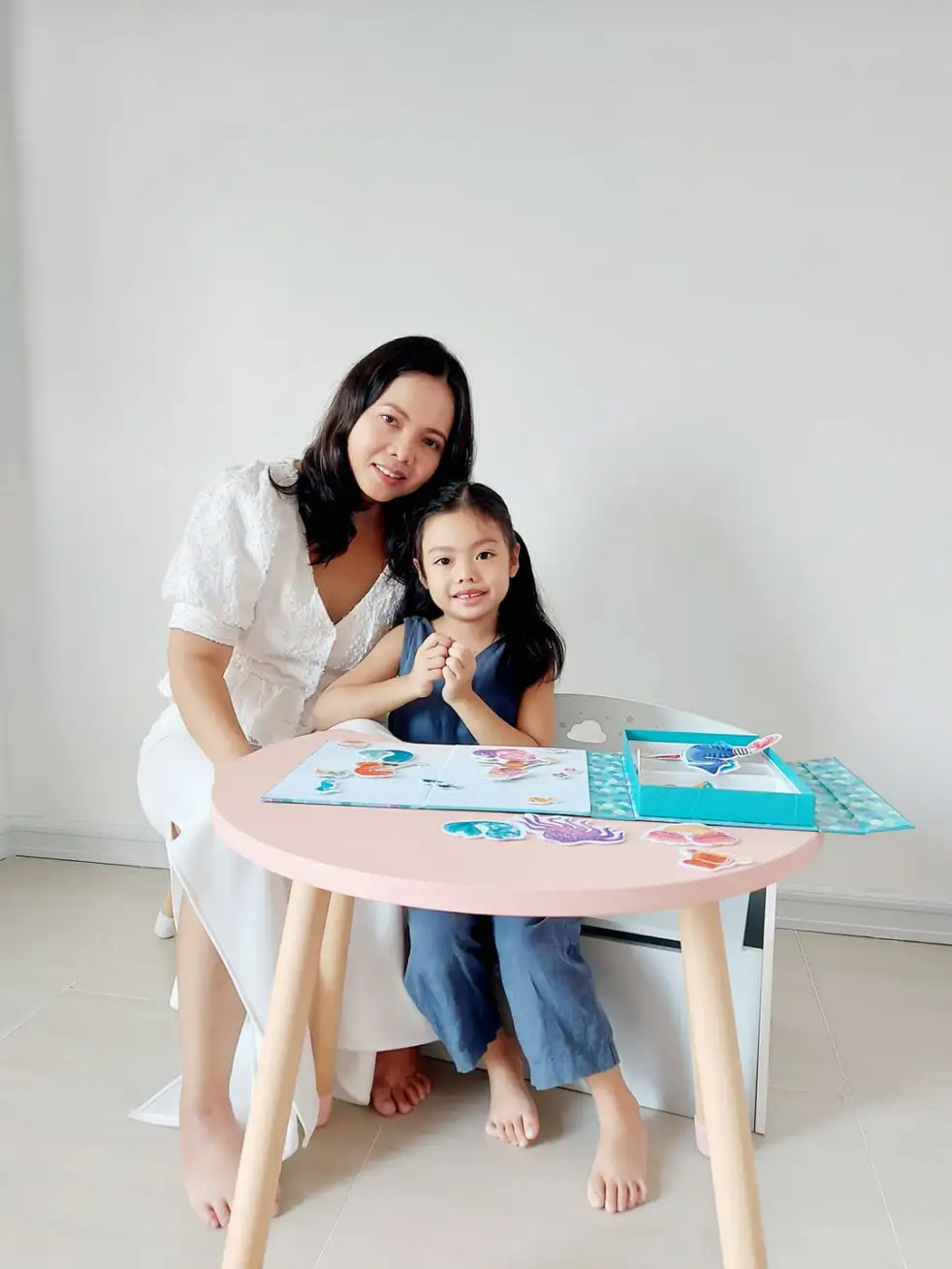
As parents, we want to give our child the best possible start in life and that begins with nurturing their intelligence. Throughout history, the notion of success has been linked to academic intelligence. However, there has been an increased awareness on the importance of emotional intelligence. This question gets at the heart of the never-ending… Continue reading IQ or EQ, which one is a better predictor of your child’s success?
 wondermomma.net