

Last August, IKEA Philippines engaged with Better World Smokey Mountain, a newly opened community center operated by the San Miguel Foundation, which shares a similar goal of improving the lives of many Filipino people. Through this partnership, IKEA Philippines provided and assembled home furnishings for the classrooms and library of Better World Smokey Mountain community… Continue reading Help Create a Better World with IKEA Soft Toys
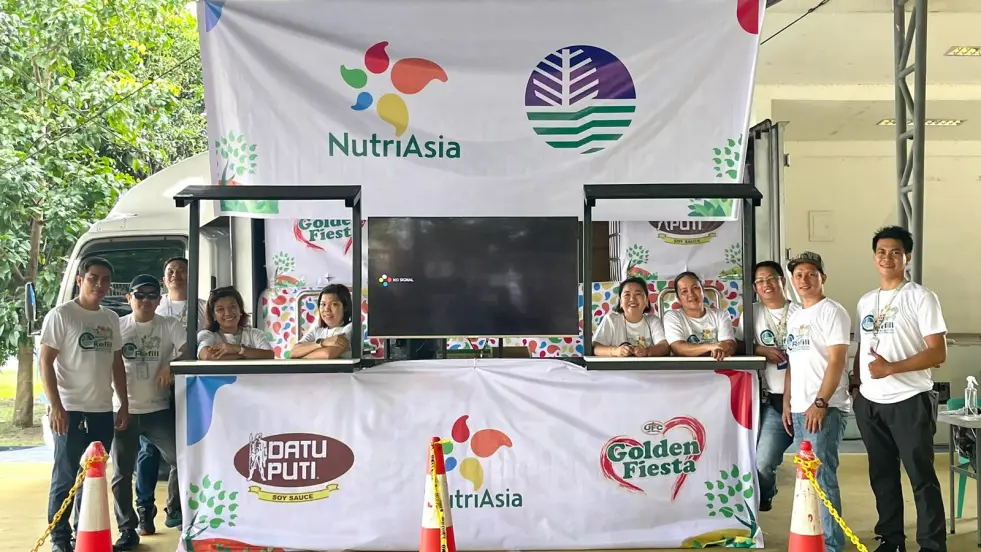
NutriAsia, the country’s top producer of condiments and sauces, continues its support of Refill Revolution; a project by the Department of Environment and Natural Resources EMB 3 that aims to help reduce Filipinos’ single-use plastics consumption. At Refill Revolution, residents get to recycle their single-use plastic bottles by reusing and filling it with their choice… Continue reading NutriAsia and DENR renews partnership for Refill Revolution

Teaching Kids Money Skills With A Piggy Bank
Financial literacy begins with small, everyday experiences. A child who learns to save a few coins, wait before buying, and understand where money goes is developing habits that can support responsible decision-making later in life. These lessons do not need complicated worksheets or long explanations. A simple piggy bank can make money visible, familiar, and easier to understand.
For Filipino families, a piggy bank can hold coins and bills in pesos, birthday money from relatives, or small rewards for completing age-appropriate responsibilities. The activity can also open conversations about needs, wants, generosity, and planning. When parents keep the tone calm and encouraging, children learn that money is a tool rather than a source of worry.
A savings jar or traditional alkansiya works especially well because children can see their progress. Every coin added creates a concrete connection between patience and reaching a goal. With regular guidance, this simple practice can grow into a broader money routine that includes saving, spending, sharing, and making thoughtful choices.
Why A Piggy Bank Still Matters
Young children understand physical objects more easily than abstract numbers on a banking app. A coin placed inside a clear container gives saving a visible result. Children can shake the container, count its contents, and observe that small amounts gradually become something larger.
This hands-on experience helps build basic numeracy skills as well. Counting coins, grouping similar denominations, and comparing amounts reinforce early mathematics. Parents can introduce words such as “save,” “spend,” “cost,” “enough,” and “goal” during ordinary moments without turning the activity into a formal lesson.
A piggy bank also creates a safe setting for practicing delayed gratification. A child may want a toy immediately, but saving teaches that waiting can lead to a chosen reward. The lesson should remain realistic: young children may save for a coloring set, snack, book, or small toy rather than an expensive item that takes many months to reach.
Choosing A Child-Friendly Savings Container
The best piggy bank is one a child can use independently and safely. Clear plastic containers, wide-mouth jars, and child-friendly money boxes allow children to see their progress. If a traditional ceramic bank is used, make sure it is sturdy and kept in a safe location, especially around toddlers.
Some children enjoy a bank with separate sections for saving, spending, and sharing. Families can also use three labeled containers to make these purposes clear. A “save” container supports a future goal, a “spend” container holds money for a small purchase, and a “share” container can be used for a gift, donation, or kind gesture.
The container should match the child’s age and personality. A younger child may enjoy decorating a recycled jar with stickers, while an older child might prefer a lockable box or a simple savings tracker. Personalizing the container can make the habit feel like the child’s own project rather than an instruction imposed by an adult.
Match Money Lessons To Your Child’s Age
Financial education should grow with a child’s understanding. A preschooler may focus on identifying coins and putting them in a container, while a school-age child can plan a goal and calculate how long saving may take. Parents should keep expectations flexible and praise steady effort rather than the amount saved.
The following guide offers a starting point for age-appropriate money activities:
| Age range | Piggy bank activity | Skill being developed | Helpful parent language |
|---|---|---|---|
| 3–5 years | Sort coins, add one coin at a time, decorate a savings jar | Recognition, counting, patience | “We are putting this aside for later.” |
| 6–8 years | Choose a small goal and track progress with drawings or stickers | Planning, addition, delayed gratification | “How many more pesos do you need?” |
| 9–12 years | Divide money among saving, spending, and sharing containers | Budgeting, comparison, decision-making | “What will happen if you spend it all today?” |
| 13 years and older | Create a written budget and connect cash saving with digital money | Priorities, responsibility, financial planning | “Which choice supports your goal?” |
Children may develop these skills at different speeds. Avoid comparing siblings or classmates, and remember that a child who is still learning to count needs a different approach from a preteen receiving regular allowance. Repetition matters more than complexity.
Turn Saving Into A Regular Family Routine
A piggy bank is most effective when saving becomes part of a predictable routine. When a child receives an allowance, gift money, or payment for an agreed household task, set aside a few minutes to decide what portion will be saved. The amount can be small, as consistency is more important than a strict percentage.
Parents can create a simple goal card beside the bank. Draw the item the child hopes to buy, write its price, and color one section each time money is added. For older children, a notebook or spreadsheet can record the date, amount, and balance. This turns saving into a practical exercise in tracking and accountability.
Consider having a weekly money check-in. Count the contents together, discuss progress, and return the money to the container. If the child wants to spend some of it, let them make an informed choice within reasonable limits. A purchase that turns out to be disappointing can become a useful reflection about value, quality, and impulse buying without becoming a lecture.
Teach Saving, Spending, And Sharing Together
Saving is important, but children also need to understand that money has several purposes. A three-part system prevents the message from becoming “never spend.” It teaches balance: some money can support a future goal, some can be used now, and some can help another person.
The sharing portion may be used for a birthday present, a donation to a community effort, or a small act of kindness. In the Philippines, families may connect this practice with helping prepare school supplies for a beneficiary, contributing to a parish or community project, or buying food for a family member in need. The choice should be discussed respectfully, with no pressure to give beyond the child’s comfort.
Parents can also explain the difference between a need and a want. Food, medicine, and school materials usually meet needs, while toys, treats, and accessories are often wants. The distinction is not meant to make wants seem wrong. Instead, it helps children understand why families prioritize certain expenses and plan for optional purchases.
Use Everyday Purchases As Learning Moments
Trips to a sari-sari store, supermarket, pharmacy, or weekend market offer natural opportunities to practice money skills. Before shopping, give the child a simple budget for one item or snack. Let them compare prices, count change, and decide whether a cheaper option meets the same need.
Parents should avoid turning every family purchase into a test. A brief comment is often enough: “We have ₱100 for this activity, so we need to choose carefully.” Children can gradually learn that a budget is a plan for using limited money, not a punishment or sign that the family cannot enjoy life.
Older children can participate in meal planning and grocery comparisons. They might compare package sizes, calculate the cost of ingredients, or help record household expenses suited to their age. These activities connect the piggy bank lesson to real family decisions, including food, transportation, school needs, and leisure.
Keep The Conversation Positive And Honest
Children notice the emotions adults attach to money. If financial discussions are filled with fear, shame, or arguments, they may learn to avoid the subject. Use simple, age-appropriate explanations and protect children from adult financial stress that they are not ready to manage.
Avoid paying for every basic household responsibility. Children can be expected to help because they are part of the family, while occasional paid tasks may be used to teach effort, planning, and earning. Be clear about which tasks are routine and which have an agreed reward before the work begins.
Mistakes are part of financial learning. A child may spend all their money quickly, lose track of coins, or change their savings goal. Rather than rescuing them immediately, help them review what happened and decide what they might do differently. This approach develops confidence, self-control, and problem-solving.
A piggy bank is a small tool, but the habits built around it can last for years. Begin with one container, one modest goal, and a regular conversation about choices. Add separate saving, spending, and sharing categories as your child becomes ready, and celebrate progress without making money the measure of their worth. With patient guidance, each coin can become a practical lesson in planning, generosity, and independence. Start the family savings routine this week with a child-chosen goal and a container they will be proud to use.

Mercato Centrale, in collaboration with Indian Women in Enterprise Philippines (I-We), is set to host "The Great Indian Fiesta" to mark 75 years of friendship between India and the Philippines. The dynamic two-day event is scheduled to take place on September 30 to October 1, 2023, at Paseo De Roxas Street, Makati City. Aiming to… Continue reading Mercato Centrale Partners with I-We to Host ‘The Great Indian Fiesta’, Commemorating 75 Years of India-Philippines Friendship

My stomach would usually start growling at 10 am even after taking a big breakfast. This is probably because I am a morning person and I move a lot throughout the day hence snacking is something that I can't avoid. This potatoes and chicken wrap recipe is easy to prepare and would keep me full… Continue reading Potato and Chicken Wrap
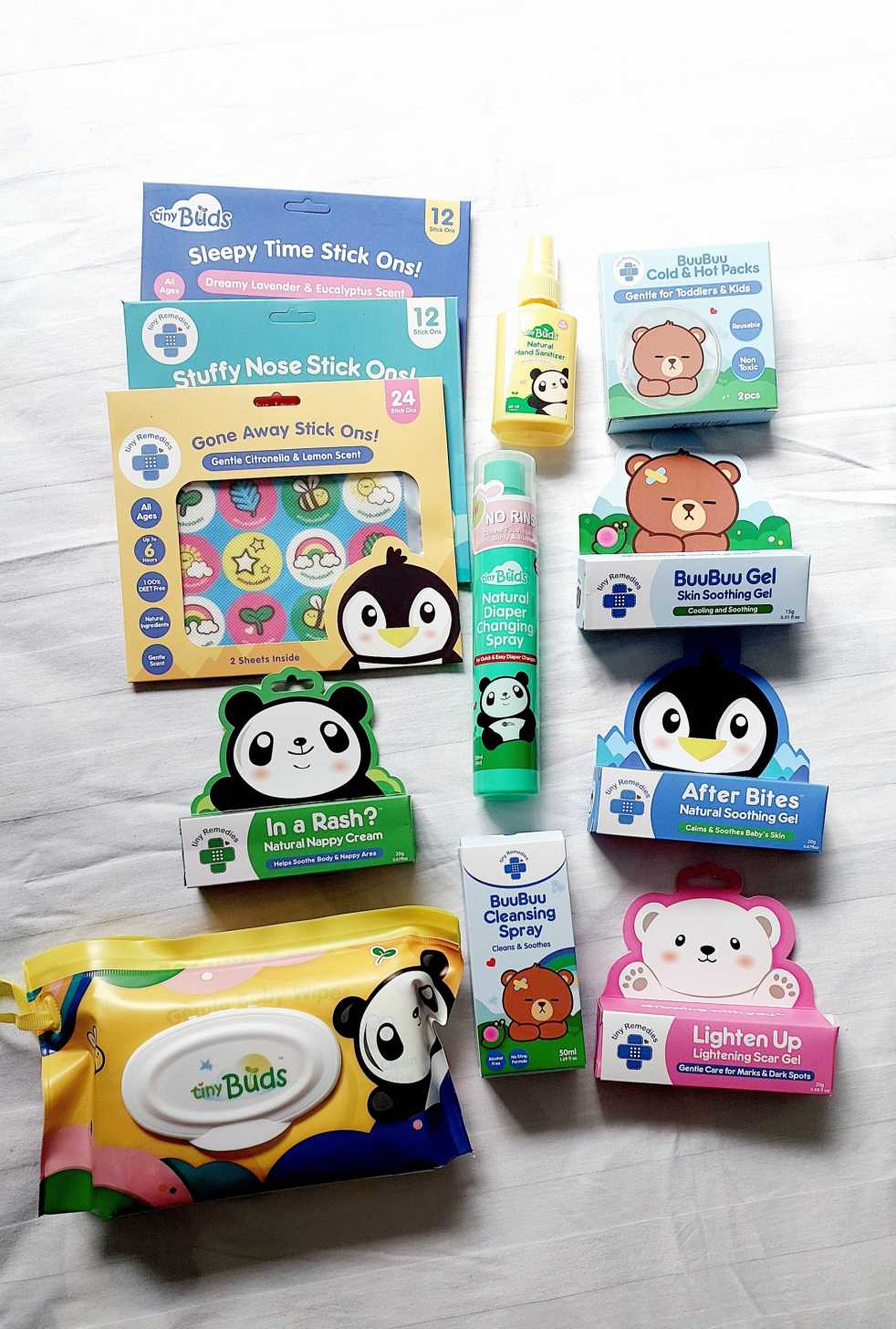
Your baby’s skin is more delicate than most, this is why you have to choose products that are designed for sensitive skin. Tiny Buds is a pioneer in integrating natural ingredients into baby care and today has over 50 innovative natural baby care essentials and is one of the Top Baby Personal Care brands. Here… Continue reading Product Review: Tiny Buds Baby Naturals Baby Essentials
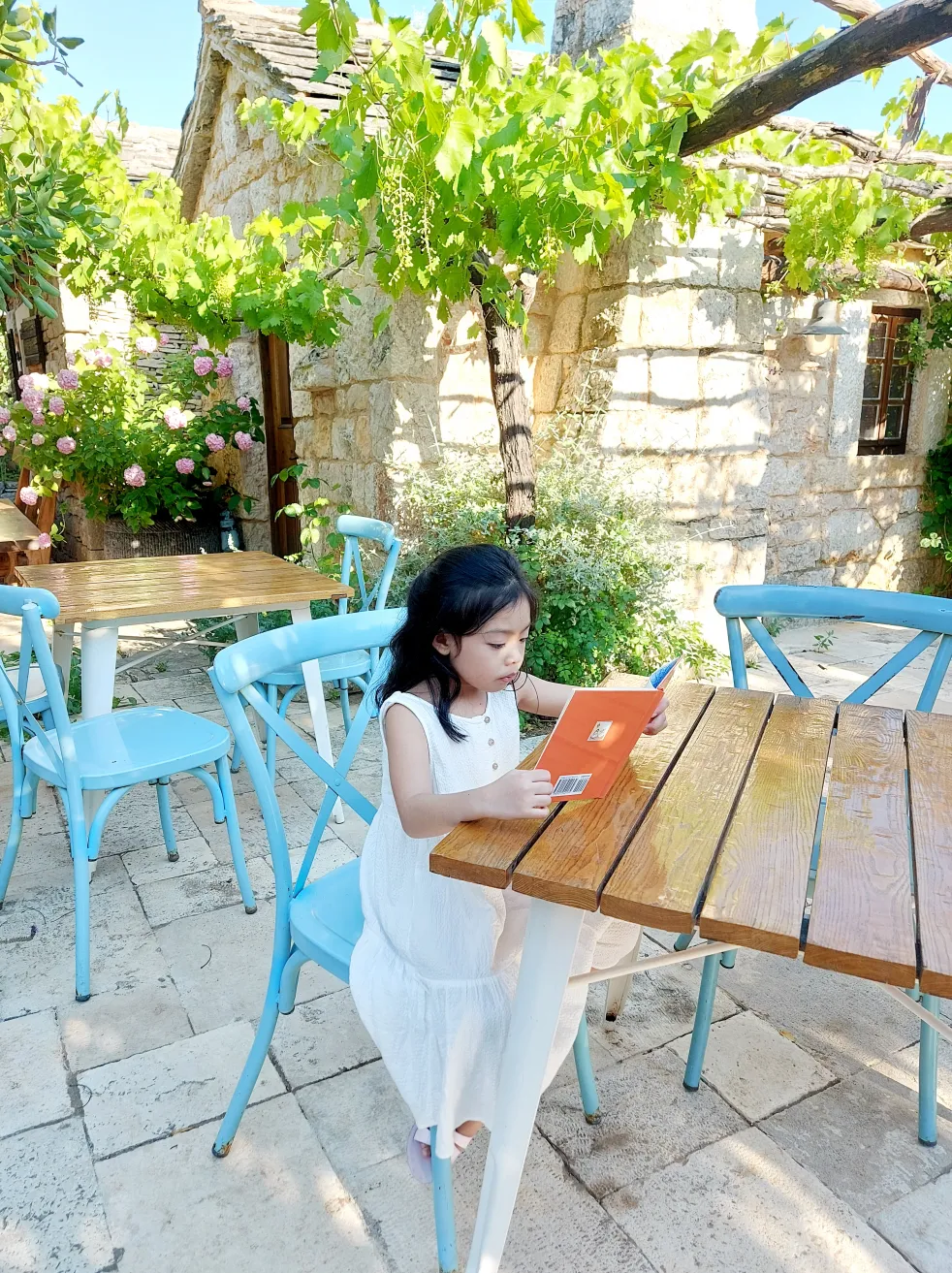
Where your child goes to school is a big decision and shouldn’t be taken lightly. Given how their education can impact their future, you might be tempted to take control and decide for them. However, you might be doing more damage than helping them in the long run. Your job as parents is to support… Continue reading HOW TO CHOOSE THE BEST SCHOOL FOR YOUR CHILD
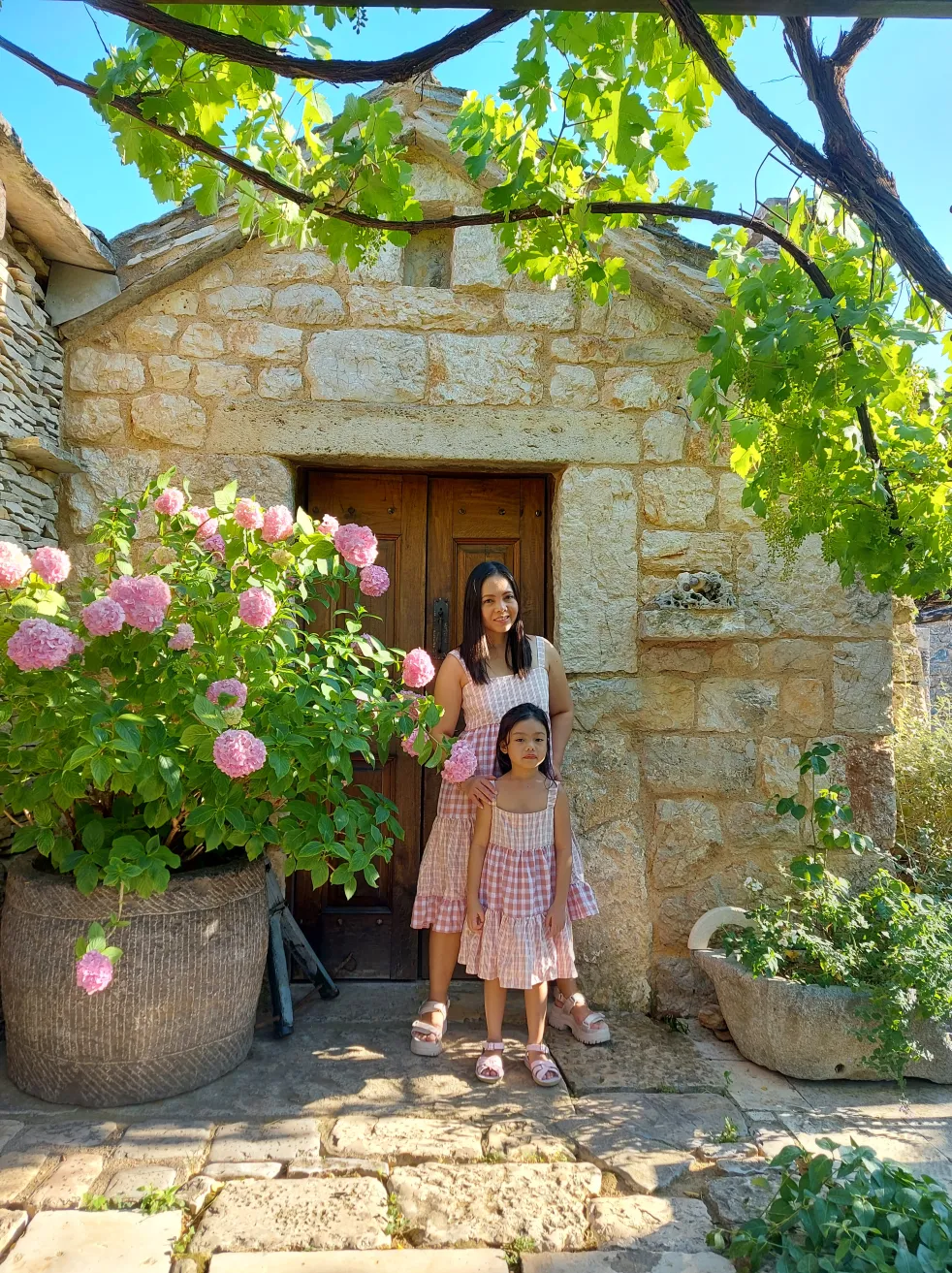
As poet and philosopher Rumi once eloquently said, “raise your words, not your voice. It is rain that grows flowers, not thunder.” Parenting is a challenging journey, and the truth is that nobody has everything figured out. One parenting style might suit others best, and some might favor other methods. However, children respond better to… Continue reading A SIMPLE GUIDE TO GENTLE PARENTING

Whether you’re a new mom to be, mom of a toddler, mom who have school-aged kids, you’re bound to have so many questions. Let's start with your baby's skin. Infant skin has unique needs; gentle care is essential to prevent damage to the skin barrier, which can lead to irritation. When caring for infant skin,… Continue reading Keeping Baby’s Diapered Skin Healthy
As parents, we want to give our child the best possible start in life and that begins with nurturing their intelligence. Throughout history, the notion of success has been linked to academic intelligence. However, there has been an increased awareness on the importance of emotional intelligence. This question gets at the heart of the never-ending… Continue reading IQ or EQ, which one is a better predictor of your child’s success?
 wondermomma.net