

Last August, IKEA Philippines engaged with Better World Smokey Mountain, a newly opened community center operated by the San Miguel Foundation, which shares a similar goal of improving the lives of many Filipino people. Through this partnership, IKEA Philippines provided and assembled home furnishings for the classrooms and library of Better World Smokey Mountain community… Continue reading Help Create a Better World with IKEA Soft Toys
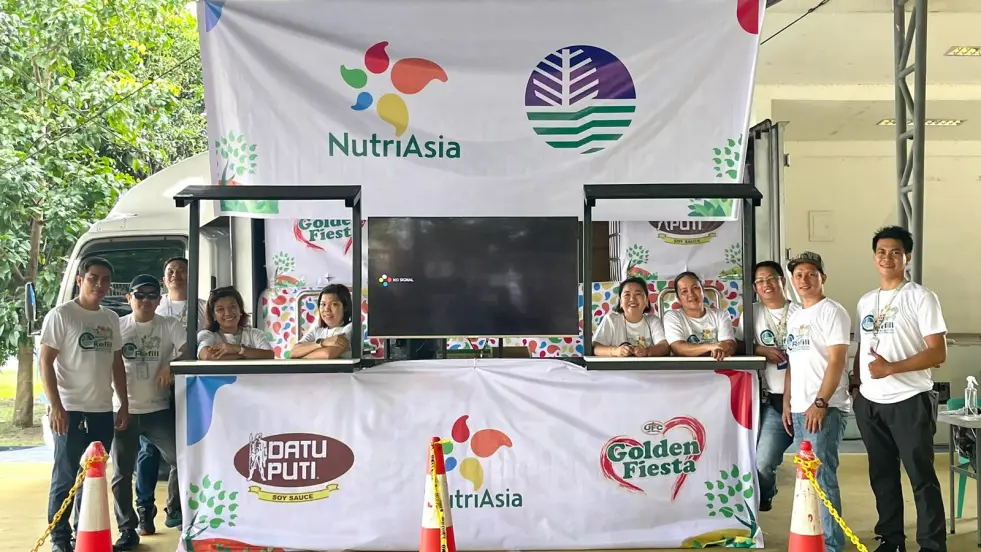
NutriAsia, the country’s top producer of condiments and sauces, continues its support of Refill Revolution; a project by the Department of Environment and Natural Resources EMB 3 that aims to help reduce Filipinos’ single-use plastics consumption. At Refill Revolution, residents get to recycle their single-use plastic bottles by reusing and filling it with their choice… Continue reading NutriAsia and DENR renews partnership for Refill Revolution

Smart Money Habits: Age Appropriate Allowance Tips for Aussie Kids
Teaching children about money is one of those parenting tasks that feels straightforward until you actually sit down to do it. Many mums and dads in Australia want their kids to grow up financially literate, yet the day to day reality of school runs, after school activities, and the endless snack requests can make financial education feel like something to worry about later. The good news is that an age appropriate allowance is one of the most practical ways to weave money lessons into ordinary family life, and it does not require a finance degree to get started.
Allowance conversations work best when they match a child's developmental stage rather than their chronological age. A five year old who can count confidently is ready for very different lessons than a thirteen year old who is already asking for their own prepaid card. Australian families are lucky to have strong community resources to lean on, including the free ASIC MoneySmart teaching materials that many primary schools use during maths and humanities blocks.
Beyond the national resources, local culture shapes how kids learn about spending and saving. Family grocery trips to Coles or Woolworths, weekend markets in Adelaide, or after school snacks at the local milk bar all become tiny classrooms when parents point out prices, compare brands, or let kids hand over coins at the counter. The trick is consistency, not perfection, and treating every small transaction as a chance to chat about value.
This guide walks through practical ways to set up an allowance that grows with your child, from the preschool years through early high school. It also includes ideas for using everyday Australian tools, from the Spriggy pocket money card to school banking programs, so the lessons feel real rather than theoretical.
Why Starting Early Matters
Children begin absorbing financial habits well before they understand what a bank does. Research consistently shows that the money attitudes people carry into adulthood are largely shaped by the conversations and routines they experienced as kids. Starting early does not mean pushing complicated concepts, it simply means letting children watch and participate in small money moments throughout the week.
In Australian households, those moments arrive quickly. A trip to the local farmer's market, a visit to the school canteen, or splitting the bill at a family lunch in Brisbane all create natural openings to talk about cost, choice, and value. When parents narrate their own thinking out loud, such as explaining why they picked the home brand laundry powder or decided to wait for a sale at Myer, kids start building an internal script for how money decisions get made.
Allowance is powerful because it puts a small amount of real money in a child's hands, with real consequences. Learning to make a dollar stretch across a week of snacks is something no worksheet can teach. The occasional disappointment of running out before the next top up is often the lesson that sticks the longest, far more than any lecture about budgeting ever could.
There is also a social layer worth acknowledging. Australian kids compare what they get with what their friends receive, and parents sometimes feel pressure to match the highest allowance on the playgroup chat. The healthy approach is to anchor allowance to your family's values and budget rather than the Joneses, and to talk openly with your child about why your system works the way it does.
Preschool Years and Early Primary
Between the ages of three and seven, children are learning to recognise coins, count small groups, and understand that money is exchanged for things they want. An allowance at this stage is less about financial independence and more about building vocabulary and confidence. A few dollars a week, dropped into a clear jar so the child can see it grow, tends to work better than digital tools that feel abstract.
Three jars is a classic approach, often labelled Save, Spend, and Share. The Spend jar covers small treats like a packet of Allen's snakes at the servo. The Save jar accumulates toward a slightly bigger goal, perhaps a new Lego set or a trip to the movies. The Share jar introduces the idea of generosity and can be directed to a cause the child cares about, such as buying pet food for the RSPCA or contributing to a school fundraiser.
Parents can support this stage by involving kids in low stakes spending decisions. Let your child choose between two toys within a set budget at Kmart, or hand over the coins when paying for a sourdough loaf at the local bakery. These tiny moments teach that every purchase means choosing one thing over another, which is the foundation of all later budgeting skills.
Reading picture books about money and visiting places where cash still rules, such as a community market stall in Fremantle, also reinforces the lessons. Children at this age learn best through repetition and sensory experience, so tactile coins and visible jars beat apps every time.
Upper Primary and the Tween Years
Once children hit eight or nine, their numerical skills jump, their peer influence grows, and their desires get more expensive. This is a great window to introduce more structured allowance systems, where a set amount is handed over weekly or fortnightly and the child is responsible for managing specific categories of spending. Parents often define the categories clearly, covering things like lunch orders, app purchases, or outings with friends.
The Spriggy card has become a popular option among Australian families at this stage. It works like a prepaid debit card managed through a parent's phone, which means kids can practice paying for things at the school canteen or downloading a game from the app store without needing a full bank account. Parents can top up automatically, set spending limits, and monitor transactions, which removes the worry of lost cash while still giving children real responsibility.
School banking programs such as the Commonwealth Bank Dollarmites initiative remain common across many primary schools in Sydney, Melbourne, and regional centres. While the program has evolved over the years, the principle of a weekly deposit made by the child themselves remains valuable. Encourage your tween to keep a simple notebook listing deposits and any withdrawals, which builds the habit of tracking money rather than relying on memory.
Allowance amounts at this age deserve a family conversation. Some parents choose to tie part of the allowance to chores, while others prefer a flat amount with separate expectations around household contributions. There is no single right answer, but the logic should be explained so children understand the system and can negotiate changes as they grow.
Tweens, Teens, and Growing Independence
By the time children reach secondary school, allowance discussions shift toward longer term goals and more autonomy. Many families begin transitioning to a youth bank account, often opened with a parent at a local branch or through digital banks like Up or 86400. At this stage, an allowance can become a small salary, with the child expected to cover certain categories of personal spending such as clothing, entertainment, or phone bills.
Conversations about saving for bigger goals become more sophisticated. A thirteen year old who wants the latest AirPods can learn to plan over several pay cycles, weigh up whether to buy new or refurbished, and consider whether the purchase is worth the trade off of missing out on something else. Parents can support this by sharing their own saving strategies, whether that is using Afterpay responsibly, waiting for EOFY sales, or putting spare cash into a high interest savings account.
Part time work often enters the picture during the later teen years, particularly for students in years 10 and 12 who are thinking about university costs, a gap year, or a first car. Australian workplaces hire teenagers for retail, hospitality, and tutoring roles, and the experience of earning an hourly wage in a structured setting teaches lessons that an allowance simply cannot. Parents can help by reviewing the first payslip together, explaining tax and superannuation, and celebrating the milestone.
At every stage, parents benefit from being honest about their own financial mistakes. Admitting that you once blew your holiday budget on a shopping spree in Surfers Paradise, or that you wish you had started investing earlier, makes the topic feel human rather than preachy. Kids remember honesty far longer than they remember rules.
Practical Tools and Helpful Habits
Australian families have access to a growing range of tools designed to make money education engaging for kids. The right combination depends on your child's age, your household values, and how much screen time you are comfortable with. Below is a quick comparison of common approaches.
| Approach | Best Age Range | Pros | Things to Watch |
|---|---|---|---|
| Three jars (Save, Spend, Share) | 3 to 7 | Visual, tactile, no screens needed | Coins can get lost, no digital record |
| Cash in wallet with notebook | 8 to 11 | Builds tracking habits, real world feel | Easy to misplace, no spending alerts |
| Spriggy prepaid card | 8 to 14 | App based monitoring, widely accepted | Monthly fees, requires a smartphone |
| Youth bank account | 12 to 17 | Real banking skills, builds savings history | Need parental guidance on overdrafts |
| Part time job | 15 and up | Builds work ethic, real tax exposure | Must balance with school commitments |
Everyday Habits That Build Lasting Skills
- Review money choices at the dinner table, asking what your child bought, saved, or wished they had done differently that week.
- Match a small portion of savings toward a goal your child cares about, such as a surfboard or concert tickets, to teach the power of compound motivation.
- Set up a weekly money meeting of fifteen minutes to top up the card, review spending, and plan the week ahead together.
- Encourage comparison shopping at the supermarket by giving older kids a small budget for a household item and letting them find the best deal.
- Role play scenarios like splitting a birthday gift card between save, spend, and share, so decisions feel less abstract.
- Use ASIC's MoneySmart resources, which include lesson plans and games tailored to Australian curricula.
- Praise effort and reflection rather than outcomes, so kids learn that smart money habits matter more than perfection.
Building financial confidence in children is a long game, and every family will find their own rhythm. For more parenting ideas and gentle guidance on raising capable kids, visit wondermomma.net for fresh articles each week.

Mercato Centrale, in collaboration with Indian Women in Enterprise Philippines (I-We), is set to host "The Great Indian Fiesta" to mark 75 years of friendship between India and the Philippines. The dynamic two-day event is scheduled to take place on September 30 to October 1, 2023, at Paseo De Roxas Street, Makati City. Aiming to… Continue reading Mercato Centrale Partners with I-We to Host ‘The Great Indian Fiesta’, Commemorating 75 Years of India-Philippines Friendship

My stomach would usually start growling at 10 am even after taking a big breakfast. This is probably because I am a morning person and I move a lot throughout the day hence snacking is something that I can't avoid. This potatoes and chicken wrap recipe is easy to prepare and would keep me full… Continue reading Potato and Chicken Wrap
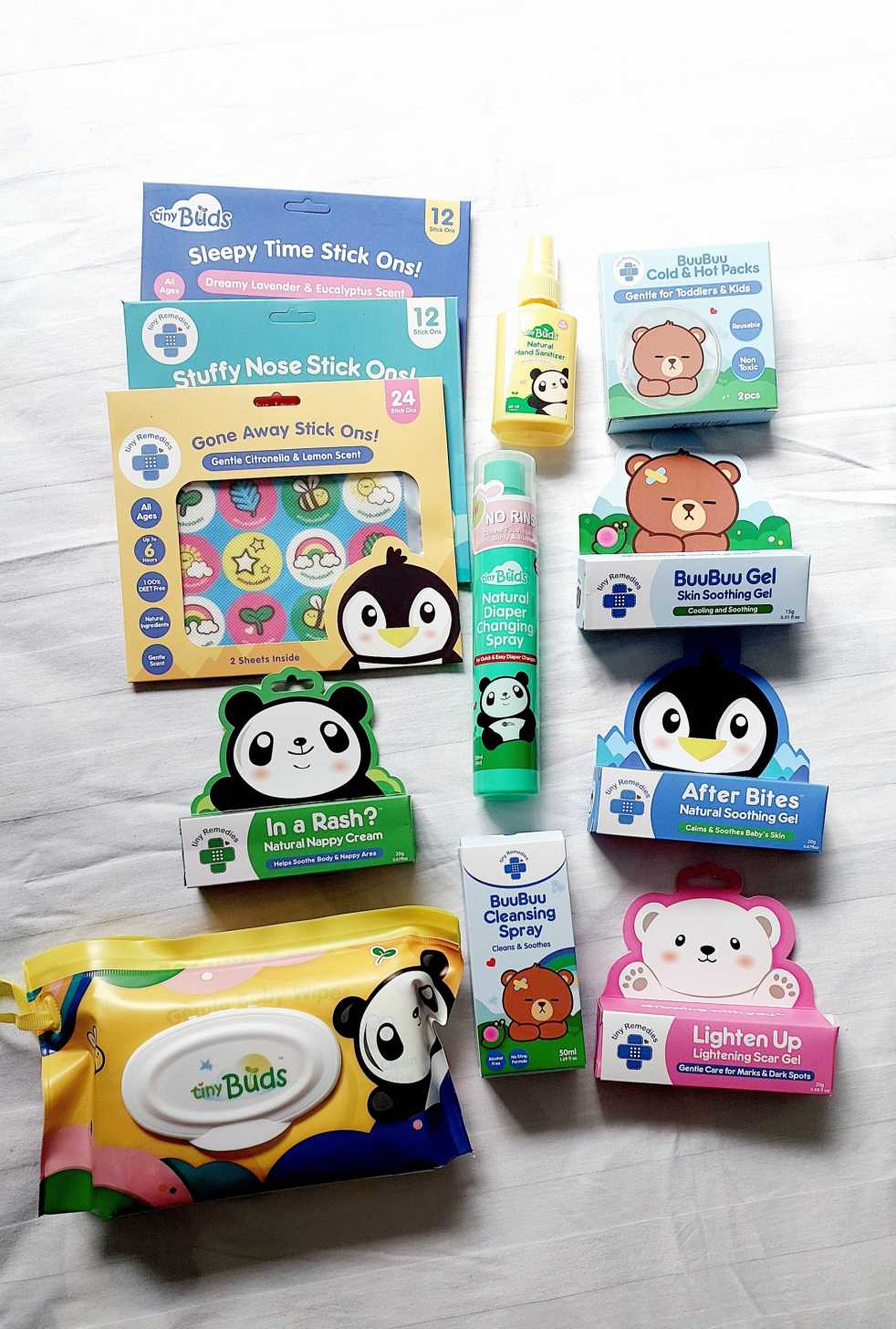
Your baby’s skin is more delicate than most, this is why you have to choose products that are designed for sensitive skin. Tiny Buds is a pioneer in integrating natural ingredients into baby care and today has over 50 innovative natural baby care essentials and is one of the Top Baby Personal Care brands. Here… Continue reading Product Review: Tiny Buds Baby Naturals Baby Essentials
Where your child goes to school is a big decision and shouldn’t be taken lightly. Given how their education can impact their future, you might be tempted to take control and decide for them. However, you might be doing more damage than helping them in the long run. Your job as parents is to support… Continue reading HOW TO CHOOSE THE BEST SCHOOL FOR YOUR CHILD
As poet and philosopher Rumi once eloquently said, “raise your words, not your voice. It is rain that grows flowers, not thunder.” Parenting is a challenging journey, and the truth is that nobody has everything figured out. One parenting style might suit others best, and some might favor other methods. However, children respond better to… Continue reading A SIMPLE GUIDE TO GENTLE PARENTING

Whether you’re a new mom to be, mom of a toddler, mom who have school-aged kids, you’re bound to have so many questions. Let's start with your baby's skin. Infant skin has unique needs; gentle care is essential to prevent damage to the skin barrier, which can lead to irritation. When caring for infant skin,… Continue reading Keeping Baby’s Diapered Skin Healthy
As parents, we want to give our child the best possible start in life and that begins with nurturing their intelligence. Throughout history, the notion of success has been linked to academic intelligence. However, there has been an increased awareness on the importance of emotional intelligence. This question gets at the heart of the never-ending… Continue reading IQ or EQ, which one is a better predictor of your child’s success?
 wondermomma.net