
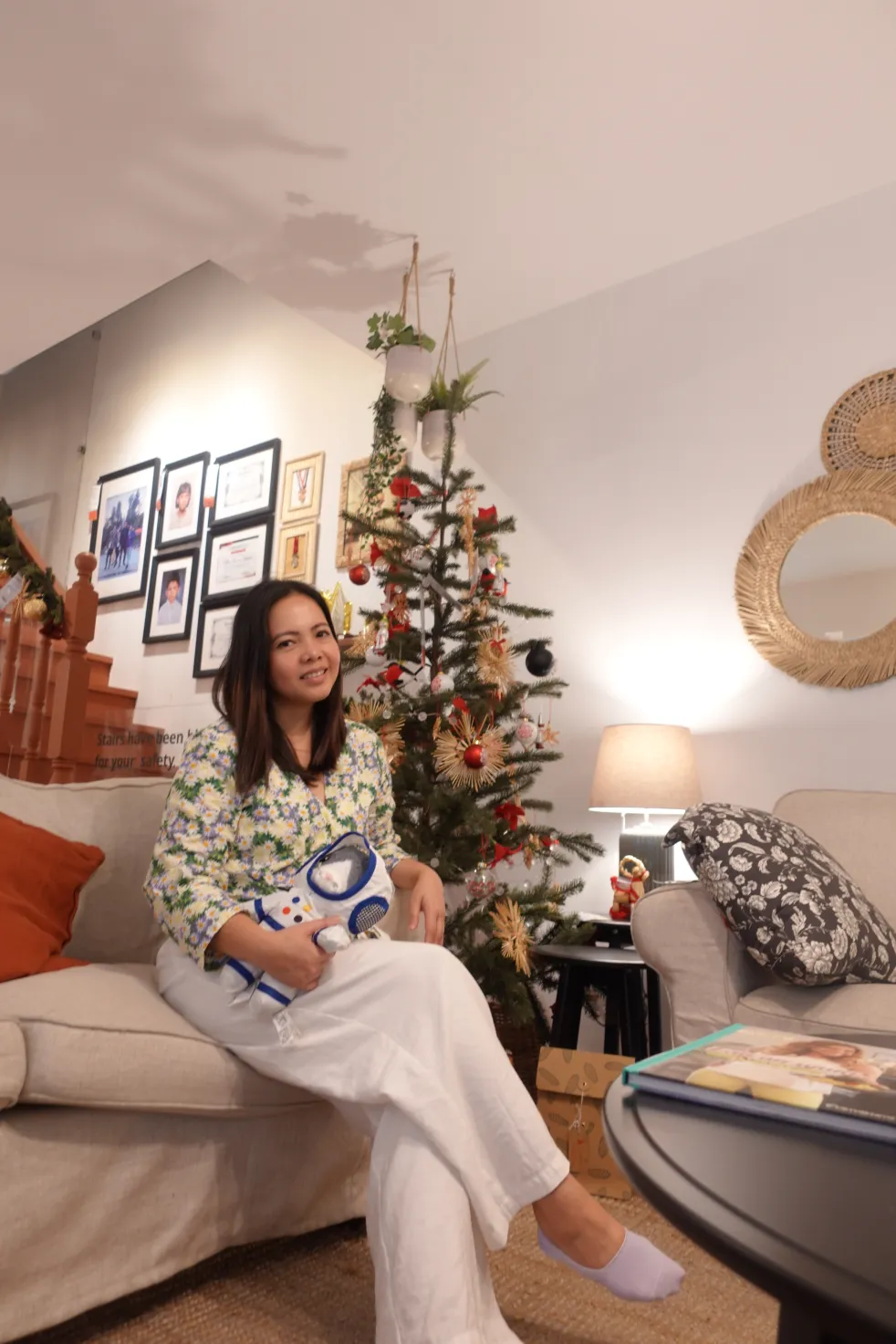
Last August, IKEA Philippines engaged with Better World Smokey Mountain, a newly opened community center operated by the San Miguel Foundation, which shares a similar goal of improving the lives of many Filipino people. Through this partnership, IKEA Philippines provided and assembled home furnishings for the classrooms and library of Better World Smokey Mountain community… Continue reading Help Create a Better World with IKEA Soft Toys
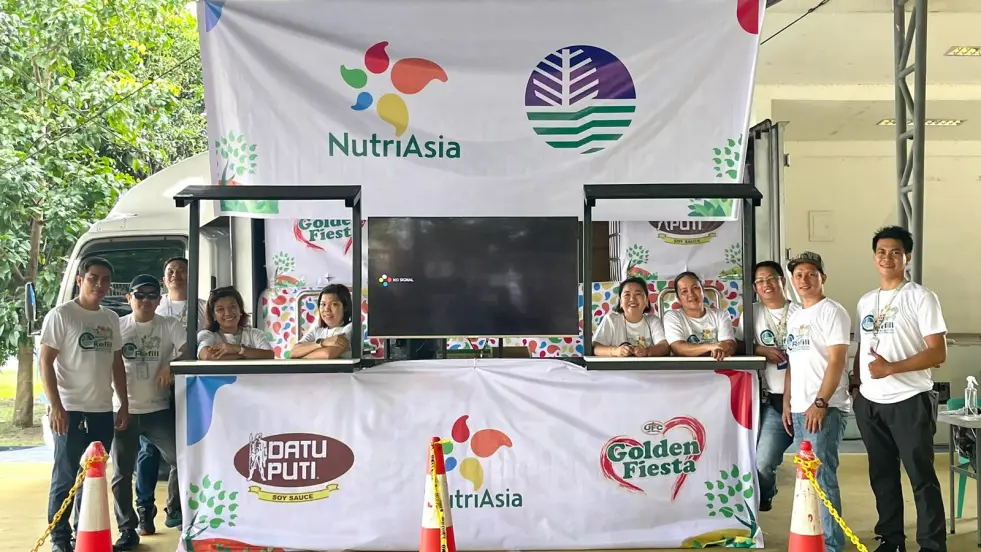
NutriAsia, the country’s top producer of condiments and sauces, continues its support of Refill Revolution; a project by the Department of Environment and Natural Resources EMB 3 that aims to help reduce Filipinos’ single-use plastics consumption. At Refill Revolution, residents get to recycle their single-use plastic bottles by reusing and filling it with their choice… Continue reading NutriAsia and DENR renews partnership for Refill Revolution

Teaching kids about Filipino culture and traditions at home
Children learn culture through repeated, meaningful experiences. A family meal, a bedtime story about a local hero, or a respectful greeting to an elder can become a child’s first connection to Filipino identity. These small moments help children understand where their family comes from while giving them values they can carry into school and community life.
Teaching kids about Filipino culture at home does not require elaborate lessons or expensive materials. Parents can use ordinary routines, family stories, music, food, language, and celebrations as natural learning opportunities. The goal is to make heritage feel warm, relevant, and lived rather than something reserved for history books or special occasions.
Families in the Philippines have different regional backgrounds, languages, beliefs, and customs. A child may grow up with Tagalog, Cebuano, Ilocano, Hiligaynon, Waray, or another language at home. Sharing your family’s particular traditions helps children appreciate both their own roots and the rich diversity of Filipino culture.
Begin with family stories and roots
Children are often fascinated by stories about their parents and grandparents. Tell them where relatives grew up, what childhood was like in the province or city, which foods were common at home, and how family members celebrated birthdays, fiestas, graduations, and other milestones. Photographs, old letters, heirlooms, and familiar places can make these stories easier to understand.
Create a simple family tree together using names, photos, and locations. If relatives live far away, arrange a video call so children can hear family memories directly. Grandparents may share stories about traditional games, school life, courtship, work, or community celebrations that are rarely recorded elsewhere.
While sharing family history, explain that every household has its own customs. Some families may have strong regional or indigenous traditions, while others may have mixed Filipino and international heritage. Present these differences positively, helping children see culture as something that grows through families, communities, and generations.
Make Filipino values part of daily life
Values become meaningful when children see them in action. Discuss paggalang, or respect, when teaching children to greet older relatives with “po” and “opo” or to offer a respectful mano. Explain that these practices express affection and courtesy, while also reminding children that respect should be shown to people of all ages.
Other Filipino values can be connected to ordinary family situations. Bayanihan can be demonstrated when everyone helps clean the house, prepares food for a gathering, or supports a neighbor. Pakikipagkapwa can be explained through empathy and treating others as fellow human beings. Gratitude, hospitality, humility, and concern for family can all be reinforced through specific examples.
Gentle parenting works well with cultural learning because it focuses on connection rather than forced performance. Instead of demanding that a child recite a greeting perfectly, model it calmly and explain its meaning. Give children time to participate in family customs in ways that suit their age, personality, and comfort level.
Use food, language, and music as learning tools
Cooking Filipino dishes together offers a sensory way to explore heritage. Children can wash vegetables, measure ingredients, fold lumpia, shape rice cakes, or help prepare a simple bowl of arroz caldo. As you cook, talk about regional ingredients, family recipes, and the occasions when certain dishes are served.
Food traditions can also teach flexibility. Explain that adobo, sinigang, pancit, and bibingka may taste different from one household to another. There is rarely one single “correct” version of a beloved dish. Let children record a grandparent’s recipe, draw the ingredients, or create a family cookbook with short notes about each meal.
Language practice can be gentle and practical. Choose one Filipino word or phrase each day and use it naturally in conversation. Name household objects in a Philippine language, sing nursery rhymes, listen to kundiman or regional folk songs, and encourage children to ask relatives about words they do not know. Language learning supports cultural identity even when a child is still developing fluency.
| Family activity | Cultural learning | Age-friendly approach |
|---|---|---|
| Preparing a family recipe | Regional food, hospitality, cooperation | Let young children wash, mix, or decorate |
| Practising “po,” “opo,” and “mano” | Respect and family relationships | Model the custom without forcing it |
| Listening to folk songs | Local languages, music, and history | Add movement, instruments, or drawing |
| Playing traditional games | Community life and active play | Start with patintero, tumbang preso, or sungka |
| Visiting a museum or heritage site | Philippine history and identity | Ask children to notice, describe, and retell |
| Calling older relatives | Oral history and family connection | Prepare a few simple questions together |
Share stories from Philippine history and literature
Books and storytelling help children meet Filipino heroes, artists, scientists, writers, and community leaders. Choose age-appropriate biographies and picture books about figures such as José Rizal, Gabriela Silang, Apolinario Mabini, Tandang Sora, Hidilyn Diaz, or other people whose lives reflect courage, service, creativity, and perseverance.
Avoid presenting history as a list of dates to memorize. Ask children what a person might have felt, what choices they made, and how those choices affected others. Older children can compare different accounts of an event and learn that history includes many voices, including those of women, indigenous communities, workers, and ordinary families.
Philippine mythology and folklore can also encourage imagination. Stories about the babaylan, kapre, diwata, or regional legendary creatures should be presented as traditional narratives, not facts that children must fear. Explain that stories can reflect a community’s beliefs, environment, hopes, and warnings. Parents can invite children to illustrate a tale or retell it in their own words.
Celebrate traditions with meaning
Holidays and community events provide natural opportunities for cultural education. During Christmas, children can learn about Simbang Gabi, parol-making, caroling, family reunions, and the many ways Filipino households celebrate. During Independence Day, talk about freedom, national symbols, and the responsibilities of being part of a community.
Fiestas, town anniversaries, harvest celebrations, and religious observances vary widely across the country. Explain the reason behind your family’s participation and teach children to behave respectfully in sacred or public spaces. If your household observes traditions from more than one culture, include each one without suggesting that children must choose a single identity.
Crafts can make these celebrations memorable. Children may create paper parol, draw a barangay scene, weave simple paper patterns inspired by local textiles, or make decorations using recycled materials. Use these projects to discuss color, symbolism, local artistry, and the people who preserve traditional crafts.
Connect heritage with community care
Filipino identity is closely connected to relationships and shared responsibility. Encourage children to greet neighbors, help prepare food for visitors, share toys appropriately, and participate in age-appropriate community projects. A coastal cleanup, donation drive, tree-planting activity, or visit to a local cultural center can show that heritage includes caring for people and places.
Teach children to appreciate Filipino traditions without stereotyping anyone. Not every Filipino speaks the same language, eats the same food, practices the same religion, or follows identical family customs. Explain that cultural pride should make room for respect, curiosity, and inclusion.
Parents can also discuss how traditions change. Families may adapt recipes for health reasons, celebrate through online calls, use modern music, or combine Filipino customs with those from another culture. These changes do not automatically weaken heritage. When the meaning and values are understood, culture can remain alive in new forms.
Build a simple home culture routine
Consistency helps cultural learning become part of family life rather than an occasional school project. Choose a weekly or monthly rhythm that fits your household. One weekend might focus on a recipe, another on a story, and another on music or a visit to a local heritage site. Keep activities short enough to remain enjoyable.
- Set aside one family story night each month and invite an older relative to share memories.
- Keep a small basket of Filipino books, songs, recipes, maps, and photographs where children can explore them.
- Learn one Filipino word, regional expression, or respectful phrase together each week.
- Play traditional Filipino games during screen-free afternoons or family gatherings.
- Mark cultural celebrations with a short explanation of their history, purpose, and connection to your family.
Let children choose some activities as they grow. A preschooler may enjoy songs and cooking, while an older child may prefer photography, interviewing relatives, researching a hero, or learning a regional language. Their interests can guide the next experience while parents continue to provide context and encouragement.
The most lasting lessons often happen in ordinary moments: saying “salamat,” sharing food with a visitor, listening to a grandparent, caring for a neighborhood, or proudly explaining the meaning of a family custom. Choose one tradition this week, practise it with warmth, and keep building a home where Filipino heritage is heard, tasted, remembered, and lived.
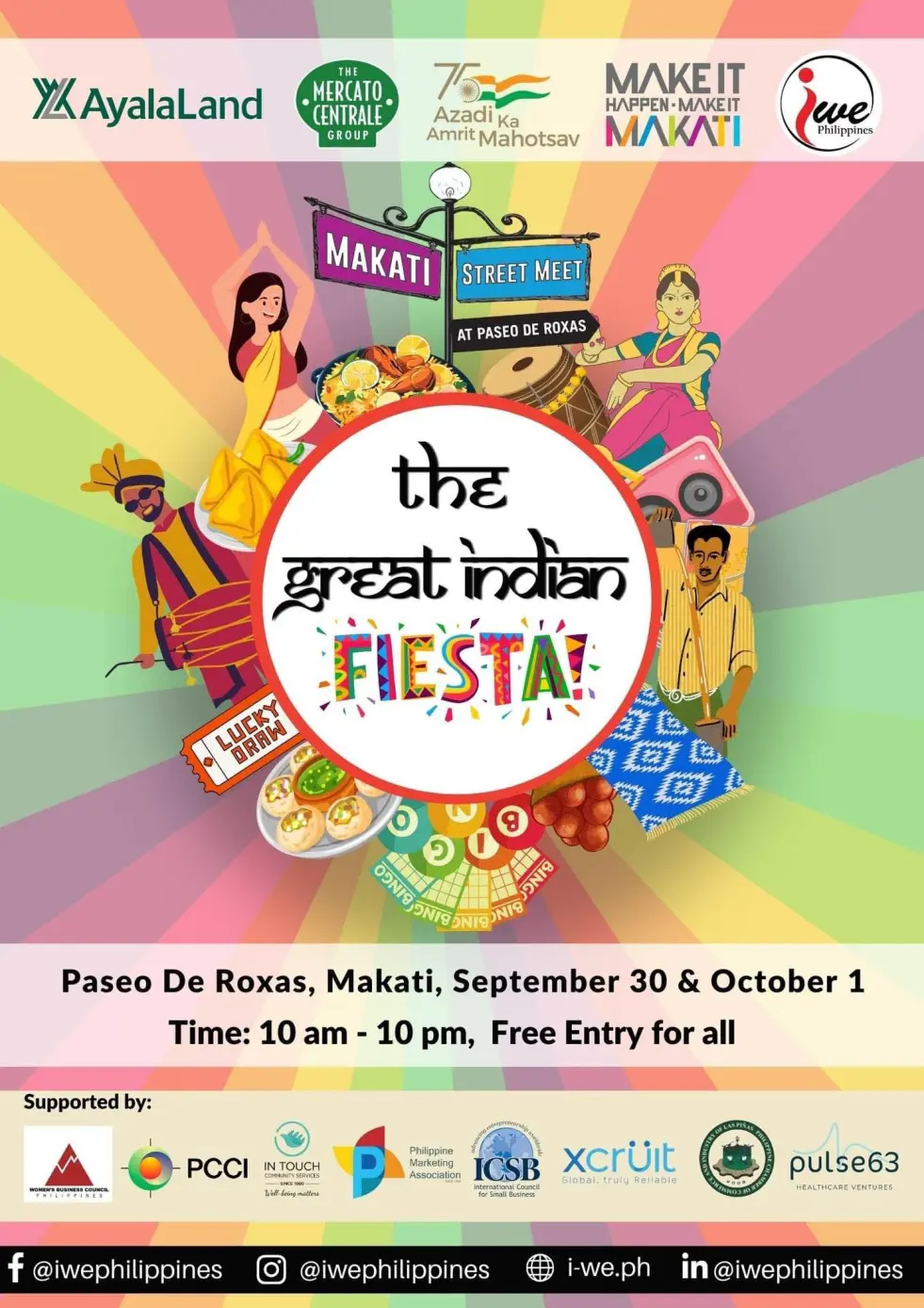
Mercato Centrale, in collaboration with Indian Women in Enterprise Philippines (I-We), is set to host "The Great Indian Fiesta" to mark 75 years of friendship between India and the Philippines. The dynamic two-day event is scheduled to take place on September 30 to October 1, 2023, at Paseo De Roxas Street, Makati City. Aiming to… Continue reading Mercato Centrale Partners with I-We to Host ‘The Great Indian Fiesta’, Commemorating 75 Years of India-Philippines Friendship

My stomach would usually start growling at 10 am even after taking a big breakfast. This is probably because I am a morning person and I move a lot throughout the day hence snacking is something that I can't avoid. This potatoes and chicken wrap recipe is easy to prepare and would keep me full… Continue reading Potato and Chicken Wrap
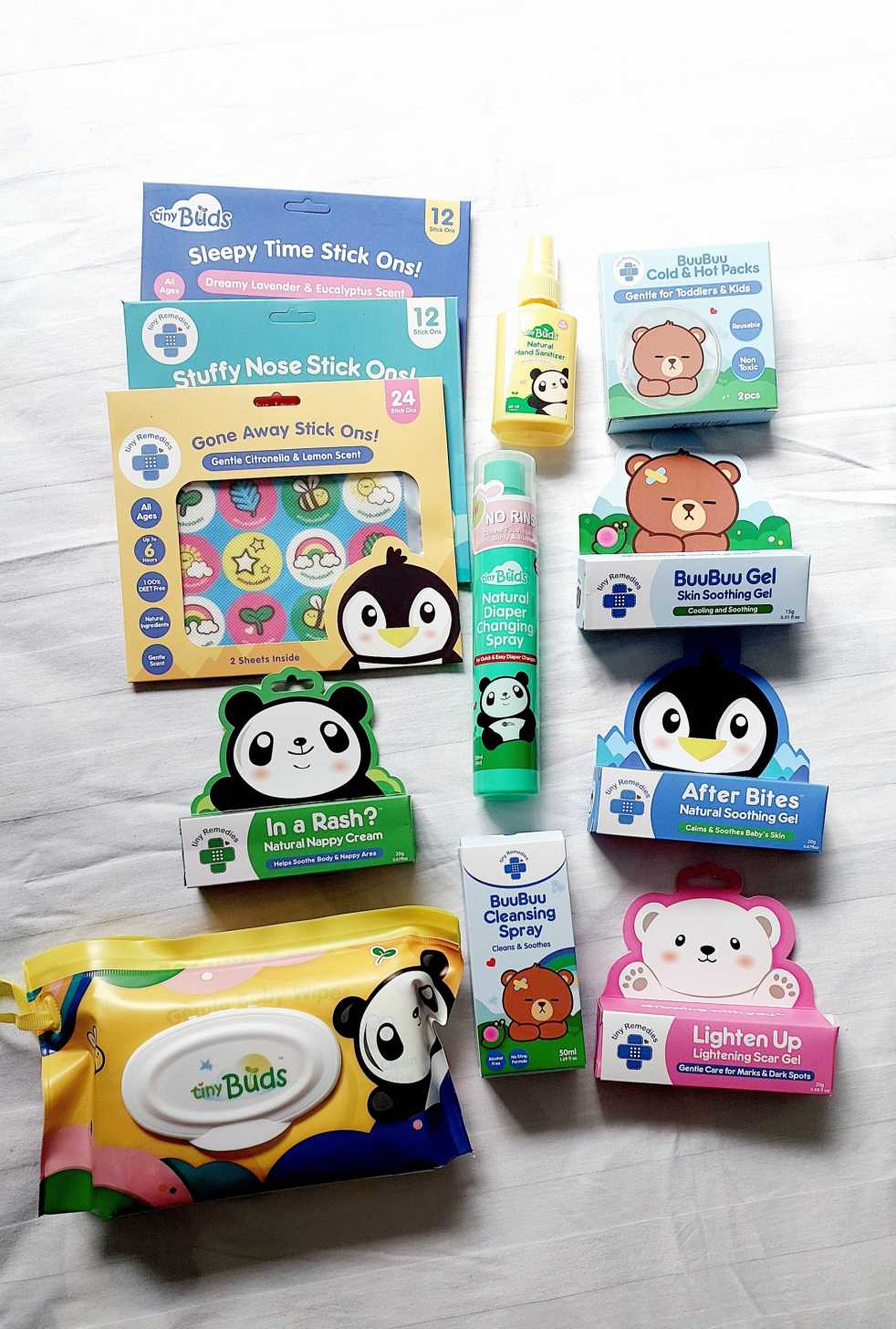
Your baby’s skin is more delicate than most, this is why you have to choose products that are designed for sensitive skin. Tiny Buds is a pioneer in integrating natural ingredients into baby care and today has over 50 innovative natural baby care essentials and is one of the Top Baby Personal Care brands. Here… Continue reading Product Review: Tiny Buds Baby Naturals Baby Essentials
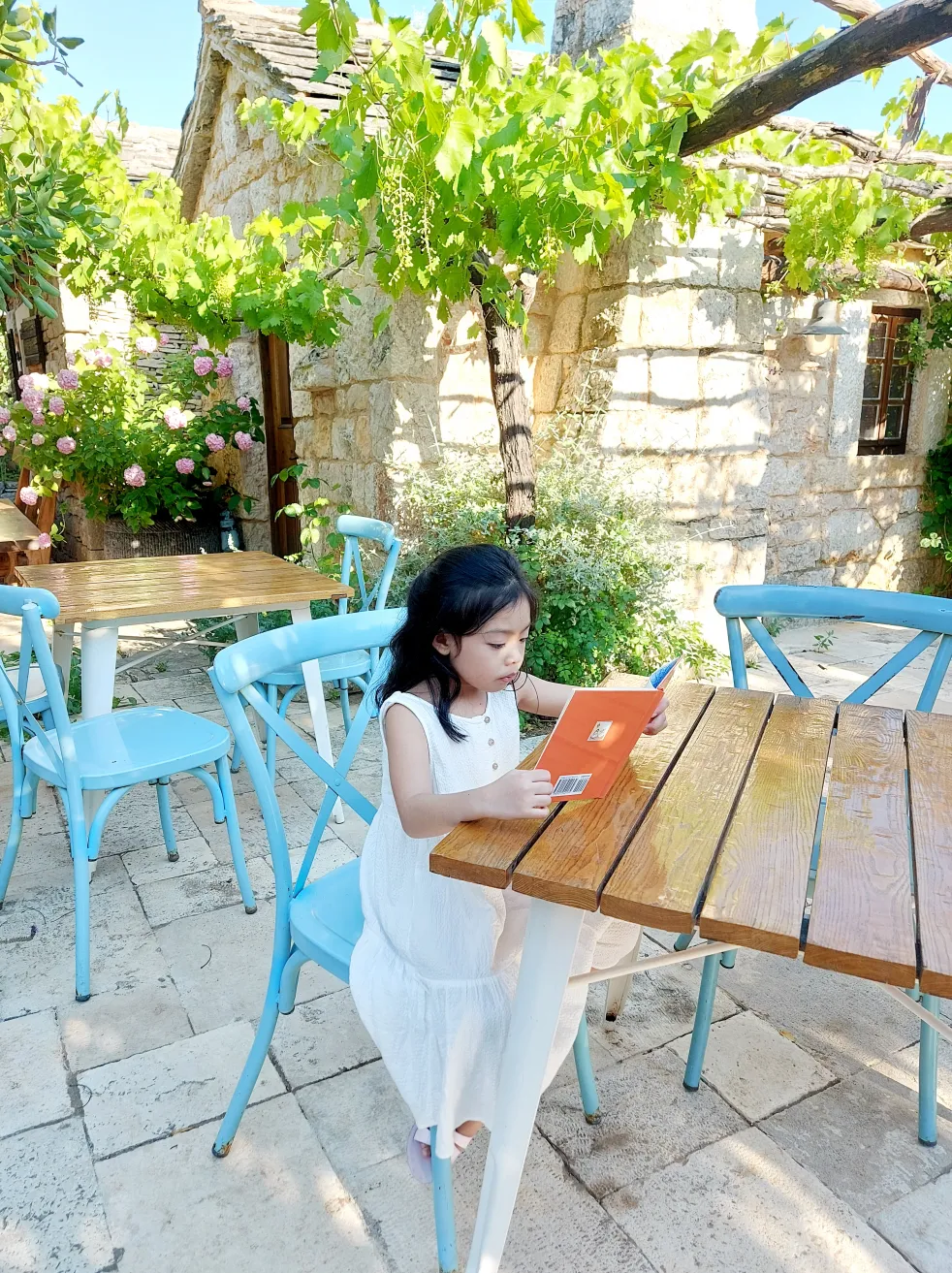
Where your child goes to school is a big decision and shouldn’t be taken lightly. Given how their education can impact their future, you might be tempted to take control and decide for them. However, you might be doing more damage than helping them in the long run. Your job as parents is to support… Continue reading HOW TO CHOOSE THE BEST SCHOOL FOR YOUR CHILD
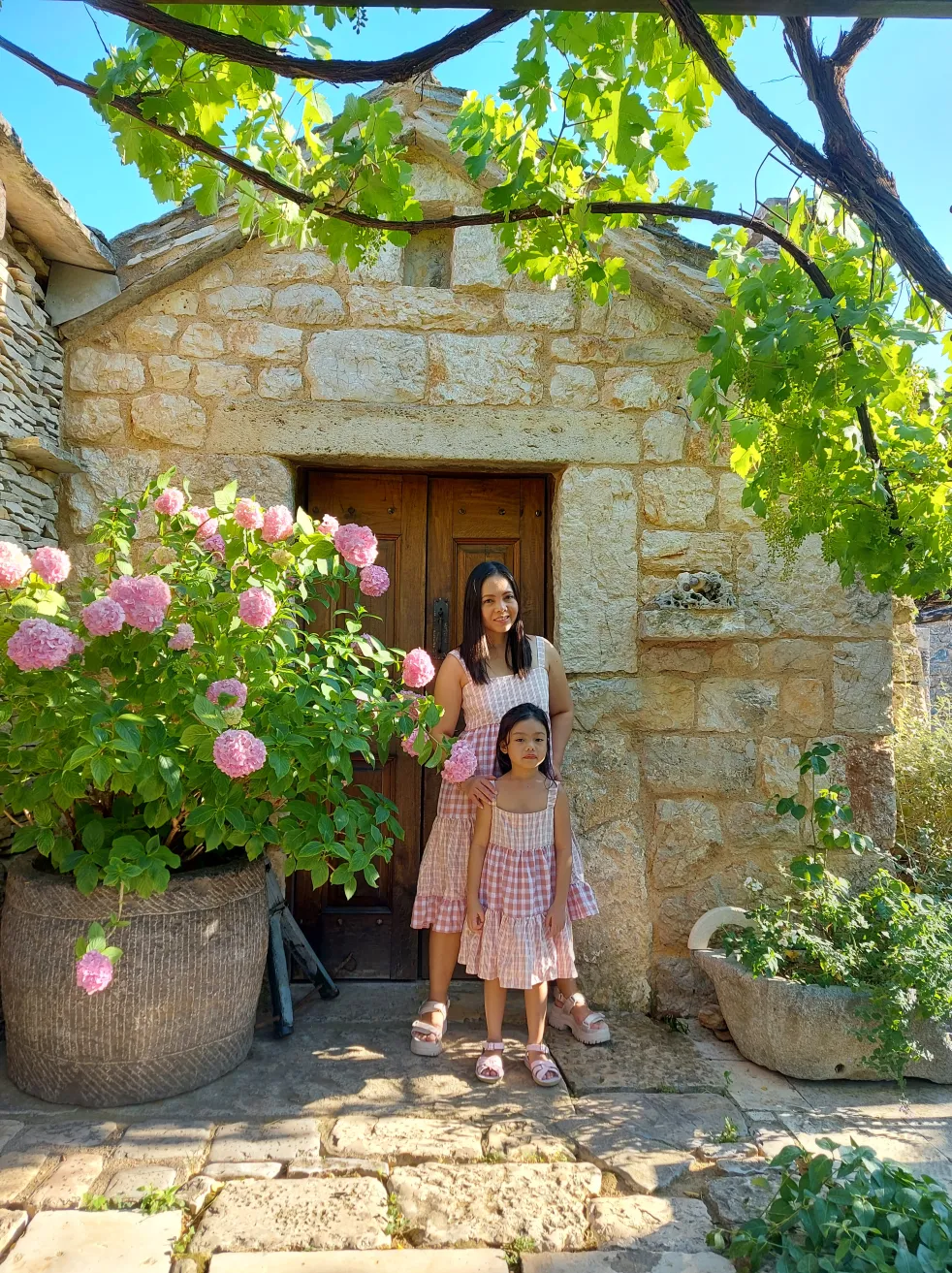
As poet and philosopher Rumi once eloquently said, “raise your words, not your voice. It is rain that grows flowers, not thunder.” Parenting is a challenging journey, and the truth is that nobody has everything figured out. One parenting style might suit others best, and some might favor other methods. However, children respond better to… Continue reading A SIMPLE GUIDE TO GENTLE PARENTING
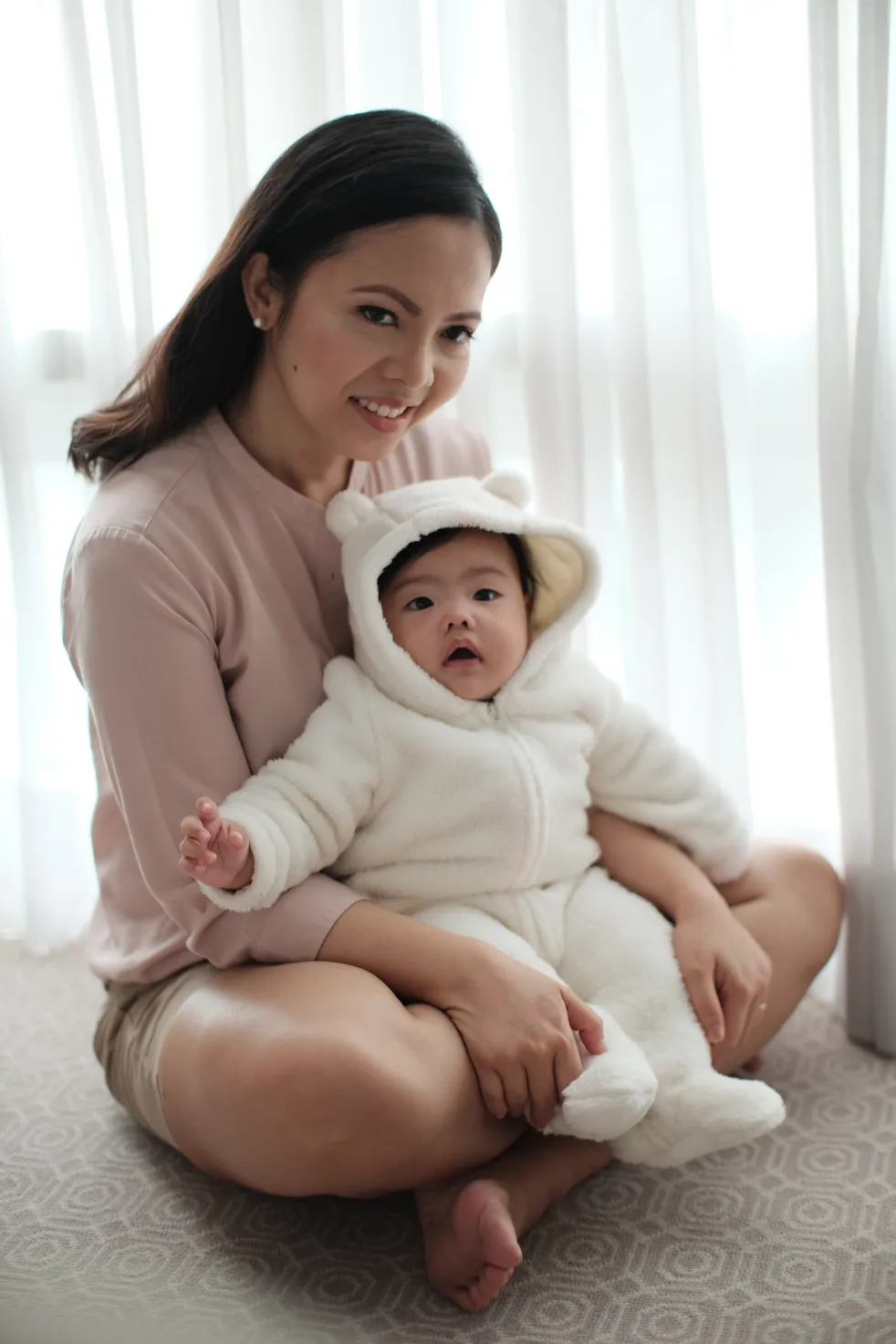
Whether you’re a new mom to be, mom of a toddler, mom who have school-aged kids, you’re bound to have so many questions. Let's start with your baby's skin. Infant skin has unique needs; gentle care is essential to prevent damage to the skin barrier, which can lead to irritation. When caring for infant skin,… Continue reading Keeping Baby’s Diapered Skin Healthy
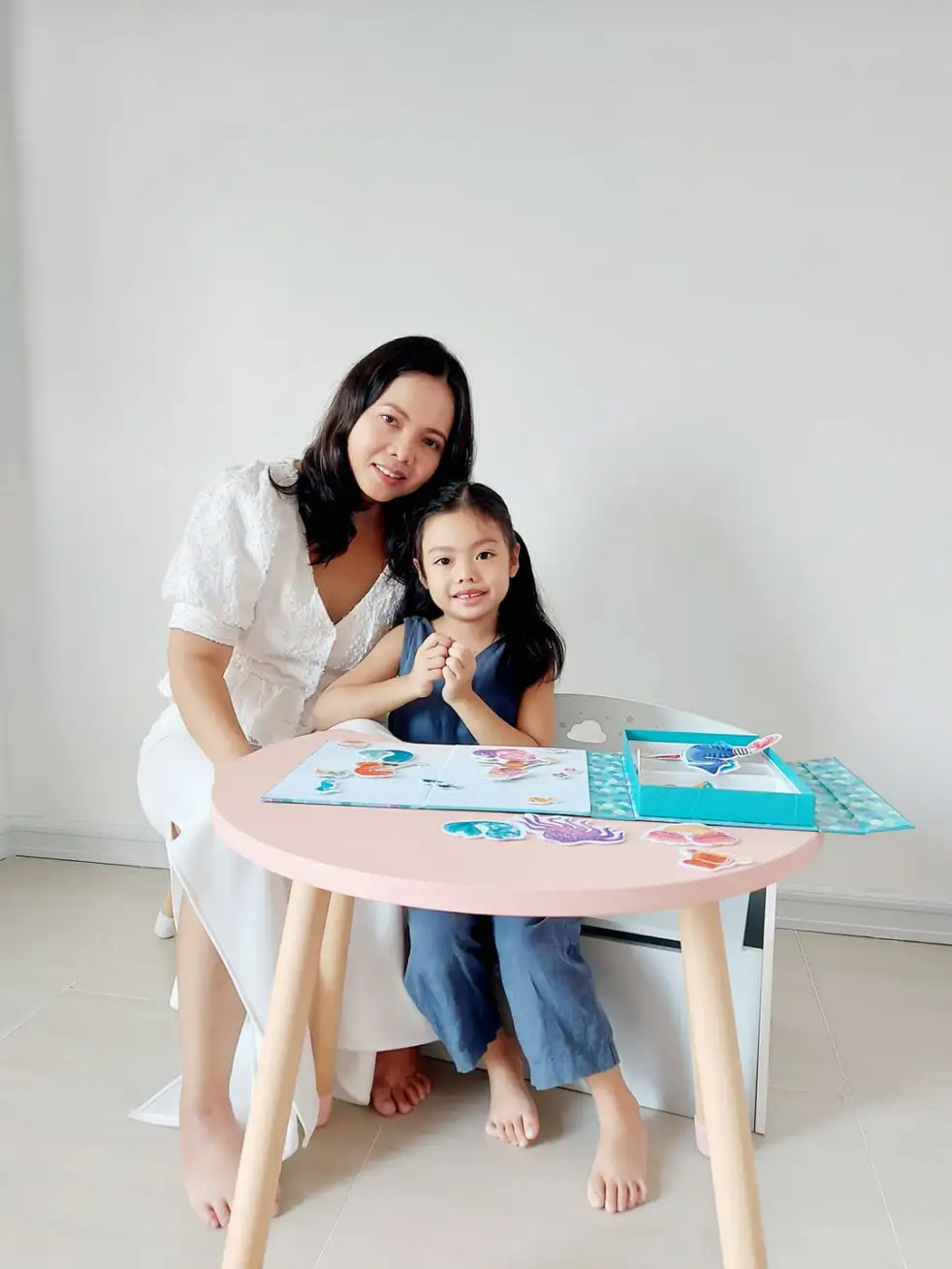
As parents, we want to give our child the best possible start in life and that begins with nurturing their intelligence. Throughout history, the notion of success has been linked to academic intelligence. However, there has been an increased awareness on the importance of emotional intelligence. This question gets at the heart of the never-ending… Continue reading IQ or EQ, which one is a better predictor of your child’s success?
 wondermomma.net