
Last August, IKEA Philippines engaged with Better World Smokey Mountain, a newly opened community center operated by the San Miguel Foundation, which shares a similar goal of improving the lives of many Filipino people. Through this partnership, IKEA Philippines provided and assembled home furnishings for the classrooms and library of Better World Smokey Mountain community… Continue reading Help Create a Better World with IKEA Soft Toys
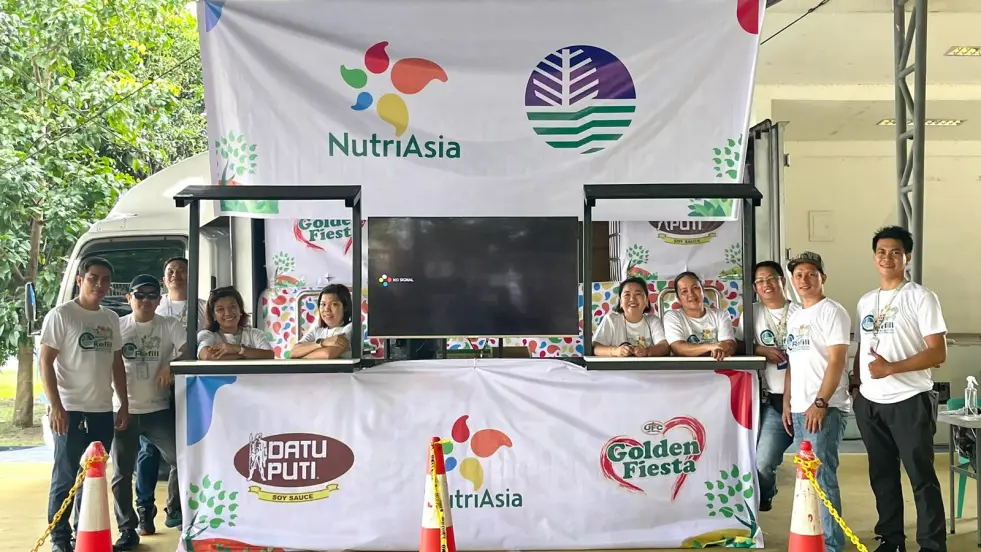
NutriAsia, the country’s top producer of condiments and sauces, continues its support of Refill Revolution; a project by the Department of Environment and Natural Resources EMB 3 that aims to help reduce Filipinos’ single-use plastics consumption. At Refill Revolution, residents get to recycle their single-use plastic bottles by reusing and filling it with their choice… Continue reading NutriAsia and DENR renews partnership for Refill Revolution

Teaching kids to apologise sincerely without making it a chore
The squabble over the last Tim Tam at the arvo playdate has just erupted into tears, and you find yourself barking "say sorry" like a broken record. Sound familiar? Most Aussie parents have been there, hovering over a steamy-eyed toddler with a sibling hovering behind them, wondering whether the mumbled "sorry" coming out of their child's mouth actually means anything at all. In most cases, it doesn't.
A mechanical "sorry" that a child repeats on cue teaches them very little about empathy, accountability or how to repair a relationship. Children learn what they live, and if the adults around them treat apologies as a box-ticking exercise, kids absorb that message loud and clear. The good news is that sincere remorse is a skill, not an inborn trait, and it can be nurtured gently from the toddler years right through to the tween stage.
This guide walks through the small, repeatable steps that help a child move from rote words to a real, heart-felt apology. It draws on guidance used by Australian parenting programs such as Triple P and the Raising Children Network, and folds in the everyday realities of life in a Melbourne terrace, a Brisbane backyard or a Perth coastal suburb.
Why a quick "sorry" usually falls flat
Young children live in a world driven by feeling, not logic. A three-year-old who grabs a toy from a mate at kindy isn't calculating the social cost of their behaviour. They're simply chasing what they want in that moment. When a parent swoops in and demands a "sorry" on the spot, the child is more focused on escaping the uncomfortable spotlight than on understanding the impact of their actions. The word becomes a get-out-of-jail card rather than a bridge back to the hurt friend.
There's also the matter of brain development. The prefrontal cortex, which handles impulse control and perspective-taking, is still under construction well into the primary school years. Researchers often compare a young child's emotional regulation to a building site: scaffolding everywhere, but the structure isn't finished. Forcing mature apology behaviour on an unfinished building only creates frustration for both of you.
On top of that, repeated demands to apologise can breed quiet resentment. Children begin to associate the word "sorry" with shame, lectures and the heavy sigh of an exasperated parent. Over time, this can show up as a child who avoids owning up, hides mistakes, or apologises profusely without changing behaviour. None of that is what any of us want, especially when the playground politics of Year 3 can get more tangled than a local footy club's fixture list.
Lead by example: your own apologies carry weight
Children are watching you far more than they're listening to you. When you snap at your partner over a burnt dinner and then quietly say, "Look, that was unfair of me, I was tired and I shouldn't have taken it out on you," your child is learning what a genuine apology looks like in real time. They're absorbing the rhythm: pause, name the action, acknowledge the impact, offer repair.
This is especially true in the no-fuss Australian culture of owning mistakes. Saying "my bad, that was a bit rough" with a calm tone and eye contact teaches more than any lecture. The key is that the apology has to feel like an offer, not a performance. If your child senses that you're just going through the motions to end a disagreement, they'll copy that same hollow script.
Try narrating your own repair work out loud during the day. "I didn't mean to interrupt you just then, sweet. You were telling me about the lizard in the backyard, and I cut you off. Let's go back to the start." It might feel a touch awkward at first, but children lap up this kind of respectful, real-world modelling. Within a few weeks, you'll often hear them echo the same structure back to a sibling, a cousin, or even the family dog.
The building blocks of a real apology
Once children have watched enough authentic apologies in action, they begin to grasp the moving parts. It helps to break these down into a simple sequence they can remember. Think of it as the four A's: action, affect, apology, amend.
The first part, the action, is simply naming what happened. "I knocked your block tower over." The second, the affect, is recognising how the other person felt. "You looked really sad, and you worked hard on that." The third, the apology, is the actual expression of remorse. "I'm sorry I did that." The final part, the amend, is offering to make things right. "Can I help you build it again?"
| Age | What they understand | How to guide the apology | What to avoid |
|---|---|---|---|
| 1–2 years | Reacts to tone and emotion more than words | Use a calm, gentle voice; comfort the hurt child first; model "gentle hands" | Long explanations, forced eye contact, lecturing |
| 3–4 years | Recognises feelings, starts to use simple "sorry" | Use the four A's in short sentences; offer choices for repair; read picture books about feelings | Demanding perfect sentences, expecting adult-level remorse |
| 5–7 years | Understands cause and effect, stronger sense of fairness | Talk through both sides before the apology; encourage them to ask what the other person needs | Rushing the conversation, dismissing their side of the story |
| 8–12 years | Can reflect on intention, understands social reputation | Discuss how the action affected trust; brainstorm genuine repair ideas; let them write or draw an apology if speaking feels hard | Public shaming, sarcasm, dragging it out for days |
You don't need to turn every bump into a teaching moment. Reserve the full four-part script for the moments that matter, and keep the language simple enough that it sounds like your family, not a script from a parenting podcast.
Helping your child put it into action
Once the framework is familiar, kids often need a bit of scaffolding to use it in the heat of the moment. Role-play can help here, especially in the calm of a Sunday arvo rather than mid-meltdown. Pick a scenario your child has already lived through, like a tug-of-war over the iPad, and gently walk through each step. "What could you say to your sister right now? What do you think she might be feeling?"
Story books are another quiet but powerful tool. Australian authors like Aaron Blabey and Mem Fox have written picture books that unpack friendship, kindness and repair in language that lands. Reading them together gives your child a shared vocabulary for tricky feelings, and it gives you a soft way to bring up the topic without pointing fingers.
When the real moment comes, it's tempting to step in and speak for your child. Instead, try a low-key prompt: "What do you want to say to Mia?" or "How could you make this better?" If words are too hard, a hug, a drawing or an offer to play the other child's favourite game can be just as meaningful. The aim is to help your child feel that repair is something they can do, not something scary that happens to them.
When apologies don't come easy
There will be days when your child digs in, crosses their arms, and refuses point blank to budge. This is normal, and it usually has very little to do with the actual incident. Hunger, tiredness, screen time overload, a tough day at school, or a build-up of small frustrations can all turn a small ask into a full-blown standoff. Picking these battles wisely is one of the kindest things you can do for everyone involved.
Sometimes the best move is to pause the apology conversation entirely and return to it later, once snacks have been eaten and the nervous system has settled. "We're going to take a brekkie break, and we'll chat about this after the eggs." Coming back to the moment with a regulated brain, yours included, often does more for a child's moral growth than any on-the-spot lecture.
Finally, give your child plenty of practice at receiving apologies, not just giving them. A culture of repair goes both ways. When they see that mistakes can be mended and relationships can bounce back, the word "sorry" loses its power as a weapon and starts to feel like what it always should have been: a doorway back to each other.

Mercato Centrale, in collaboration with Indian Women in Enterprise Philippines (I-We), is set to host "The Great Indian Fiesta" to mark 75 years of friendship between India and the Philippines. The dynamic two-day event is scheduled to take place on September 30 to October 1, 2023, at Paseo De Roxas Street, Makati City. Aiming to… Continue reading Mercato Centrale Partners with I-We to Host ‘The Great Indian Fiesta’, Commemorating 75 Years of India-Philippines Friendship

My stomach would usually start growling at 10 am even after taking a big breakfast. This is probably because I am a morning person and I move a lot throughout the day hence snacking is something that I can't avoid. This potatoes and chicken wrap recipe is easy to prepare and would keep me full… Continue reading Potato and Chicken Wrap
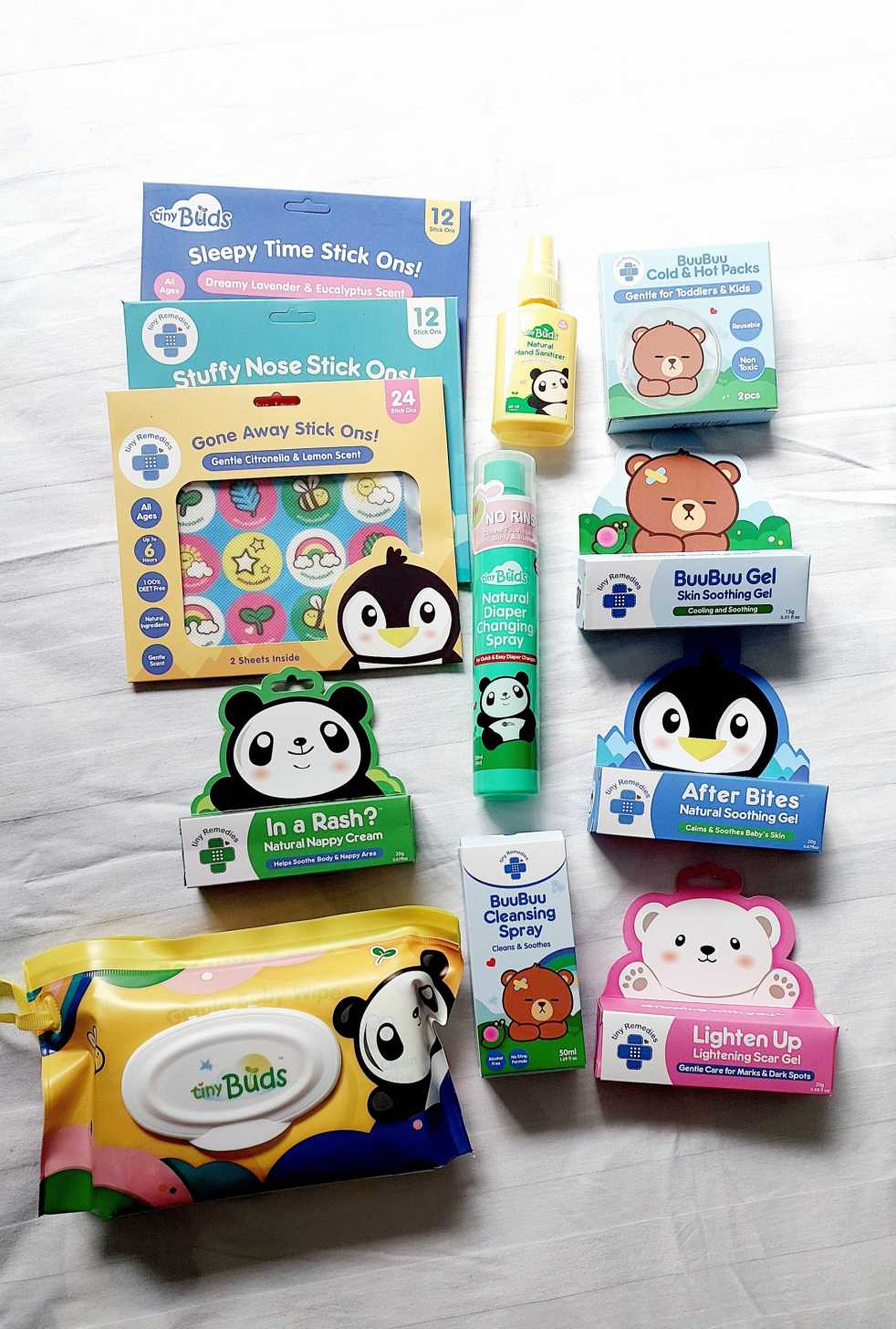
Your baby’s skin is more delicate than most, this is why you have to choose products that are designed for sensitive skin. Tiny Buds is a pioneer in integrating natural ingredients into baby care and today has over 50 innovative natural baby care essentials and is one of the Top Baby Personal Care brands. Here… Continue reading Product Review: Tiny Buds Baby Naturals Baby Essentials
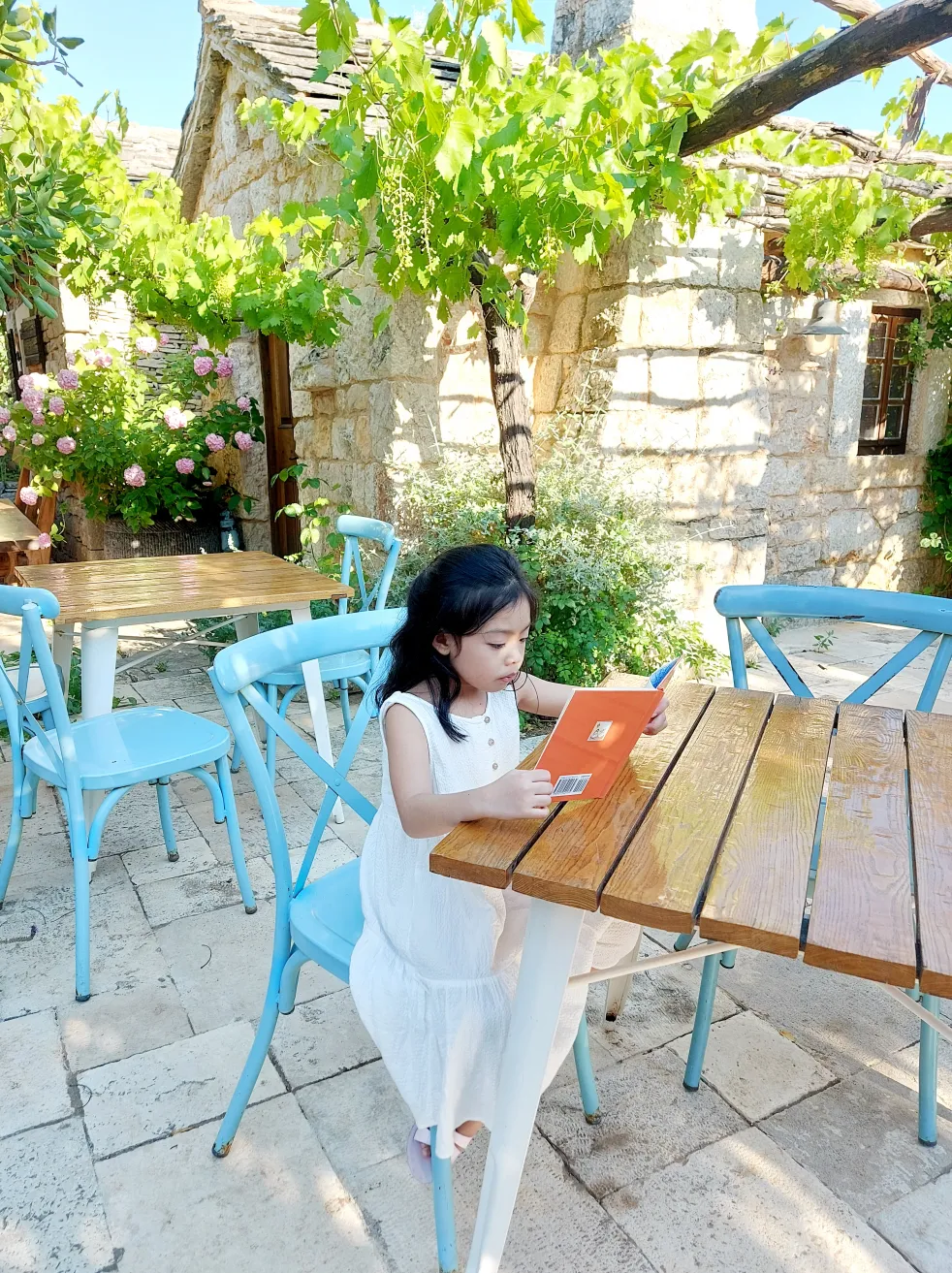
Where your child goes to school is a big decision and shouldn’t be taken lightly. Given how their education can impact their future, you might be tempted to take control and decide for them. However, you might be doing more damage than helping them in the long run. Your job as parents is to support… Continue reading HOW TO CHOOSE THE BEST SCHOOL FOR YOUR CHILD
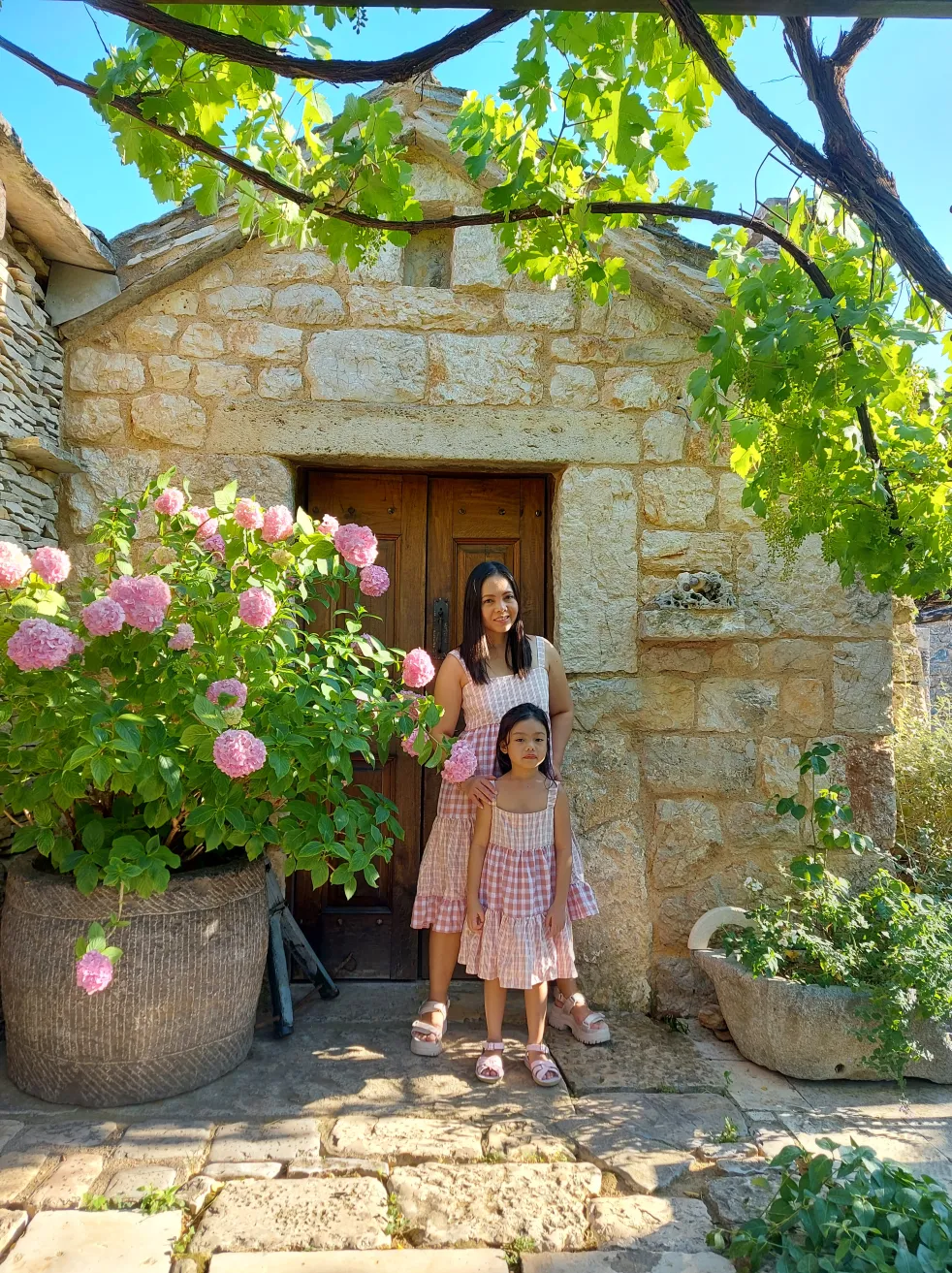
As poet and philosopher Rumi once eloquently said, “raise your words, not your voice. It is rain that grows flowers, not thunder.” Parenting is a challenging journey, and the truth is that nobody has everything figured out. One parenting style might suit others best, and some might favor other methods. However, children respond better to… Continue reading A SIMPLE GUIDE TO GENTLE PARENTING

Whether you’re a new mom to be, mom of a toddler, mom who have school-aged kids, you’re bound to have so many questions. Let's start with your baby's skin. Infant skin has unique needs; gentle care is essential to prevent damage to the skin barrier, which can lead to irritation. When caring for infant skin,… Continue reading Keeping Baby’s Diapered Skin Healthy
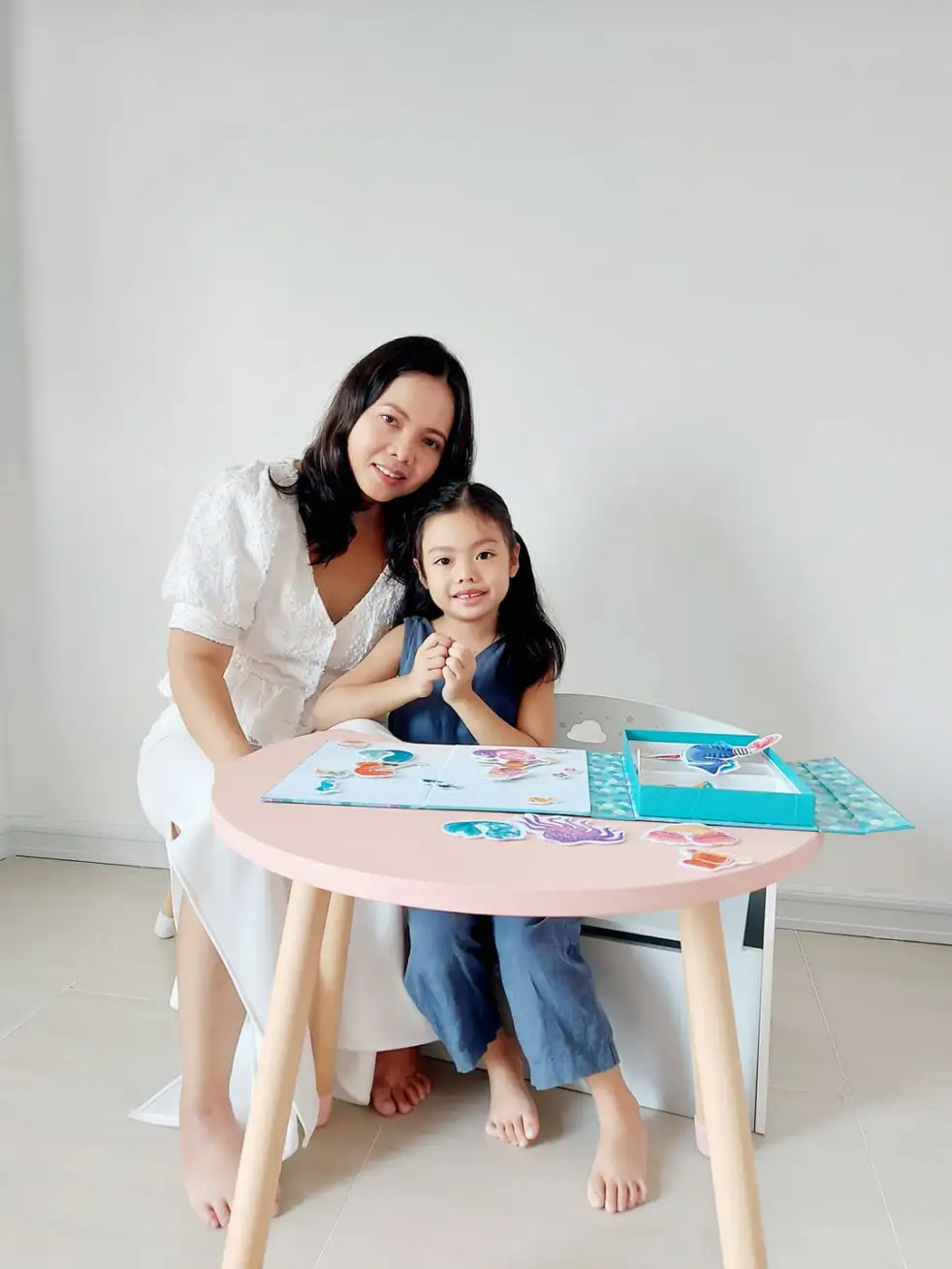
As parents, we want to give our child the best possible start in life and that begins with nurturing their intelligence. Throughout history, the notion of success has been linked to academic intelligence. However, there has been an increased awareness on the importance of emotional intelligence. This question gets at the heart of the never-ending… Continue reading IQ or EQ, which one is a better predictor of your child’s success?
 wondermomma.net