

Last August, IKEA Philippines engaged with Better World Smokey Mountain, a newly opened community center operated by the San Miguel Foundation, which shares a similar goal of improving the lives of many Filipino people. Through this partnership, IKEA Philippines provided and assembled home furnishings for the classrooms and library of Better World Smokey Mountain community… Continue reading Help Create a Better World with IKEA Soft Toys
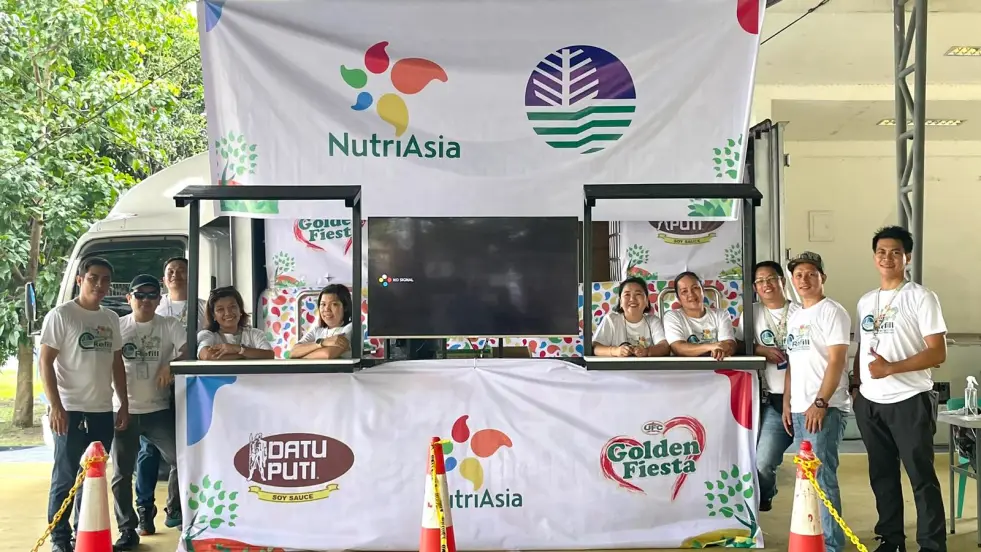
NutriAsia, the country’s top producer of condiments and sauces, continues its support of Refill Revolution; a project by the Department of Environment and Natural Resources EMB 3 that aims to help reduce Filipinos’ single-use plastics consumption. At Refill Revolution, residents get to recycle their single-use plastic bottles by reusing and filling it with their choice… Continue reading NutriAsia and DENR renews partnership for Refill Revolution

Teaching generosity through family giving projects
Teaching generosity through family giving projects is less about earning praise for a grand gesture and more about showing children that resources can be shared responsibly. A simple collection, a carefully planned donation or an afternoon spent helping at a community centre can turn generosity into a family value children can understand. The key is to connect the act with a real need, then give children a role that suits their age.
Children watch what adults do with money, time and attention. They learn whether helping is occasional or ordinary, whether every voice matters and whether kindness includes people outside the household. In Australia, families often balance school fees, sport, childcare and grocery costs, so generosity does not need an expensive budget. A reused craft kit, two pantry items or an hour of help can be meaningful when the purpose is clear.
The strongest projects begin with a family conversation rather than an adult deciding everything. Let children choose from a credible local cause, explain why it appeals to them and help them set a modest target. Adults should handle money, transport and decisions about public information while still listening to the ideas. This shared planning keeps giving voluntary and prevents kindness from feeling like another family obligation.
Success should not be measured only by the amount raised. Children can learn planning, empathy, gratitude and the useful habit of checking whether help is wanted. A conversation after the project often matters as much as the donation itself: What did we notice? Who might have used this? What would we change next time? These reflections help generosity grow without creating pressure, guilt or an expectation that children must perform well to deserve affection.
Begin with values instead of fundraising
Start by naming the value your family wants to practise, such as sharing, fairness, care or responsibility. “We want to help families who are finding it hard to buy enough food” creates a clearer aim than “we want to be generous.” Keep the wording concrete and avoid portraying people who receive help as helpless. They have circumstances, preferences and strengths that deserve respect.
Choose a cause close to ordinary family life. Children might notice a current Coles or Woolworths campaign supporting food rescue, a school fete run by parents, an older relative living alone or families affected by a local emergency. If the issue feels distant, read a short age-appropriate story, watch a trusted community video or visit the charity’s website together. Curiosity is a better starting point than guilt.
Invite each child to suggest one way to help, then compare the ideas as a family. Ask what a project would require in money, time and effort, and what could go wrong. This turns generosity into thoughtful decision-making rather than impulsive buying. It also lets siblings disagree productively before agreeing on a realistic contribution.
Choose a project with a visible purpose
A visible need makes the experience easier to follow. For younger children, filling a shelf with tinned goods for a local food rescue program is concrete: sort the items, check labels and place approved products where they belong. Families in Sydney and Melbourne can ask their council about community grants or volunteer days, while regional families can contact local food centres, country kitchens or rural aid groups.
Other useful projects include making cheerful cards for residents in aged care, collecting approved school supplies for a community homework club, or helping an op shop sort donations that have been requested. Australian schools often hold Christmas fetes, bake sales and pancake breakfasts, so a portion of the proceeds could support a verified cause. The family should agree on the split before the event begins.
Avoid buying random items because they look impressive. Check the organisation’s current needs list, opening times and age guidance first. Some charities do not accept used clothing, opened food or homemade goods, while others need specific sizes. One well-matched box teaches more than several donations that must be discarded later.
Match responsibilities to each child’s age
Toddlers can place safe items in a bag, decorate thank-you cards with stamps or help choose a colour for a shared banner. Preschoolers can sort soft toiletries or count coins with close supervision. The task should be simple enough to complete, because repeated success makes generosity feel enjoyable rather than demanding.
Primary-aged children can help research two approved charities, compare a small budget and write a note explaining their choice. They may take responsibility for packing, greeting visitors or keeping a tally. An adult should still manage cash, bank transfers and contact with organisers. This division of work respects children’s capability while protecting them from adult pressures.
Teenagers are ready for deeper discussions about impact, household priorities and ethical giving. Let them calculate whether the family can afford a donation, explore where funds go and consider giving time instead of money. Discuss marketing claims critically: a vivid appeal is not proof of need, and a small local project may have a very different effect from a large national campaign.
Keep money, safety and consent in view
Set a spending limit that fits your family budget and decide whether children contribute from their own money, allowance or a shared giving fund. A transparent jar can help them see money being allocated, but it should not become a measure of who is the “best” giver. Offer the same level of recognition for effort, thoughtfulness and consistency.
Australian fundraising rules differ across states and territories, and councils may require permits for street fundraising, public events or collecting goods. Check the local council and the charity before advertising. For tax records, donations of $250 or more to an organisation with Deductible Gift Recipient status generally come with a receipt for the donor, who may be able to claim an eligible deduction through the ATO.
Protect children’s privacy. Do not publish full names, school details, home addresses or live event locations without informed guardian consent, and obtain clear permission before posting photographs. Adults should accompany children, use safe transport and follow the organisation’s safeguarding rules. If a project involves visiting vulnerable people, confirm the appropriate contact process rather than arriving with gifts unannounced.
Build continuity beyond one special day
One project can spark interest, but a small routine helps generosity become part of identity. Add a modest amount to the weekly shop, round up a family purchase, or set aside a fixed sum each month. Australian families can include a pantry line for food rescue, toiletries for a community centre or a giving envelope alongside birthday and Christmas budgeting.
Plan annual giving around moments your family already observes. Before school holidays, local bushfire recovery appeals or flood emergencies, check which organisations have current needs and whether money is more useful than physical goods. Long-running programmes often prefer unrestricted funds because they can respond quickly. Choose based on current information, not simply on the visibility of an appeal.
Keep a simple record of the purpose, amount, time given and any response from the organisation. Children can revisit the project and compare their assumptions with what they learned. If it stopped being useful, change the cause rather than continuing out of habit. Flexibility keeps giving honest and teaches that generosity is a continuing practice, not a performance.
Compare approaches and choose what fits
There is no single best family giving format. The right choice depends on your children’s ages, available time, budget and the needs identified by the organisation. A useful comparison looks beyond the emotional appeal of an activity and asks what the family can do well, what the recipient has requested and what practical lessons children will gain.
Money is quick and often essential, but donated goods require matching, transport and storage. Hands-on volunteering builds skills and relationships, yet it needs adult supervision and careful planning. A mixed project can work well: collect a small cash donation, spend an equal amount on requested supplies and share the learning afterwards. The family should choose one option rather than overloading the calendar.
Use the following comparison as a starting point, then confirm details directly with the local organisation. It can also help siblings negotiate who takes responsibility for each part, including the less exciting jobs such as updating records, thanking donors and cleaning the space.
| Giving approach | Best family fit | Illustrative budget | Main learning | Australian example |
|---|---|---|---|---|
| Direct donation | All ages | $5–$30 | Shared decision-making | Give to a registered charity and keep the donation record |
| Requested goods | Preschool and primary ages | $10–$40 | Matching real needs | Supply a food rescue shelf after checking its current list |
| Volunteer shift | Ages five and above | Time and transport | Teamwork and empathy | Assist at a Bunnings community sausage sizzle supporting a cancer charity |
| Care package | Ages five and above | $15–$35 | Thoughtful giving | Prepare approved toiletries and notes for residents through a community centre |
| Monthly giving | Ages six and above | $10–$20 | Consistency and budgeting | Set a fixed transfer to a charity and review its impact together |

Mercato Centrale, in collaboration with Indian Women in Enterprise Philippines (I-We), is set to host "The Great Indian Fiesta" to mark 75 years of friendship between India and the Philippines. The dynamic two-day event is scheduled to take place on September 30 to October 1, 2023, at Paseo De Roxas Street, Makati City. Aiming to… Continue reading Mercato Centrale Partners with I-We to Host ‘The Great Indian Fiesta’, Commemorating 75 Years of India-Philippines Friendship

My stomach would usually start growling at 10 am even after taking a big breakfast. This is probably because I am a morning person and I move a lot throughout the day hence snacking is something that I can't avoid. This potatoes and chicken wrap recipe is easy to prepare and would keep me full… Continue reading Potato and Chicken Wrap
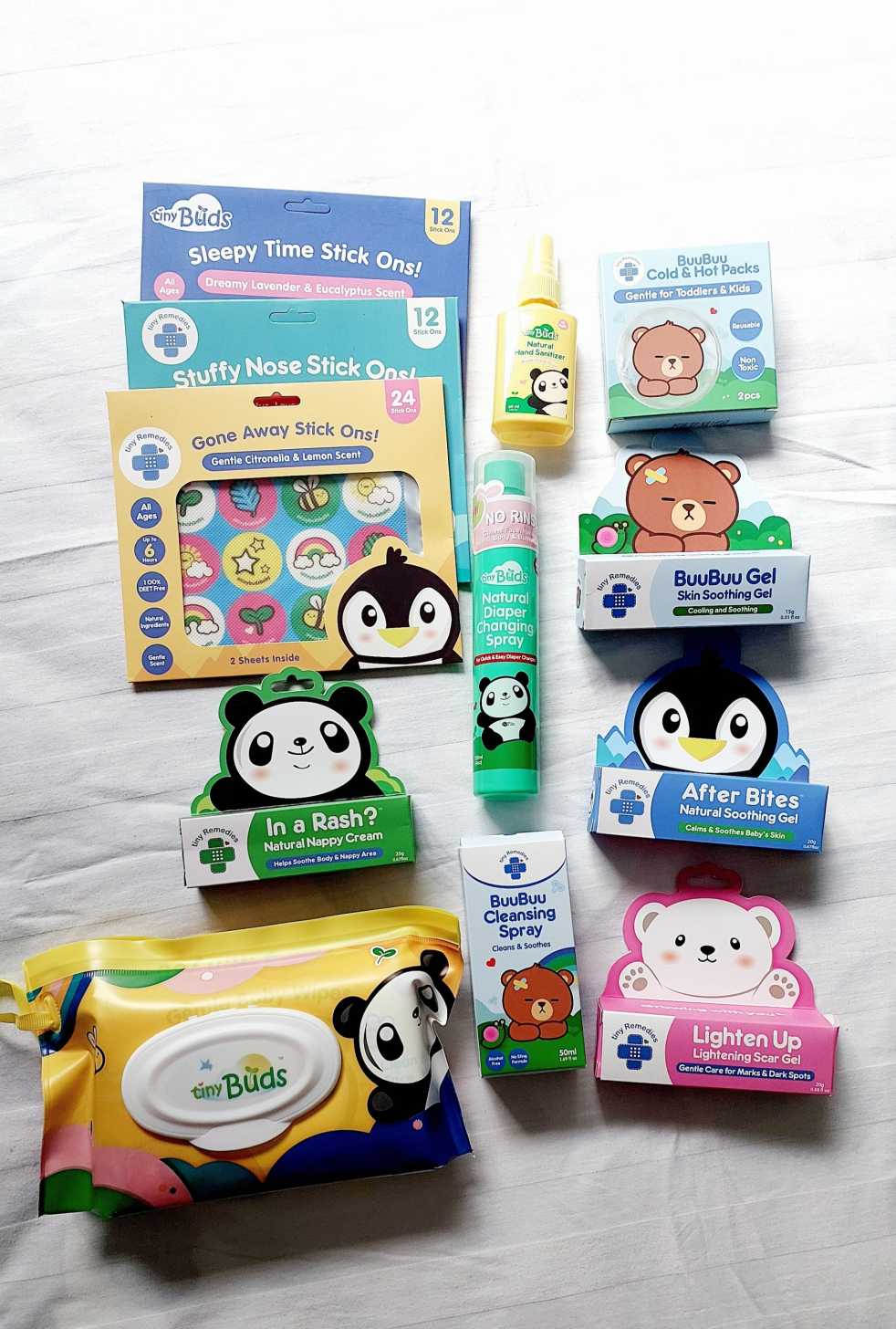
Your baby’s skin is more delicate than most, this is why you have to choose products that are designed for sensitive skin. Tiny Buds is a pioneer in integrating natural ingredients into baby care and today has over 50 innovative natural baby care essentials and is one of the Top Baby Personal Care brands. Here… Continue reading Product Review: Tiny Buds Baby Naturals Baby Essentials
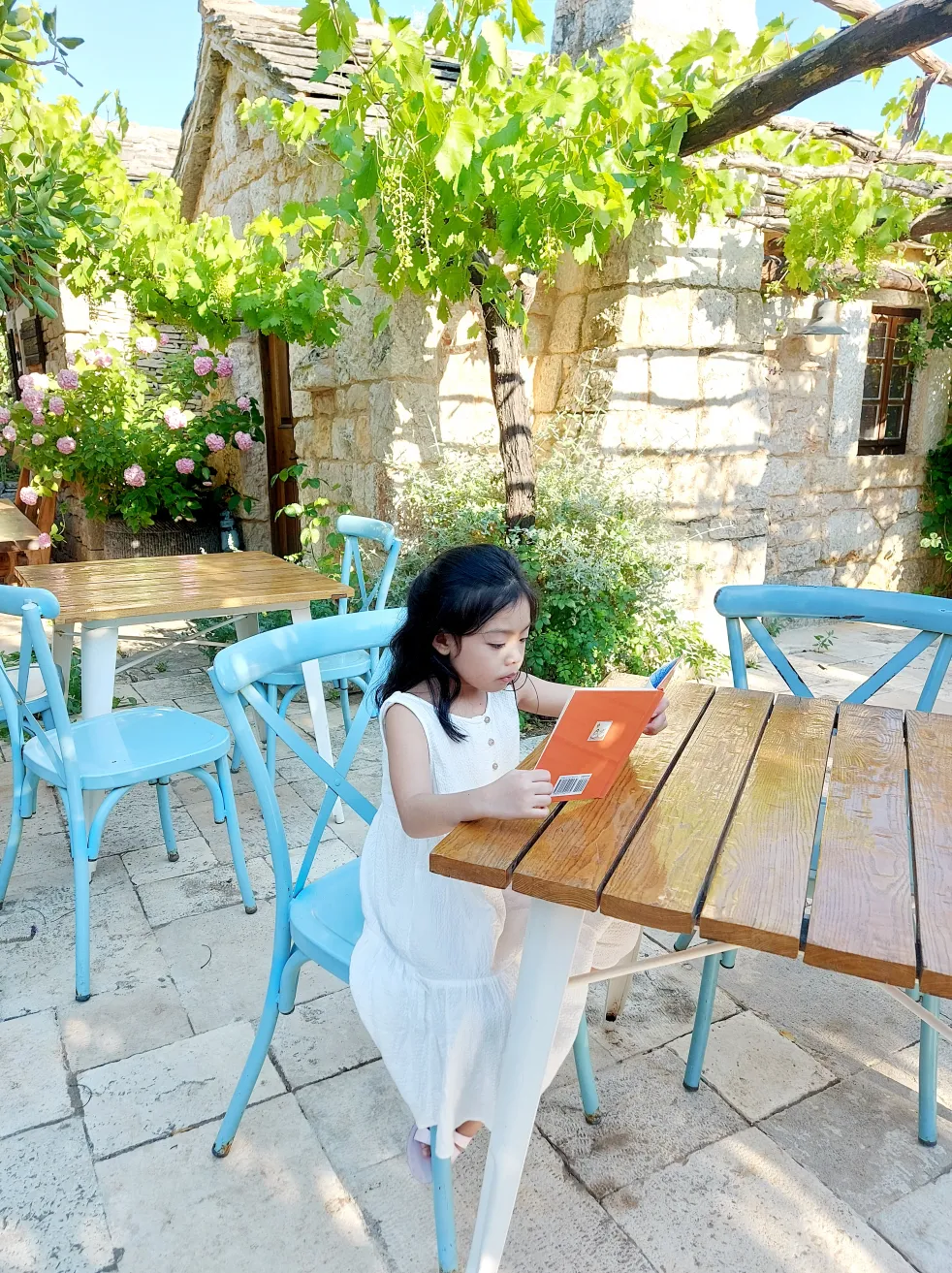
Where your child goes to school is a big decision and shouldn’t be taken lightly. Given how their education can impact their future, you might be tempted to take control and decide for them. However, you might be doing more damage than helping them in the long run. Your job as parents is to support… Continue reading HOW TO CHOOSE THE BEST SCHOOL FOR YOUR CHILD
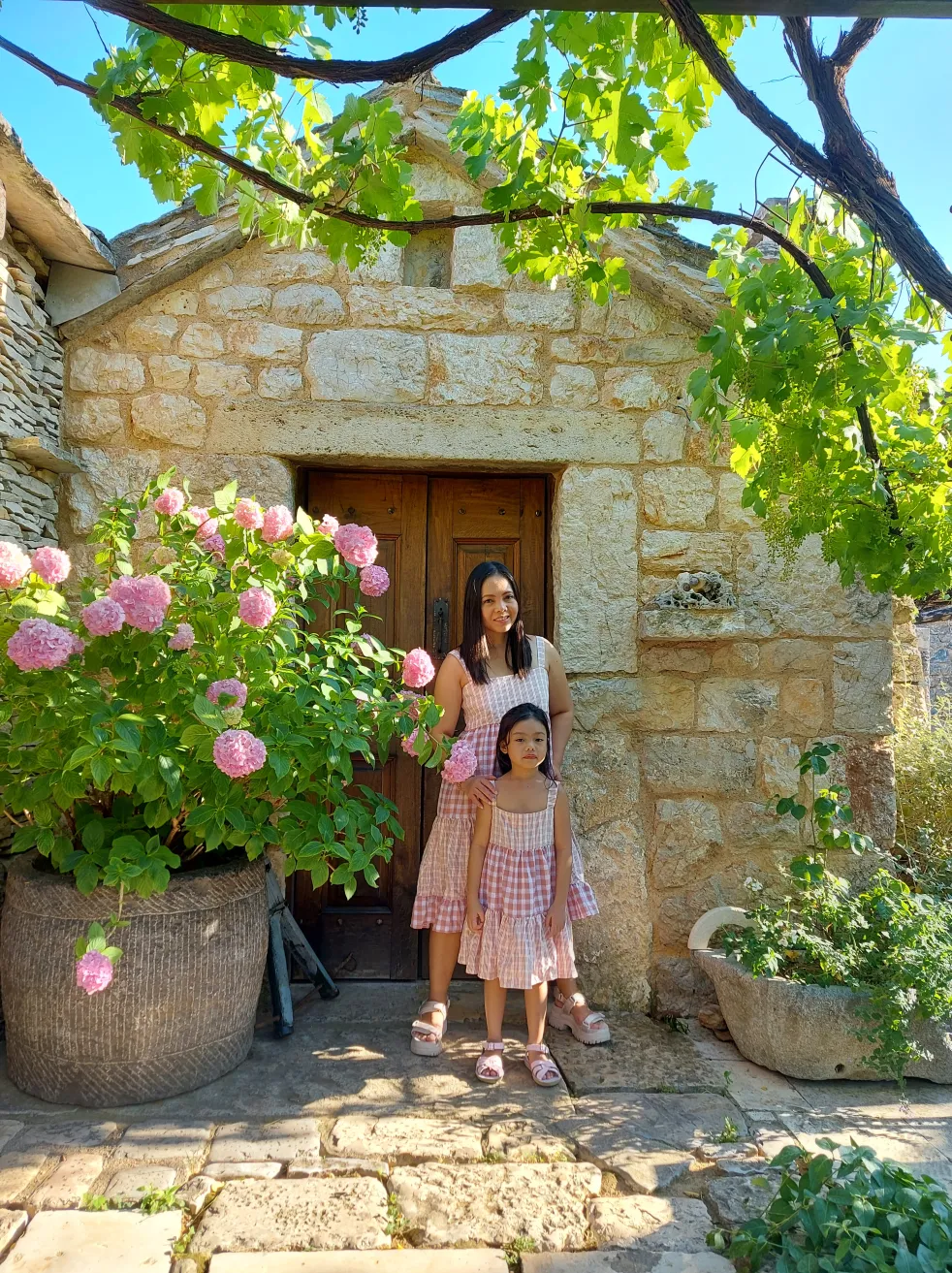
As poet and philosopher Rumi once eloquently said, “raise your words, not your voice. It is rain that grows flowers, not thunder.” Parenting is a challenging journey, and the truth is that nobody has everything figured out. One parenting style might suit others best, and some might favor other methods. However, children respond better to… Continue reading A SIMPLE GUIDE TO GENTLE PARENTING

Whether you’re a new mom to be, mom of a toddler, mom who have school-aged kids, you’re bound to have so many questions. Let's start with your baby's skin. Infant skin has unique needs; gentle care is essential to prevent damage to the skin barrier, which can lead to irritation. When caring for infant skin,… Continue reading Keeping Baby’s Diapered Skin Healthy
As parents, we want to give our child the best possible start in life and that begins with nurturing their intelligence. Throughout history, the notion of success has been linked to academic intelligence. However, there has been an increased awareness on the importance of emotional intelligence. This question gets at the heart of the never-ending… Continue reading IQ or EQ, which one is a better predictor of your child’s success?
 wondermomma.net