

Last August, IKEA Philippines engaged with Better World Smokey Mountain, a newly opened community center operated by the San Miguel Foundation, which shares a similar goal of improving the lives of many Filipino people. Through this partnership, IKEA Philippines provided and assembled home furnishings for the classrooms and library of Better World Smokey Mountain community… Continue reading Help Create a Better World with IKEA Soft Toys

NutriAsia, the country’s top producer of condiments and sauces, continues its support of Refill Revolution; a project by the Department of Environment and Natural Resources EMB 3 that aims to help reduce Filipinos’ single-use plastics consumption. At Refill Revolution, residents get to recycle their single-use plastic bottles by reusing and filling it with their choice… Continue reading NutriAsia and DENR renews partnership for Refill Revolution
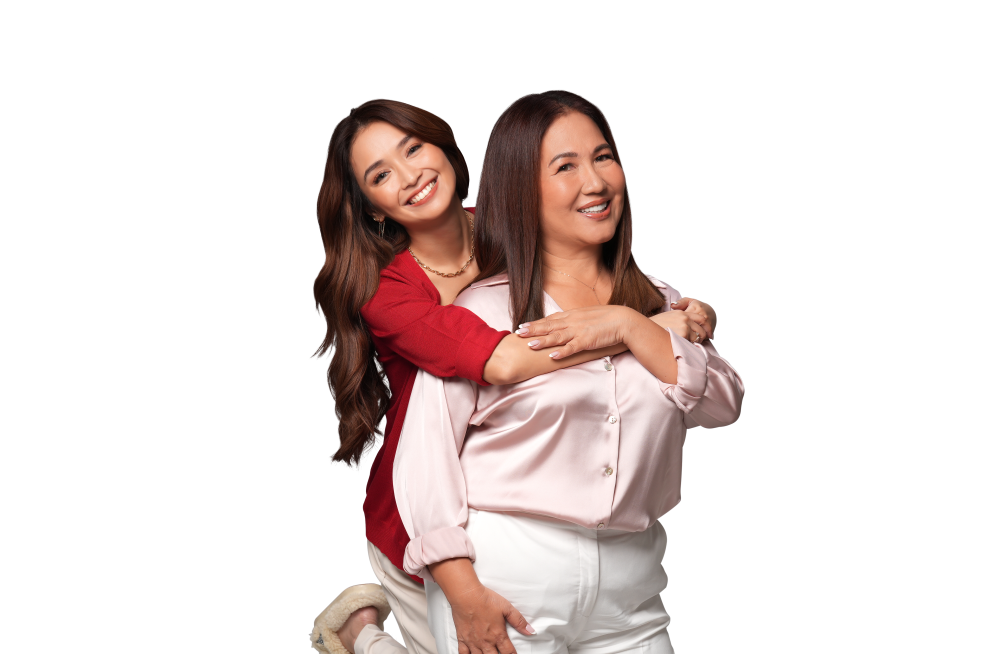
Simple Baby Yoga Poses for Calm, Connected Family Time
Yoga with your baby can be a gentle way to move, relax, and enjoy face-to-face connection during an ordinary day. You do not need a studio, special equipment, or a long routine. A clean floor, comfortable clothing, and a few quiet minutes are enough.
These baby-friendly yoga activities are designed for parents with infants who are awake, content, and ready for interaction. Some poses involve your baby lying beside you, while others use supported holding. The goal is comfort and bonding rather than flexibility, exercise intensity, or perfect alignment.
Always follow your baby’s cues. A smile, relaxed body, and steady breathing suggest that the activity is enjoyable. Turning away, fussing, stiffening, yawning, or crying means it is time to pause, cuddle, feed, or rest.
Why parent-and-baby yoga can be meaningful
Shared movement creates a small pocket of attention in a busy family schedule. As you breathe slowly and make eye contact, your baby experiences your voice, facial expressions, and steady touch. These simple signals support secure attachment and help babies become familiar with calm transitions.
Gentle stretching may also ease the tight shoulders, stiff hips, and tired back that often come with feeding, carrying, and changing a baby. Slow movement can encourage you to notice your posture and release tension. It should feel restorative, never painful or exhausting.
A short routine can become a reassuring daily rhythm. You might practice after a morning feed, during floor play, or before a bath. If your child is adjusting to a new caregiver or childcare setting, calm connection at home can be especially valuable alongside these separation anxiety tips.
Prepare a comfortable and safe space
Choose a firm, nonslip surface away from stairs, sharp furniture, cords, and pets that may interrupt the activity. A yoga mat can provide cushioning for you, but place a separate clean blanket beside it if your baby will lie on the floor. Keep the room comfortably cool and avoid practicing in direct heat.
The best time is when your baby is alert and settled. Avoid yoga immediately after a full feed, when your baby is overtired, or when either of you is unwell. Remove watches, rings, and dangling accessories that could scratch delicate skin or become a distraction.
Begin with a few slow breaths while your baby watches you. Speak softly, sing a familiar song, or describe what you are doing. This turns the session into a responsive play experience rather than a sequence your baby must complete.
Gentle poses to try together
Supported mountain pose: Stand with your feet hip-width apart and hold your baby securely against your chest, supporting the head and neck. Lengthen your spine, soften your shoulders, and take five slow breaths. You can gently sway from side to side if your baby enjoys movement. Keep your baby’s face visible and close enough for easy monitoring.
Seated forward fold: Sit on the floor with your legs comfortably crossed and place your baby on a blanket in front of you, within arm’s reach. Rest your hands near your child and lean forward only as far as your back remains relaxed. Smile, sing, or play peekaboo from this position. This is a parent stretch with your baby participating through eye contact.
Tabletop and cat stretch: Place your baby on their back beside your mat, then come onto your hands and knees. Keep your wrists under your shoulders and knees under your hips. Inhale as you lengthen your spine; exhale as you gently round your back. Move slowly and keep your gaze toward your baby rather than dropping your head sharply.
Bridge pose with baby nearby: Lie on your back with knees bent and feet on the floor while your baby rests safely beside you. Lift your hips a small amount as you exhale, then lower with control. Talk to your baby throughout the movement. Do not place the baby on your abdomen or pelvis unless a qualified professional has specifically taught you a safe, age-appropriate technique.
| Activity | Baby’s position | Benefit for the parent | Keep in mind |
|---|---|---|---|
| Supported mountain | Held upright against your chest | Encourages posture and calm breathing | Support the head and neck |
| Seated forward fold | Lying on a blanket in front of you | Releases back and hip tension | Stay within arm’s reach |
| Tabletop and cat stretch | Lying beside the mat | Mobilizes the spine and shoulders | Keep movements slow |
| Bridge pose | Lying beside you | Strengthens the hips and legs gently | Never leave the baby unattended |
| Leg extension play | Lying on the floor nearby | Builds core awareness and control | Stop if your back strains |
Adjust movements for your baby’s stage
Newborns need full head and neck support and very little stimulation. At this stage, lying beside your baby while you stretch is often the simplest option. Use your voice, a calm expression, and brief movements rather than trying to involve your baby physically.
When babies gain head control and enjoy tummy time, you can add more floor-based interaction. Place a toy or your face near the top of your mat while you practice tabletop, or lie beside your baby during gentle leg and shoulder stretches. Keep all toys large enough to prevent choking and stay close throughout.
Older babies may crawl, roll, or grab your clothing. Treat this as part of the session instead of trying to keep them still. You can pause for a cuddle, reposition the blanket, and resume when your baby is ready. Baby yoga should follow development, never rush it.
Keep the routine relaxed and playful
Start with five minutes and extend the practice only if both of you remain comfortable. A simple flow might include breathing, seated stretching, tabletop movements, and a quiet cuddle. Repeating the same order can help your baby recognize the rhythm, while small variations keep the experience enjoyable.
Use songs and familiar phrases to make each pose engaging. For example, you might count slowly during a stretch or make a gentle sound as you lower from bridge pose. These playful elements support early language exposure and give your baby a reason to look toward you.
There is no need to practice every day. Some sessions may last only two minutes, and some may become floor play without any formal poses. What matters is responsive interaction, safe movement, and a positive association with physical activity.
Safety checks for every session
Do not lift, swing, bounce, or invert your baby as part of a home routine. Never place pressure on a baby’s neck, spine, joints, or soft skull. If you hold your baby while standing, use both hands and keep the child close to your center of gravity. A baby carrier should not be used for yoga unless the carrier instructions and a qualified professional support that activity.
Your own body also needs care, especially after pregnancy or birth. Stop if you feel pain, dizziness, pelvic pressure, bleeding, unusual shortness of breath, or increased discomfort. Parents recovering from a cesarean birth, pelvic floor symptoms, or other medical concerns should ask a healthcare professional when movement is appropriate.
Watch your baby’s breathing, color, temperature, and overall behavior. End the session if your baby becomes distressed, sleepy in an unsafe position, unusually floppy, or difficult to settle. The safest routine is one that leaves both of you feeling comfortable.
A practical routine to make movement easier
- Set up a clear floor space before bringing your baby into the room.
- Begin with one minute of slow breathing and eye contact.
- Choose two or three gentle movements rather than a long sequence.
- Keep your baby beside you unless you have secure head and neck support.
- Finish with a cuddle, song, or quiet rest before moving to the next activity.
Keep a bottle of water nearby and wear clothing that allows easy movement. If your baby needs attention, stop immediately; feeding, changing, and comforting always take priority. You can return to the routine later without losing any benefit.
With regular, gentle practice, these simple poses can become a warm part of family life. They offer a chance to care for your body while showing your baby that movement can feel safe, playful, and connected. Choose one pose today, move slowly, and let your baby’s cues guide the rest.

Mercato Centrale, in collaboration with Indian Women in Enterprise Philippines (I-We), is set to host "The Great Indian Fiesta" to mark 75 years of friendship between India and the Philippines. The dynamic two-day event is scheduled to take place on September 30 to October 1, 2023, at Paseo De Roxas Street, Makati City. Aiming to… Continue reading Mercato Centrale Partners with I-We to Host ‘The Great Indian Fiesta’, Commemorating 75 Years of India-Philippines Friendship

My stomach would usually start growling at 10 am even after taking a big breakfast. This is probably because I am a morning person and I move a lot throughout the day hence snacking is something that I can't avoid. This potatoes and chicken wrap recipe is easy to prepare and would keep me full… Continue reading Potato and Chicken Wrap
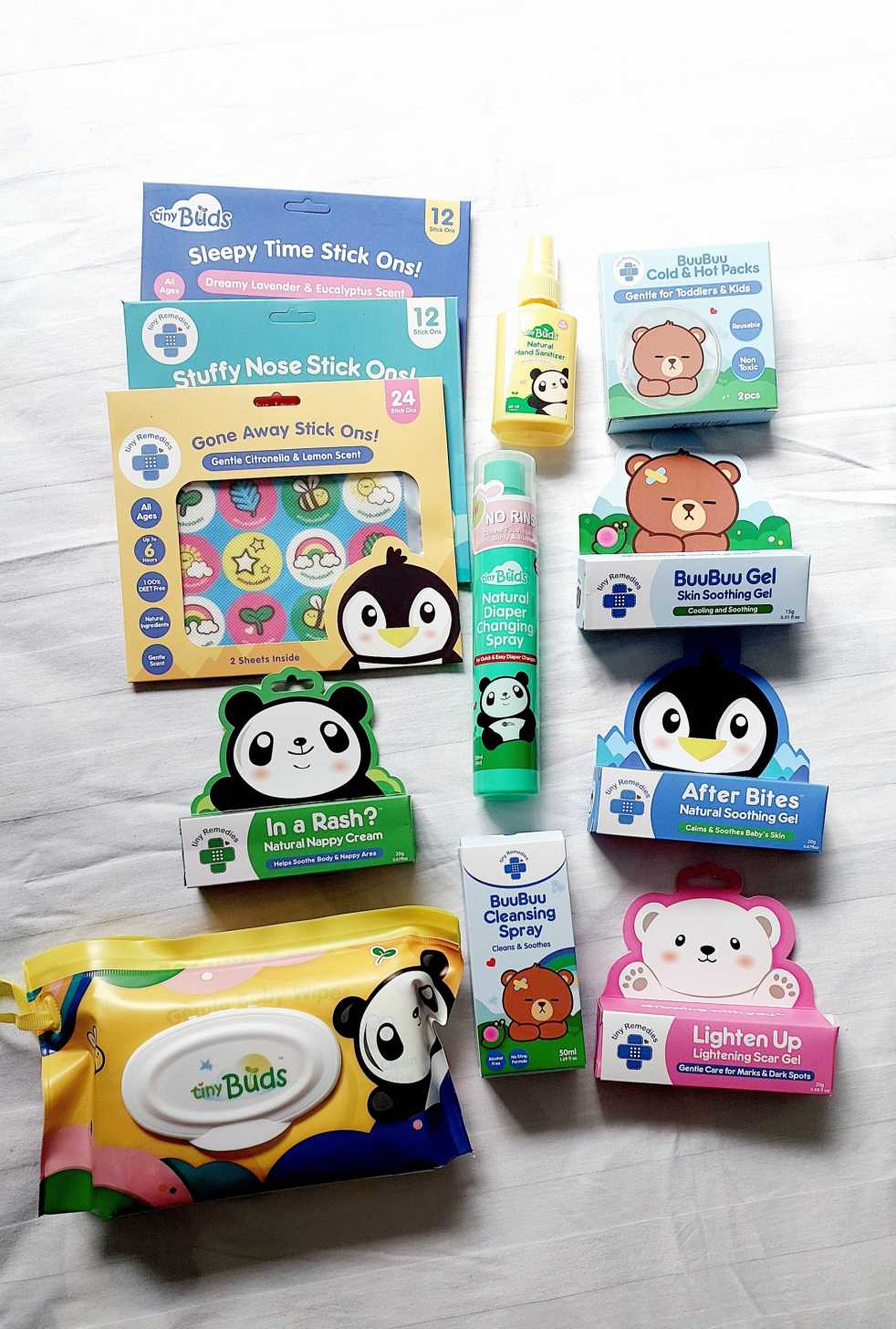
Your baby’s skin is more delicate than most, this is why you have to choose products that are designed for sensitive skin. Tiny Buds is a pioneer in integrating natural ingredients into baby care and today has over 50 innovative natural baby care essentials and is one of the Top Baby Personal Care brands. Here… Continue reading Product Review: Tiny Buds Baby Naturals Baby Essentials
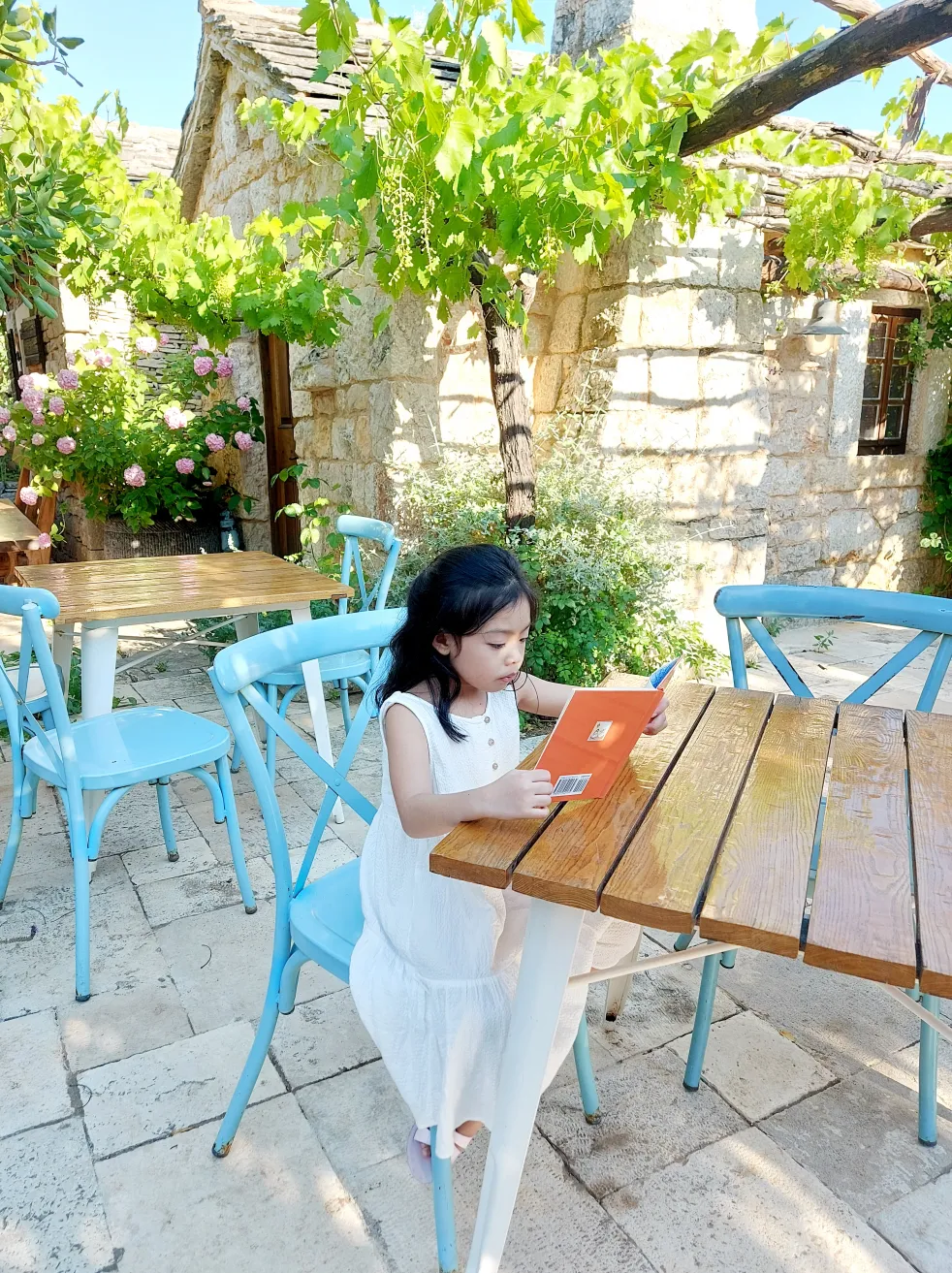
Where your child goes to school is a big decision and shouldn’t be taken lightly. Given how their education can impact their future, you might be tempted to take control and decide for them. However, you might be doing more damage than helping them in the long run. Your job as parents is to support… Continue reading HOW TO CHOOSE THE BEST SCHOOL FOR YOUR CHILD
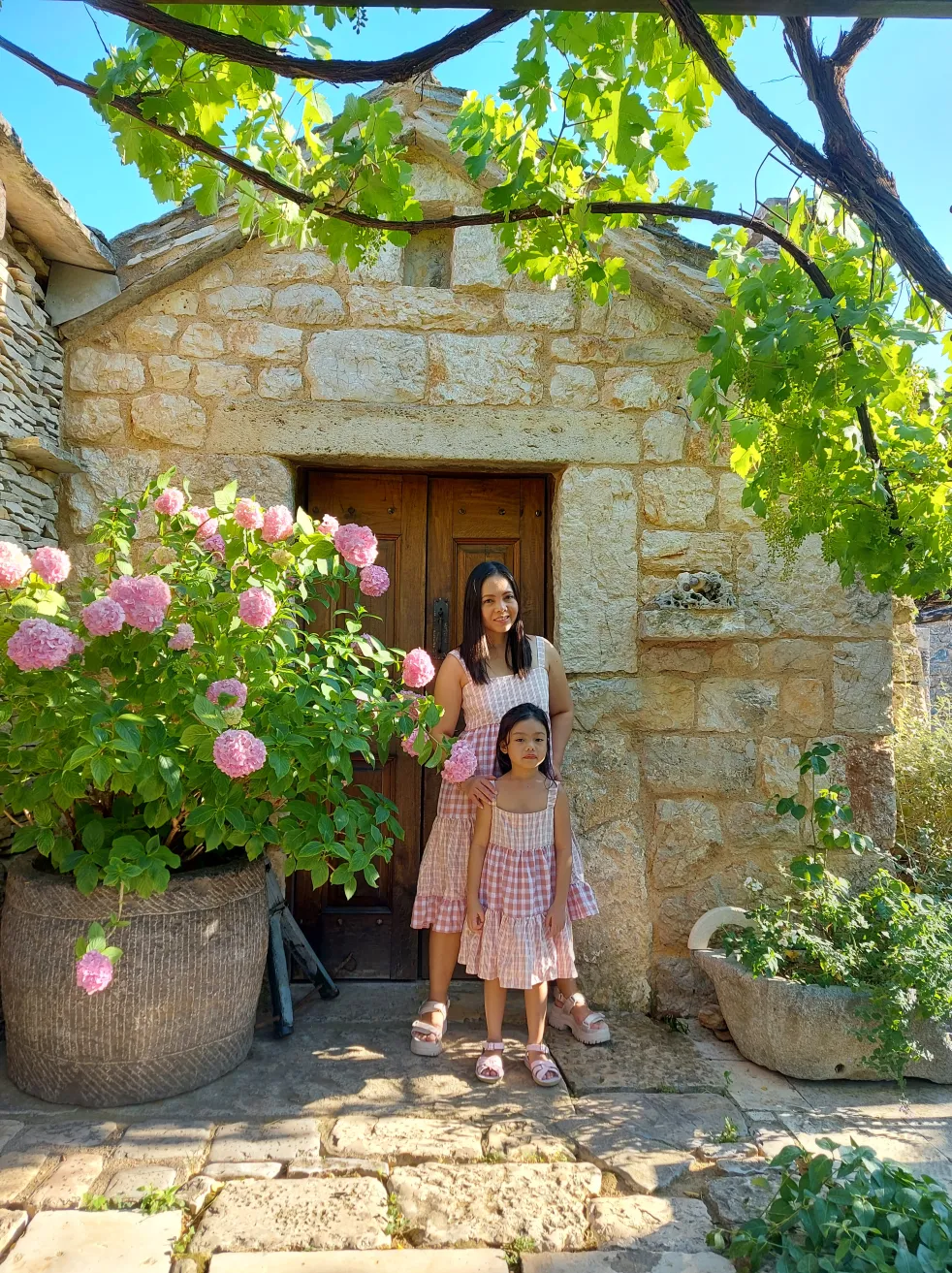
As poet and philosopher Rumi once eloquently said, “raise your words, not your voice. It is rain that grows flowers, not thunder.” Parenting is a challenging journey, and the truth is that nobody has everything figured out. One parenting style might suit others best, and some might favor other methods. However, children respond better to… Continue reading A SIMPLE GUIDE TO GENTLE PARENTING
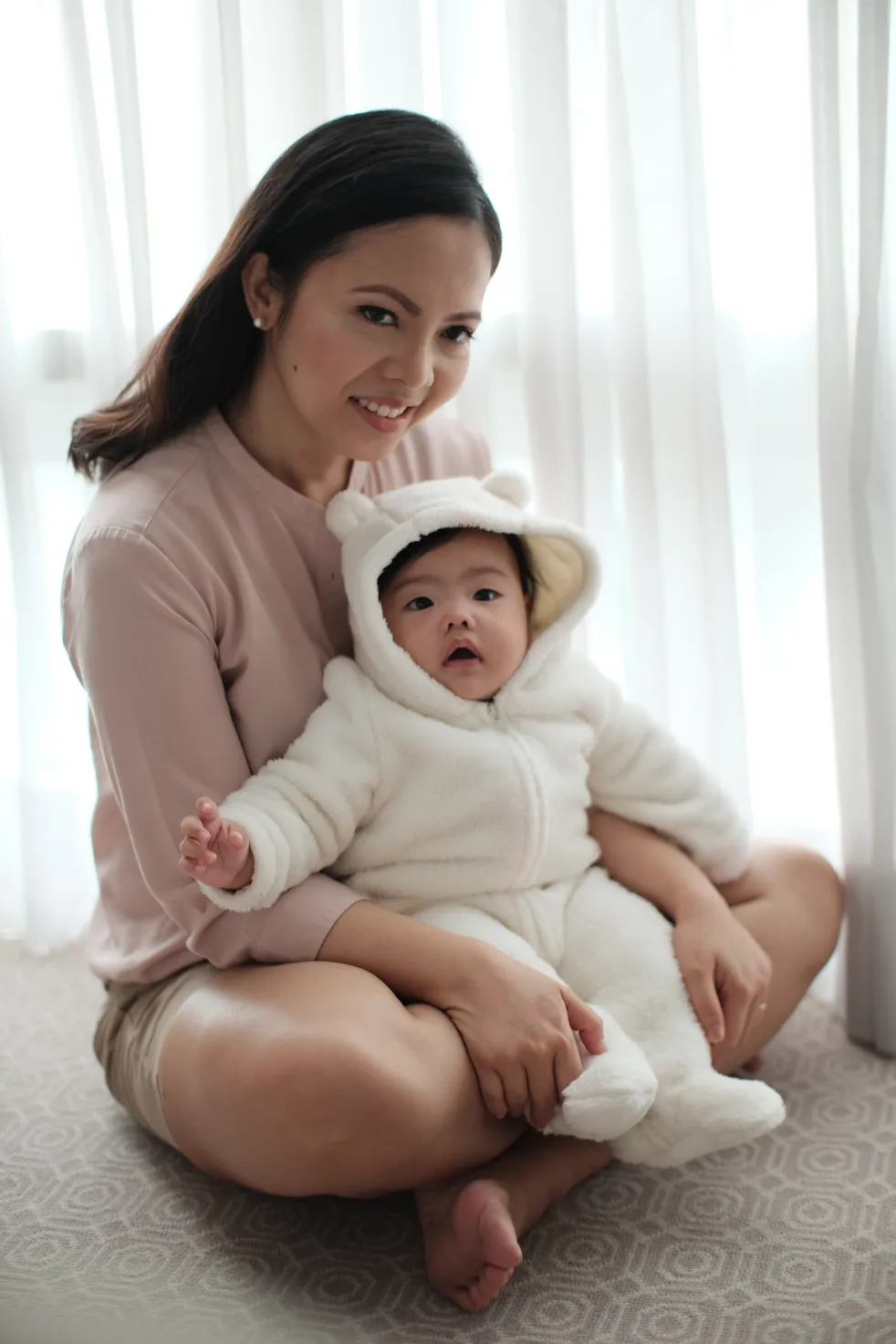
Whether you’re a new mom to be, mom of a toddler, mom who have school-aged kids, you’re bound to have so many questions. Let's start with your baby's skin. Infant skin has unique needs; gentle care is essential to prevent damage to the skin barrier, which can lead to irritation. When caring for infant skin,… Continue reading Keeping Baby’s Diapered Skin Healthy
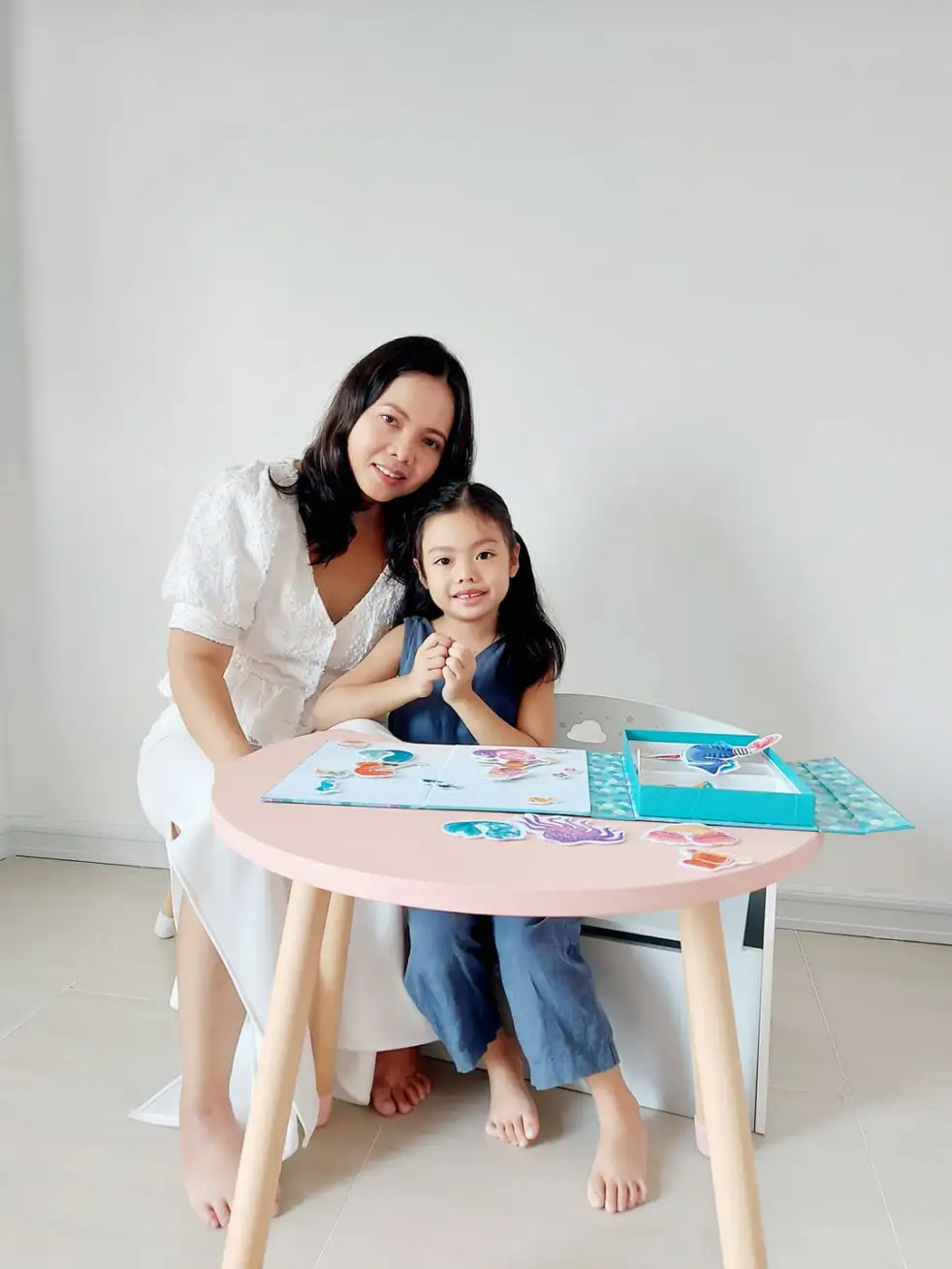
As parents, we want to give our child the best possible start in life and that begins with nurturing their intelligence. Throughout history, the notion of success has been linked to academic intelligence. However, there has been an increased awareness on the importance of emotional intelligence. This question gets at the heart of the never-ending… Continue reading IQ or EQ, which one is a better predictor of your child’s success?
 wondermomma.net