

Last August, IKEA Philippines engaged with Better World Smokey Mountain, a newly opened community center operated by the San Miguel Foundation, which shares a similar goal of improving the lives of many Filipino people. Through this partnership, IKEA Philippines provided and assembled home furnishings for the classrooms and library of Better World Smokey Mountain community… Continue reading Help Create a Better World with IKEA Soft Toys
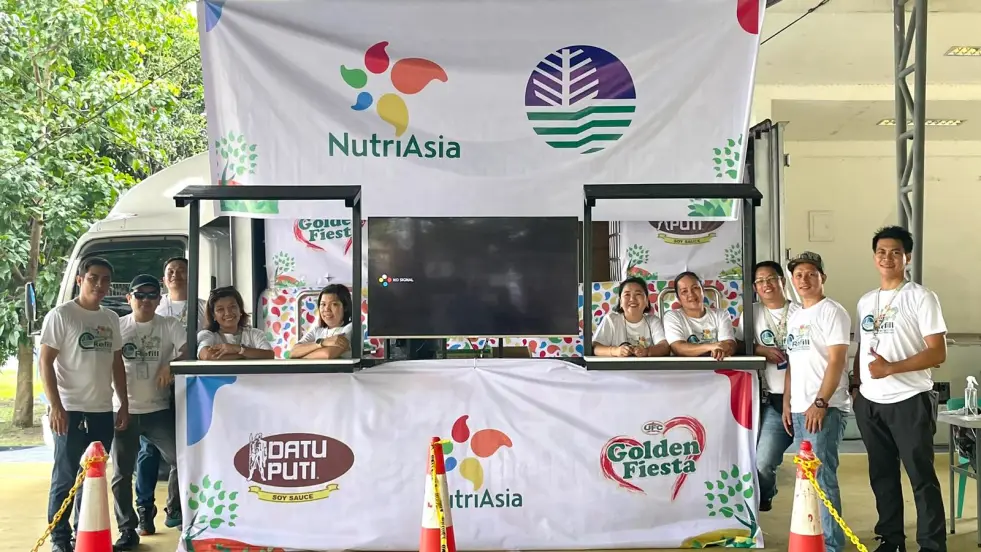
NutriAsia, the country’s top producer of condiments and sauces, continues its support of Refill Revolution; a project by the Department of Environment and Natural Resources EMB 3 that aims to help reduce Filipinos’ single-use plastics consumption. At Refill Revolution, residents get to recycle their single-use plastic bottles by reusing and filling it with their choice… Continue reading NutriAsia and DENR renews partnership for Refill Revolution

Simple Ways to Practice Gratitude with Your Children
Gratitude is more than saying “thank you” after someone hands you your toast. It is the habit of noticing what supports daily life, from a cool drink on a hot day to a friend who shared a game. Children learn this appreciation when adults make it ordinary, repeatable and connected to real experiences rather than delivering a lecture about being thankful.
Gentle guidance matters because young children may not feel grateful for something they dislike, and older children may recognise that gratitude can feel fake when it is demanded. Invite noticing instead of demanding praise. A child can say, “I didn’t enjoy the rain, but I noticed the garden smells lovely.” That answer is honest, and honesty gives the practice a solid foundation.
Regular appreciation can strengthen optimism, empathy and resilience, particularly when children also learn that gratitude involves action. Saying thanks matters, but returning a shopping trolley, helping with an extra chore or sharing a skill carries the feeling further. The goal is not to make children focus only on positives; it is to help them hold gratitude and discomfort at the same time.
For Australian families, the practice can fit familiar rhythms: the school run, a barbecue, a walk beside Sydney Harbour, a trip through Melbourne’s laneways, play near Brisbane’s river or a weekend at a Perth beach. Even with busy schedules, two attentive minutes can work. The ideas below suit children from preschool through primary school and can be adapted for blended families, siblings and children with different communication needs.
Let daily routines become gratitude cues
The most sustainable gratitude habit is the one that fits your family. Choose a method based on your child’s temperament and your week, not on an ideal picture of a calm evening ritual. These approaches have different strengths, so experiment gently rather than abandoning the idea after one distracted attempt.
| Method | What it involves | Best for | Watch-out |
|---|---|---|---|
| Nightly reflection | Naming a few good things at bedtime | Slow evenings and talkative children | A tired child may only offer “good night” |
| Spot and name | Noticing one good thing during the day | Busy households and younger children | Adults need fresh prompts |
| Family service | Doing something helpful together | Children who respond to action | Helping should never become a performance |
Whatever you choose, keep the language low-pressure. “What was one nice moment?” works better than “What are you most grateful for today?” because the first question has a manageable answer. Preschoolers might point to a bus or a dog; older children may need a quiet minute before speaking. Follow their lead, and let the routine grow through repetition rather than expectation.
Build a gentle family gratitude ritual
Choose a predictable moment that already feels safe. After dinner is popular in many Australian homes, while bath time, the school run or a Friday walk may suit your family better. A ritual works best when it is brief and flexible. One child can name a good moment, another can draw it, and someone else may simply listen.
Try a gratitude jar made from recycled paper, a kitchen noticeboard or a shared voice-note list. Add a sketch, a ticket stub, a leaf or a sentence, but resist buying special stationery. Rotate who collects the entries, and allow “I am passing today” as a complete choice. The aim is shared appreciation, not extracting a sentimental answer from every child.
Notice people, places and the wider world
Everyday people deserve noticing too. Children can thank the bus driver, wave to the librarian, acknowledge a gardener or tell a neighbour that they like the roses. On suburban walks, look for changing seasons, birds, street art or a well-kept verge. In crowded places such as Melbourne’s CBD or central Sydney, a friendly nod can turn an anonymous journey into a human connection.
Talk about Country with respect and include First Nations perspectives without asking children to perform an Acknowledgement for adults. Australia’s cultural diversity offers many ways to appreciate food, language, music and care traditions; children can ask where a dish comes from and who taught it to their family. In a country shaped by drought, heat and bushfire recovery, gratitude should never erase hard realities. It can coexist with concern and action.
Turn appreciation into caring actions
Turn “thank you” into a helpful behaviour. Younger children can carry a lightweight bag, water a plant or put toys away. Older children can cook a simple meal, gather the recycling, help a neighbour or donate items in good condition. Many Australian op shops and community organisations welcome useful donations, so check what is needed rather than passing on unwanted clutter.
Local markets make this practical. Farmers’ markets, Coles and Woolworths, community grocers and Australian-made brands can all prompt children to ask where food comes from, who packed it and what resources it used. Teach them to value seasonal produce, mend or reuse before buying, and buy second-hand where suitable. Appreciation then supports responsible choices instead of treating gratitude as a reason to consume more.
Encourage reflection through play and creativity
Make reflection playful and age-appropriate. Preschoolers can draw one thing they liked, while school-age children can keep a weekly journal with words, sketches or audio. Use prompts such as “What made you laugh?”, “Who helped today?” or “What would you miss if it disappeared?” Keep the answer theirs; do not rank gratitude or correct what counts.
Gratitude should not be used to silence legitimate feelings. Avoid phrases such as “Be grateful you were not the one who…” when a child is hurt or frightened. Instead, say, “That was disappointing; is there anything good we can still hold onto?” If you photograph or publish a child’s entry, remove identifying details and follow school image policies. Australian privacy law, including the Privacy Act 1988 where applicable, plus relevant state or territory rules, should guide any online sharing.
Give children ownership of gratitude
Let children lead some of the process. They can choose the prompt, keep the notes, invite a grandparent or suggest a weekly action. Adults can model honesty by naming something ordinary that helped them, including a neighbour, a clear morning or a kind teacher. When a child gives an unexpected answer, ask a curious question rather than replacing it with a more approved response.
This flexibility matters across Australian households. Australian family law focuses on children’s best interests, and gratitude routines should never pressure a child to feel affectionate toward a parent, step-parent or former partner, or to treat money as proof of love. A blended family can create a shared “good things” space while allowing each child to keep private journals. Connection can grow from being heard, not from being told whom to appreciate.
Keep the practice simple, regular and meaningful
Keep the practice sustainable. Two minutes on Sunday, one observation during the school run or a monthly family walk is enough. Revisit entries when someone needs a lift, then retire any ritual that feels forced. Children also learn that gratitude is not constant positivity; it is a way of noticing support and choosing to respond with care.
Use these practical choices to create a rhythm that fits your household:
- Keep each round to two or three minutes, then stop while it still feels easy.
- Let children pass, speak privately or add a drawing instead of answering aloud.
- Pair noticing with one doable action, such as tidying, baking or sending a card.
- Rotate who chooses the prompt so the routine does not belong to one parent.
- Record responses without comparing them, praising gratitude more than honesty.
- Review the routine each season and change it when children lose interest.
A consistent, unhurried routine gives children something more useful than a polished list of things to appreciate. It teaches them to notice ordinary goodness, respond generously and remember that care travels both ways. The smallest shared moment can become a steady habit when children know their observations are welcome and their feelings remain honest.

Mercato Centrale, in collaboration with Indian Women in Enterprise Philippines (I-We), is set to host "The Great Indian Fiesta" to mark 75 years of friendship between India and the Philippines. The dynamic two-day event is scheduled to take place on September 30 to October 1, 2023, at Paseo De Roxas Street, Makati City. Aiming to… Continue reading Mercato Centrale Partners with I-We to Host ‘The Great Indian Fiesta’, Commemorating 75 Years of India-Philippines Friendship

My stomach would usually start growling at 10 am even after taking a big breakfast. This is probably because I am a morning person and I move a lot throughout the day hence snacking is something that I can't avoid. This potatoes and chicken wrap recipe is easy to prepare and would keep me full… Continue reading Potato and Chicken Wrap
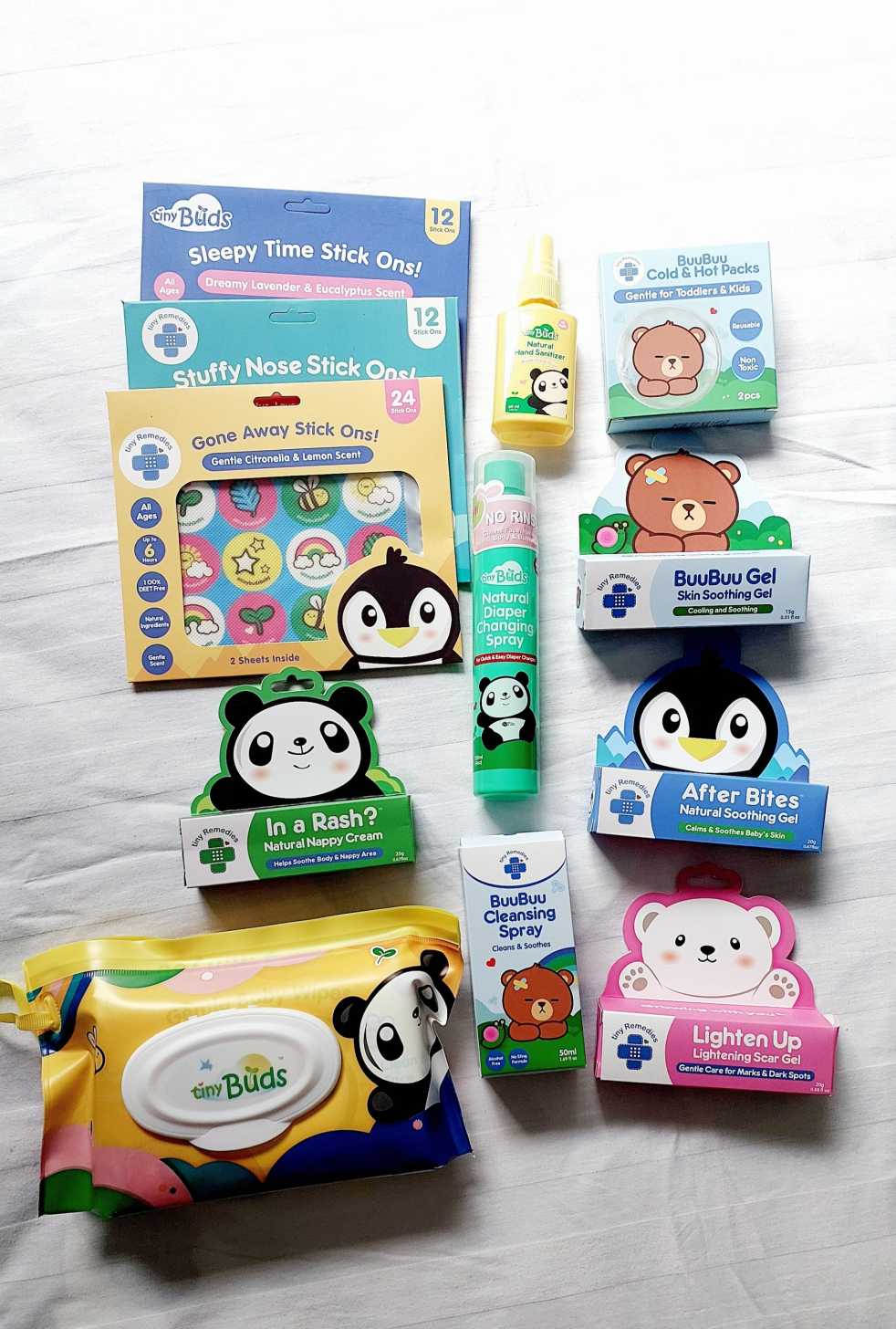
Your baby’s skin is more delicate than most, this is why you have to choose products that are designed for sensitive skin. Tiny Buds is a pioneer in integrating natural ingredients into baby care and today has over 50 innovative natural baby care essentials and is one of the Top Baby Personal Care brands. Here… Continue reading Product Review: Tiny Buds Baby Naturals Baby Essentials
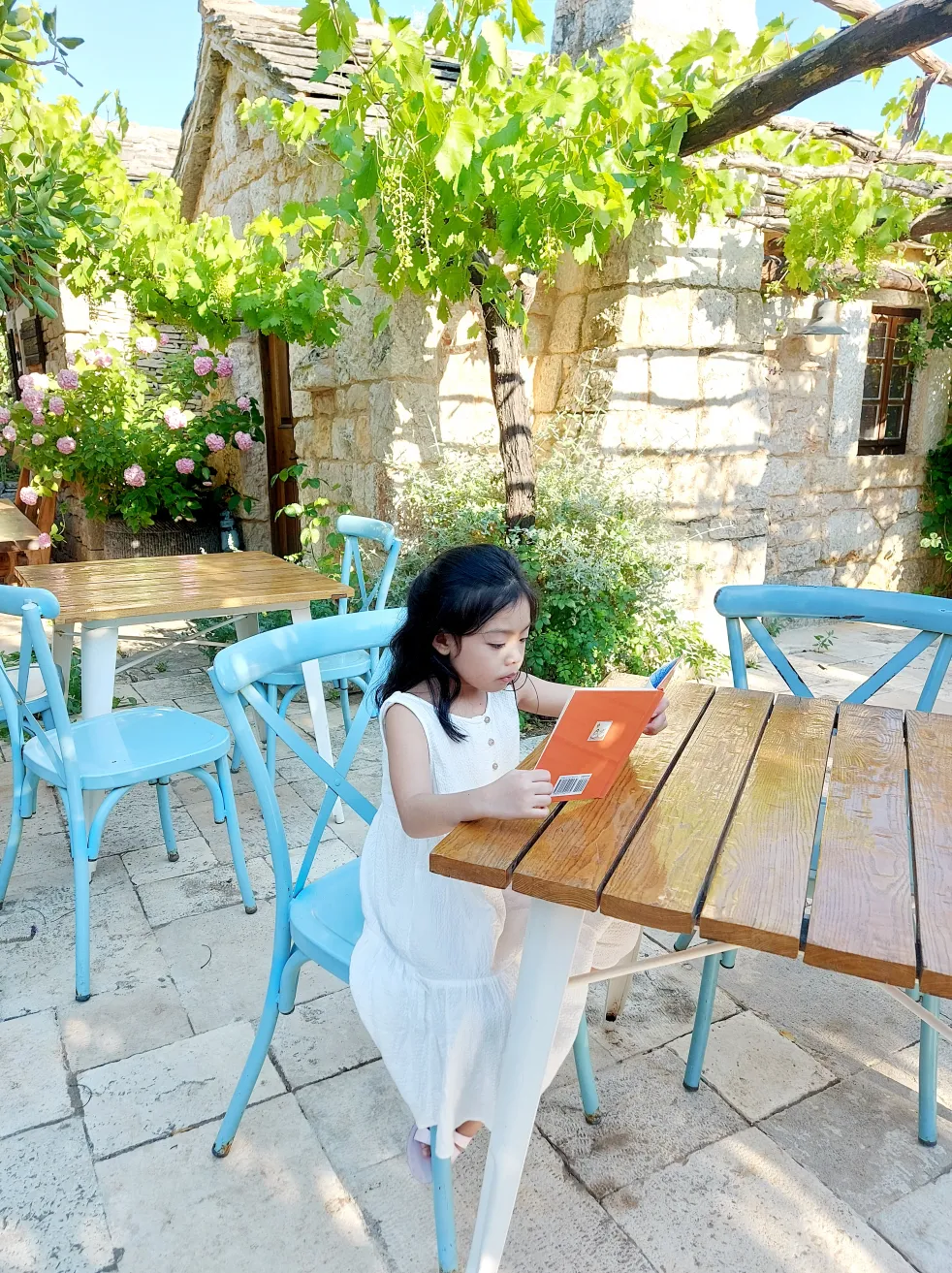
Where your child goes to school is a big decision and shouldn’t be taken lightly. Given how their education can impact their future, you might be tempted to take control and decide for them. However, you might be doing more damage than helping them in the long run. Your job as parents is to support… Continue reading HOW TO CHOOSE THE BEST SCHOOL FOR YOUR CHILD
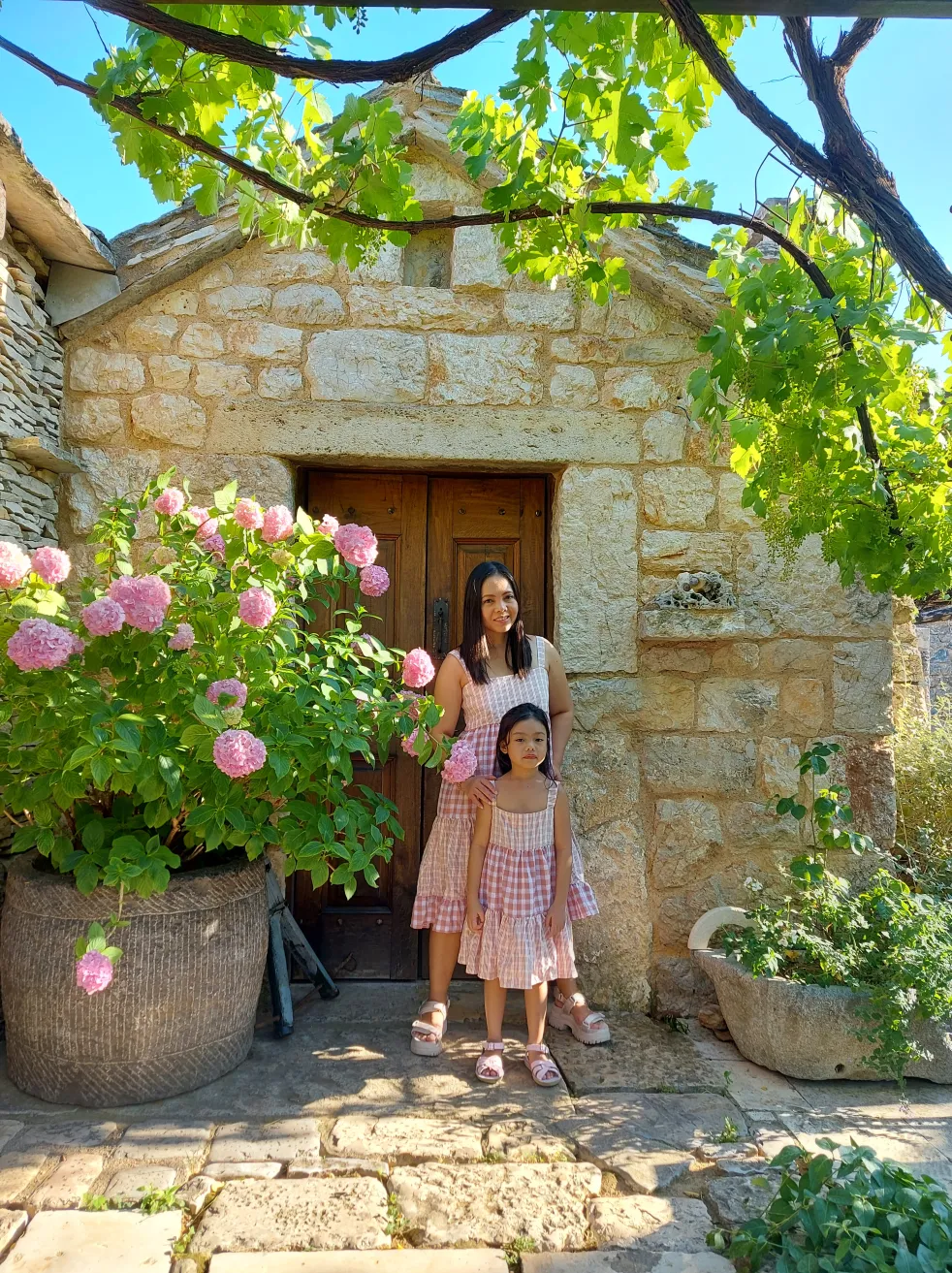
As poet and philosopher Rumi once eloquently said, “raise your words, not your voice. It is rain that grows flowers, not thunder.” Parenting is a challenging journey, and the truth is that nobody has everything figured out. One parenting style might suit others best, and some might favor other methods. However, children respond better to… Continue reading A SIMPLE GUIDE TO GENTLE PARENTING
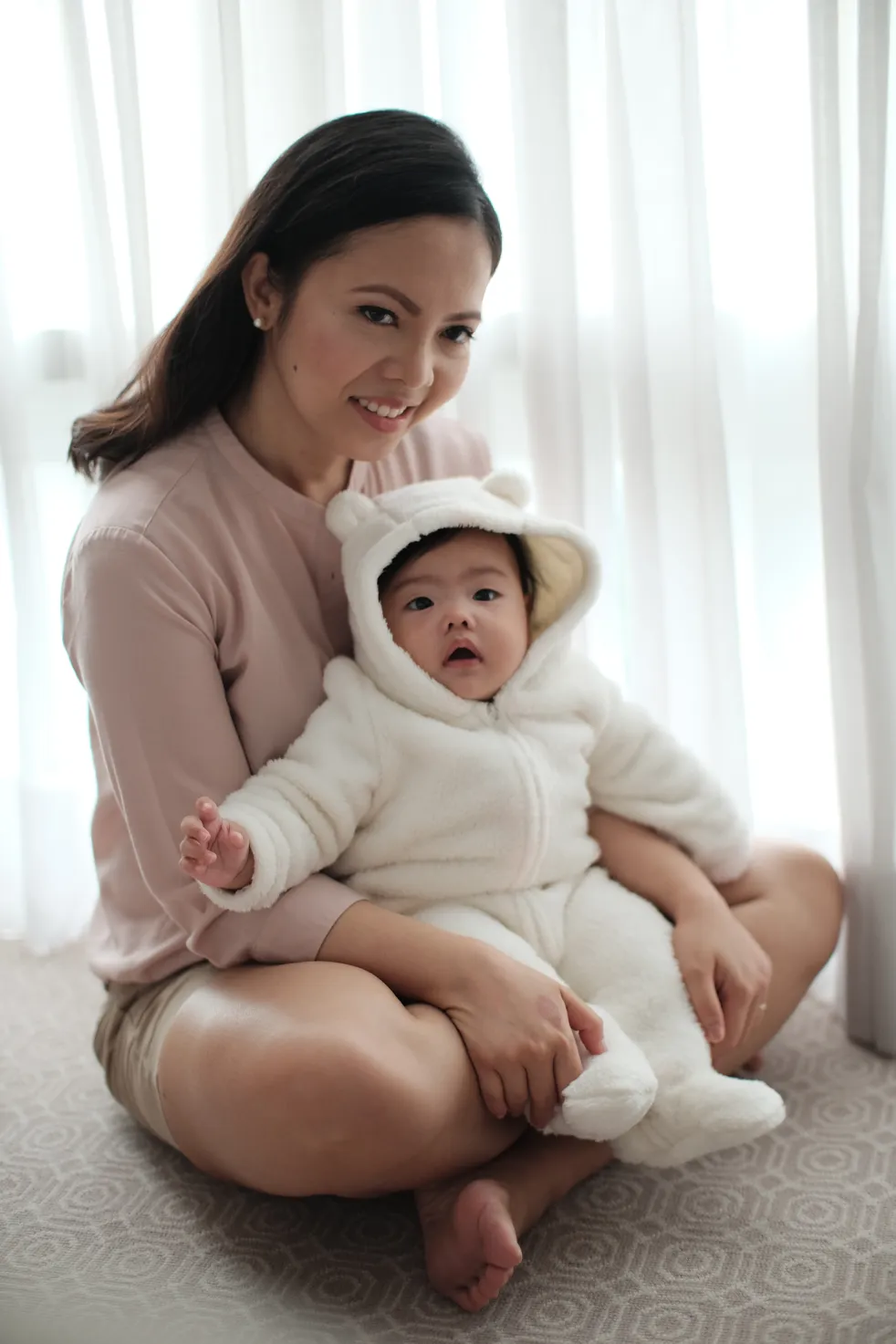
Whether you’re a new mom to be, mom of a toddler, mom who have school-aged kids, you’re bound to have so many questions. Let's start with your baby's skin. Infant skin has unique needs; gentle care is essential to prevent damage to the skin barrier, which can lead to irritation. When caring for infant skin,… Continue reading Keeping Baby’s Diapered Skin Healthy
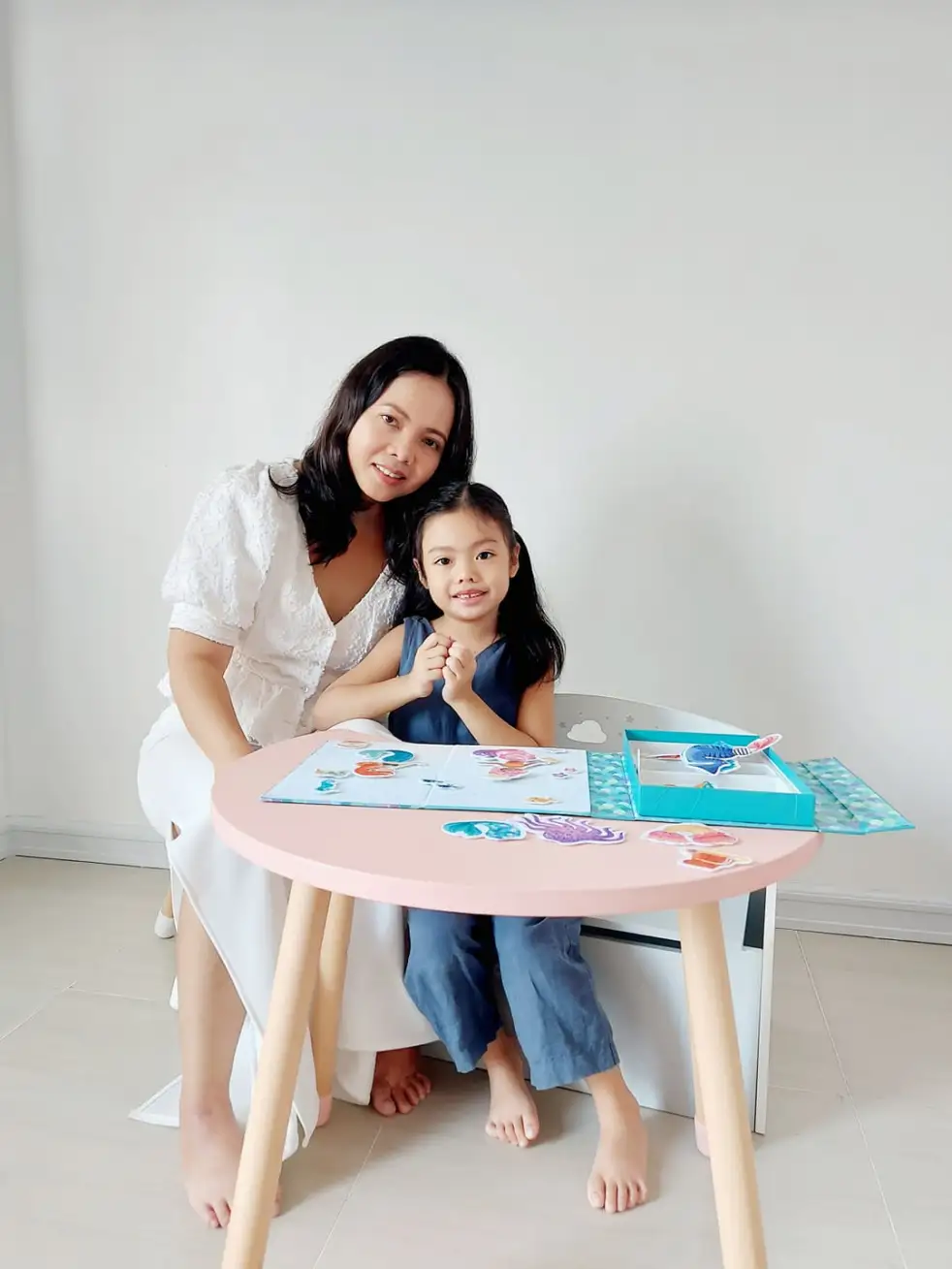
As parents, we want to give our child the best possible start in life and that begins with nurturing their intelligence. Throughout history, the notion of success has been linked to academic intelligence. However, there has been an increased awareness on the importance of emotional intelligence. This question gets at the heart of the never-ending… Continue reading IQ or EQ, which one is a better predictor of your child’s success?
 wondermomma.net