

Last August, IKEA Philippines engaged with Better World Smokey Mountain, a newly opened community center operated by the San Miguel Foundation, which shares a similar goal of improving the lives of many Filipino people. Through this partnership, IKEA Philippines provided and assembled home furnishings for the classrooms and library of Better World Smokey Mountain community… Continue reading Help Create a Better World with IKEA Soft Toys
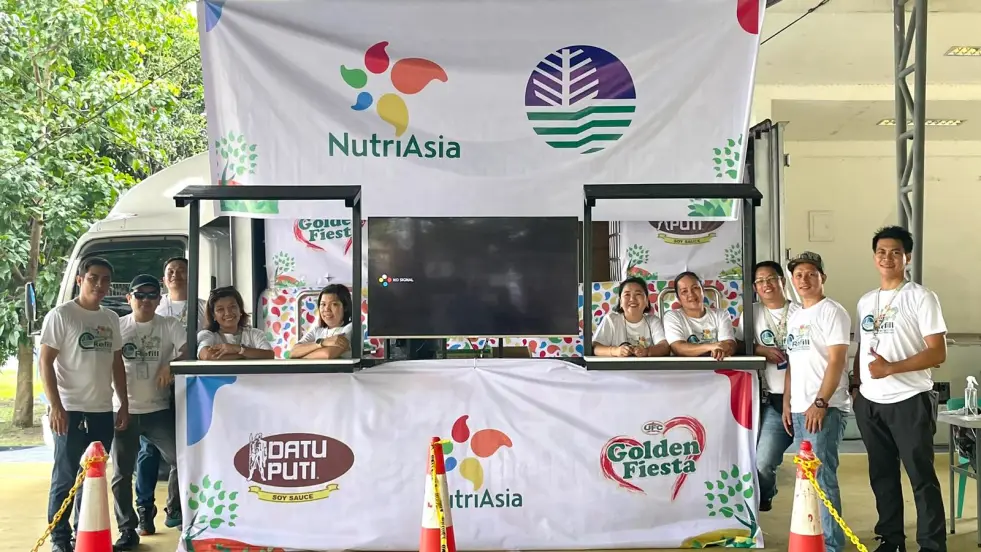
NutriAsia, the country’s top producer of condiments and sauces, continues its support of Refill Revolution; a project by the Department of Environment and Natural Resources EMB 3 that aims to help reduce Filipinos’ single-use plastics consumption. At Refill Revolution, residents get to recycle their single-use plastic bottles by reusing and filling it with their choice… Continue reading NutriAsia and DENR renews partnership for Refill Revolution

Simple ways to make learning numbers fun
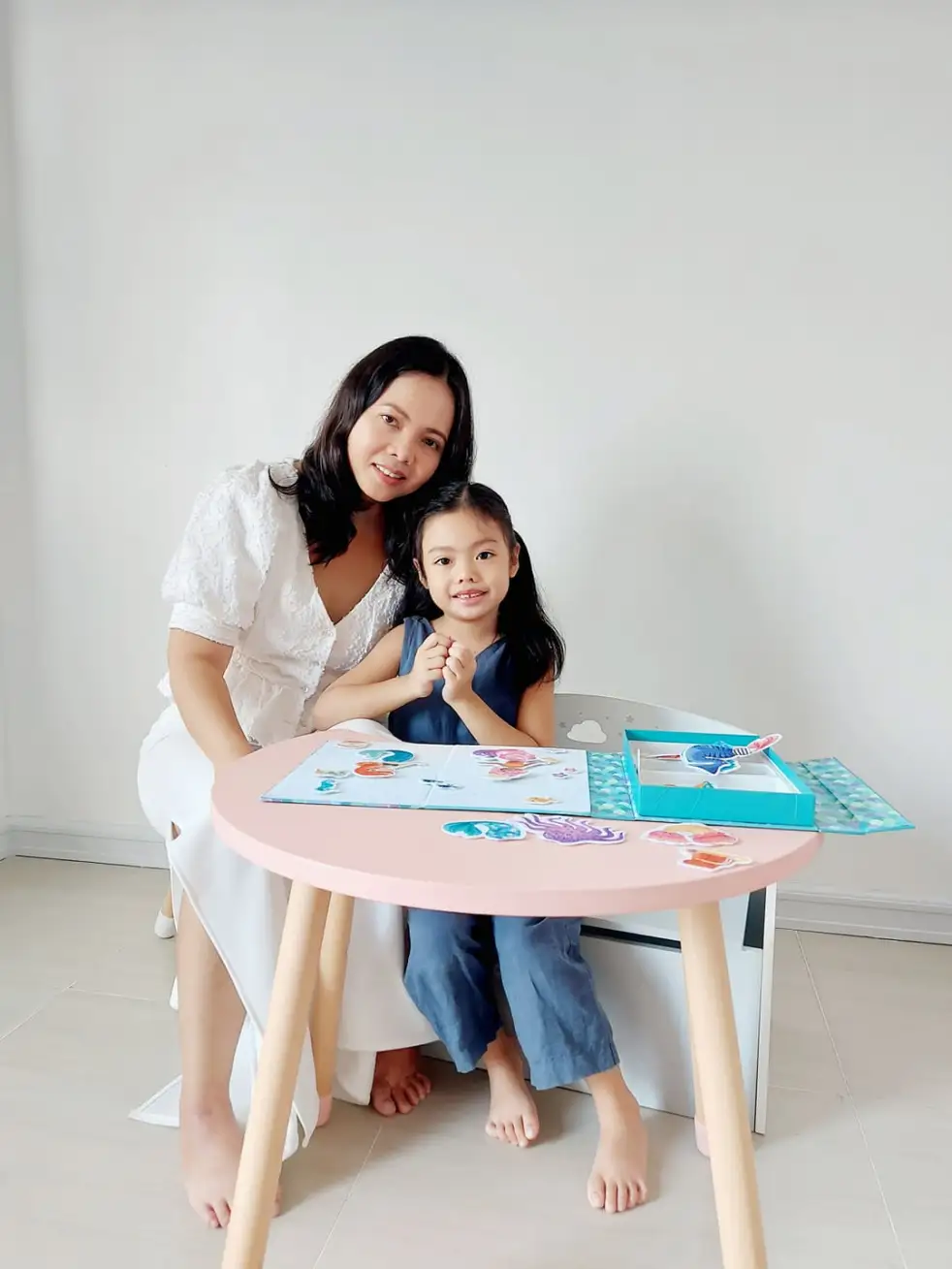
Families looking for simple ways to make learning numbers fun can begin with what children already see and do. Counting breakfast bowls, stairs or toy animals creates meaningful practice without a worksheet. The aim is not to turn every minute into a lesson, but to let number words and symbols appear naturally in conversation, play and daily routines.
Number learning is more than saying numbers in order. It includes noticing how many objects there are, matching a numeral to a quantity and seeing that adding or taking away changes an amount. Young children develop at different speeds, so short, playful moments usually work better than a fixed lesson. Follow their interests rather than a chart of what they should know by age.
Start with numbers in daily life
Build counting into routines that already happen. Ask your child to count plates as you set the table, socks as they come off or friends arriving at playgroup. Name the final number after they count with you. This supports one-to-one correspondence: touching one object for each number said.
Keep each activity brief and let the child lead. A three-year-old may happily count to five, while an older child notices that five toy cars hold more passengers than three. Follow that curiosity instead of racing through a number list. Praise noticing, comparing and thinking rather than the speed of an answer.
Everyday parenting does not have to include a prepared lesson for numbers to develop. Questions such as “How many towels are left?” or “Can you find the biggest spoon?” build vocabulary and early maths skills. Parents can also browse WonderMomma’s playful learning ideas for practical ways to extend these moments without adding pressure.
Use songs and movement for active practice
Music gives numbers a rhythm that helps children remember number words and sequences. Sing familiar action songs, add claps for each beat or replace a lyric with a number the child chooses. Repeated sounds and movement make the activity memorable, especially when the numbers appear in a story they already enjoy.
Movement games also turn counting into whole-body play. Ask children to stamp five times, jump to eight or freeze when you call a number. They can search for toys that begin with a certain sound, take turns choosing the next number or call out how many hops they completed. No special equipment is needed.
Outdoor play offers room for bigger movements. On a driveway, verandah or back patio, use pavement chalk to draw a numbered hopscotch course. Many Australian families also turn an Easter egg hunt into a counting game by hiding numbered clues or asking children to collect eggs in a stated quantity. Always keep the activity within a safe area and close to an adult.
Turn shopping trips into maths games
A supermarket visit contains plenty of opportunities for counting, sorting and comparing. Give your child a simple task, such as finding five mandarins, collecting three different coloured yoghurts or choosing the box of cereal with the most pieces. Keep the number small enough that they can complete it independently.
At Woolworths or Coles, children can compare packet sizes, check two prices or count items at the self-checkout. Australian currency provides useful examples for numeral matching: $1, $2, $5 and $10 notes can be paired with 5c, 10c and 20c coins. Older children might work out which combination makes 50c or $1.
Here are several play ideas compared by age and learning focus:
| Activity | Best suited for | Main learning focus |
|---|---|---|
| Counting breakfast items | 2–3 years | Number order and one-to-one counting |
| Matching coins to values | 3–5 years | Numeral recognition and money |
| Sorting supermarket goods | 3–5 years | Categories, more and fewer |
| Ordering number cards | 4–6 years | Sequencing and missing numbers |
| Measuring ingredients | 4–6 years | Addition, subtraction and volume |
After trying an activity, leave it out for a few days rather than repeating it immediately. Children often absorb concepts gradually, and a return visit can show them how much they remember. If the task becomes tedious, change the setting or choose another game.
Build with blocks and household objects
Building activities combine counting with creativity and spatial reasoning. Ask how many blocks are in a tower, which tower is taller and how many more blocks are needed to reach the top. Children can decorate each level with a different colour, creating a pattern that links numbers with visual order.
Recycled household objects work just as well as purchased toys. Empty cups can be arranged from smallest to largest, lids can be matched to containers and bottle labels can be used for number matching. Sorting toy animals into groups develops classification skills while encouraging children to explain their choices.
A visit to Bunnings can inspire a homemade number game using pegs, wooden pieces or small paint tins. Children can glue large numeral cards to a board, then collect objects to place beside each number. The activity supports numeral matching while strengthening fine motor control, and the finished game can be reused for sorting, addition or simple subtraction challenges.
Bring numbers into stories and outings
Picture books make number concepts part of a narrative. Count objects on the page before turning it, ask what might come next in a repeating story or invite your child to invent a problem using two characters and some food. Books with animals, vehicles or building blocks offer easy opportunities to compare sizes and quantities.
Public libraries in Sydney, Melbourne, Brisbane, Perth and Adelaide commonly run Storytime sessions where children enjoy rhymes, songs and simple counting games. Visiting one gives families a relaxed way to practise numbers without buying additional materials. Bring a familiar picture book and count the claps or repeated words together.
Animal outings provide another engaging setting. At Taronga Zoo in Sydney, Melbourne Zoo or a local wildlife park, children can count how many animals they see, compare the number of different species or notice which enclosure has the most birds. The exact answer matters less than discussing more, fewer, equal and grouped quantities.
Keep the learning playful and pressure-free
Children learn best when adults respond with patience rather than immediate correction. If your child counts incorrectly, gently ask them to touch each object again or point to the numeral they mean. This shows that mistakes are part of learning and keeps the focus on understanding quantity.
Notice which skills are developing, such as matching a numeral to a group, counting objects in the correct order, identifying a bigger quantity or completing a simple addition. Choose activities that stretch the child’s current understanding without making them feel tested. There is no need to work through every number from one to twenty at once.
Rotate games, songs and books so the same idea returns in different forms. Repetition supports memory, while variety prevents boredom. When numerals become part of stories, songs, shopping trips and everyday discoveries, number learning feels like a natural part of family life rather than a separate school task.

Mercato Centrale, in collaboration with Indian Women in Enterprise Philippines (I-We), is set to host "The Great Indian Fiesta" to mark 75 years of friendship between India and the Philippines. The dynamic two-day event is scheduled to take place on September 30 to October 1, 2023, at Paseo De Roxas Street, Makati City. Aiming to… Continue reading Mercato Centrale Partners with I-We to Host ‘The Great Indian Fiesta’, Commemorating 75 Years of India-Philippines Friendship

My stomach would usually start growling at 10 am even after taking a big breakfast. This is probably because I am a morning person and I move a lot throughout the day hence snacking is something that I can't avoid. This potatoes and chicken wrap recipe is easy to prepare and would keep me full… Continue reading Potato and Chicken Wrap
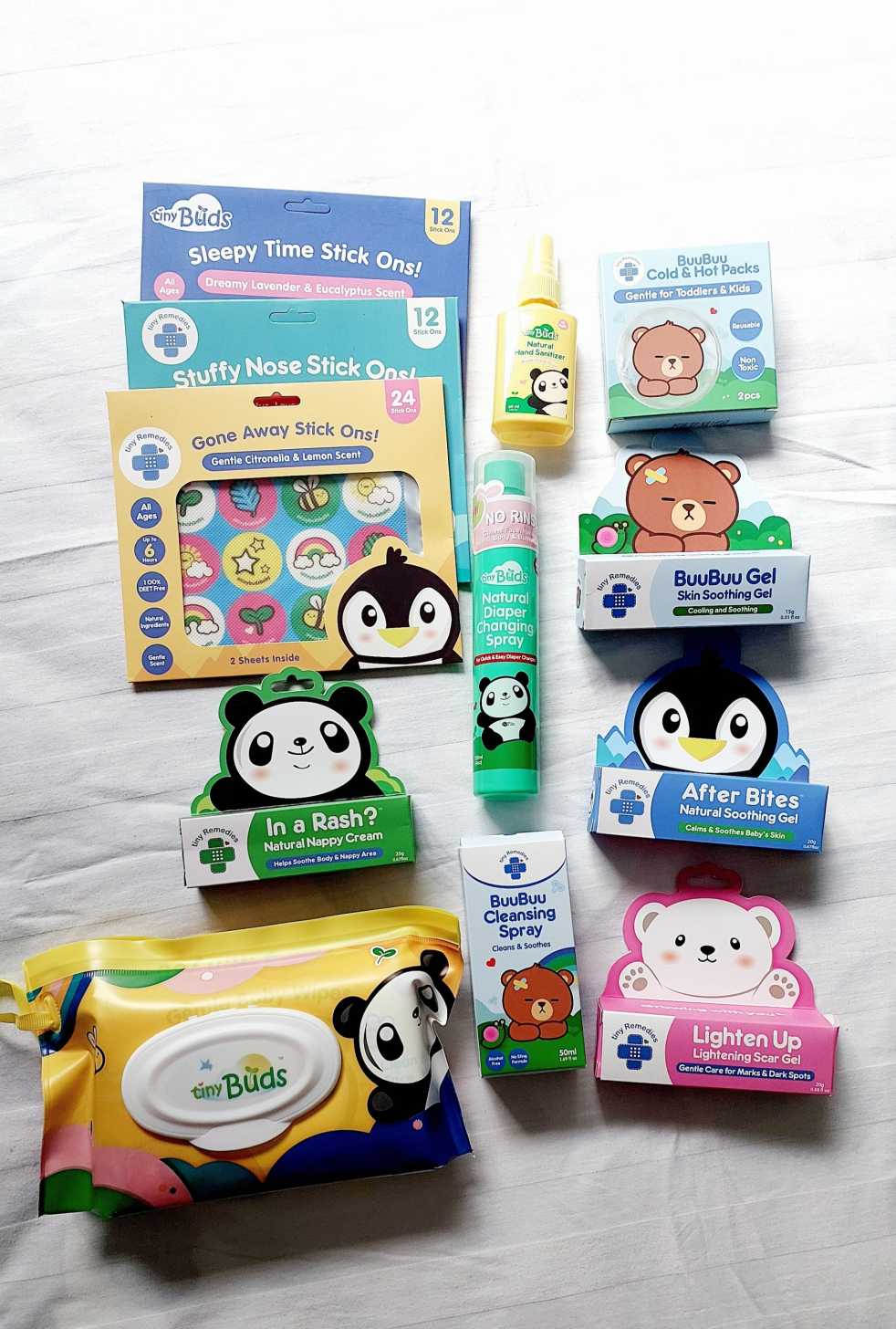
Your baby’s skin is more delicate than most, this is why you have to choose products that are designed for sensitive skin. Tiny Buds is a pioneer in integrating natural ingredients into baby care and today has over 50 innovative natural baby care essentials and is one of the Top Baby Personal Care brands. Here… Continue reading Product Review: Tiny Buds Baby Naturals Baby Essentials
Where your child goes to school is a big decision and shouldn’t be taken lightly. Given how their education can impact their future, you might be tempted to take control and decide for them. However, you might be doing more damage than helping them in the long run. Your job as parents is to support… Continue reading HOW TO CHOOSE THE BEST SCHOOL FOR YOUR CHILD
As poet and philosopher Rumi once eloquently said, “raise your words, not your voice. It is rain that grows flowers, not thunder.” Parenting is a challenging journey, and the truth is that nobody has everything figured out. One parenting style might suit others best, and some might favor other methods. However, children respond better to… Continue reading A SIMPLE GUIDE TO GENTLE PARENTING

Whether you’re a new mom to be, mom of a toddler, mom who have school-aged kids, you’re bound to have so many questions. Let's start with your baby's skin. Infant skin has unique needs; gentle care is essential to prevent damage to the skin barrier, which can lead to irritation. When caring for infant skin,… Continue reading Keeping Baby’s Diapered Skin Healthy
As parents, we want to give our child the best possible start in life and that begins with nurturing their intelligence. Throughout history, the notion of success has been linked to academic intelligence. However, there has been an increased awareness on the importance of emotional intelligence. This question gets at the heart of the never-ending… Continue reading IQ or EQ, which one is a better predictor of your child’s success?
 wondermomma.net