

Last August, IKEA Philippines engaged with Better World Smokey Mountain, a newly opened community center operated by the San Miguel Foundation, which shares a similar goal of improving the lives of many Filipino people. Through this partnership, IKEA Philippines provided and assembled home furnishings for the classrooms and library of Better World Smokey Mountain community… Continue reading Help Create a Better World with IKEA Soft Toys
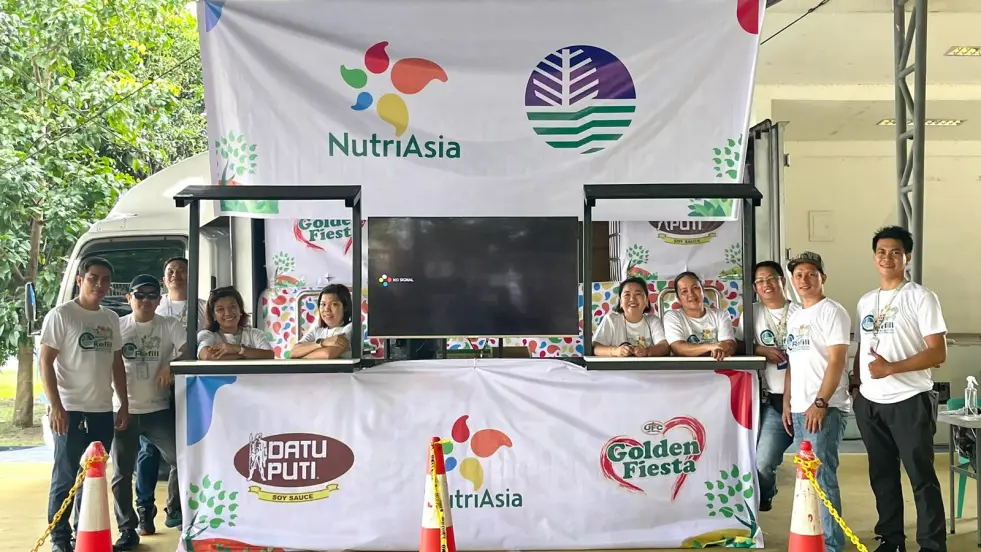
NutriAsia, the country’s top producer of condiments and sauces, continues its support of Refill Revolution; a project by the Department of Environment and Natural Resources EMB 3 that aims to help reduce Filipinos’ single-use plastics consumption. At Refill Revolution, residents get to recycle their single-use plastic bottles by reusing and filling it with their choice… Continue reading NutriAsia and DENR renews partnership for Refill Revolution

Learning Through Everyday Errands With Your Child
Daily errands can become small, relaxed learning opportunities without turning the supermarket, post office or school run into a formal lesson. Children learn through conversation, movement, observation and hands-on experiences, so ordinary family routines offer plenty of meaningful practice.
A trip to Woolworths or Coles can involve counting, comparing prices and identifying healthy foods. A visit to the library can build early literacy, while waiting for a bus or tram may encourage your child to notice numbers, signs and patterns. These moments are short, practical and easy to repeat.
The aim is not to add pressure to an already busy day. Instead, parents can gently extend what is already happening by naming objects, allowing children to make simple choices and following their interests. A few minutes of playful learning during an errand can support language, numeracy, problem-solving and social development.
Turn the supermarket into a learning space
Grocery shopping naturally introduces maths and decision-making. Ask your child to help count apples, find three tins of beans or choose the larger packet. Older children can compare unit prices, read labels and work out which item offers better value. At Woolworths or Coles, the shelf tags provide real examples of dollars, cents, weights and measurements.
Give children manageable jobs rather than expecting them to stay quietly occupied. A preschooler might match pictures on your shopping list to products, while a primary-school child could tick off items or organise fruit by colour. You can talk about why refrigerated foods are kept cold and how a barcode helps the checkout process work.
Food shopping also creates opportunities to discuss nutrition without labelling foods as “good” or “bad”. Talk about variety, energy, taste and how different ingredients are used in family meals. If your child becomes overwhelmed by noise or crowds, keep the activity brief and prioritise a calm experience over completing every learning task.
Build language skills during local outings
Everyday travel is rich in conversation. On the walk to school, point out street signs, house numbers, shop names and road symbols. Ask your child to describe what they can see using colour, size, texture or position. For a toddler, “The green bus is behind us” models useful vocabulary; for an older child, a conversation about directions can develop more precise language.
Libraries are especially helpful places for literacy learning. Many Australian public libraries offer free story time, rhyme sessions and children’s activities, including programmes through local councils. Let your child choose a book, notice the author’s name or retell the story from the pictures. You can also ask the librarian for books connected with a current interest, such as dinosaurs, cooking or gardening.
Keep questions open and conversational. Rather than testing your child with a stream of “What colour is that?” prompts, share your own observations and leave space for a response. Talking about what happened at the library, market or playground later in the day helps children practise sequencing and recall.
Practise maths on the move
Transport errands provide natural number games. At a bus stop, tram platform or train station, children can look for route numbers, count vehicles and compare which one arrives first. If you use an Opal card in New South Wales or a Myki card in Victoria, explain in simple terms that the card records a journey and that transport systems help people move around a city.
Walking also supports spatial awareness. Encourage your child to notice whether the bakery is before or after the crossing, count driveways or estimate how many steps lead to the park. Keep safety at the centre: children can practise stopping at the kerb, looking for traffic and staying close to an adult while learning about direction and distance.
At home after the errand, extend the activity with a simple drawing or map. Your child could sketch the route from the car park to the shop, place stickers where they stopped or arrange pictures in travel order. This turns a familiar outing into a gentle introduction to mapping, memory and sequence.
Encourage problem-solving at practical stops
Hardware shops, garden centres and post offices are full of real-world challenges. At Bunnings, children might identify tools, compare the textures of materials or help choose a pot that is large enough for a plant. A weekend sausage sizzle can become a chance to talk about queues, money and community fundraising, while still keeping the focus on the family outing.
At the post office, explain why parcels need addresses, stamps and labels. Older children can help write a shopping list, check a delivery address or estimate how many items fit into a parcel. At a chemist or medical appointment, use clear, age-appropriate language about health, hygiene and why adults sometimes need advice from trained professionals.
Allow children to suggest solutions before stepping in. If you cannot find an item, ask where they think it might be located or who could help. If a bag is too full, invite them to decide what should be carried separately. Small decisions build independence and show children how people solve everyday problems.
Make waiting time calm and purposeful
Queues and appointments can be difficult for young children, yet waiting offers opportunities for observation and self-regulation. In a café, ask your child to notice how many tables have people sitting at them, identify shapes in the room or listen for different sounds. At the GP, dentist or council office, quiet picture books and drawing materials can make the experience more manageable.
Try a “notice and remember” game: choose three things to spot, such as a red sign, a round object and a person wearing a hat. For children who are ready, play simple word games using the first sound of nearby objects. These activities can be adapted for a shopping centre, airport, petrol station or community health clinic.
Learning should never be used to force a child through distress. If the queue is long or the environment is too stimulating, offer a break, a snack, a cuddle or a quiet activity. Supporting emotional regulation is itself an important part of development, and children learn best when they feel safe and connected.
Match activities with your child’s stage
The best errand-based learning activity depends on age, temperament and interest. A two-year-old may enjoy naming fruit and posting a letter into a box, while a seven-year-old may want to compare prices or read a bus timetable. Children do not need to complete every suggested activity; one small interaction is enough.
Use the comparison below as a flexible guide rather than a checklist. A child who is fascinated by vehicles may learn more from counting buses than from an adult-planned spelling game. Following curiosity helps errands feel enjoyable and keeps learning connected to real life.
| Age or stage | Simple activity | Skills supported | Helpful parent language |
|---|---|---|---|
| Toddlers | Name items, match colours, count two or three objects | Vocabulary, attention, early number sense | “You found the yellow banana.” |
| Preschoolers | Sort groceries, follow a short picture list, notice signs | Classification, memory, symbols, communication | “Which item comes next on our list?” |
| Early primary | Compare prices, read labels, find route numbers | Numeracy, reading, decision-making | “How could we work out which one costs less?” |
| Older primary | Plan a route, estimate a total, write a list or message | Planning, budgeting, literacy, independence | “What do we need to check before we leave?” |
| Children needing extra support | Use visual prompts, practise one predictable task, take sensory breaks | Confidence, regulation, functional communication | “First we get the bread, then we can have a quiet break.” |
Keep the learning connected to the purpose of the outing. If you are rushing to collect a prescription or make the school pick-up, there is no need to add extra questions. On a slower Saturday morning, you might visit a farmers’ market, compare seasonal produce or talk with a stallholder about how food is grown. In the Australian summer, remember sun protection, water and shade when errands involve outdoor markets or long walks.
Over time, these ordinary experiences help children understand how their community works. They learn that reading is useful for signs and recipes, maths helps with money and distance, and communication supports relationships. A family errand does not have to become a lesson plan; with a little attention, it can become a warm, practical part of your child’s learning journey.

Mercato Centrale, in collaboration with Indian Women in Enterprise Philippines (I-We), is set to host "The Great Indian Fiesta" to mark 75 years of friendship between India and the Philippines. The dynamic two-day event is scheduled to take place on September 30 to October 1, 2023, at Paseo De Roxas Street, Makati City. Aiming to… Continue reading Mercato Centrale Partners with I-We to Host ‘The Great Indian Fiesta’, Commemorating 75 Years of India-Philippines Friendship

My stomach would usually start growling at 10 am even after taking a big breakfast. This is probably because I am a morning person and I move a lot throughout the day hence snacking is something that I can't avoid. This potatoes and chicken wrap recipe is easy to prepare and would keep me full… Continue reading Potato and Chicken Wrap
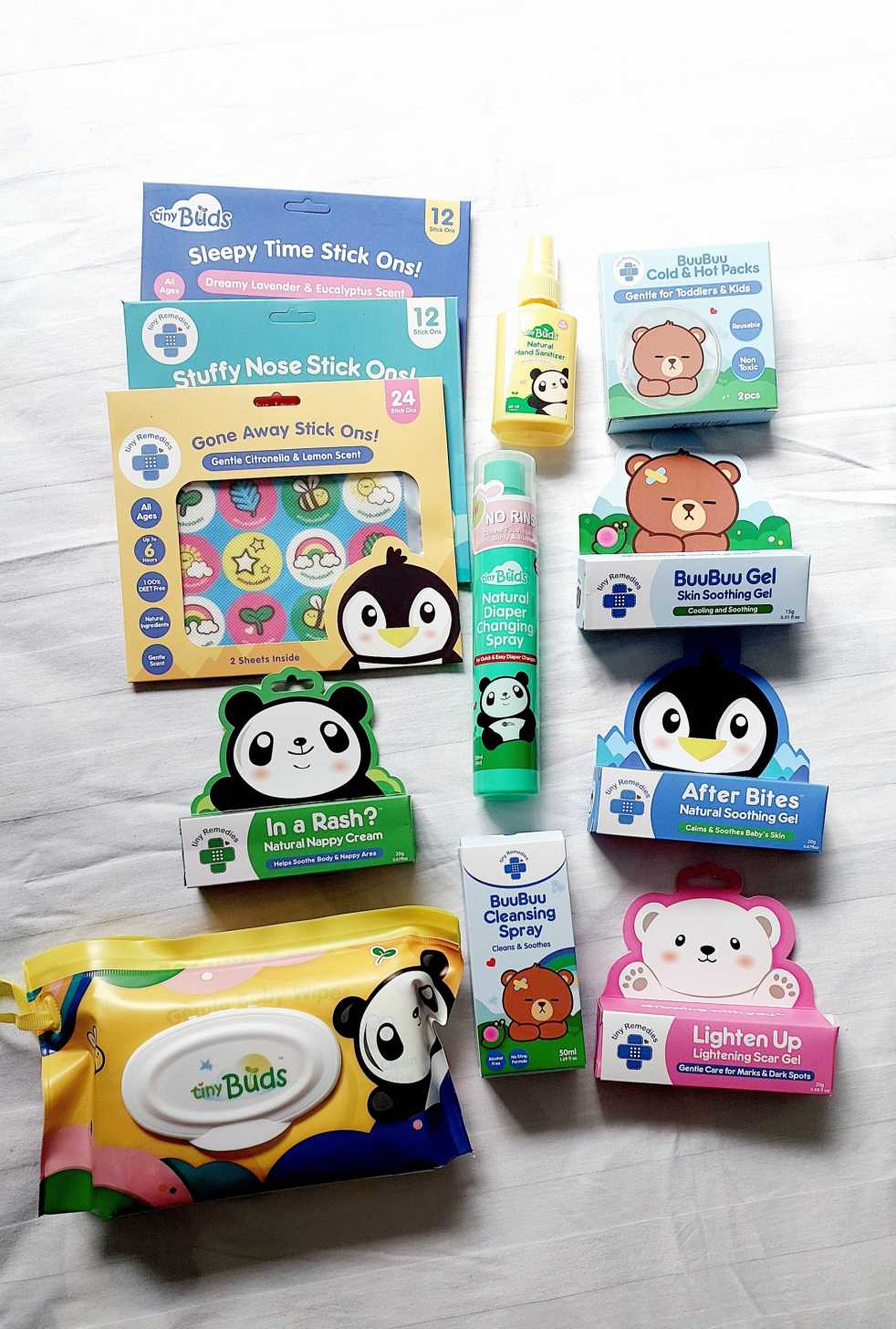
Your baby’s skin is more delicate than most, this is why you have to choose products that are designed for sensitive skin. Tiny Buds is a pioneer in integrating natural ingredients into baby care and today has over 50 innovative natural baby care essentials and is one of the Top Baby Personal Care brands. Here… Continue reading Product Review: Tiny Buds Baby Naturals Baby Essentials
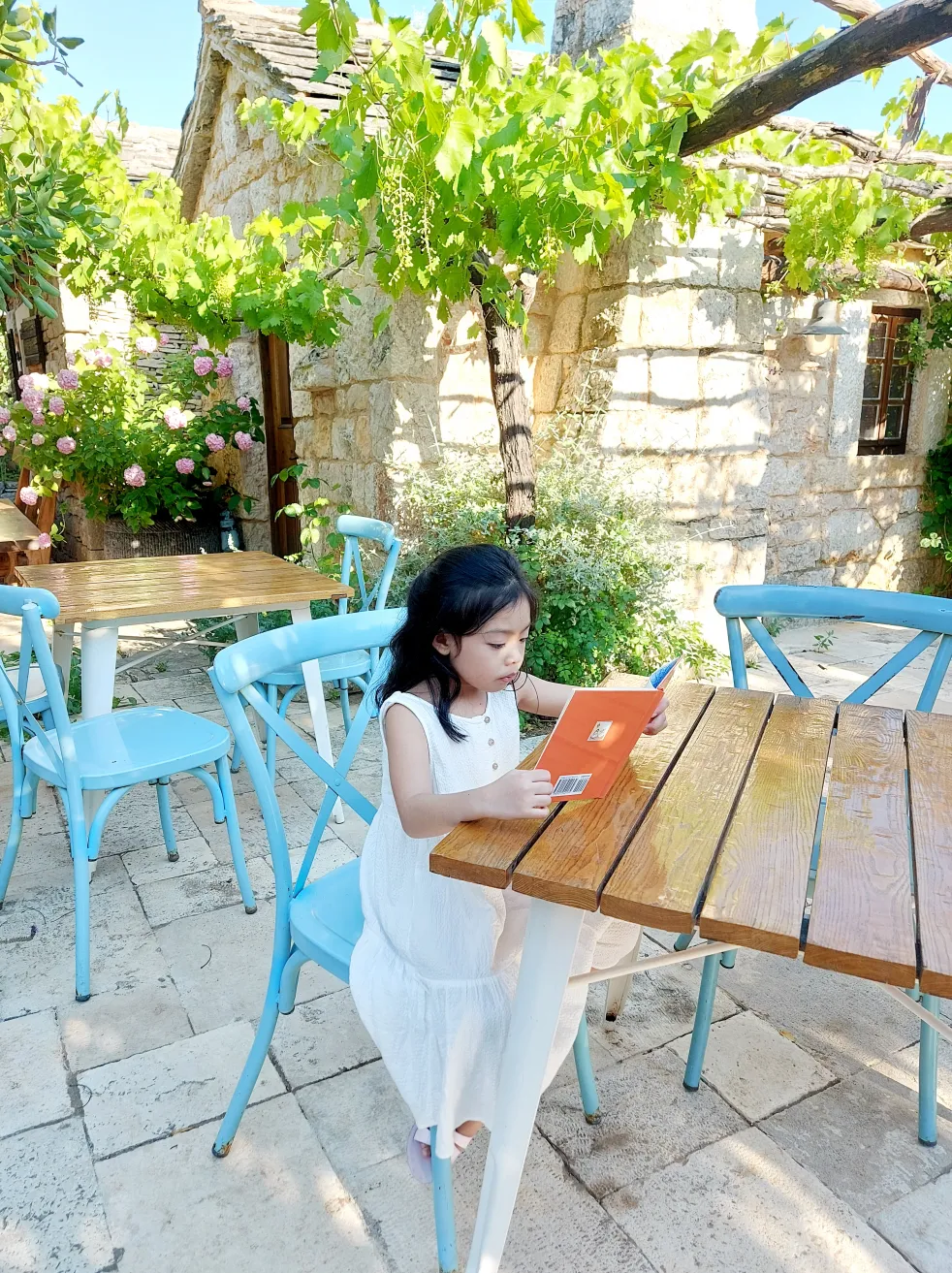
Where your child goes to school is a big decision and shouldn’t be taken lightly. Given how their education can impact their future, you might be tempted to take control and decide for them. However, you might be doing more damage than helping them in the long run. Your job as parents is to support… Continue reading HOW TO CHOOSE THE BEST SCHOOL FOR YOUR CHILD
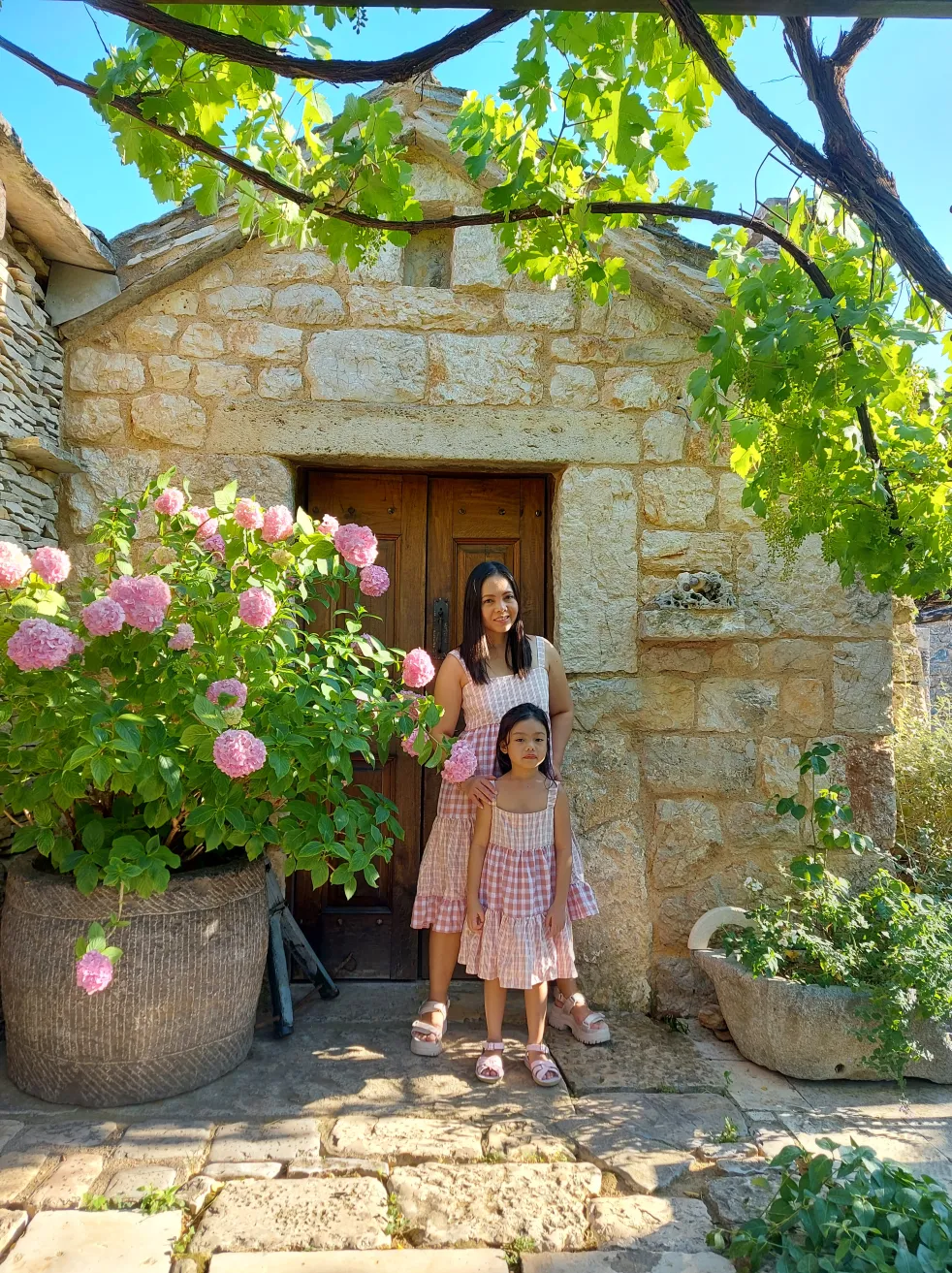
As poet and philosopher Rumi once eloquently said, “raise your words, not your voice. It is rain that grows flowers, not thunder.” Parenting is a challenging journey, and the truth is that nobody has everything figured out. One parenting style might suit others best, and some might favor other methods. However, children respond better to… Continue reading A SIMPLE GUIDE TO GENTLE PARENTING

Whether you’re a new mom to be, mom of a toddler, mom who have school-aged kids, you’re bound to have so many questions. Let's start with your baby's skin. Infant skin has unique needs; gentle care is essential to prevent damage to the skin barrier, which can lead to irritation. When caring for infant skin,… Continue reading Keeping Baby’s Diapered Skin Healthy
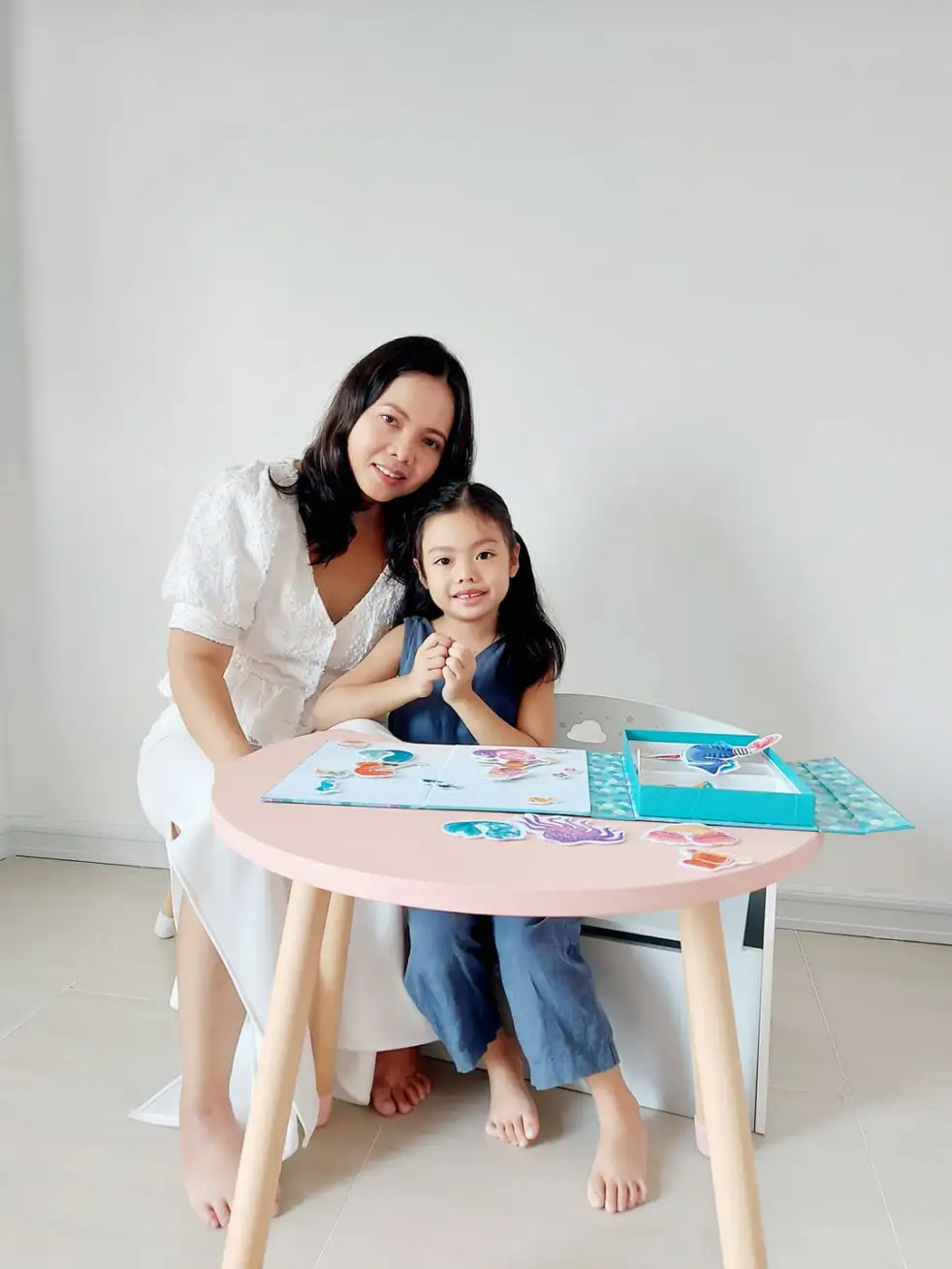
As parents, we want to give our child the best possible start in life and that begins with nurturing their intelligence. Throughout history, the notion of success has been linked to academic intelligence. However, there has been an increased awareness on the importance of emotional intelligence. This question gets at the heart of the never-ending… Continue reading IQ or EQ, which one is a better predictor of your child’s success?
 wondermomma.net