

Last August, IKEA Philippines engaged with Better World Smokey Mountain, a newly opened community center operated by the San Miguel Foundation, which shares a similar goal of improving the lives of many Filipino people. Through this partnership, IKEA Philippines provided and assembled home furnishings for the classrooms and library of Better World Smokey Mountain community… Continue reading Help Create a Better World with IKEA Soft Toys
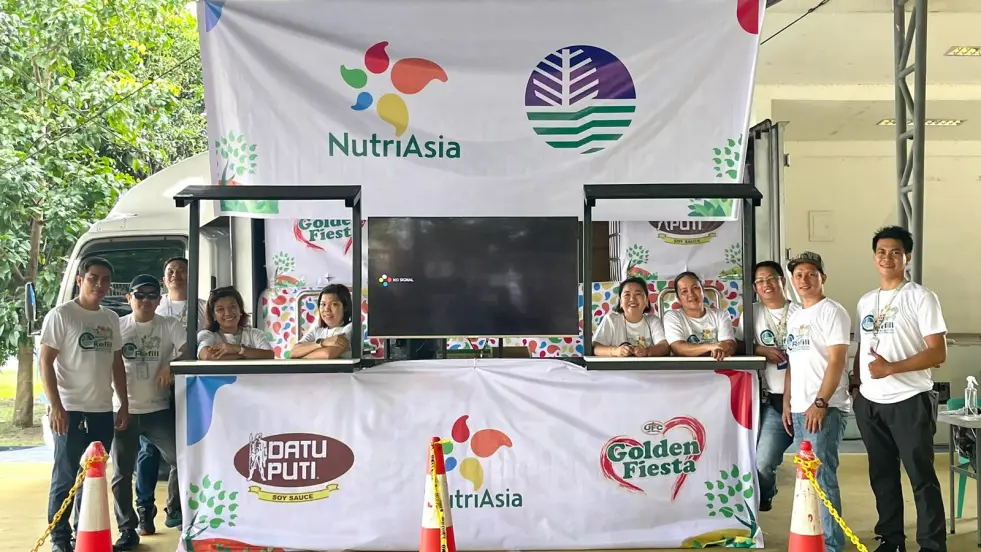
NutriAsia, the country’s top producer of condiments and sauces, continues its support of Refill Revolution; a project by the Department of Environment and Natural Resources EMB 3 that aims to help reduce Filipinos’ single-use plastics consumption. At Refill Revolution, residents get to recycle their single-use plastic bottles by reusing and filling it with their choice… Continue reading NutriAsia and DENR renews partnership for Refill Revolution

Simple ways to help your toddler drink more water
Toddlers are busy, curious and easily distracted, so drinking can slip down their priority list. They may take a few sips at breakfast, refuse their cup at lunch and then suddenly ask for a large drink before bed. This pattern is common, especially when a child is learning to notice thirst and communicate what they need.
Water is the best everyday drink for young children. It supports normal body functions, helps prevent constipation and replaces fluid lost through play, sleep and warm weather. In Australia, hydration matters even more during hot summer days in Brisbane, Perth or Darwin, although children can also become thirsty during active indoor play in cooler cities such as Melbourne or Hobart.
The goal is not to force a particular amount in one sitting. Gentle, repeated opportunities usually work better than pressure. With a familiar bottle, appealing routines and water-rich foods, families can make drinking feel like a normal part of the day.
Make water easy to see and reach
A toddler is more likely to drink when a cup or bottle is within easy reach. Keep a small, lightweight drink bottle in the play area, on the pram or beside your child’s place at the table. Choose a model that is simple to open and close, with a soft spout or straw if that suits your child’s current skills. Check it regularly for mould, worn seals or trapped food residue.
Offer water at predictable moments rather than waiting for your toddler to request it. Good opportunities include waking up, sitting down for meals, leaving the house, returning from the park and getting ready for sleep. These cues create a rhythm that can become automatic over time.
Let your child select between two suitable cups, such as a blue straw bottle or a small open cup. Giving limited choices provides a sense of independence without turning hydration into a negotiation. Avoid using a bottle as a toy or carrying it constantly, since frequent sipping can affect dental health and may reduce interest in meals.
Build hydration into everyday routines
Serve water with every meal and snack, even if your toddler ignores it at first. Place the cup where it is visible and take a sip yourself. Children often copy adults, so parents who carry a reusable bottle and choose tap water send a stronger message than repeated reminders.
A drink before and after outdoor play is particularly useful. Australian families may spend long afternoons at the beach, a local playground or weekend sport, where heat and activity increase fluid loss. In very hot conditions, plan breaks in the shade and offer water more often. Never rely on thirst alone when a child is deeply absorbed in play.
Childcare routines can support the same habit. Ask educators how water is offered during the day and use a familiar bottle if the centre allows one. Australian early childhood services are expected to provide safe drinking water, and many centres keep cups or refill stations accessible. A consistent approach between home and childcare reduces confusion and helps your toddler recognise water as the usual drink.
Make plain water more appealing
Some toddlers resist water because they are used to sweet flavours from juice, flavoured milk or cordial. If sweet drinks are available regularly, plain water can seem less interesting. Gradually reduce these drinks rather than presenting them as a reward, and keep water as the default option at home.
A colourful cup, bendable straw or bottle with a favourite animal can make drinking feel special without adding sugar. You can also serve chilled or room-temperature water to discover which temperature your child prefers. Some children dislike very cold water, while others drink more after it has been refrigerated.
For variety, add a small amount of flavour from fresh food. Try a jug with cucumber, mint, orange or berries, then remove any pieces that could become a choking risk. This is different from adding cordial or sweetened powder. Wash produce carefully and avoid whole grapes, berries or other small pieces in a toddler’s drinking bottle.
Take your child shopping for a bottle at a local supermarket, chemist or department store, and let them choose a design within your budget. Many Australian families also use insulated stainless-steel bottles for hot days, but the bottle should remain light enough for a toddler to carry safely. Wash it daily with warm soapy water and allow every part to dry fully.
Use food and play to support fluid intake
Water-rich foods can contribute to hydration, particularly when a toddler is reluctant to drink. Offer watermelon, oranges, strawberries, cucumber, tomatoes, soups, yoghurt and soft fruit alongside regular meals. These foods also provide energy and nutrients, so they are a helpful addition rather than a replacement for drinks.
Consider water breaks as part of active games. Pause a bike ride, backyard game or trip to the oval for a short “drink and rest” moment. Singing a brief song, using a simple timer or having a family cheers with water can make the pause predictable. Keep the mood relaxed and avoid turning each sip into a performance.
Do not insist that your child finish a cup. Pressure can make a toddler associate water with conflict and may encourage gulping when they are not thirsty. Offer a modest amount, praise the attempt and try again later. If a spill occurs, treat it as part of learning; an open cup requires practice with balance and coordination.
Sweetened drinks deserve particular care because they can contribute to tooth decay and make plain water harder to accept. Australian healthy eating guidance recommends water as the best drink for children, while fruit juice is unnecessary for toddlers. Cow’s milk can be part of a balanced diet, but it should not replace water throughout the day or crowd out meals.
Notice patterns and respond early
Toddlers vary in how much fluid they need. Weather, activity, food, illness and individual appetite all make a difference. Rather than measuring every sip, watch general signs such as regular urination, pale yellow urine, a moist mouth, normal energy and tears when crying. A child who is unwell may need closer observation because vomiting, diarrhoea or fever can increase fluid loss.
Contact a GP or health service if your child is unusually sleepy, has a very dry mouth, produces much less urine than usual, has dark urine, cannot keep fluids down or shows other concerning symptoms. Seek urgent care if your child appears difficult to wake, has breathing problems or you suspect serious dehydration. An Australian GP, child and family health nurse or healthdirect can provide advice suited to your child’s age and condition.
For everyday family life, the most useful approach is simple: offer water regularly, make it accessible, model the habit and keep the atmosphere calm. The following guide can help you choose an approach based on what your toddler responds to best.
| Approach | How to use it | Best suited to | Helpful reminder |
|---|---|---|---|
| Open cup | Offer a small amount at meals and sit nearby | Toddlers practising independence | Expect spills while coordination develops |
| Straw bottle | Pack it for childcare, outings and the pram | Active children who like to sip | Clean the straw and seals thoroughly |
| Flavoured water | Add cucumber, mint or a little fruit for aroma | Children bored by plain water | Avoid cordial, powders and added sugar |
| Routine-based drinks | Offer water after waking, before play and with meals | Toddlers who forget to drink | Use the same cues each day |
| Water-rich snacks | Serve fruit, vegetables, soup or yoghurt | Children who resist larger drinks | Food supports hydration but does not replace regular water |
Small habits worth trying this week
- Put a filled, toddler-friendly bottle beside the play space each morning.
- Offer water with breakfast, lunch, dinner and every planned snack.
- Take a drink break before and after outdoor play, especially during Australian summer.
- Let your toddler choose between two suitable cups or bottle designs.
- Keep juice, cordial and sweetened drinks out of the everyday routine.
A child may need many relaxed exposures before water becomes a preferred drink. Continue offering it without pressure, celebrate small progress and adjust the cup, temperature or timing when needed. Over time, these ordinary moments can establish a healthy hydration habit that travels from home to childcare, school, holidays and family outings.

Mercato Centrale, in collaboration with Indian Women in Enterprise Philippines (I-We), is set to host "The Great Indian Fiesta" to mark 75 years of friendship between India and the Philippines. The dynamic two-day event is scheduled to take place on September 30 to October 1, 2023, at Paseo De Roxas Street, Makati City. Aiming to… Continue reading Mercato Centrale Partners with I-We to Host ‘The Great Indian Fiesta’, Commemorating 75 Years of India-Philippines Friendship

My stomach would usually start growling at 10 am even after taking a big breakfast. This is probably because I am a morning person and I move a lot throughout the day hence snacking is something that I can't avoid. This potatoes and chicken wrap recipe is easy to prepare and would keep me full… Continue reading Potato and Chicken Wrap
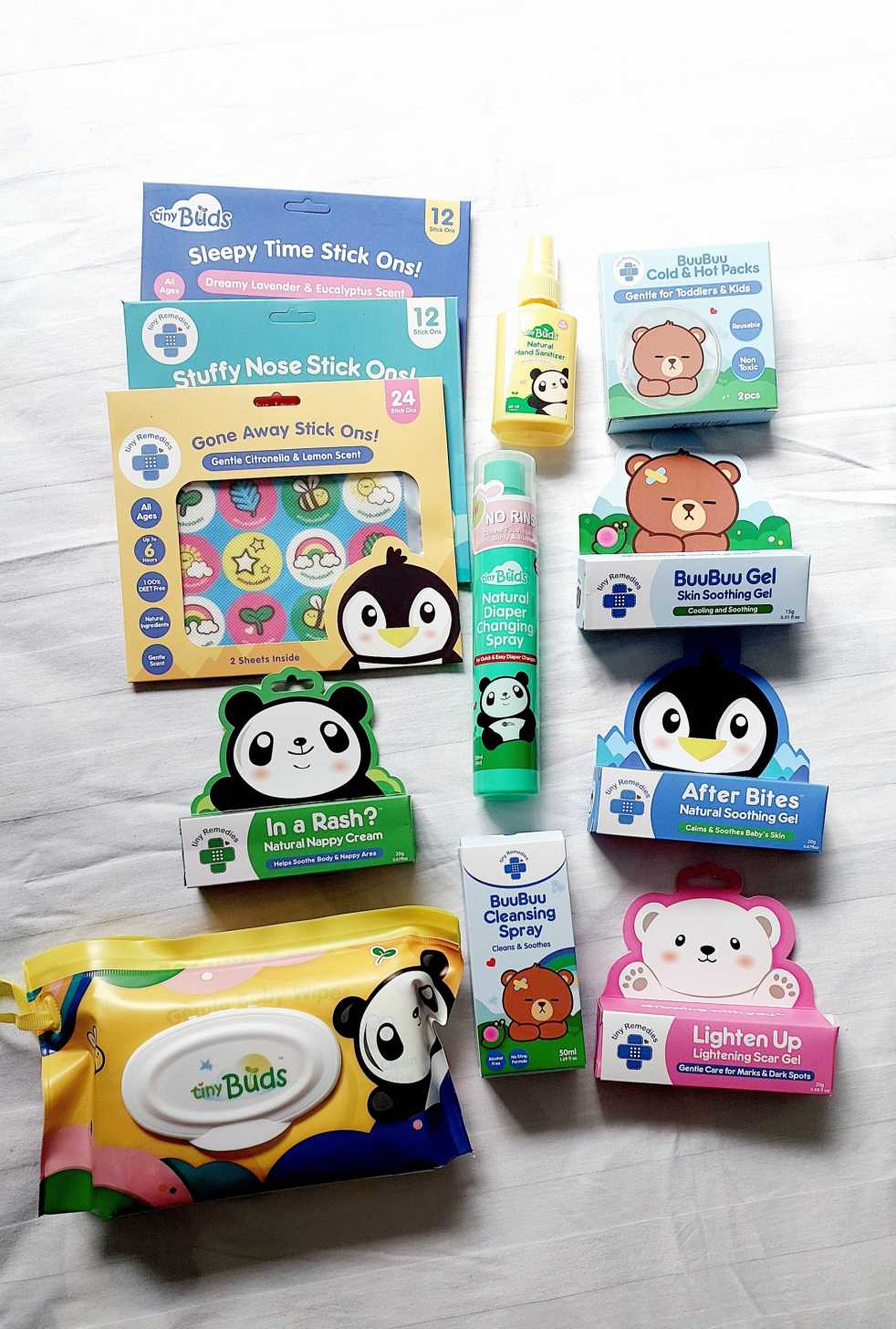
Your baby’s skin is more delicate than most, this is why you have to choose products that are designed for sensitive skin. Tiny Buds is a pioneer in integrating natural ingredients into baby care and today has over 50 innovative natural baby care essentials and is one of the Top Baby Personal Care brands. Here… Continue reading Product Review: Tiny Buds Baby Naturals Baby Essentials
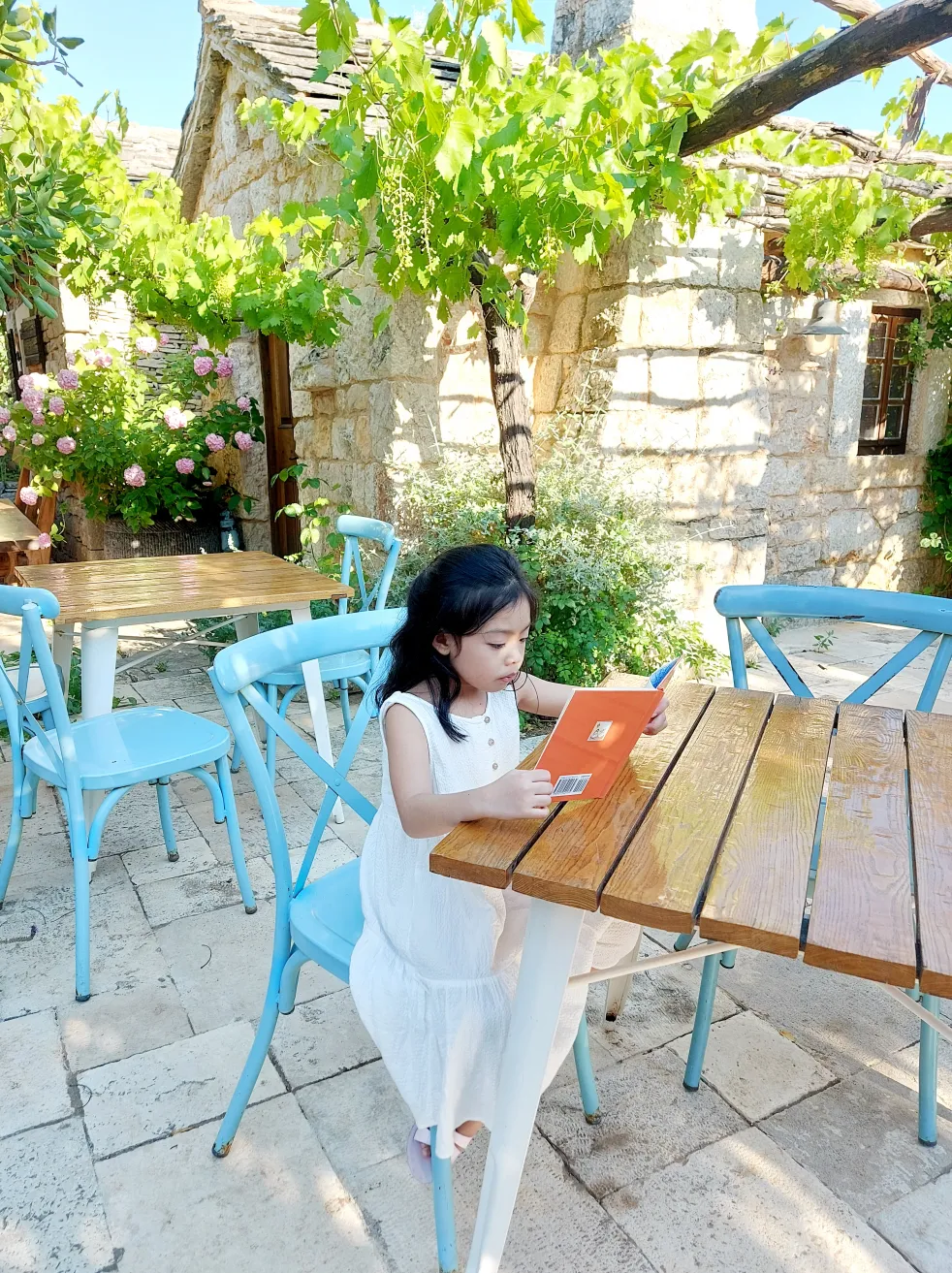
Where your child goes to school is a big decision and shouldn’t be taken lightly. Given how their education can impact their future, you might be tempted to take control and decide for them. However, you might be doing more damage than helping them in the long run. Your job as parents is to support… Continue reading HOW TO CHOOSE THE BEST SCHOOL FOR YOUR CHILD
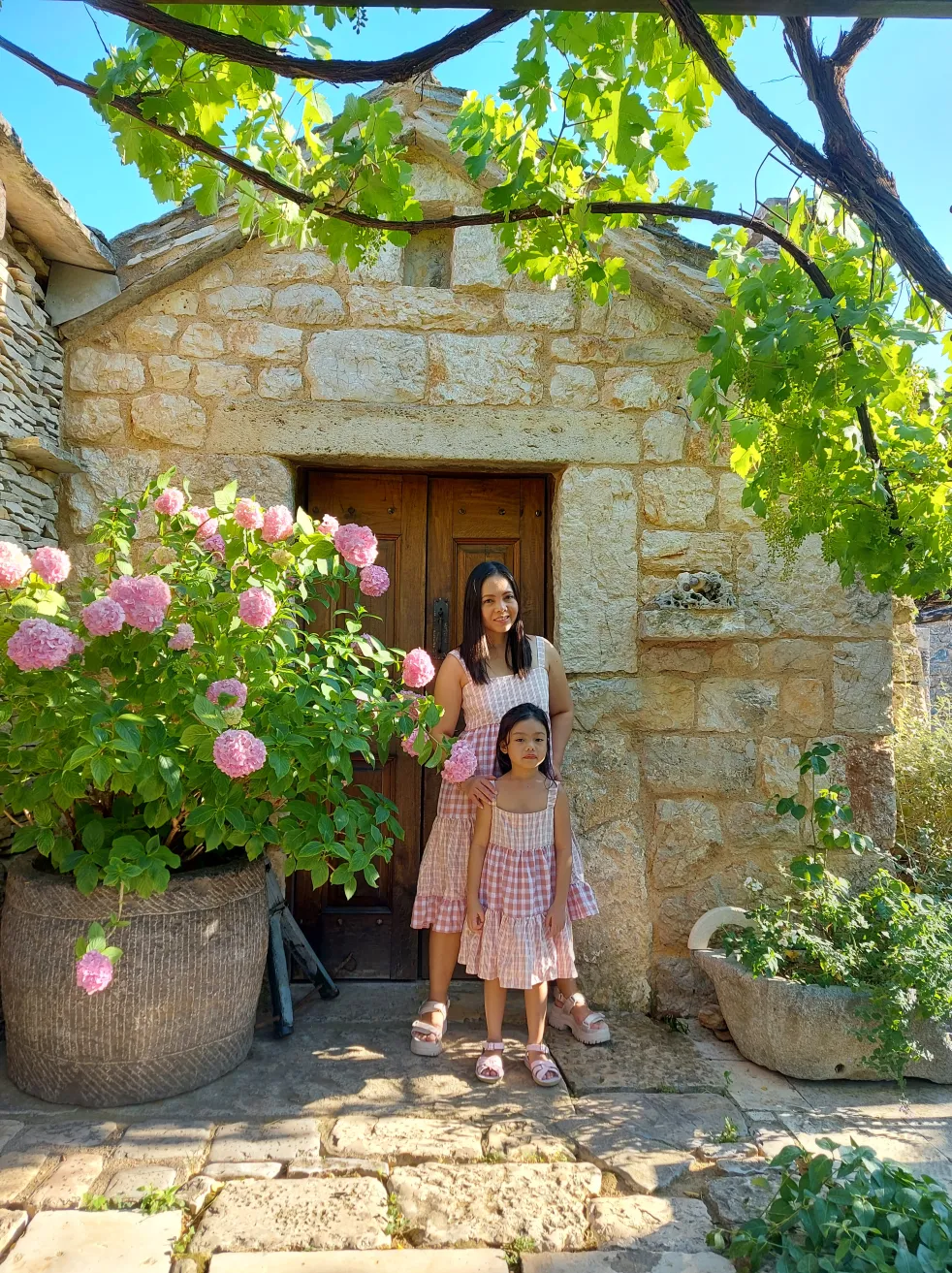
As poet and philosopher Rumi once eloquently said, “raise your words, not your voice. It is rain that grows flowers, not thunder.” Parenting is a challenging journey, and the truth is that nobody has everything figured out. One parenting style might suit others best, and some might favor other methods. However, children respond better to… Continue reading A SIMPLE GUIDE TO GENTLE PARENTING
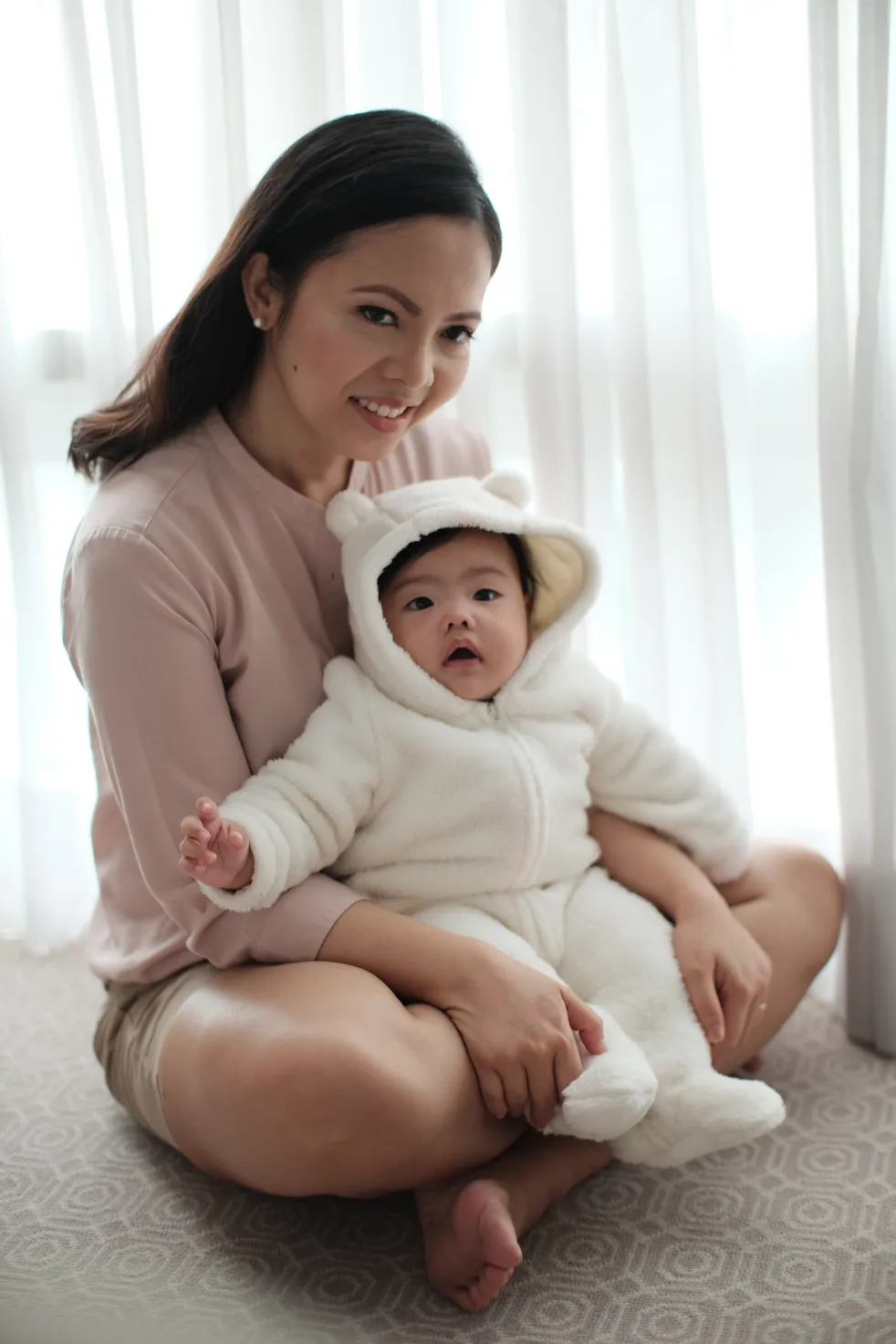
Whether you’re a new mom to be, mom of a toddler, mom who have school-aged kids, you’re bound to have so many questions. Let's start with your baby's skin. Infant skin has unique needs; gentle care is essential to prevent damage to the skin barrier, which can lead to irritation. When caring for infant skin,… Continue reading Keeping Baby’s Diapered Skin Healthy
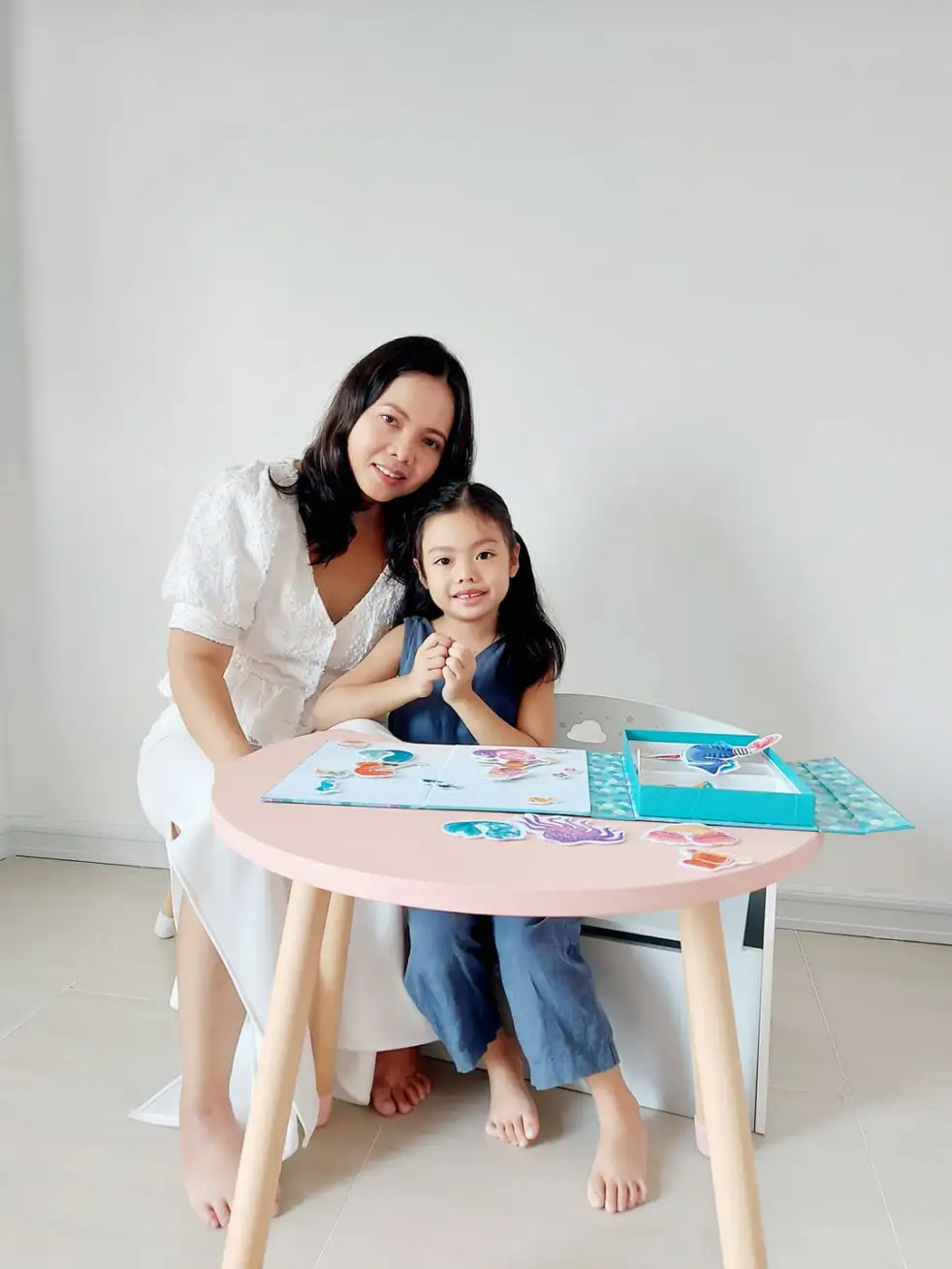
As parents, we want to give our child the best possible start in life and that begins with nurturing their intelligence. Throughout history, the notion of success has been linked to academic intelligence. However, there has been an increased awareness on the importance of emotional intelligence. This question gets at the heart of the never-ending… Continue reading IQ or EQ, which one is a better predictor of your child’s success?
 wondermomma.net