

Last August, IKEA Philippines engaged with Better World Smokey Mountain, a newly opened community center operated by the San Miguel Foundation, which shares a similar goal of improving the lives of many Filipino people. Through this partnership, IKEA Philippines provided and assembled home furnishings for the classrooms and library of Better World Smokey Mountain community… Continue reading Help Create a Better World with IKEA Soft Toys

NutriAsia, the country’s top producer of condiments and sauces, continues its support of Refill Revolution; a project by the Department of Environment and Natural Resources EMB 3 that aims to help reduce Filipinos’ single-use plastics consumption. At Refill Revolution, residents get to recycle their single-use plastic bottles by reusing and filling it with their choice… Continue reading NutriAsia and DENR renews partnership for Refill Revolution

Simple ways to help your baby roll over and crawl
Watching a baby discover movement is one of the most exciting parts of early parenthood. A first roll, an attempt to pivot on the tummy, or a determined crawl across the floor can feel like a major milestone. These skills develop at different times, though, and babies often progress in their own order.
You can support motor development through short, playful opportunities throughout the day. A safe floor space, interesting toys, and plenty of encouragement are usually more helpful than structured exercises or pressure to perform.
Rolling and crawling also depend on strength, balance, coordination, confidence, and curiosity. Gentle practice helps your little one build these abilities while keeping movement relaxed and enjoyable for both of you.
Start with comfortable tummy time
Tummy time is one of the simplest ways to strengthen the neck, shoulders, arms, back, and core muscles needed for rolling and crawling. Begin with brief sessions while your baby is awake and alert. Several one- to five-minute periods spread throughout the day can be easier than one long attempt.
Place your baby on a firm, clear surface, such as a play mat on the floor. Lie nearby, smile, sing, or talk face to face. Your presence can make the position feel safer, especially if your baby initially dislikes being on the tummy.
If floor time causes frustration, try placing your baby across your lap or chest while you are fully awake. A rolled receiving blanket under the chest can also provide gentle support, but keep the face and airway clear. Always supervise tummy time and place your baby on the back for sleep.
Make movement inviting
Babies are naturally drawn to faces, voices, bright colors, and familiar objects. Put a favorite toy just to the side rather than directly in front of your baby. This encourages the head and upper body to turn, which can lead to shifting weight and rolling.
Move the toy slowly from one side to the other. Give your baby enough time to look, reach, and experiment instead of moving it too quickly. A crinkly cloth book, soft rattle, or unbreakable mirror can offer motivation without overwhelming the senses.
You can also lie beside your baby and roll gently from your own back to your side. Babies learn through observation, so your slow movements may show how the body changes position. Keep the activity playful rather than repeatedly placing your baby into a position they cannot yet manage.
Families looking for broader guidance on baby care, child development, and everyday parenting can browse parenting resources alongside advice from a trusted healthcare professional.
Support rolling without forcing it
Rolling commonly develops from tummy to back first, although some babies learn back-to-tummy movement earlier. To encourage the skill, place your baby on the back and position an interesting object slightly to one side. This invites them to turn the head, reach across the body, and shift the hips.
You may gently bend one knee toward the opposite side to help your baby feel the movement, then pause and let them complete as much of the roll as possible. Avoid pulling by the arms, lifting the legs sharply, or repeatedly turning the body for them. The aim is to offer a small cue, not to do the movement.
Give your baby freedom to move in clothing that is comfortable and not restrictive. Bare feet can help with traction on a play mat, while slippery blankets may make it harder to push, twist, or stabilize. Stop when your baby becomes tired, distressed, or overstimulated.
Rolling milestones vary widely. A baby who spends time reaching, kicking, turning the head, and pushing through the forearms is still practicing important foundations, even if a complete roll has not appeared.
Build the foundations for crawling
Crawling requires more than strong arms. Babies need to coordinate the shoulders, trunk, hips, and legs while shifting weight from one side to the other. Tummy time, reaching across the body, and free movement on the floor all help develop this coordination.
Some babies crawl on hands and knees, while others belly-crawl, bottom-shuffle, roll to reach objects, or move straight to pulling up and walking. These variations can be normal. What matters is that your baby gradually becomes more mobile, stronger, and better able to explore.
Place toys just beyond reach so your baby has a reason to push, pivot, or stretch. You can put your hands behind the soles of the feet for a moment, allowing your baby to press against a stable surface. Do not push the body forward; simply provide resistance that may help them discover how their legs work.
| Activity | Skills it supports | How to keep it gentle |
|---|---|---|
| Short tummy-time sessions | Neck, shoulder, back, and arm strength | Start briefly and stay close |
| Toy placed to the side | Reaching, trunk rotation, and weight shifting | Let your baby move at their own pace |
| Reaching across the body | Coordination and balance | Use a soft, safe toy |
| Hands against your palms | Leg pushing and body awareness | Offer light resistance without pushing |
| Free floor play | Rolling, pivoting, and crawling practice | Clear the area and supervise |
Create a safe space for exploration
Once your baby begins rolling, floor safety becomes especially important. Keep small objects, coins, cords, plastic bags, and loose pieces out of reach. Check toys regularly for broken parts, and avoid items with button batteries or detachable magnets.
Secure furniture that could tip, cover electrical outlets, and keep hot drinks, medicines, cleaning products, and dangling tablecloths away from curious hands. Babies can travel farther than expected within seconds, so a safe play area should be prepared before mobility arrives.
Baby walkers are not a safe way to teach walking or crawling and can increase the risk of falls and injuries. A stationary activity center used according to safety guidance may be a better option for brief periods, but supervised floor play remains the most useful setting for early movement.
When your baby starts rolling during a diaper change, keep one hand on them and use a changing surface only when you can stay within immediate reach. For routine play, the floor is safer than a bed or sofa because there is less risk of falling.
Follow your baby’s individual pace
Developmental timelines are useful guides, not deadlines. Some babies roll frequently before showing interest in crawling, while others spend weeks rocking on hands and knees before moving forward. Premature babies may also follow an adjusted age when milestones are considered.
Focus on patterns rather than a single date. Is your baby becoming more active, using both sides of the body, reaching for objects, and gaining control of the head and trunk? These gradual changes often show progress even when a milestone seems close but has not happened.
Discuss your concerns with your pediatrician if your baby seems unusually stiff or floppy, consistently uses one side much more than the other, loses a skill they previously had, or shows little improvement in head control. A healthcare professional can assess development and recommend support when needed.
A baby who dislikes tummy time may benefit from shorter, more frequent attempts, a different surface, or more interaction from a parent. Persistent distress, feeding concerns, or difficulty lifting the head also deserve professional advice rather than extra pressure at home.
Keep daily practice playful
The best movement practice can fit naturally into ordinary routines. After a nap, place your baby on a mat for a few minutes. During play, switch the position of toys and allow time for reaching. When getting dressed, give your baby a chance to kick and move freely.
Try these simple habits:
- Offer supervised tummy time several times each day.
- Place toys slightly to the side or just beyond reach.
- Give your baby plenty of safe, uncluttered floor space.
- Use your voice, face, and songs to encourage exploration.
- Stop when your baby shows signs of fatigue or frustration.
Praise effort rather than results. A smile, clap, or warm “You reached it!” helps your baby associate movement with connection and discovery. Avoid comparing siblings or children in parenting groups, since normal development includes a broad range of timing and movement styles.
With patience and a secure environment, everyday play can give your baby many opportunities to strengthen muscles, practice balance, and gain confidence. Keep offering small moments to move, observe progress over time, and seek guidance whenever something feels concerning. Share these gentle activities with another caregiver and make active floor play a regular part of your family’s day.

Mercato Centrale, in collaboration with Indian Women in Enterprise Philippines (I-We), is set to host "The Great Indian Fiesta" to mark 75 years of friendship between India and the Philippines. The dynamic two-day event is scheduled to take place on September 30 to October 1, 2023, at Paseo De Roxas Street, Makati City. Aiming to… Continue reading Mercato Centrale Partners with I-We to Host ‘The Great Indian Fiesta’, Commemorating 75 Years of India-Philippines Friendship

My stomach would usually start growling at 10 am even after taking a big breakfast. This is probably because I am a morning person and I move a lot throughout the day hence snacking is something that I can't avoid. This potatoes and chicken wrap recipe is easy to prepare and would keep me full… Continue reading Potato and Chicken Wrap
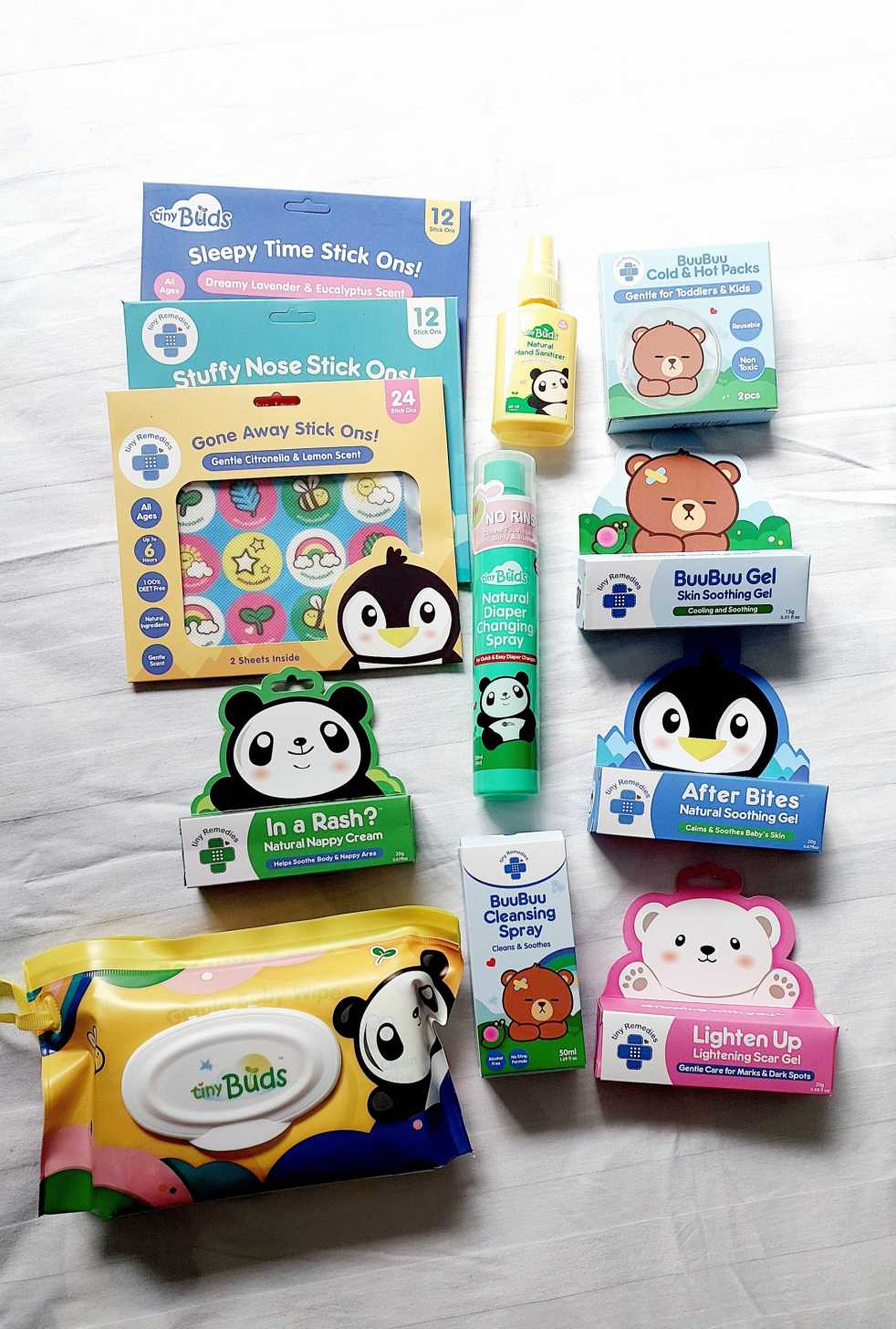
Your baby’s skin is more delicate than most, this is why you have to choose products that are designed for sensitive skin. Tiny Buds is a pioneer in integrating natural ingredients into baby care and today has over 50 innovative natural baby care essentials and is one of the Top Baby Personal Care brands. Here… Continue reading Product Review: Tiny Buds Baby Naturals Baby Essentials
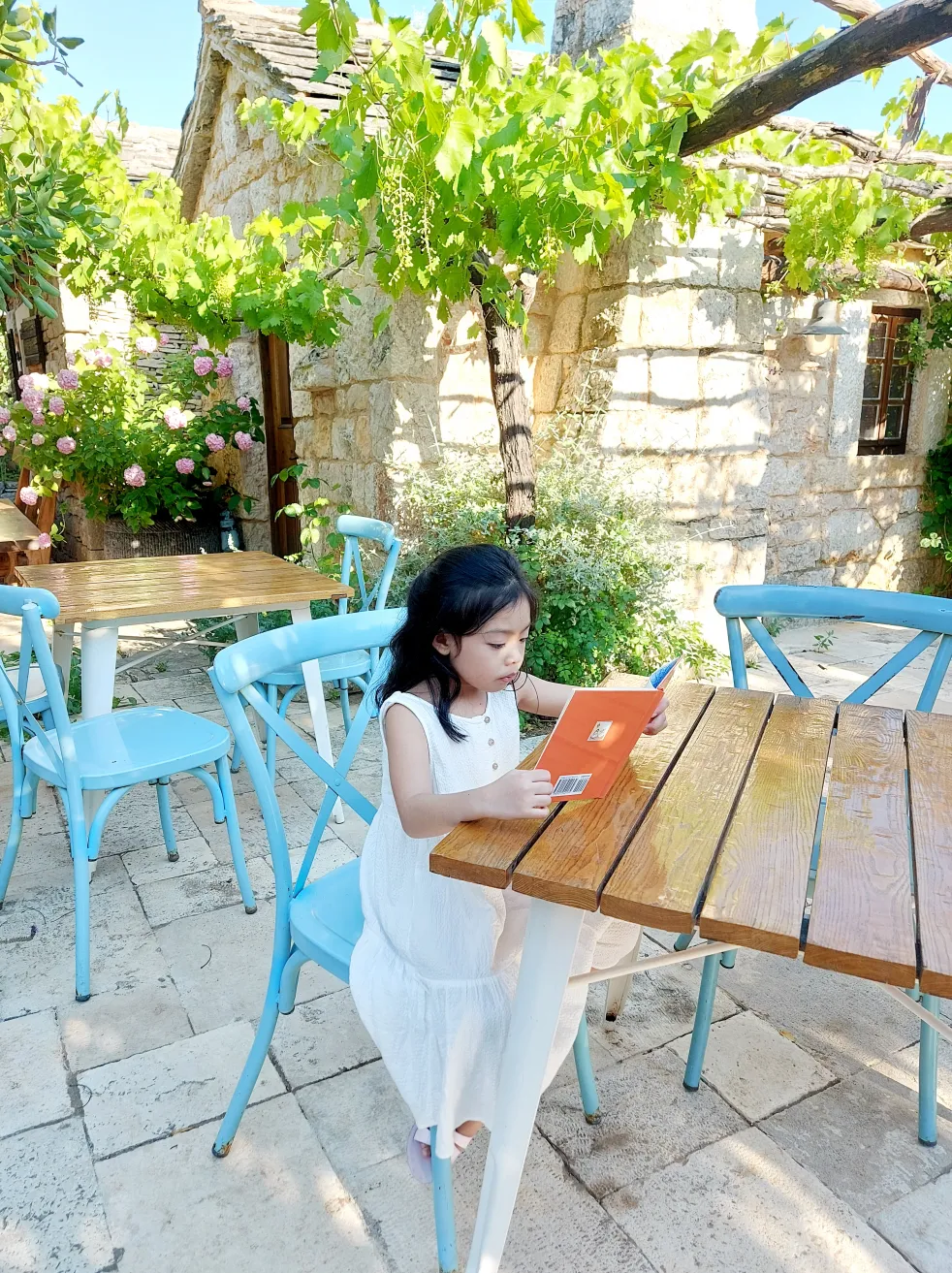
Where your child goes to school is a big decision and shouldn’t be taken lightly. Given how their education can impact their future, you might be tempted to take control and decide for them. However, you might be doing more damage than helping them in the long run. Your job as parents is to support… Continue reading HOW TO CHOOSE THE BEST SCHOOL FOR YOUR CHILD
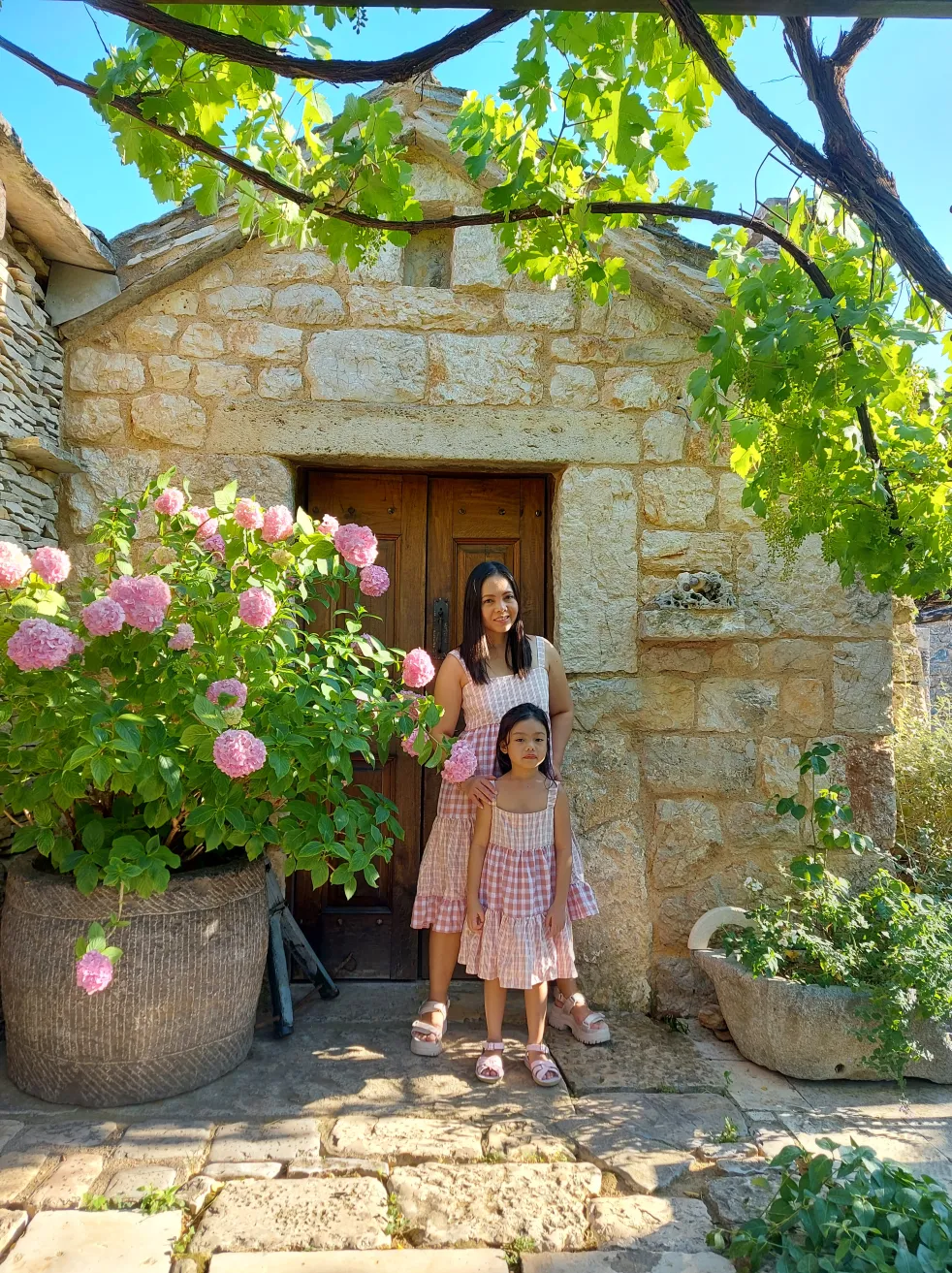
As poet and philosopher Rumi once eloquently said, “raise your words, not your voice. It is rain that grows flowers, not thunder.” Parenting is a challenging journey, and the truth is that nobody has everything figured out. One parenting style might suit others best, and some might favor other methods. However, children respond better to… Continue reading A SIMPLE GUIDE TO GENTLE PARENTING

Whether you’re a new mom to be, mom of a toddler, mom who have school-aged kids, you’re bound to have so many questions. Let's start with your baby's skin. Infant skin has unique needs; gentle care is essential to prevent damage to the skin barrier, which can lead to irritation. When caring for infant skin,… Continue reading Keeping Baby’s Diapered Skin Healthy
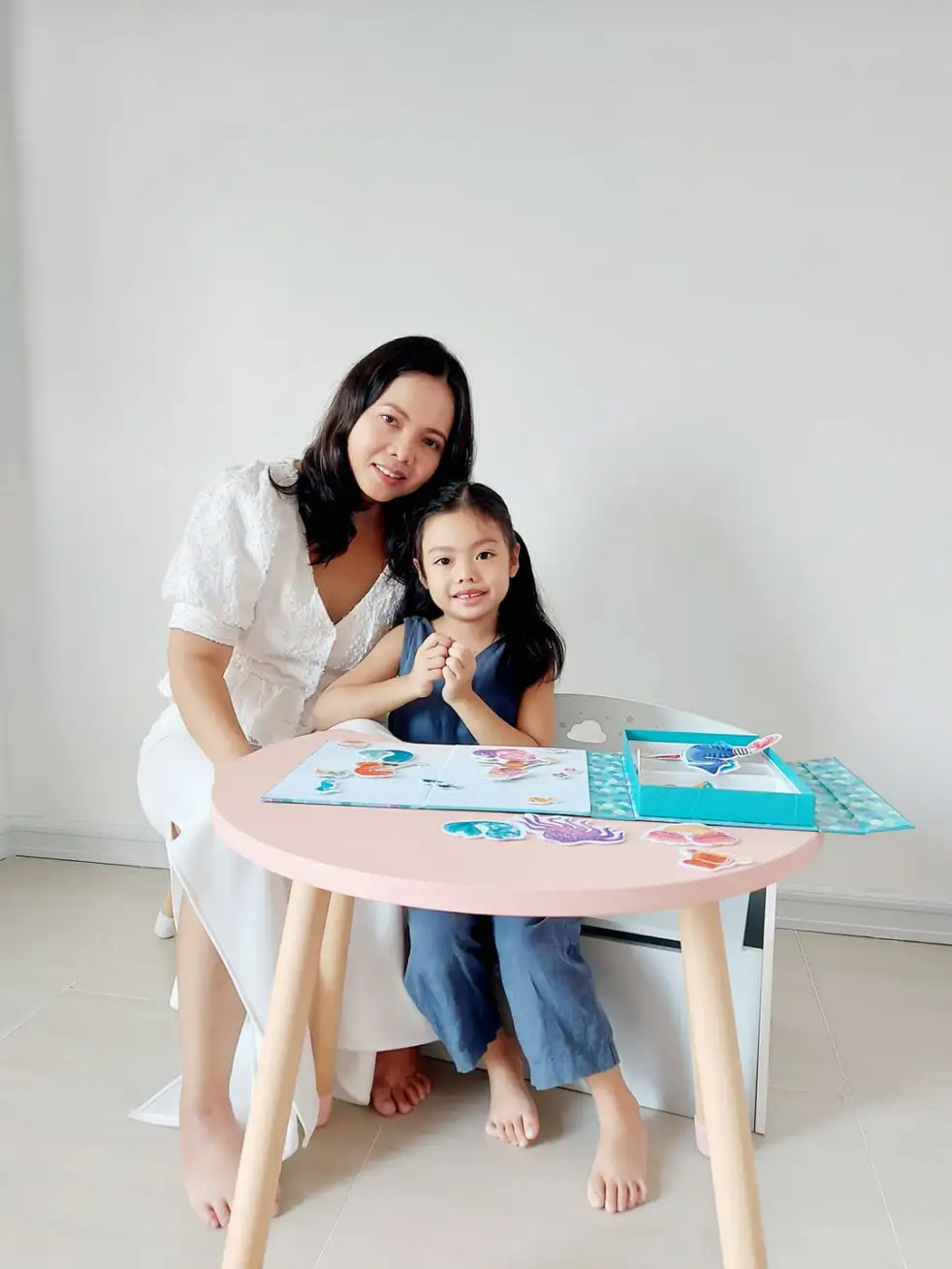
As parents, we want to give our child the best possible start in life and that begins with nurturing their intelligence. Throughout history, the notion of success has been linked to academic intelligence. However, there has been an increased awareness on the importance of emotional intelligence. This question gets at the heart of the never-ending… Continue reading IQ or EQ, which one is a better predictor of your child’s success?
 wondermomma.net