

Last August, IKEA Philippines engaged with Better World Smokey Mountain, a newly opened community center operated by the San Miguel Foundation, which shares a similar goal of improving the lives of many Filipino people. Through this partnership, IKEA Philippines provided and assembled home furnishings for the classrooms and library of Better World Smokey Mountain community… Continue reading Help Create a Better World with IKEA Soft Toys

NutriAsia, the country’s top producer of condiments and sauces, continues its support of Refill Revolution; a project by the Department of Environment and Natural Resources EMB 3 that aims to help reduce Filipinos’ single-use plastics consumption. At Refill Revolution, residents get to recycle their single-use plastic bottles by reusing and filling it with their choice… Continue reading NutriAsia and DENR renews partnership for Refill Revolution

Simple Steps to Help Your Child Blow Their Nose
Teaching your child how to blow their nose can make colds, hay fever and everyday sniffles much easier to manage. The skill sounds simple to an adult, yet children need to learn how breathing changes when they gently push air through their nostrils. A calm demonstration and plenty of practice usually work better than giving instructions during a rushed, uncomfortable moment.
Nose blowing also supports good hygiene at home, childcare and school. In Australia, children may be exposed to winter viruses in busy centres in Melbourne, Sydney or Brisbane, while spring pollen can bother families in many parts of the country. A small routine involving tissues, handwashing and gentle breathing can help your child feel more capable when a blocked or runny nose appears.
Recognise When Your Child Is Ready
Many children begin to understand nose blowing between two and four years of age, although development varies. Readiness matters more than a particular birthday. Your child may be prepared when they can copy simple actions, follow a short instruction, close their mouth briefly or imitate you blowing bubbles, feathers or a tissue.
Start during a healthy moment rather than waiting for a heavy cold. A congested child may be tired, frustrated and unable to sense how much pressure to use. Explain that the nose helps air move in and out, then say that blowing sends unwanted mucus into a tissue. Use clear language such as, “Close your mouth, take a small breath, and puff through your nose.”
Children often learn by watching. Let your child see you use a tissue, turn away from others and wash your hands afterwards. Avoid making a big event of mucus or calling it dirty. A neutral tone helps prevent embarrassment, particularly for children who are already cautious about new sensations.
Make Practice Calm And Playful
Begin with breathing games that do not involve mucus. Hold a tissue loosely beneath your child’s nose and demonstrate a soft puff. You can also place a tissue strip or lightweight cotton ball near the nostrils and show how nose air makes it move. Do not put objects inside the nose, and stop if your child feels uncomfortable.
A mirror can help children see what is happening without touching their face repeatedly. Practise one nostril at a time by gently closing one side from the outside while your child blows through the other. Keep the pressure light; forceful blowing can make ears feel sore and may push mucus further into uncomfortable spaces.
Short, cheerful practice sessions are more effective than repeated reminders. Families looking for ideas around gentle routines may find family rhythm ideas useful when adding self-care skills to the day.
Keep The Practice Light
- Practise for one or two minutes after bath time.
- Praise the effort rather than the amount of mucus.
- Use a favourite soft tissue with an interesting pattern.
- Finish while your child is still relaxed.
Teach The Movement Step By Step
When your child has a runny nose, offer a tissue and guide the process in the same order each time. Ask them to stand or sit upright, keep their mouth closed, breathe in gently, and blow softly through the nose. Demonstrate a quiet “puff” rather than a loud blast. If both nostrils are blocked, one side at a time is usually easier.
Show your child how to hold the tissue over the nose without pressing it tightly against the skin. They can blow once, check the tissue, fold it or replace it, and then repeat if needed. Young children may need help pinching one nostril closed while they blow through the other. Keep your hands gentle and ask permission before touching their face.
The final steps matter as much as the blowing itself. Teach your child to place the used tissue in the bin, wash or sanitise their hands and avoid sharing tissues. At Australian childcare services, these habits fit well with the hygiene routines children already practise before meals and after toileting.
A saline spray or drops may help loosen thick mucus for some children, but choose products suitable for their age and follow the label. In Australia, pharmacists at local chemists can explain options, while a GP can advise if congestion is persistent or recurrent. Avoid using decongestant medicines for children unless a health professional specifically recommends them.
Handle Resistance And Messy Moments
Some children dislike the sound of blowing, the feel of tissue on their skin or the sensation of mucus moving. Others may sniff because it feels easier. Acknowledge the discomfort without turning the skill into a contest: “Your nose feels funny. We can try one small puff, then have a break.” Choice can help, such as selecting between two tissue boxes or deciding whether to practise before or after a story.
If your child blows too hard, model a quieter breath and use a hand signal for “small puff”. If they keep sucking mucus back in, do not scold. Offer a tissue and repeat the short instruction. Accidents are normal, especially when children are learning to coordinate their mouth, lungs and nostrils.
Pack A Simple Nose-Care Kit
- Pocket tissues for the car, pram or school bag.
- A small rubbish bag for used tissues on outings.
- Age-appropriate saline recommended by a pharmacist.
- A spare top for daycare or long trips.
Australian families may find it helpful to keep supplies in a nappy bag, sports bag or glove box, especially during cold weather in Canberra or frosty regional areas. In warmer climates, air conditioning can also leave noses feeling dry. Supermarkets such as Coles and Woolworths stock tissues, while pharmacies and major chemist chains commonly carry saline products. Choose soft, fragrance-free tissues if your child has sensitive skin.
If the skin beneath the nose becomes red, pat rather than rub and consider asking a pharmacist about a suitable protective product. Avoid applying strongly scented balms directly beneath a young child’s nostrils, as fragrances can irritate sensitive skin.
Build A Healthy Everyday Routine
Nose blowing becomes easier when it forms part of a familiar sequence rather than an emergency instruction. A simple pattern might be: notice the runny nose, get a tissue, blow one side, blow the other, throw the tissue away and wash hands. Use the same words each time so your child can gradually take over each step.
Keep expectations realistic. A toddler may manage the tissue and bin but need help with the actual blowing. A preschooler may do the whole sequence but forget handwashing. Give one reminder at a time and praise specific progress, such as, “You kept your mouth closed,” or, “You remembered to put the tissue in the bin.” Practical parenting resources such as gentle parenting guidance can support this broader approach to building independent skills.
Seek medical advice if your child has trouble breathing, severe facial pain, swelling around the eyes, a nosebleed that will not stop, or symptoms that seem unusually severe. A GP or Healthdirect can also help when congestion lasts longer than expected, affects sleep repeatedly, or comes with ongoing snoring, hearing concerns or frequent ear discomfort. Urgent breathing difficulty requires immediate attention.
The comparison below can help parents choose the right response for common situations without expecting every child to master the skill at once.
| Situation | Helpful response | What to avoid |
|---|---|---|
| Child is well and curious | Demonstrate gentle puffs with a tissue or mirror | Long lessons or pressure to perform |
| Mild runny nose | Guide one nostril at a time and praise cooperation | Rubbing the skin roughly |
| Thick or blocked mucus | Ask a pharmacist about age-appropriate saline | Adult decongestants without medical advice |
| Child refuses | Offer a choice, pause and try later | Holding the child down for practice |
| Repeated congestion or ear discomfort | Arrange advice from a GP or health professional | Assuming it is always a routine cold |
With steady modelling, short practice and a reassuring tone, nose care can become an ordinary part of getting dressed, leaving childcare or settling for bed. The aim is a comfortable, gentle skill that grows with your child’s confidence.

Mercato Centrale, in collaboration with Indian Women in Enterprise Philippines (I-We), is set to host "The Great Indian Fiesta" to mark 75 years of friendship between India and the Philippines. The dynamic two-day event is scheduled to take place on September 30 to October 1, 2023, at Paseo De Roxas Street, Makati City. Aiming to… Continue reading Mercato Centrale Partners with I-We to Host ‘The Great Indian Fiesta’, Commemorating 75 Years of India-Philippines Friendship

My stomach would usually start growling at 10 am even after taking a big breakfast. This is probably because I am a morning person and I move a lot throughout the day hence snacking is something that I can't avoid. This potatoes and chicken wrap recipe is easy to prepare and would keep me full… Continue reading Potato and Chicken Wrap
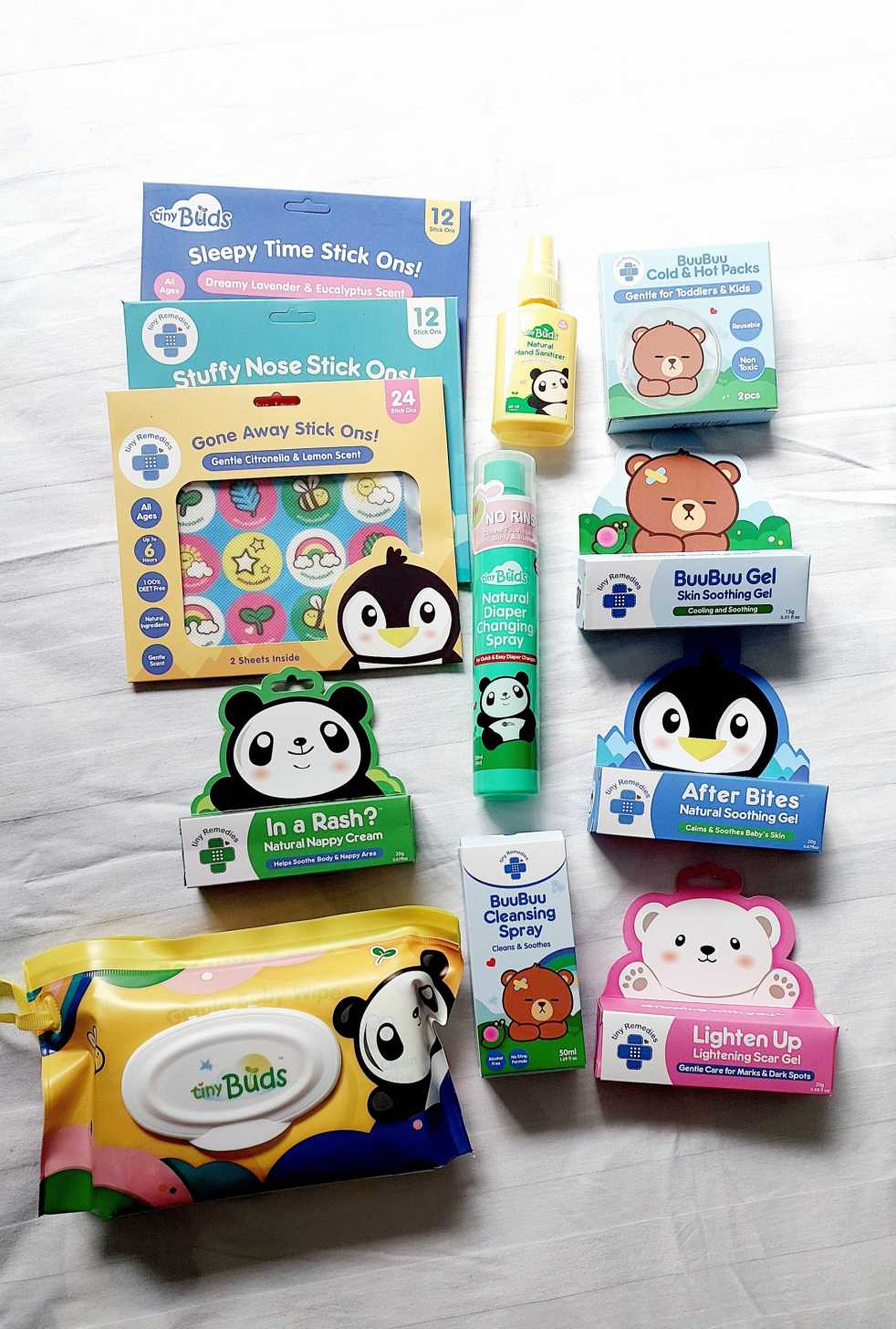
Your baby’s skin is more delicate than most, this is why you have to choose products that are designed for sensitive skin. Tiny Buds is a pioneer in integrating natural ingredients into baby care and today has over 50 innovative natural baby care essentials and is one of the Top Baby Personal Care brands. Here… Continue reading Product Review: Tiny Buds Baby Naturals Baby Essentials
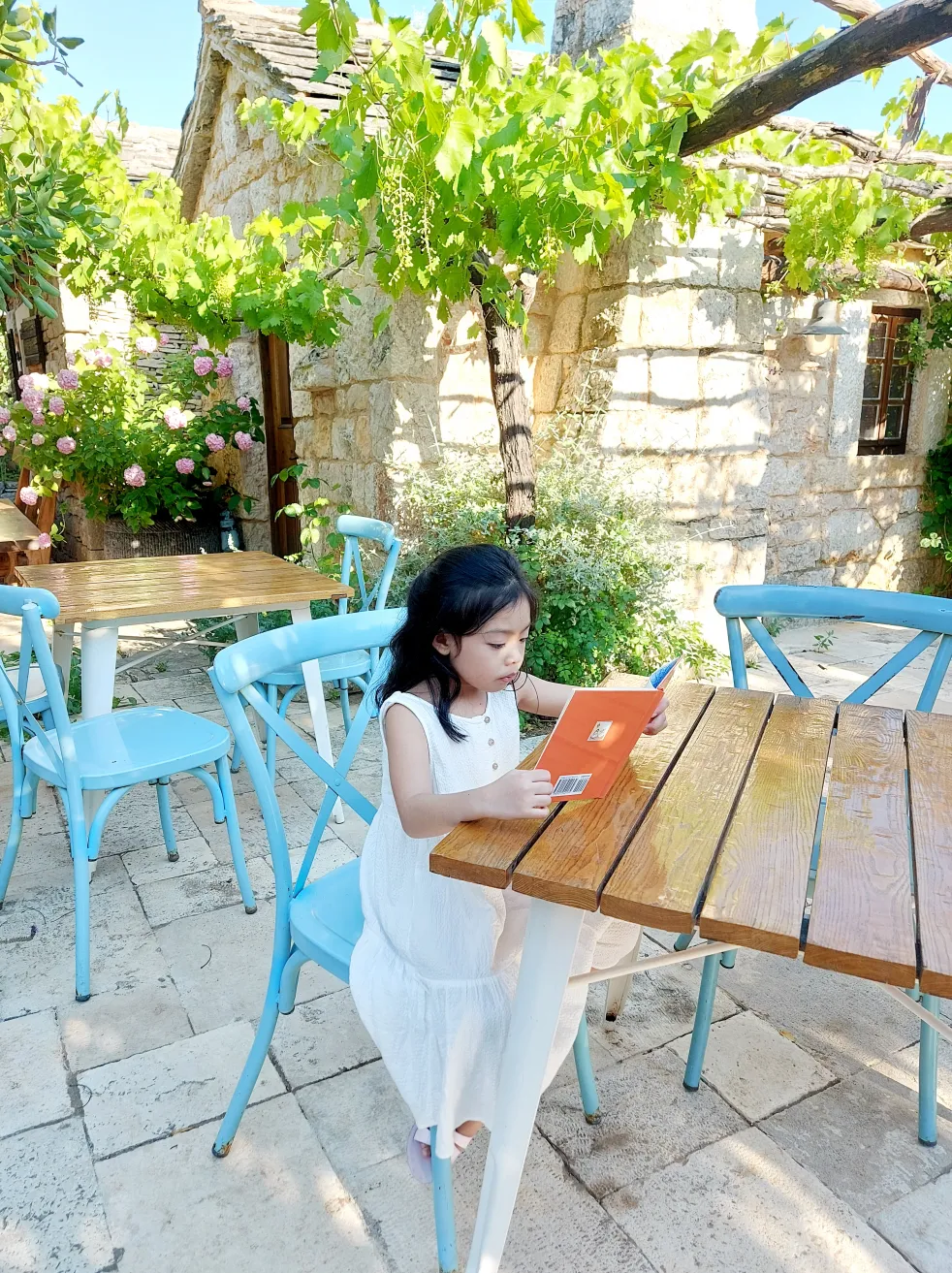
Where your child goes to school is a big decision and shouldn’t be taken lightly. Given how their education can impact their future, you might be tempted to take control and decide for them. However, you might be doing more damage than helping them in the long run. Your job as parents is to support… Continue reading HOW TO CHOOSE THE BEST SCHOOL FOR YOUR CHILD

As poet and philosopher Rumi once eloquently said, “raise your words, not your voice. It is rain that grows flowers, not thunder.” Parenting is a challenging journey, and the truth is that nobody has everything figured out. One parenting style might suit others best, and some might favor other methods. However, children respond better to… Continue reading A SIMPLE GUIDE TO GENTLE PARENTING

Whether you’re a new mom to be, mom of a toddler, mom who have school-aged kids, you’re bound to have so many questions. Let's start with your baby's skin. Infant skin has unique needs; gentle care is essential to prevent damage to the skin barrier, which can lead to irritation. When caring for infant skin,… Continue reading Keeping Baby’s Diapered Skin Healthy
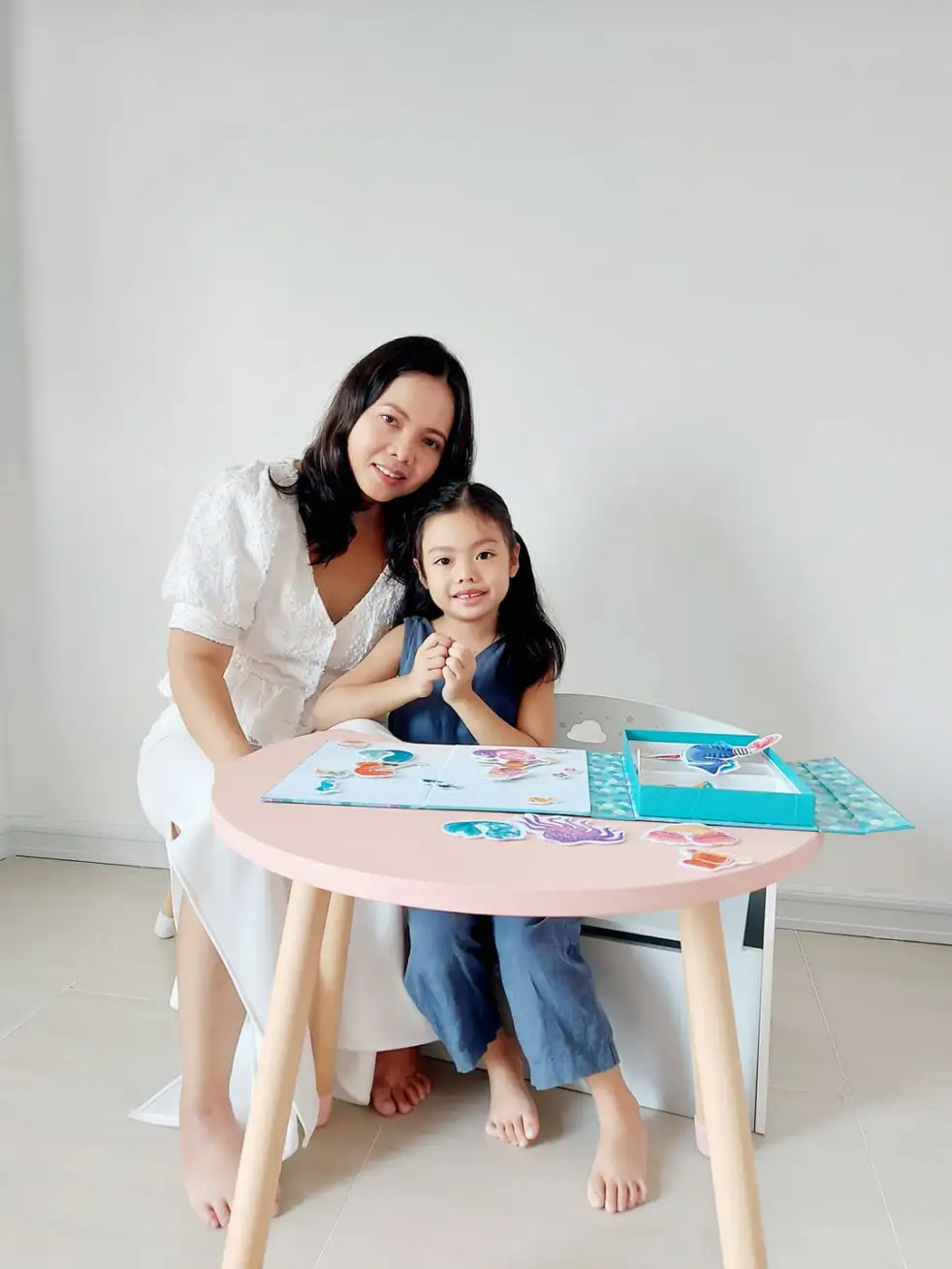
As parents, we want to give our child the best possible start in life and that begins with nurturing their intelligence. Throughout history, the notion of success has been linked to academic intelligence. However, there has been an increased awareness on the importance of emotional intelligence. This question gets at the heart of the never-ending… Continue reading IQ or EQ, which one is a better predictor of your child’s success?
 wondermomma.net