
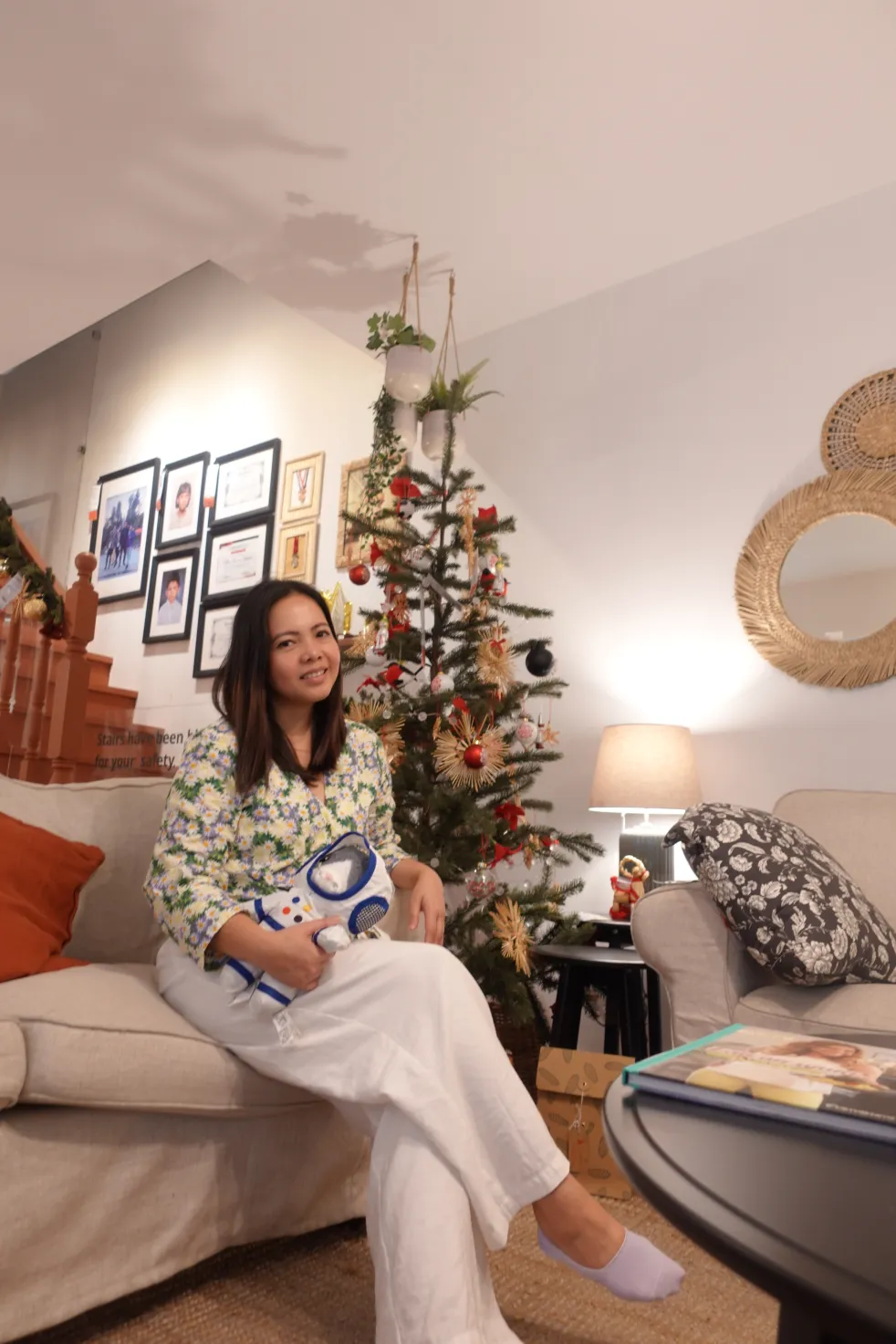
Last August, IKEA Philippines engaged with Better World Smokey Mountain, a newly opened community center operated by the San Miguel Foundation, which shares a similar goal of improving the lives of many Filipino people. Through this partnership, IKEA Philippines provided and assembled home furnishings for the classrooms and library of Better World Smokey Mountain community… Continue reading Help Create a Better World with IKEA Soft Toys
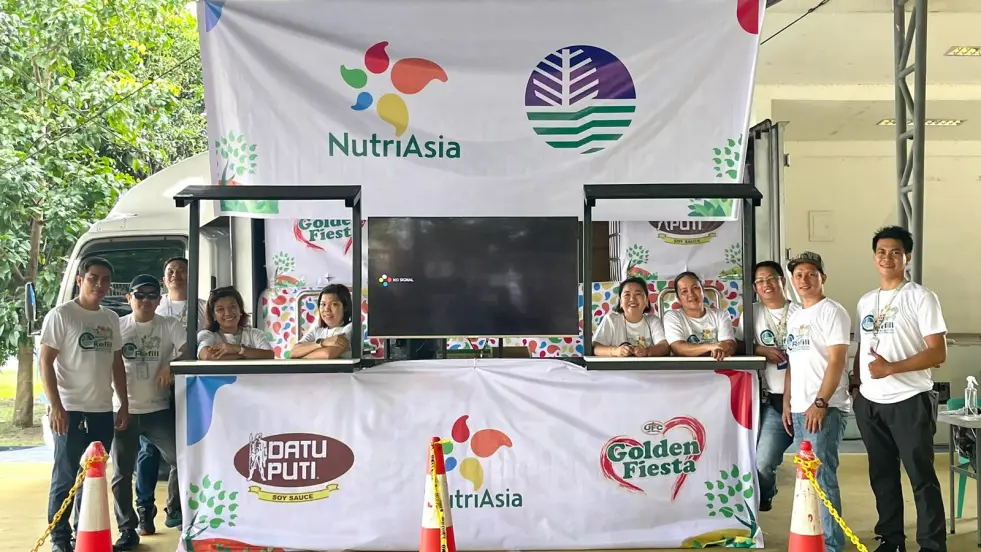
NutriAsia, the country’s top producer of condiments and sauces, continues its support of Refill Revolution; a project by the Department of Environment and Natural Resources EMB 3 that aims to help reduce Filipinos’ single-use plastics consumption. At Refill Revolution, residents get to recycle their single-use plastic bottles by reusing and filling it with their choice… Continue reading NutriAsia and DENR renews partnership for Refill Revolution

Simple Sensory Bottles for Infant Play
Sensory bottles are an easy way to offer babies safe, fascinating objects to watch, listen to, and explore. A clear container filled with moving colors, floating shapes, or gentle sounds can hold an infant’s attention during tummy time, quiet play, or a short reset between activities.
These homemade baby discovery toys support early visual tracking and encourage little ones to notice movement, contrast, and cause and effect. They are especially useful when parents want a calm activity that does not require a large play setup or expensive equipment.
The best bottles are simple, securely sealed, and suited to your child’s stage. For more family-friendly parenting ideas and practical activities, browse WonderMomma’s family resources alongside your sensory play plans.
Why Sensory Bottles Suit Young Babies
Infants learn through their senses long before they can speak or follow complex instructions. A bottle that slowly rolls, sparkles, or changes when tipped gives your baby a chance to focus their eyes and follow an object from side to side. This gentle visual practice can complement floor play and supervised tummy time.
A sensory bottle also gives babies a manageable way to observe cause and effect. When a parent shakes the container, the contents move. When the bottle rests, the objects settle. Your baby may begin by simply staring, then later reach, grasp, turn, and shake it independently.
These activities should be offered as invitations rather than tests. There is no need to make a baby perform a specific action. Follow signs of interest, pause when your child looks away, and keep the experience short if they become tired or overstimulated.
Prepare The Bottle Safely
Choose a strong, transparent plastic bottle with a wide enough opening for easy cleaning. Small water bottles can work well for older babies when an adult is holding them, while larger, sturdier bottles may be easier to supervise during floor play. Avoid glass, thin containers that crack easily, and bottles with detachable small parts.
Wash and dry every container before filling it. Use clean water and child-safe materials, and leave a little space at the top so the contents can move. After filling, apply a strong adhesive around the cap, screw it on firmly, and allow the seal to cure according to the product instructions. The lid should never be treated as secure simply because it feels tight.
Inspect each sensory toy before every use. Throw it away if the bottle leaks, the plastic becomes cloudy or cracked, the cap loosens, or the seal begins to peel. An adult should remain within reach while an infant handles the bottle, since homemade toys are not suitable for unsupervised chewing or independent sleep.
Easy Fillers For Different Experiences
A water-and-color bottle is a gentle first project. Add water and one or two drops of liquid food coloring, then seal it carefully. Blue, yellow, or green liquid can create a soft moving background, while a few large plastic shapes can add contrast. Keep the color light enough that your baby can still see the movement inside.
For a slow-motion bottle, combine water with a small amount of clear hair gel or glycerin. The thicker liquid makes large, securely enclosed shapes drift gradually from top to bottom. Use only a tiny amount at first and test the consistency before adding more. Avoid ingredients that may become cloudy, spoil, or separate unpleasantly over time.
A sound bottle can be made with a few large, lightweight items that create a soft rattle. Consider large craft pom-poms, chunky plastic rings, or a small quantity of dry pasta inside a very sturdy container. Since sound can be startling, shake it gently and observe your baby’s reaction. Do not use coins, beads, beans, rice, or any piece small enough to become a choking hazard if the bottle opens.
Simple Sensory Bottle Ideas
A color swirl bottle needs only water, a little food coloring, and a small amount of baby-safe oil. When tipped, the oil and water move in separate layers, creating a slow, shifting pattern. Test the mixture before offering it, since a securely sealed bottle is essential and the contents should never be accessible to your child.
A nature-themed bottle can feature large artificial leaves, broad plastic flowers, or oversized waterproof shapes. Choose items without sharp edges, peeling paint, wire, or loose decorations. This design gives babies a chance to notice color and shape while an adult names what they see: “green leaf,” “yellow flower,” or “round shape.”
For a high-contrast visual toy, use black-and-white shapes cut from waterproof plastic or place large white and dark objects against a clear background. Young babies often notice bold patterns more easily than pale details. Move the bottle slowly from one side to the other, keeping it within a comfortable viewing distance rather than placing it directly over the baby’s face.
Match The Bottle To Your Baby
The table below can help you select a filling based on the experience you want to offer. Each idea should be adapted to your child’s age, motor skills, and ability to handle objects safely.
| Bottle idea | What your baby may notice | Suitable materials | Safety reminders |
|---|---|---|---|
| Color water bottle | Slow movement and changing shades | Water, light food coloring, large plastic shapes | Seal tightly and check for leaks |
| Gel drift bottle | Objects moving gradually | Clear gel or glycerin, large waterproof pieces | Avoid ingredients that spoil or become cloudy |
| Gentle sound bottle | Soft rattling and cause and effect | A few large, lightweight enclosed items | Never use coins, beads, beans, or rice |
| Oil swirl bottle | Separate layers and flowing patterns | Water, baby-safe oil, food coloring | Keep the cap permanently secured |
| High-contrast bottle | Bold shapes and visual tracking | Large black-and-white waterproof shapes | Move slowly and stop if baby turns away |
| Nature-inspired bottle | Colors, silhouettes, and familiar forms | Large artificial leaves or flowers | Remove sharp, wired, or peeling pieces |
A newborn may prefer watching a bottle held still or moved slowly by a parent. Around the early months, babies often become more interested in bright colors, strong patterns, and objects that move across their field of vision. Once your infant can grasp and bring items toward the mouth, use extra care with the bottle’s size, weight, and seal.
A baby who is sitting or crawling may enjoy turning the bottle and watching the contents settle. This is a good time to offer a lightweight container that can be pushed or rolled on a clean floor. Keep the activity separate from feeding, sleep, and changing areas so the bottle remains a supervised play object.
Make Play Calm And Interactive
Sensory play works best when a parent stays involved. Hold the bottle at your baby’s eye level, describe what is happening, and allow plenty of quiet pauses. Simple language such as “The blue water is moving” or “The stars are falling down” connects the visual experience with early communication.
Use sensory bottles for a few minutes at a time, especially when your infant is still learning to process new sights and sounds. One bottle can be enough for a session. Offering several brightly colored bottles at once may make it harder for a young baby to focus.
Watch your child’s body language. Relaxed hands, steady attention, and gentle reaching can indicate interest, while turning away, fussing, stiffening, or rubbing the eyes may signal that it is time to stop. Sensory activities should feel peaceful and flexible, never like an obligation.
Keep A Small Rotation Of Bottles
Rather than making many bottles at once, begin with two or three different experiences: one visual, one slow-moving, and one sound-based. Store them upright in a cool place away from direct sunlight. Check the seal and contents regularly, especially if the bottle contains gel, oil, or colored water.
Rotating the bottles helps each one remain interesting without overwhelming your baby. You can also change the way you present the same bottle. Roll it across a mat, hold it still for tracking, or place it nearby during supervised tummy time. Always keep it close enough to prevent your infant from struggling to reach or pulling it onto their face.
Useful safety habits include:
- Choose large, sturdy containers that cannot shatter or split easily.
- Avoid tiny fillers, loose craft pieces, sharp objects, and toxic materials.
- Permanently secure every lid and test the bottle before each session.
- Stay within arm’s reach while your infant holds, mouths, or moves it.
- Replace the bottle immediately if it leaks, cracks, smells unusual, or opens.
Homemade sensory bottles can become part of an everyday rhythm: a few minutes after a nap, a quiet activity while a parent folds laundry nearby, or a gentle visual game before bedtime. They do not need to be elaborate to support curiosity. A clear container, safe movement, and a responsive caregiver are often enough.
Create one bottle this week using materials you already have, then introduce it slowly during a supervised play session. Notice what captures your baby’s attention, keep the experience relaxed, and let that observation guide the next simple sensory activity.

Mercato Centrale, in collaboration with Indian Women in Enterprise Philippines (I-We), is set to host "The Great Indian Fiesta" to mark 75 years of friendship between India and the Philippines. The dynamic two-day event is scheduled to take place on September 30 to October 1, 2023, at Paseo De Roxas Street, Makati City. Aiming to… Continue reading Mercato Centrale Partners with I-We to Host ‘The Great Indian Fiesta’, Commemorating 75 Years of India-Philippines Friendship

My stomach would usually start growling at 10 am even after taking a big breakfast. This is probably because I am a morning person and I move a lot throughout the day hence snacking is something that I can't avoid. This potatoes and chicken wrap recipe is easy to prepare and would keep me full… Continue reading Potato and Chicken Wrap
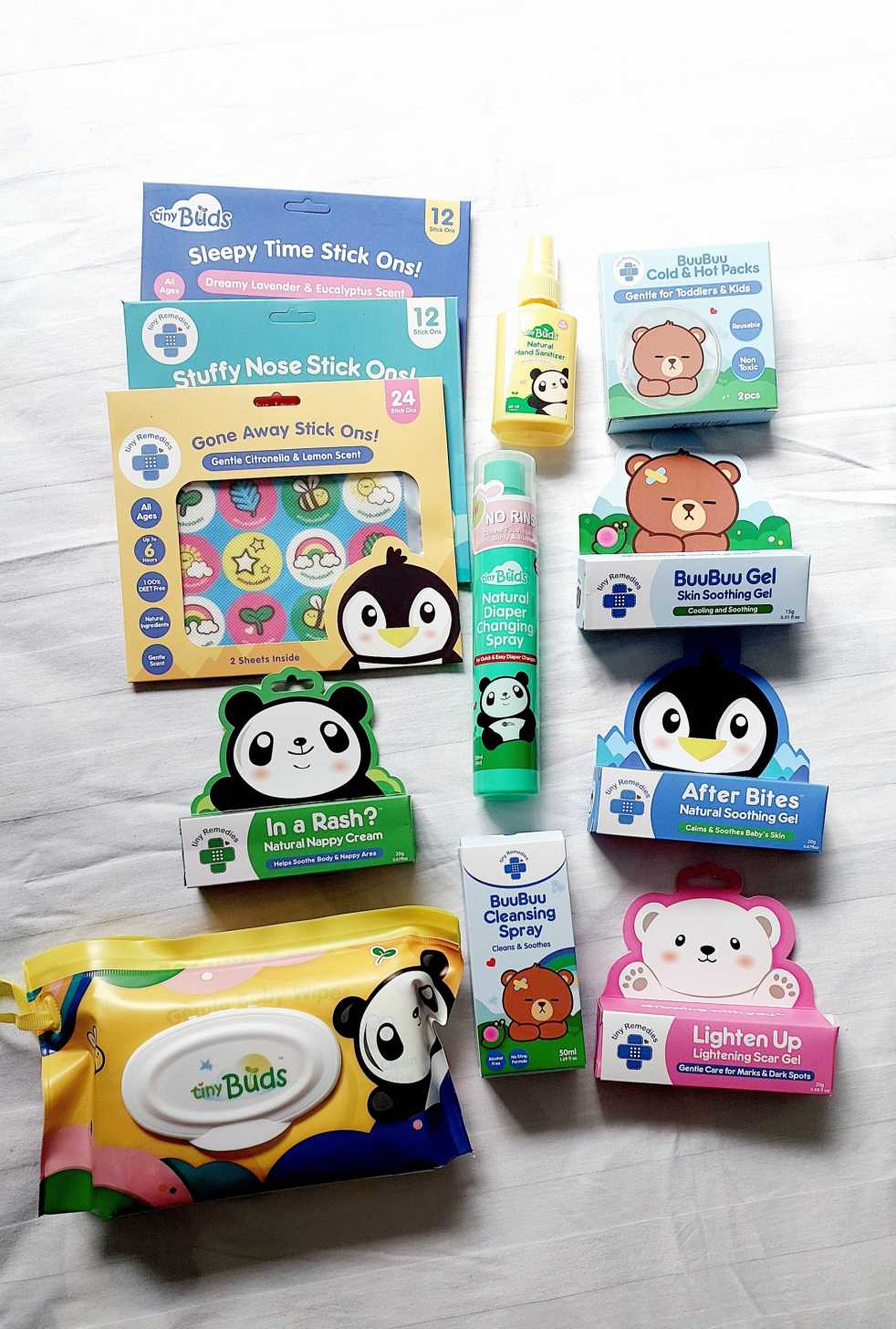
Your baby’s skin is more delicate than most, this is why you have to choose products that are designed for sensitive skin. Tiny Buds is a pioneer in integrating natural ingredients into baby care and today has over 50 innovative natural baby care essentials and is one of the Top Baby Personal Care brands. Here… Continue reading Product Review: Tiny Buds Baby Naturals Baby Essentials
Where your child goes to school is a big decision and shouldn’t be taken lightly. Given how their education can impact their future, you might be tempted to take control and decide for them. However, you might be doing more damage than helping them in the long run. Your job as parents is to support… Continue reading HOW TO CHOOSE THE BEST SCHOOL FOR YOUR CHILD
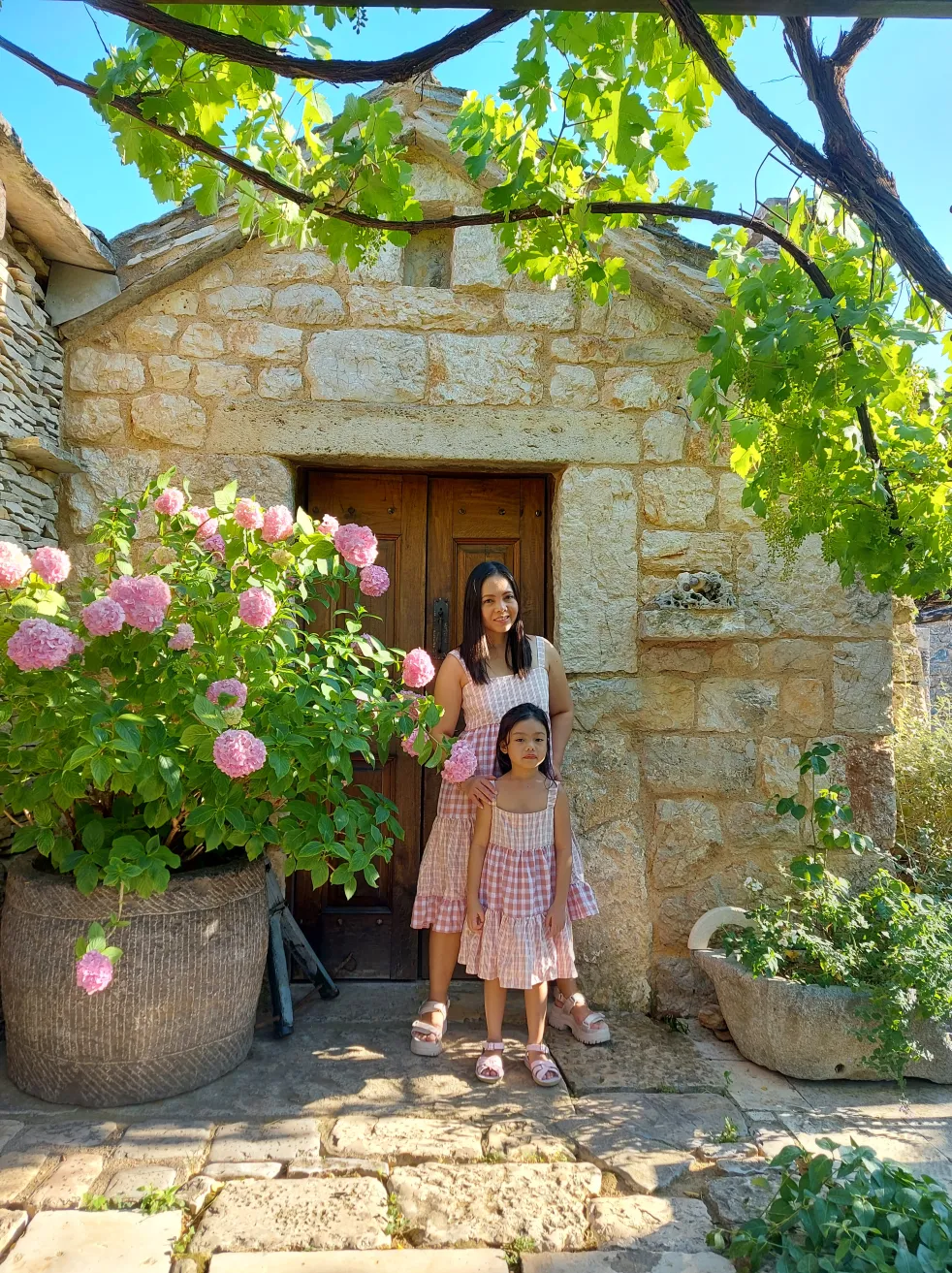
As poet and philosopher Rumi once eloquently said, “raise your words, not your voice. It is rain that grows flowers, not thunder.” Parenting is a challenging journey, and the truth is that nobody has everything figured out. One parenting style might suit others best, and some might favor other methods. However, children respond better to… Continue reading A SIMPLE GUIDE TO GENTLE PARENTING
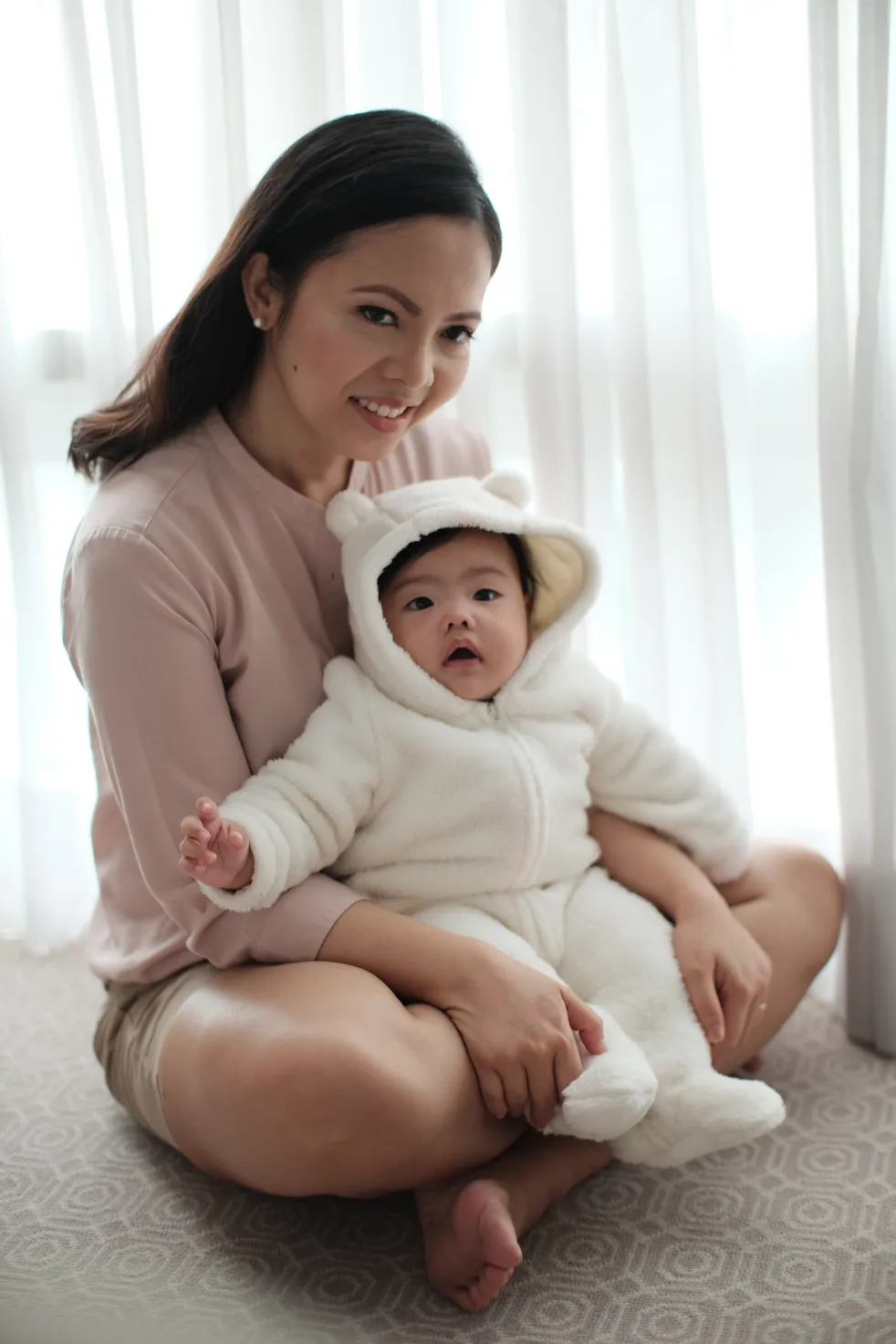
Whether you’re a new mom to be, mom of a toddler, mom who have school-aged kids, you’re bound to have so many questions. Let's start with your baby's skin. Infant skin has unique needs; gentle care is essential to prevent damage to the skin barrier, which can lead to irritation. When caring for infant skin,… Continue reading Keeping Baby’s Diapered Skin Healthy
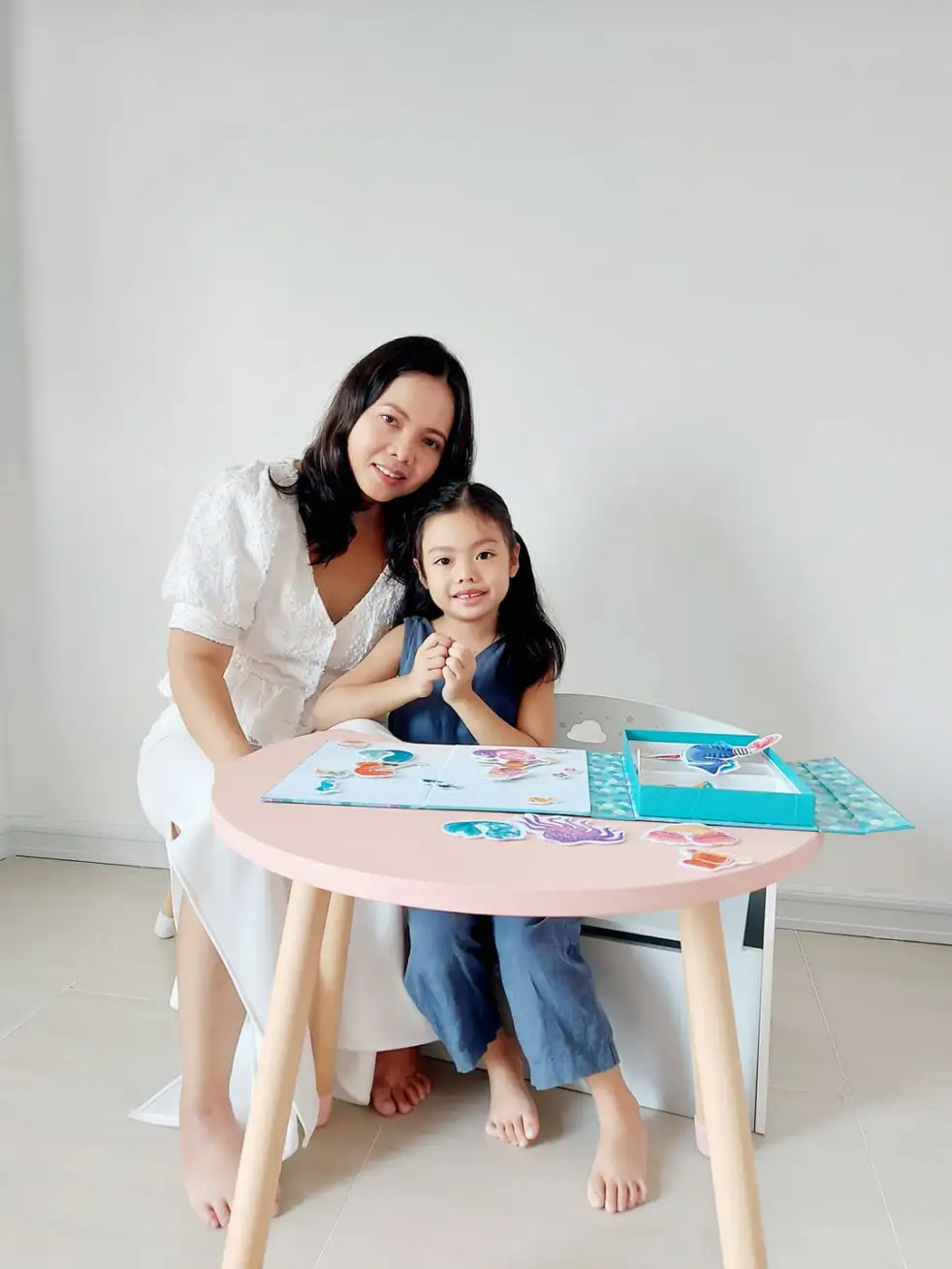
As parents, we want to give our child the best possible start in life and that begins with nurturing their intelligence. Throughout history, the notion of success has been linked to academic intelligence. However, there has been an increased awareness on the importance of emotional intelligence. This question gets at the heart of the never-ending… Continue reading IQ or EQ, which one is a better predictor of your child’s success?
 wondermomma.net